
Ottawa, Ontario
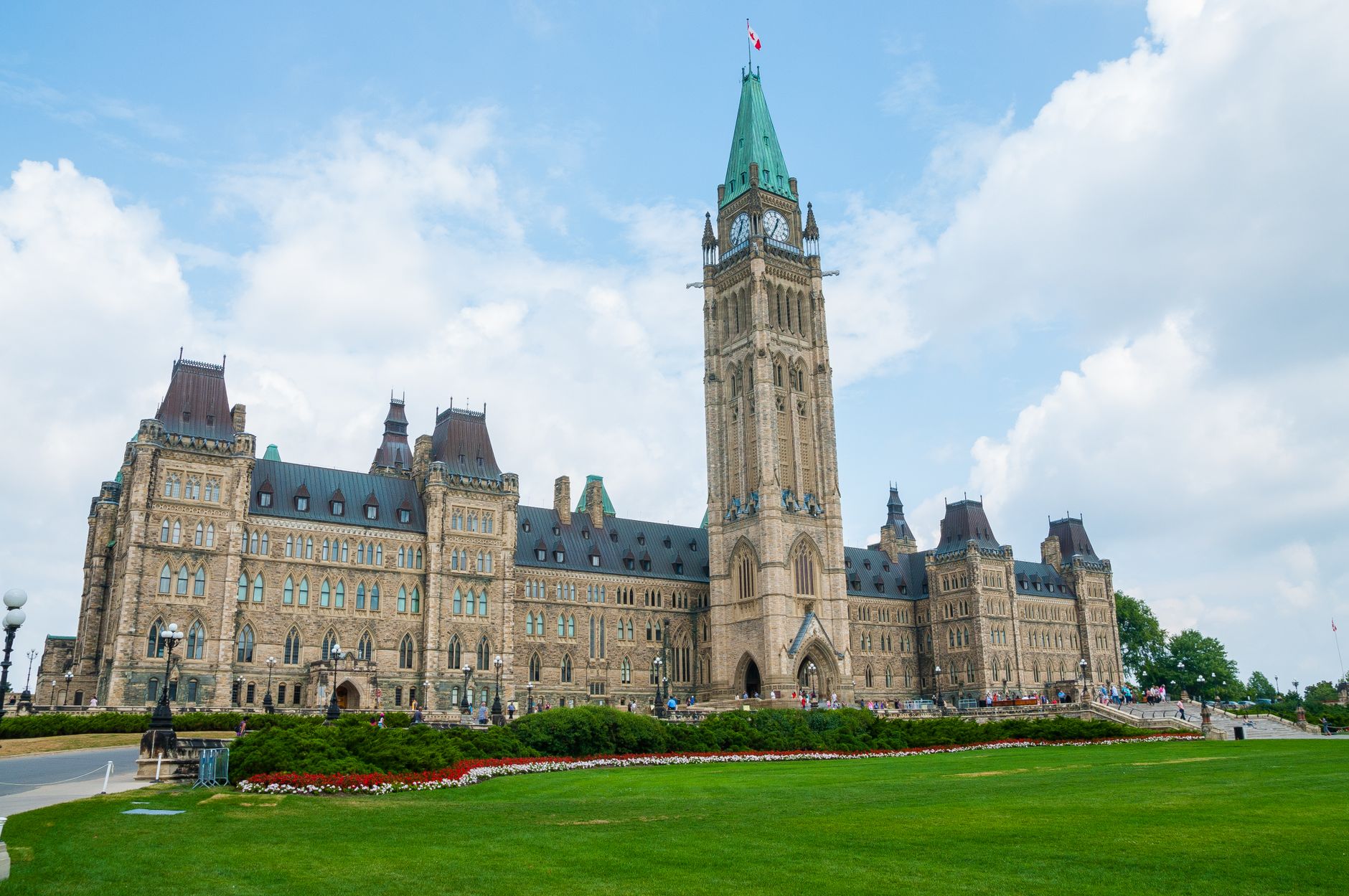
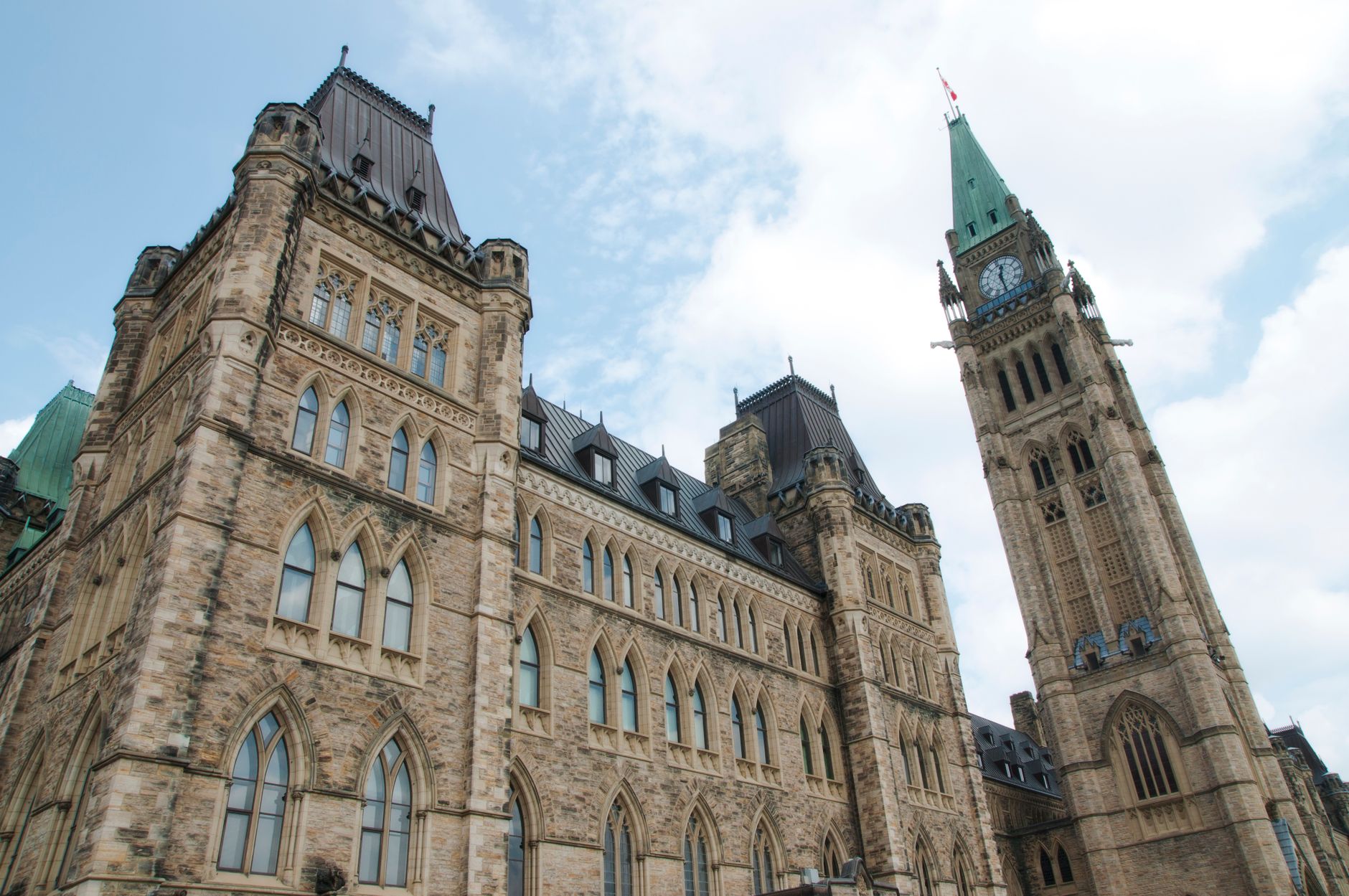
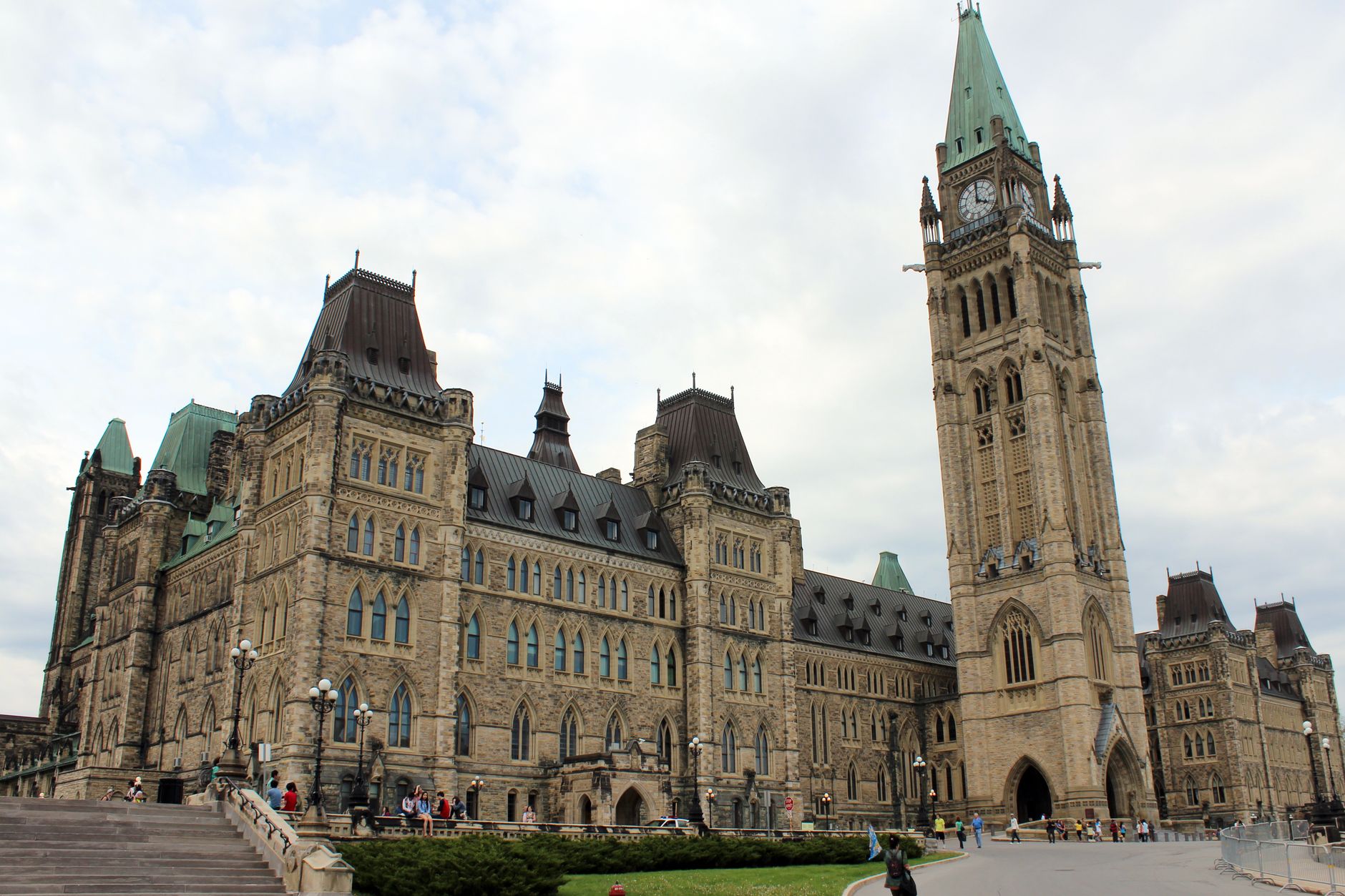
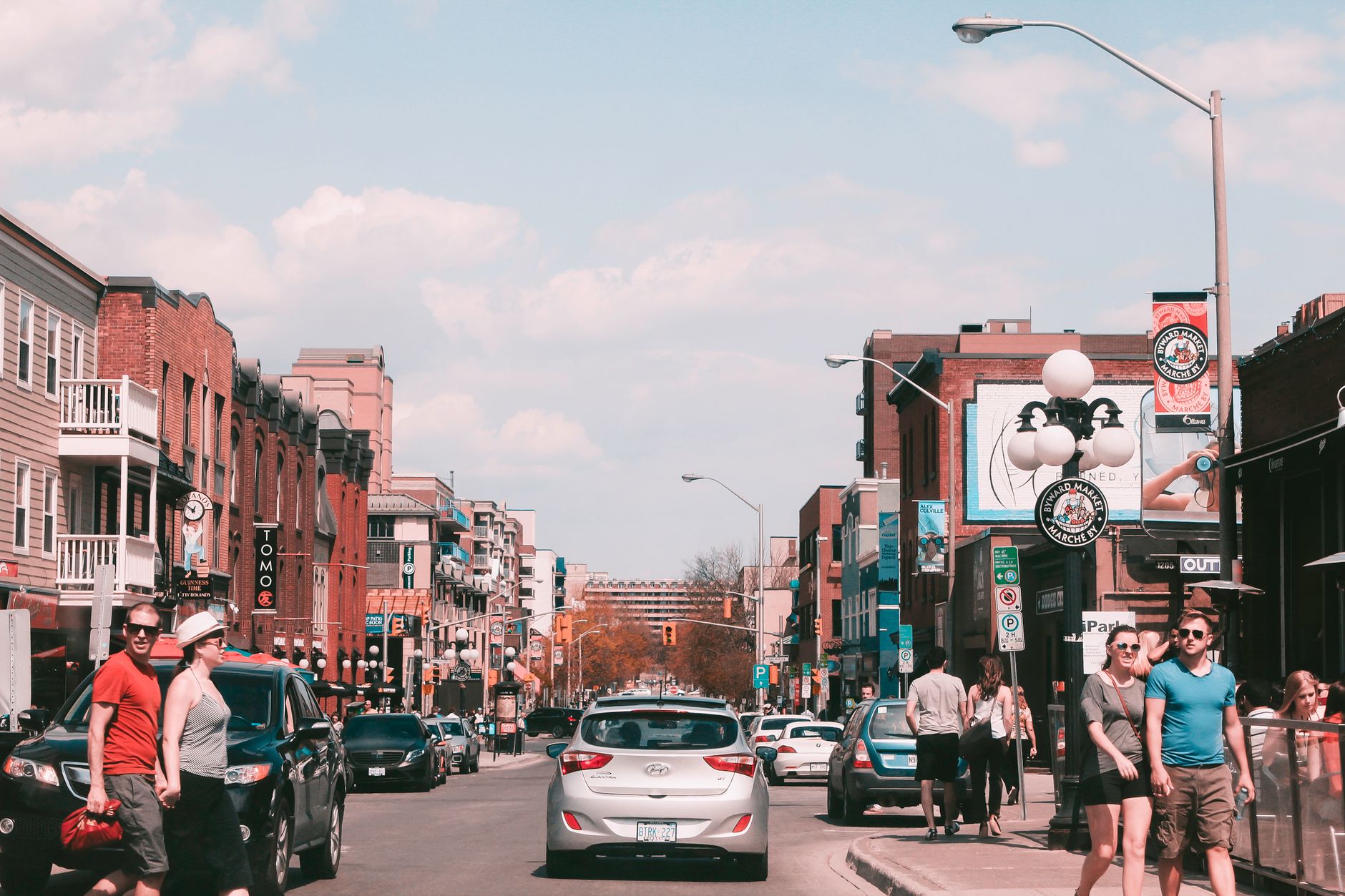
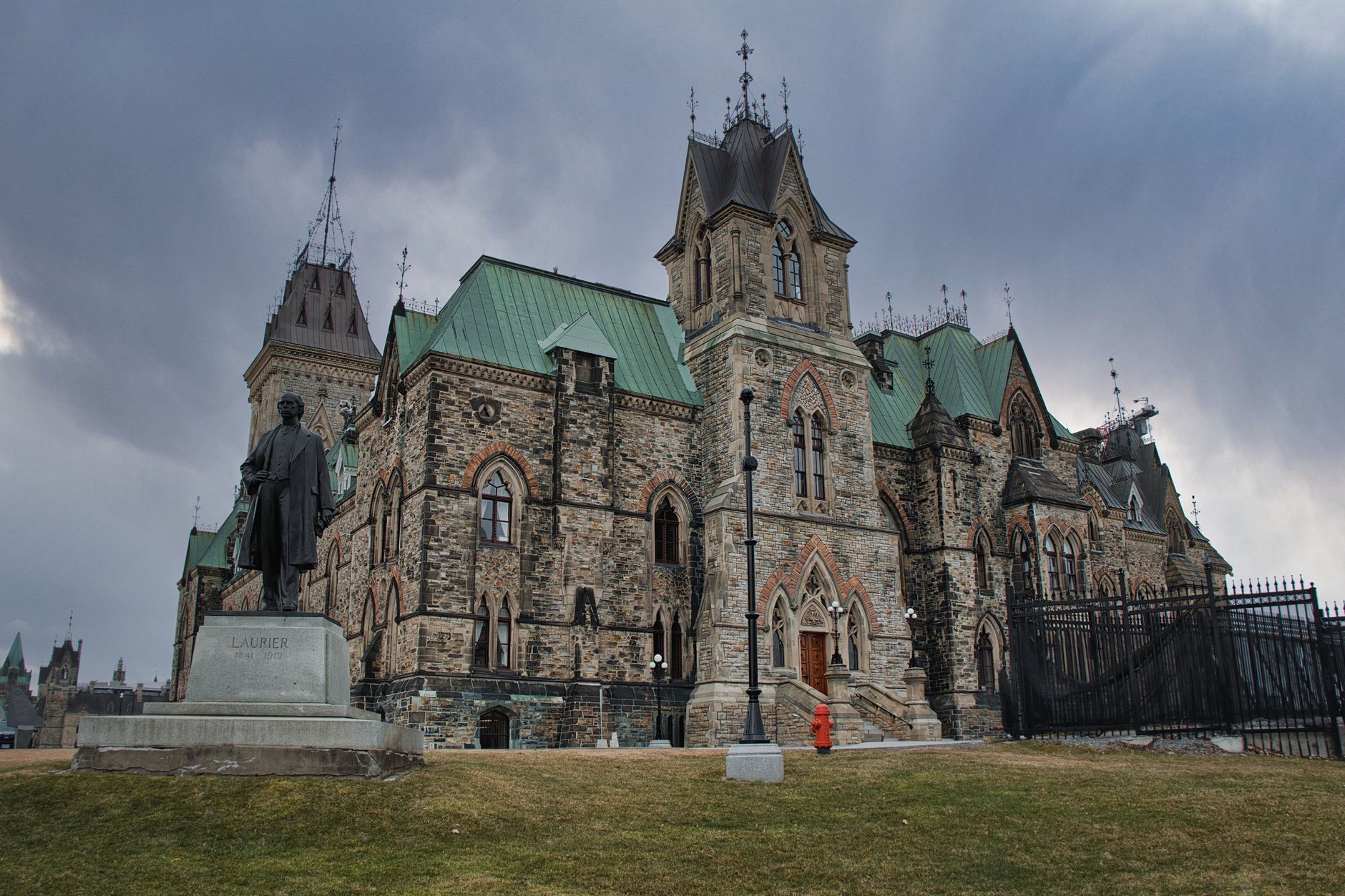
Ottawa is a city that surprises people who expect only government buildings and grey suits. The Rideau Canal cuts right through the centre of it — a UNESCO World Heritage waterway completed in 1832 that turns into the world's longest skating rink every winter, and a cycling and walking corridor the rest of the year. Parliament Hill sits on a limestone bluff above the Ottawa River, its Gothic Revival towers more dramatic in person than in any photograph.
The old divide between Upper Town, west of the canal around Parliament Hill, and Lower Town, east toward the Byward Market, still shapes how the city moves and feels. Both halves reward slow walking.
💛 What travellers fall for
People who come back tend to time it around the canal. Skating it in February, coffee in hand from a hut along the bank, is a genuinely different experience from anywhere else in Canada. The Bytown Museum, right beside the locks at the bottom of Parliament Hill, is small enough to do in an hour and specific enough to actually teach you something.
How Ottawa, Ontario came to be
Ottawa started as Bytown, a rough lumber camp that grew up around the construction of the Rideau Canal between 1826 and 1832. Colonel John By of the British Royal Engineers oversaw the project, and the settlement that formed around his commissariat building — now the Bytown Museum — took his name. The timber trade on the Ottawa River kept the place alive once the canal was finished.
Queen Victoria chose the town as capital of Canada in 1857, a decision that surprised many who expected Montreal or Toronto. It was renamed Ottawa in 1855, became capital of the Dominion in 1867, and the Parliament Hill complex — four Gothic Revival buildings opened in 1866 — defined the city's skyline from that point forward. A fire destroyed Centre Block in 1916; the rebuilt version, with its Peace Tower completed in 1927, is what stands today.
Who and what shaped it
People who shaped it
Landmark buildings
See Ottawa, Ontario in motion
Plan your visit
On the map
When to go
Summers run warm and sometimes muggy, with July averaging around 21°C and long daylight hours — mid-May to late September is genuinely pleasant. Winters are serious: January averages nearly –10°C, snowfall is heavy, and daylight is short, though the canal ice makes that season worth considering on its own terms.
Right now
Background & history adapted from Wikipedia (CC BY-SA) · specs from Wikidata (CC0) · weather from Open-Meteo · map data © OpenStreetMap contributors · photos from Wikimedia Commons / Unsplash with per-image credit. No third-party reviews or social posts reproduced.