
Delft
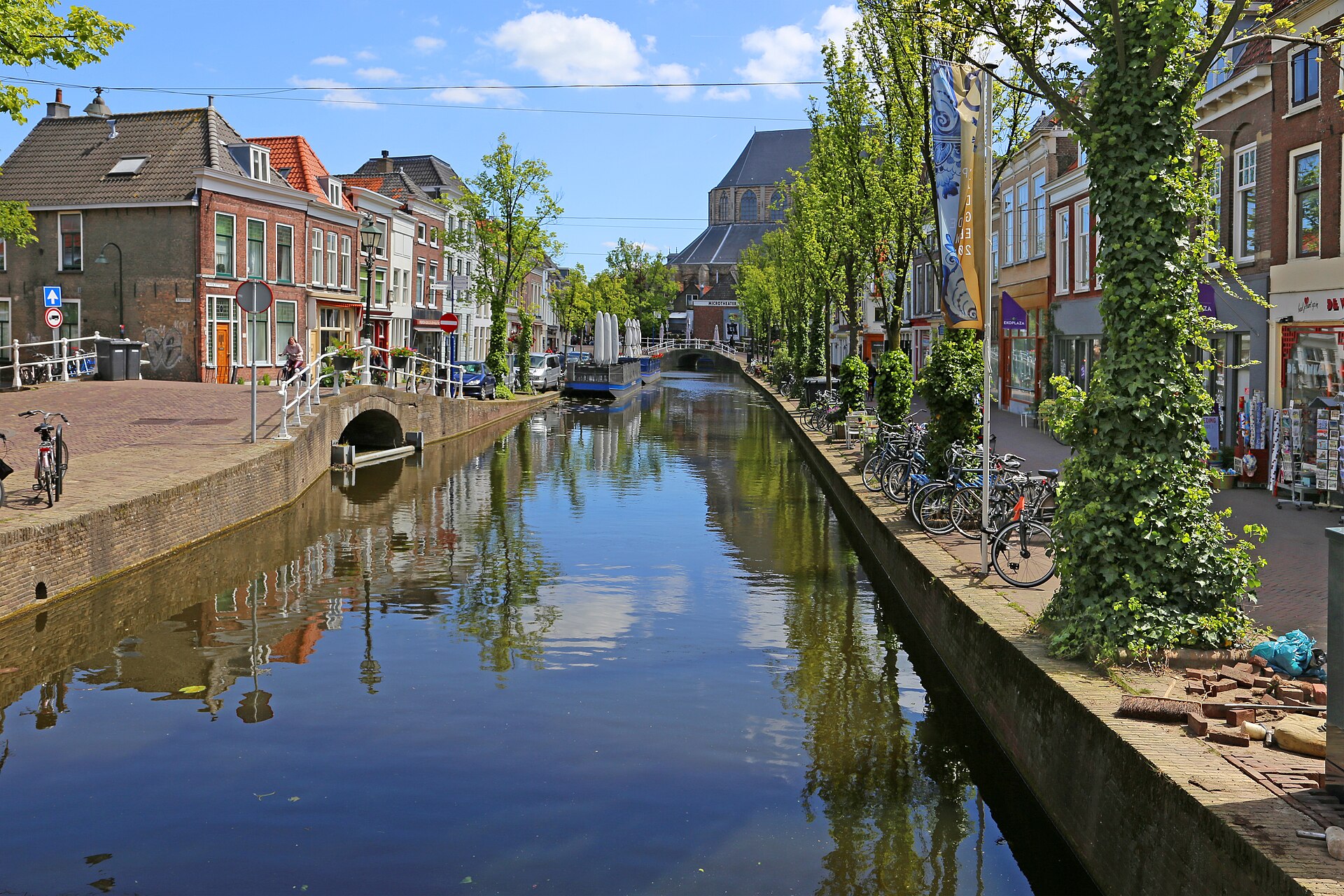
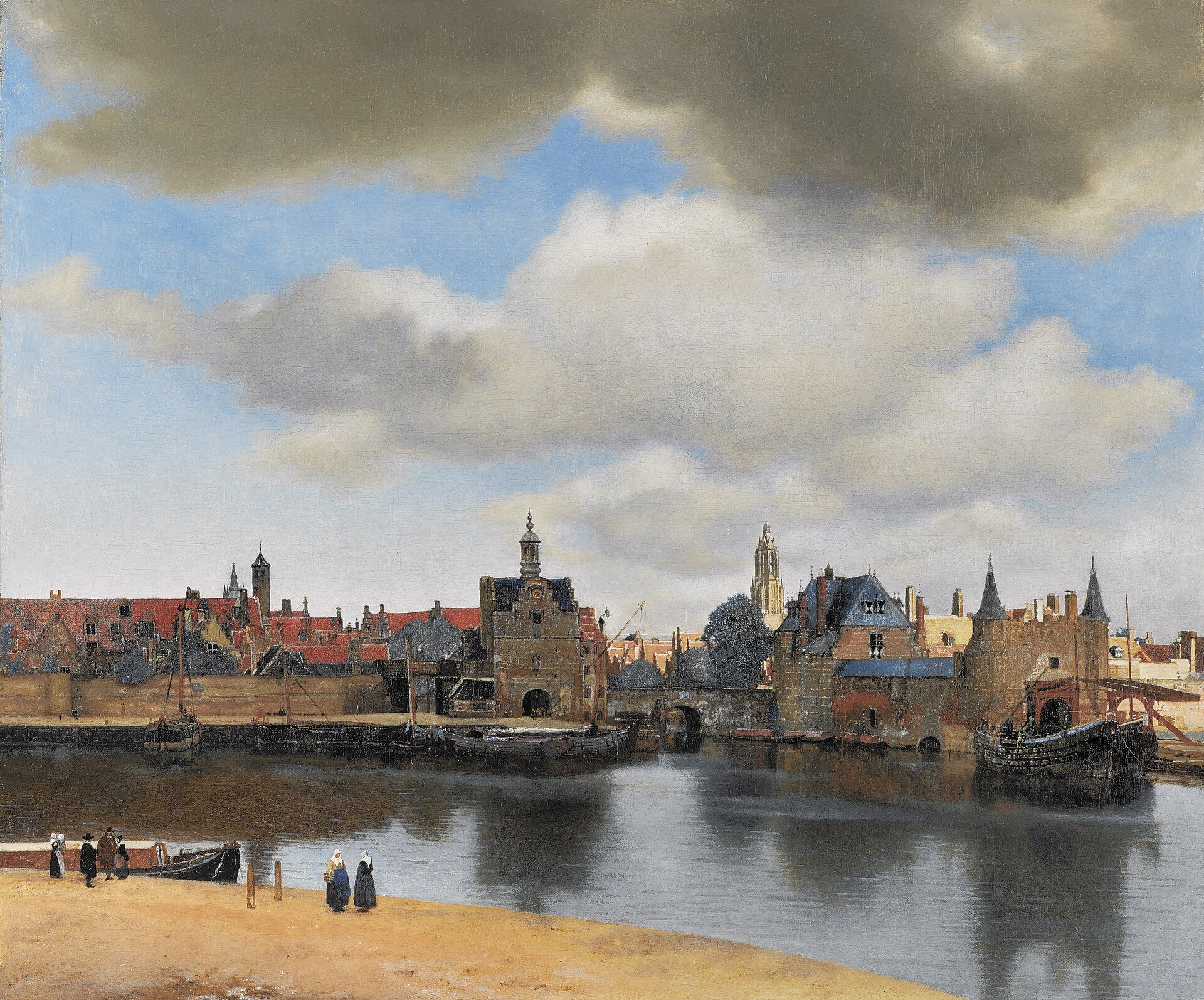
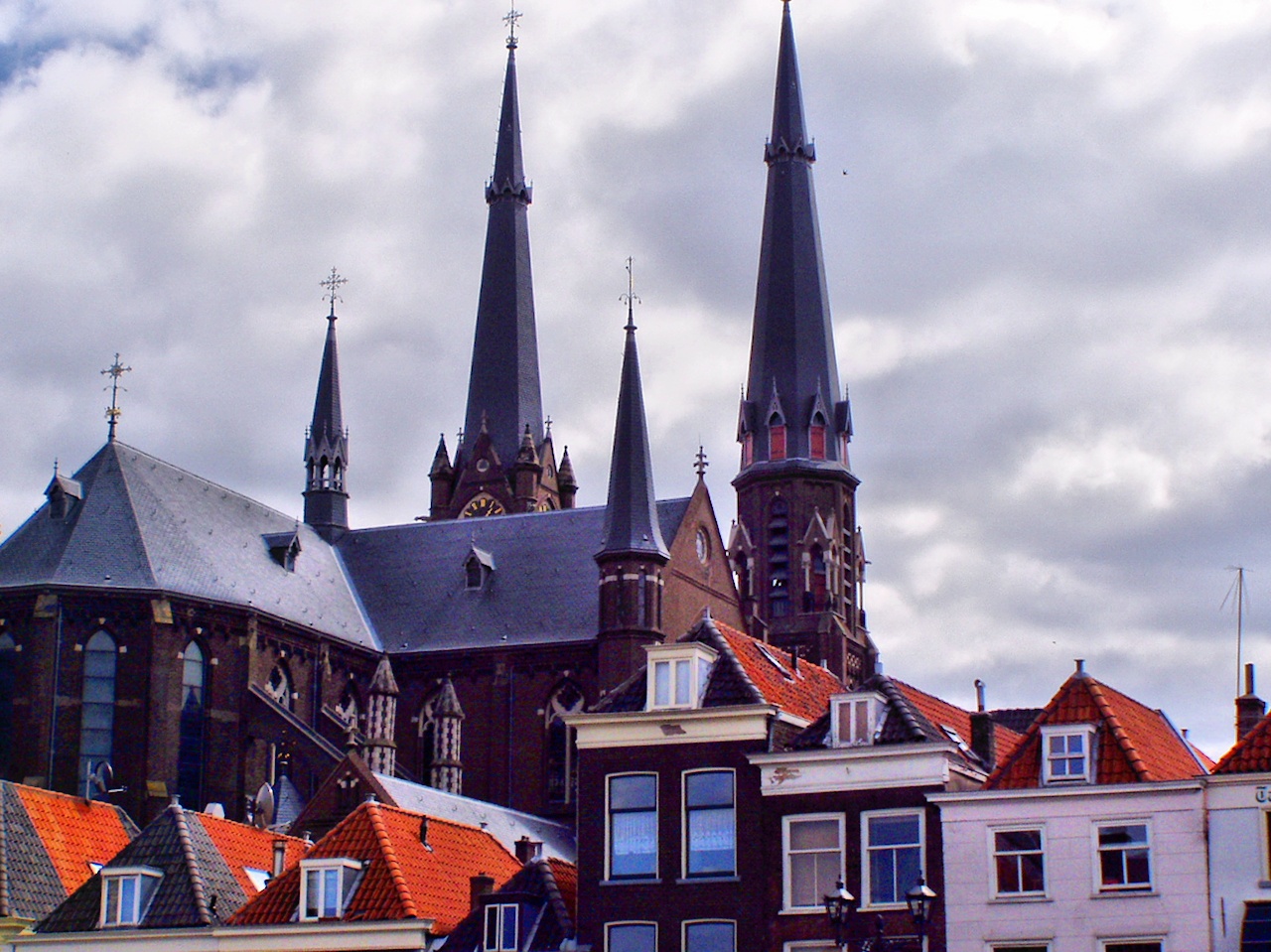
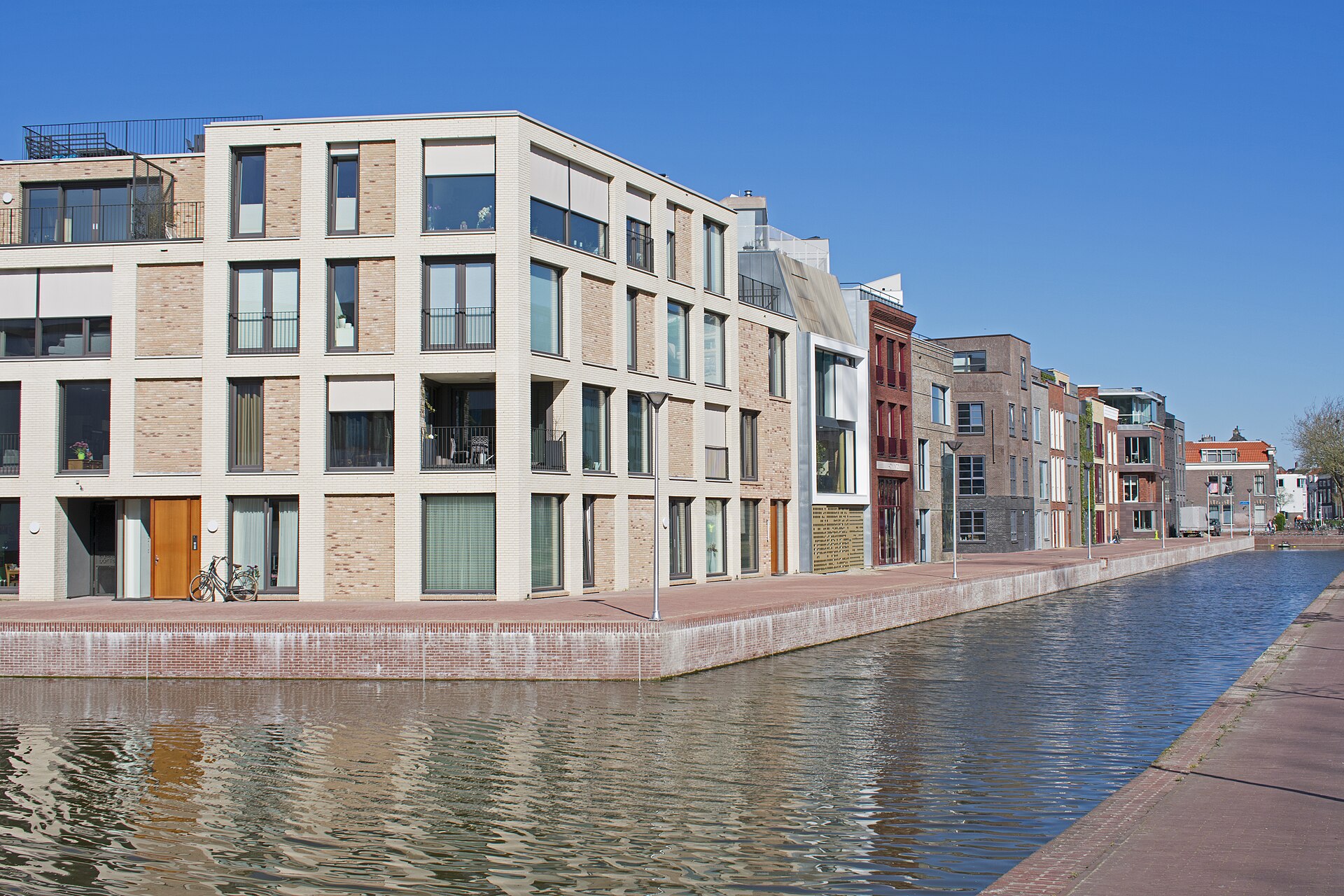
Delft is a city where the past sits quietly in plain sight. The canal water still reflects the same stepped gables that Vermeer painted in the seventeenth century, and the blue-and-white pottery that carries the city's name has been made here, by hand, since the early 1400s. One manufacturer — Royal Delft, De Porceleyne Fles — has been at it ever since, and you can watch an artisan trace a windmill onto a plate with the same unhurried precision the craft has always required.
Beyond the pottery and the paintings, Delft turns out to be a place of serious scientific weight: Antonie van Leeuwenhoek, who first described microorganisms, lived and worked here, and so did legal theorist Hugo Grotius. The city is compact enough to cover on foot, dense enough to reward a slow look.
💛 What travellers fall for
People who come back tend to time a visit for a weekday morning, when the Markt is quieter and the Nieuwe Kerk tower is yours almost alone. The walk between the Oude Kerk and the Prinsenhof takes five minutes but most visitors stretch it to thirty — there's a canal corner along the way that stops almost everyone.
How Delft came to be
Delft received city rights from William II of Holland in 1246, and through the Dutch Golden Age it became one of the most commercially and intellectually productive cities in the republic. Two catastrophes shaped its fabric: a fire in 1536 destroyed much of the medieval town, and in 1654 an explosion at a gunpowder magazine killed hundreds and levelled a large section of the city — the painter Carel Fabritius was among those who died.
The Prinsenhof, originally a convent, became the residence of William I of Orange and the site of his assassination in 1584. The bullet holes in the wall are still there. TU Delft, now one of Europe's leading technical universities, was founded in 1842 by King William II as an academy for civil engineering.
Who and what shaped it
People who shaped it
Landmark buildings
See Delft in motion
Plan your visit
On the map
When to go
Delft has a temperate, often grey climate — winters hover around 4°C with occasional snow, summers average 18°C with long evenings and intermittent rain. Spring and early autumn offer the most settled conditions for walking the canals.
Right now
Background & history adapted from Wikipedia (CC BY-SA) · specs from Wikidata (CC0) · weather from Open-Meteo · map data © OpenStreetMap contributors · photos from Wikimedia Commons / Unsplash with per-image credit. No third-party reviews or social posts reproduced.