
Haarlem
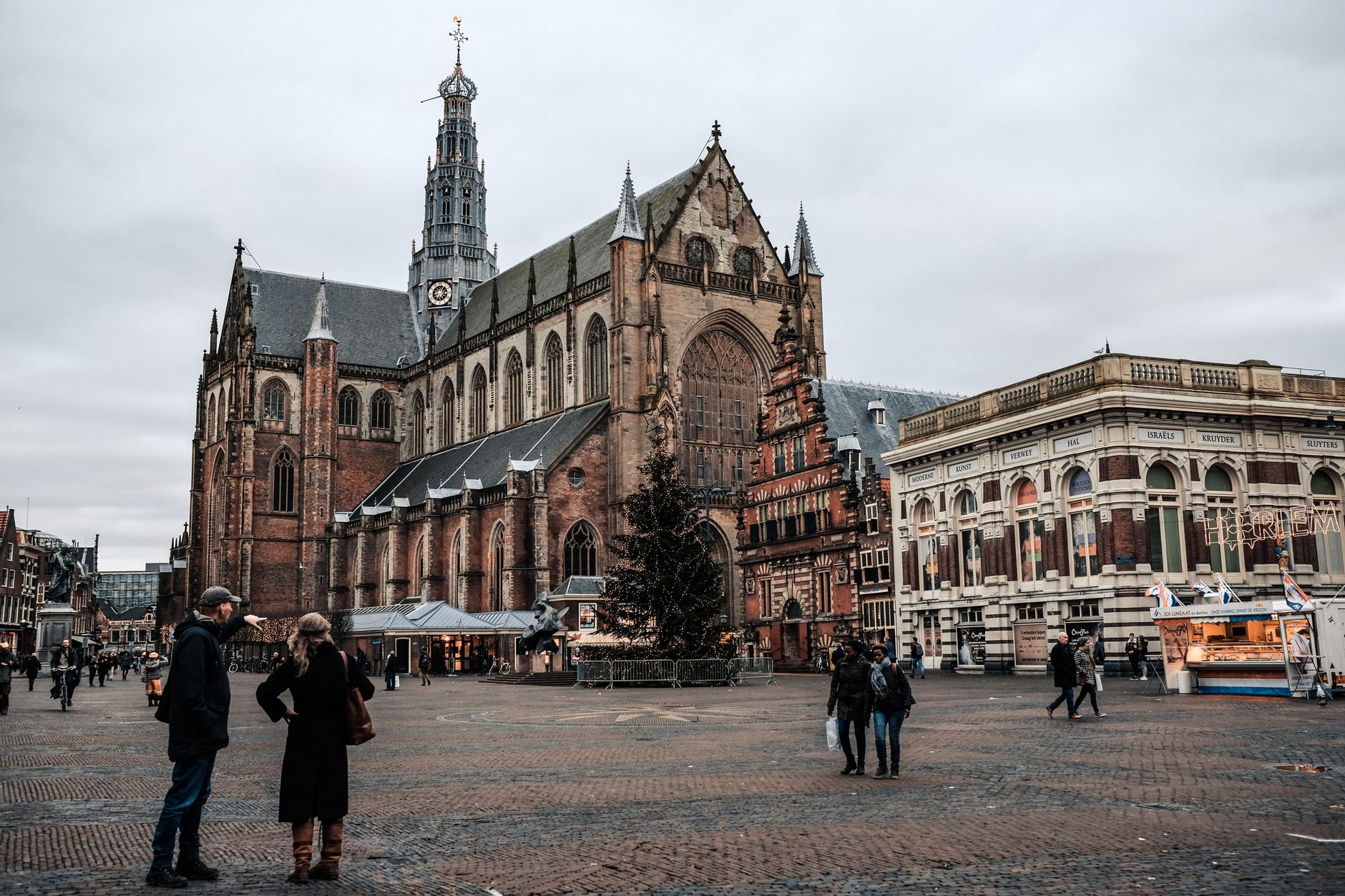
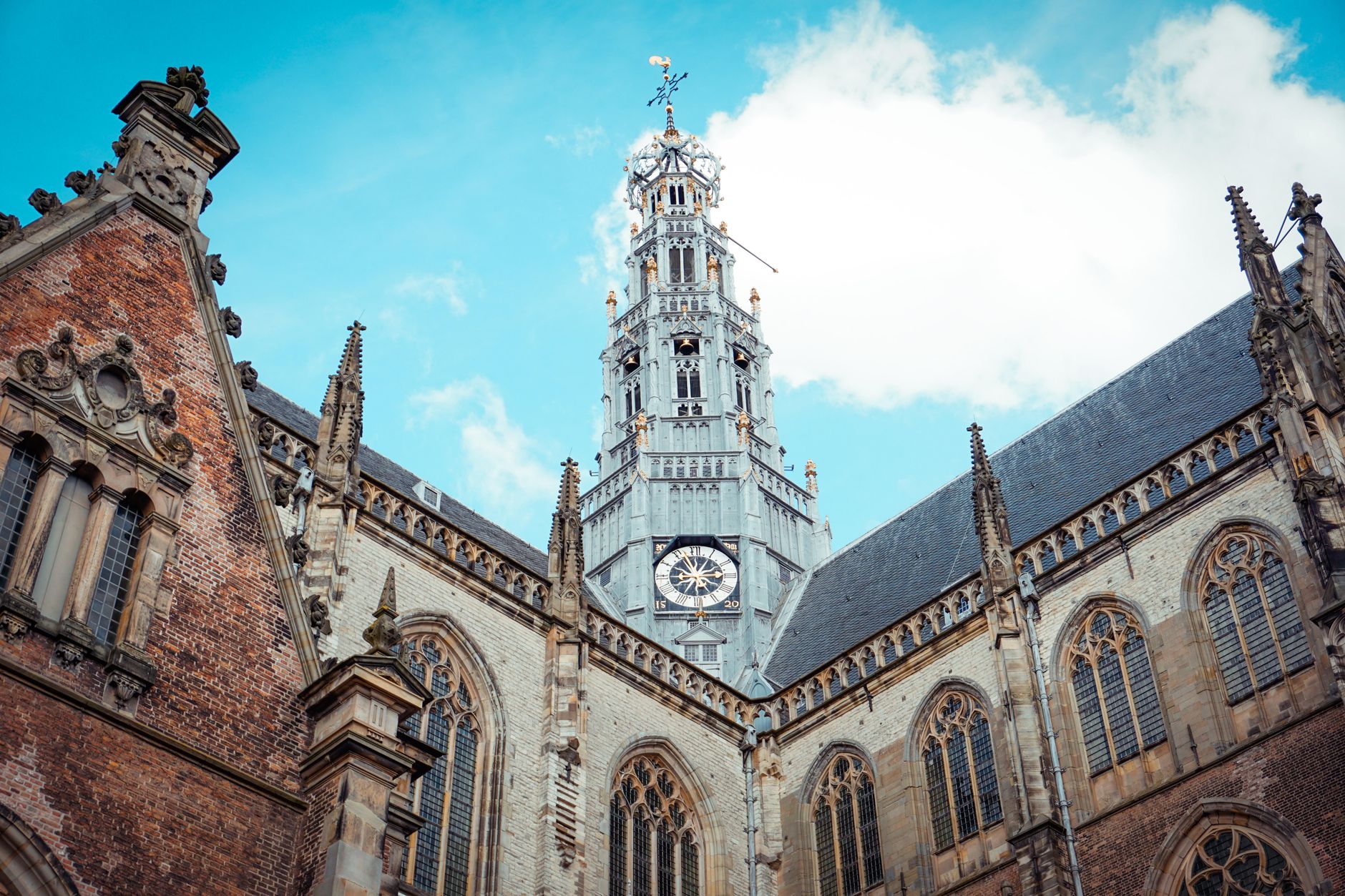
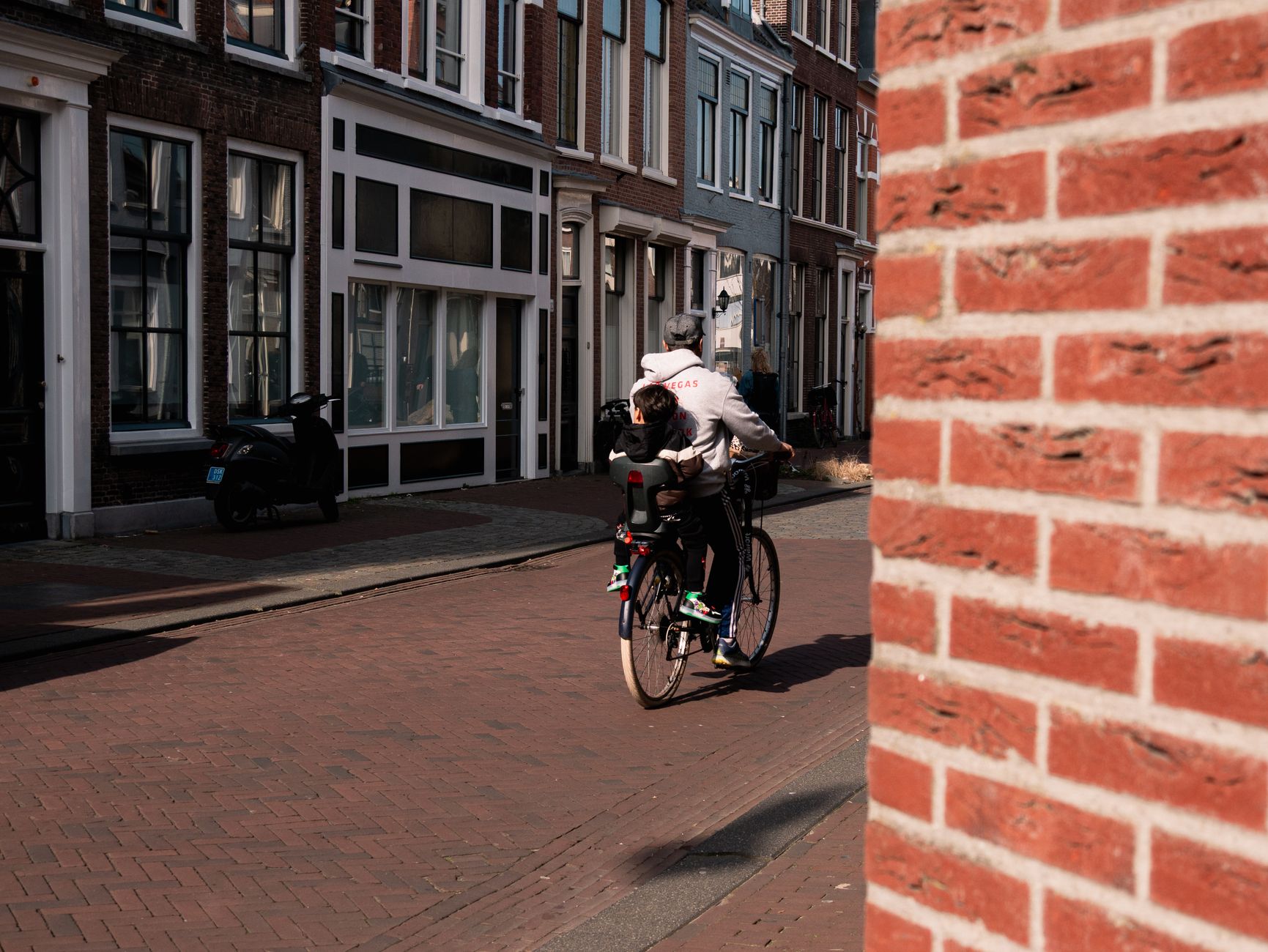
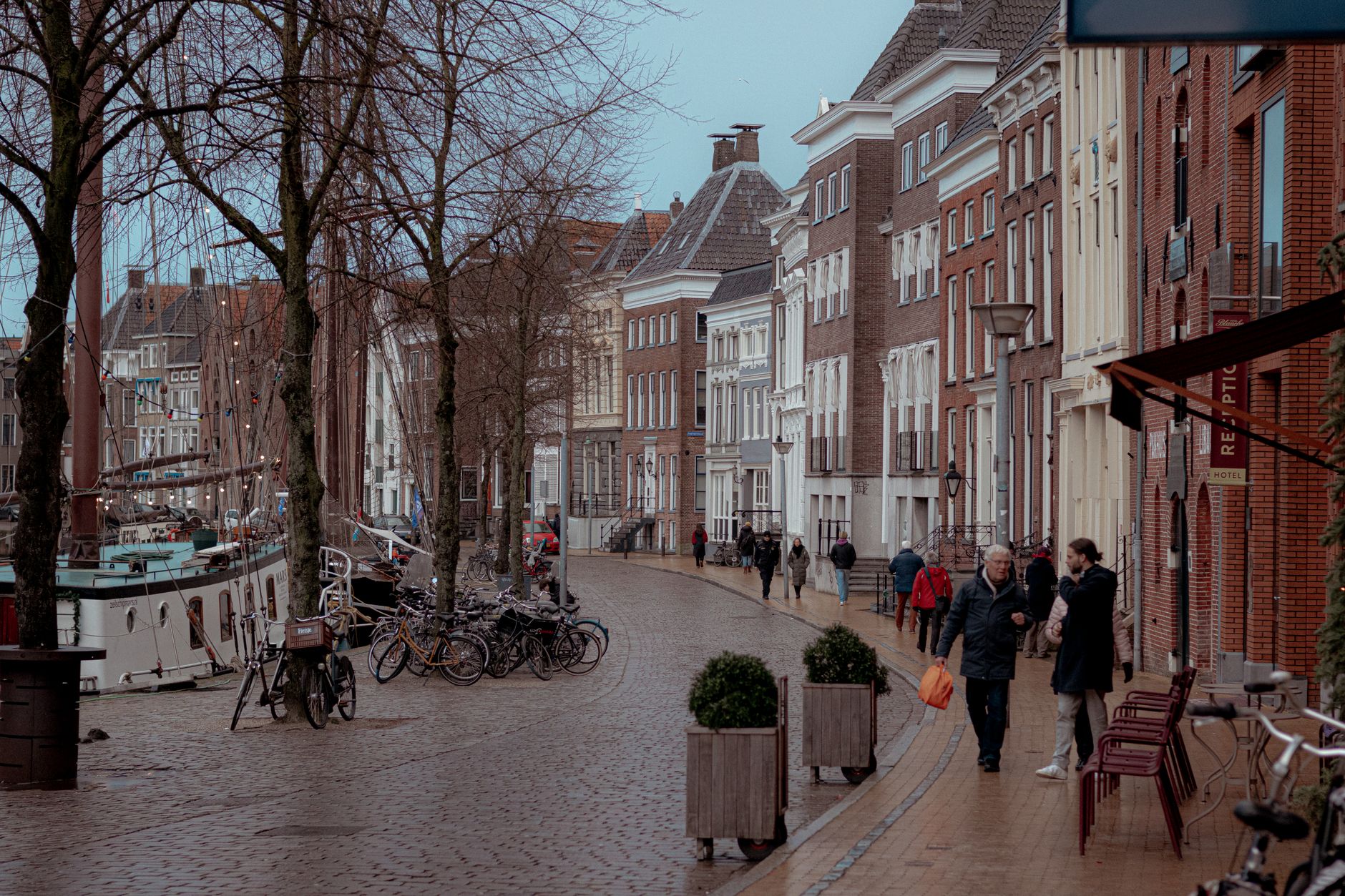
Fifteen minutes by train from Amsterdam Centraal and Haarlem feels like a different proposition entirely — quieter streets, fewer crowds, and a centre you can walk across in the time it takes to finish a coffee. The Grote Markt anchors everything: the medieval Stadhuis on one side, the great bulk of Sint-Bavokerk on the other, and a twice-weekly market between them.
What keeps people here longer than planned is usually the detail. The Müller organ inside Sint-Bavokerk — Mozart played it as a boy. The Teylers Museum, the oldest in the Netherlands, still lit by its original oval skylight. Nineteen hofjes, small courtyard almshouses, tucked behind ordinary-looking doors.
💛 What travellers fall for
Return visitors tend to build a morning around the Frans Hals Museum, then follow the Spaarne River south to Molen de Adriaan. The windmill is a rebuild — fire took the original in 1932 — but the setting on the water is genuine. Saturday market on the Grote Markt is worth timing for.
How Haarlem came to be
Haarlem received its city charter in 1245 from Count William II of Holland and had already served as a residence for the counts of Holland before that. Its darkest chapter came in 1572, when Spanish forces under Frederick, son of the Duke of Alba, besieged the city for seven months; starvation eventually forced surrender, and the reprisals were severe. William of Orange recaptured it in 1577.
Recovery was thorough. The 17th century brought Huguenot refugees, considerable wealth, and one of the most concentrated schools of painting in Europe — Frans Hals, Jacob van Ruisdael, and the Van Ostade brothers all worked here. The first railway service in the Netherlands ran from Haarlem on 20 September 1839, a fact the Art Nouveau station, built between 1906 and 1908, seems designed to commemorate.
Who and what shaped it
People who shaped it
Landmark buildings
See Haarlem in motion
Plan your visit
On the map
When to go
Haarlem follows the Dutch pattern: mild and often grey, with rain spread fairly evenly across the year. Spring (April–May) brings the best light and the flower-field season in the surrounding countryside; summer is warmest but draws more visitors; winter is cold and damp, though the city's indoor attractions — several of them world-class — make it a reasonable year-round destination.
Right now
Background & history adapted from Wikipedia (CC BY-SA) · specs from Wikidata (CC0) · weather from Open-Meteo · map data © OpenStreetMap contributors · photos from Wikimedia Commons / Unsplash with per-image credit. No third-party reviews or social posts reproduced.