
Groningen
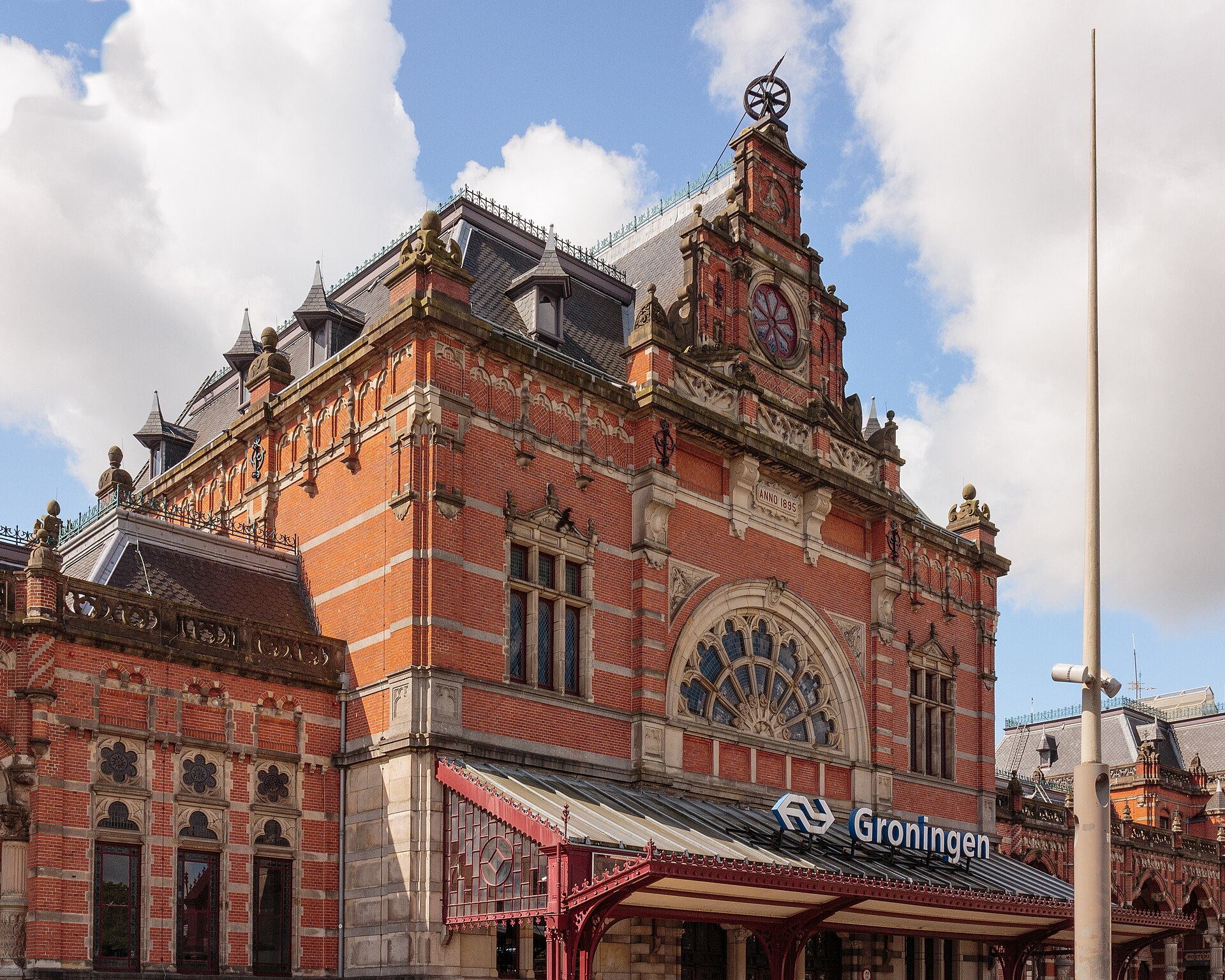
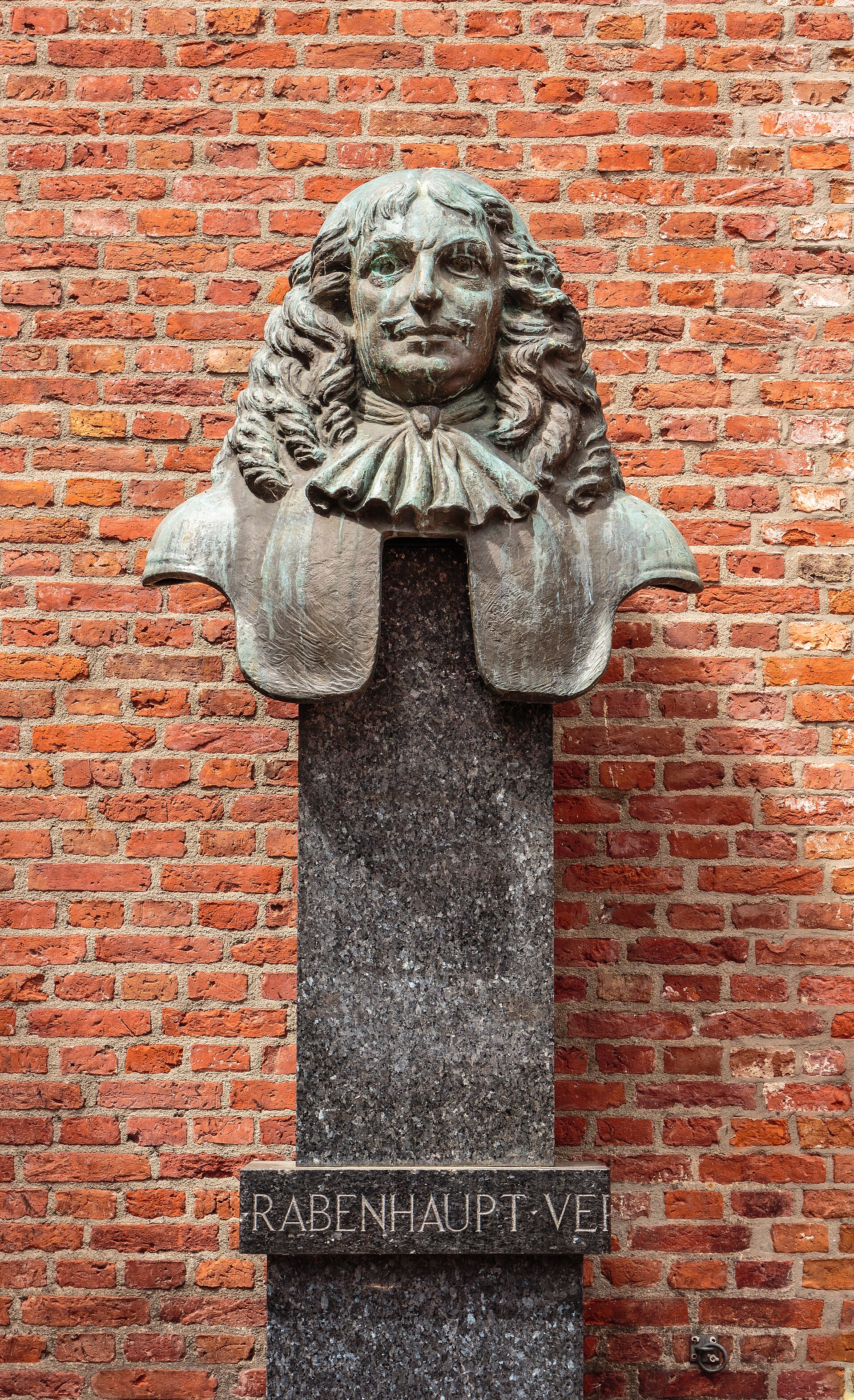
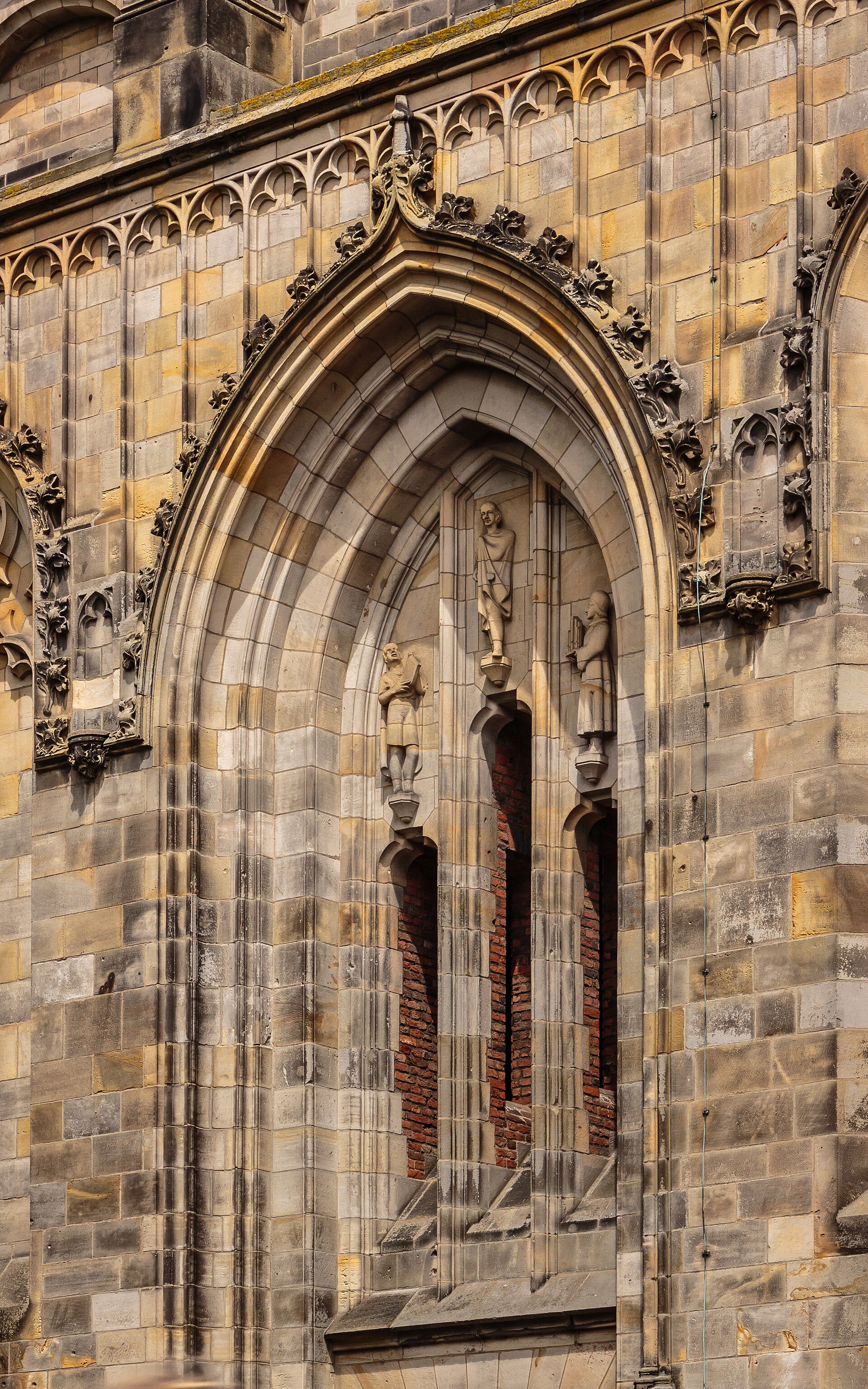
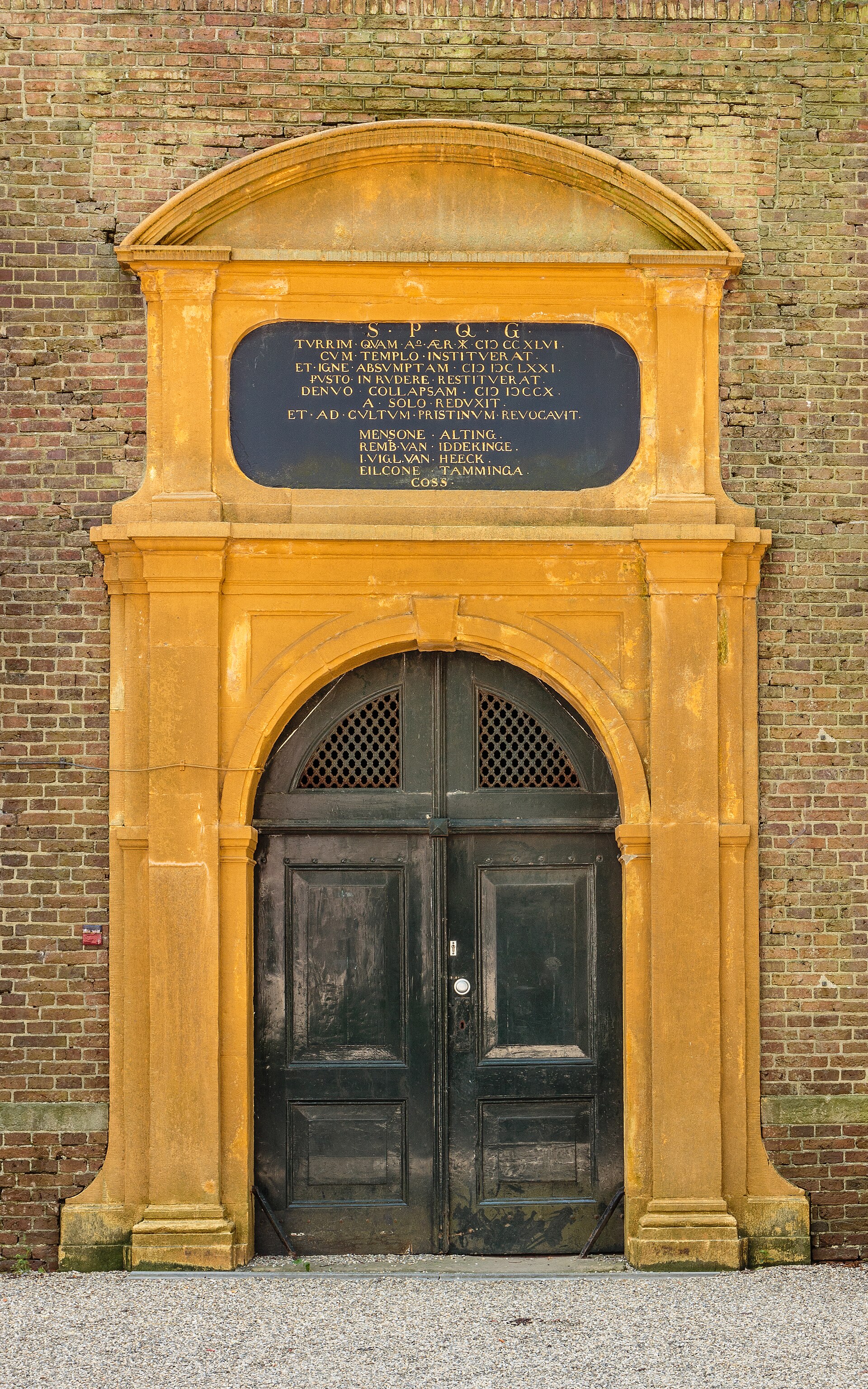
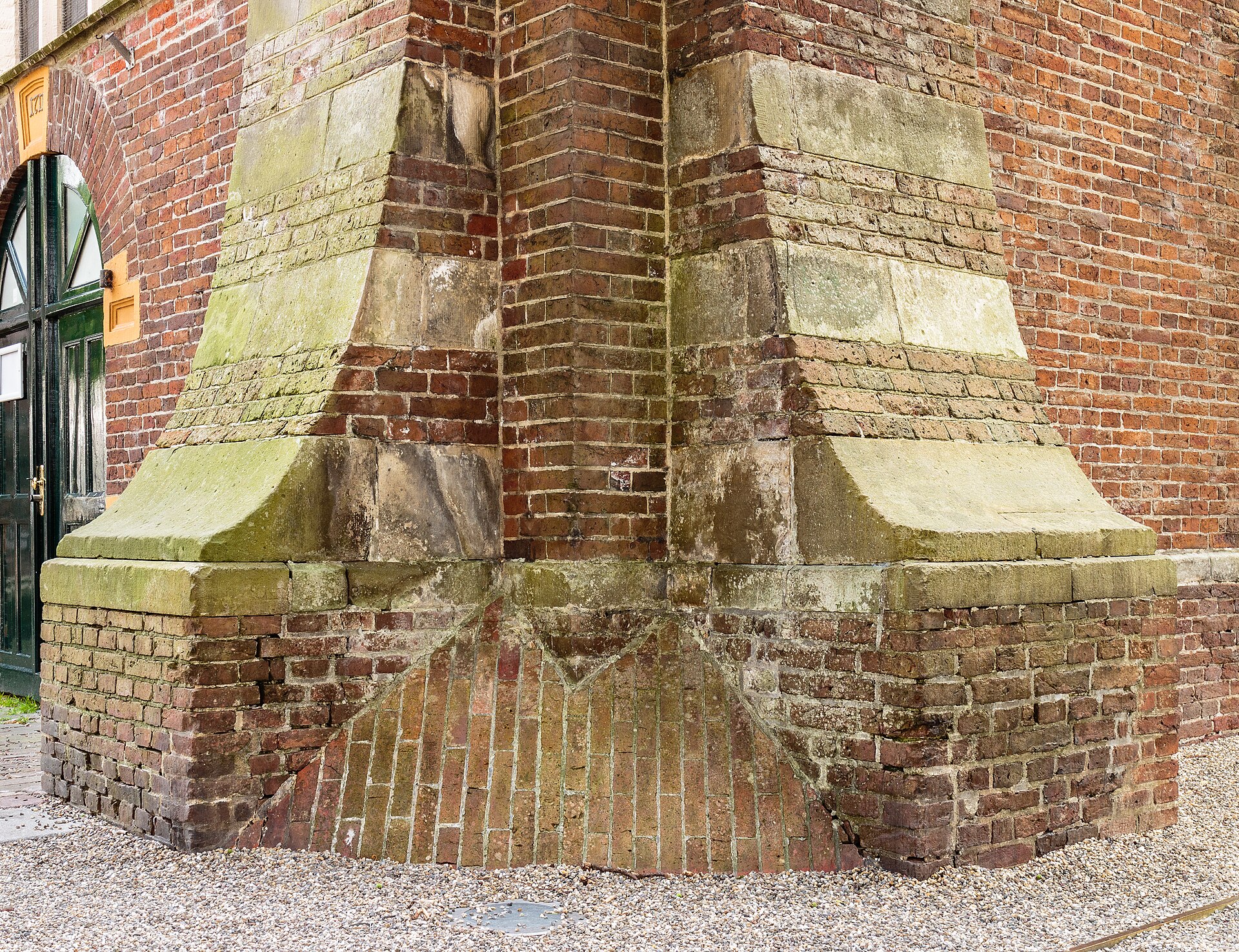
Groningen sits at the top of the Netherlands, far enough north that it operates on its own terms. The city centre is compact and almost entirely car-free, which means you walk everywhere — past the 97-metre Martinitoren rising over the Grote Markt, past the Goudkantoor's Renaissance stonework, past the Forum's rooftop bar where students read with the whole province spread below them. The university, founded in 1614, keeps the place young and argumentative in the best sense.
The surrounding province shares the city's name and extends into flat, open polder country — big skies, windswept coasts on the Wadden Sea, and a string of small towns that move at a different pace entirely.
How Groningen came to be
Groningen first appears in records in 1040, when Emperor Henry III granted lands here to the bishops of Utrecht. It grew along the Aa River into a trading town significant enough to supply ships for the Crusades and, around 1282, to join the Hanseatic League. The city passed to Charles V in 1536 before being taken by Maurice of Nassau's Dutch and English forces in 1594, bringing it into the Dutch Republic.
In 1614 the University of Groningen was founded — the second oldest in the Netherlands — and the city's intellectual life has been shaped by it ever since. Nobel laureates in physics and chemistry, the first Dutch astronaut, and the first president of the European Central Bank all have roots here. In April 1945 the 2nd Canadian Division fought street by street to liberate the city, at a cost of 130 lives.
Who and what shaped it
People who shaped it
Landmark buildings
See Groningen in motion
Plan your visit
On the map
When to go
Groningen has a sub-oceanic climate: winters are cold and grey with frequent rain, while summers tend to be mild and occasionally warm. Late spring and early autumn offer the most reliable light for the flat, open landscapes of the surrounding province.
Right now
Background & history adapted from Wikipedia (CC BY-SA) · specs from Wikidata (CC0) · weather from Open-Meteo · map data © OpenStreetMap contributors · photos from Wikimedia Commons / Unsplash with per-image credit. No third-party reviews or social posts reproduced.