
Giethoorn
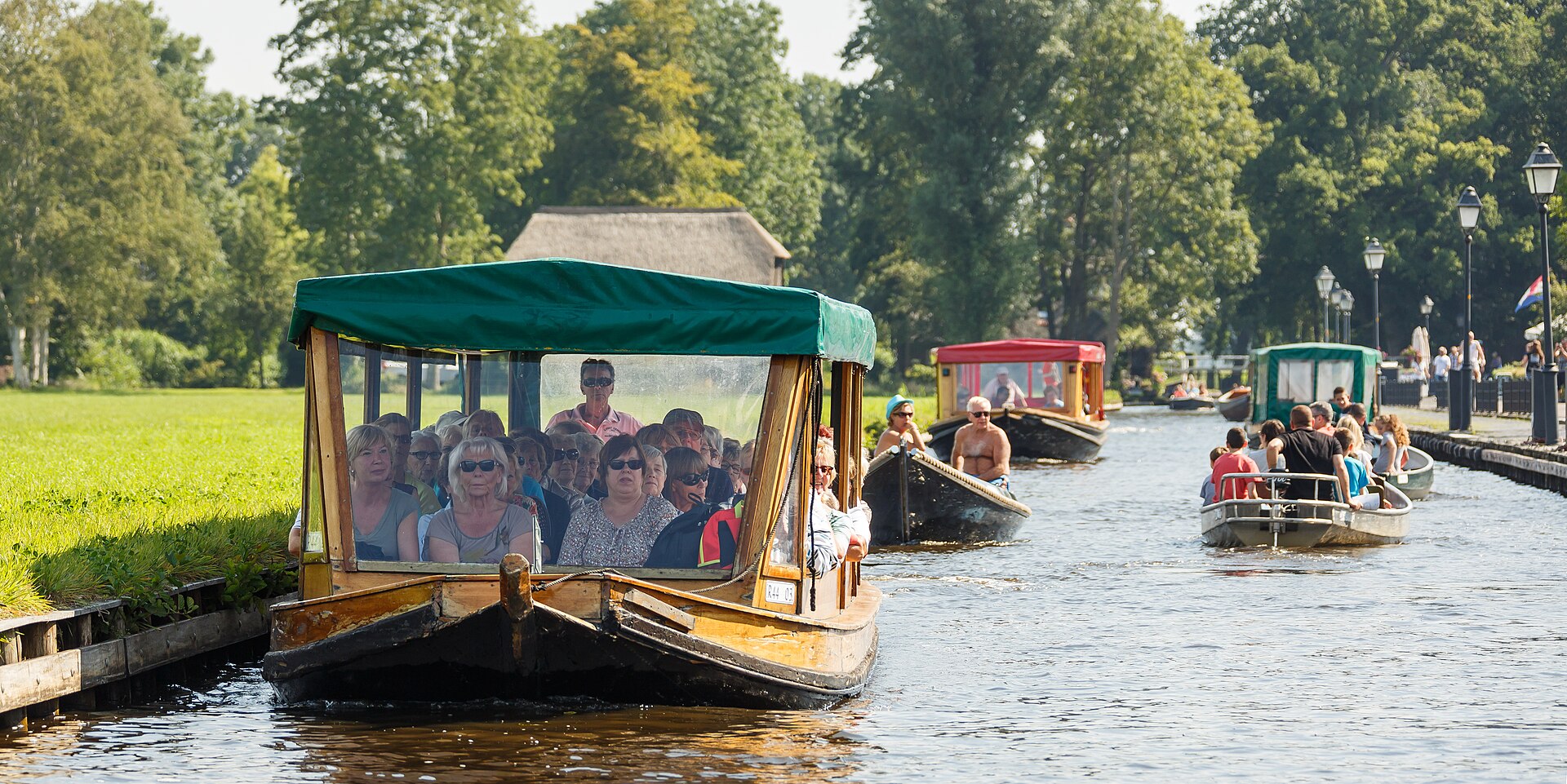
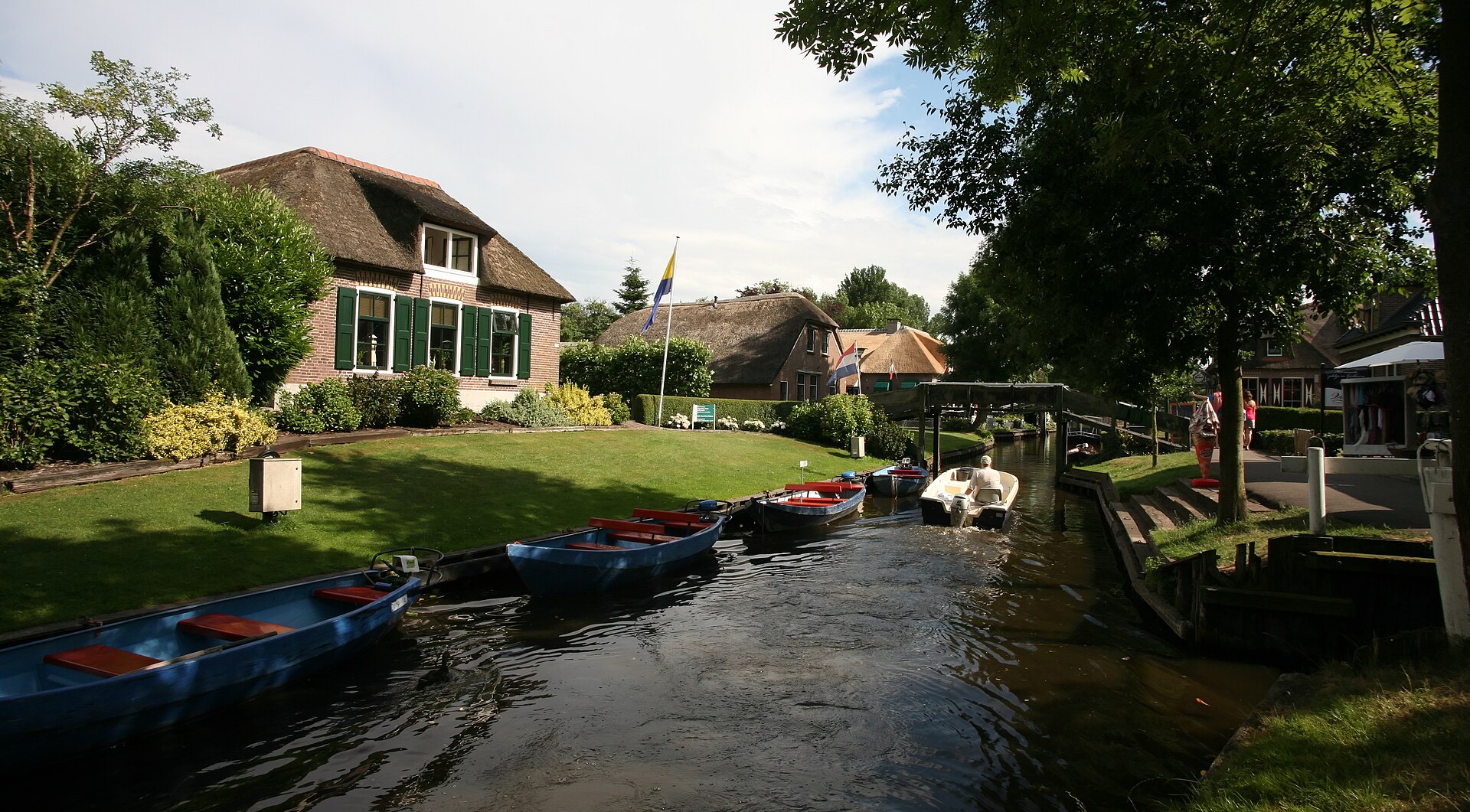
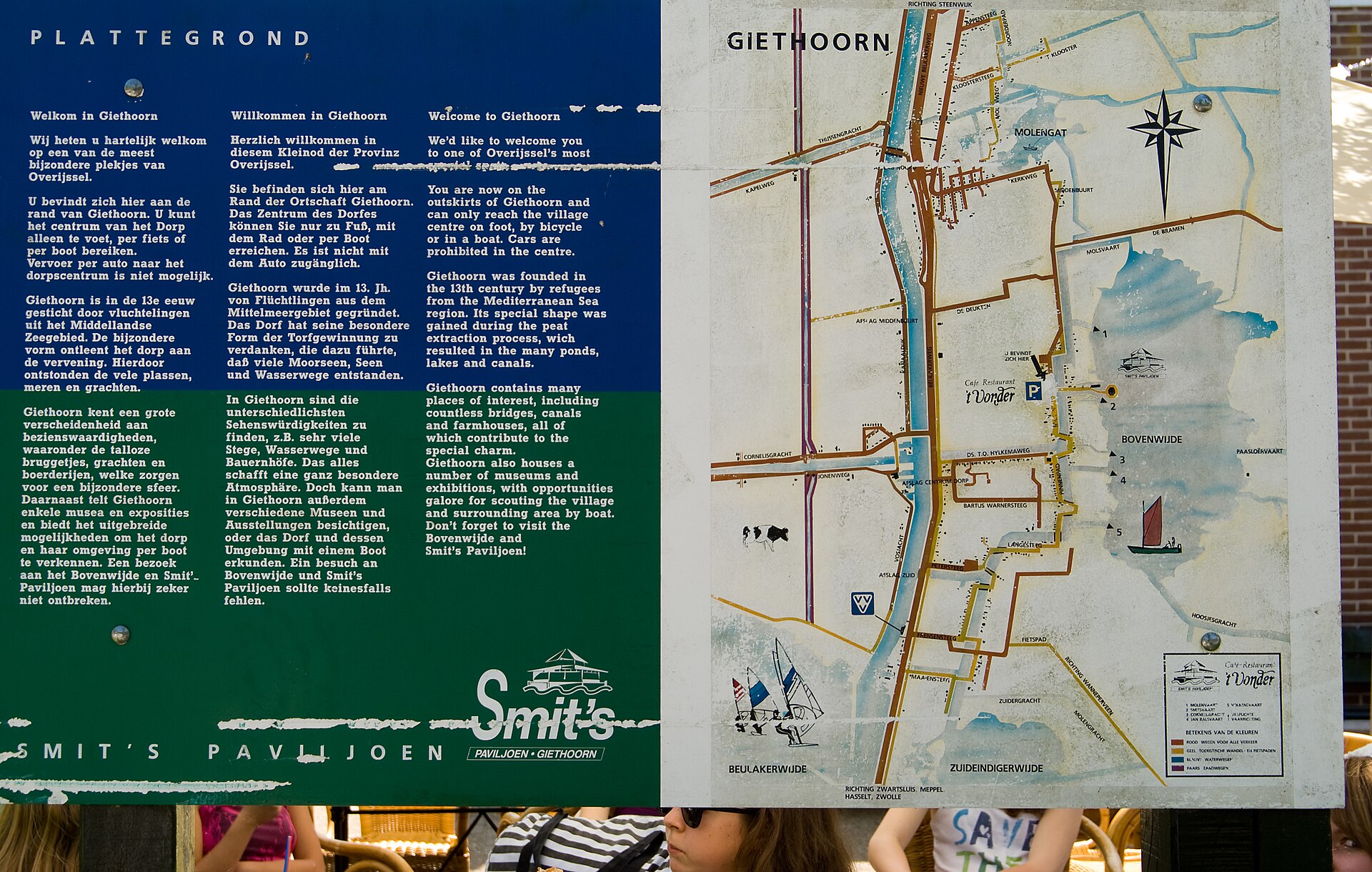
Giethoorn has no roads through its centre — just canals, 176 bridges, and the low sound of electric boats moving between thatched farmhouses on their separate islands. The mail comes by water. So does everything else. The village stretches in a long, thin line along the Dorpsgracht, the central canal that links three small settlements: Noordeinde, Middenbuurt and Zuideinde. Together they hold around 2,600 people.
You can walk the cycling path that runs alongside the water, rent a whisper boat and navigate at your own pace, or join a guided canal tour with a local punter. The village is small enough to cover in a day, but the pace of the waterways tends to slow you down — which is, broadly, the point.
How Giethoorn came to be
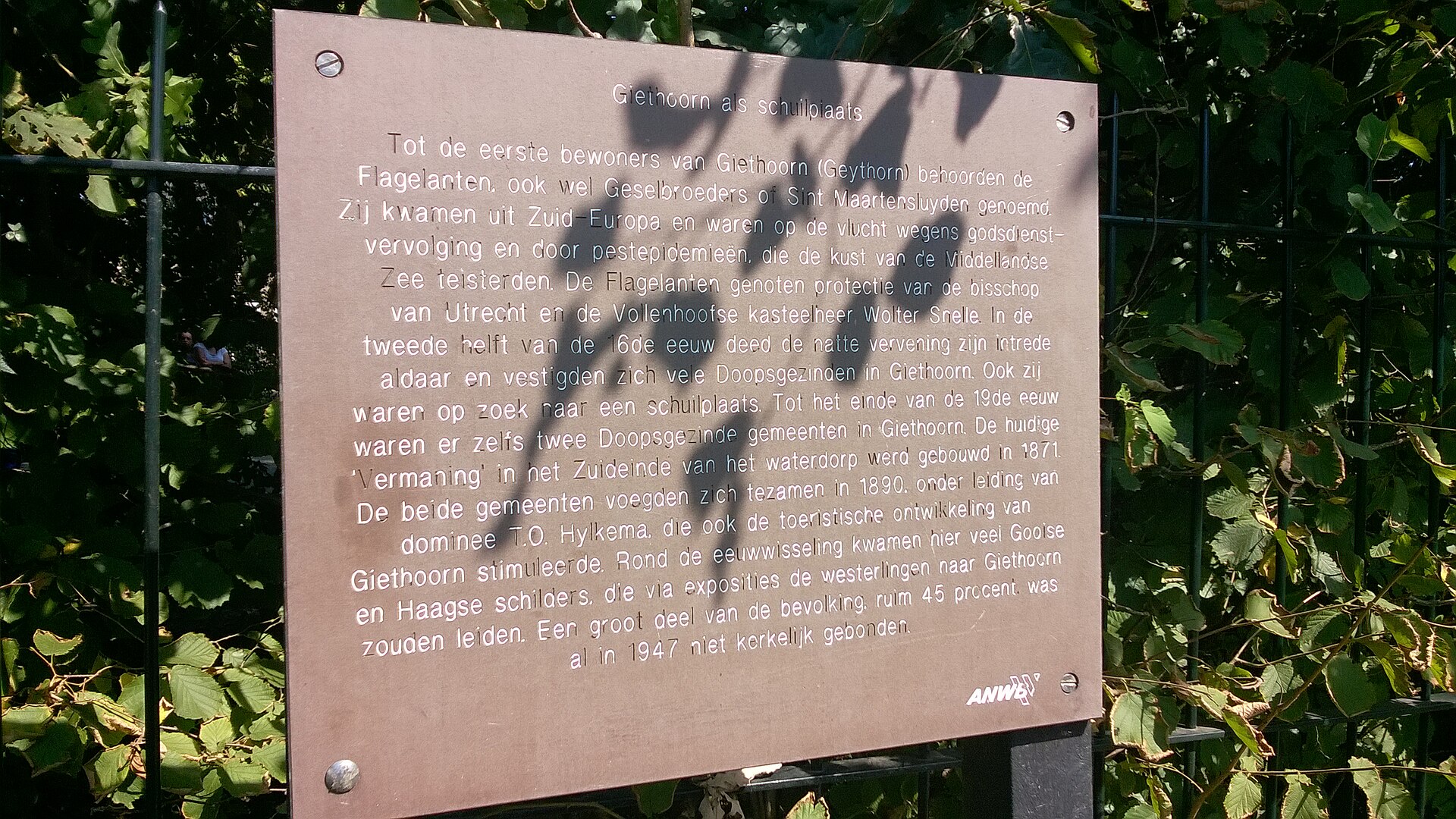
The name comes from 'goat horns' — the earliest settlers, arriving around 1230, found large numbers of them buried in the mud, likely left by wild goats after a flood. Whoever those first inhabitants were (the records are murky, with Flagellants from the Mediterranean among those mentioned), they built on boggy, difficult ground and made it work.
For centuries, survival here meant peat. By the 16th century, villagers were cutting the first canals to carry it out, and the excavation gradually shaped the landscape into the island-and-waterway pattern you see today. The village's wider fame came later: in 1958, Dutch filmmaker Bert Haanstra shot his comedy Fanfare here, and Giethoorn found a national audience it has never quite lost.
Who and what shaped it
People who shaped it
Landmark buildings
See Giethoorn in motion
Plan your visit
On the map
When to go
Summer runs warm — July reaches around 23°C — but it's also the wettest month, so a light rain layer is worth keeping close. Winter drops to an average of 3°C and brings genuine quiet, and in cold years the canals freeze enough to skate on.
Right now
Background & history adapted from Wikipedia (CC BY-SA) · specs from Wikidata (CC0) · weather from Open-Meteo · map data © OpenStreetMap contributors · photos from Wikimedia Commons / Unsplash with per-image credit. No third-party reviews or social posts reproduced.