
Hoge Veluwe National Park


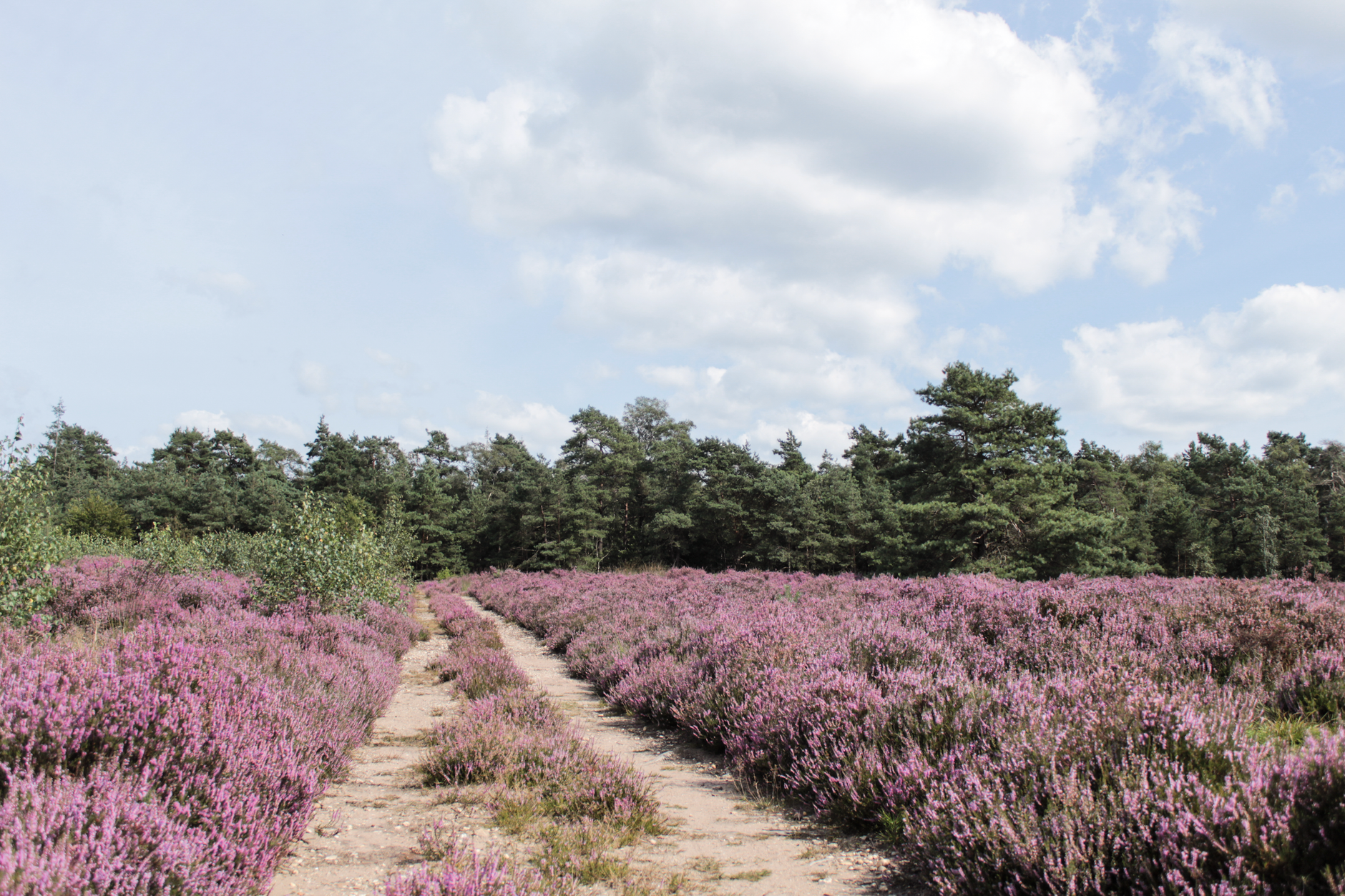


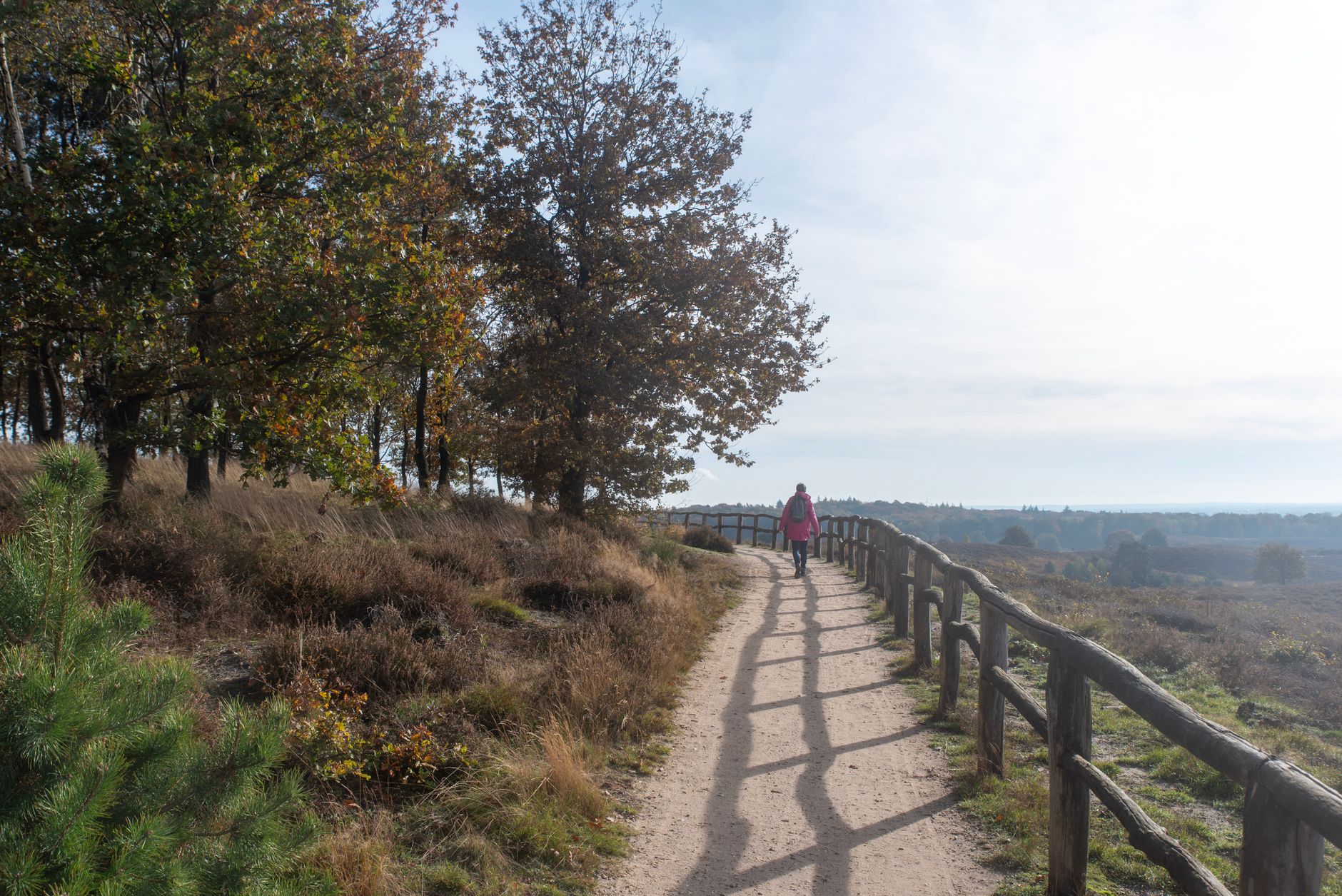
At the entrance gates of Hoge Veluwe, someone hands you a white bicycle — one of 1,700 scattered across the park — and that's the last time a car is relevant to your day. The 55 square kilometres of heathland, sand dunes, and pine forest that Anton and Helene Kröller-Müller once fenced off as a private hunting estate are now yours to move through at the pace of a turning wheel.
The park holds more than landscape. Berlage's hunting lodge rises from the trees like a red-brick cathedral to a life well-funded. Below the visitor centre, Museonder takes you underground into the geology of the Veluwe itself — the world's first subterranean museum. And somewhere in the middle of it all, the Kröller-Müller Museum sits quietly with around 90 Van Gogh paintings and a 25-hectare sculpture garden.
💛 What travellers fall for
People who come back tend to time it around the heather bloom in late August, when the open moorland goes a particular shade of purple that's hard to describe without sounding like a brochure. They also mention arriving at the Otterlo entrance early — it's the busiest gate, but the bike paths thin out fast once you push east toward the Deelense Veld.
How Hoge Veluwe National Park came to be
Anton Kröller, a Rotterdam shipping magnate, began acquiring land on the Veluwe in 1909. He and his wife Helene — a serious collector with a particular focus on Van Gogh — envisioned an integrated estate: working land, wildlife, architecture, and art in one privately managed whole. Berlage designed the hunting lodge Jachthuis Sint Hubertus between 1914 and 1920, fitting it with electric elevators and central heating at a time when such things were rare.
Helene's museum came later, designed by Henry van de Velde and opened in 1938. By then the Kröller-Müller Foundation had already transferred the estate to public stewardship in 1935, though the fences and entrance fees remained — and generated decades of protest from cyclists and hikers until a compromise reduced fees for those passing through quickly, formalised in 2007.
Who and what shaped it
People who shaped it
Landmark buildings
See Hoge Veluwe National Park in motion
Plan your visit
On the map
When to go
Summers are mild rather than warm — July averages around 24°C during the day, which is good cycling weather. Winter visits are quiet and occasionally frosty, but the park stays open year-round; pack for rain in any season, with December the wettest month by some margin.
Right now
Background & history adapted from Wikipedia (CC BY-SA) · specs from Wikidata (CC0) · weather from Open-Meteo · map data © OpenStreetMap contributors · photos from Wikimedia Commons / Unsplash with per-image credit. No third-party reviews or social posts reproduced.