
Amsterdam
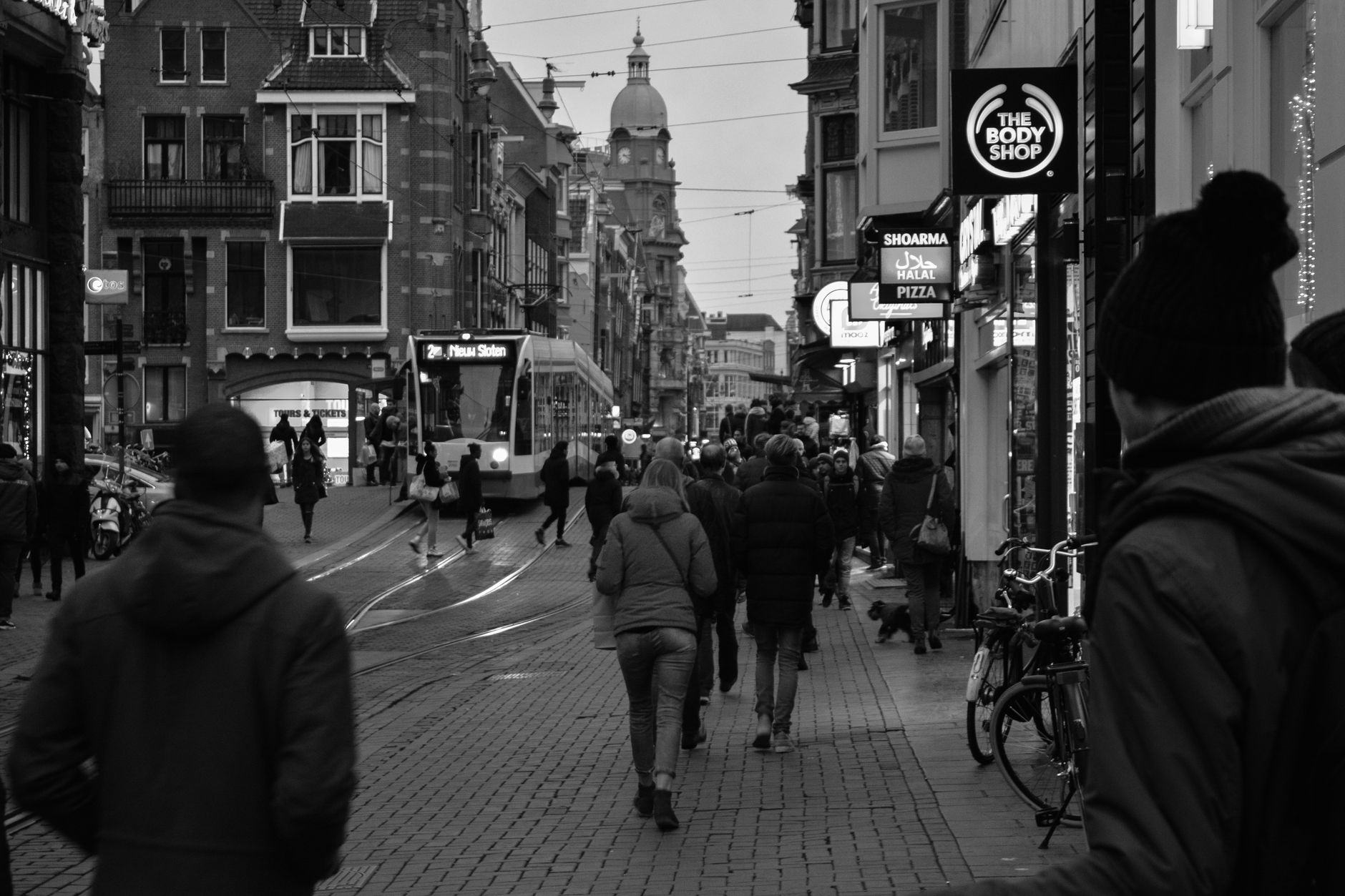
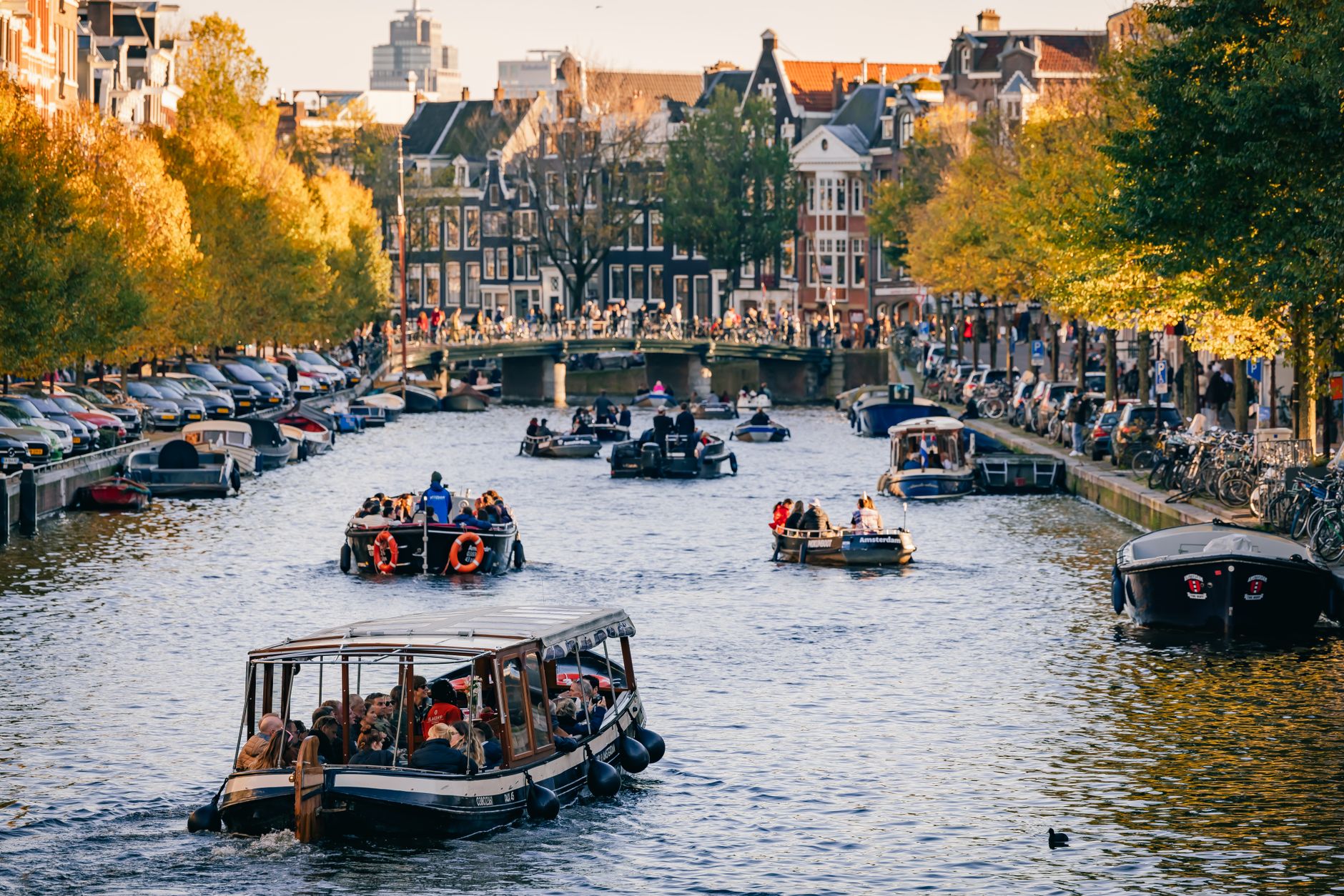
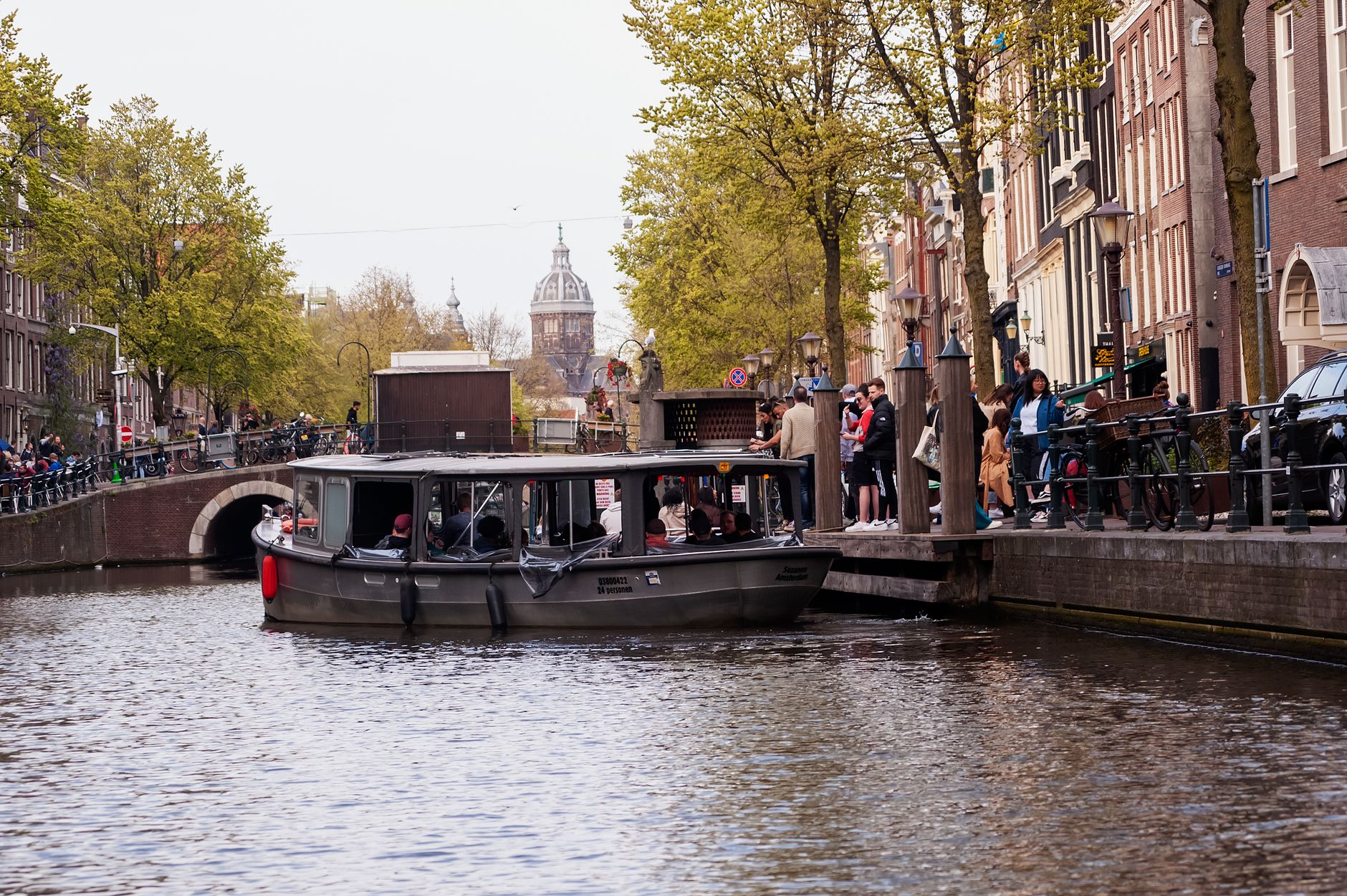
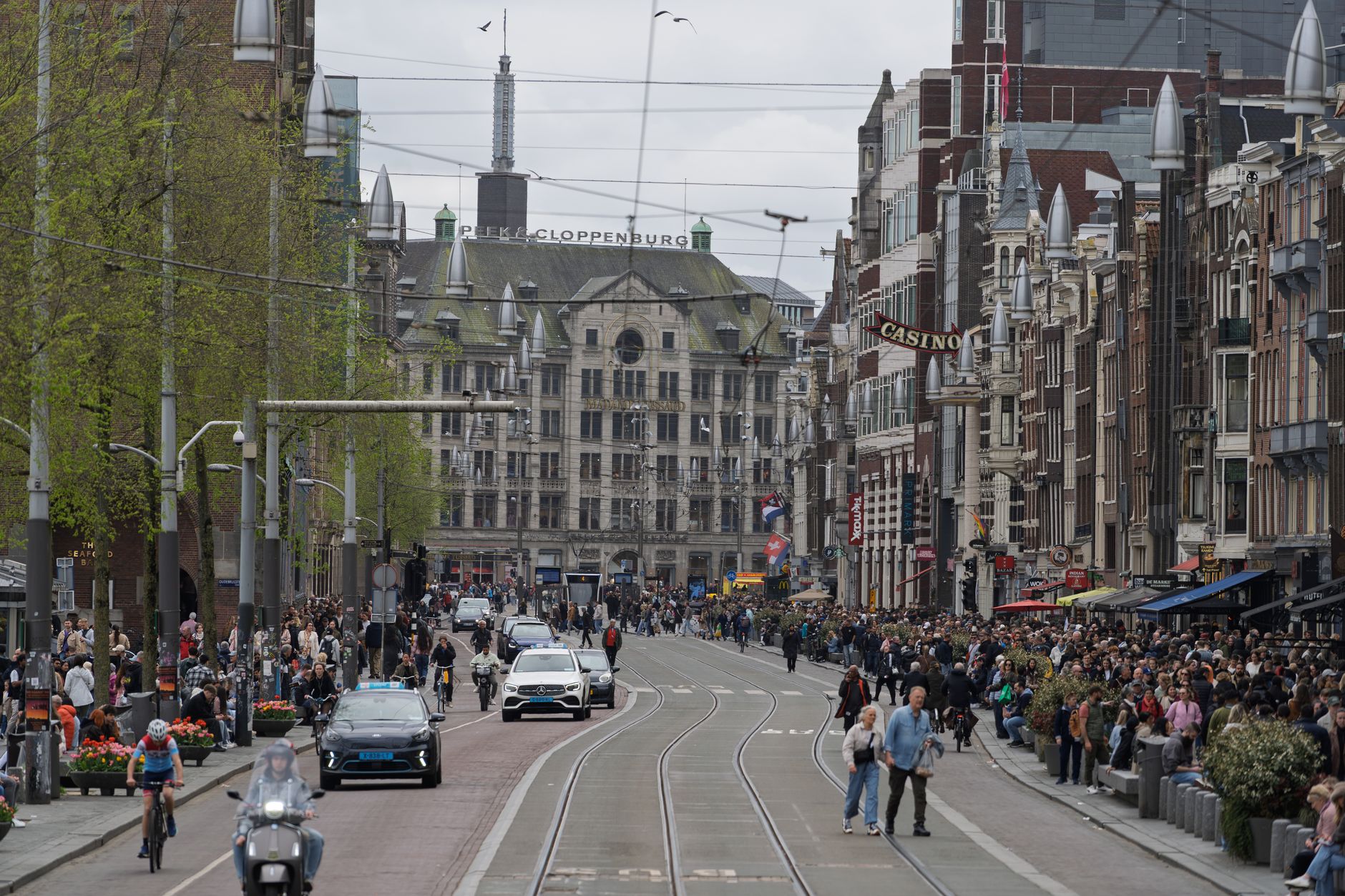
Amsterdam is built on contradictions held in elegant tension: a city of 165 canals and 75 kilometres of waterway that somehow feels walkable, a former trading empire whose quietest streets still carry the geometry of 17th-century ambition. The canal ring — the Grachtengordel — was engineered with such precision that UNESCO recognised it not just as beautiful but as a feat of urban planning. Stand on almost any bridge at dusk and you'll understand why the light here obsessed an entire generation of painters.
As a gateway to the Netherlands, Amsterdam anchors everything else. Rotterdam, Utrecht, Delft, and the tulip fields of Keukenhof are all within an hour by rail. But the city earns its own time — a day given entirely to the Rijksmuseum's 8,000-piece collection, or an evening tracing the route of tram line 2 from the flower market past the Royal Palace, is never a day wasted.
💛 What travellers fall for
People who come back tend to leave the centre earlier each visit. The Albert Cuyp Market in De Pijp, the Westerkerk on a quiet morning before the queues form at the Anne Frank House next door — these are the rhythms that stick. Tram line 2 is the insider's shortcut for covering ground without thinking too hard about navigation.
How Amsterdam came to be
The city began as a practical solution to water. Around 1000 CE, settlers at the mouth of the Amstel started reclaiming peatland, and after the All Saints' Flood of 1170 destroyed much of the low-lying coast, a dam was built to hold the river back — giving the city its name. Count Floris V granted toll privileges in 1275, city rights followed in 1306, and Amsterdam began its slow climb toward the centre of European commerce.
The 17th century was the pivot point. The VOC — the Dutch East India Company, founded in 1602 — became the world's first publicly traded corporation, and Amsterdam became the financial capital of the western world. Rembrandt worked here. The canal ring was engineered here. The Royal Palace, completed in 1665 as a city hall so large it was called the eighth wonder of the world, was a statement of exactly how far a city built on reclaimed marshland could reach. The 20th century brought occupation: from May 1940, Nazi forces deported more than 60,000 of the city's Jewish residents. The Anne Frank House on Prinsengracht, opened as a museum in 1960, holds that history without flinching.
Who and what shaped it
People who shaped it
Landmark buildings
See Amsterdam in motion
Plan your visit
On the map
When to go
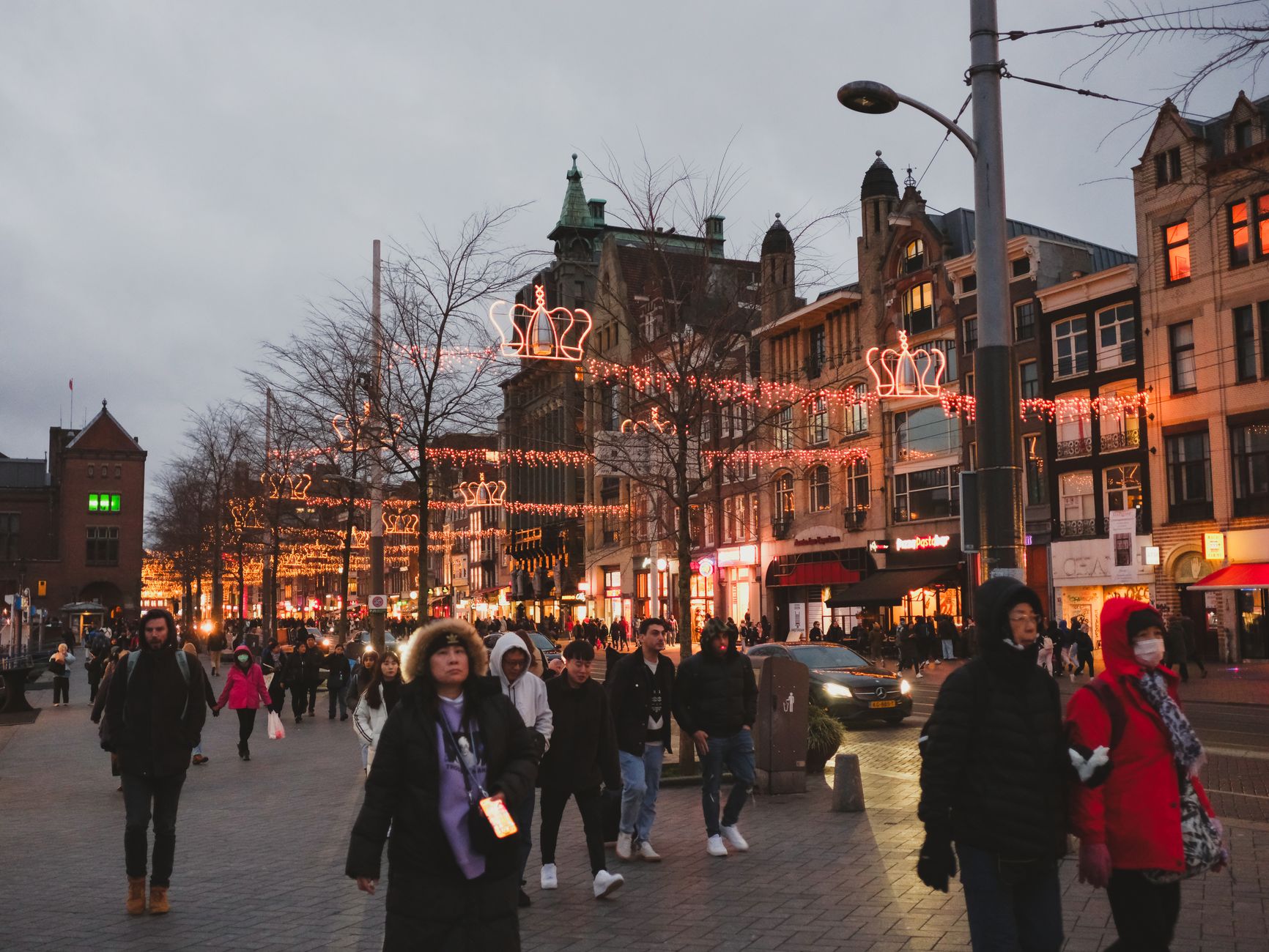
Winters are grey, damp, and mild enough to walk — the canals rarely freeze anymore. Spring (March to May) brings sharp light and, briefly, the tulips. Summer is warm and genuinely crowded. Autumn is the quietest season with the most forgiving weather.
Right now
Background & history adapted from Wikipedia (CC BY-SA) · specs from Wikidata (CC0) · weather from Open-Meteo · map data © OpenStreetMap contributors · photos from Wikimedia Commons / Unsplash with per-image credit. No third-party reviews or social posts reproduced.