
Rotterdam
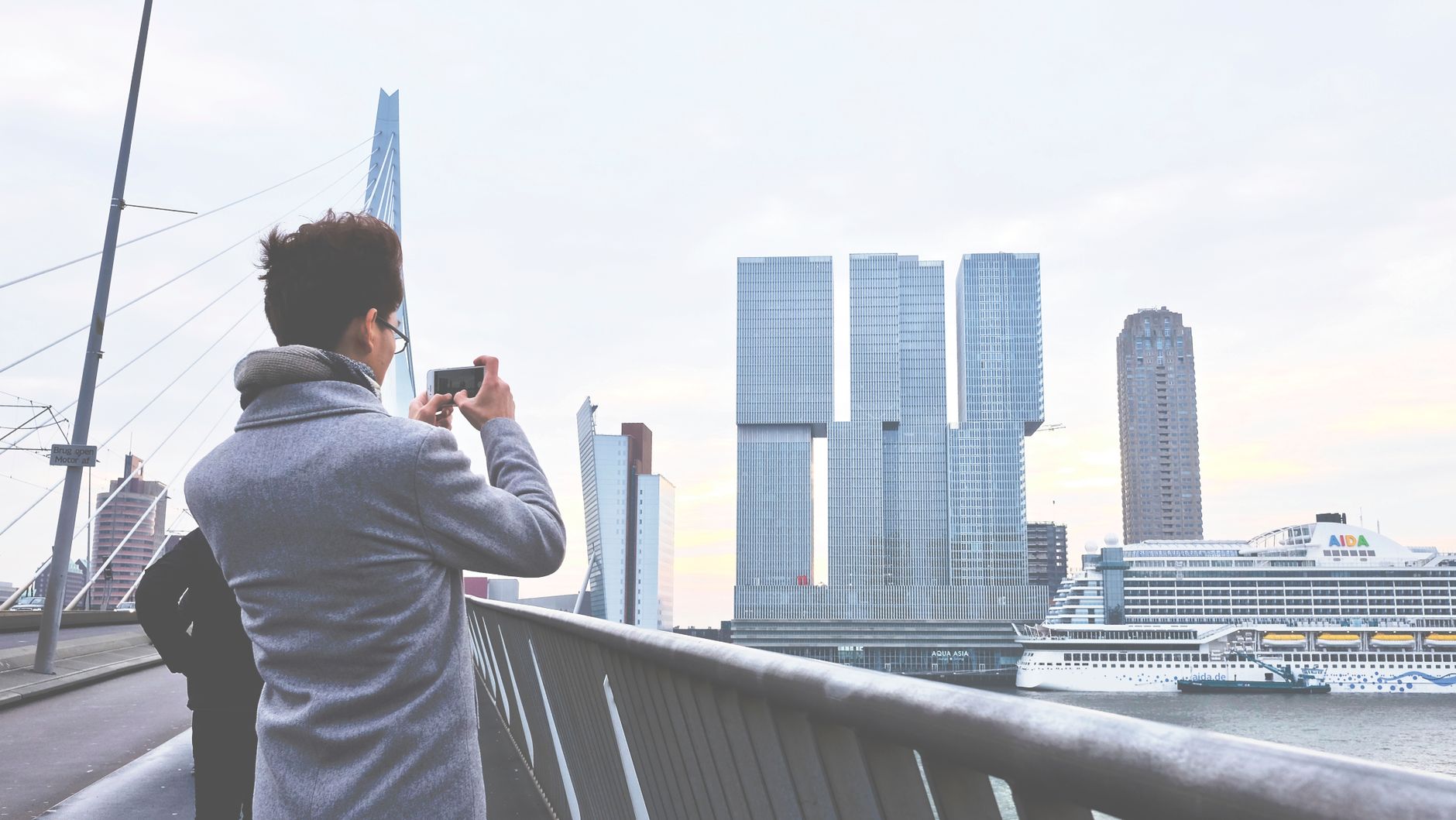
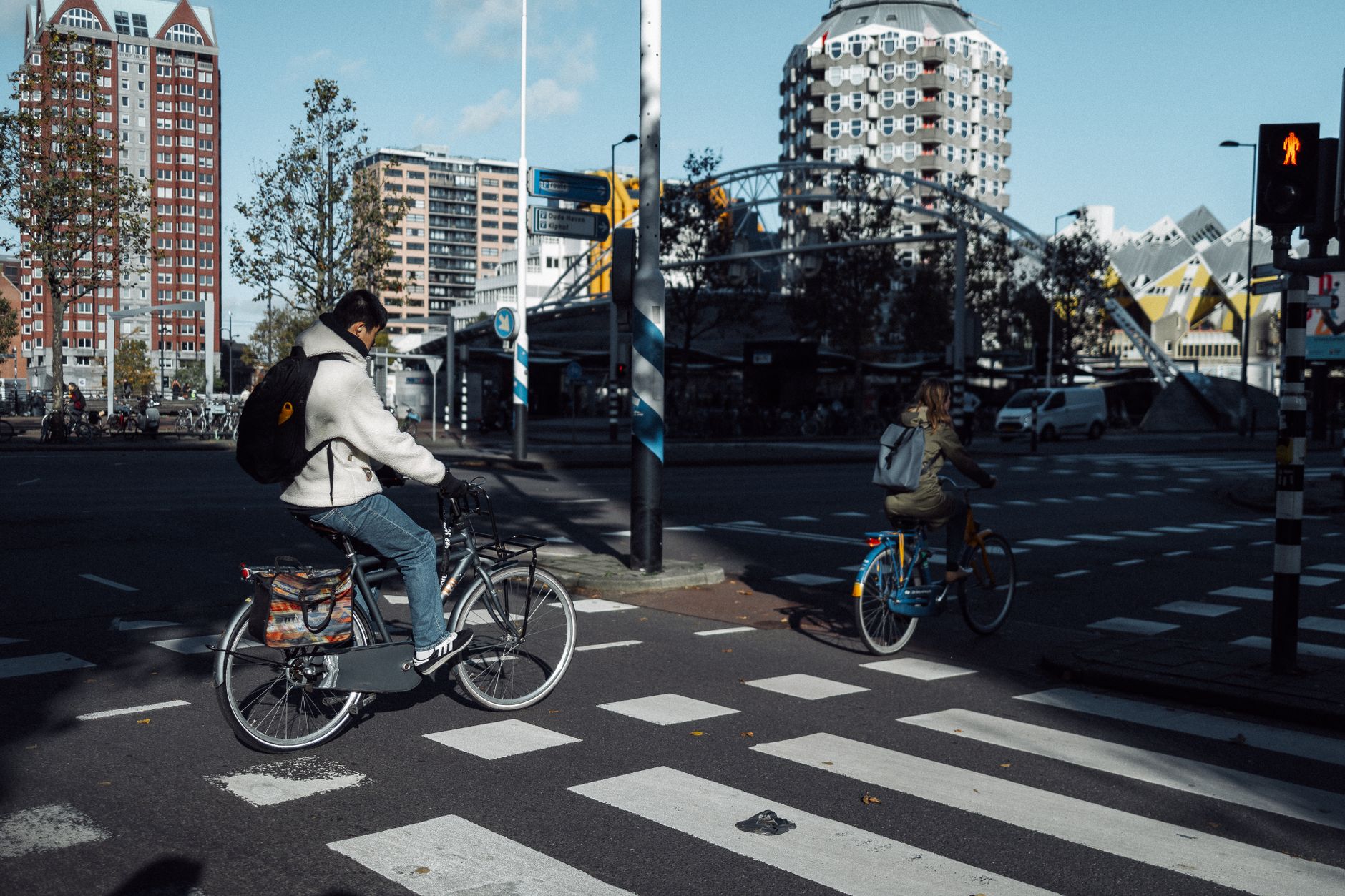
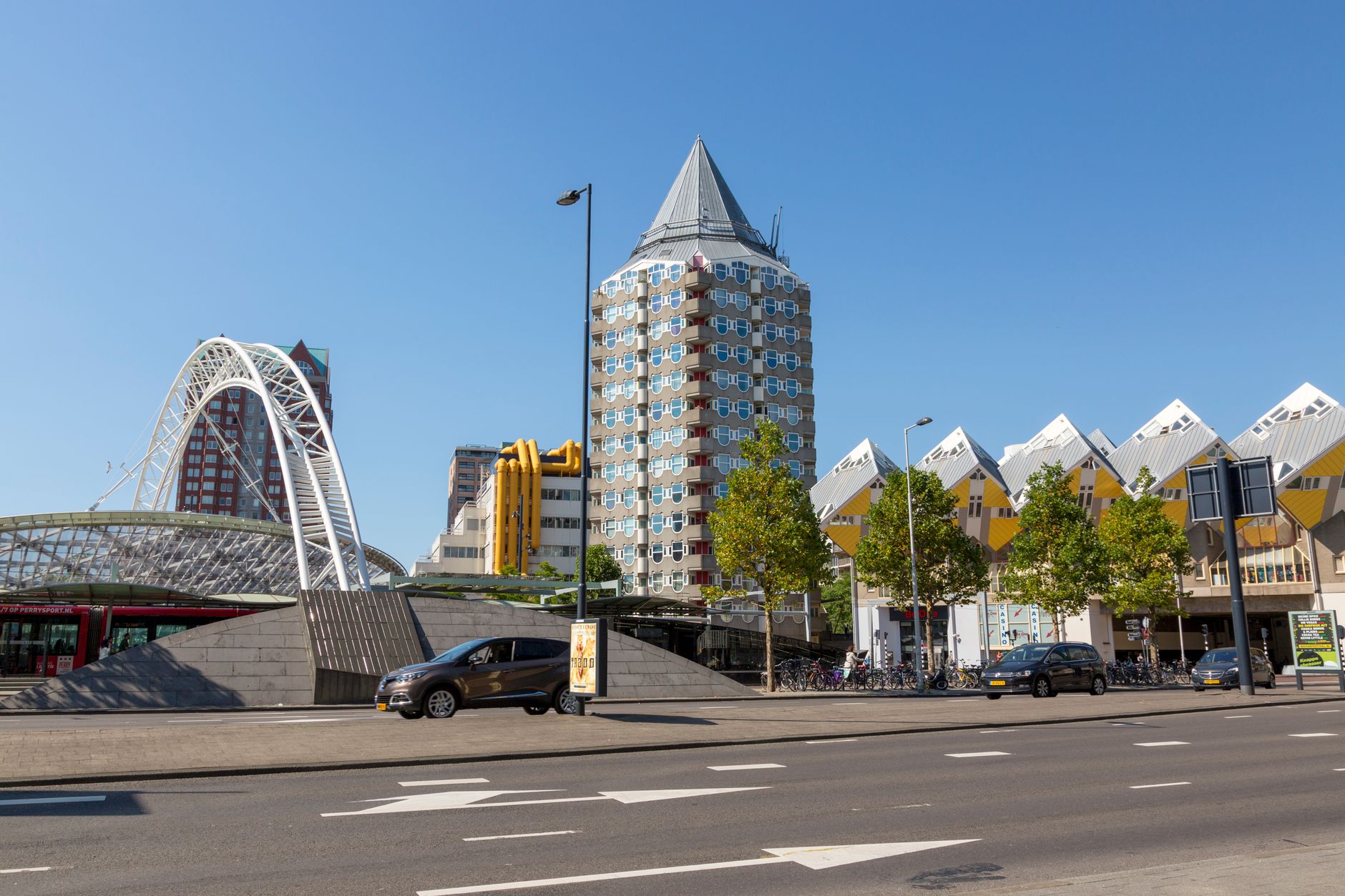
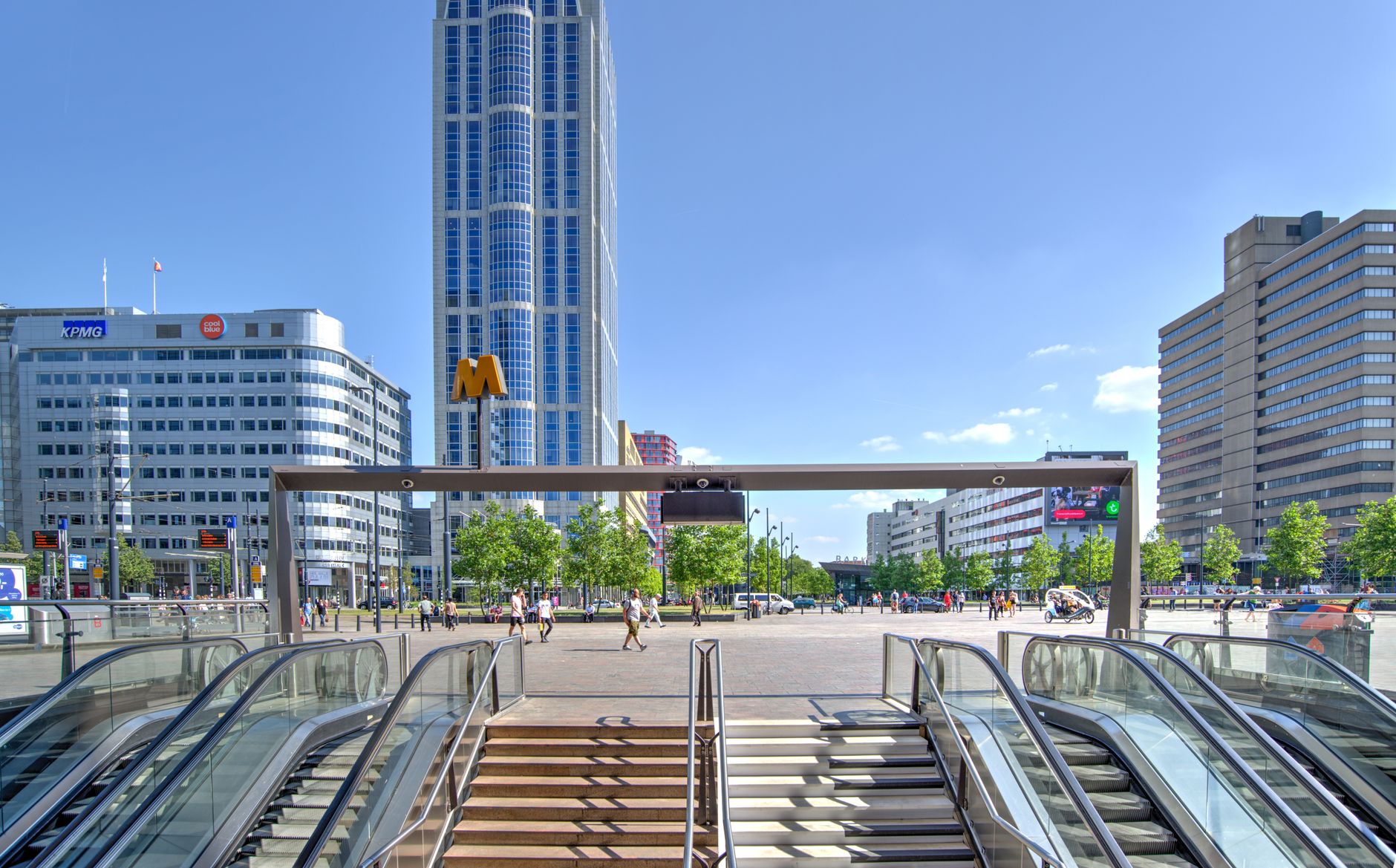
Rotterdam is the city that rebuilt itself from scratch and decided, somewhere in the process, to stop apologising for it. Where other Dutch cities preserved their canal-house silhouettes, Rotterdam put up cube houses tilted at 55 degrees, a market hall with a 40-metre painted ceiling, and a pair of towers by Rem Koolhaas that stack three buildings into one. The skyline is the biography.
At the waterfront, the Erasmus Bridge — a single white asymmetric pylon, 802 metres long — has become the city's signature. The port that was once the world's busiest by cargo tonnage still hums to the south. Rotterdam is a working city that also happens to be one of Europe's most serious laboratories for architecture.
💛 What travellers fall for
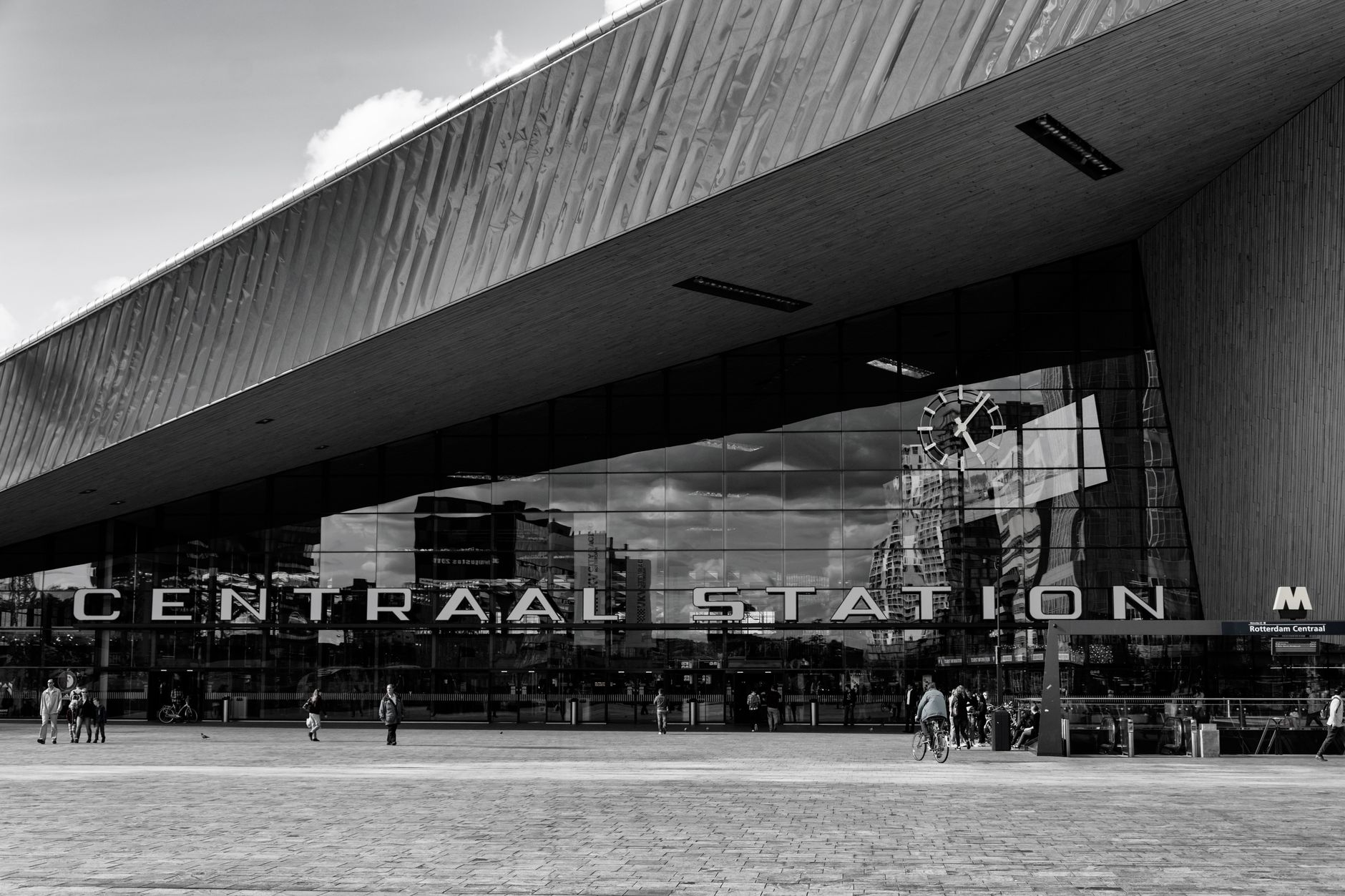
People who come back tend to anchor themselves near the Oude Haven and walk outward. The Witte Huis — a ten-storey 1898 tower that somehow survived the 1940 bombs — is worth finding early; it puts the reconstruction story in scale. Rotterdam Centraal's angular roof, pointing like an arrow at the centre, is the kind of detail you only notice on a second visit.
How Rotterdam came to be
The name appears in records from 1283, when a sluice was built across the mouth of the Rotte River. The town received its municipal charter in 1328, and by around 1350 a shipping canal connecting it northward was complete. The real acceleration came in the 17th century, when Dutch sea routes to the Indies transformed Rotterdam into the country's second merchant city after Amsterdam.
On 14 May 1940, German bombers spent ten minutes over the city centre and destroyed 2,400 houses, 1,200 businesses, and 70 schools. What came after was not restoration but reinvention — architects including the Kraaijvanger brothers shaped a modernist city on the rubble, and that project has never really stopped. The FENIX Museum of Migration, which opened in May 2025, is the latest addition to a skyline that treats construction as a continuous act.
Who and what shaped it
People who shaped it
Landmark buildings
See Rotterdam in motion
Plan your visit
On the map
When to go
Rotterdam has a temperate maritime climate: mild, grey, and reliably damp for much of the year. Summer (June to August) brings the most comfortable conditions for walking the waterfront, with temperatures typically in the low-to-mid twenties Celsius; spring and autumn are workable but carry a coat.
Right now
Background & history adapted from Wikipedia (CC BY-SA) · specs from Wikidata (CC0) · weather from Open-Meteo · map data © OpenStreetMap contributors · photos from Wikimedia Commons / Unsplash with per-image credit. No third-party reviews or social posts reproduced.