
Leiden
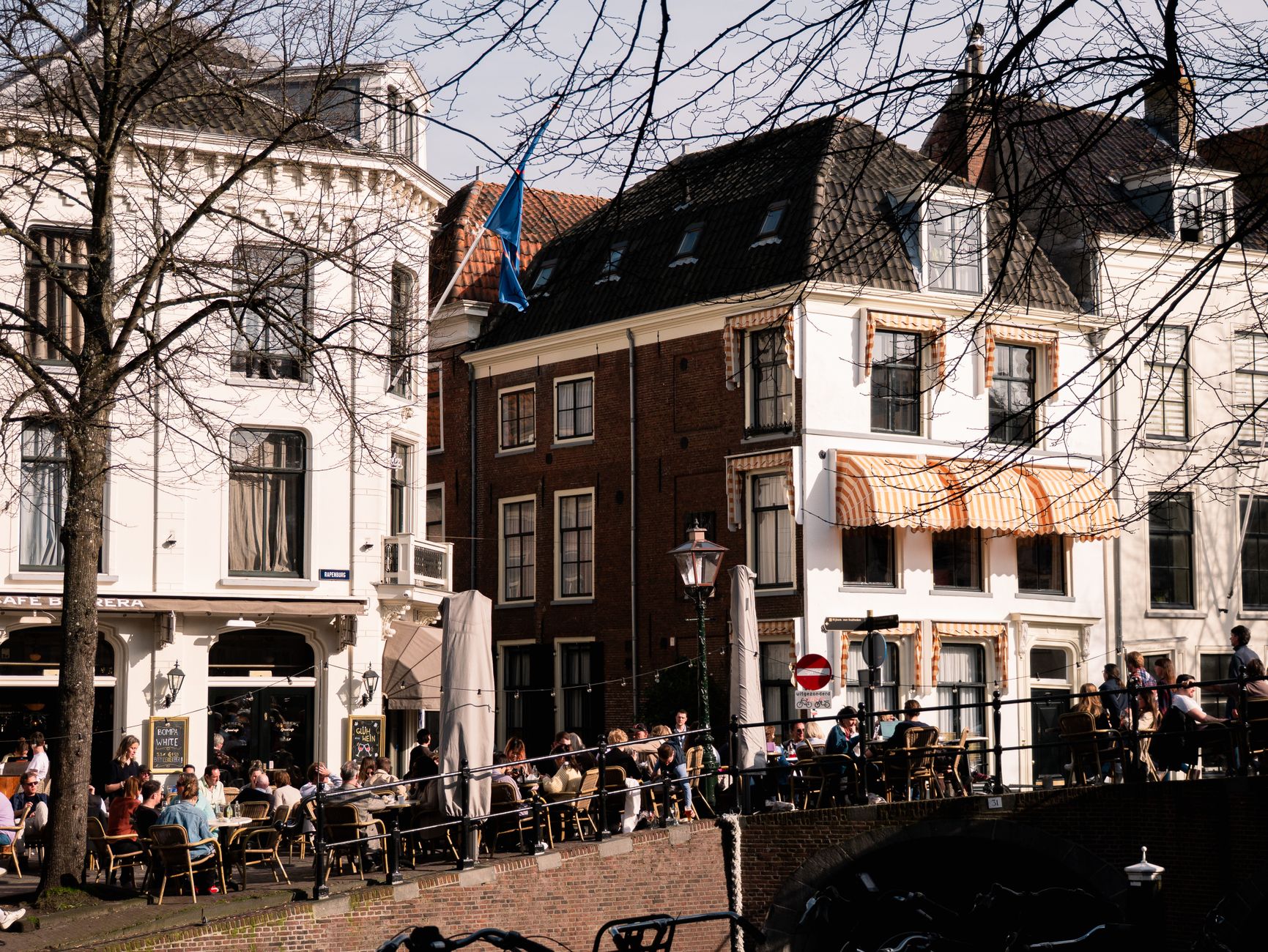
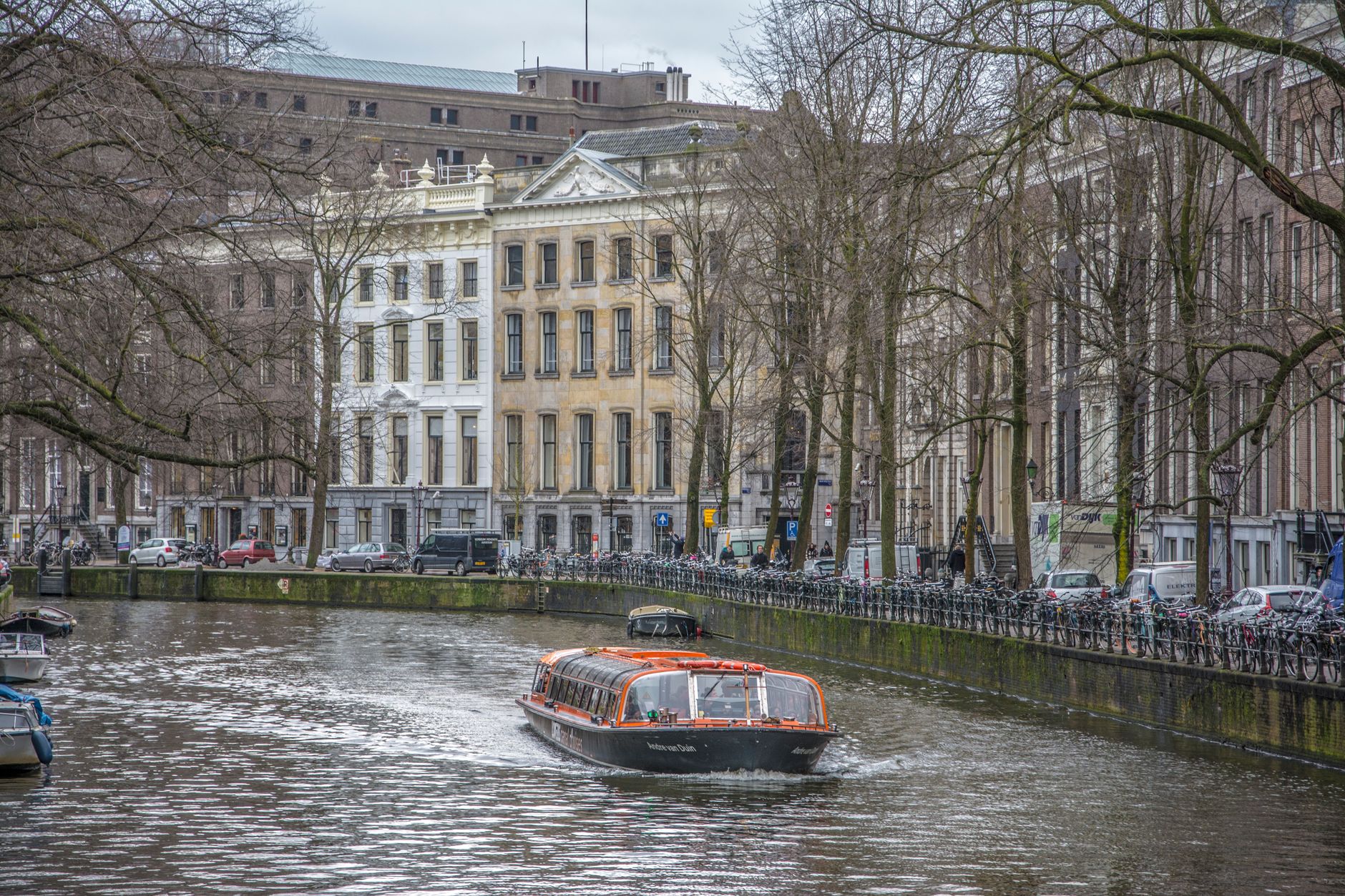
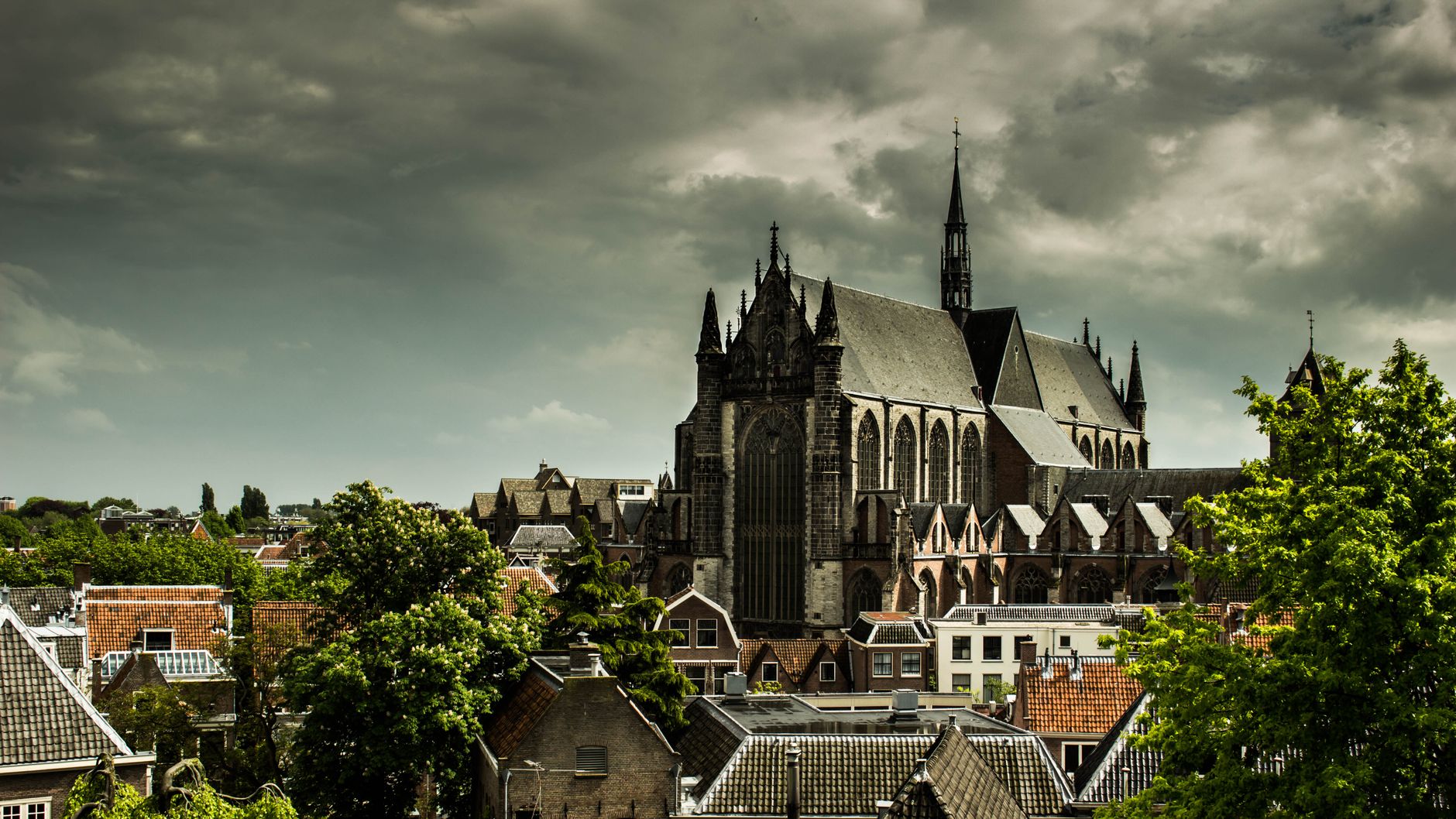
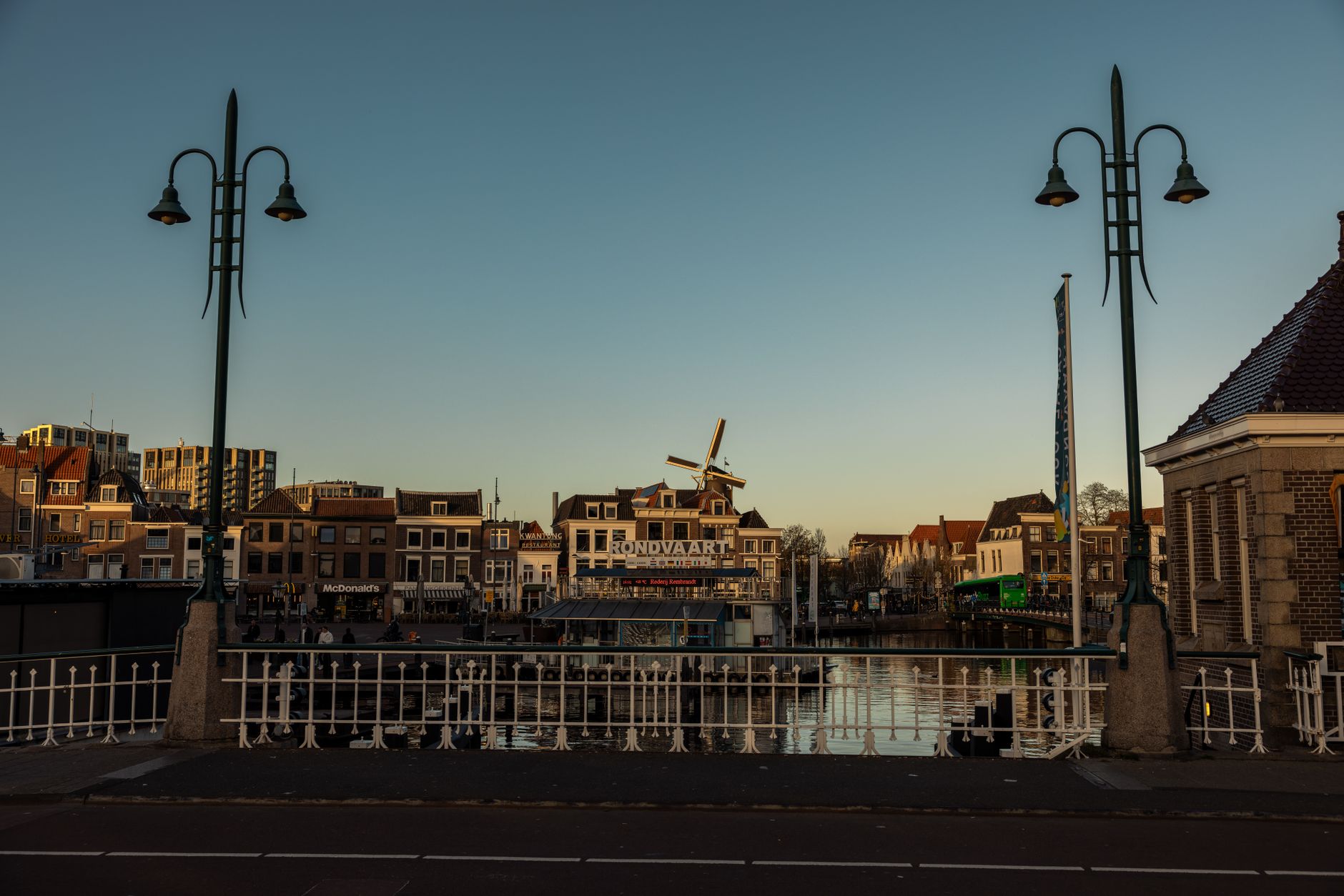
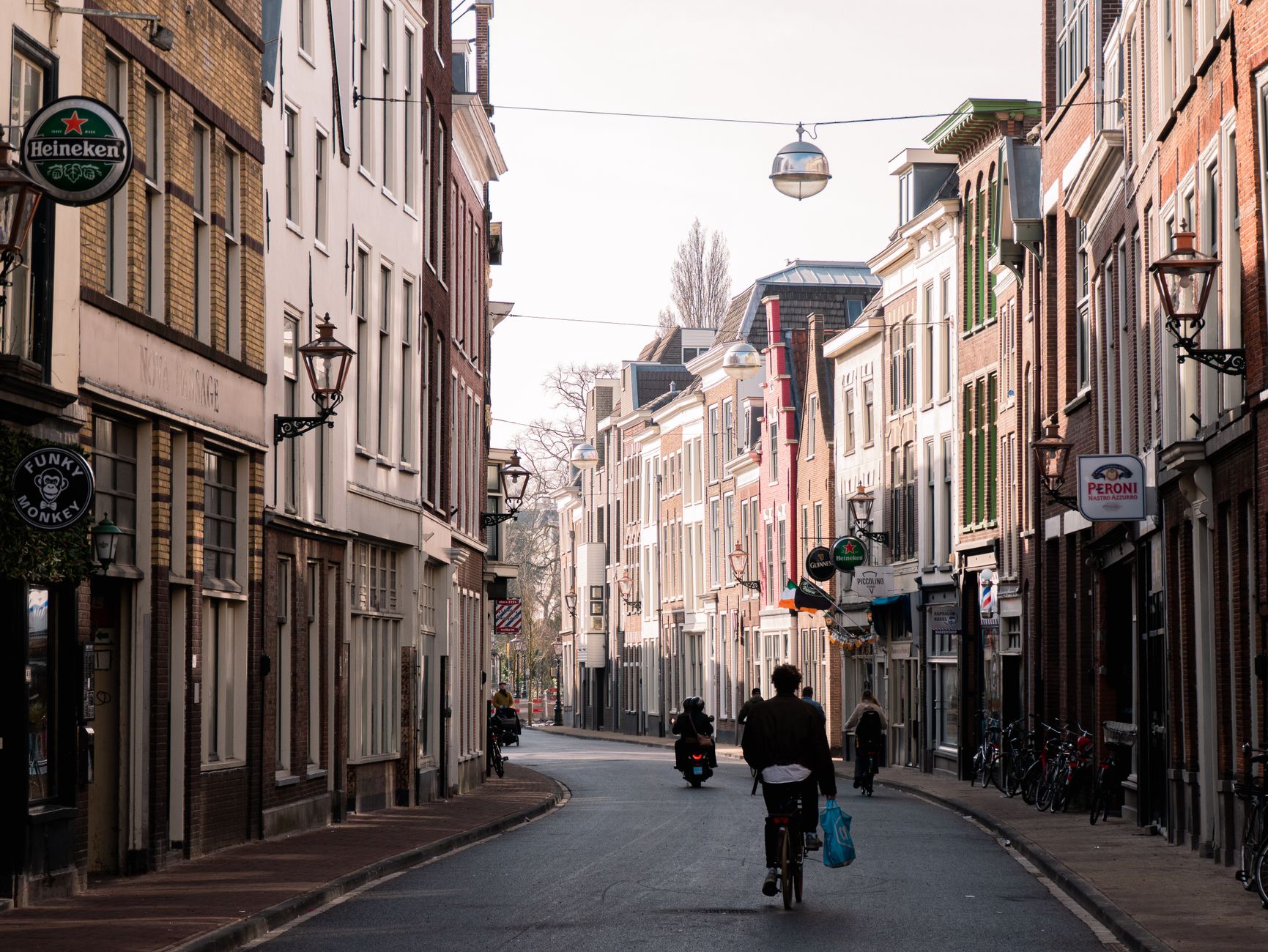
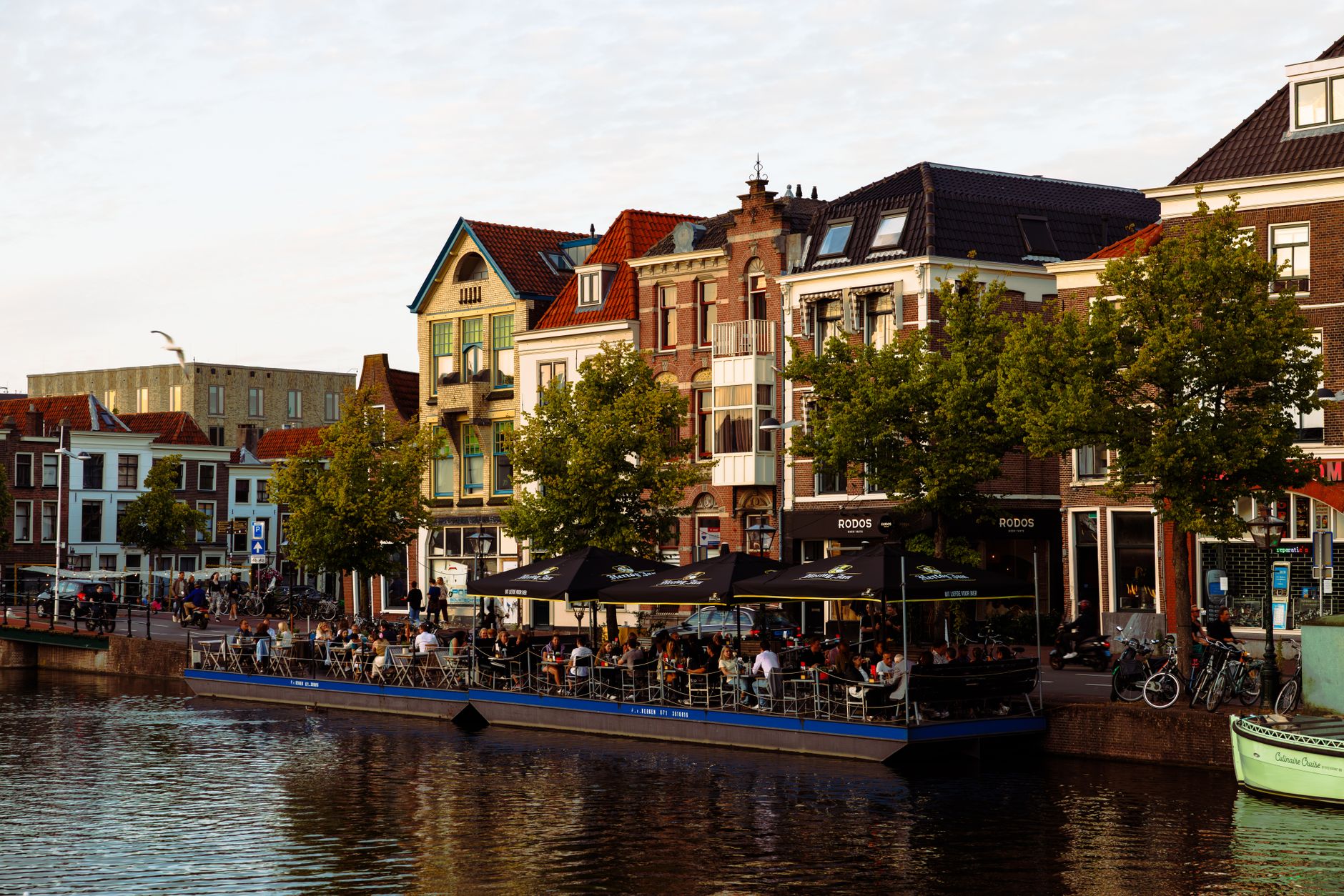
Leiden announces itself through water. The city sits where the Old and New Rhine meet, and the canal-laced centre means you're never far from the sound of a boat working through a lock or the sight of houseboats moored under lime trees. It is a university city in the truest sense — Leiden University has been here since 1575, and the streets carry that long habit of serious thinking lightly.
What makes Leiden distinct from its neighbours is density of a particular kind: Rembrandt was born here, the first Dutch tulip was grown here, and the Dutch constitution was written in a house on Garenmarkt. That accumulation of consequence, packed into a compact old centre you can cross on foot in twenty minutes, is the essential Leiden experience.
💛 What travellers fall for
People who come back tend to settle into a rhythm: coffee on the Rapenburg canal in the morning before the tour groups find it, then an hour at the Rijksmuseum van Oudheden with the Egyptian temple room more or less to themselves. The Hortus Botanicus is worth a second visit in a different season — the garden reads entirely differently in early spring versus late summer.
How Leiden came to be
A Roman fort stood near the Rhine confluence around AD 47, but Leiden as a city dates its charter to 1266. Its defining moment came in 1574, when the citizens endured a Spanish siege. William I of Orange rewarded their resistance the following year by founding Leiden University on 8 February 1575 — the oldest university in the Netherlands, inaugurated inside the Pieterskerk. The Elzevir family set up their printing press around 1581, making Leiden a European centre for books and ideas.
The city's scientific record runs deep: Herman Boerhaave introduced bedside teaching in 1714; Heike Kamerlingh Onnes liquefied helium here, earning the lab the nickname 'the coldest place on earth'; Albert Einstein held a professorship by special appointment. A gunpowder explosion in 1807 killed 150 people and erased a large section of the centre — the gaps it left are still visible in the urban grain if you know to look.
Who and what shaped it
People who shaped it
Landmark buildings
See Leiden in motion
Plan your visit
On the map
When to go
Leiden has a mild maritime climate: summers are warm rather than hot, winters damp and grey. March through May brings sharp light and the tulip fields in bloom on the surrounding bulb-growing plain; June through August is the most reliably dry stretch for walking the canals.
Right now
Background & history adapted from Wikipedia (CC BY-SA) · specs from Wikidata (CC0) · weather from Open-Meteo · map data © OpenStreetMap contributors · photos from Wikimedia Commons / Unsplash with per-image credit. No third-party reviews or social posts reproduced.