
Tongyeong
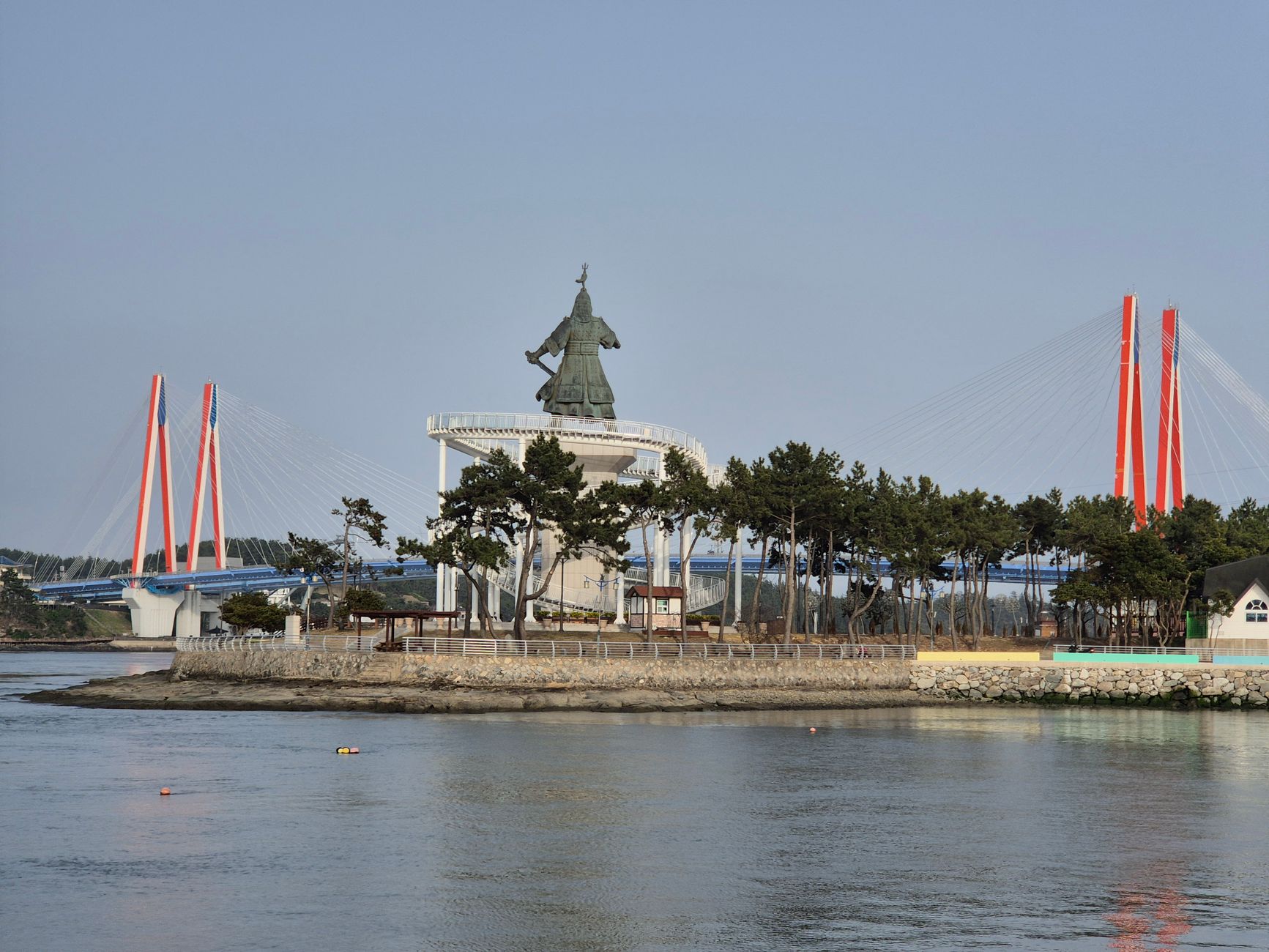
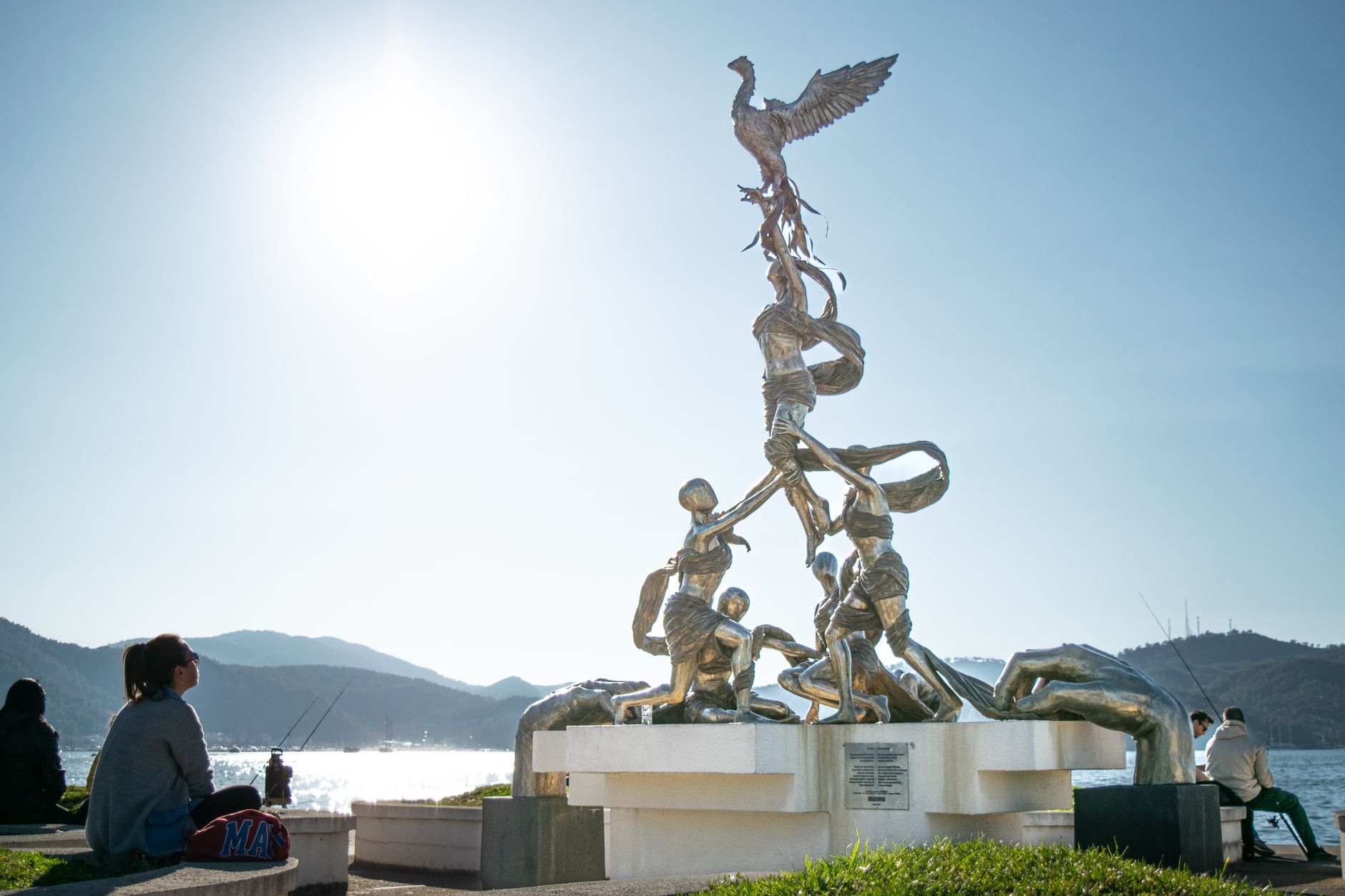
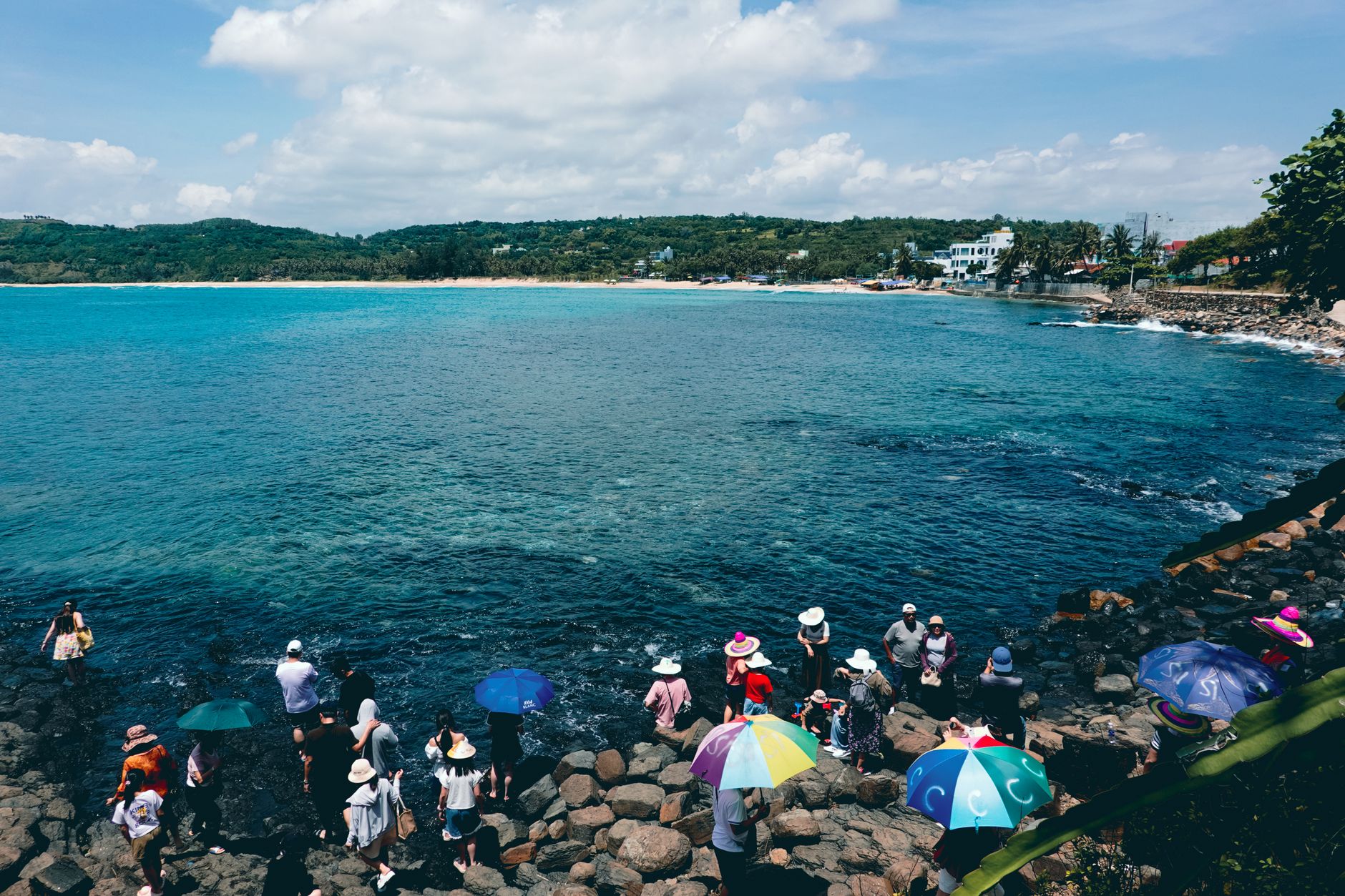

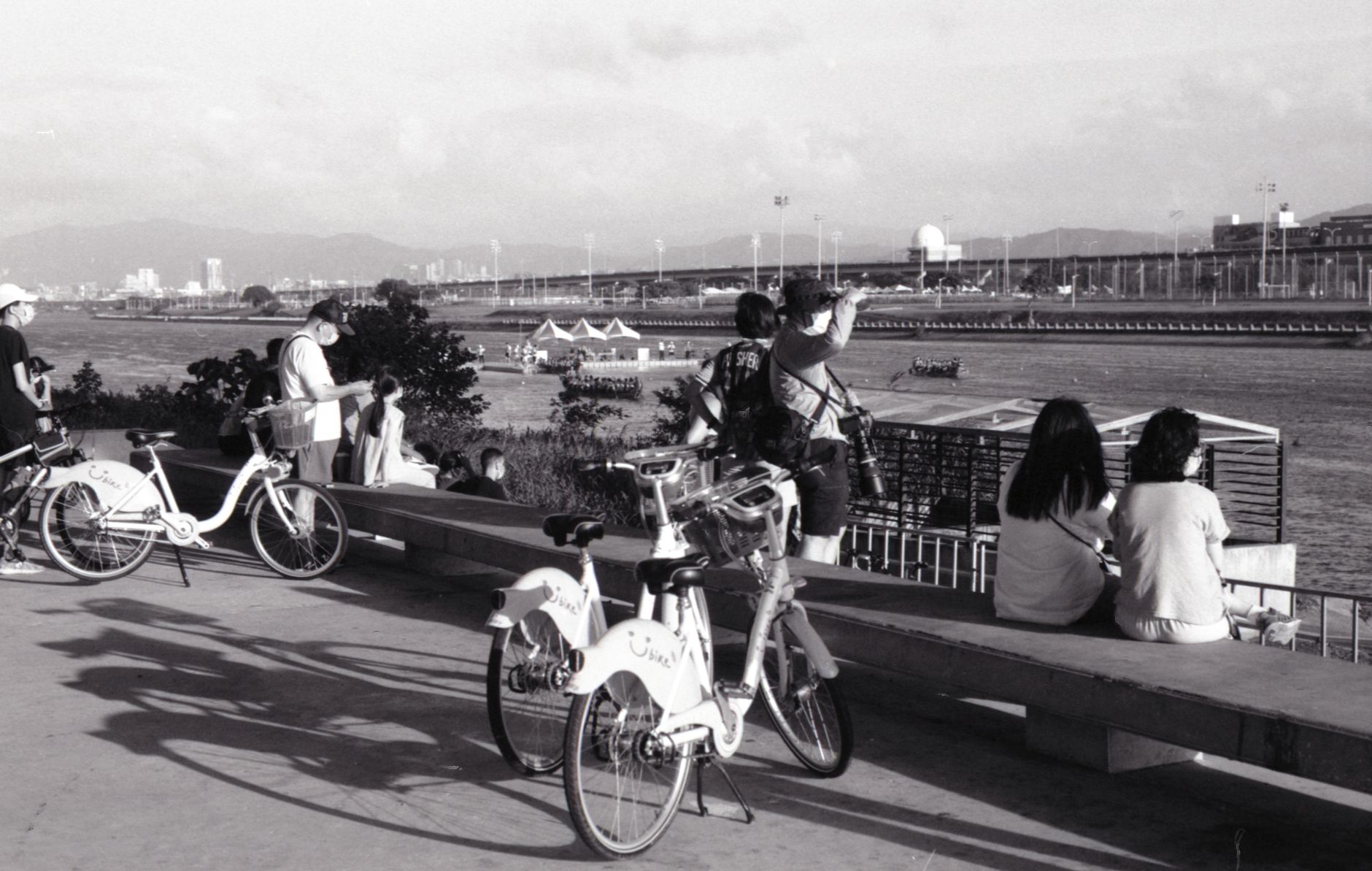
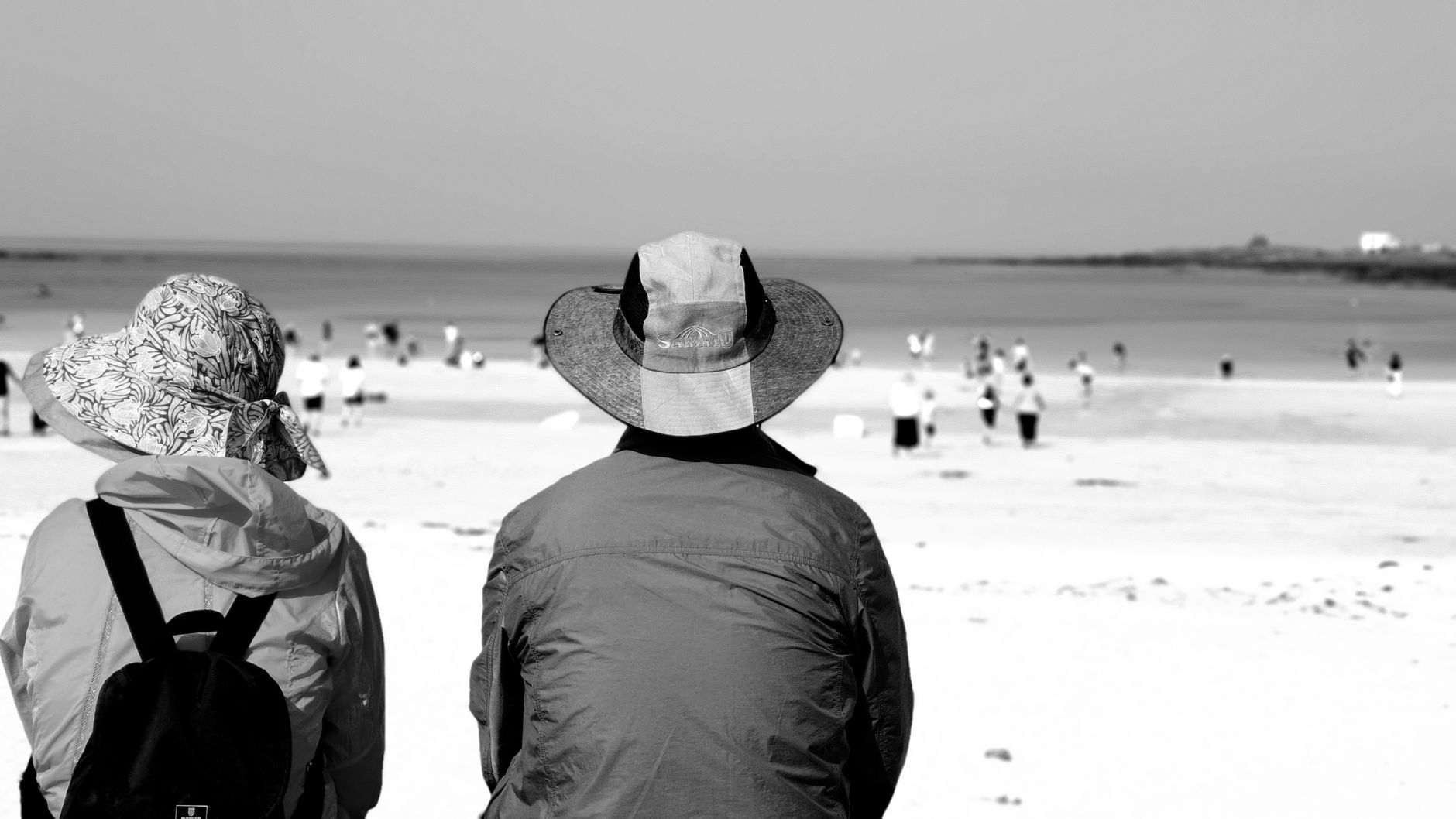
Tongyeong sits at the southern tip of the Korean peninsula where the land breaks apart into a scatter of islands, and the sea — the Hallyeo — fills every gap between them. The city earned its name from the old naval command, Tongjeyeong, that once controlled three provinces from this coastline, and that history still shapes the place: the port, the fortifications, the particular pride of a city that knows it held something important.
These days Tongyeong is as well known for its artists as its admirals. The composer Yun I-sang, the novelist Park Kyung-ni, the poet Yu Chi-hwan — something about this coastal light and dialect has produced an unusual concentration of Korean literary and musical life, and the city holds onto that inheritance carefully.
💛 What travellers fall for
People who come back tend to time a visit around the Tongyeong International Music Festival, held each spring in honour of Yun I-sang. The Sebyeonggwan Hall at dusk, the ferry out to one of the smaller islands, the raw oysters near Gangguan Port — these are the things that get mentioned, in that order.
How Tongyeong came to be
The site that became Tongyeong has been a strategic naval position since 1593, when Admiral Yi Sun-sin was appointed to command the Joseon navy from this stretch of southern coast. In 1604, the Samdo Sugun Tongjeyeong — the unified naval command for Gyeongsang, Jeolla and Chungcheong provinces — was formally established here, and the city grew around that institution. The Sebyeonggwan Hall, the great 17th-century wooden building at the heart of the complex, still stands and was designated Historic Site No. 402 in 1998.
The modern city of Tongyeong was created in 1995 through the merger of Chungmu city and Tongyeong county. In 2015, UNESCO recognised it as a City of Music, citing the way traditional pansori and the modernist compositions of native son Yun I-sang had shaped a continuous musical culture here.
Who and what shaped it
People who shaped it
Landmark buildings
See Tongyeong in motion
Plan your visit
On the map
When to go
Summers are hot and humid, with the heaviest rain falling between June and August. Spring (April to May) and autumn (September to October) bring cooler, drier weather and the clearest light over the water — the better seasons to be on the coast.
Right now
Background & history adapted from Wikipedia (CC BY-SA) · specs from Wikidata (CC0) · weather from Open-Meteo · map data © OpenStreetMap contributors · photos from Wikimedia Commons / Unsplash with per-image credit. No third-party reviews or social posts reproduced.