
Busan
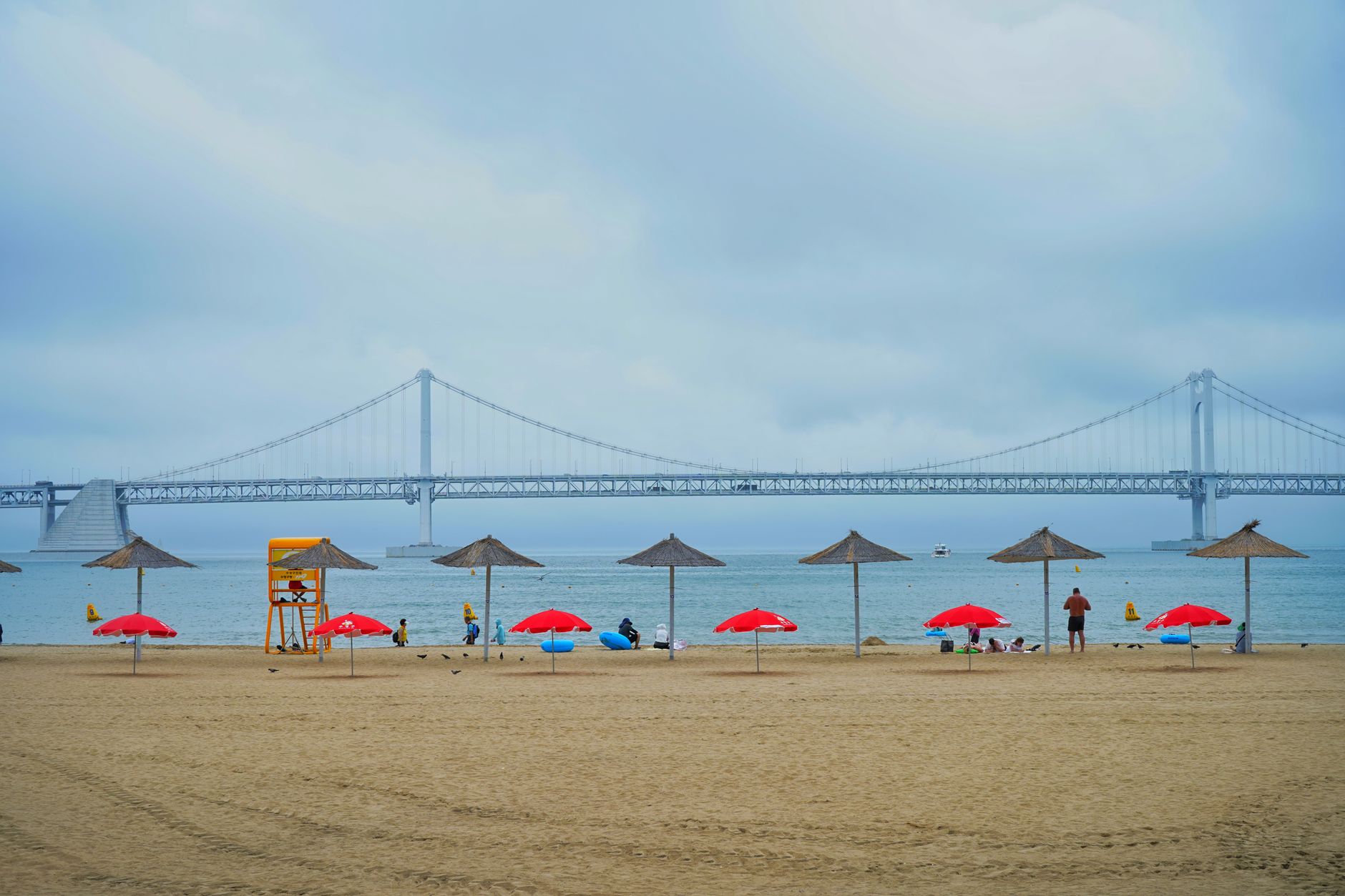
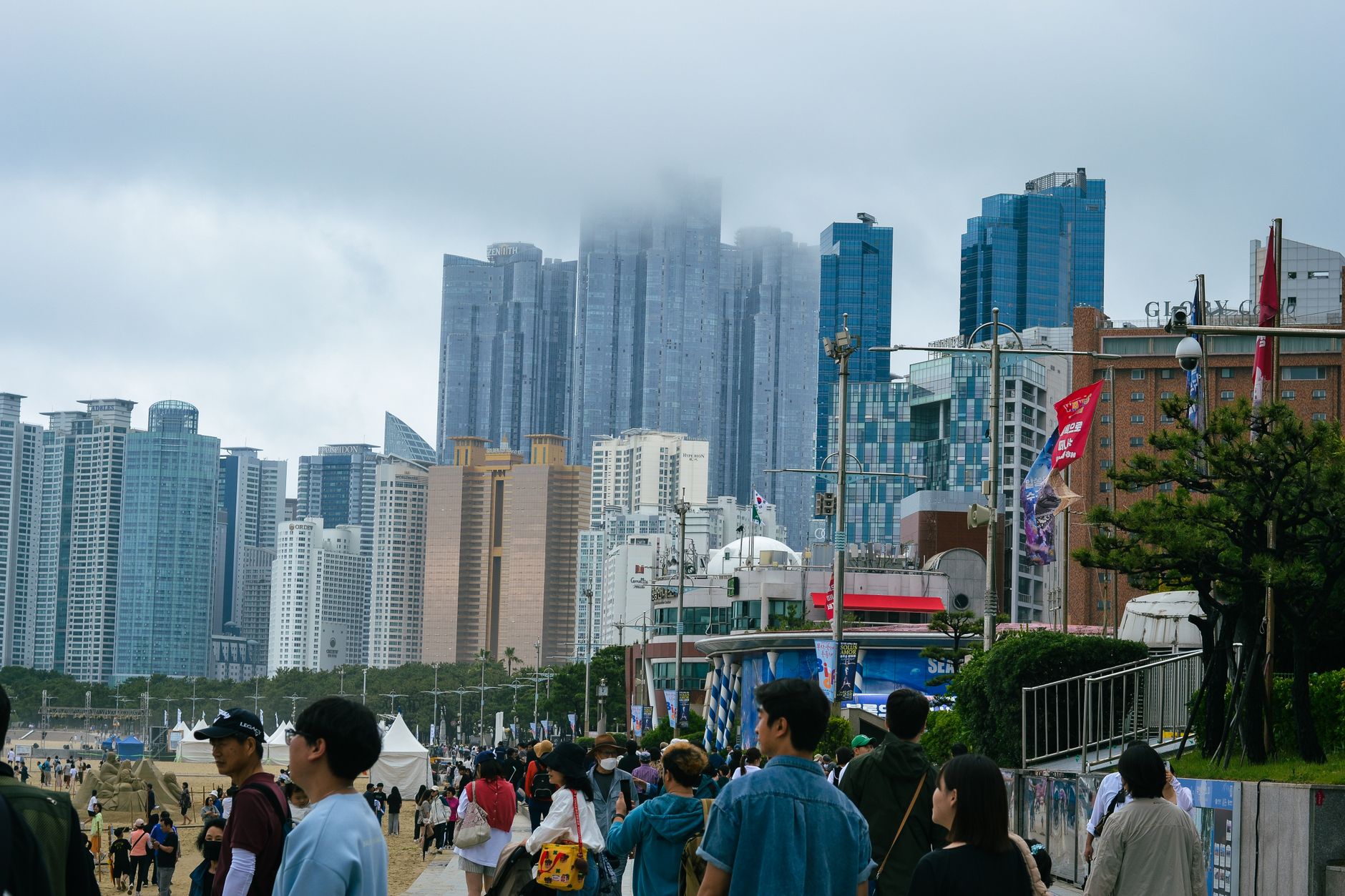
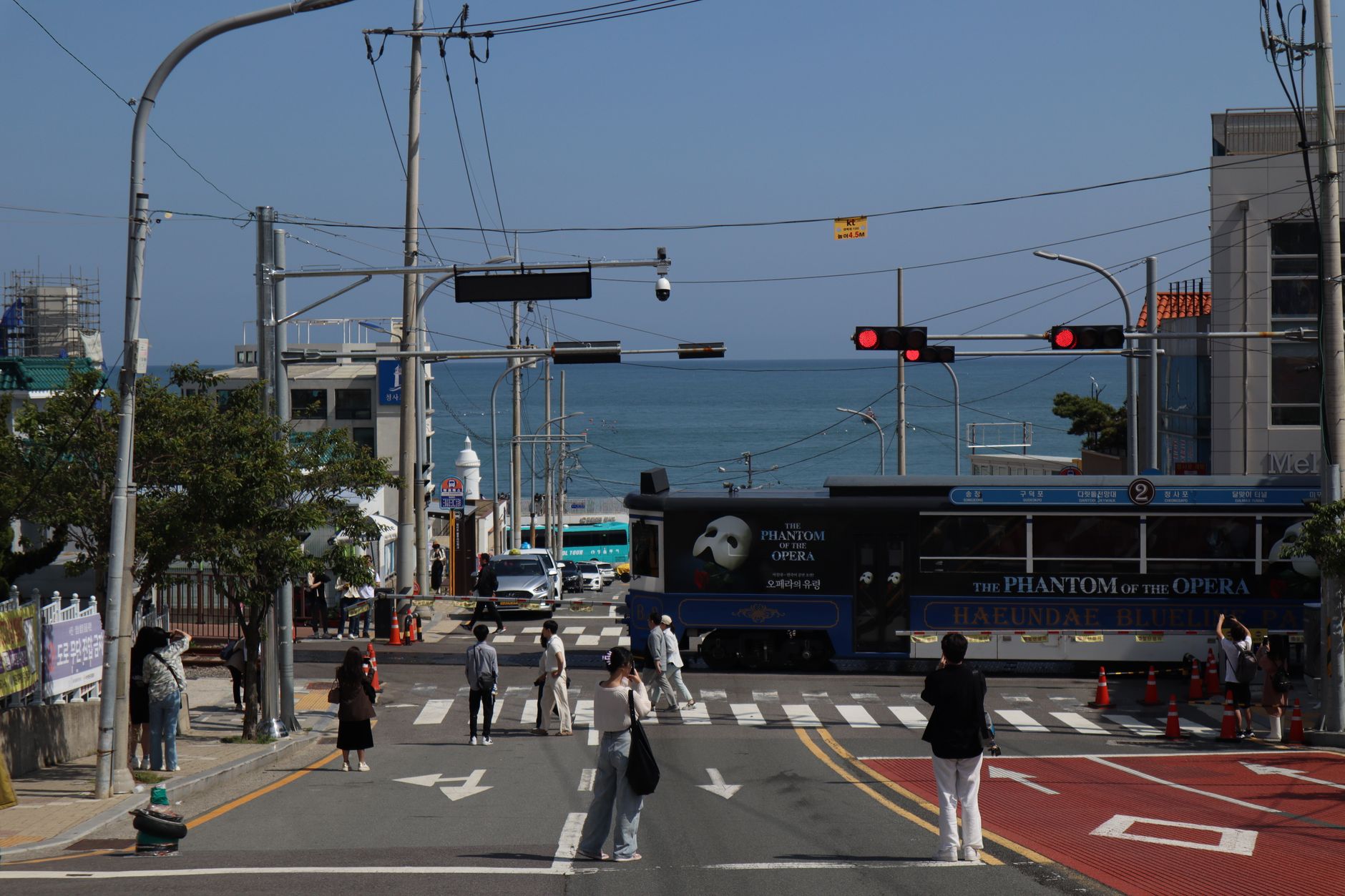
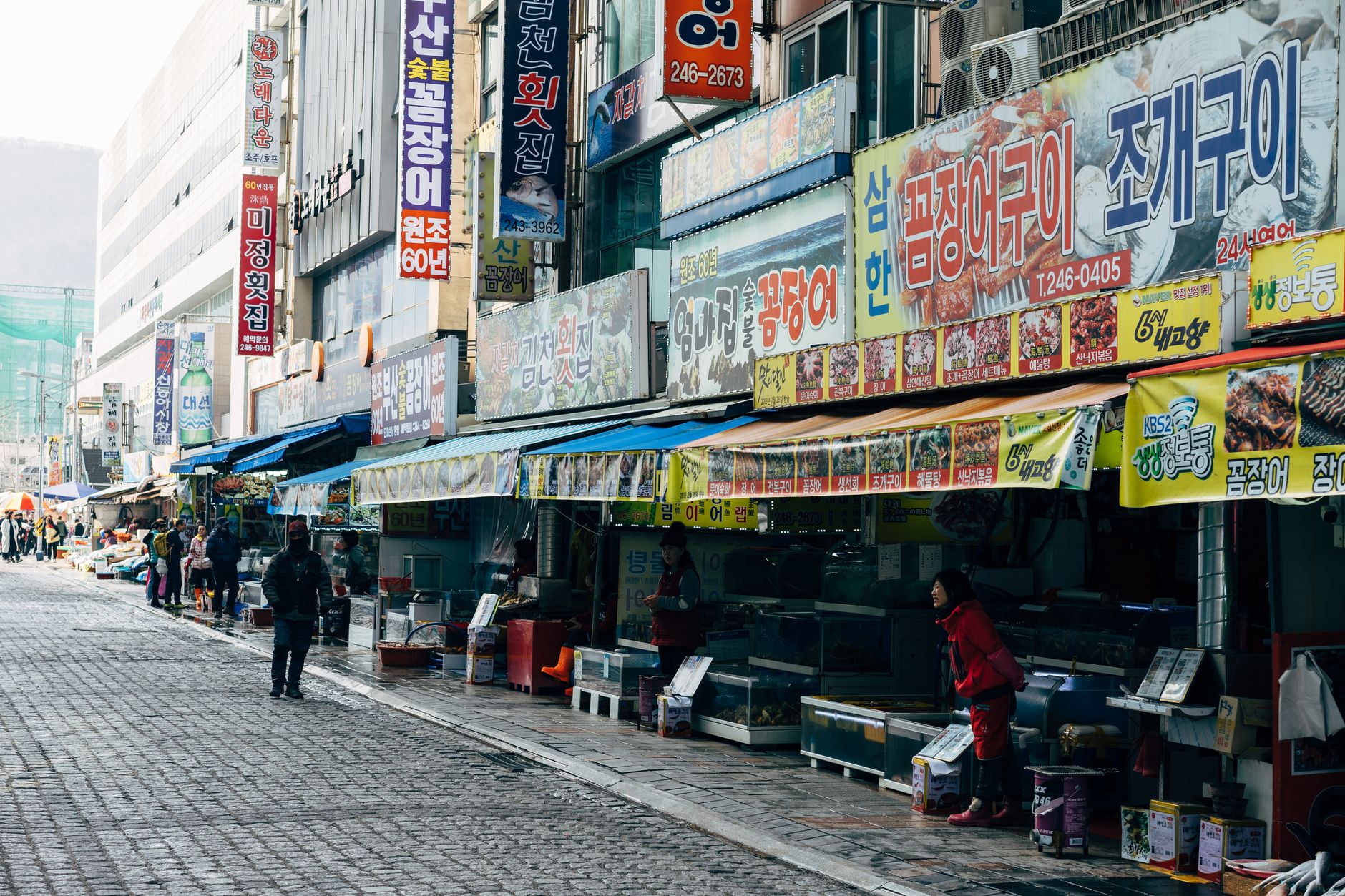
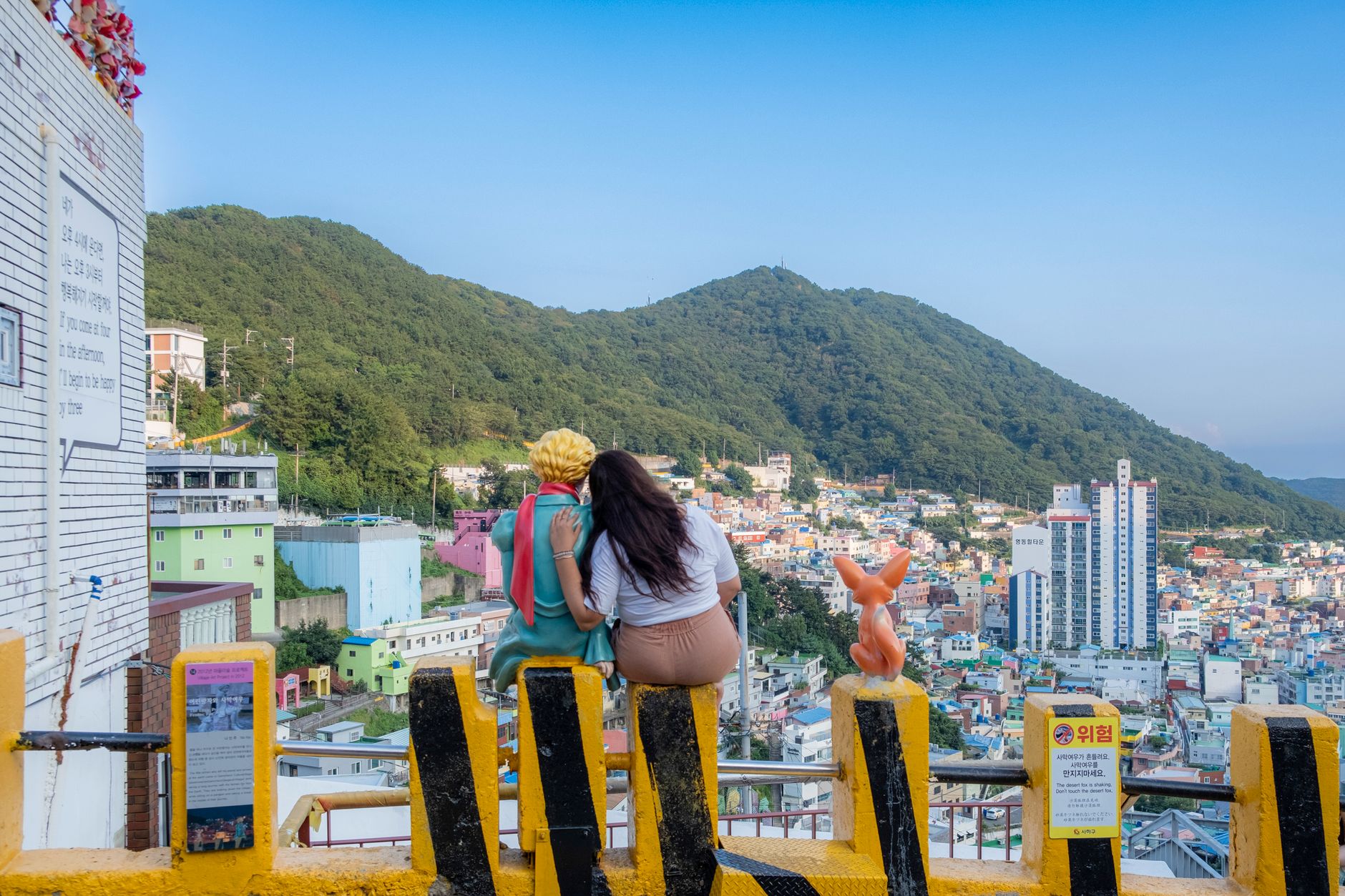
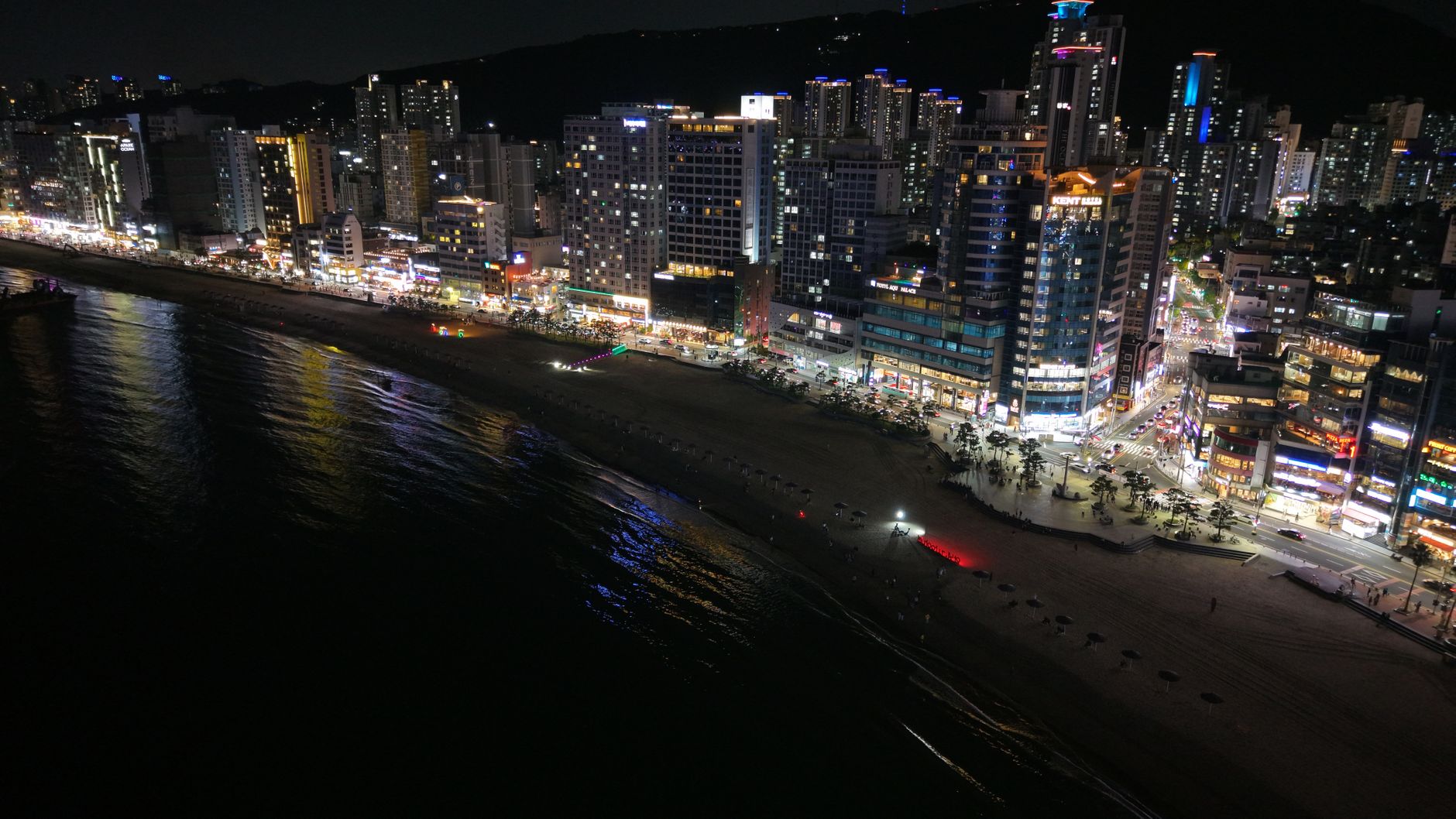
Korea's second city sits where mountains meet the sea, and that collision shapes everything: the steep alleys climbing above Nampo Port, the raw fish pulled from tanks at Jagalchi Market before noon, the salt air that follows you inland. Busan is a port city in the oldest sense — it opened Korea's first international port in 1876, and commerce and arrival are still written into its bones.
What you find here is a city that has absorbed waves of people and kept moving. Korean War refugees built entire neighbourhoods on hillsides; their descendants run the seafood stalls and the film festival that, since 1996, has made Busan one of Asia's most watched screens for new cinema.
How Busan came to be
People have lived along this coastline since the Neolithic period, leaving behind tools, pottery and shellfish middens near the shore. By the first century a chiefdom called Koch'ilsan-guk occupied what is now Dongnae District; Silla absorbed it, and the area was renamed Dongnae-gun in 757. Beomeosa Temple was founded in 835, though an earlier structure was destroyed during the Imjin War of 1592–1598 and later rebuilt.
Busan's modern shape owes as much to catastrophe as to trade. Already Korea's main Japan-facing port since the Joseon era, it became the country's first formally opened international port in 1876 and was connected by rail in 1908. Then, during the Korean War, it served as South Korea's de facto capital — one of only two cities never taken by the North — absorbing roughly 500,000 refugees by early 1951. The hillside neighbourhood of Gamcheon, those refugees' improvised settlement, still stands, now reworked into a place of murals and small galleries.
Who and what shaped it
People who shaped it
Landmark buildings
See Busan in motion
Plan your visit
On the map
When to go
Summers run hot and muggy with a rainy season that can be persistent, though sea breezes take some of the edge off. Winters are cold and mostly sunny, with temperatures occasionally dropping well below freezing, but long mild spells with highs around 10°C are common — and the city is far quieter.
Right now
Background & history adapted from Wikipedia (CC BY-SA) · specs from Wikidata (CC0) · weather from Open-Meteo · map data © OpenStreetMap contributors · photos from Wikimedia Commons / Unsplash with per-image credit. No third-party reviews or social posts reproduced.