
Jeonju
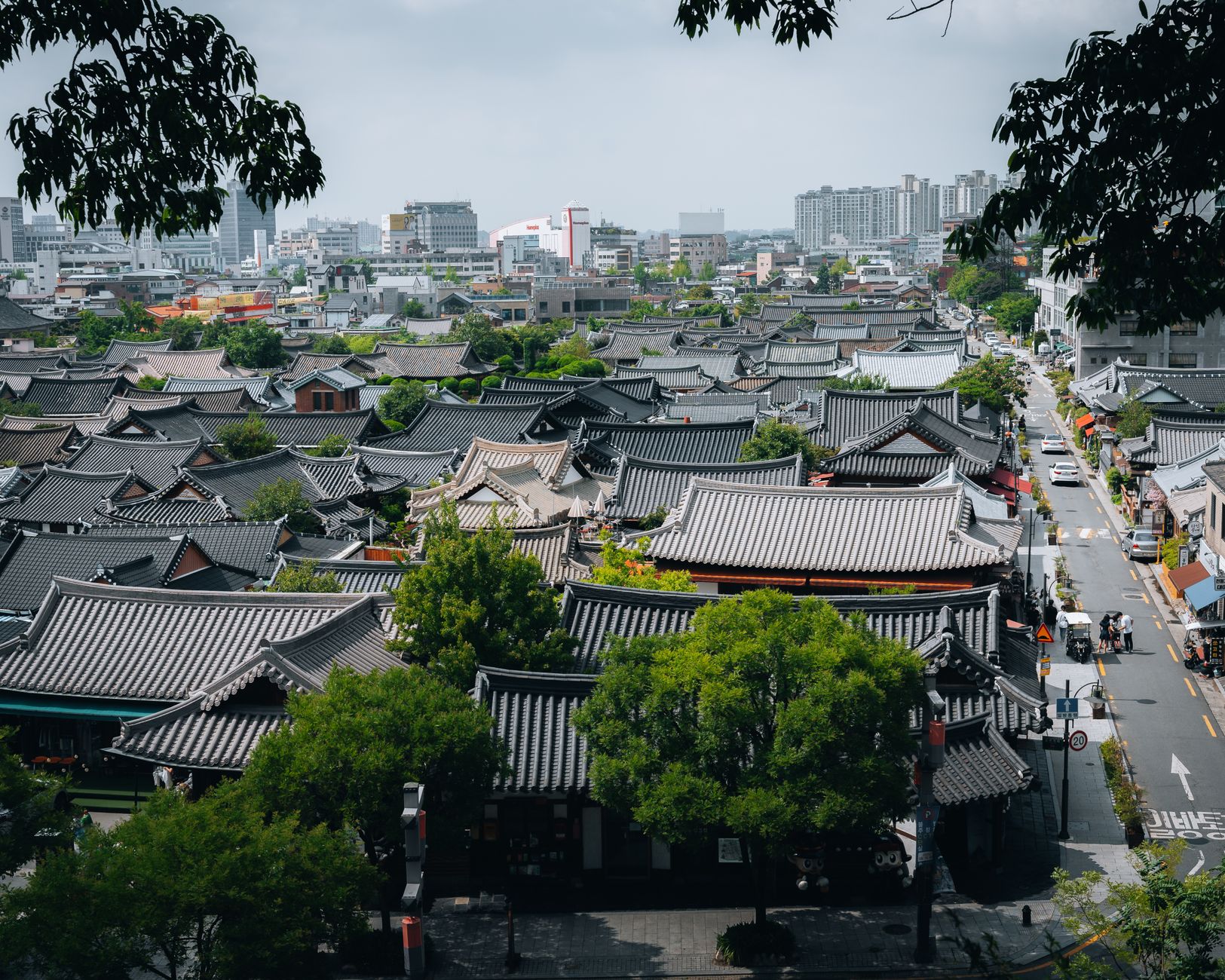
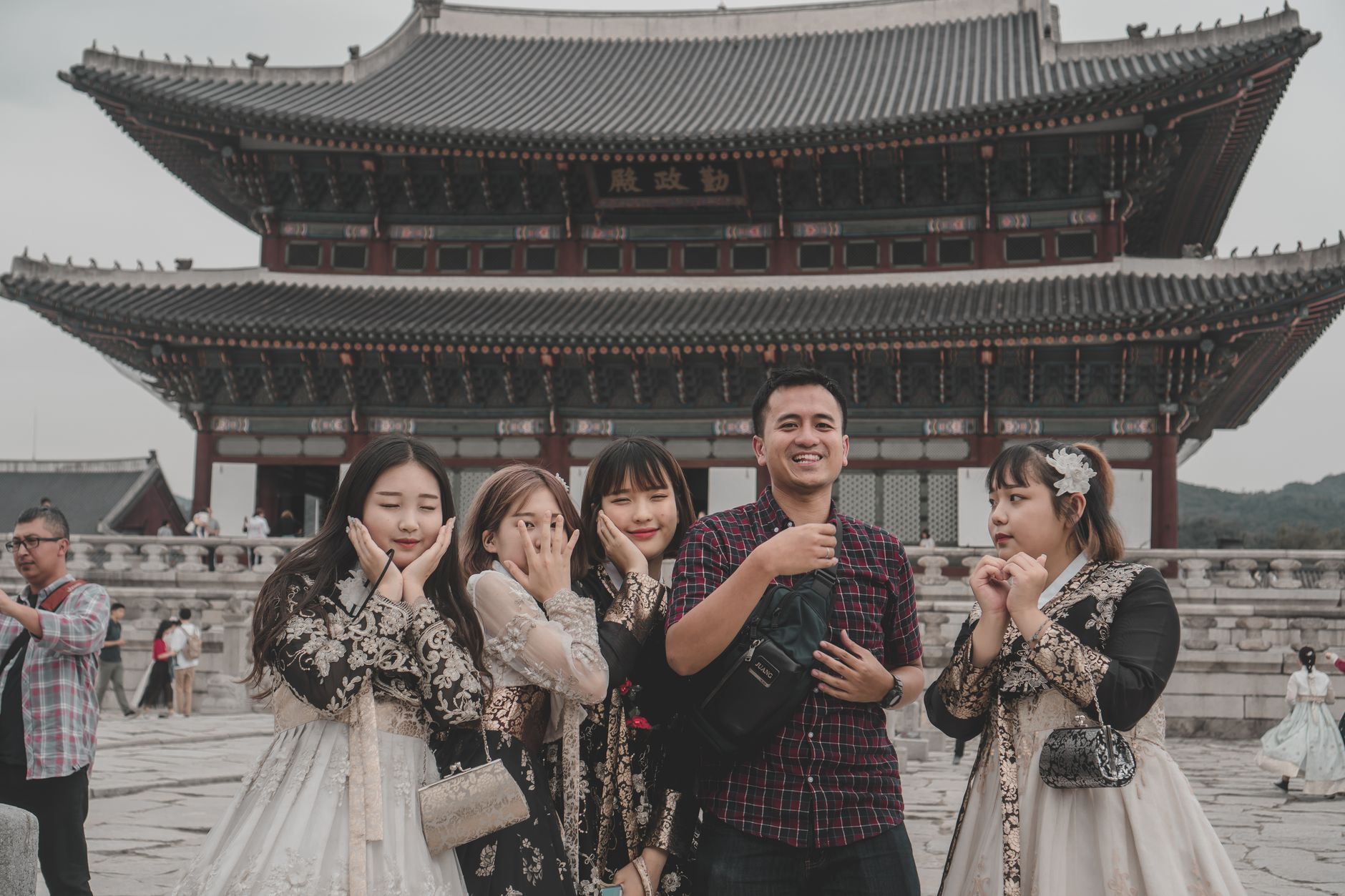
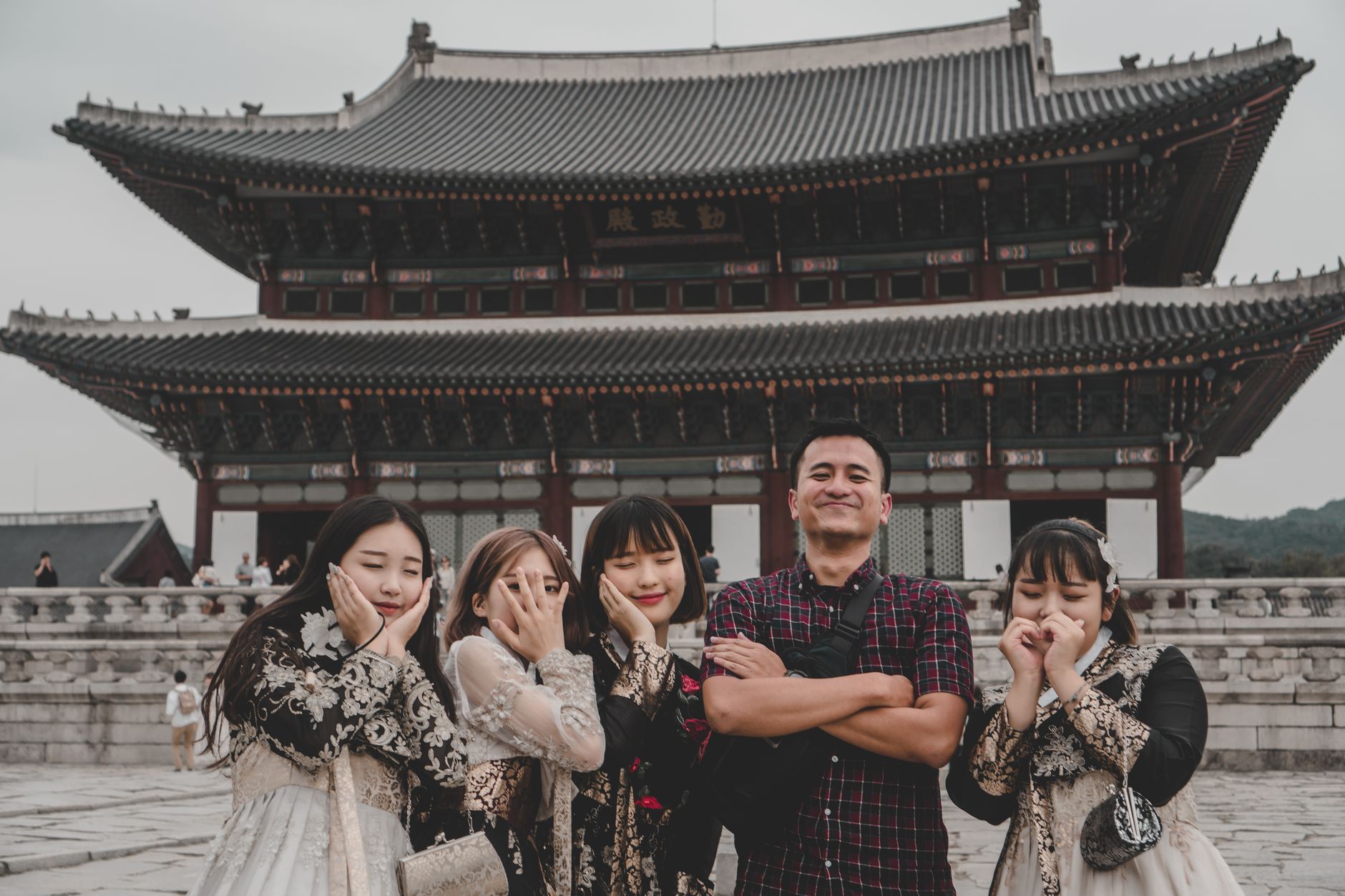
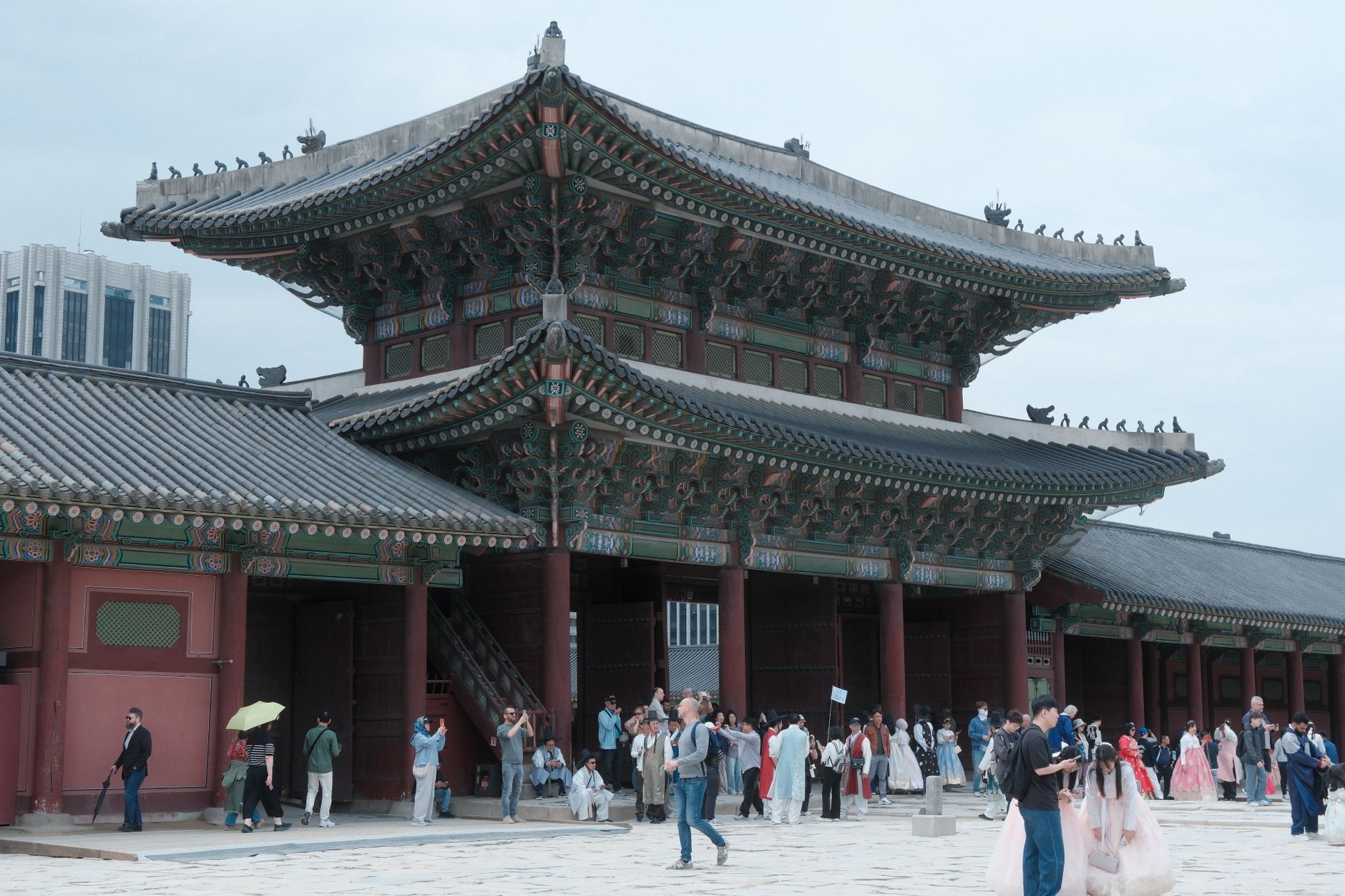
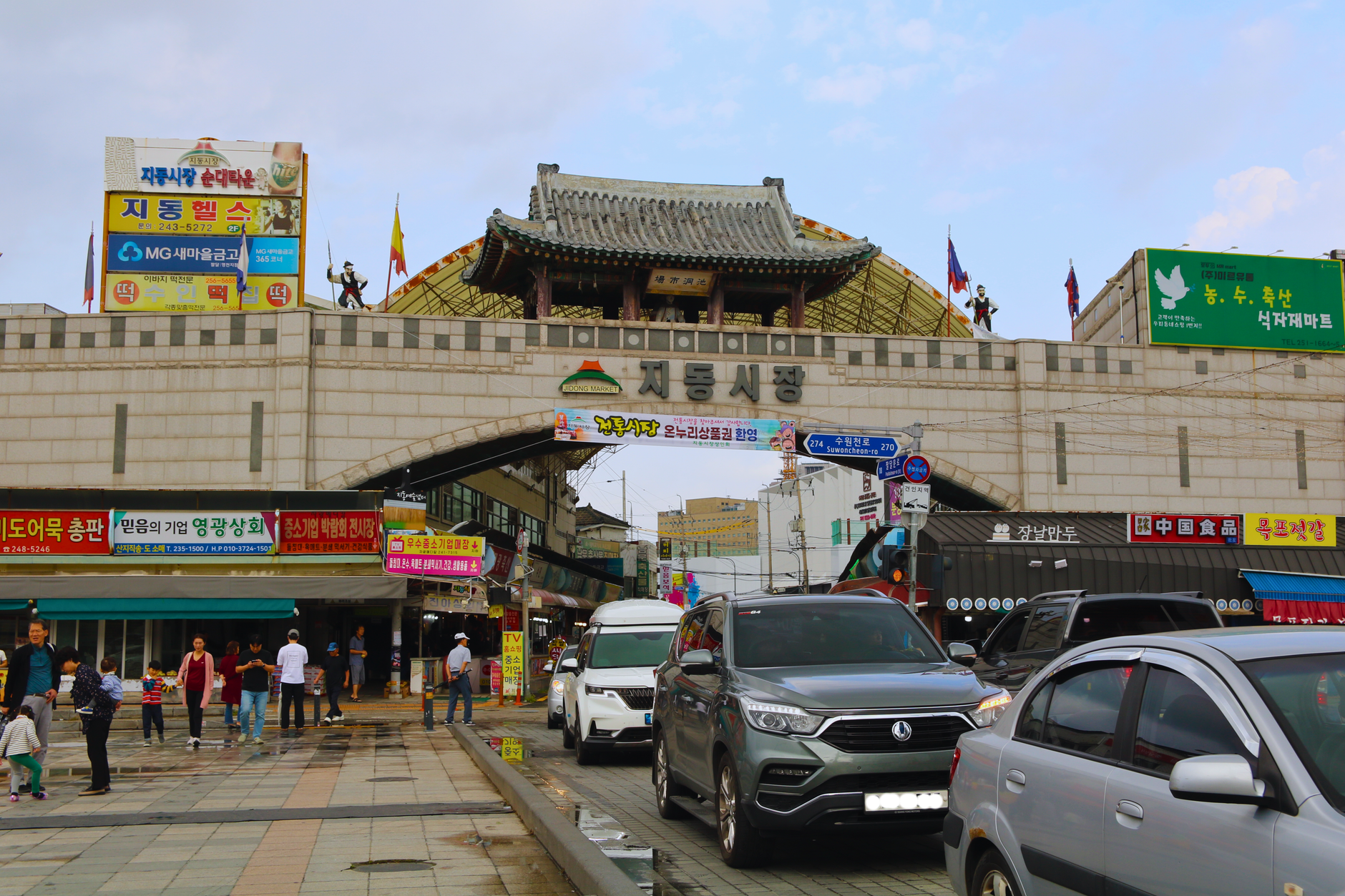
Jeonju is the city South Koreans go to when they want to eat well and slow down. It holds the country's most intact district of traditional hanok architecture — more than 800 timber-and-tile houses arranged across low hillsides — and it earned a UNESCO Creative City of Gastronomy designation in 2012, which is less a marketing badge than a fair description of how seriously the place takes its food.
The city sits in the southwest of the peninsula, close enough to Seoul for a fast-train day trip but far enough in character to feel like a different register entirely. Walking is how you move here — the landmarks cluster tightly, and the streets between them are worth the wandering.
💛 What travellers fall for
People who come back tend to mention the same thing: skip the main drag of Hanok Village on weekend afternoons and head instead to the quieter lanes around Omokdae Pavilion, where the crowds thin and the rooflines stack up against the hillside. Morning is when the light and the pace both suit the place.
How Jeonju came to be
Jeonju's origins reach back to the Baekje kingdom around 57 BC, and after Silla conquered the region in 660 AD it became one of nine provincial capitals. In the late ninth century the warlord Gyeon Hwon renamed it Wansan and made it the capital of his Later Baekje kingdom. The city's deepest association, though, is with the Joseon Dynasty: Yi Seong-gye, who founded that dynasty and ruled as King Taejo, was born here, and the Gyeonggijeon Shrine was built in 1410 to house his portrait in his ancestral city.
The Hanok Village district took shape from 1910 onward and was designated a preservation area in 1977. The Japanese occupation that began that same year left its own mark — the city was renamed Zenshū — but the architectural fabric survived, and Jeonju today carries its layered past more visibly than most Korean cities its size.
Who and what shaped it
People who shaped it
Landmark buildings
See Jeonju in motion
Plan your visit
On the map
When to go
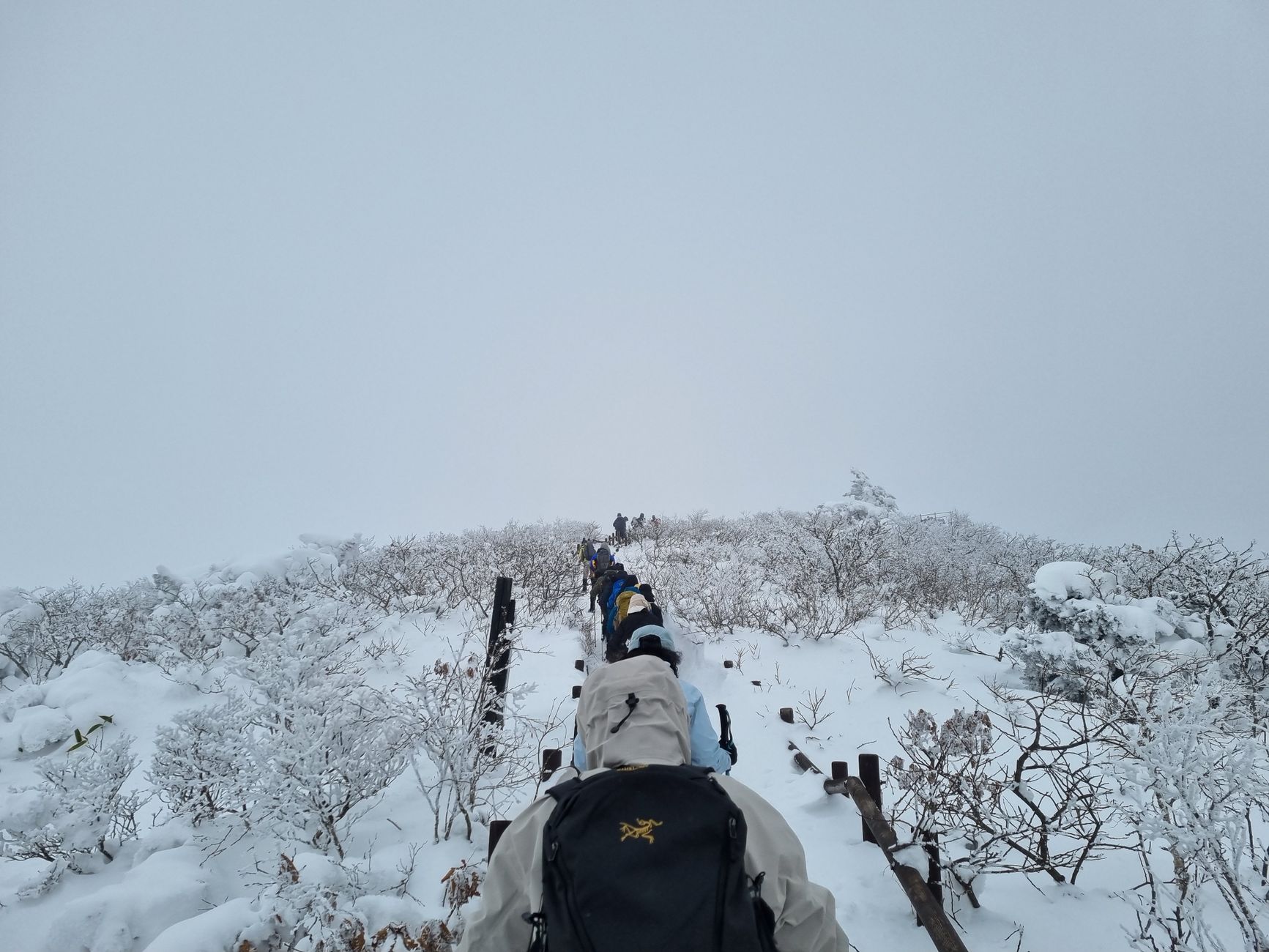
Summers are warm and wet, with most of the annual 1,238 mm of rain falling between June and August. Winters are cold and dry — January averages just above freezing with overnight lows around -4°C — so spring and autumn, when the hanok rooftiles catch clear light and the crowds are manageable, are the most rewarding times to visit.
Right now
Background & history adapted from Wikipedia (CC BY-SA) · specs from Wikidata (CC0) · weather from Open-Meteo · map data © OpenStreetMap contributors · photos from Wikimedia Commons / Unsplash with per-image credit. No third-party reviews or social posts reproduced.