
Incheon
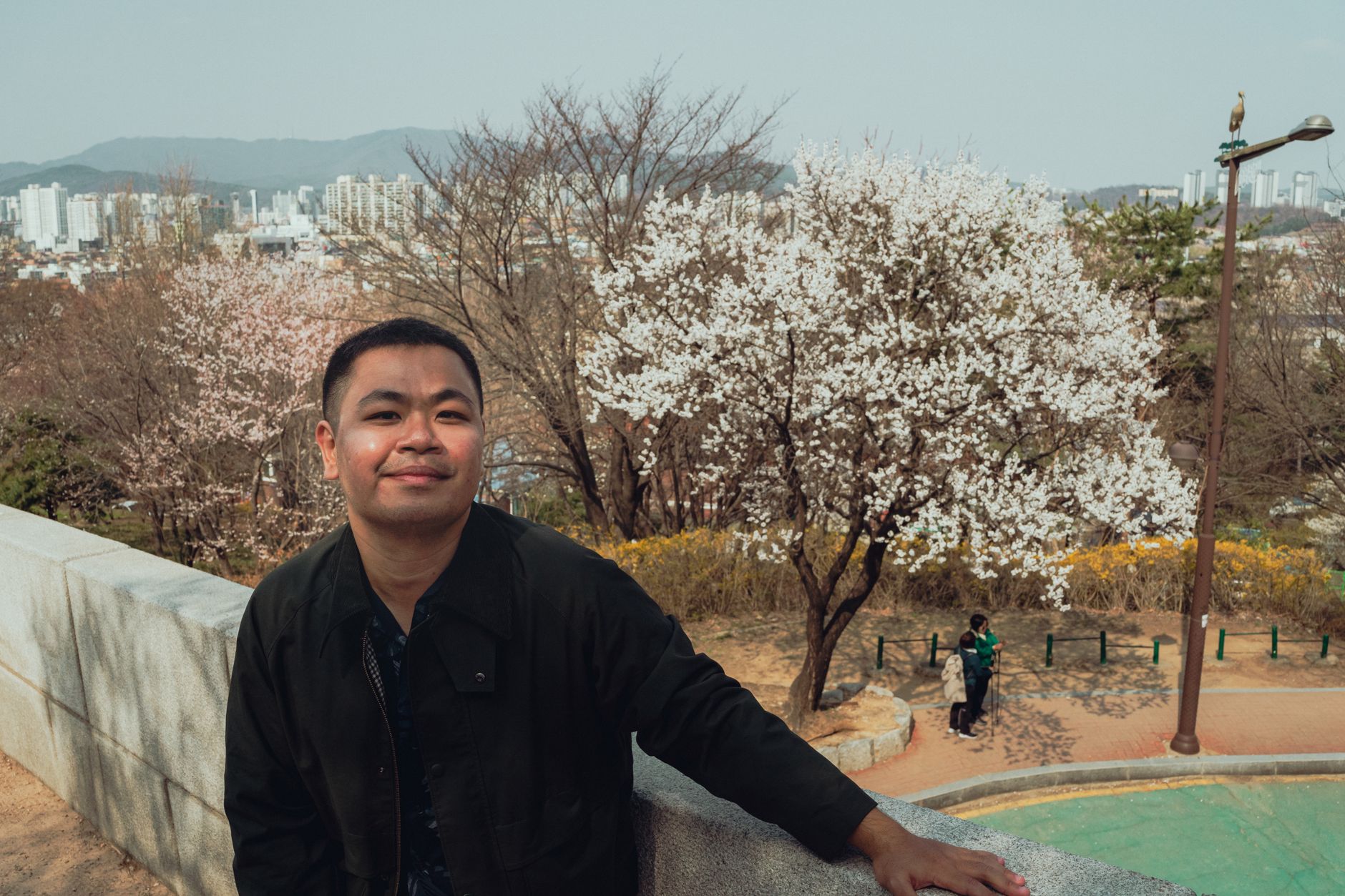
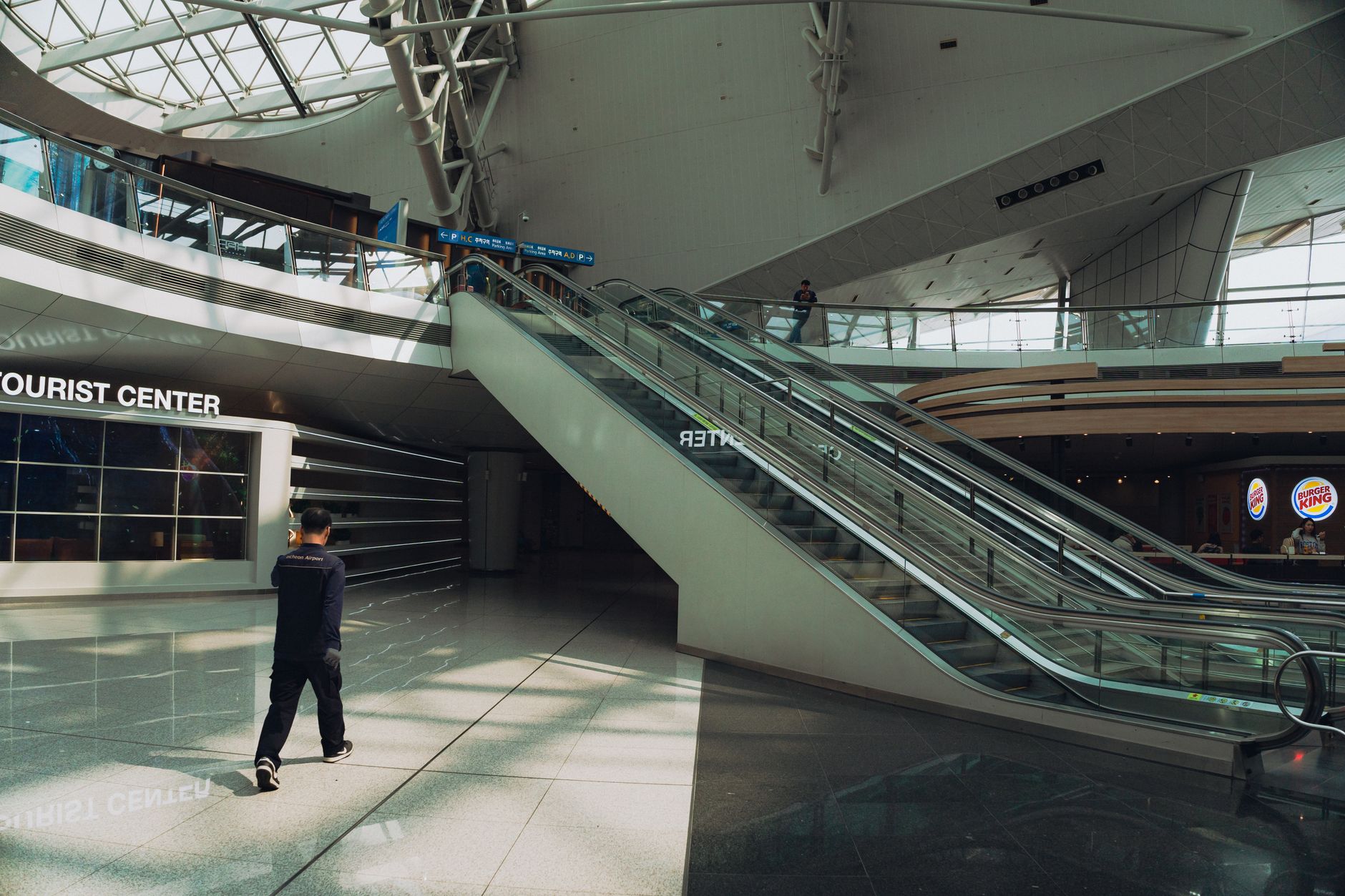
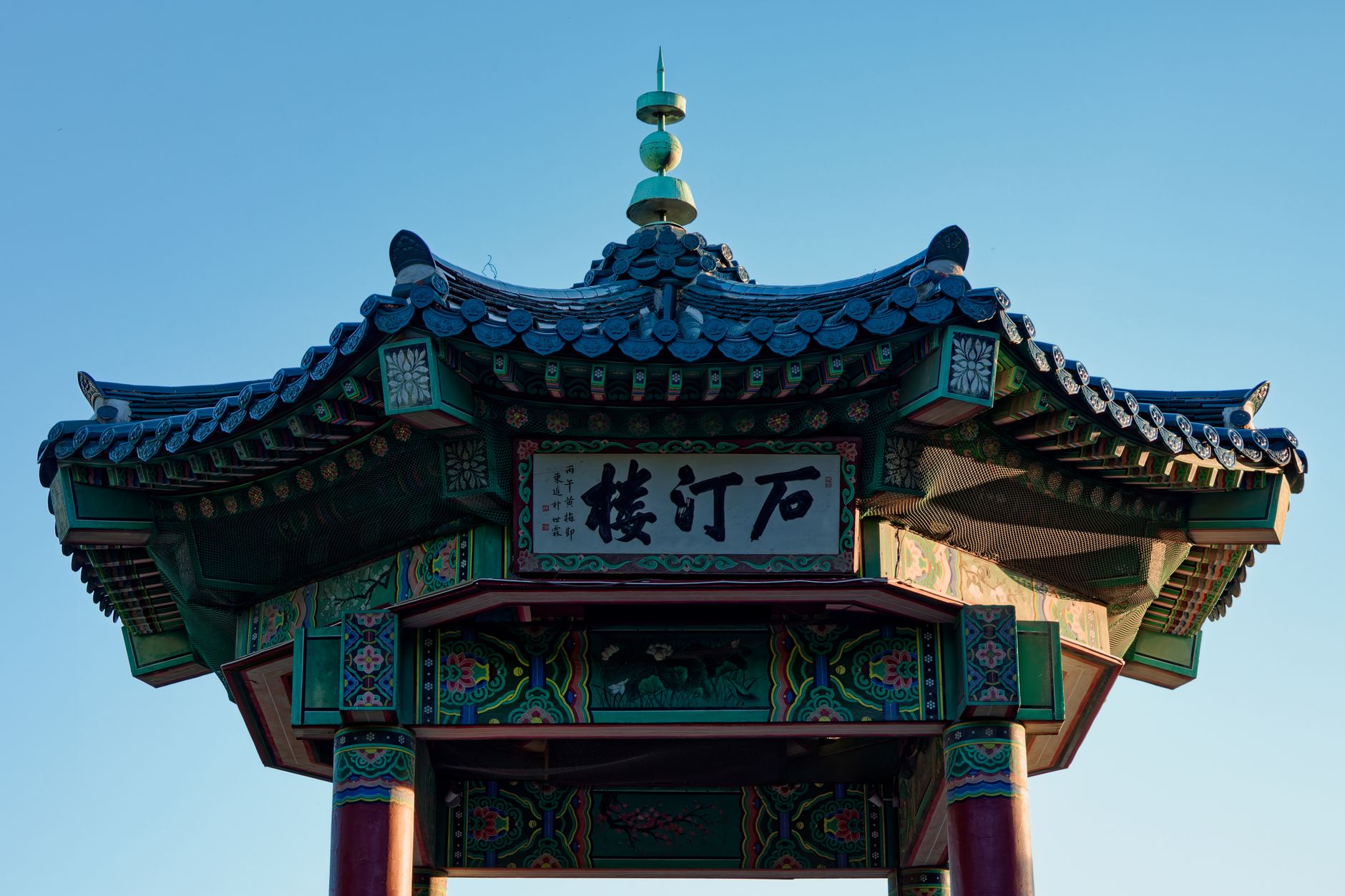
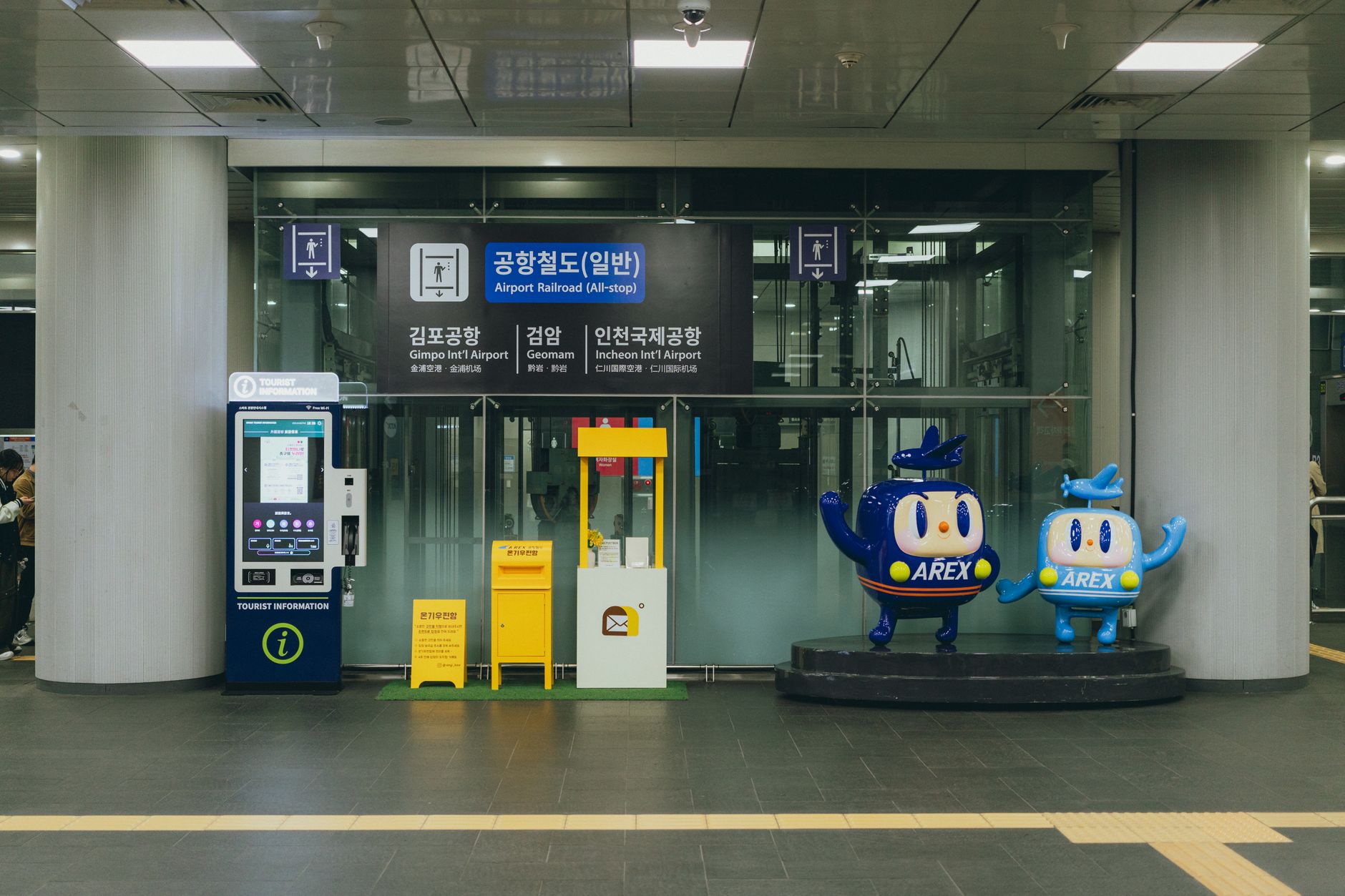
Most people pass through Incheon without meaning to — a layover, a connecting flight, a blur of duty-free and departure boards. But the city that grew up around South Korea's main international gateway is worth more than that. Korea's only official Chinatown sits a short walk from Incheon Station, flanked by the ghost outlines of the old Japanese and Qing concessions, their architectural rivalry still legible in the buildings on either side of a single staircase.
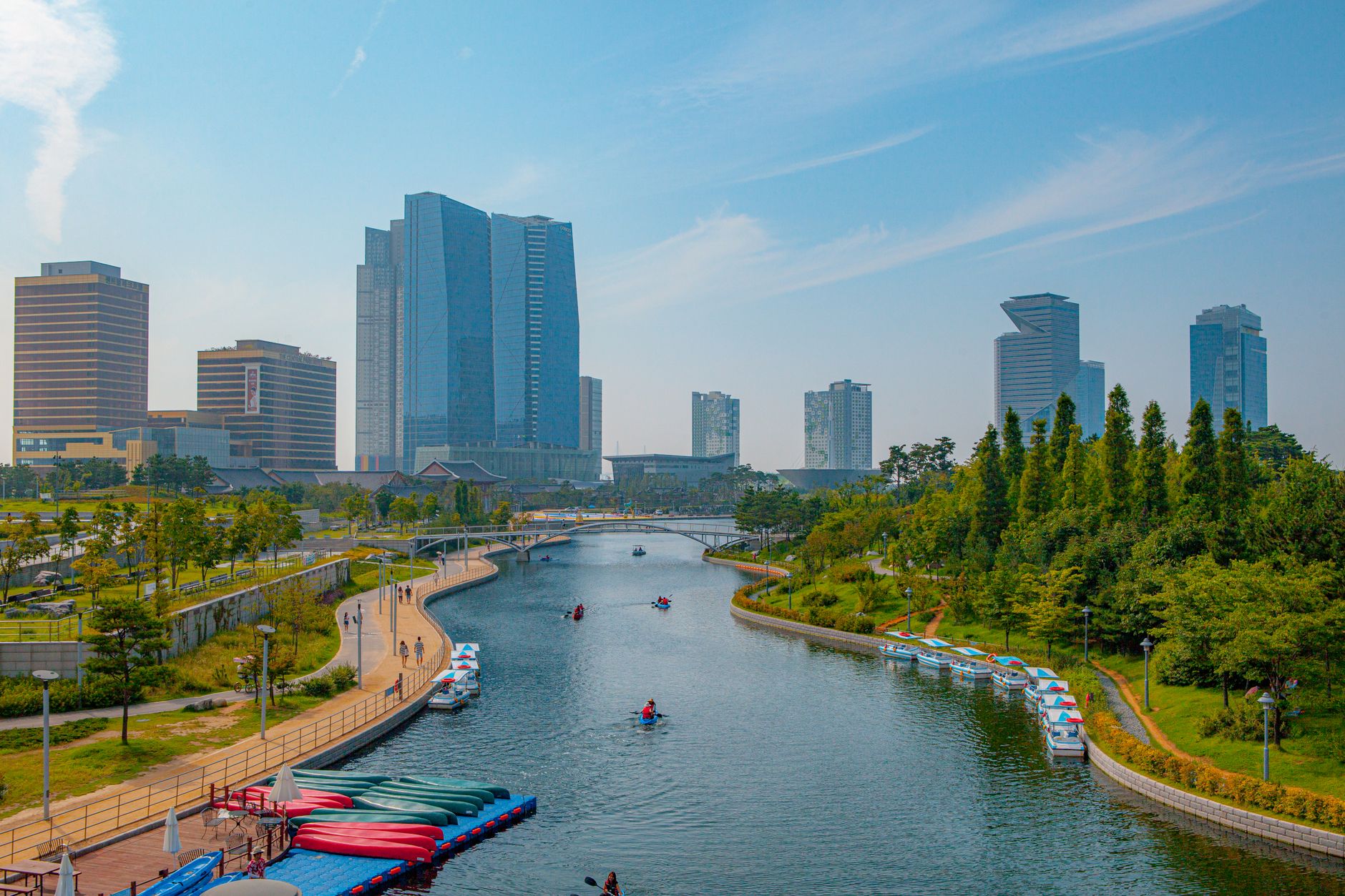
Further out, the planned district of Songdo rises from reclaimed land on the Yellow Sea — a city built almost entirely in the 21st century, with a 101-acre park, a cultural complex of three water-flanking hemispheres, and a skyline that looks like a rehearsal for the future. Between these two poles, Incheon holds more than most gateway cities let on.
How Incheon came to be
The settlement now called Incheon has roots stretching back to at least 475 AD, when it appeared in records under the Goguryeo name Michuhol. The modern name dates to a Joseon administrative reform in 1413. For centuries it remained a modest coastal town — until 1883, when it opened as an international port with a population of just 4,700. Foreign concessions followed almost immediately: a Japanese quarter and a Chinese quarter took shape side by side, separated by a staircase that still stands.
The city's most pivotal modern moment came on September 15, 1950, when U.S. General Douglas MacArthur launched a surprise amphibious landing here during the Korean War, turning the tide of the conflict. Incheon was designated a Metropolitan City in 1981, became South Korea's first free economic zone in 2003, and hosted the Asian Games in 2014.
Who and what shaped it
People who shaped it
Landmark buildings
See Incheon in motion
Plan your visit
On the map
When to go
April, May, and October offer mild temperatures and relatively dry skies — the most reliable windows for being outdoors. Summer (June through August) brings heavy rain and humidity, with July the wettest month and highs approaching 35°C; January nights can drop to −5°C, so pack accordingly for a winter visit.
Right now
Background & history adapted from Wikipedia (CC BY-SA) · specs from Wikidata (CC0) · weather from Open-Meteo · map data © OpenStreetMap contributors · photos from Wikimedia Commons / Unsplash with per-image credit. No third-party reviews or social posts reproduced.