
Damyang
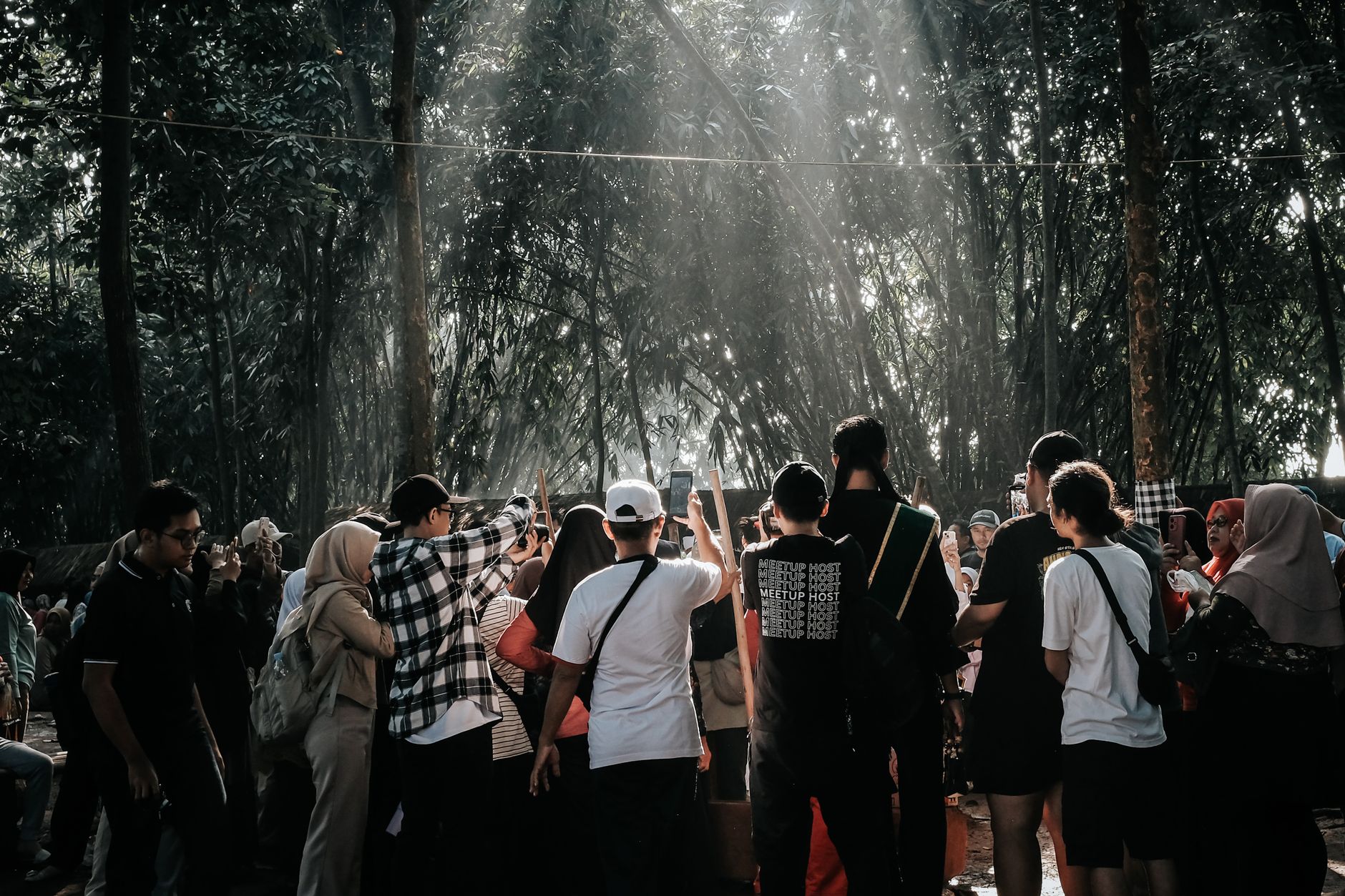
Damyang is bamboo country. Drive or bus in from Gwangju and within minutes the roadside changes — stands of green cane pressing close, the light filtering through in long, pale columns. The county has grown and traded bamboo for centuries, and that history shows in everything from the forest trails to the 3,000-piece craft collection at the Korean Bamboo Museum.
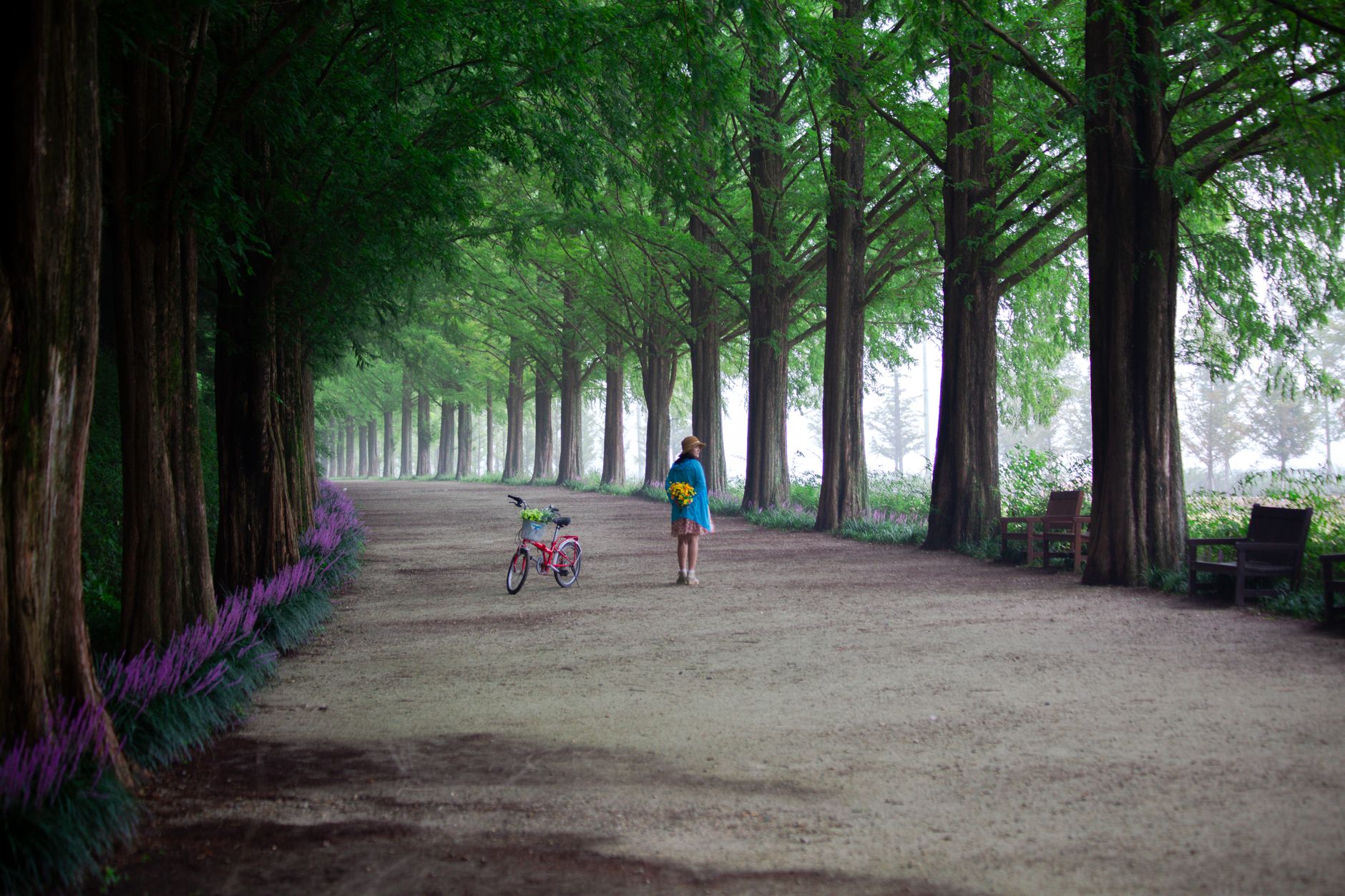
But Damyang rewards attention beyond the bamboo. A 8.5-kilometre road lined with metasequoias turns copper and gold in late October. A 16th-century scholar's garden follows a stream through pavilions, built by a man who stepped away from politics after his mentor was executed. There's a quietness to the place that isn't accidental.
How Damyang came to be
The name Damyang was fixed in 995, during the reign of King Seongjong of the Goryeo Dynasty, when the county was brought under the administration of Naju. It was briefly elevated in status in 1398, during the early Joseon period, as the hometown of Queen Kim.
The county's deeper cultural imprint came through scholars who retreated here. Yang San-bo (1503–1557) built Soswaewon garden in the 1530s after withdrawing from public life following the execution of his mentor — a garden that still stands, tracing a stream through small pavilions. The poet Jeong Cheol (1536–1594) studied in Damyang as a young man and wrote his early epic Seongsan Byeolgok here, a work that helped shape the Korean gasa literary form.
Who and what shaped it
People who shaped it
Landmark buildings
See Damyang in motion
Plan your visit
On the map
When to go
Summers are warm, humid and rainy, with August highs around 33°C; winters are cold and occasionally snowy, dropping to -5°C or below. Autumn — specifically late October through mid-November — brings dry, clear days and the best light of the year, when the metasequoias along the main road turn bright orange and the crowds follow accordingly.
Right now
Background & history adapted from Wikipedia (CC BY-SA) · specs from Wikidata (CC0) · weather from Open-Meteo · map data © OpenStreetMap contributors · photos from Wikimedia Commons / Unsplash with per-image credit. No third-party reviews or social posts reproduced.