
Region

Daegu

Daegu
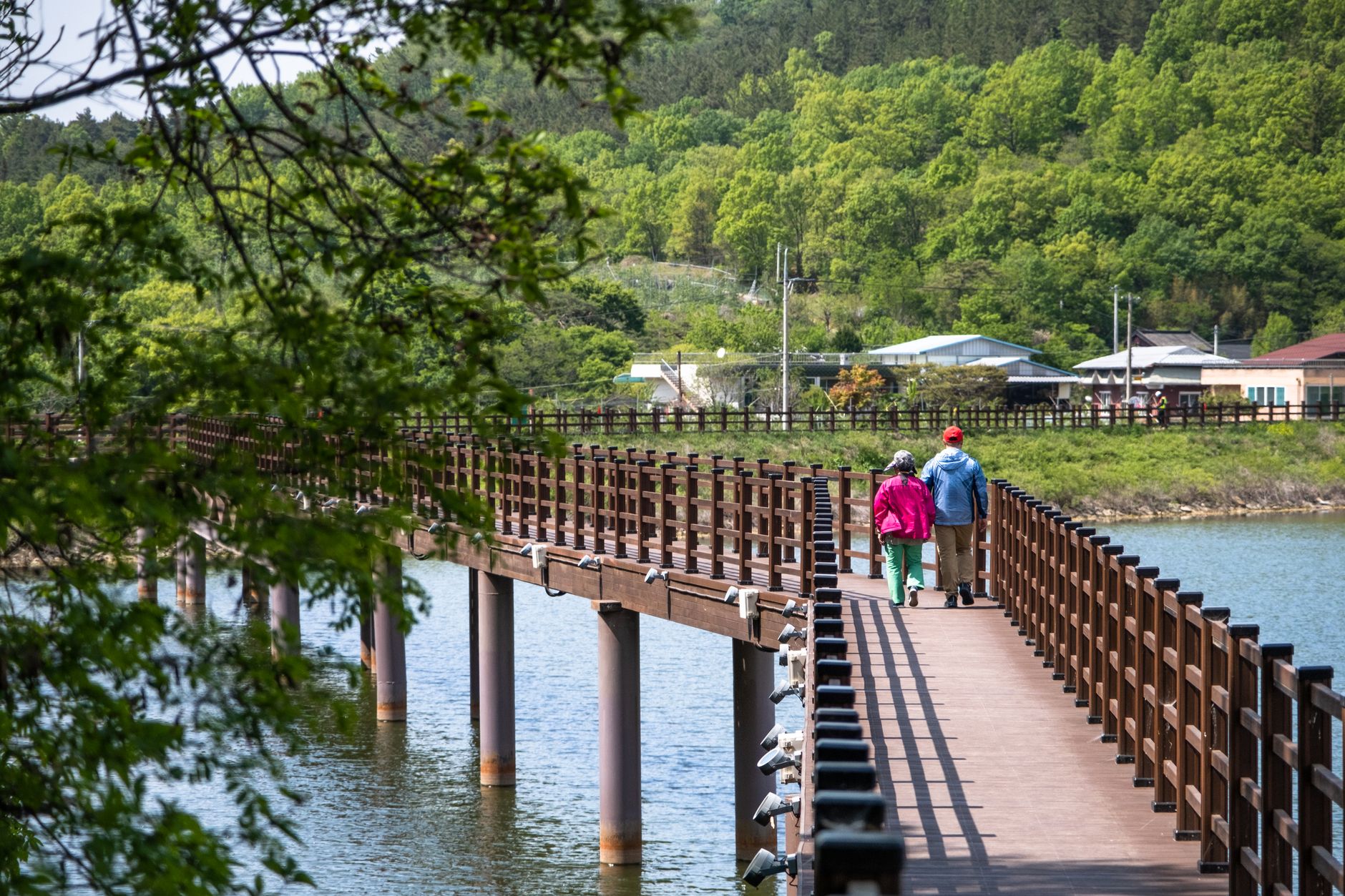
Photo by SOO CHUL PARK on Pexels
Daegu
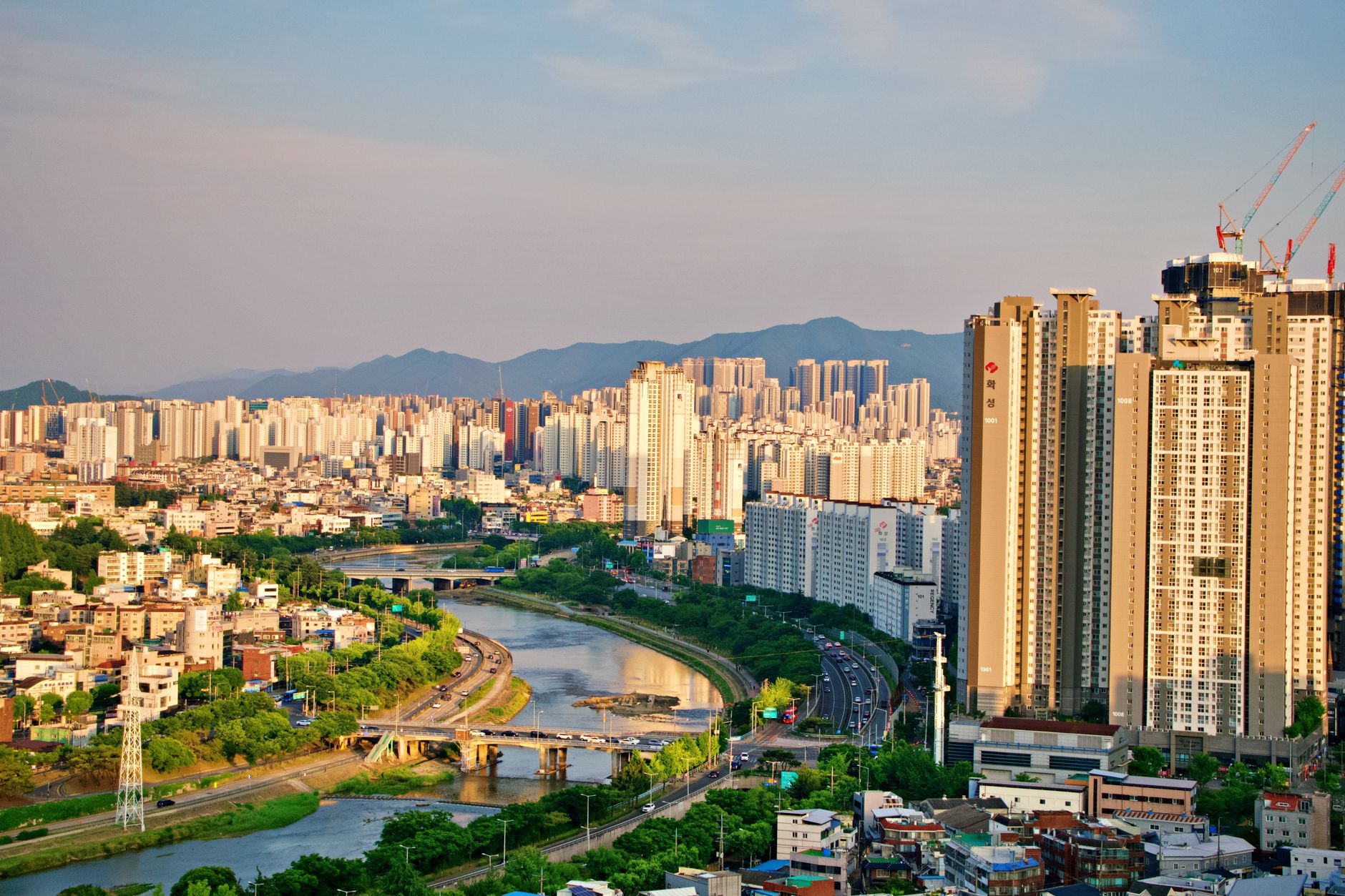
Photo by Boo Normi on Pexels
Daegu
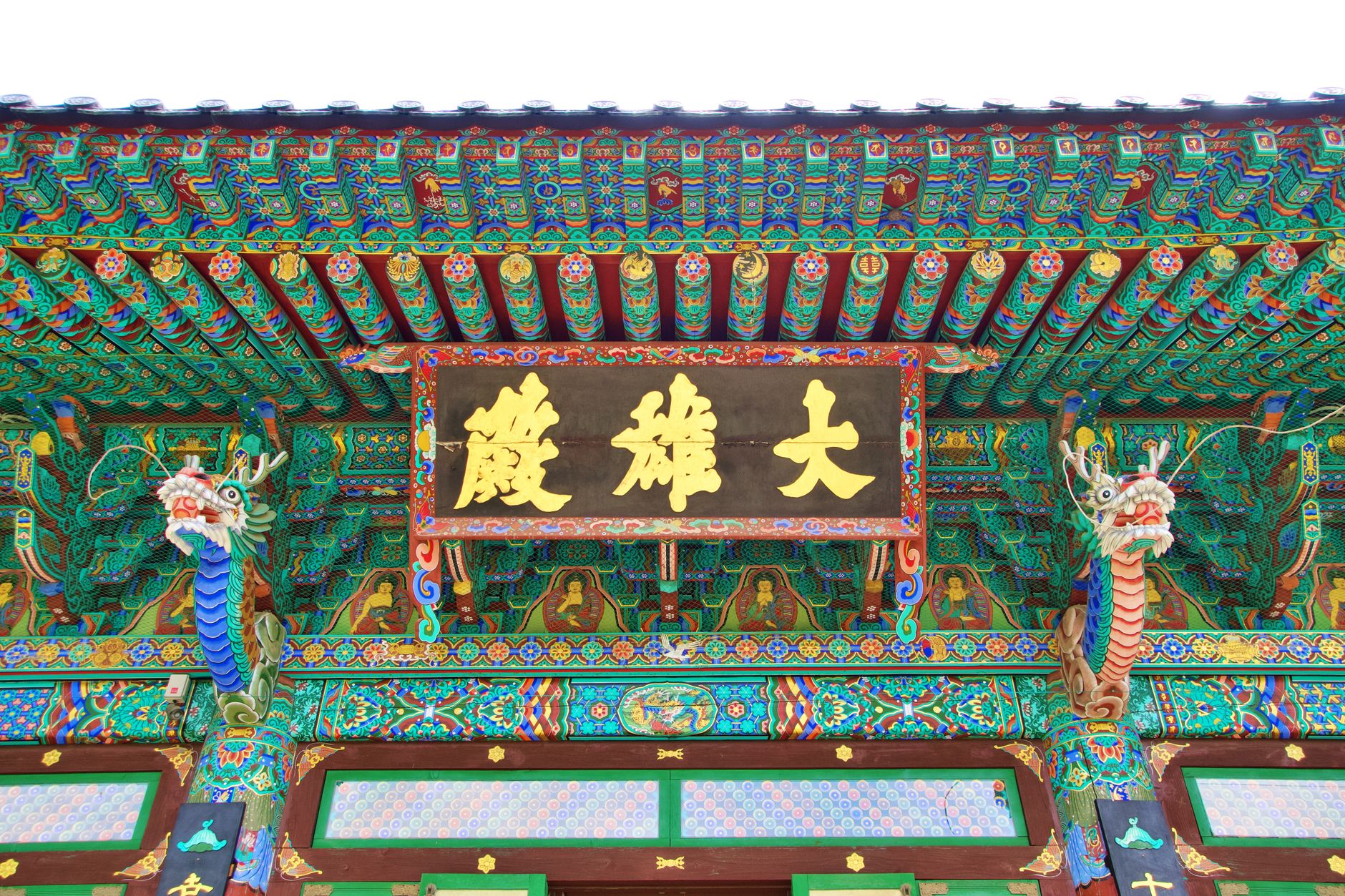
Photo by Boo Normi on Pexels
Daegu
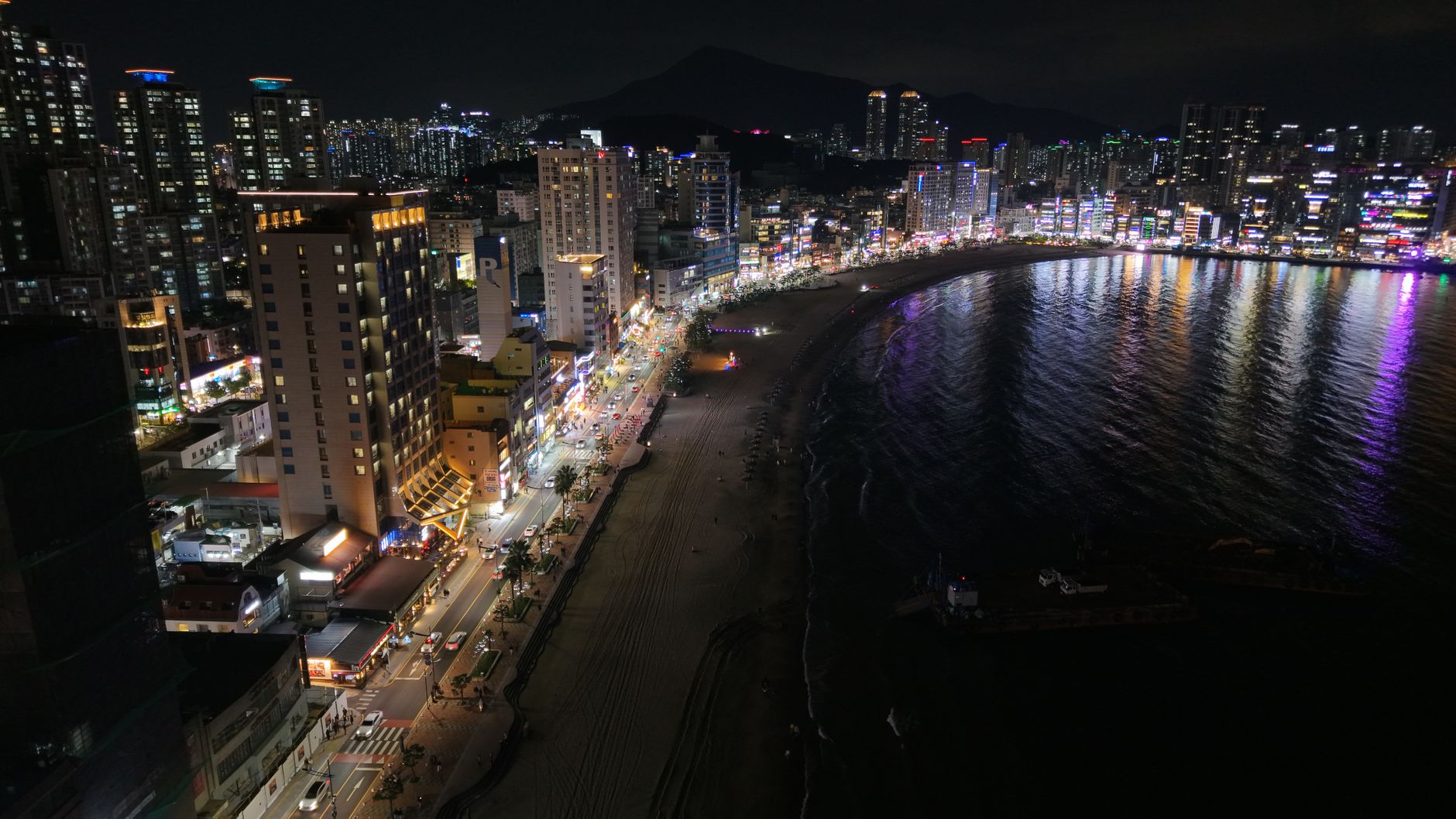
Photo by Jhany Blue on Pexels
Daegu
Photo by e-kobud-i on Pexels
Daegu
Photo by e-kobud-i on Pexels
City break Culture & history Food & drink

Daegu sits in a wide inland basin, ringed by mountains, and the geography shapes everything — the summers are famously hot, the street food is famously spicy, and the city has a self-possessed energy that doesn't feel like it's performing for visitors. It's South Korea's fourth-largest city, with a metro system, serious markets, and a long civic memory that runs from a Three Kingdoms–era fortress to the independence demonstrations of 1919.

Two members of BTS grew up here. So did Bong Joon-ho, who directed Parasite. The herbal medicine market has been running since 1658. These are not unrelated facts — Daegu has always produced people and things with a particular intensity.

Good to know
KTX high-speed rail connects Daegu to Seoul in about 1 hour 40 minutes and to Busan in around 50. The metro covers the main sights across three lines. Spring and autumn are the most comfortable seasons for walking the city; July and August are genuinely sweltering.
The story

How Daegu came to be

The site has been settled for roughly three millennia. A fortified town called Dalgubeol appears in records as early as 261 AD, and by the 5th century it had been absorbed into the Silla Kingdom. The name Daegu was formalised in 757 AD. Under the Joseon dynasty it served as the regional capital of Gyeongsang Province and ranked among the country's three principal market cities — a commercial weight you can still feel at Seomun Market.

The 20th century pressed hard on the city. During the March 1st Movement of 1919, an estimated 23,000 people took to the streets across four major demonstrations. Poet Lee Sangwha, whose traditional house still stands in the city centre, was among the movement's leaders. After the Korean War, the population grew more than tenfold in a single generation.

People & landmarks

Who and what shaped it

People who shaped it

Bong Joon-ho
Film director born in Daegu; directed Parasite, first non-English film to win Academy Award for Best Picture.
Suga
BTS rapper and songwriter, native of Daegu, known for deep and personal lyrics.
V
BTS singer and actor, born in Daegu, gained global fame for his unique voice and artistry.
Lee Sangwha
Renowned poet and leader of the 3.1 independence movement; his traditional house remains in central Daegu.
Roh Tae-woo
Army general and thirteenth president of South Korea, from Daegu.
Park Geun Hye
Former president of South Korea (2013–2017), daughter of former president Park Chung Hee.
Kim Woo-jung
Korean businessman and founder of the Daewoo Group.
Toni Ko
Businessperson and founder of NYX Cosmetics.

Landmark buildings

Gyesan Cathedral
First Western-style building in Daegu (1899), rebuilt in Romanesque design with imported French stained glass and materials.
Donghwasa
Buddhist temple built in 493 AD.
Yangnyeongsi
Herbal medicine market founded in 1658, one of the main trading markets in South Korea and nearby Asian countries.
Seomun Market
One of the largest traditional markets in South Korea with hundreds of stalls selling street food, fabric, and crafts.
Daegu 83 Tower
Tallest observation tower in Korea with 83 floors.
Daegu Tower
202m observation tower located in a European-style theme park inside Duryu Park.
Dalseong Park
Oldest park in Daegu, built on the site of a historical earthen fortress from the Three Kingdoms period.
Apsan Mountain Park
One of the largest urban parks in Daegu, offering hiking trails and panoramic city views where three mountain ranges converge.
Daegu Modern History Street
Network of walking courses featuring well-preserved buildings from the late 19th and early 20th centuries.
House of Yi Sanghwa
Traditional Korean house of poet Lee Sangwha, a 3.1 movement leader; free admission, reflects early 20th-century housing.
Daegu Modern History Museum
Free admission museum with permanent and temporary exhibitions on the city's development from the late 19th century to present.
Watch

See Daegu in motion

Practical

Plan your visit

On the map

When to go

Spring (April–May) and autumn (September–October) bring mild temperatures and clear skies — the best windows for walking. Summers are hot and humid, often pushing above 35°C, while winters are cold and dry with occasional snow.

Right now

25°C
Partly cloudy
Sat
🌧️
33°
23°
Sun
🌧️
32°
26°
Mon
🌧️
30°
26°
Tue
🌧️
34°
25°
Weather data: Open-Meteo

Background & history adapted from Wikipedia (CC BY-SA) · specs from Wikidata (CC0) · weather from Open-Meteo · map data © OpenStreetMap contributors · photos from Wikimedia Commons / Unsplash with per-image credit. No third-party reviews or social posts reproduced.

Top