
Vicenza
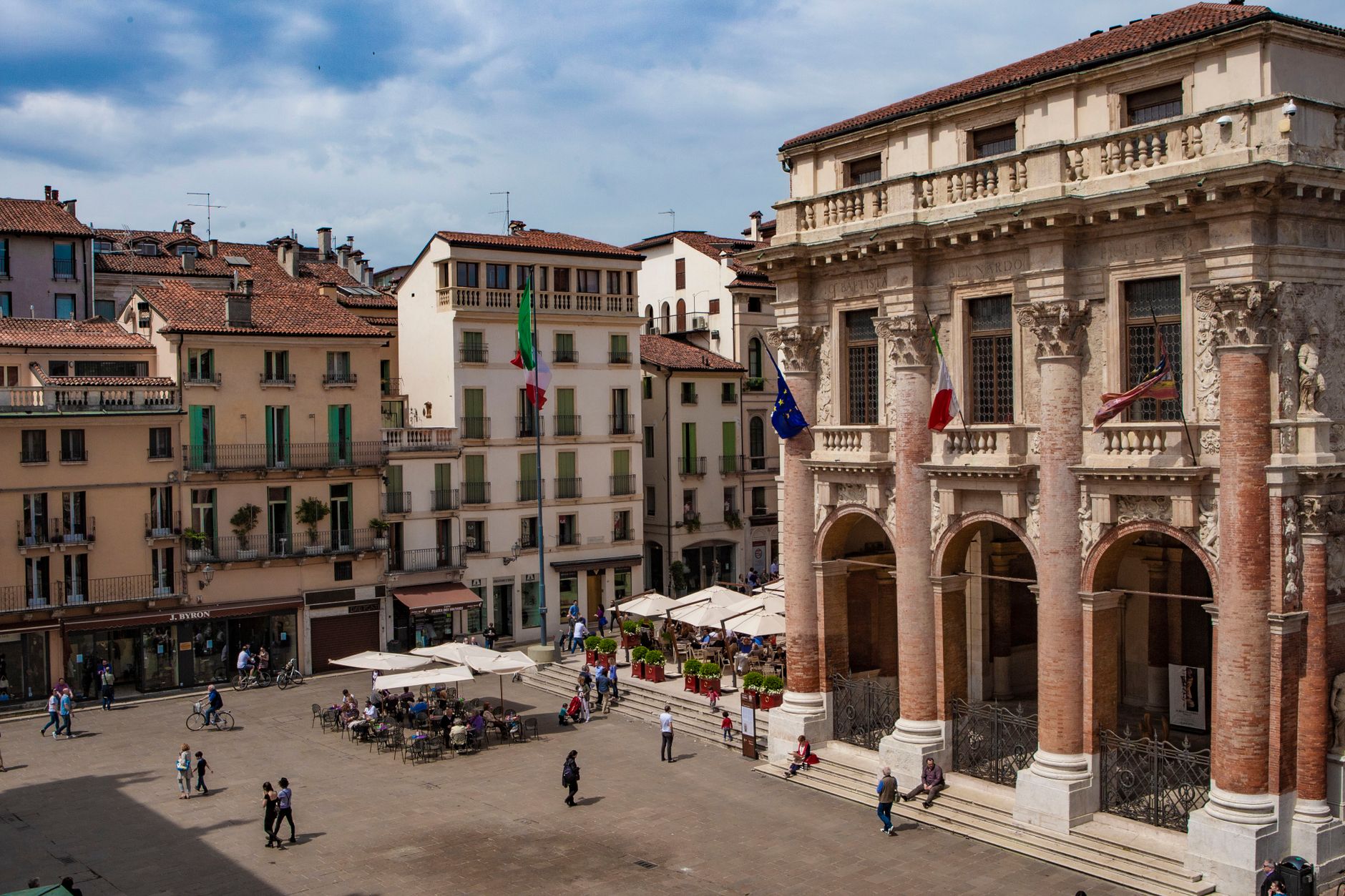
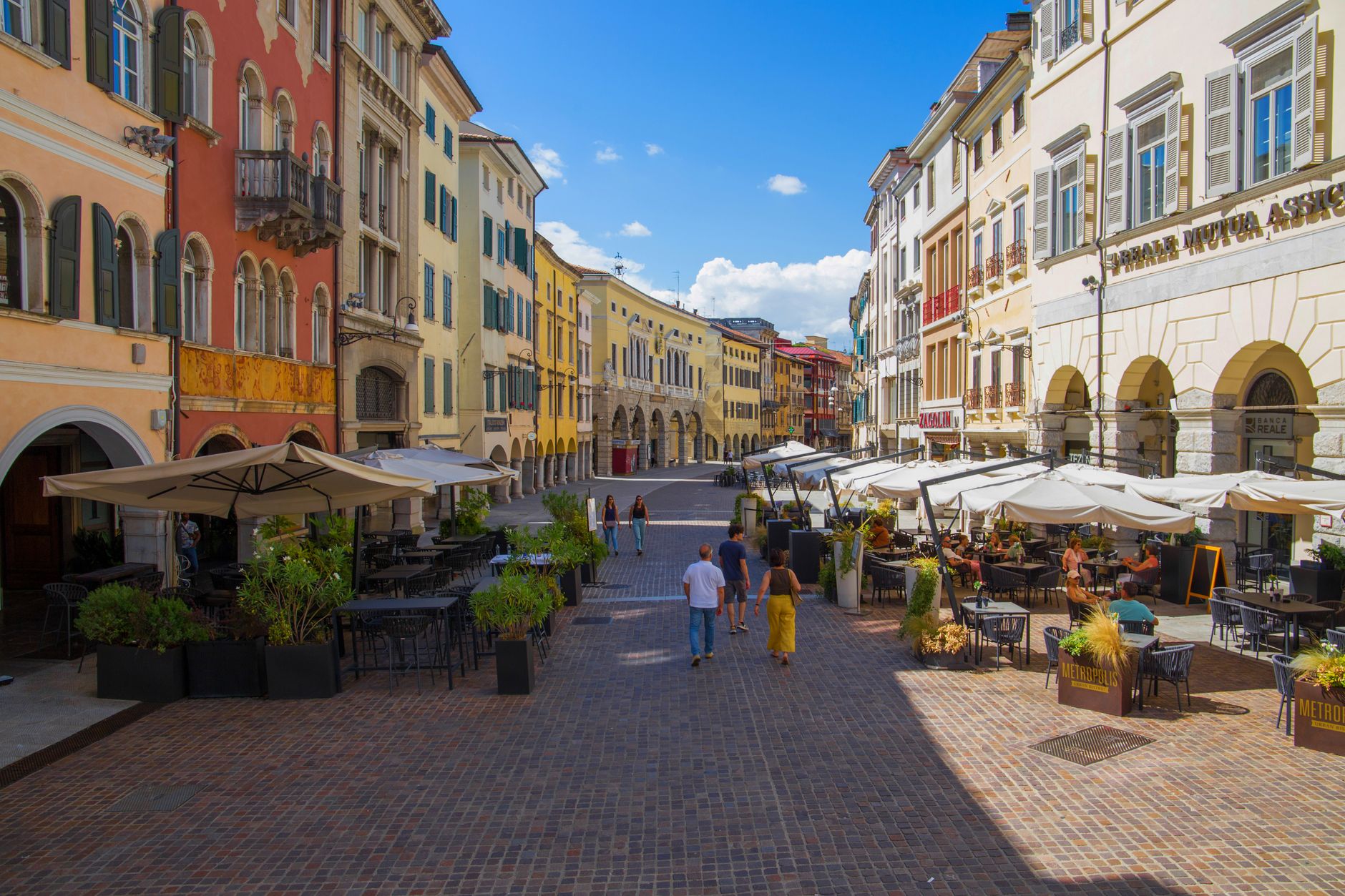
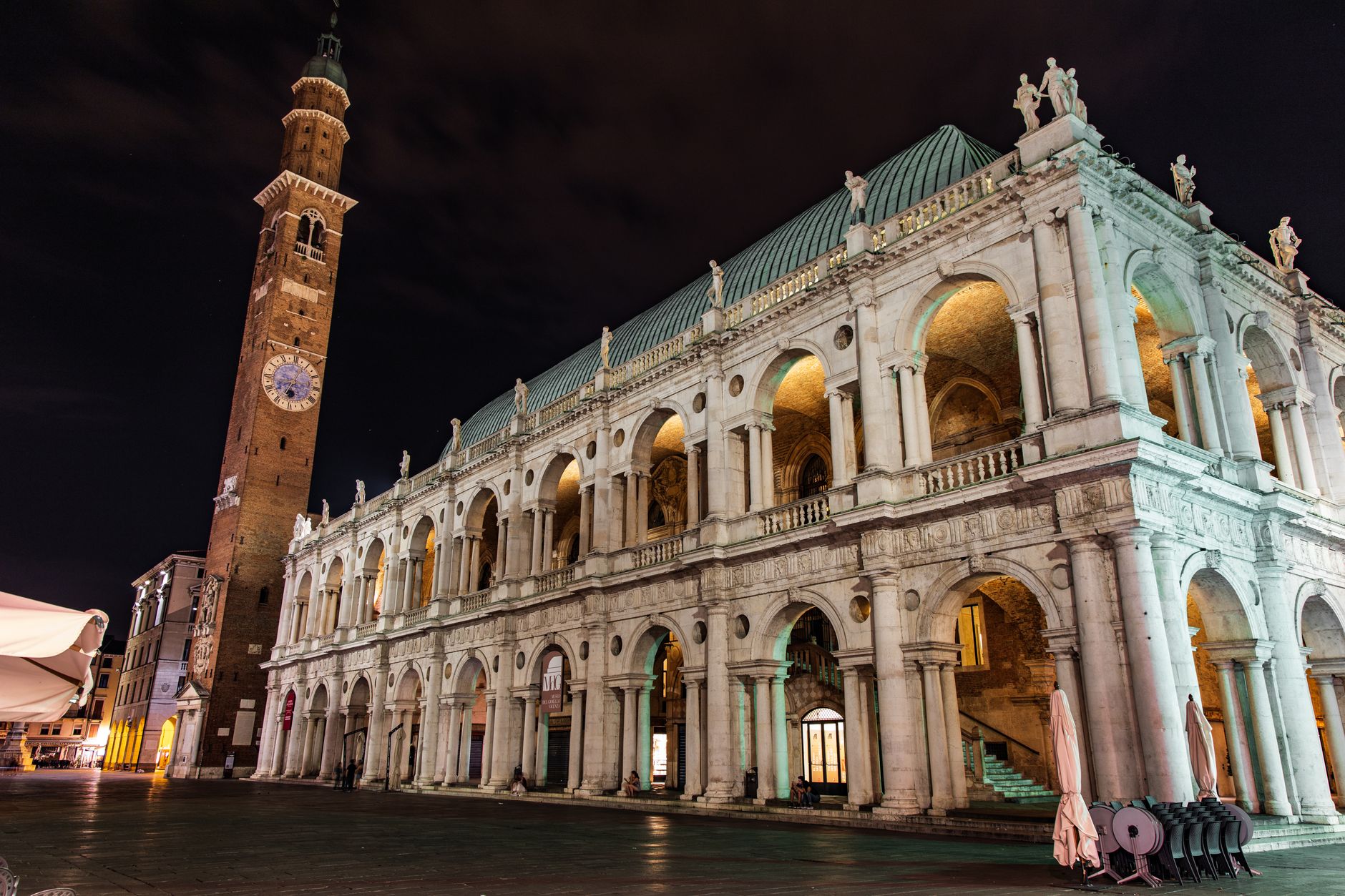
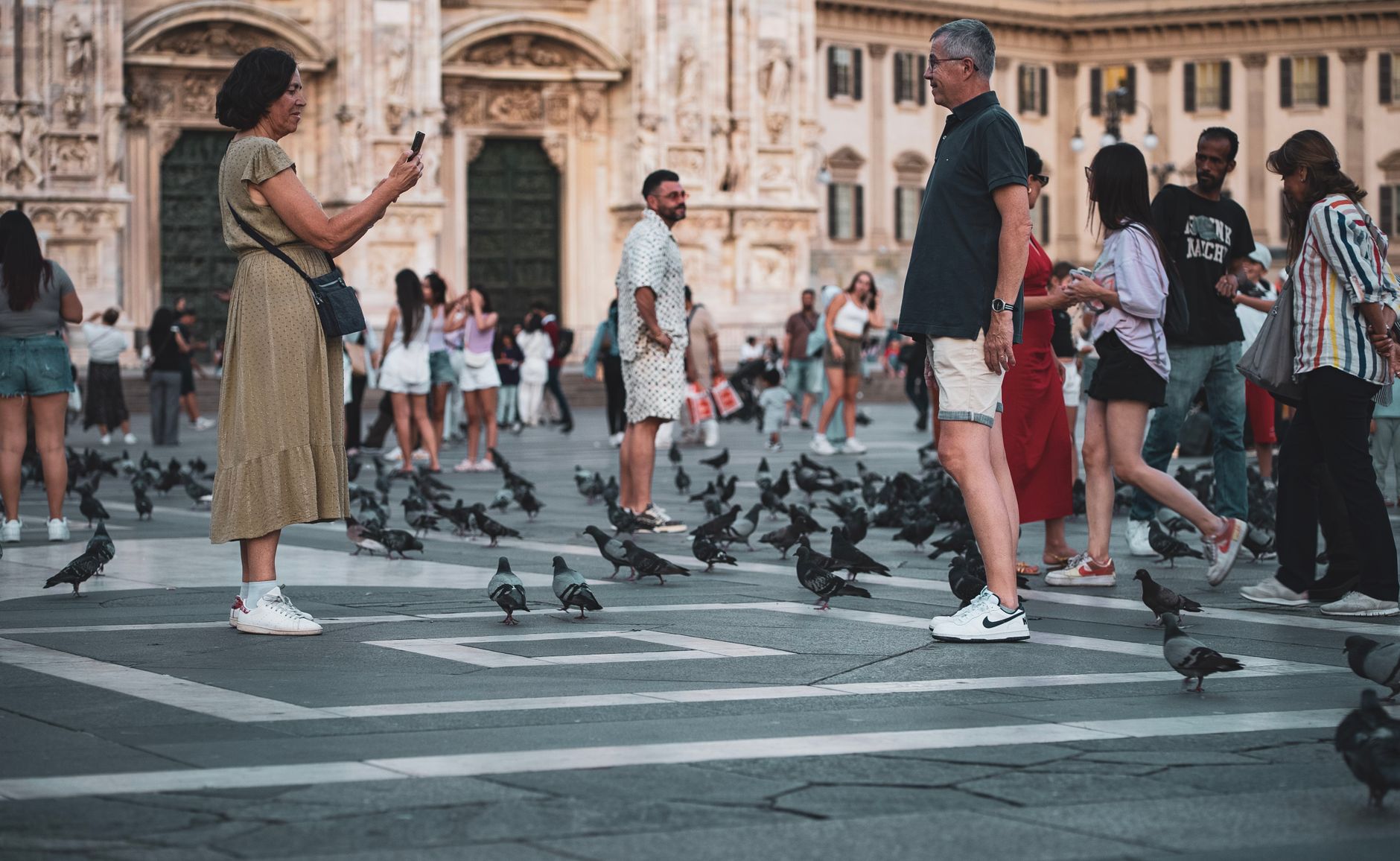
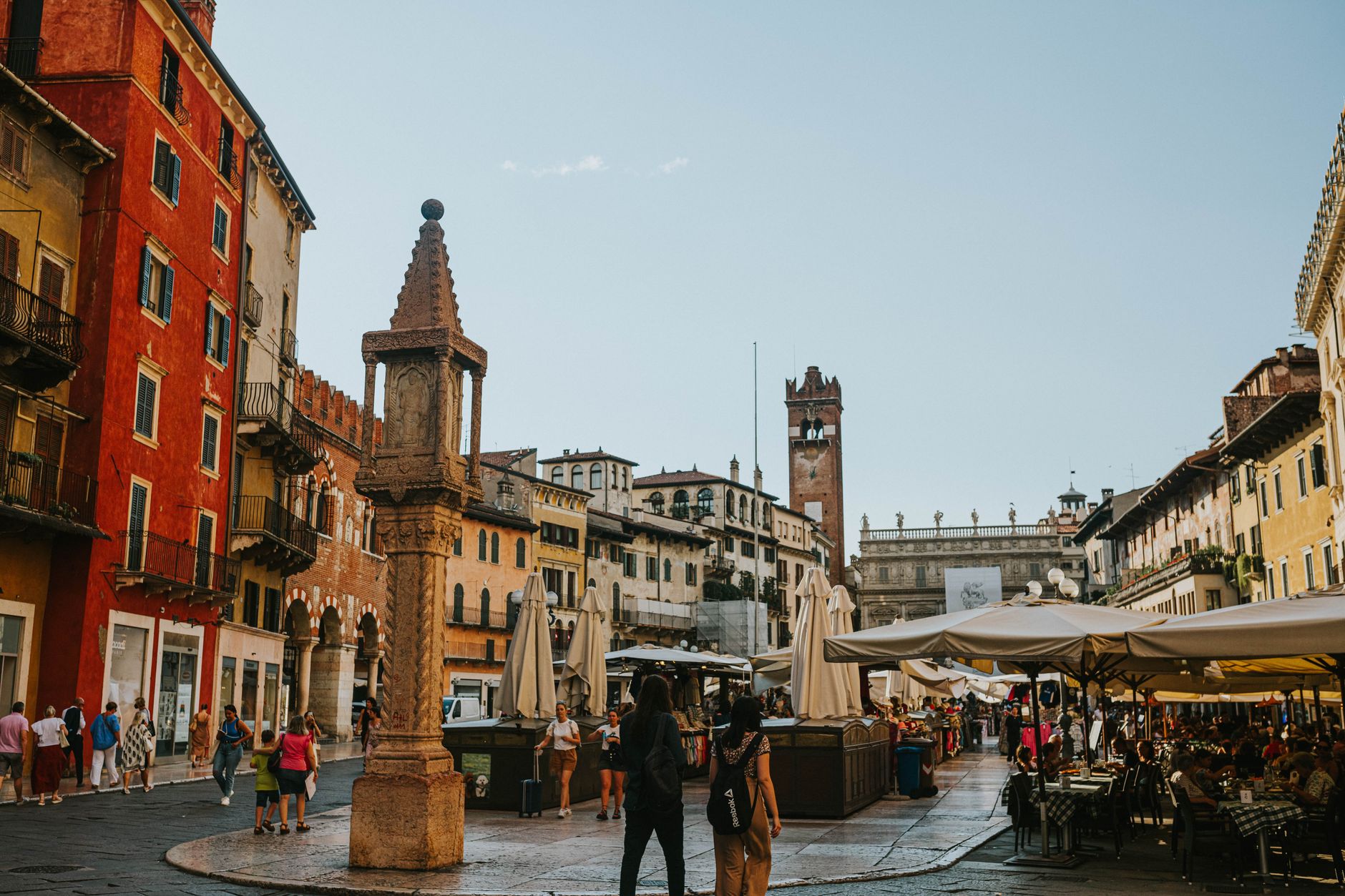
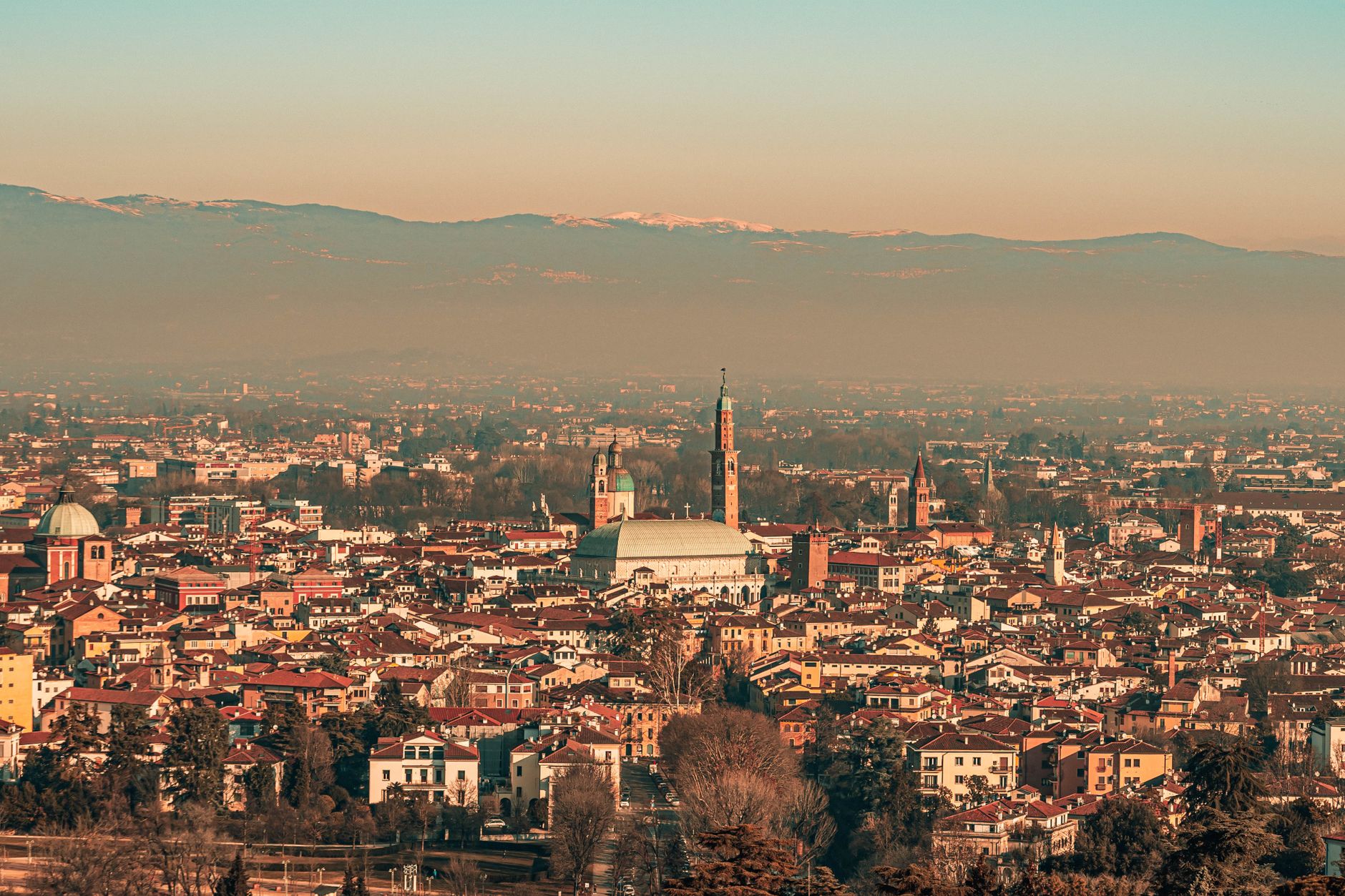
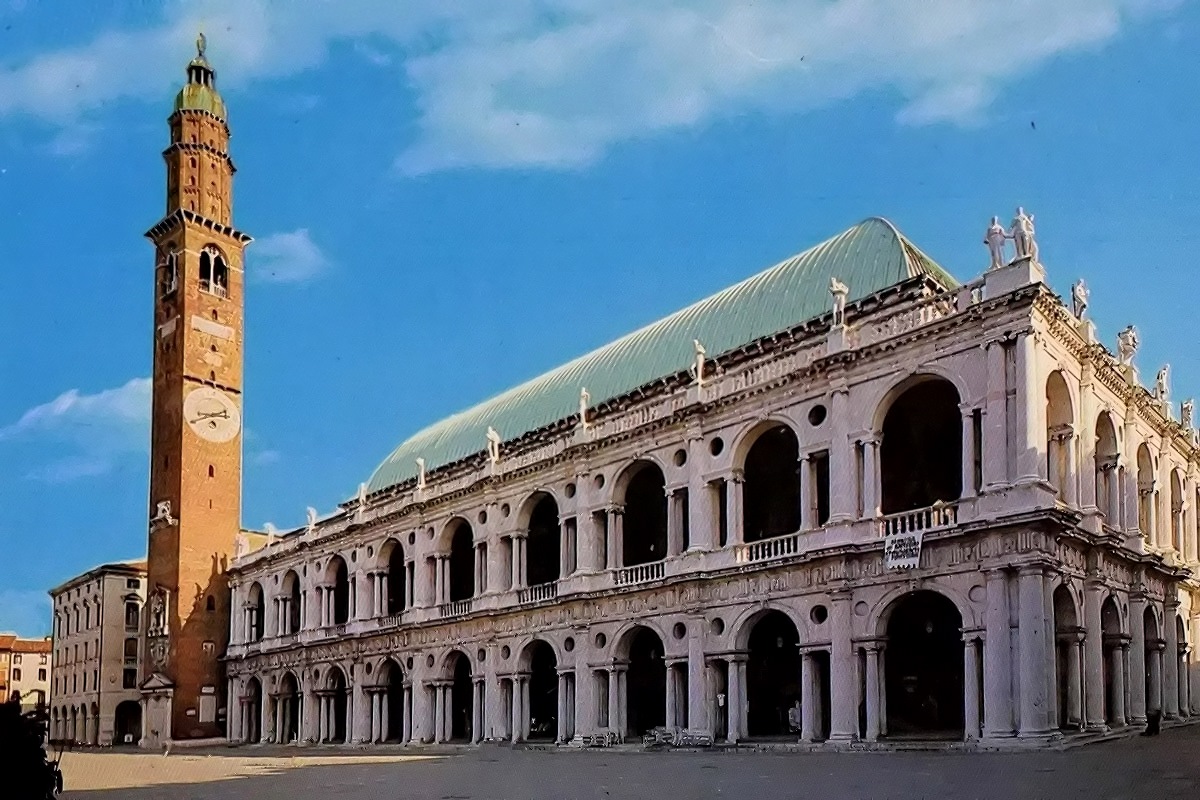
Vicenza is, more than almost any other city in Italy, the work of one man. Walk ten minutes from the train station and you arrive at Piazza dei Signori, where Andrea Palladio's Basilica — its double loggia of white stone arching around a medieval hall — faces a 13th-century clock tower and two Venetian columns. The geometry is calm and exact, and it sets the tone for the whole city.
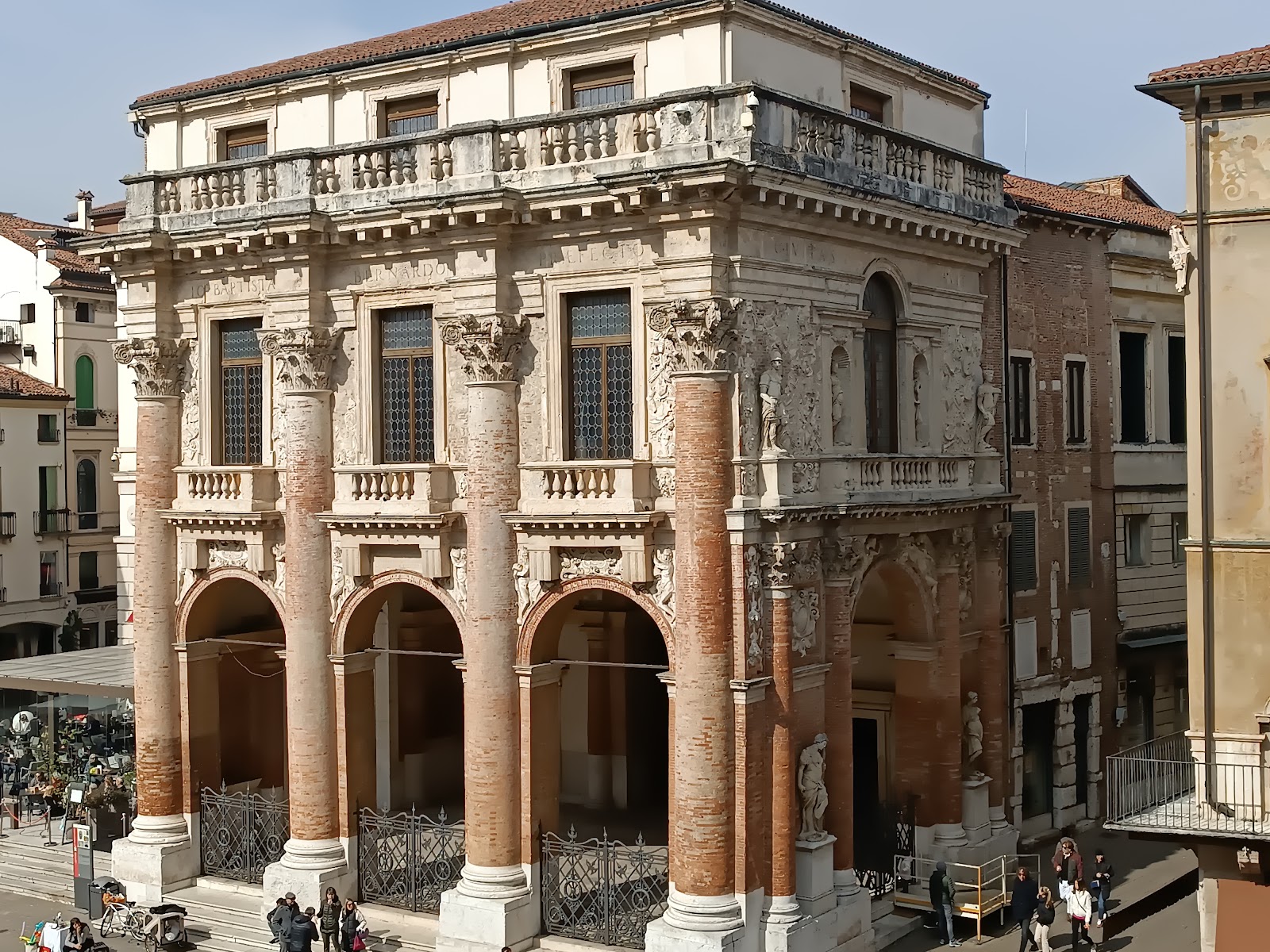
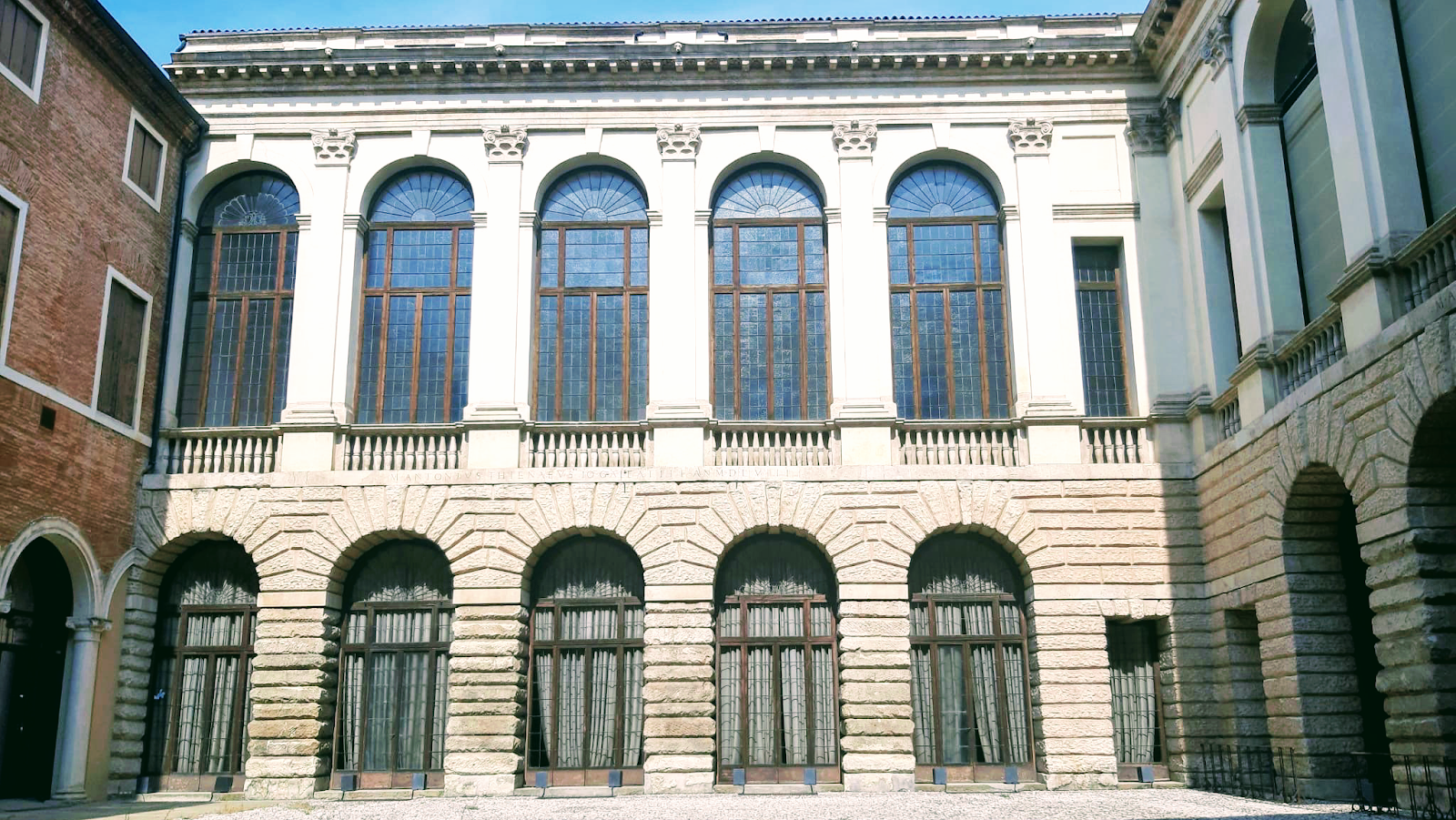
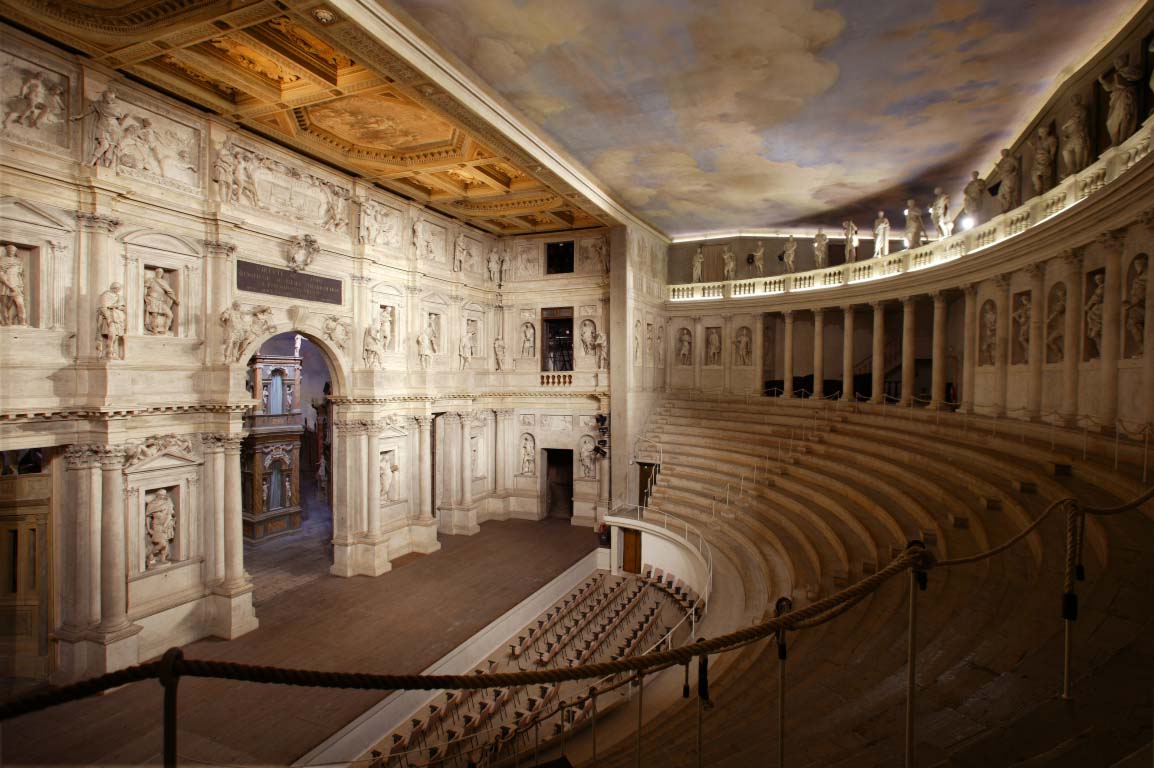
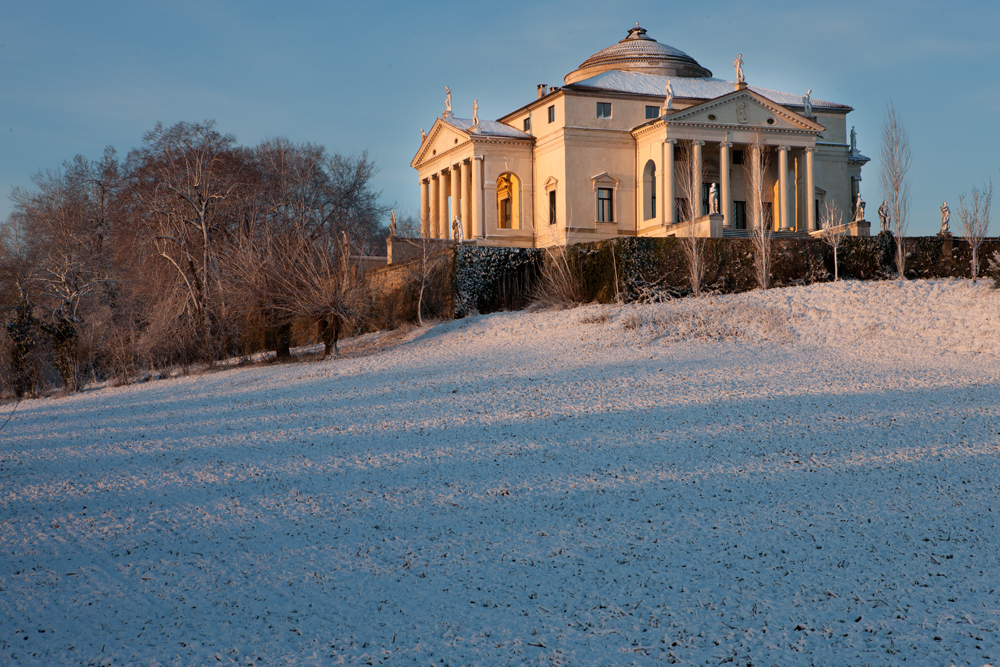
Palladio moved here in 1523 and spent the rest of his life reshaping it. Palaces along the Corso, a theater he never saw finished, a hilltop villa that influenced buildings on three continents — the city is essentially a living portfolio of one architect's ideas about how people should inhabit space.
💛 What travellers fall for
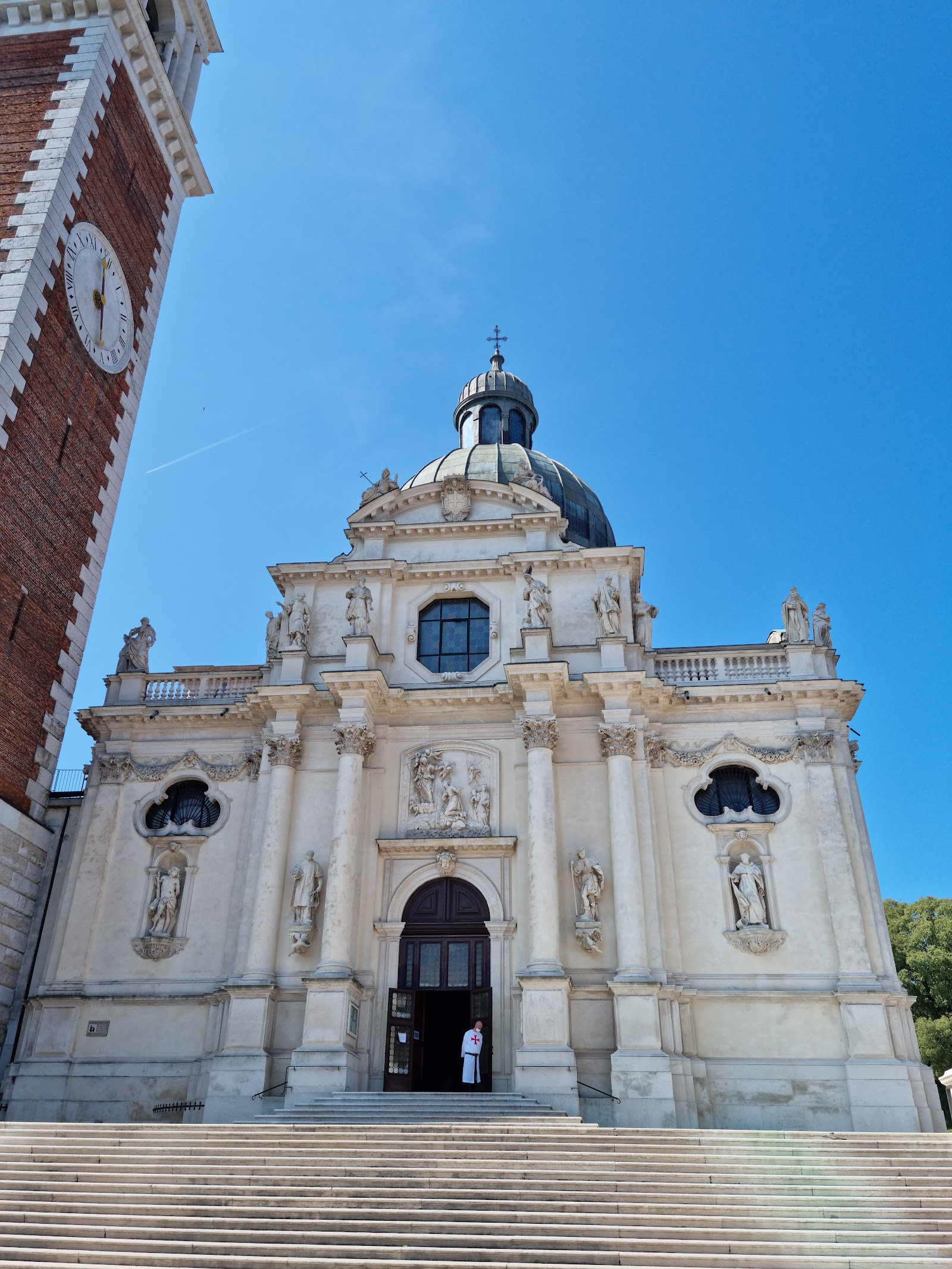
People who come back tend to do the Teatro Olimpico last, not first — the painted perspective streets behind the stage hit harder once you've spent a day inside Palladio's logic. They also walk up to the Santuario di Monte Berico late afternoon, when the light across the Colli Berici is long and the city below goes quiet.
Experiences you don't want to miss



Deals in Vicenza
Book directly at the provider
How Vicenza came to be
The site was already old when Rome formalized it as Vicetia around 157 BC — before that, Euganei and Paleo-Veneti peoples had settled the plain between the Bacchiglione and Retrone rivers. The Piazza dei Signori stands on the old Roman forum, and a 1st-century cryptoportico still survives six metres below street level. In 1404 the city passed to Venice, which largely left it to govern itself — a stability that made the 16th century possible.
In 1535, the nobleman Gian Giorgio Trissino recognized something in a young stonemason named Andrea di Pietro della Gondola, took him to Rome, and gave him the name Palladio. What followed over the next four decades remade Vicenza. The city paid heavily in the 20th century: Allied bombing in WWII killed more than 2,000 civilians, making it the most damaged city in the Veneto. UNESCO listed its Palladian heritage in 1994.
Who and what shaped it
People who shaped it
Landmark buildings
See Vicenza in motion
Plan your visit
On the map
When to go
Summers are warm and humid, with July and August occasionally oppressive in the enclosed streets. Spring (April–May) and autumn (September–October) bring mild temperatures and manageable crowds. Winters are cold and sometimes foggy, but the city empties of tourists and the stone architecture reads differently in flat grey light.
Right now
↡ Attractions


Background & history adapted from Wikipedia (CC BY-SA) · specs from Wikidata (CC0) · weather from Open-Meteo · map data © OpenStreetMap contributors · photos from Wikimedia Commons / Unsplash with per-image credit. No third-party reviews or social posts reproduced.