
Cortina d'Ampezzo
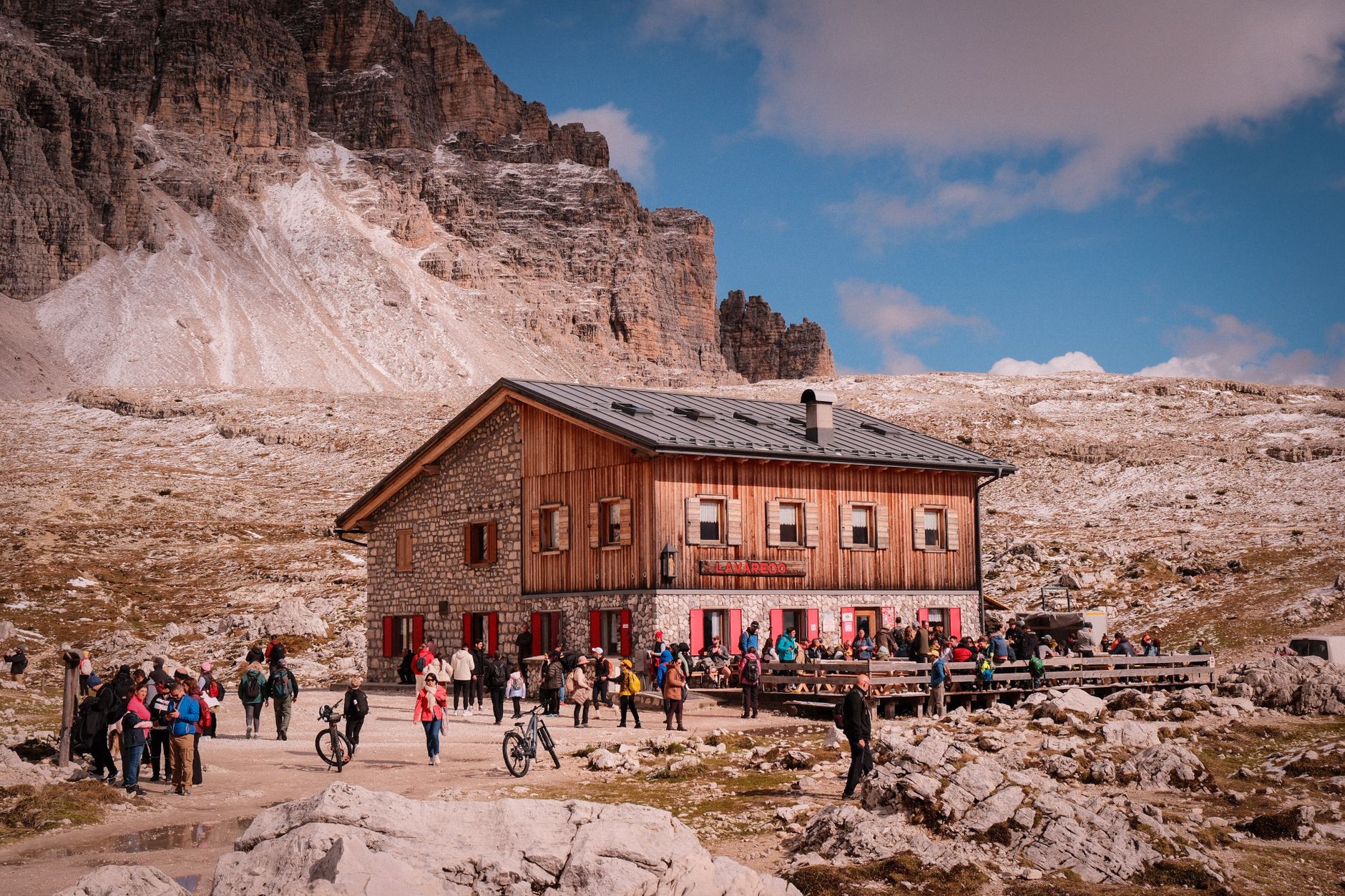
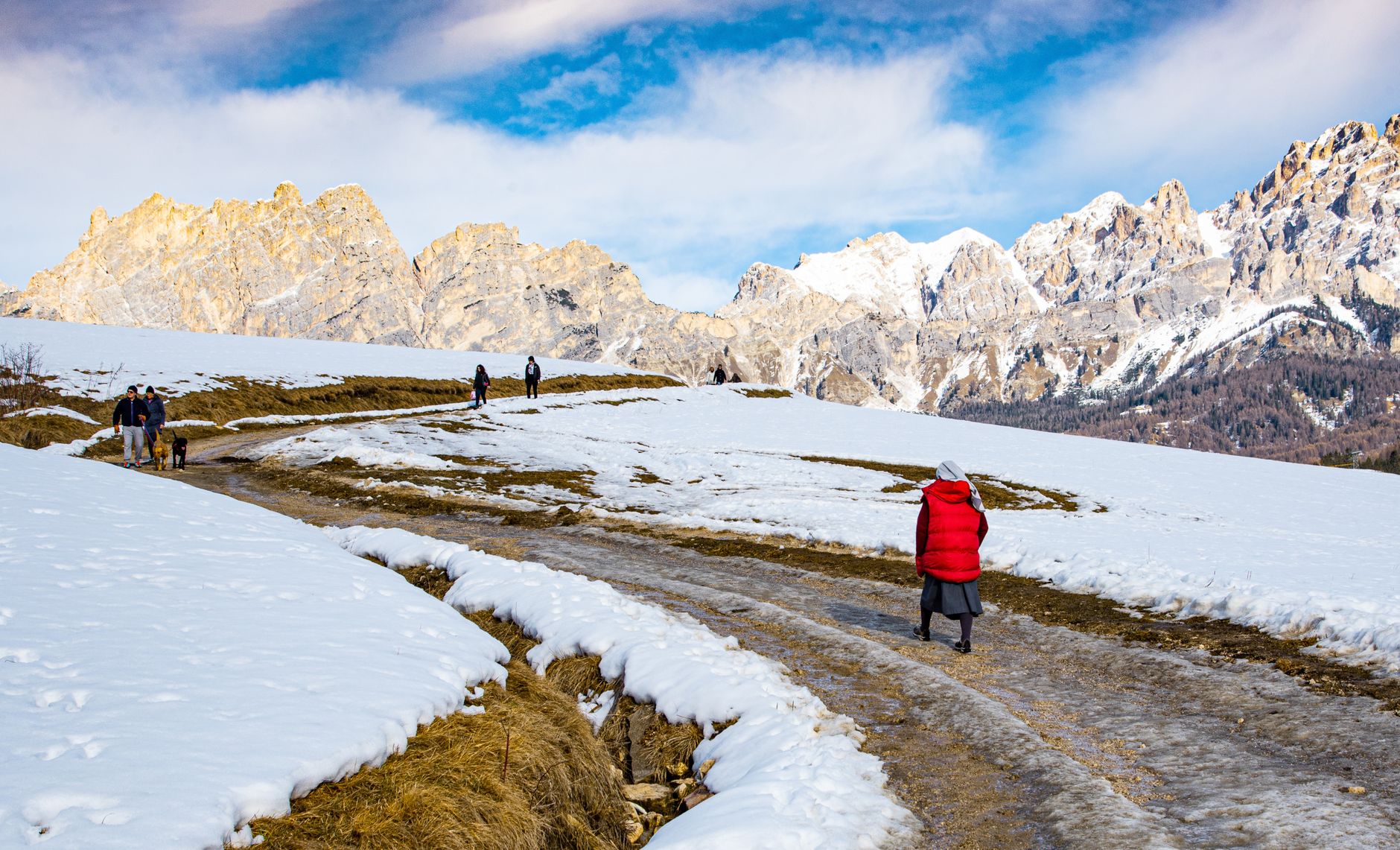
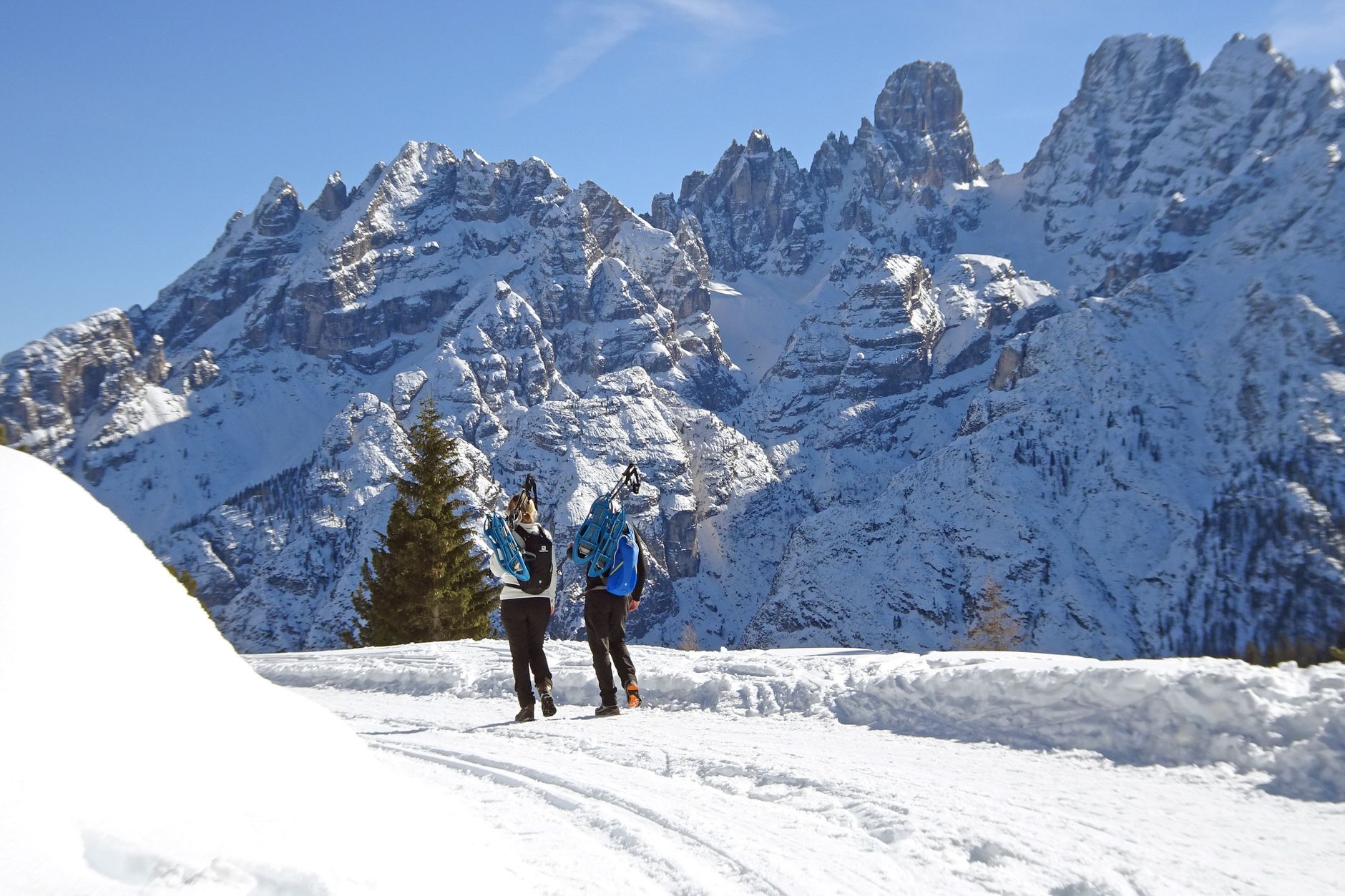
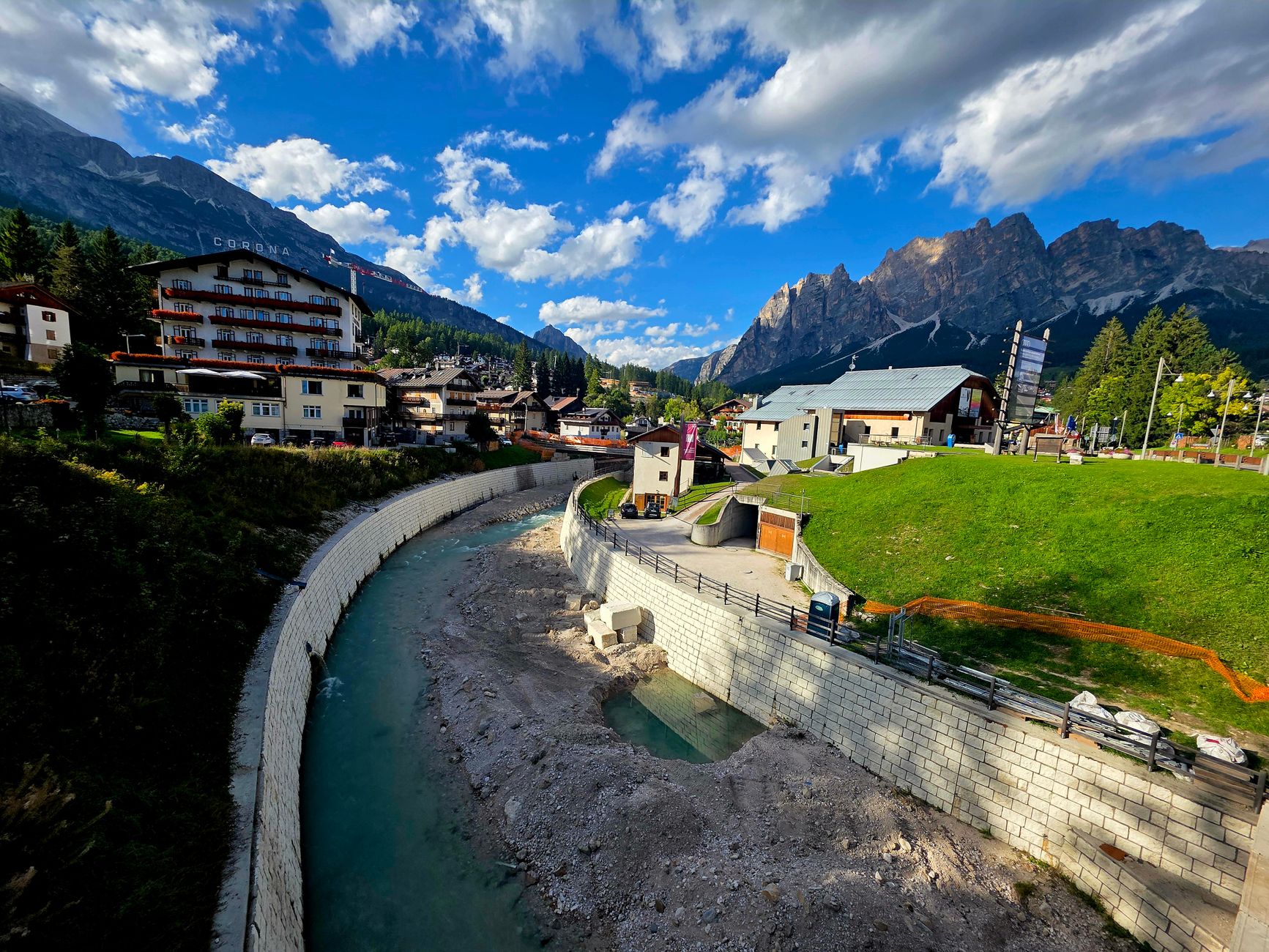
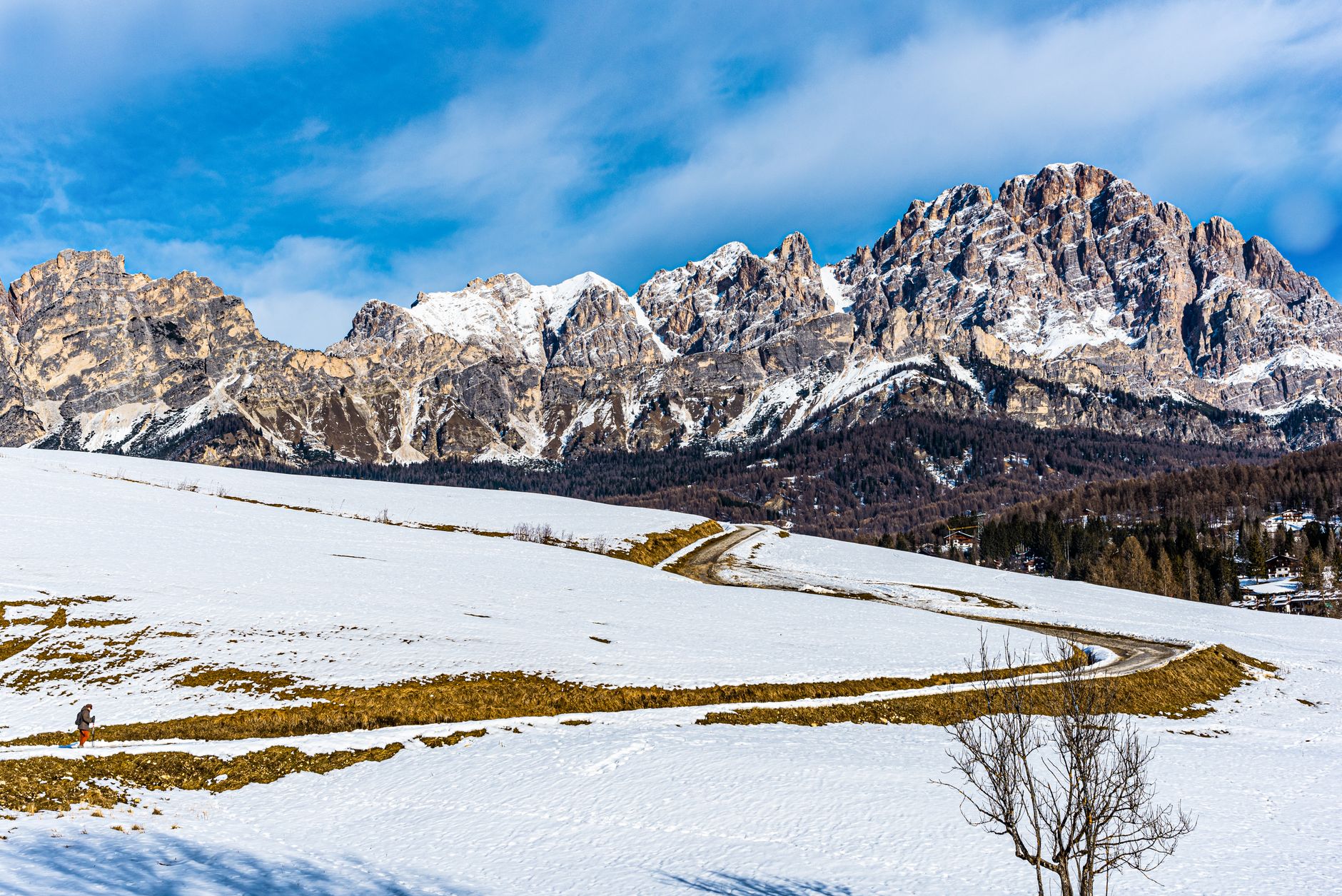
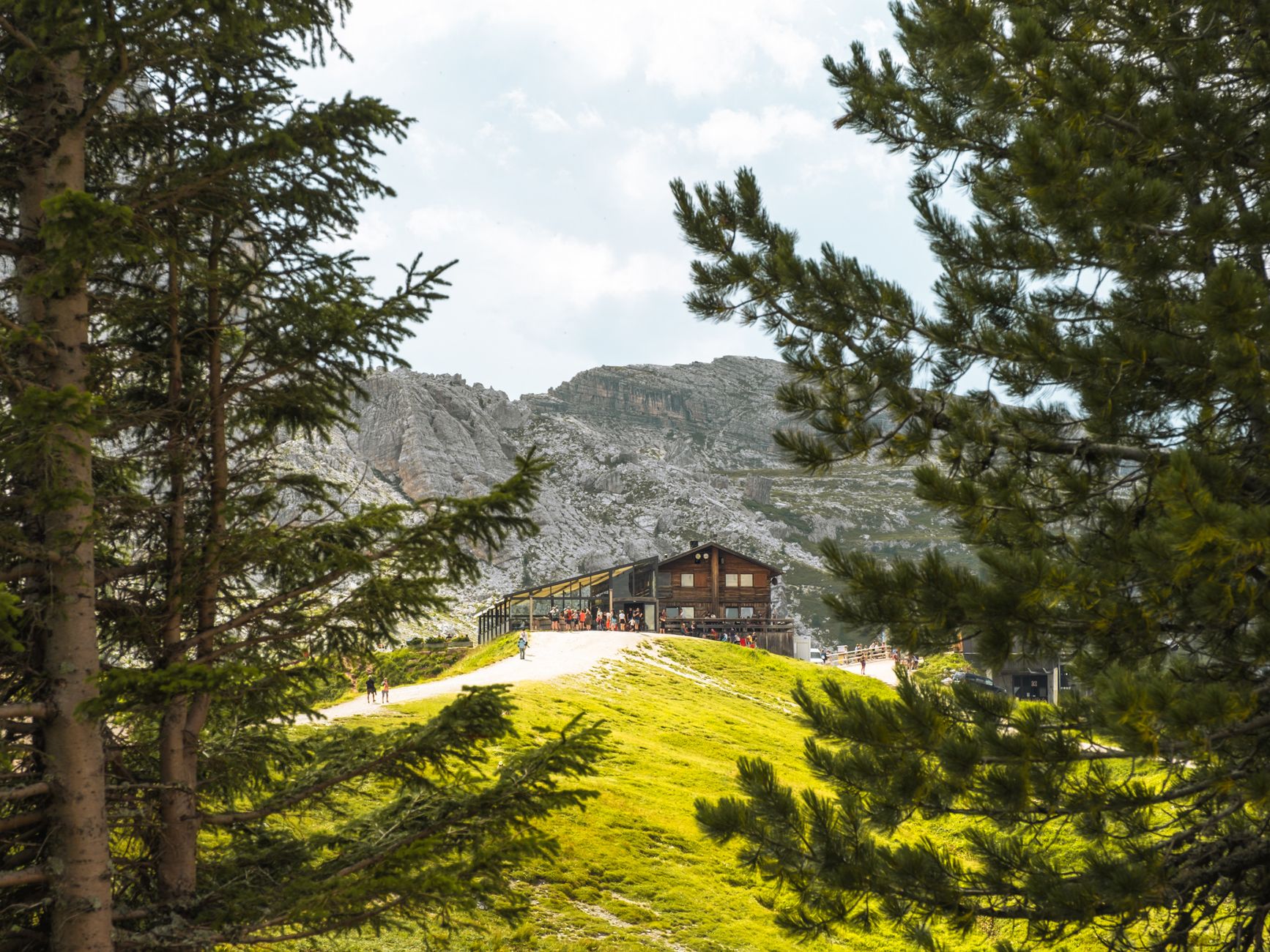
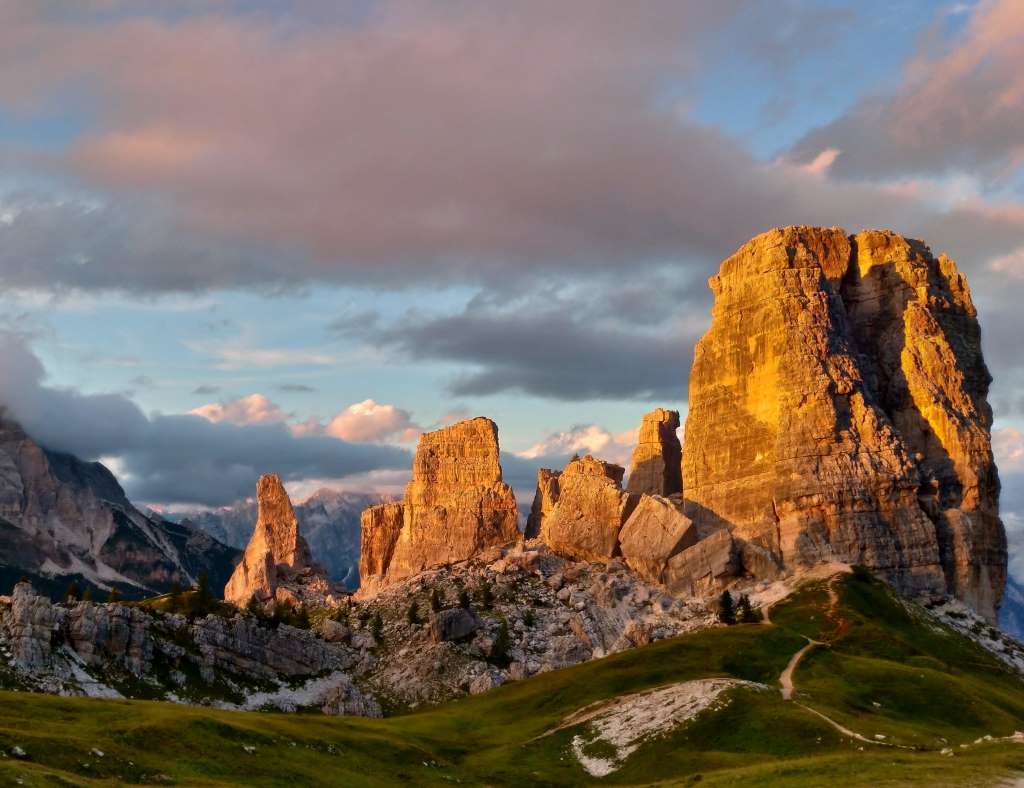
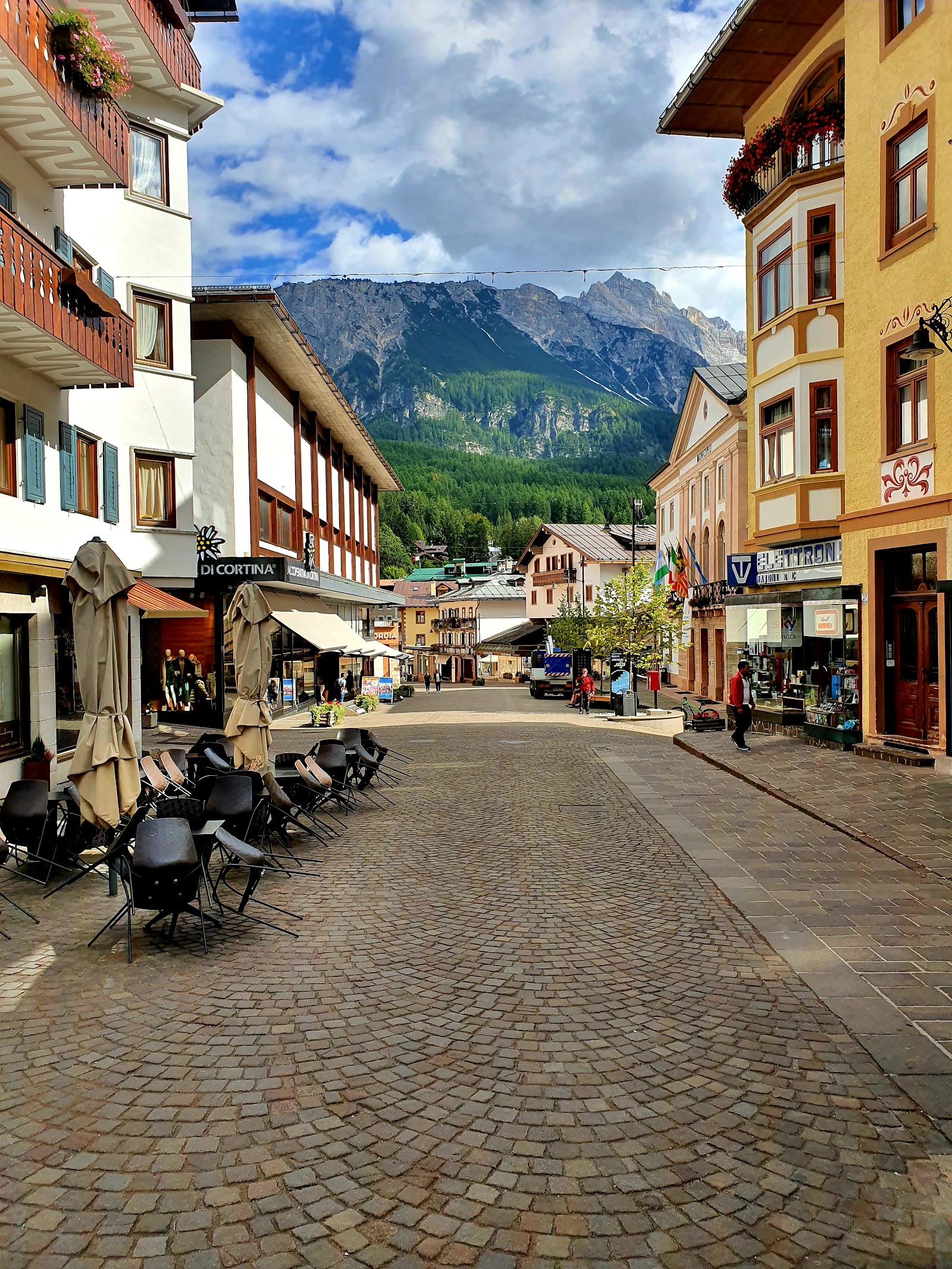
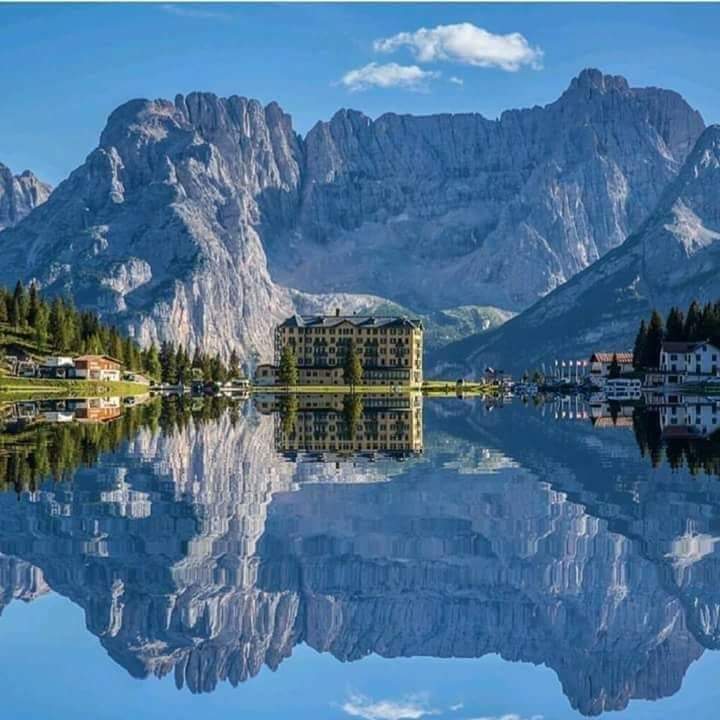
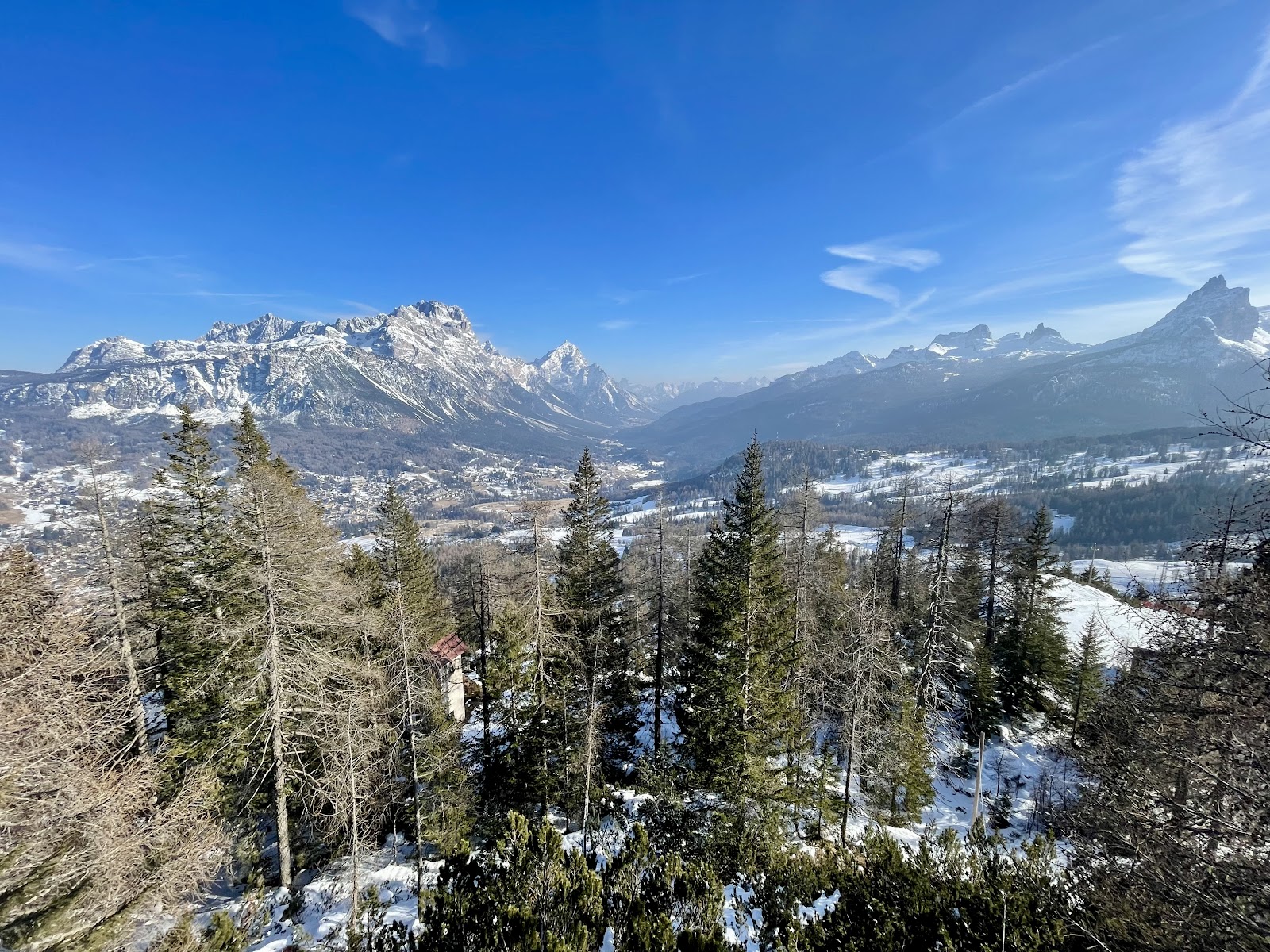
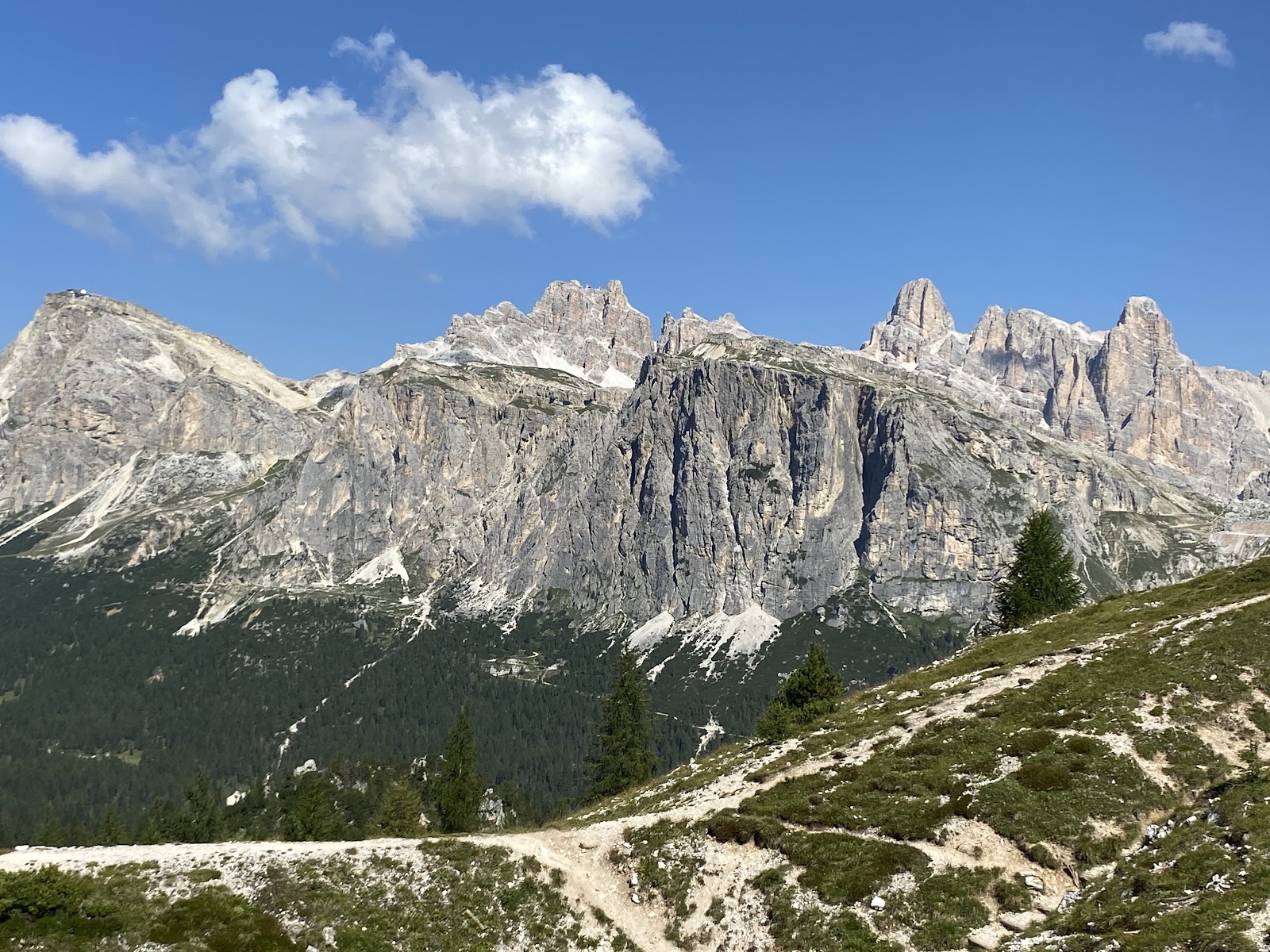
The first thing you notice in Cortina d'Ampezzo is the bell tower — 68.5 metres of pale stone rising above the valley floor, its copper sphere catching the Dolomite light like a struck match. The mountains here don't recede into backdrop; they press in close on all sides, their pale limestone walls changing colour through the day from cream to ochre to something close to rose.
Cortina sits in a bowl-shaped valley at roughly 1,200 metres, and the town's main artery, Corso Italia, has been pedestrian since the early 1970s — which gives it a pace that the surrounding peaks seem to demand. This is a place that has hosted the Winter Olympics twice, and still wears that history without apology.
💛 What travellers fall for
People who return tend to time a visit around the Dino Ciani Festival in late July — concerts held in honour of the pianist who died at 32, with an intensity the mountain setting seems to amplify. They also make a point of walking Piazza Angelo Dibona in the early morning, before the day's crowds arrive, when the square belongs only to the mountains.
Experiences you don't want to miss


Deals in Cortina d'Ampezzo
Book directly at the provider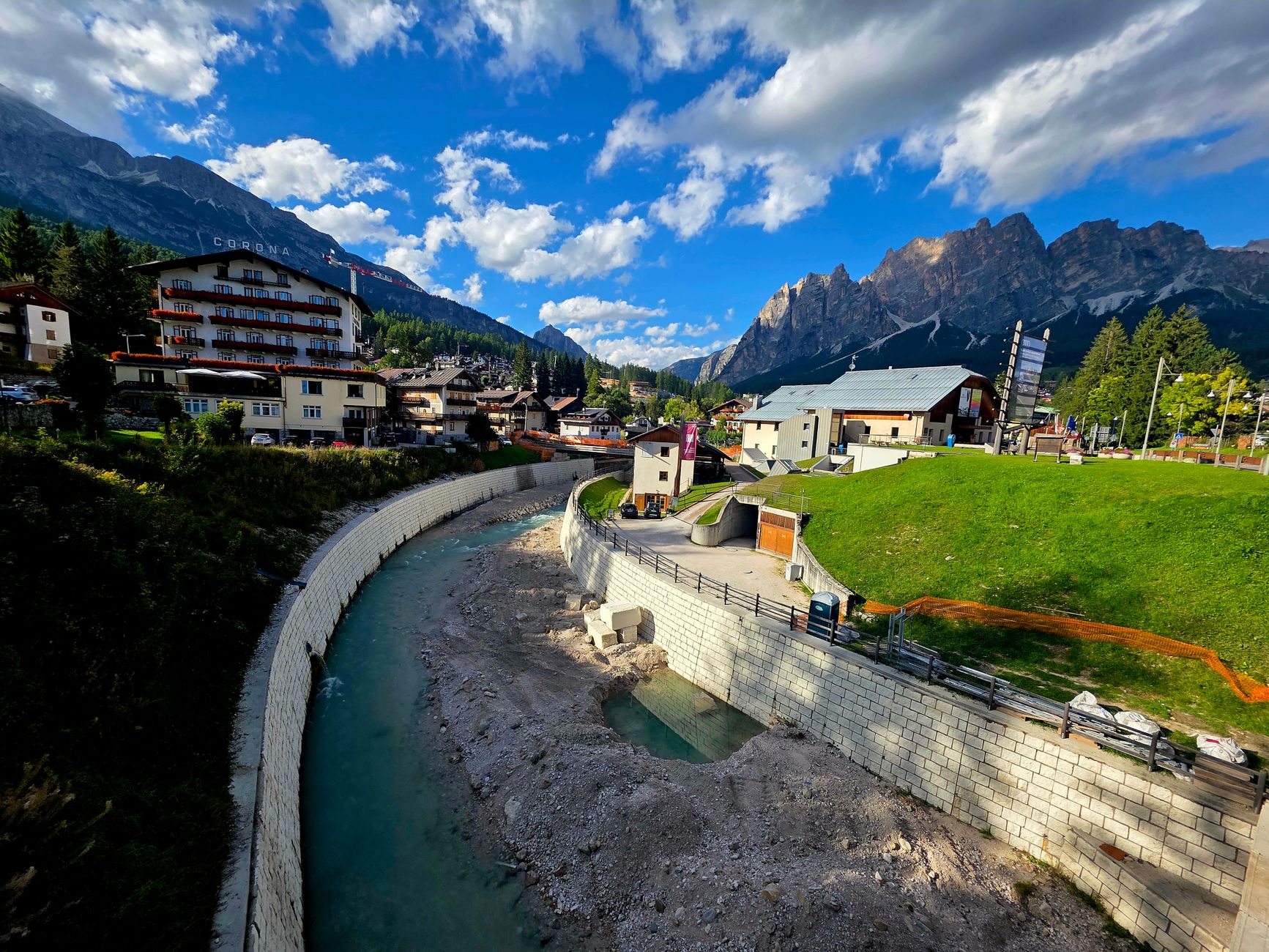

How Cortina d'Ampezzo came to be
People were in this valley long before anyone wrote it down — a Mesolithic hunter was buried at Mondeval around 6000 B.C. The name 'Curtina Ampitii' appears in records from 1317, though for centuries the place was simply called Ampezzo. The Republic of Venice took it in 1420; the Habsburgs held it for most of the centuries that followed, with Napoleon's army briefly passing through in 1809. The town only acquired its full modern name, Cortina d'Ampezzo, after the First World War, when it passed from Austria-Hungary to Italy in 1918.
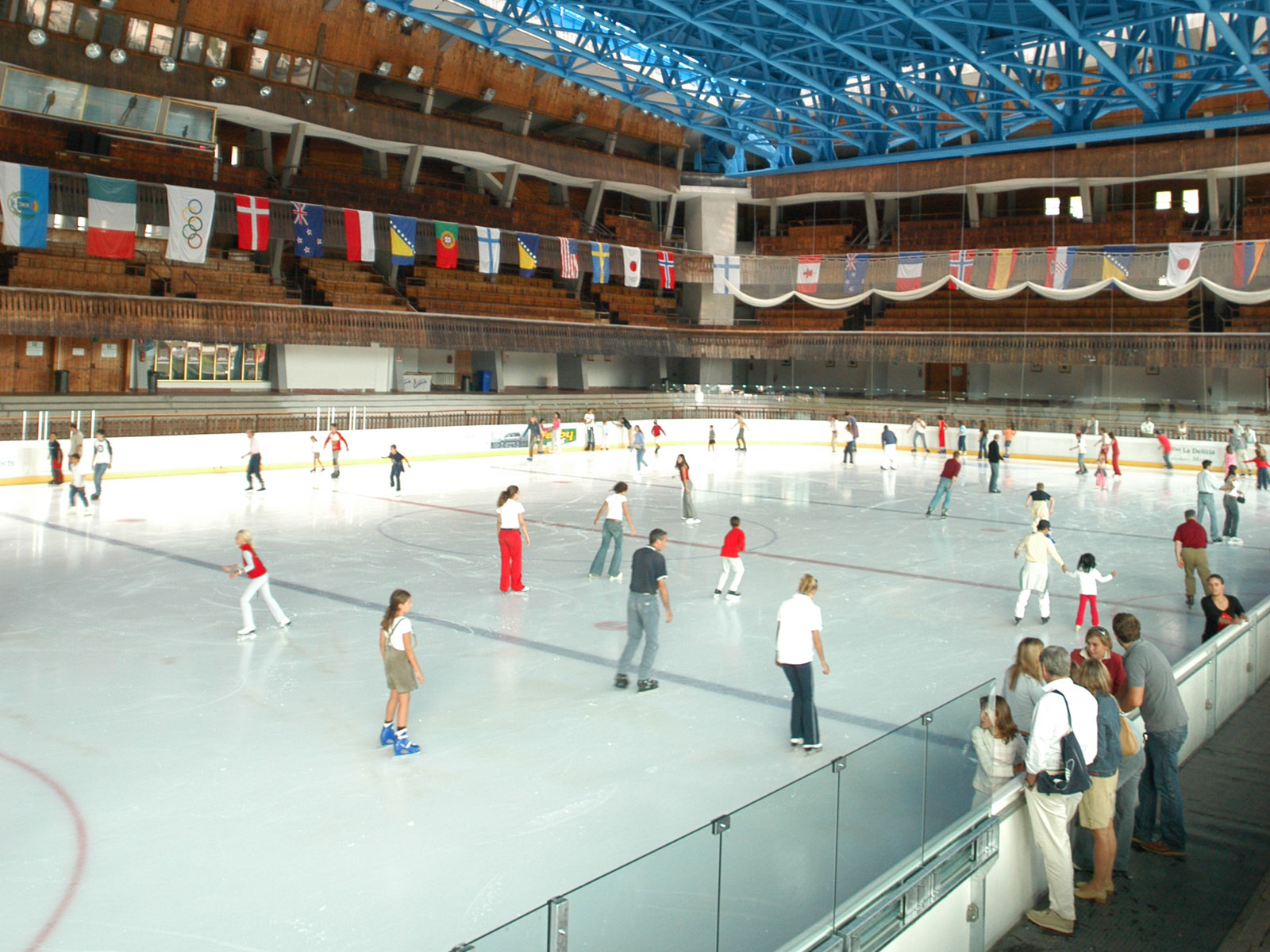
The 1956 Winter Olympics reshaped the town physically — the Olympic Ice Stadium, designed for the opening ceremony, still stands, and architect Edoardo Gellner's post office building at Largo Poste remains a marker of what he called modern alpine architecture. The 2026 Games, co-hosted with Milan, brought another round of attention to a place that has always known how to hold it.
Who and what shaped it
People who shaped it
Landmark buildings
See Cortina d'Ampezzo in motion
Plan your visit
On the map
When to go
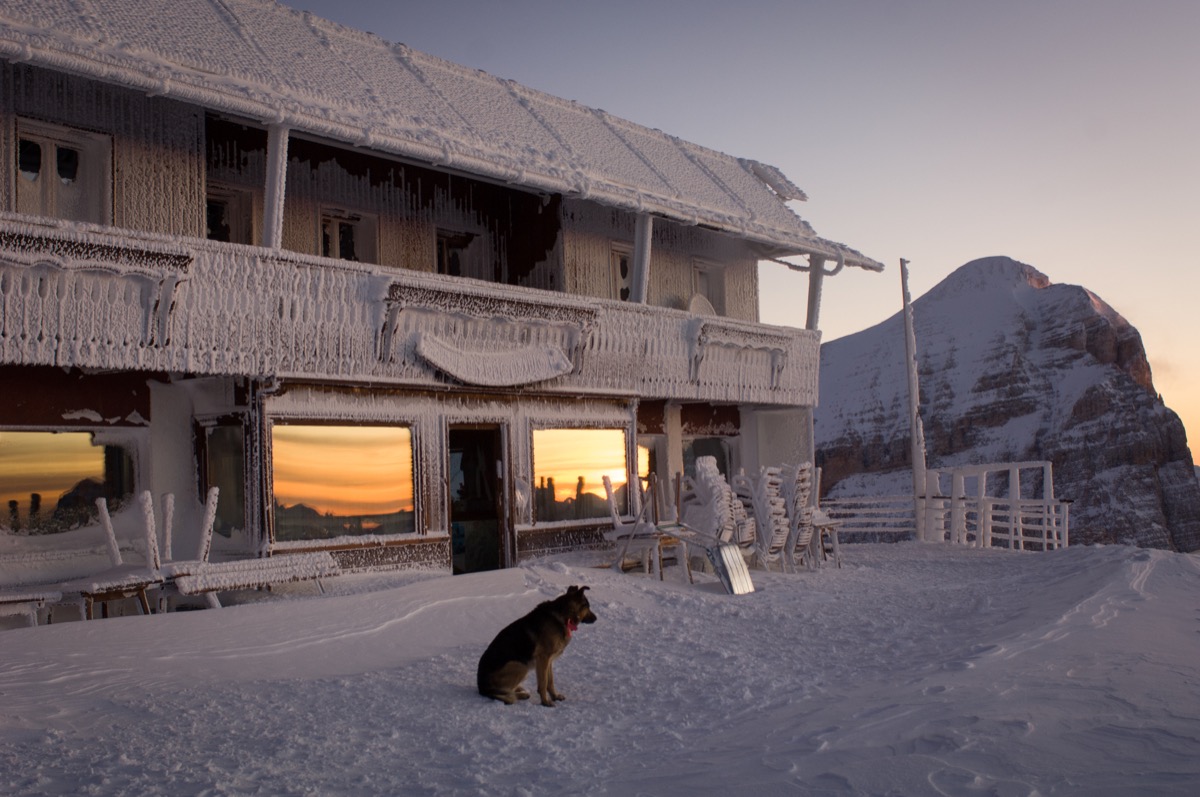
Winters are cold and reliably snowy, with temperatures well below freezing at altitude — proper mountain kit is not optional. Summers are mild and clear more often than not, though afternoon thunderstorms roll in quickly across the Dolomites, so mornings are the safer bet for time outdoors.
Right now
↡ Attractions

Background & history adapted from Wikipedia (CC BY-SA) · specs from Wikidata (CC0) · weather from Open-Meteo · map data © OpenStreetMap contributors · photos from Wikimedia Commons / Unsplash with per-image credit. No third-party reviews or social posts reproduced.