City

Verona

Verona
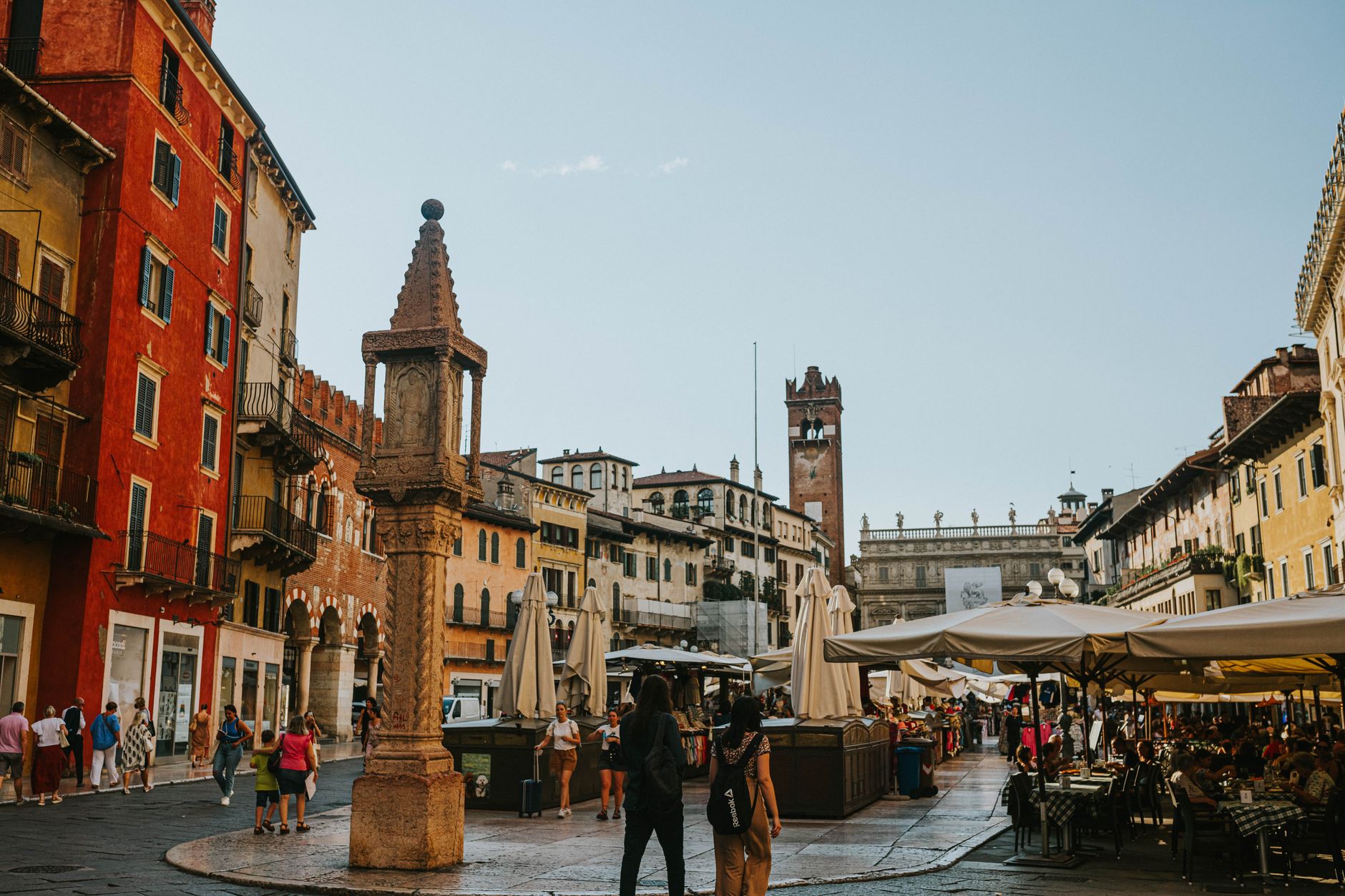
Photo by Ivan Dražić on Pexels
Verona
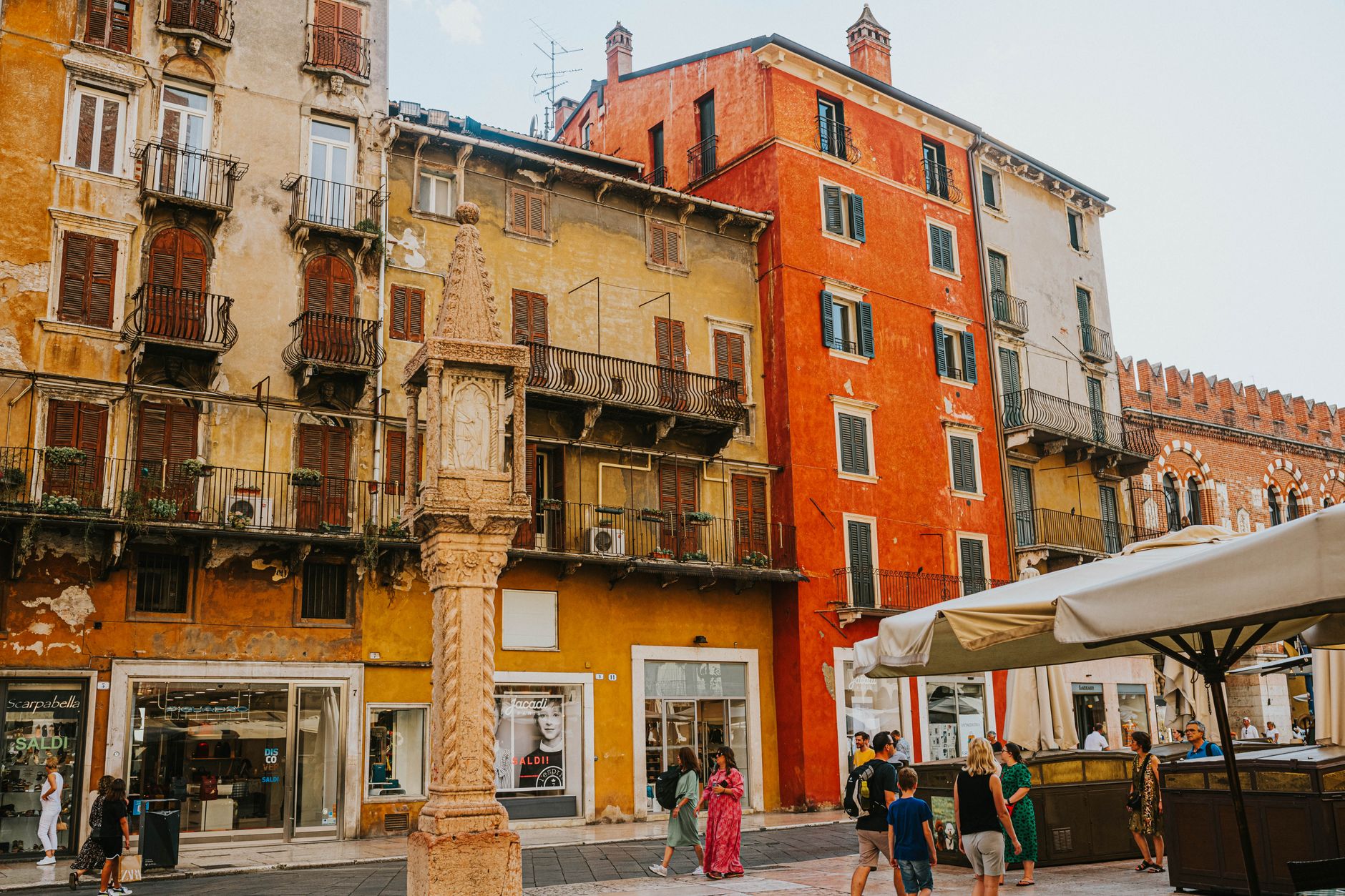
Photo by Helena Jankovičová Kováčová on Pexels
Verona
Photo by Helena Jankovičová Kováčová on Pexels
Verona
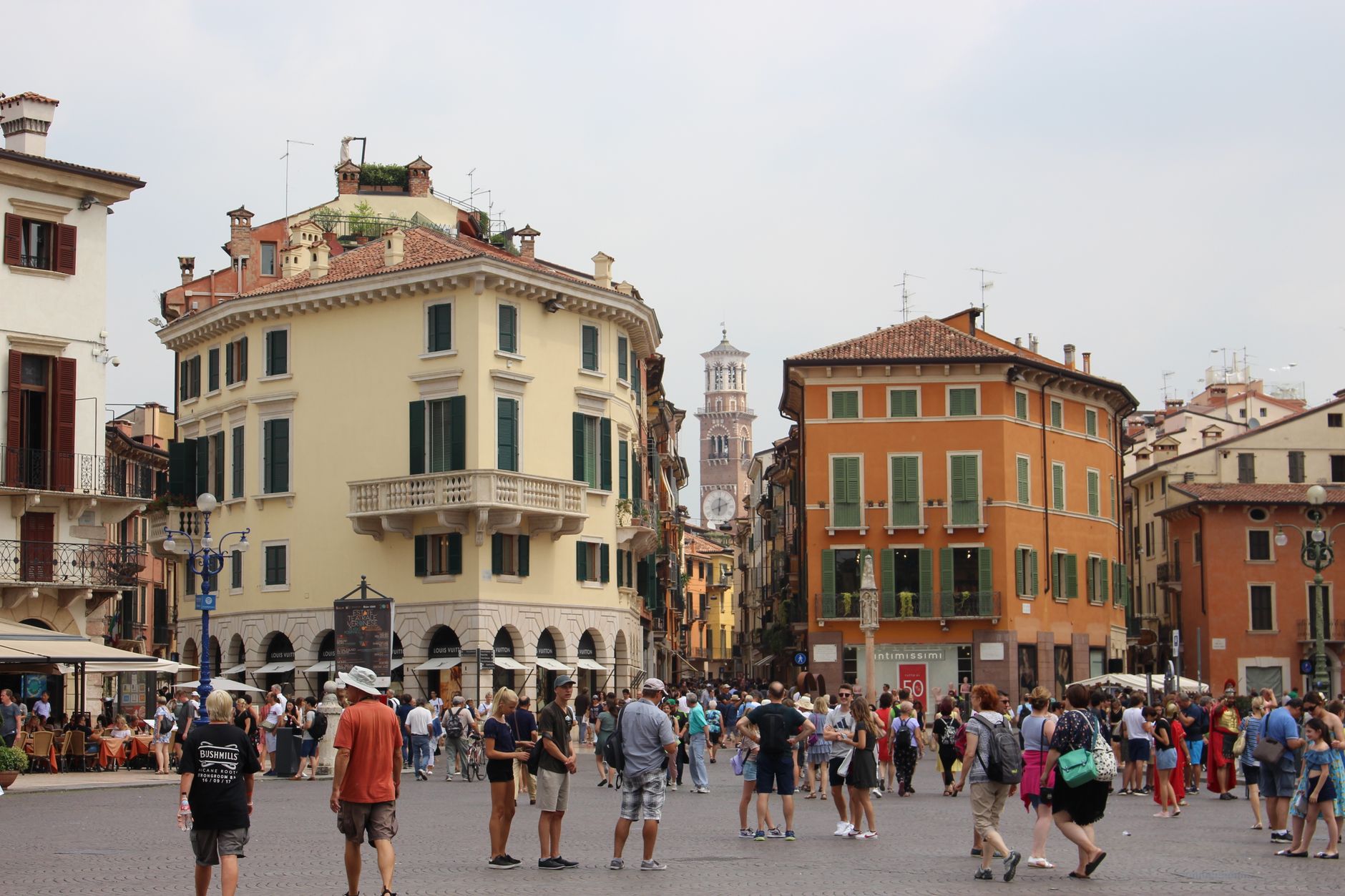
Photo by Betty Göbel on Pexels
Verona
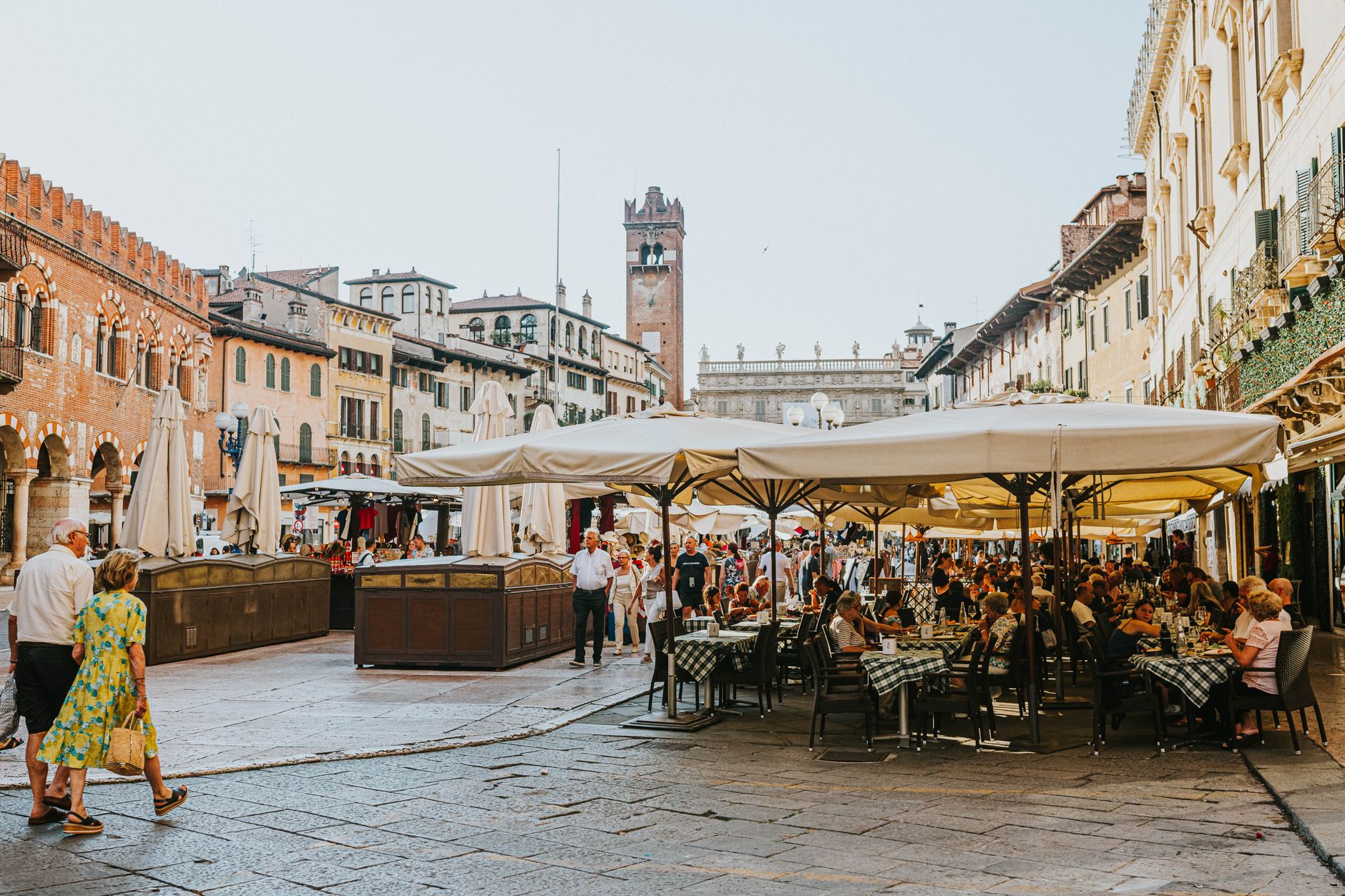
Photo by Helena Jankovičová Kováčová on Pexels
Verona
Photo by Helena Jankovičová Kováčová on Pexels

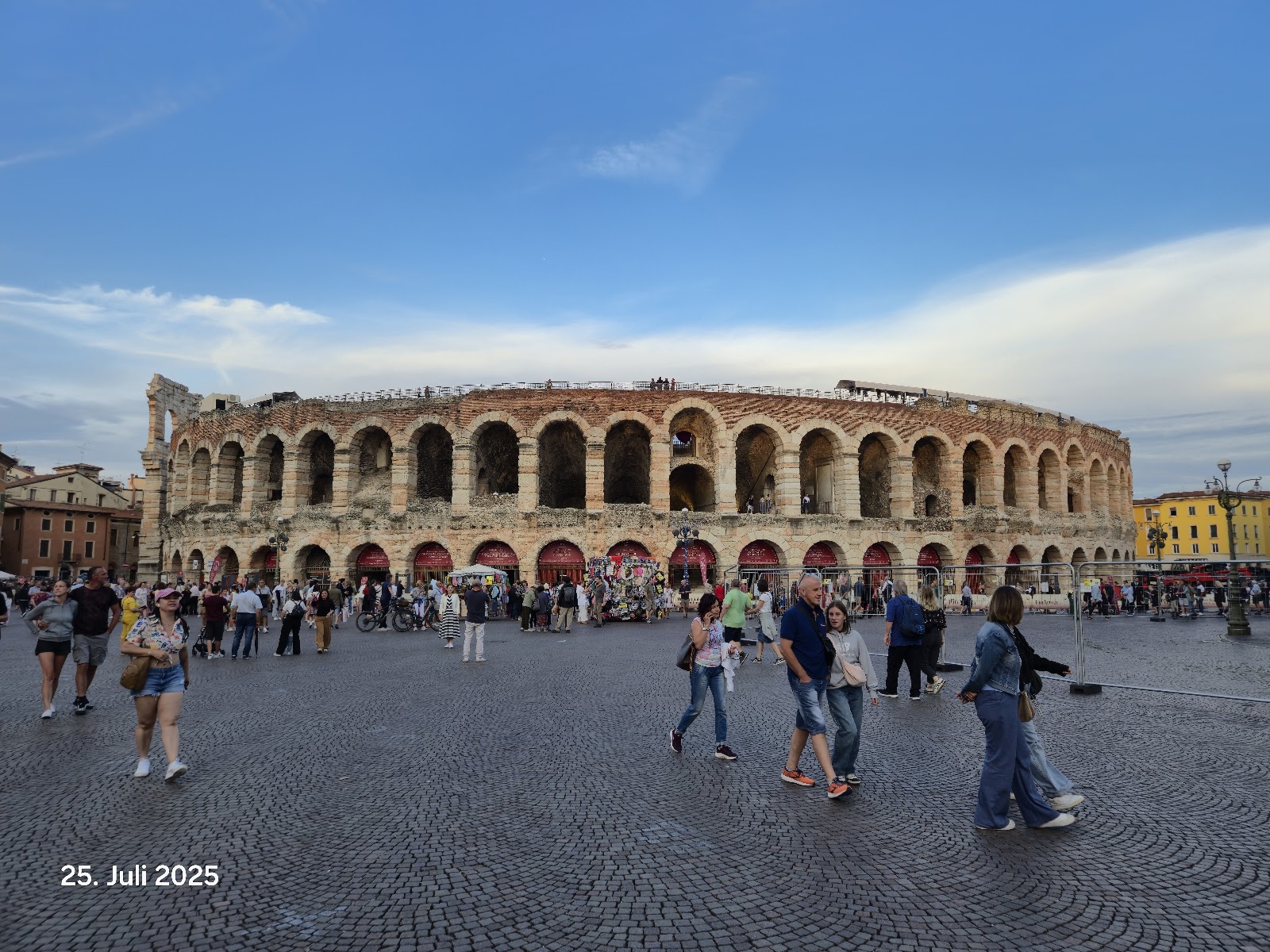
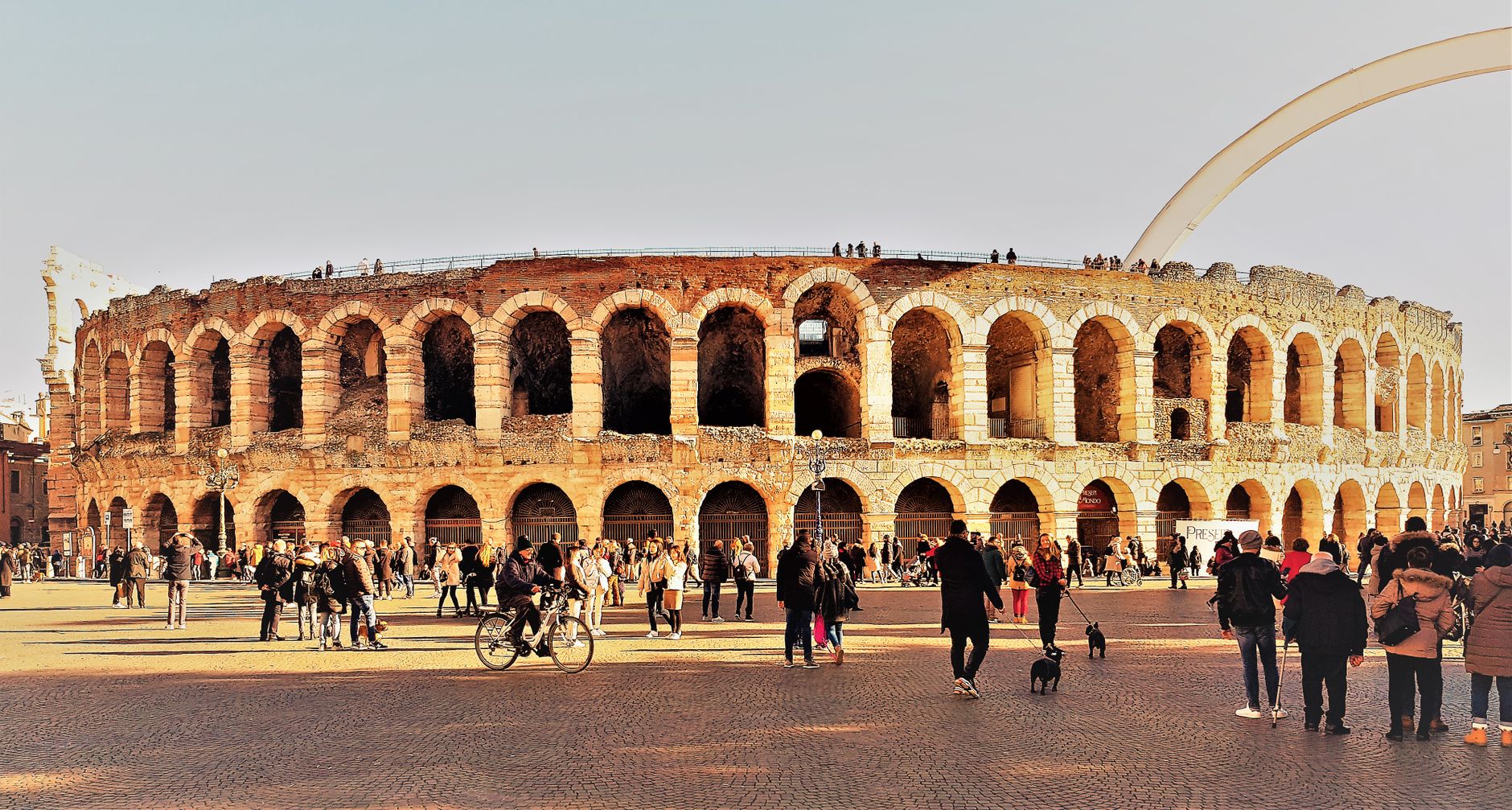
The Arena di Verona — a Roman amphitheater completed around 30 AD, third-largest in Italy — still fills on summer nights with 25,000 people watching opera under open sky. That continuity is the thing about Verona: two thousand years of civic life layered so densely that a walk across Piazza Bra takes you past a Roman gate, a medieval castle and a Venetian loggia before you reach your coffee.

Verona sits in the Veneto, roughly equidistant from Venice, Milan and Bologna — which is why its train station handles around 300 trains a day. The city earned UNESCO World Heritage status in 2000, not for any single monument but for the whole accumulated fabric of it.

💛 What travellers fall for

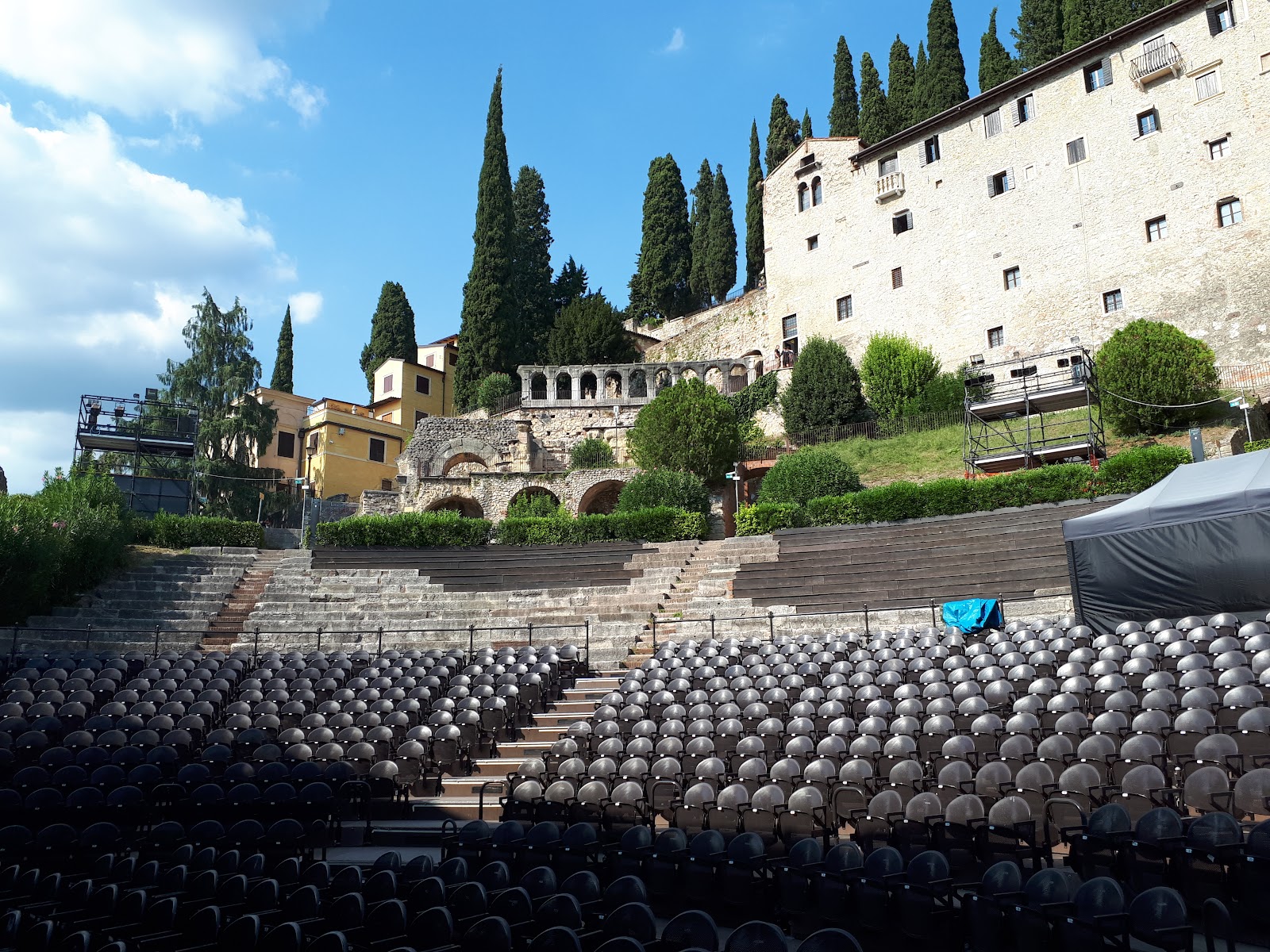
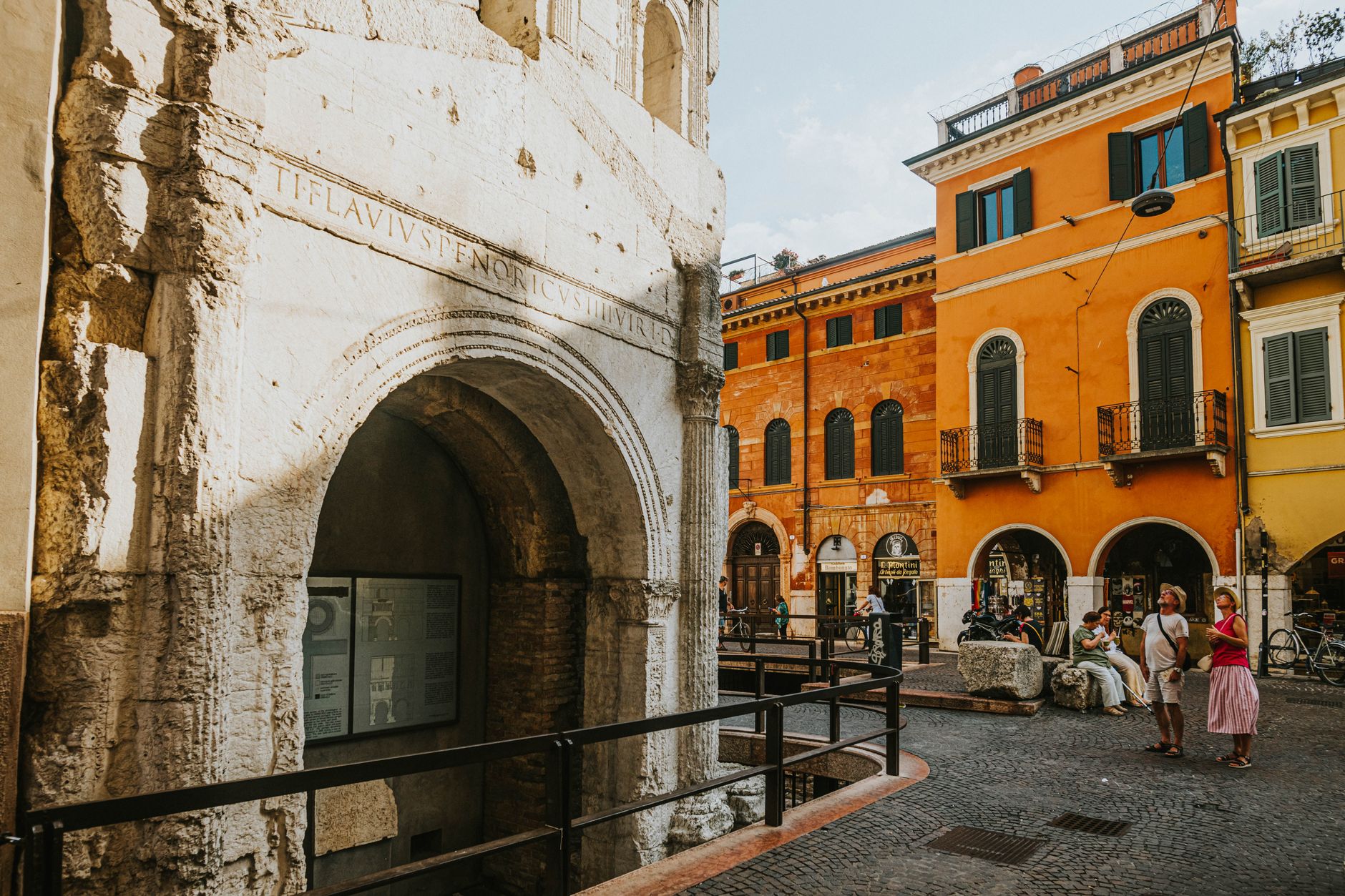
Return visitors tend to agree on one thing: skip the Arena queue on a non-opera night and go instead to Castel San Pietro at dusk, either up the staircase or on the early-20th-century funicular. The terrace gives you the full bend of the Adige and the red-tiled roofline in one look. Then walk down through the Roman theatre district while the light goes.

Good to know
Verona Porta Nuova station puts you in the city centre on foot in 20 minutes; Venice, Milan and Bologna are all roughly an hour by fast train. Opera season at the Arena runs summer; the rest of the year is quieter and cheaper. The historic centre is compact — two full days covers it well without rushing.

Deals in Verona

Book directly at the provider
The story

How Verona came to be

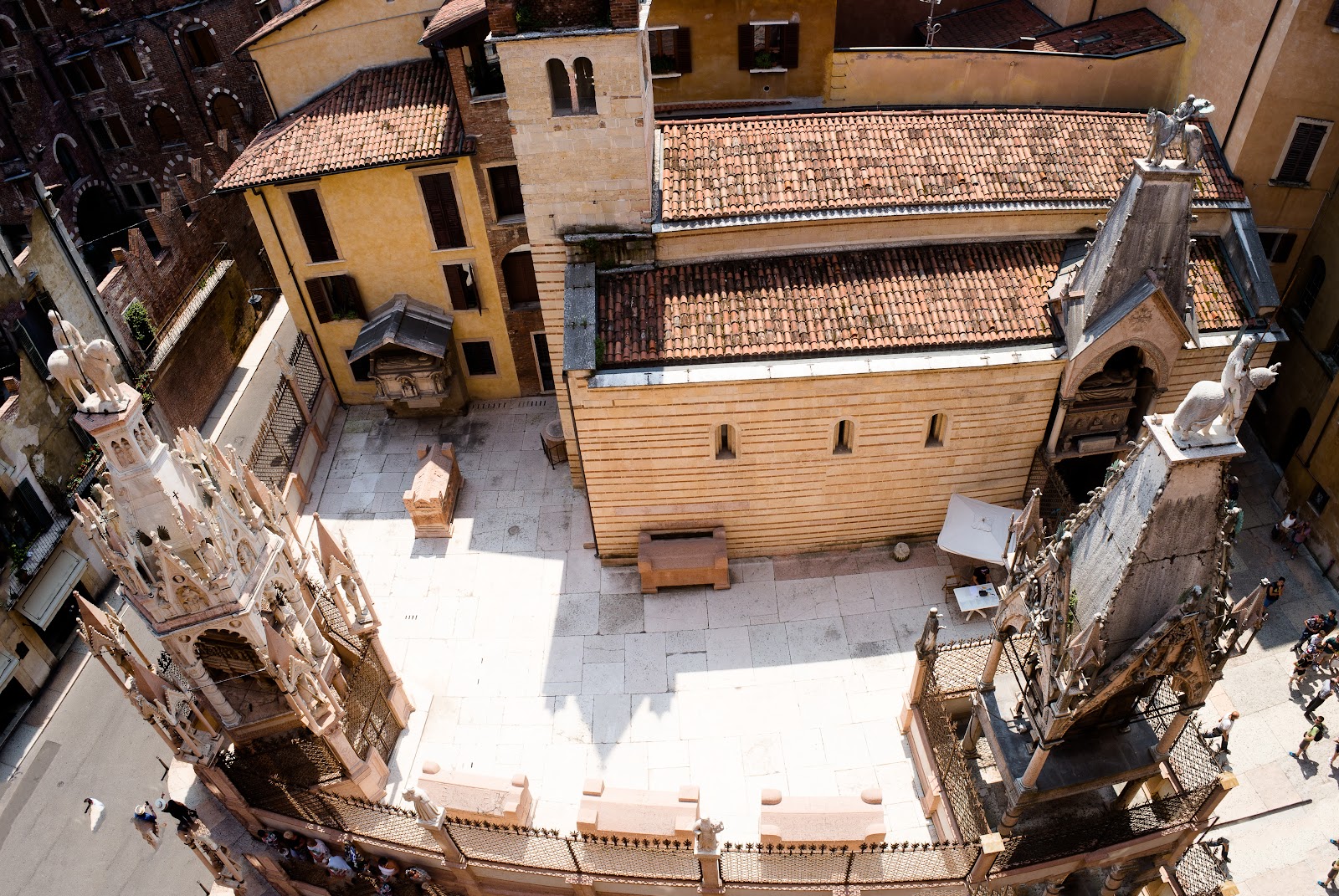
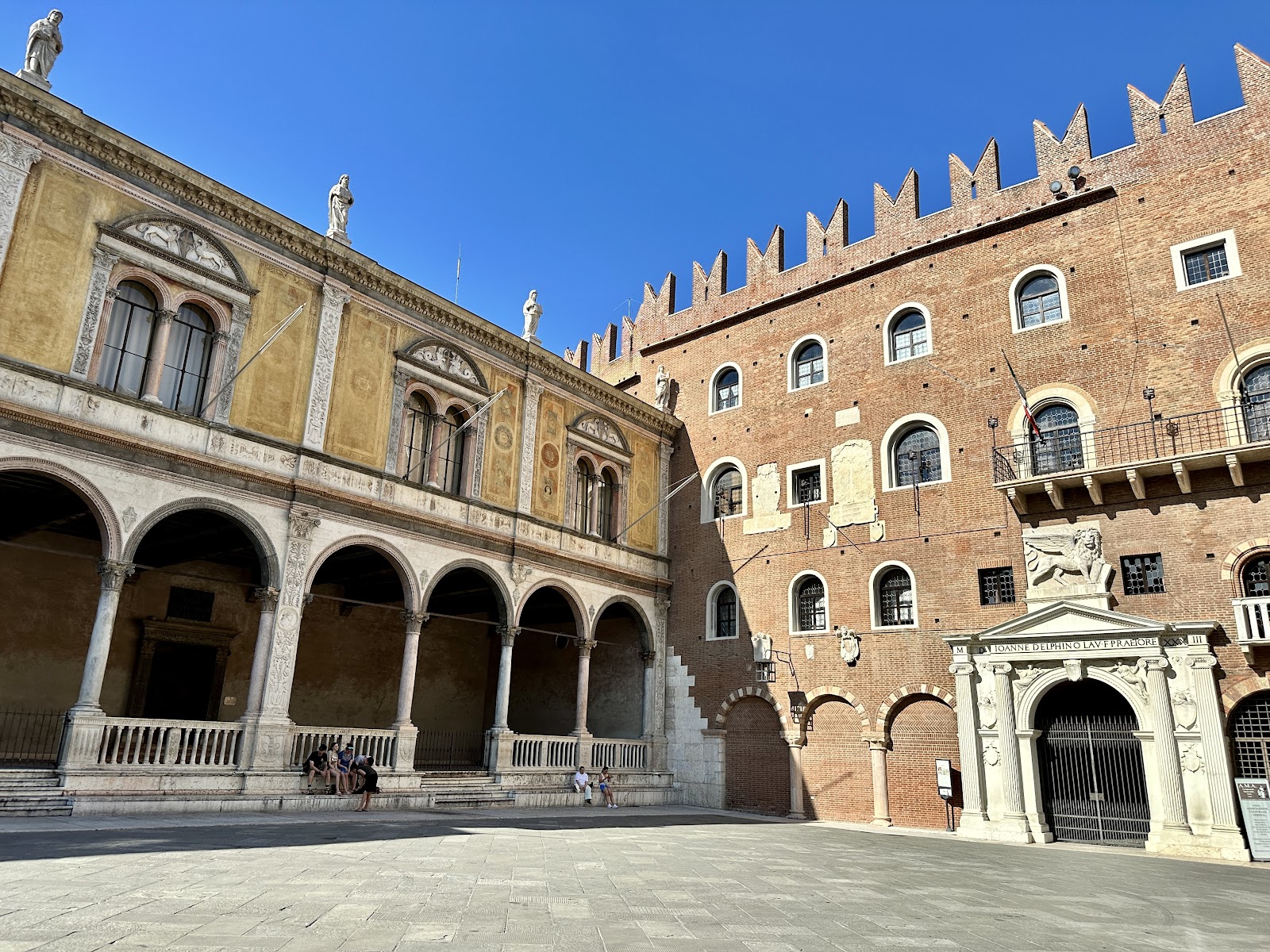
Verona became a Roman colony in 89 BCE, and the infrastructure from that era — the Arena, the Ponte Pietra bridge, the Porta Borsari gate — still anchors the city's layout. After the fall of Rome, the city passed through Ostrogothic, Lombard and Frankish hands before the della Scala family took control in 1262. The Scaligers, as they're known, ruled for over a century; Cangrande I della Scala expanded the walls and made Verona one of northern Italy's most powerful cities. The Gothic tombs they built for themselves, the Arche Scaligere, remain near Piazza dei Signori.

Venice absorbed Verona in 1405 and held it for nearly four centuries, leaving its own architectural imprint. The city passed to Austria after the Napoleonic Wars in 1815, then joined the Kingdom of Italy in 1866.

People & landmarks

Who and what shaped it

People who shaped it

Cangrande I della Scala
Scaliger lord who expanded Verona's walls and made it one of northern Italy's most powerful cities in the 13th–14th centuries.
Isotta Nogarola
Born in Verona; said to be the first major female humanist and one of the most important humanists of the Renaissance.
Catullus
Roman poet born in Verona.

Landmark buildings

Arena di Verona
Roman amphitheater completed around 30 AD; third-largest in Italy; seats 25,000 and has been the world's largest open-air opera house since 1913.
Ponte Pietra
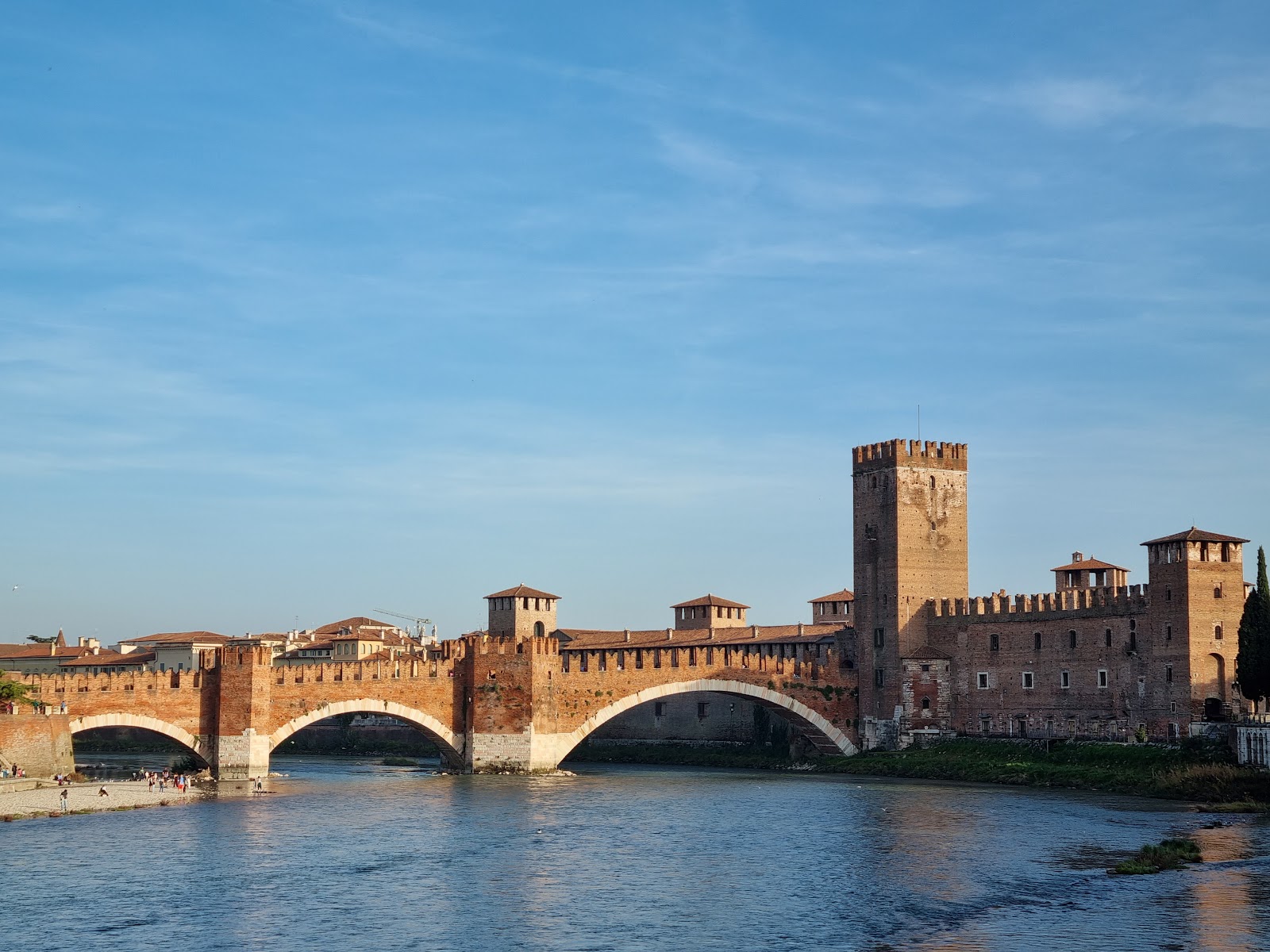
Built in 2nd century BCE; oldest bridge in Verona; spans the Adige River and was rebuilt with original materials in 1957 after WWII damage.
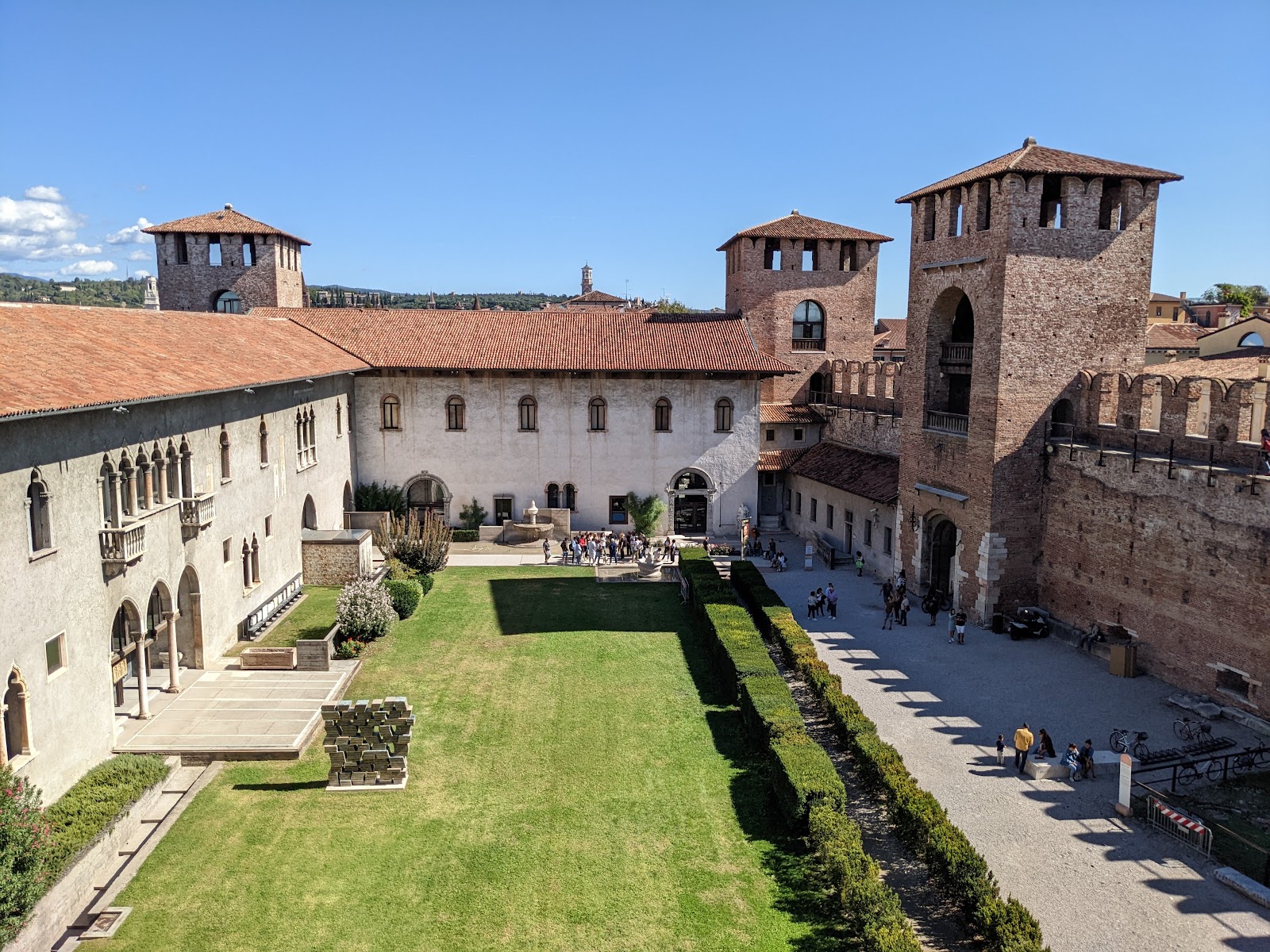
Castelvecchio
Built 1354–1356 as symbol of Scaligeri power; now the city's most important museum with medieval, Renaissance and modern art collections.
Scaliger Tombs (Arche Scaligere)
Gothic funerary monuments built for the della Scala family (13th–14th centuries); feature intricate canopies, iron grilles and mounted knight statues near Piazza dei Signori.
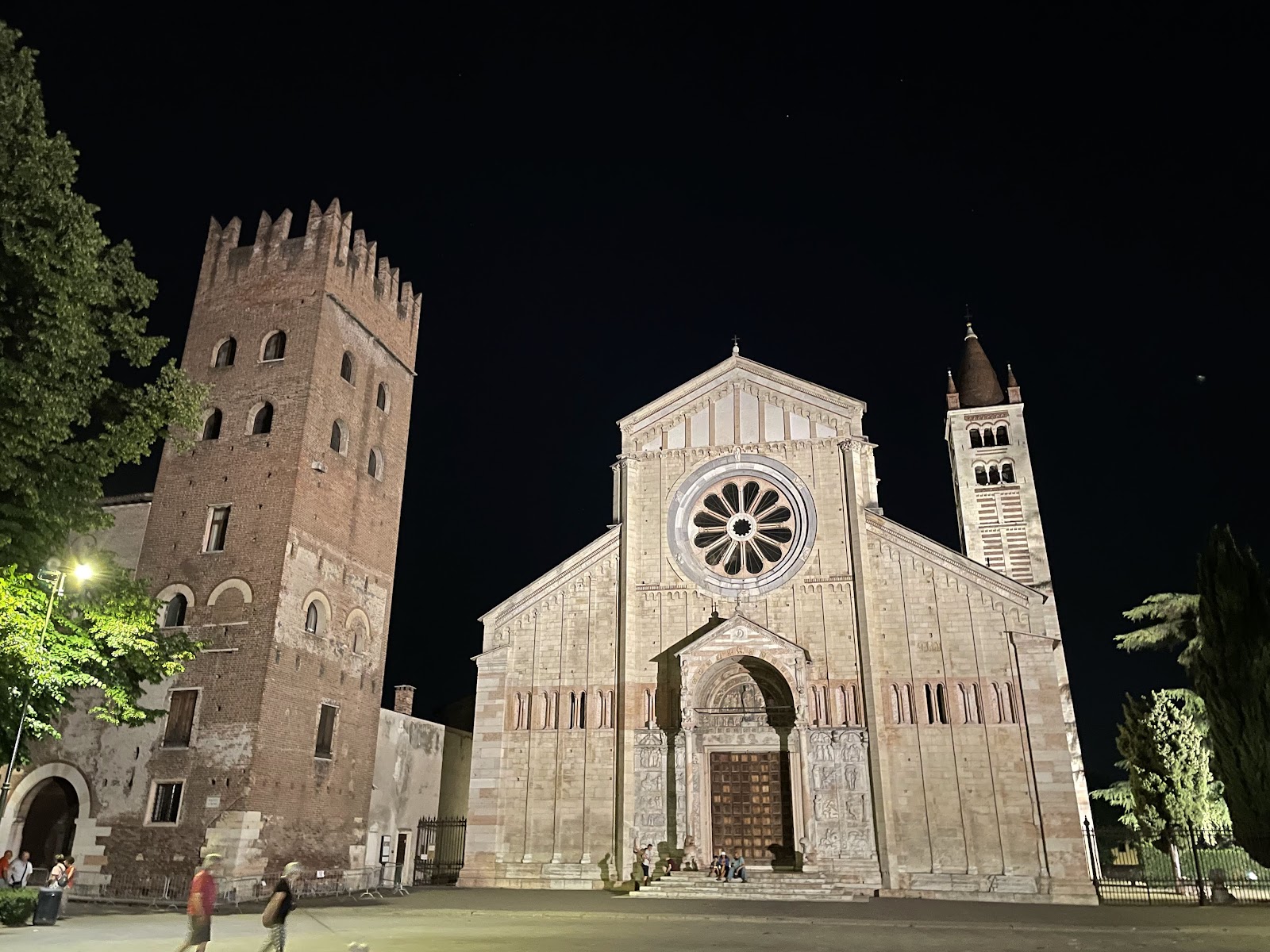
San Zeno Maggiore
Romanesque church originally 5th century, rebuilt 1117–1227; features brick and marble façade and celebrated marble porch.
Sant'Anastasia
Largest church in Verona; construction started around 1290 and took two centuries except for the unfinished façade.
San Fermo Maggiore
Two overlapping churches from different periods: lower part Romanesque (11th–12th centuries), upper part Gothic (14th century).
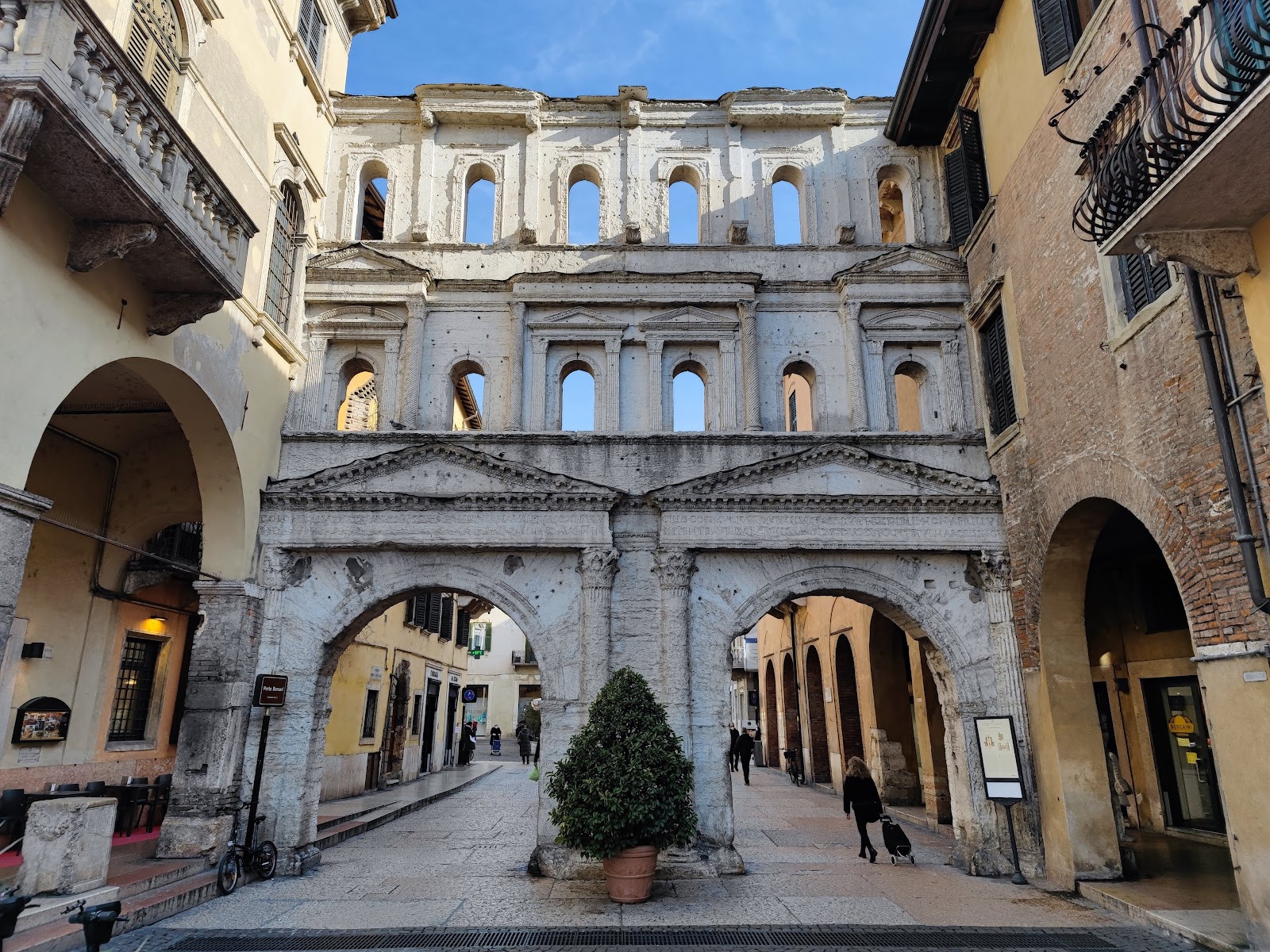
Porta Borsari
Roman city gate; surviving remains from the Roman era.
Arco dei Gavi
Massive white-marble arch from first century AD; dismantled by the French and reassembled in 1932.
Verona Cathedral (Cattedrale di Santa Maria Matricolare)
Rebuilt in Romanesque style after 1117 earthquake; renovated during the Renaissance.
Biblioteca Capitolare
Oldest library still in use in the world; visited by Dante and Petrarch.
Castel San Pietro
Forecourt with panoramic terrace overlooking the city; accessible by staircase or early 20th-century funicular.
Practical

Plan your visit

On the map

When to go

Summers are hot and humid — ideal for the opera season but demanding by midday; spring and autumn are milder and better for walking the streets at length. Winters are cold and occasionally foggy, but the city empties of tourists and the monuments are yours.

Right now

☀️
24°C
Clear
Sat
35°
23°
Sun
⛈️
33°
22°
Mon
⛈️
29°
21°
Tue
27°
20°
Weather data: Open-Meteo

Background & history adapted from Wikipedia (CC BY-SA) · specs from Wikidata (CC0) · weather from Open-Meteo · map data © OpenStreetMap contributors · photos from Wikimedia Commons / Unsplash with per-image credit. No third-party reviews or social posts reproduced.

Top