
Asolo
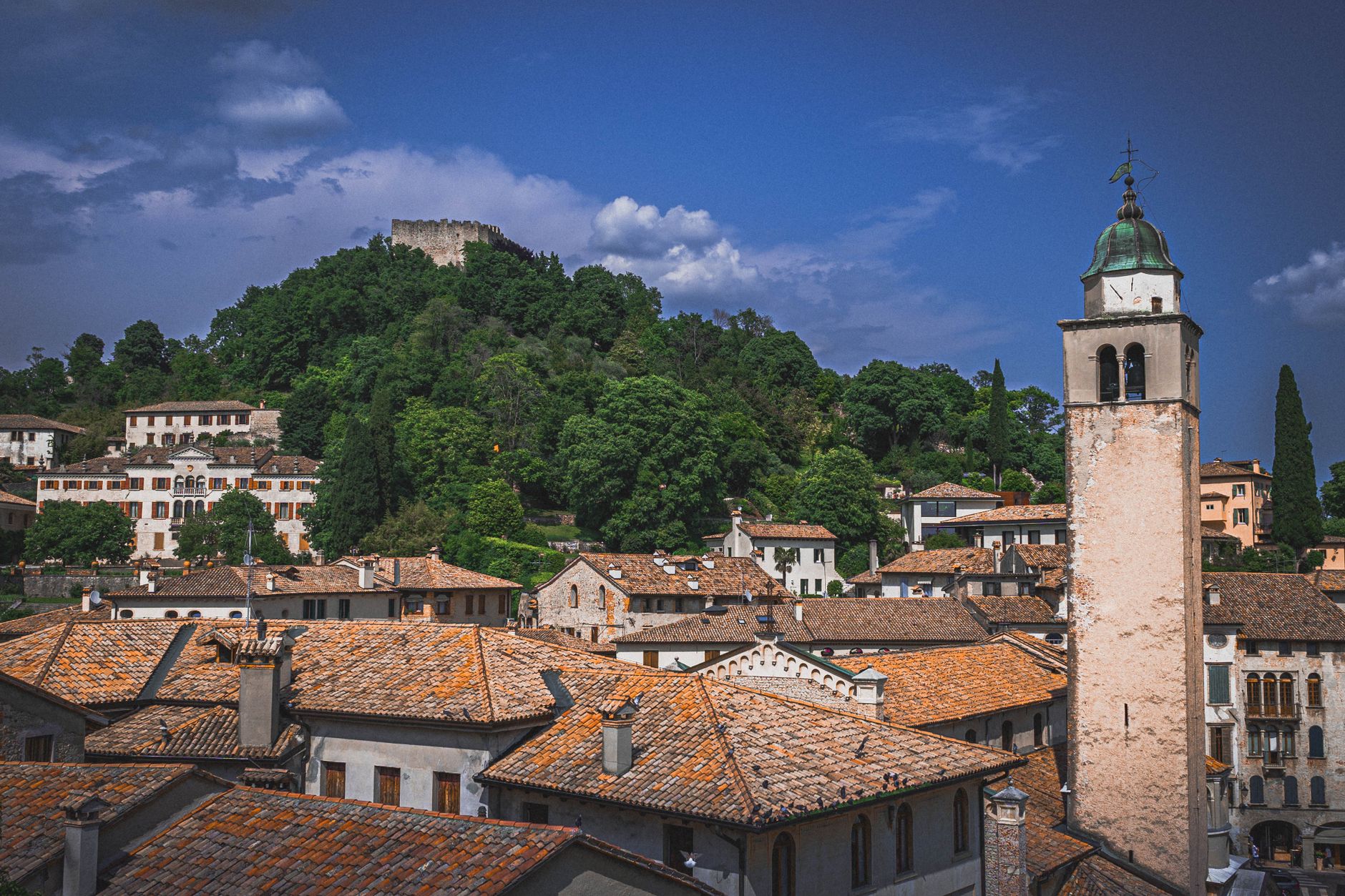
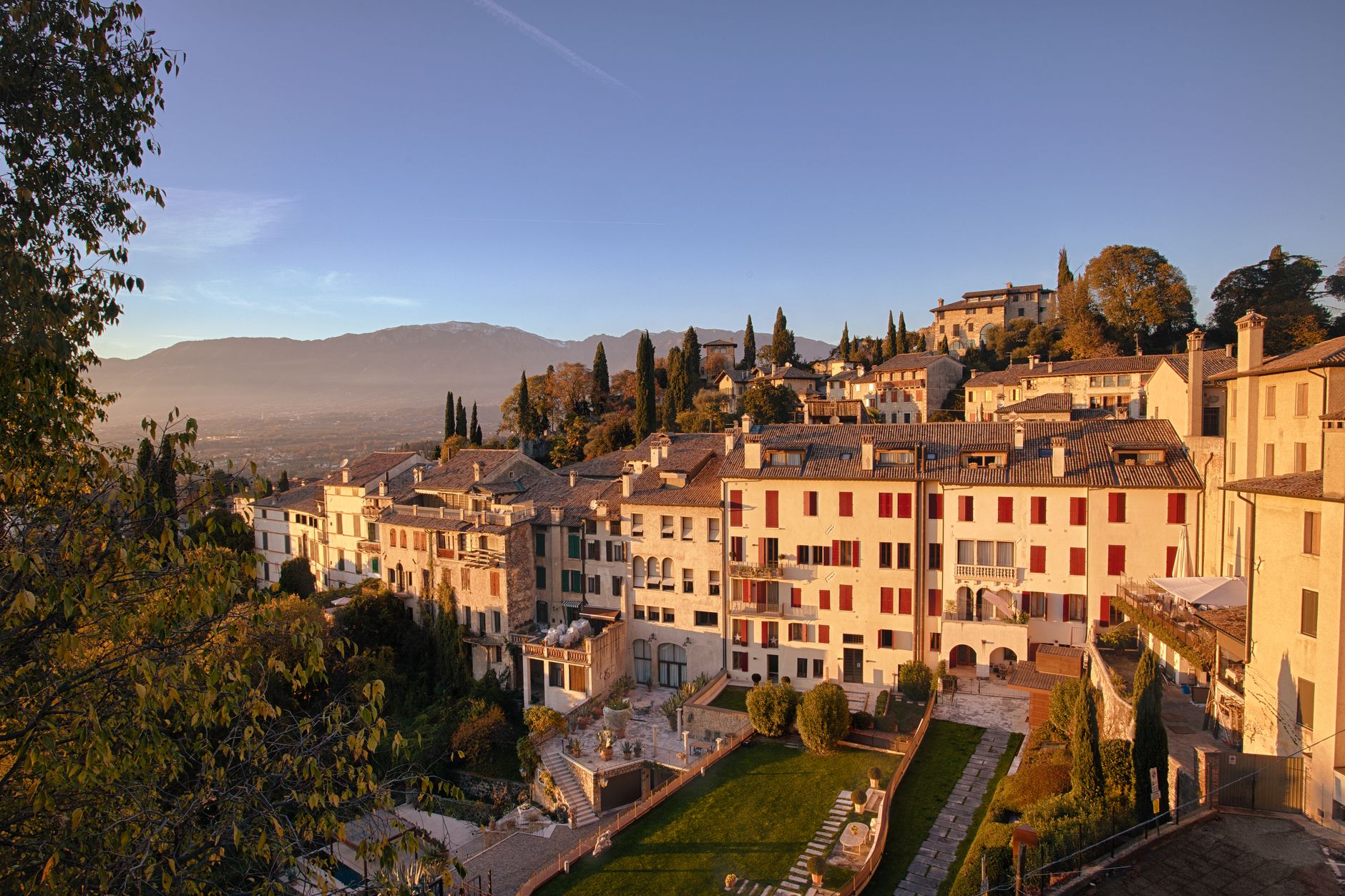
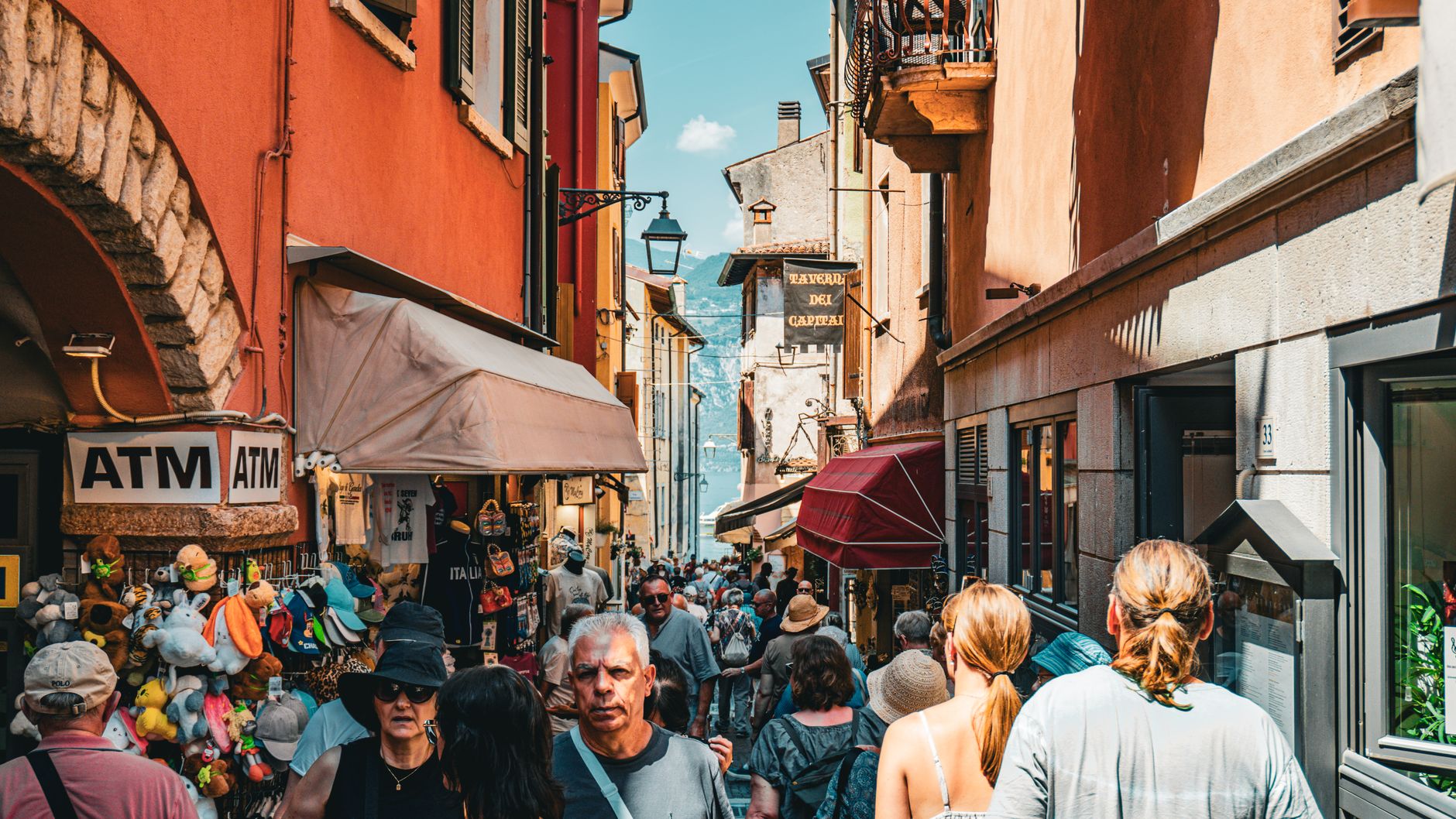
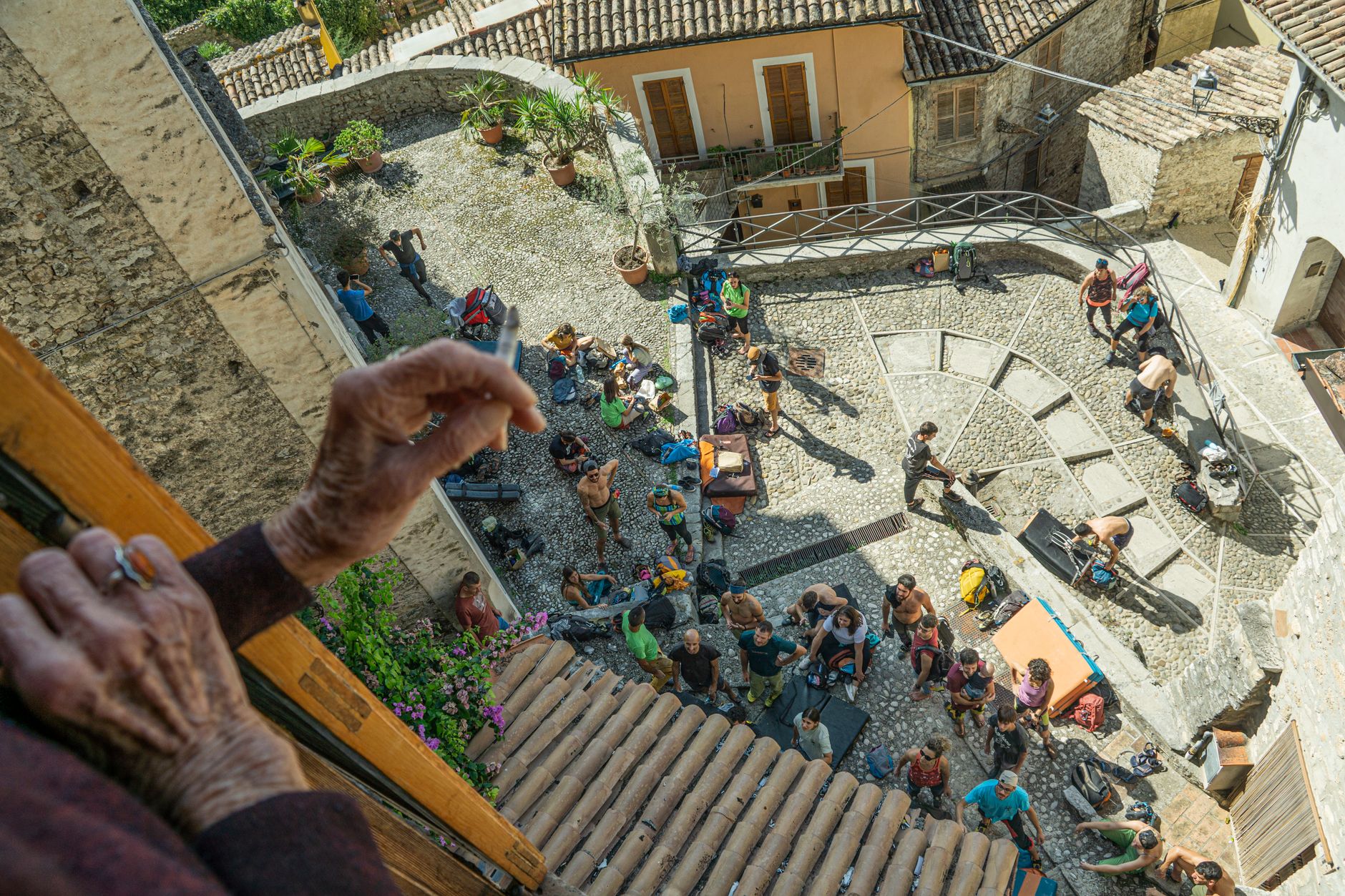
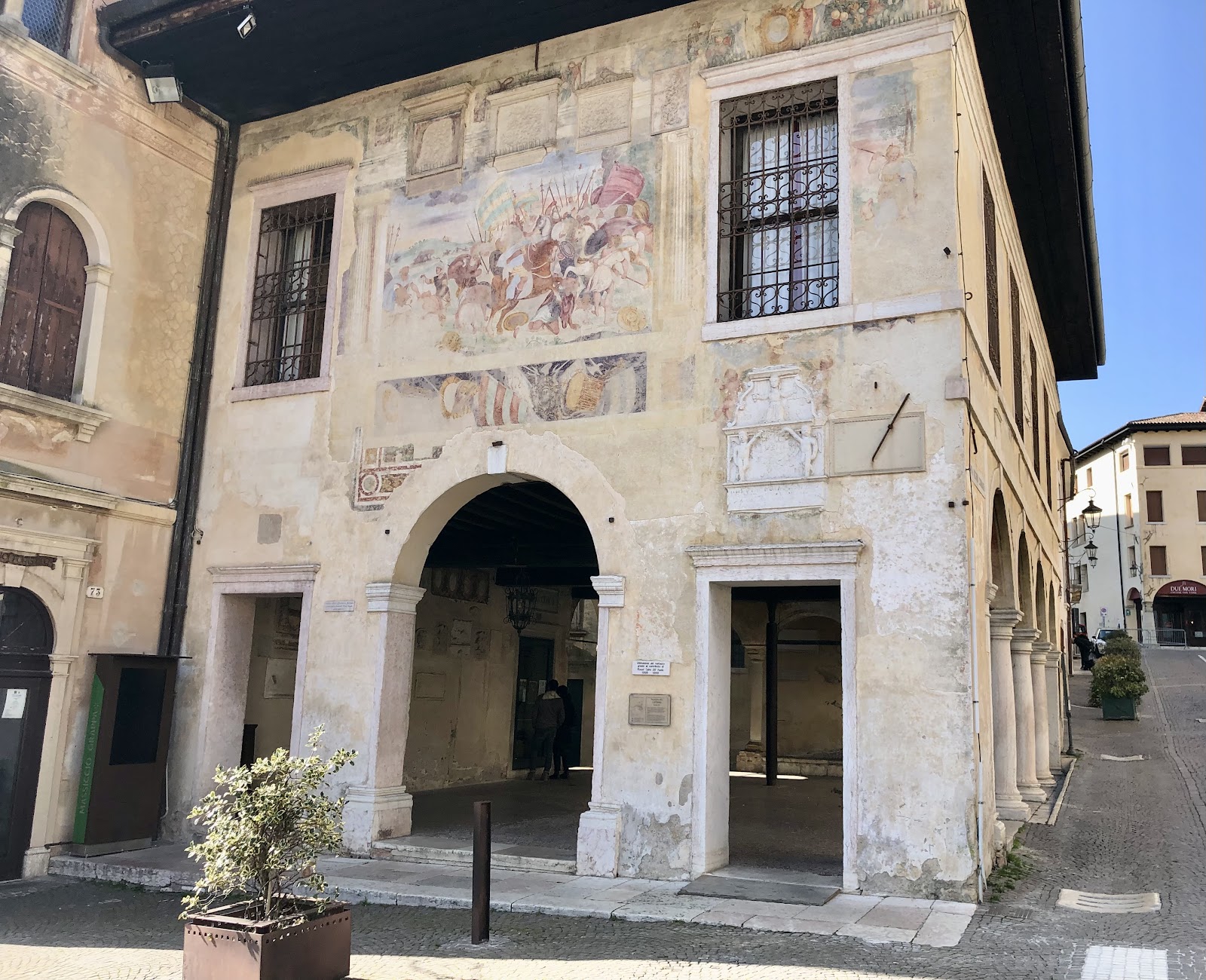
Stand at the Fontana Maggiore in Piazza Garibaldi and you are standing at the centre of a town that has been drawing people into retreat for five centuries. Asolo sits on a hill in the Treviso foothills, small enough to walk end to end in twenty minutes, its medieval lanes lined with faded frescoes and the occasional cat on a warm stone sill.
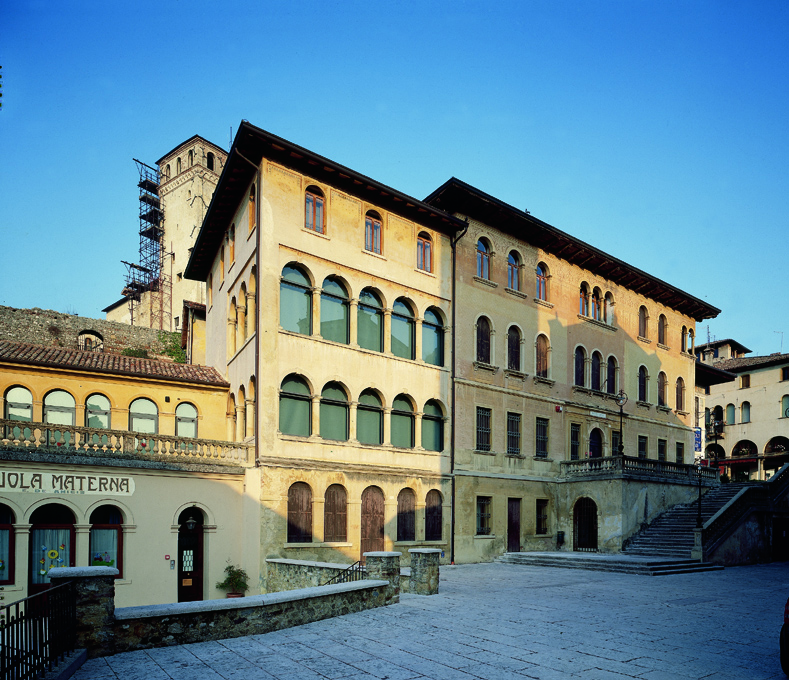
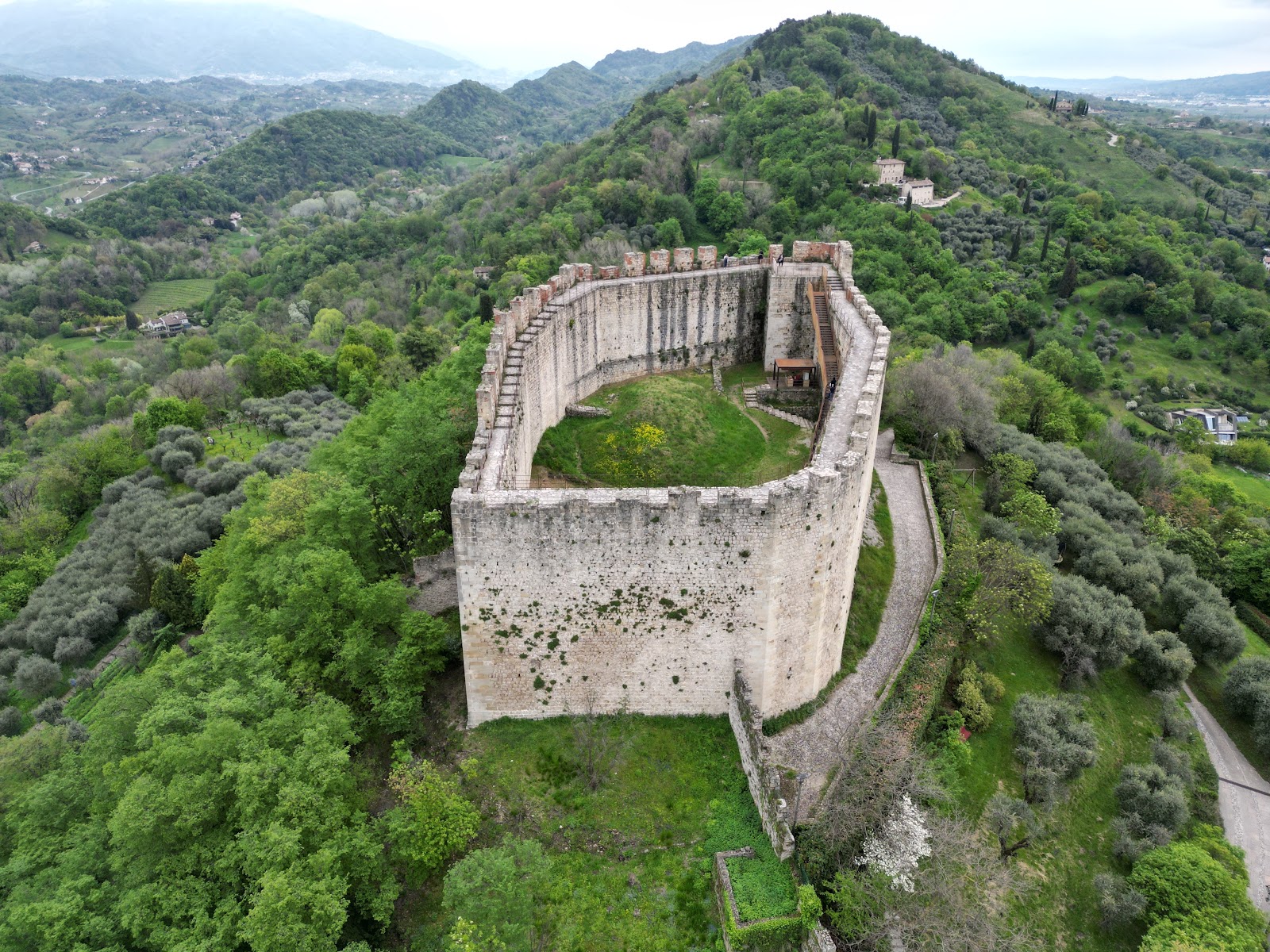
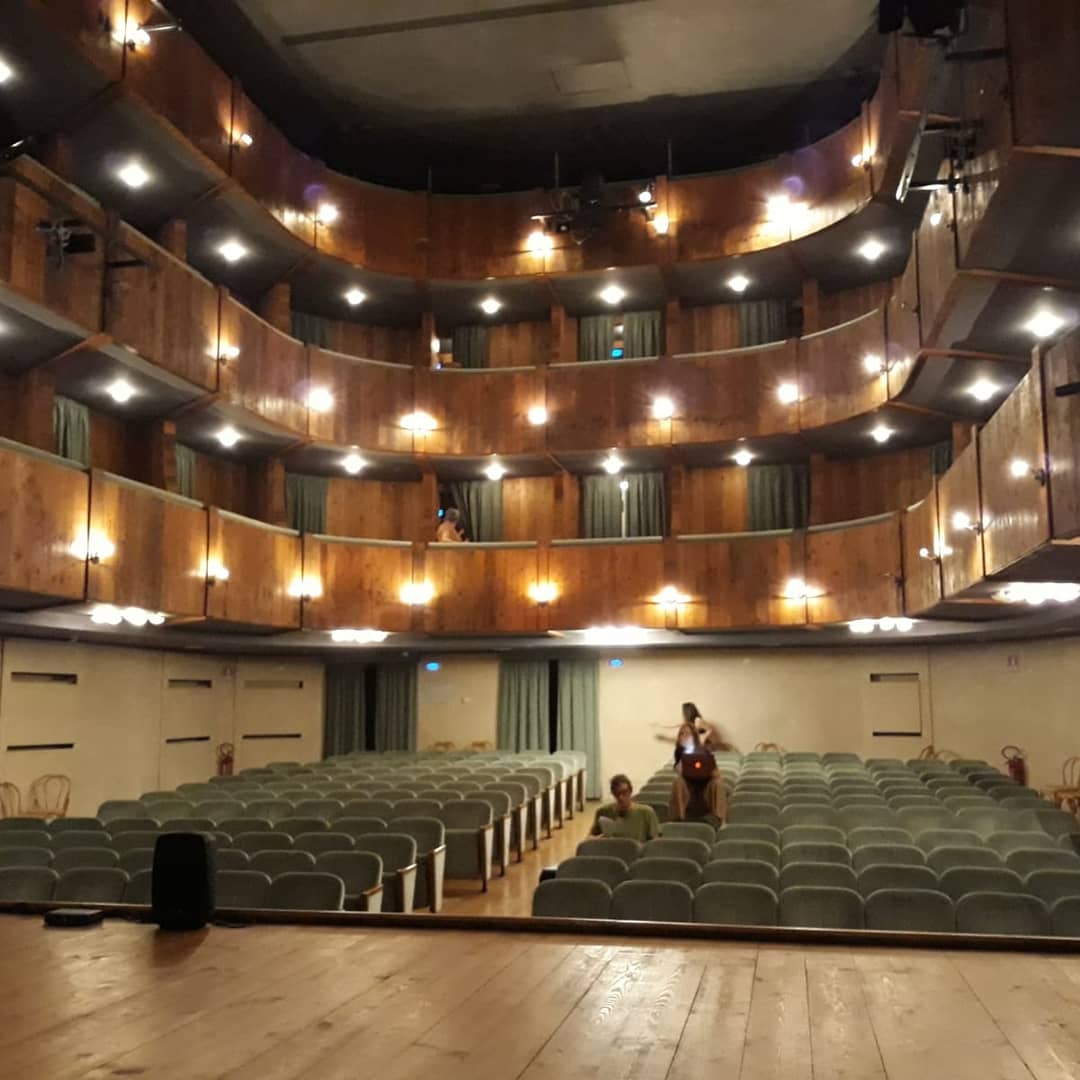
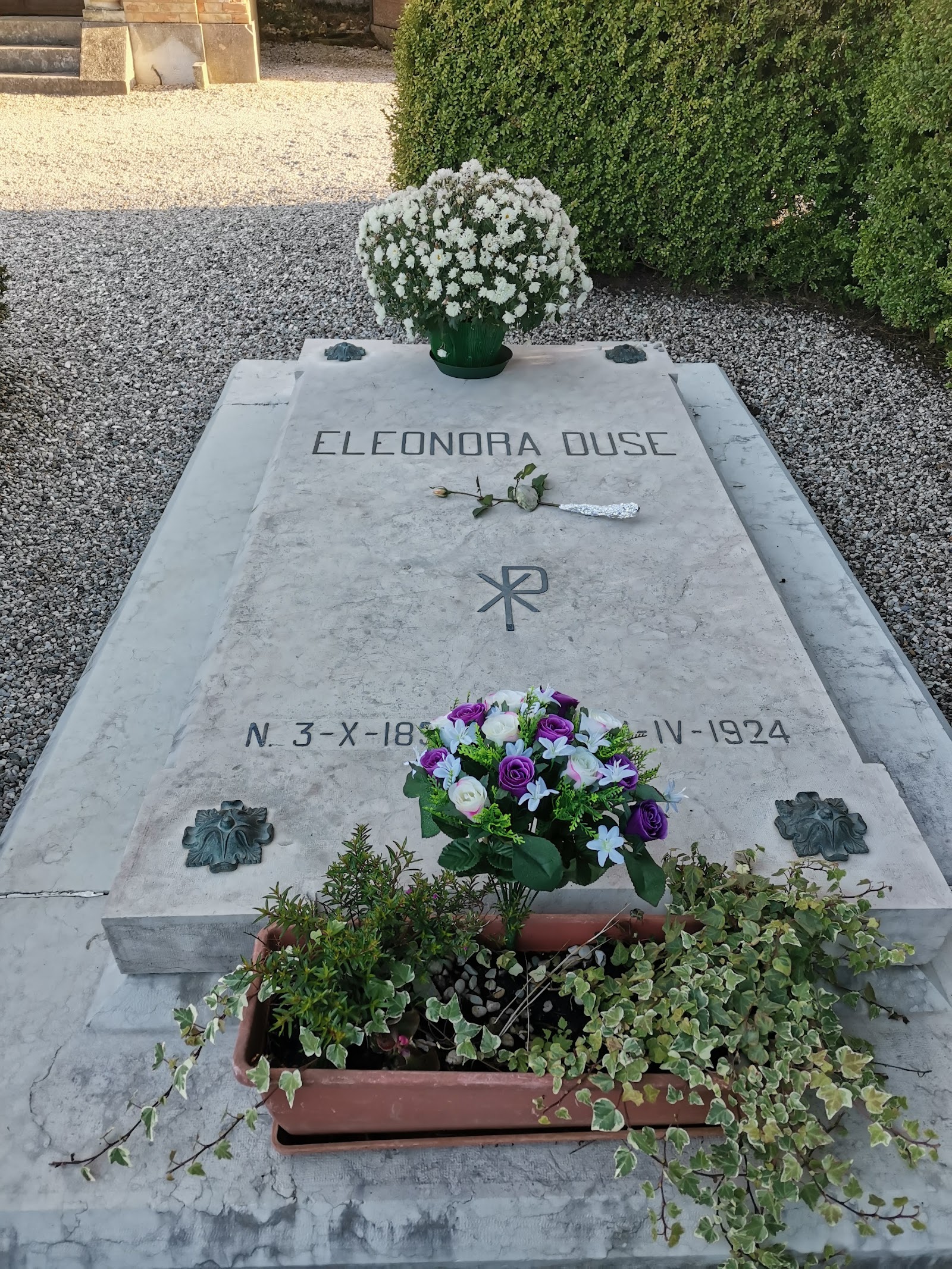
The list of people who came here and stayed — a queen in exile, an English poet, a stage actress, an Arabian explorer — is too specific to be coincidence. Something about the scale and the light kept them. The Rocca watches from Monte Ricco above; the Castello della Regina Cornaro anchors the lower town. The rest you find on foot.
💛 What travellers fall for
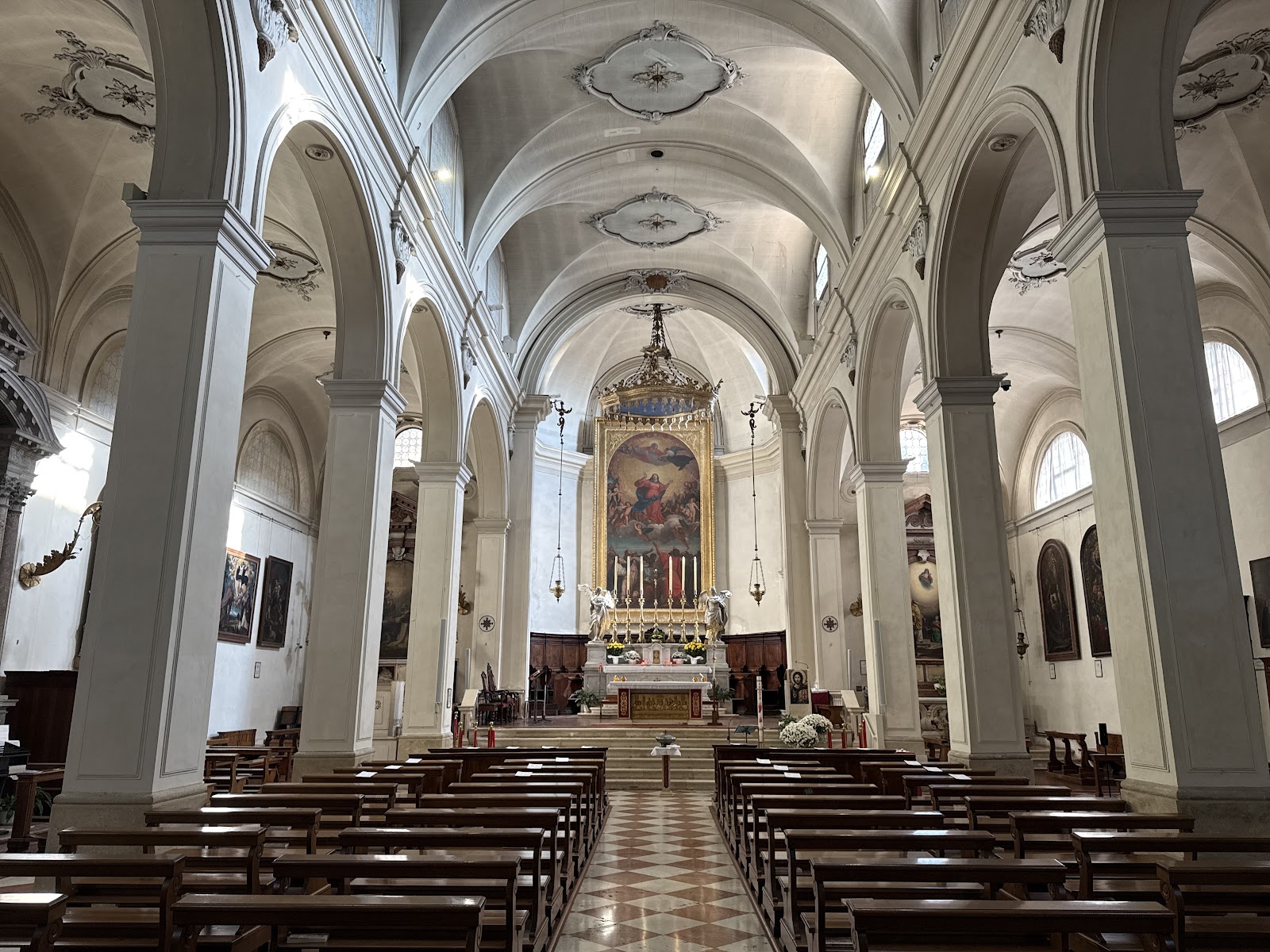
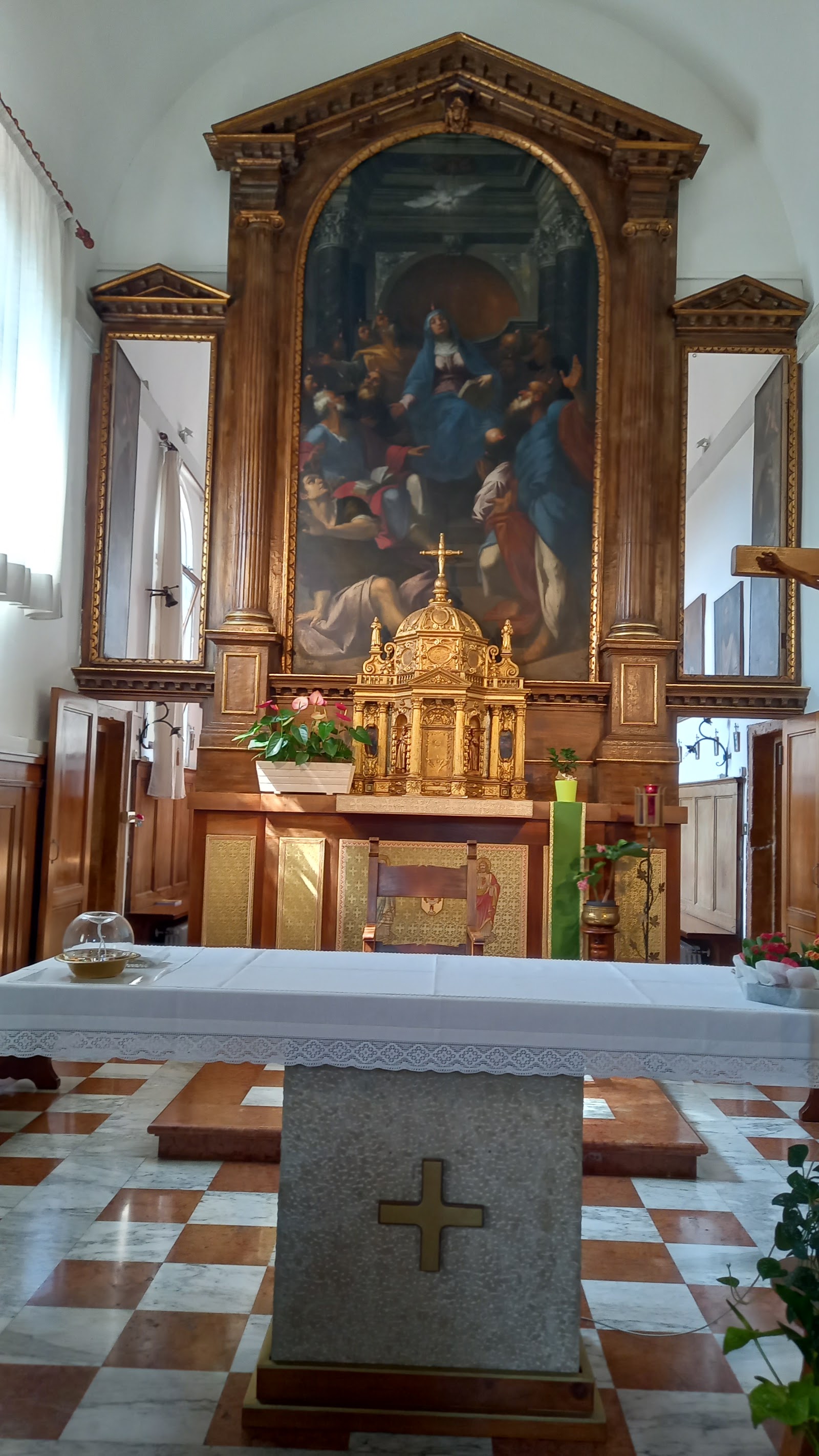
People who come back tend to time it for a Saturday morning market in Piazza Garibaldi, then climb to the Rocca before the coaches arrive. The Lorenzo Lotto altarpiece in Santa Maria Assunta rewards a second look — most visitors walk past it. The Stanza di Freya in the Museo Civico is smaller than you expect and better than you'd think.
Experiences you don't want to miss



Deals in Asolo
Book directly at the providerHow Asolo came to be
Pliny the Elder mentioned the settlement as Acelum in 77 CE, and the Veneti were here before the Romans. The name Asolo appears in records of a synod around 827, and by 969 Emperor Otto I had folded its diocese into Treviso's — a quiet administrative absorption that kept the town out of the larger chronicles for centuries.
Asolo's defining chapter came in 1489, when Caterina Cornaro, queen of Cyprus, was manoeuvred by Venice into surrendering her kingdom and given Asolo as a consolation. She turned the Castello into a Renaissance court. Pietro Bembo set his dialogues on transcendent love, Gli Asolani — dedicated to Lucrezia Borgia — at her table. After Caterina died in 1510, the town never quite forgot what it had briefly been, and that memory became its own kind of attraction.
Who and what shaped it
People who shaped it
Landmark buildings
See Asolo in motion
Plan your visit
On the map
When to go
Summers are warm and occasionally humid, with the hills offering some relief from the Veneto plain. Spring and October bring clear skies and manageable crowds; winter is cold and quiet, with morning mist sitting in the valleys below the town.
Right now
↡ Attractions


Background & history adapted from Wikipedia (CC BY-SA) · specs from Wikidata (CC0) · weather from Open-Meteo · map data © OpenStreetMap contributors · photos from Wikimedia Commons / Unsplash with per-image credit. No third-party reviews or social posts reproduced.