
Treviso
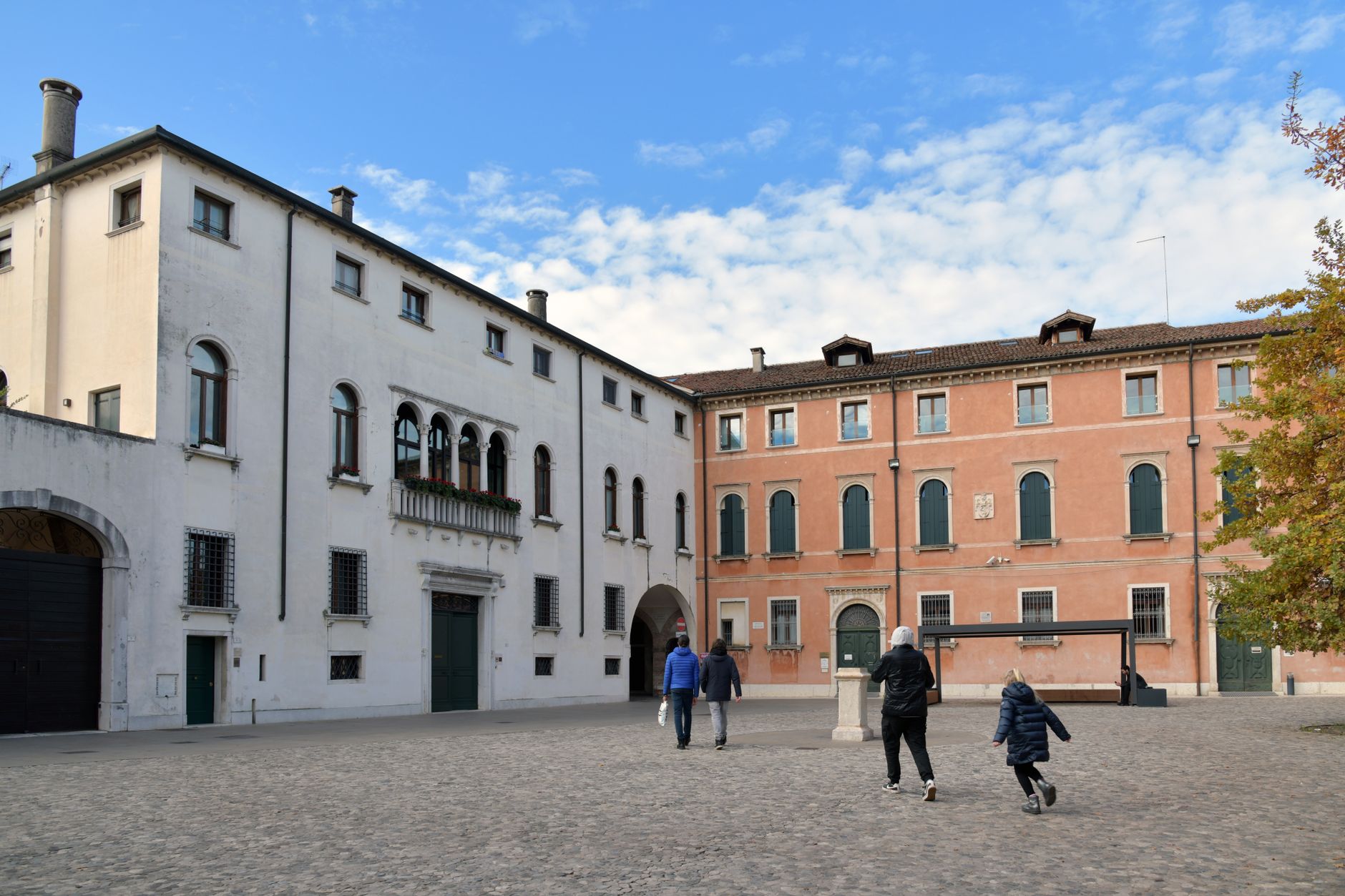
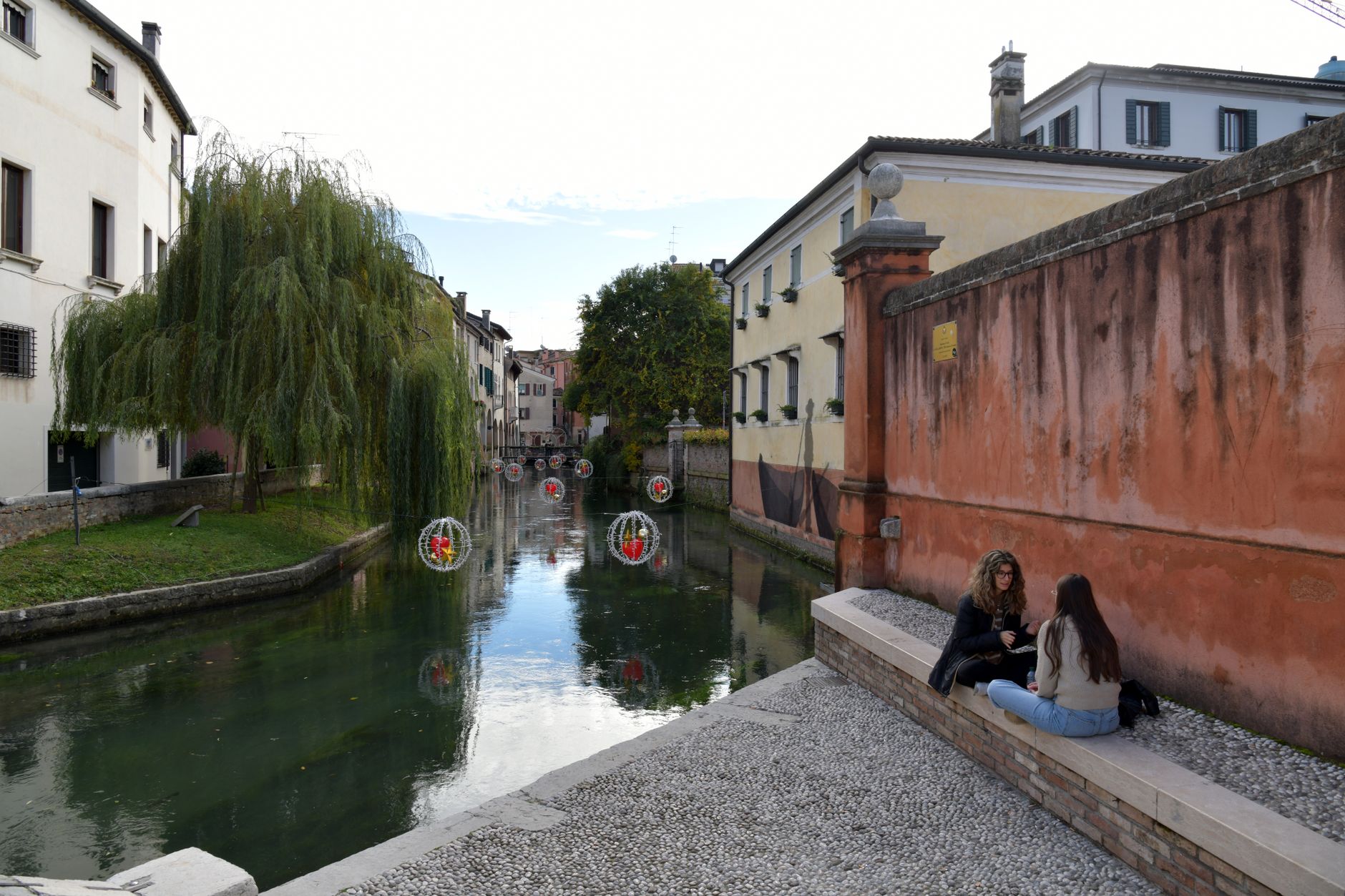
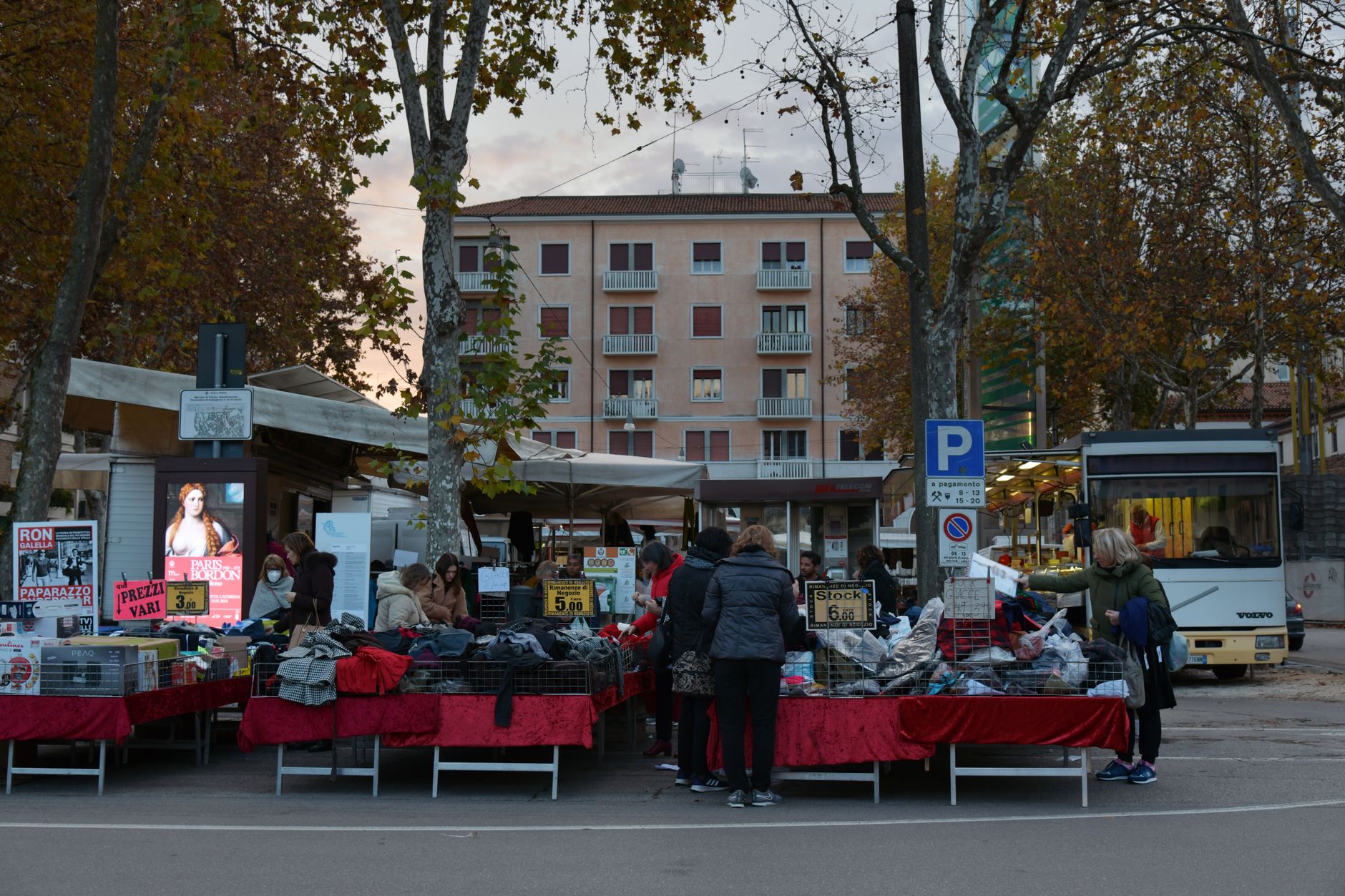
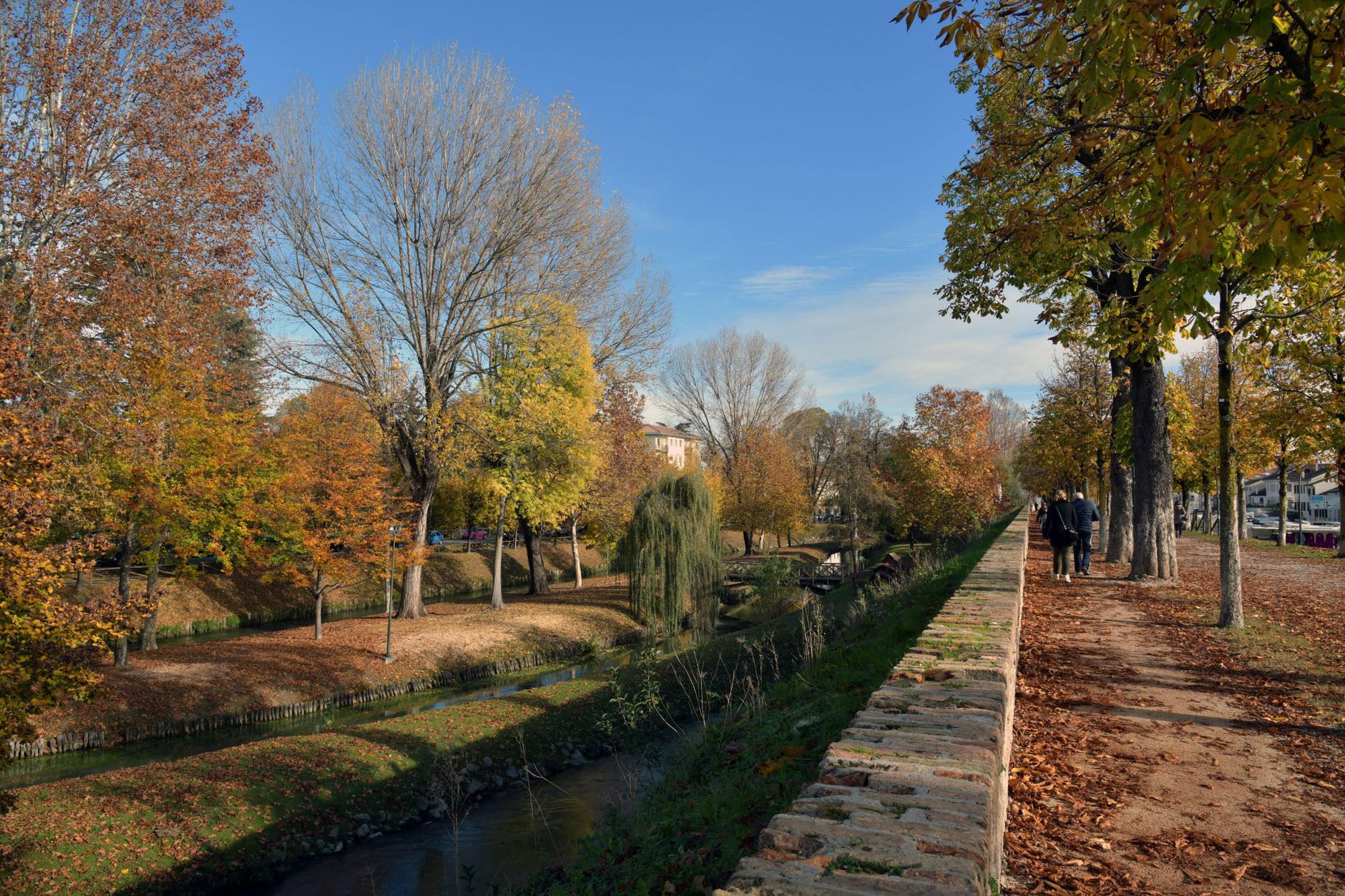
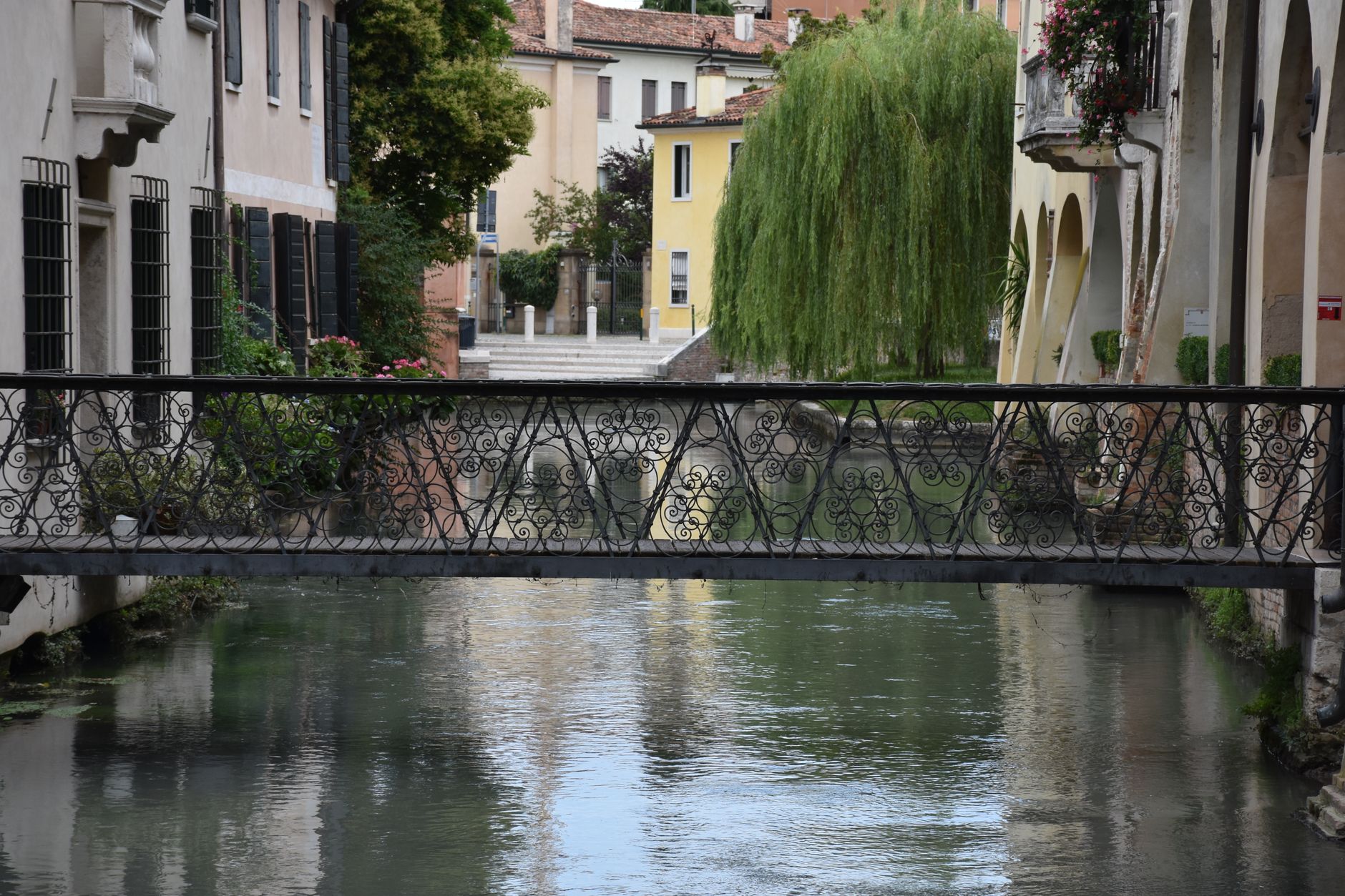
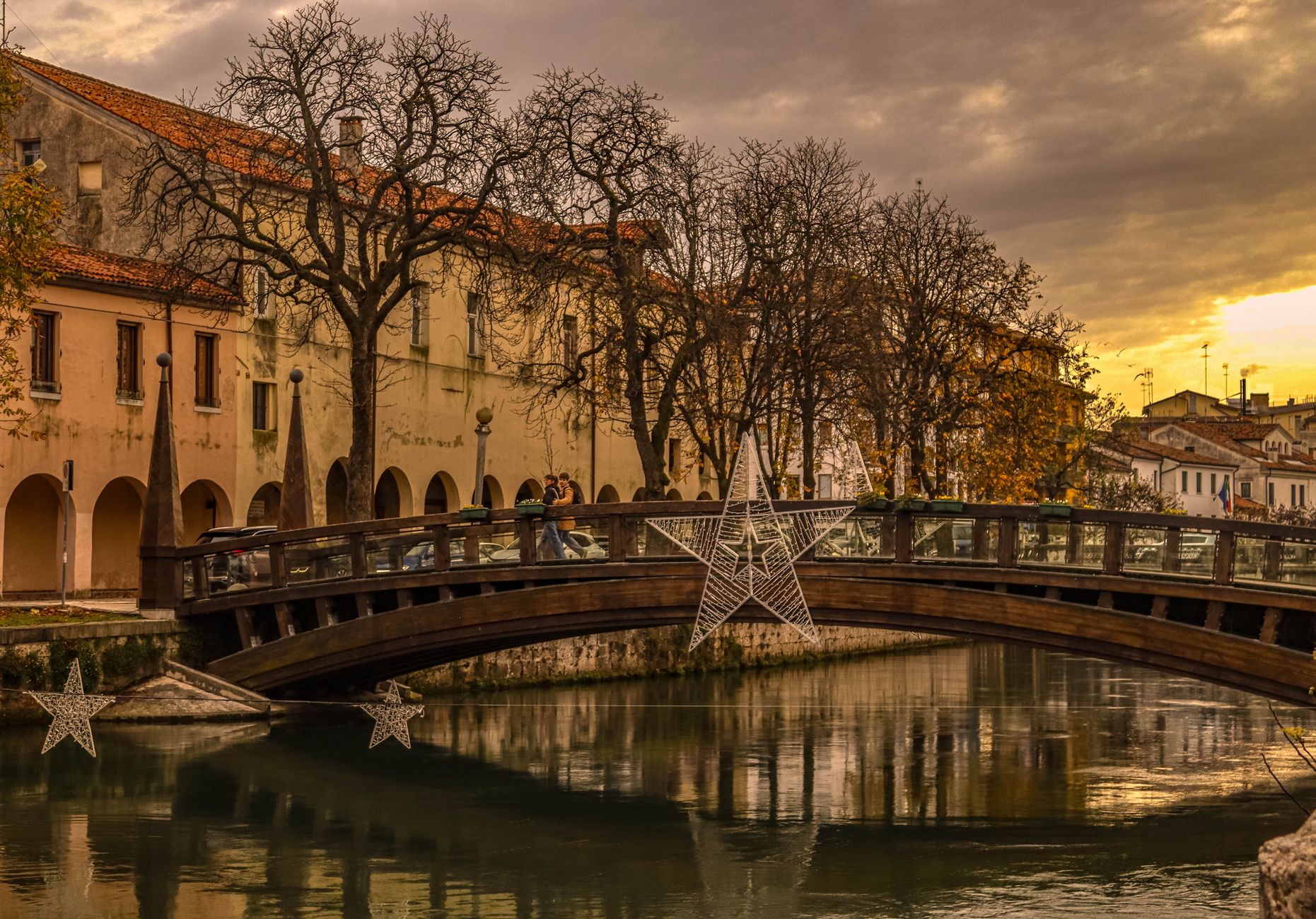
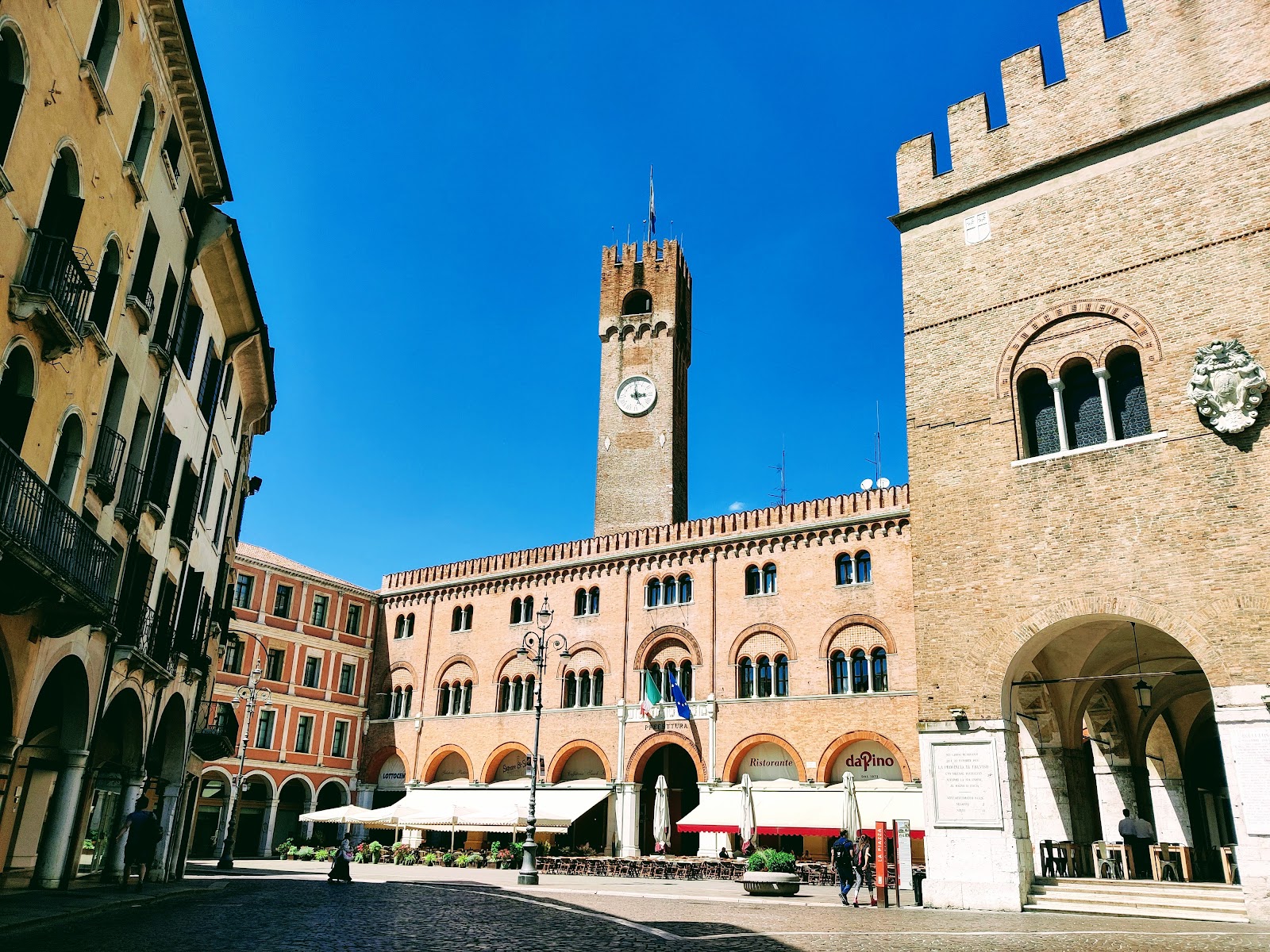
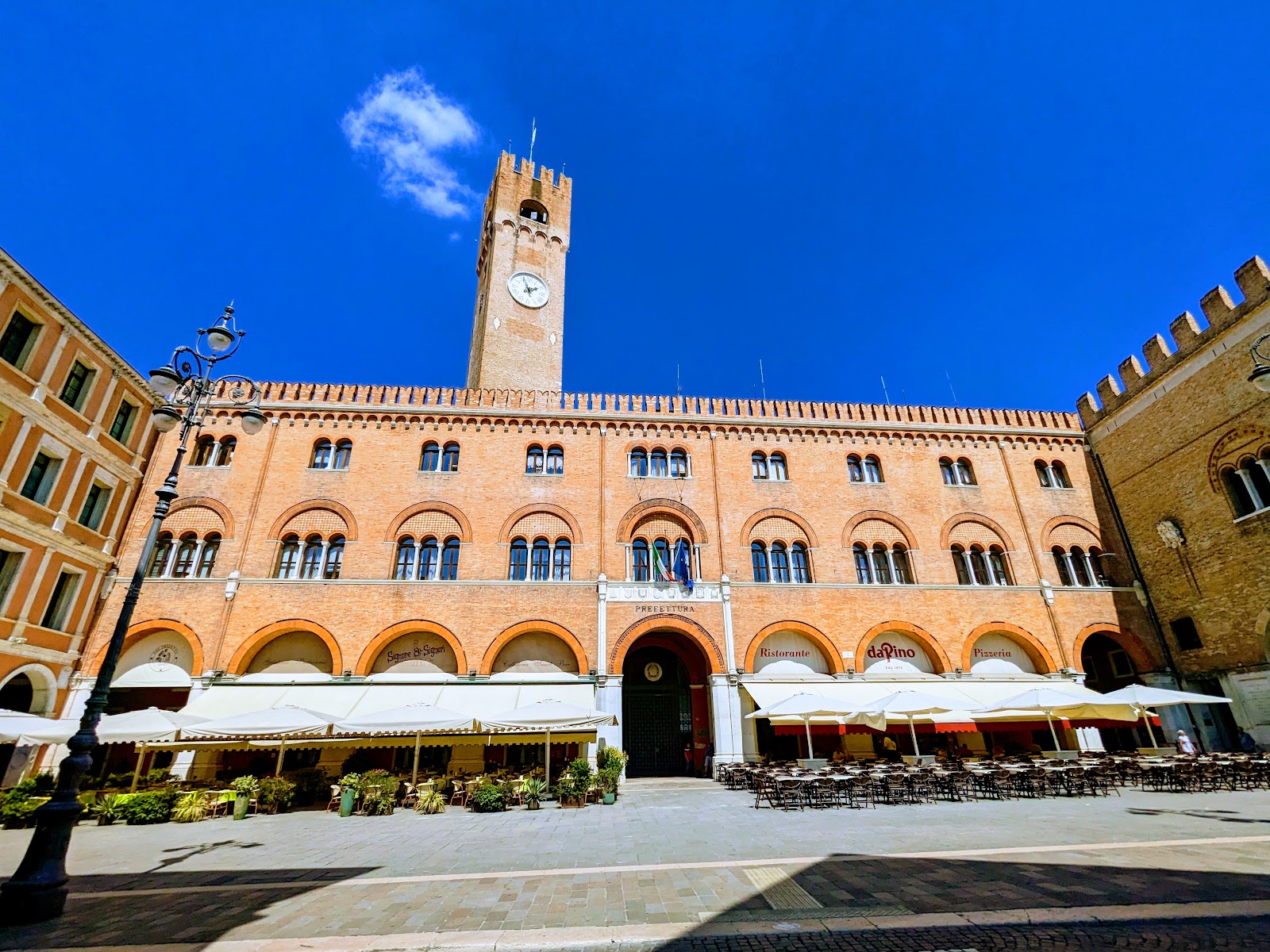
Treviso has canals, but nobody is here for canals. They're here because the city still works — market stalls along the Cagnan, a medieval arcade where the Loggia dei Cavalieri once admitted only knights, a cathedral holding Titian and Pordenone behind a door that opens without ceremony. The walls that ring the historic center date to Venetian rule and run close to three kilometers of largely intact brick, and people jog them on weekday mornings.
This is a city that arrived at Venice's orbit in 1339 and never quite left — the Serenissima's first significant mainland possession, loyal for more than four centuries. That long attachment left its mark in the architecture, the rhythms, and a certain unhurried confidence about the place.
💛 What travellers fall for
People who come back tend to find their way to the Church of San Francesco early, before the light shifts — partly for the Tommaso da Modena frescoes, partly because Petrarch's daughter Francesca and Dante's son Pietro are buried there, and somehow nobody makes a fuss about it. The Ponte Dante is worth the short detour; Dante himself referenced this spot in the Paradiso.
Experiences you don't want to miss


Deals in Treviso
Book directly at the provider
How Treviso came to be
Treviso started as the Celtic Tarvisium, became a Roman municipium around 46 BCE, and by 396 AD had a bishop's seat. It passed through Byzantine, then Lombard hands — the Lombards made it one of their 36 ducal seats and ran a mint here. Charlemagne folded it into a border march, the Marca Trevigiana, and the city later joined the Lombard League, winning independence after the Peace of Constance in 1183.
The cultural high point came in the 13th century under the da Camino family. The Scaligeri held it briefly from 1328, then Venice acquired it in 1339 — its first notable mainland territory. That loyalty to the Serenissima lasted until Napoleon. Austria followed from 1815 until unification in 1866. Both World Wars cost the city severely: aerial bombardments in the First, and a devastating 1944 bombing in the Second that destroyed buildings and killed thousands.
Who and what shaped it
People who shaped it
Landmark buildings
See Treviso in motion
Plan your visit
On the map
When to go
Summers are warm and occasionally humid, with temperatures climbing into the low 30s Celsius; spring and early autumn are mild and the most comfortable for walking the walls and the centro storico. Winters are cold and sometimes foggy, which suits the canals but requires layers.
Right now
↡ Attractions





Background & history adapted from Wikipedia (CC BY-SA) · specs from Wikidata (CC0) · weather from Open-Meteo · map data © OpenStreetMap contributors · photos from Wikimedia Commons / Unsplash with per-image credit. No third-party reviews or social posts reproduced.