
Belluno
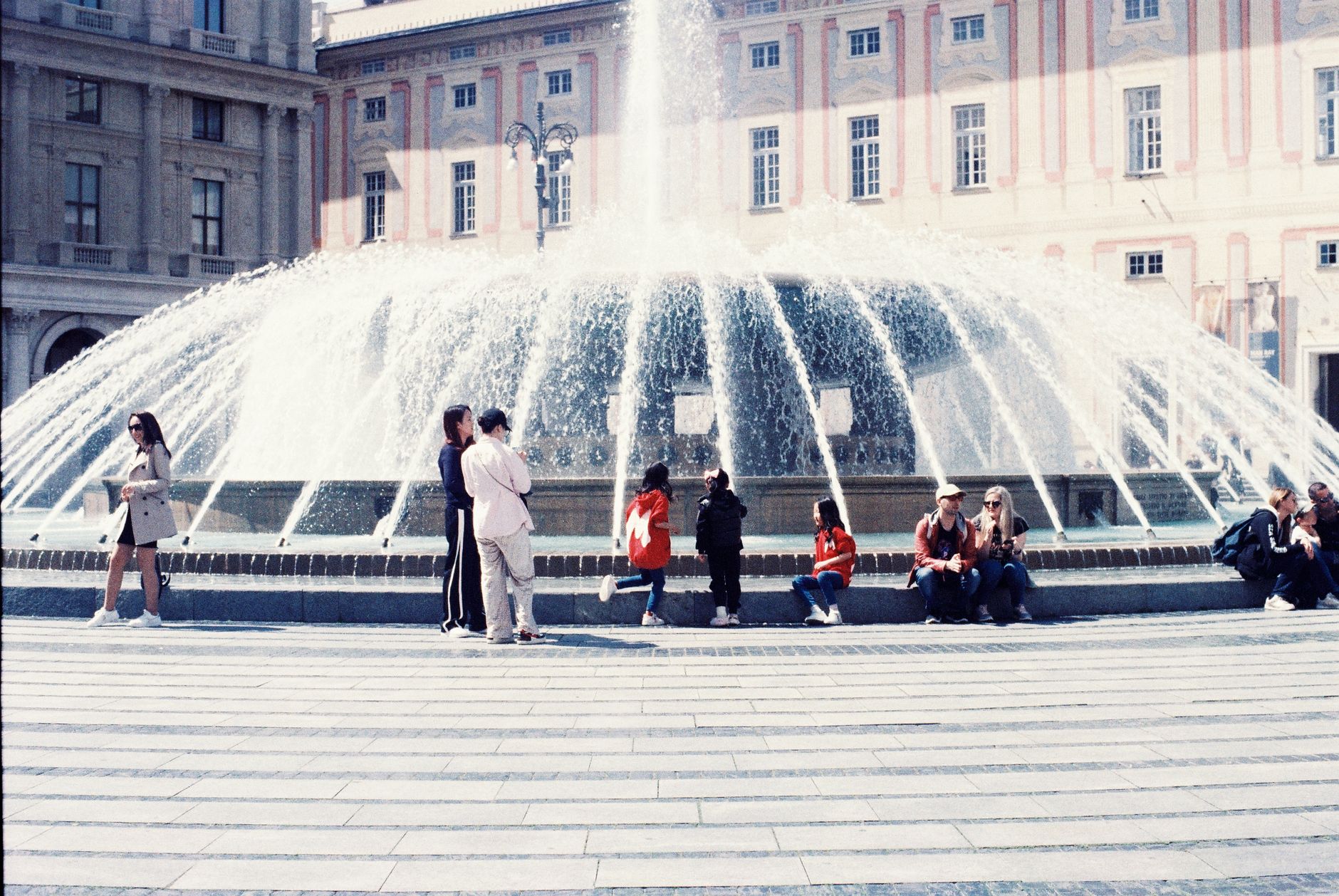
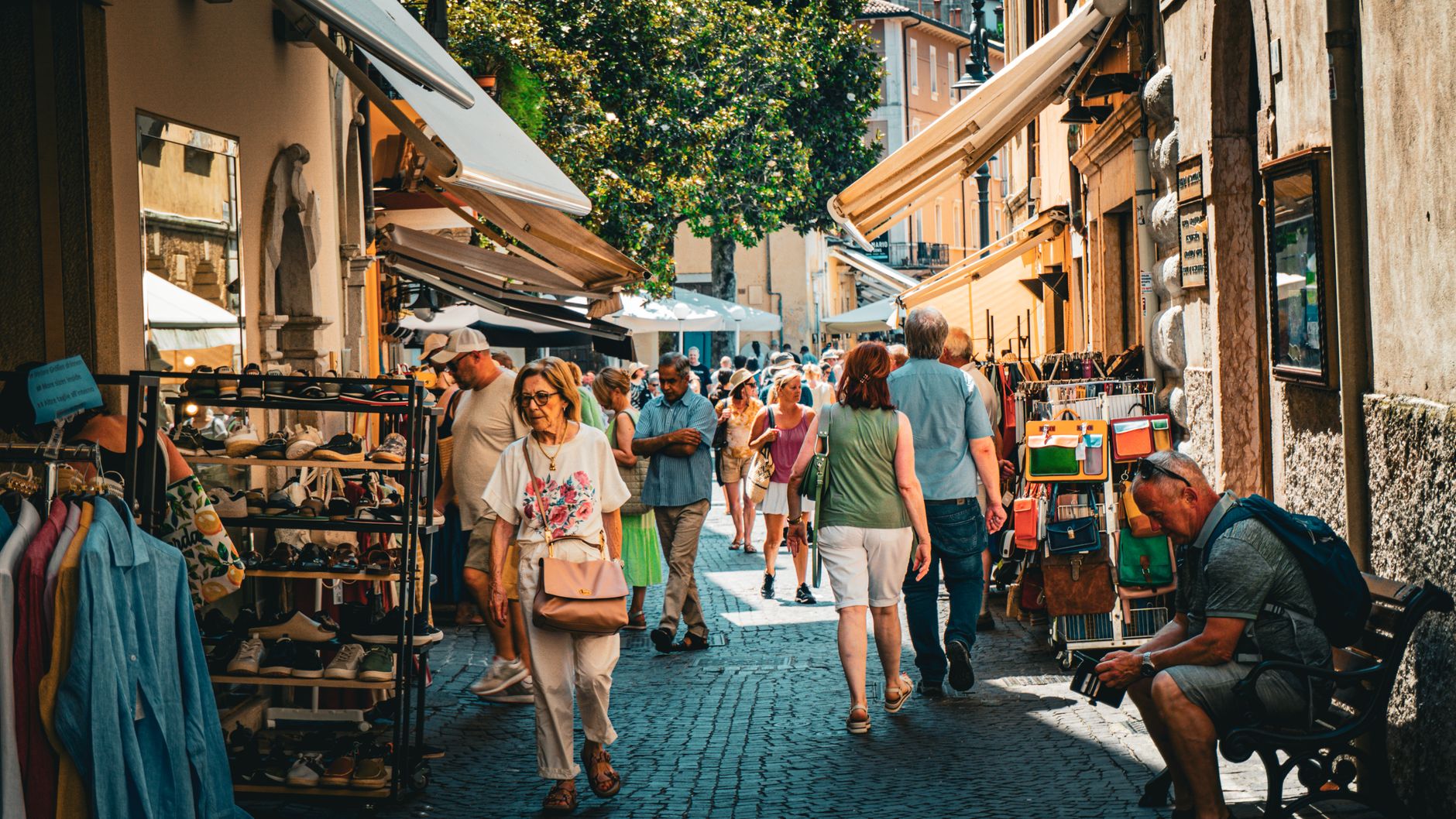
Belluno sits on a spur of rock above the confluence of the Piave and Ardo rivers, with the Dolomites filling the northern sky so completely that they seem almost architectural — a second city above the city. The name comes from the Celtic belo-dunum, shining hill, and on a clear morning the light off the limestone peaks makes that etymology feel less like etymology and more like plain description.
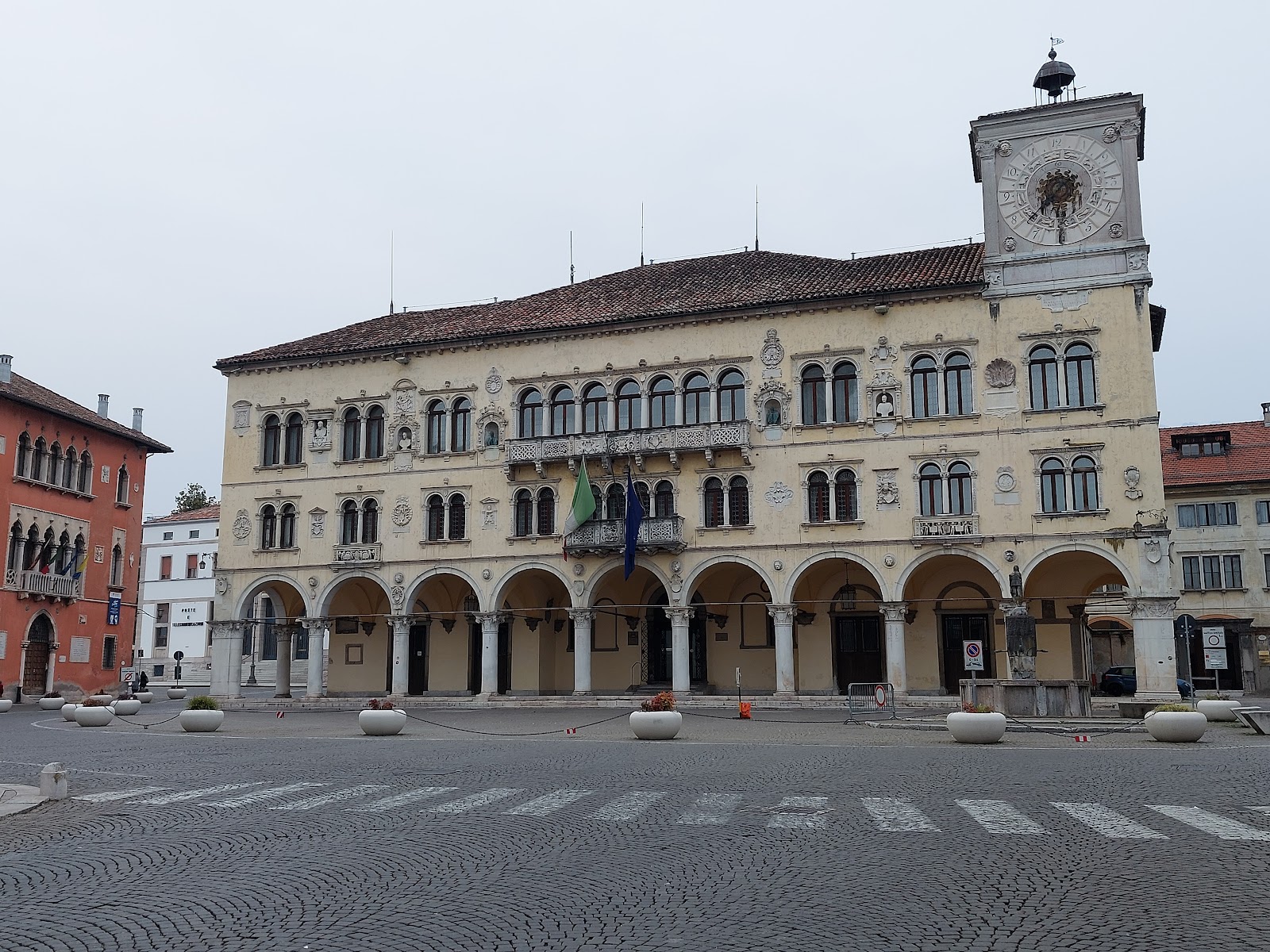
This is a provincial capital that the big tourist circuits largely ignore, which means you get the Palazzo dei Rettori and the Piazza dei Martiri largely to yourself. The bar tabs are reasonable, the passeggiata on the Liston is unhurried, and the mountains are always there, reorienting you every time you glance north.
💛 What travellers fall for
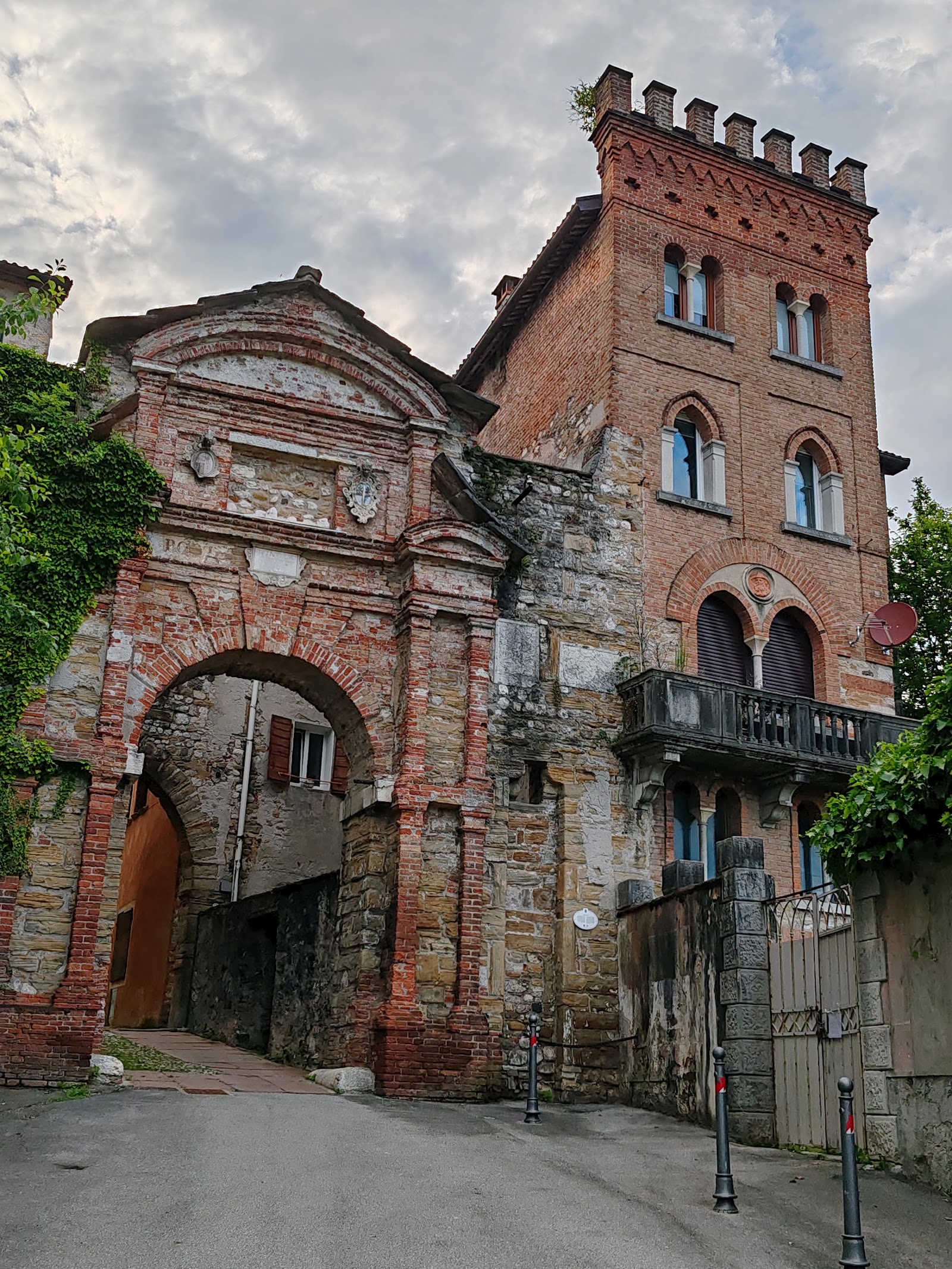
People who come back tend to mention the same few things: the view from Porta Rugo at dusk when the Dolomites go pink, the way Piazza delle Erbe still feels like a market square rather than a stage set, and the fact that Belluno works equally well as a quiet base for Cortina d'Ampezzo or as the destination itself.
Experiences you don't want to miss


Deals in Belluno
Book directly at the provider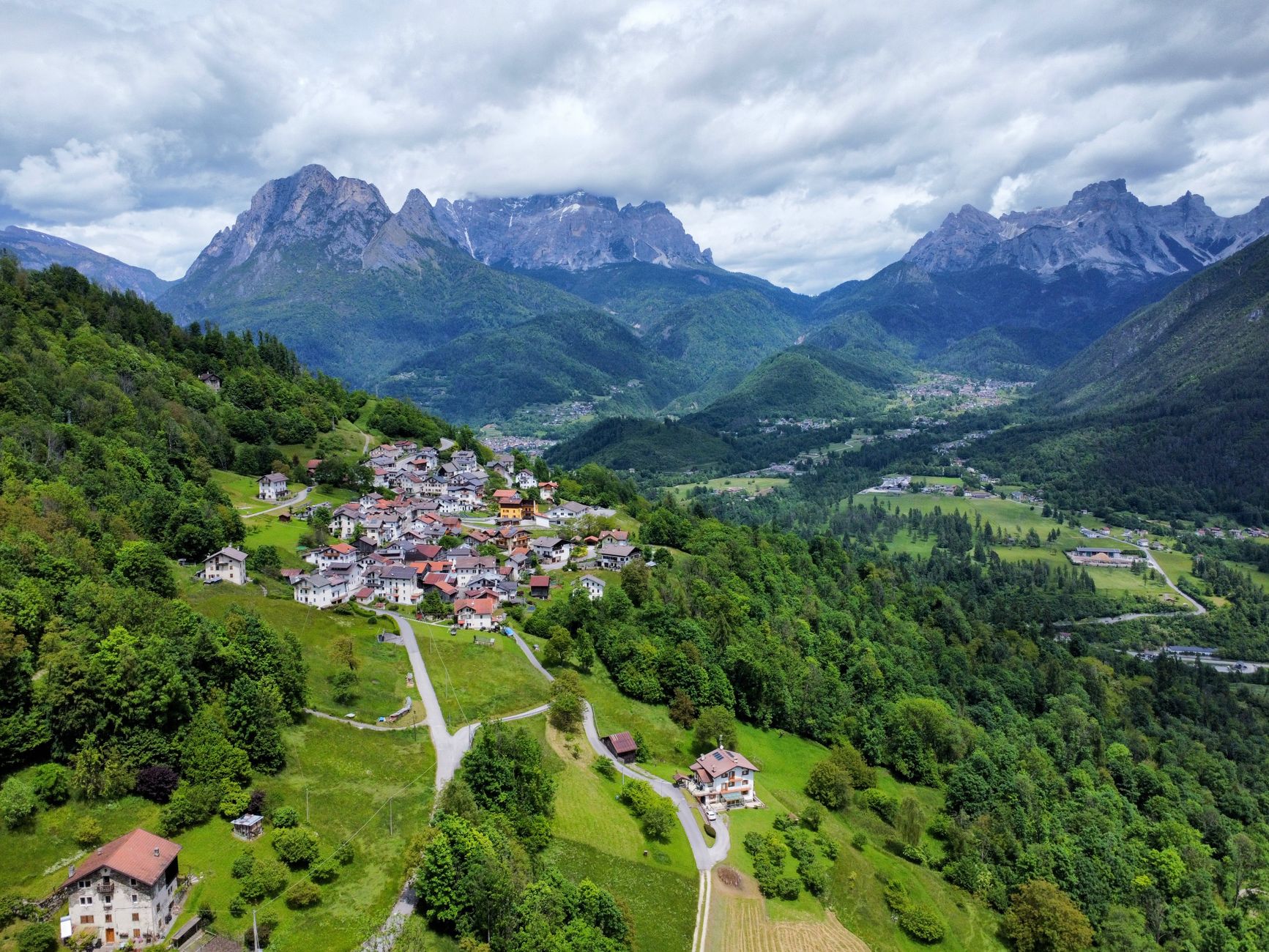


How Belluno came to be
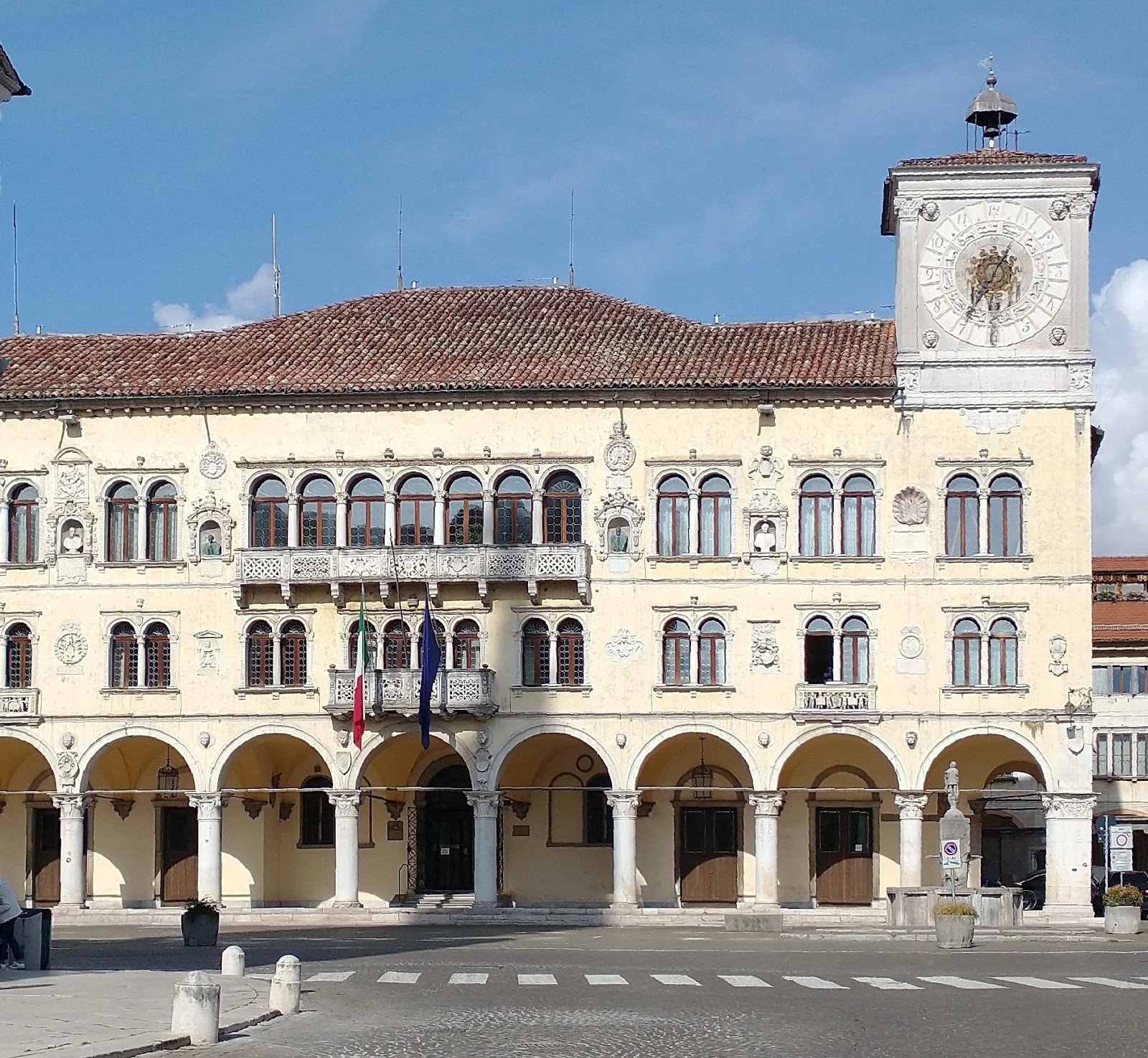
The hill has been inhabited since at least the early Roman period — the people of the area sided with Rome against the Gauls in 225 BC and again during Hannibal's invasion. By the medieval period Belluno passed through the hands of the March of Verona and then the Carraresi lords of Padua before Venice took it in 1404. Nearly four centuries of Venetian rule left the most visible marks: the Palazzo dei Rettori, completed in the early 1500s, served as the seat of the republic's governors for almost all of that time.
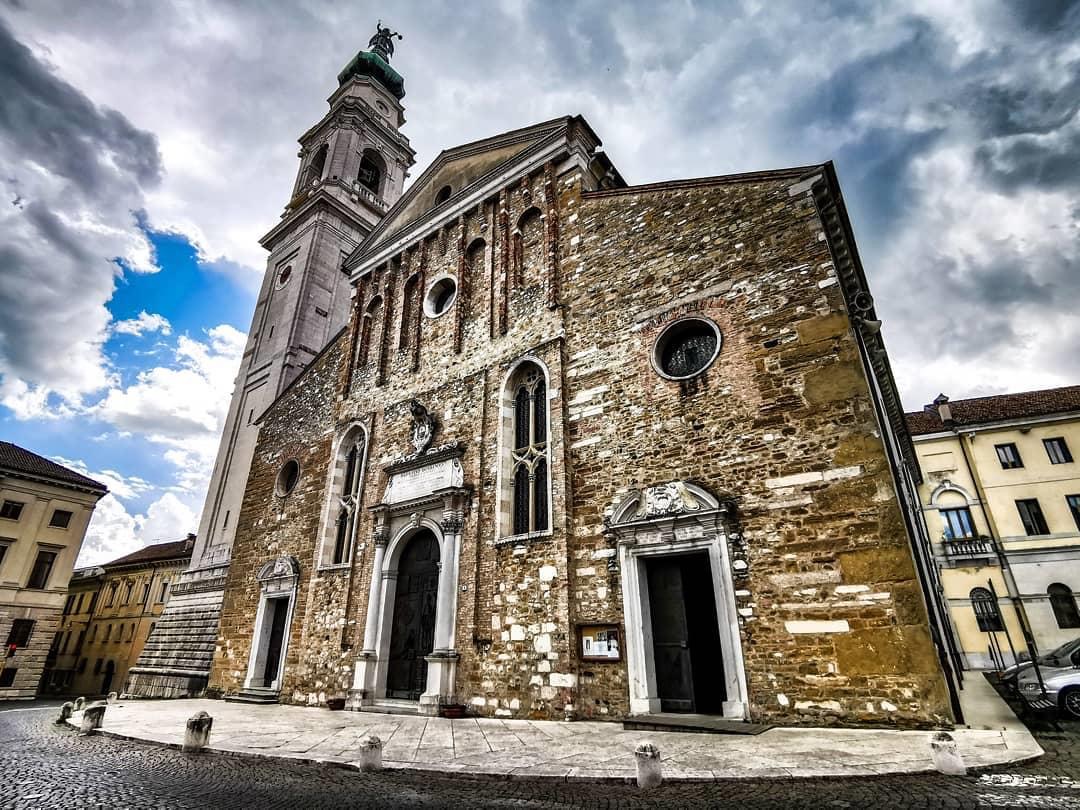
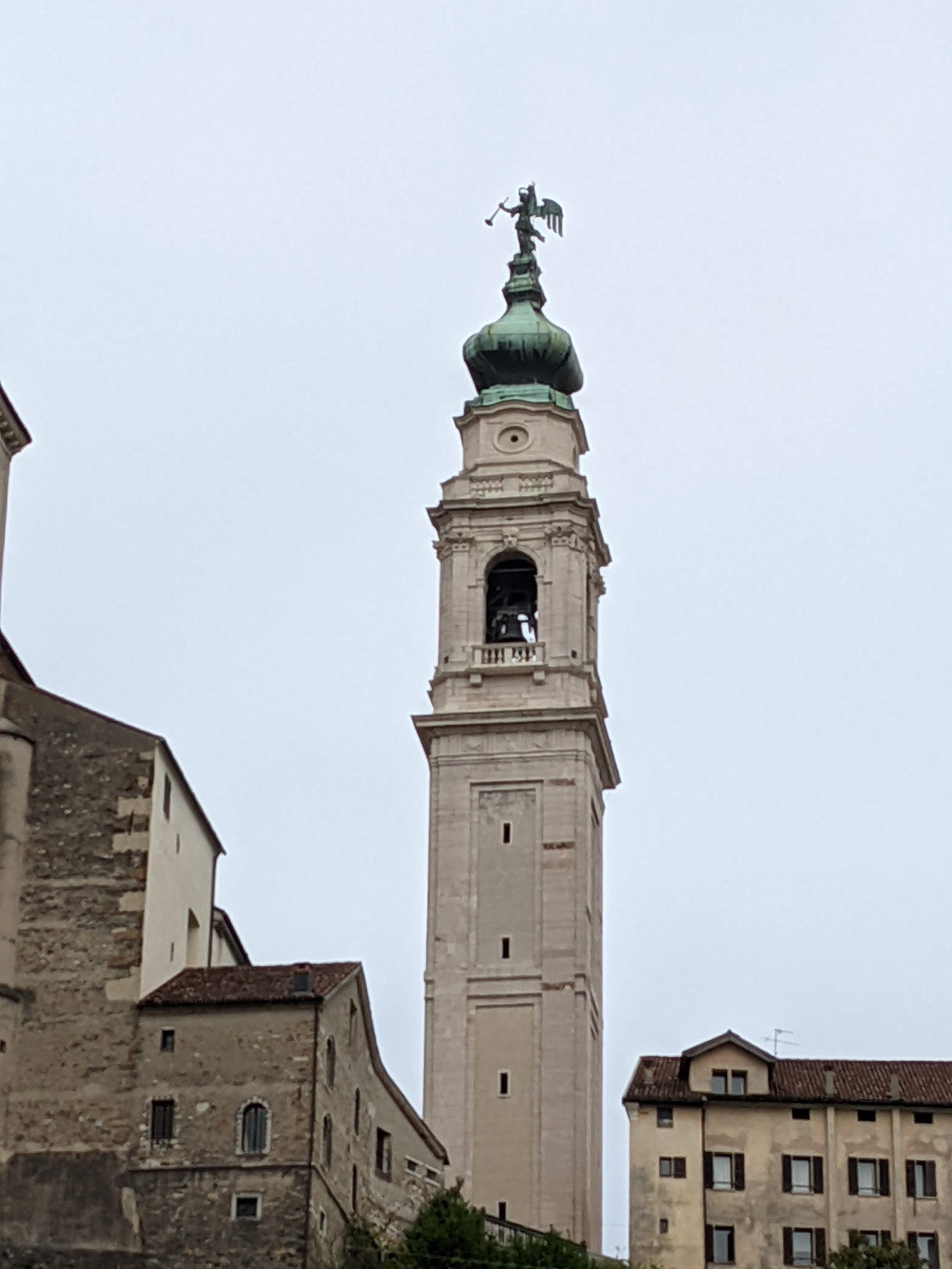
The fall of Venice in 1797 handed Belluno to France, then almost immediately to Austria under the Treaty of Campo Formio. It remained an Austrian possession until 1866, when it joined the Kingdom of Italy. The earthquake of 1873 damaged much of the old town, including the cathedral — rebuilt in 1517 to a design by Tullio Lombardo after a fire in 1471 — though Filippo Juvarra's baroque campanile of 1732 survived intact.
Who and what shaped it
People who shaped it
Landmark buildings
See Belluno in motion
Plan your visit
On the map
When to go
Belluno sits at 389 metres, which gives it proper seasons: cold, often snowy winters and warm but rarely oppressive summers. Spring and September offer the most reliable combination of clear skies and comfortable temperatures for walking the centro storico and reading the mountains.
Right now
↡ Attractions



Background & history adapted from Wikipedia (CC BY-SA) · specs from Wikidata (CC0) · weather from Open-Meteo · map data © OpenStreetMap contributors · photos from Wikimedia Commons / Unsplash with per-image credit. No third-party reviews or social posts reproduced.