
Conegliano
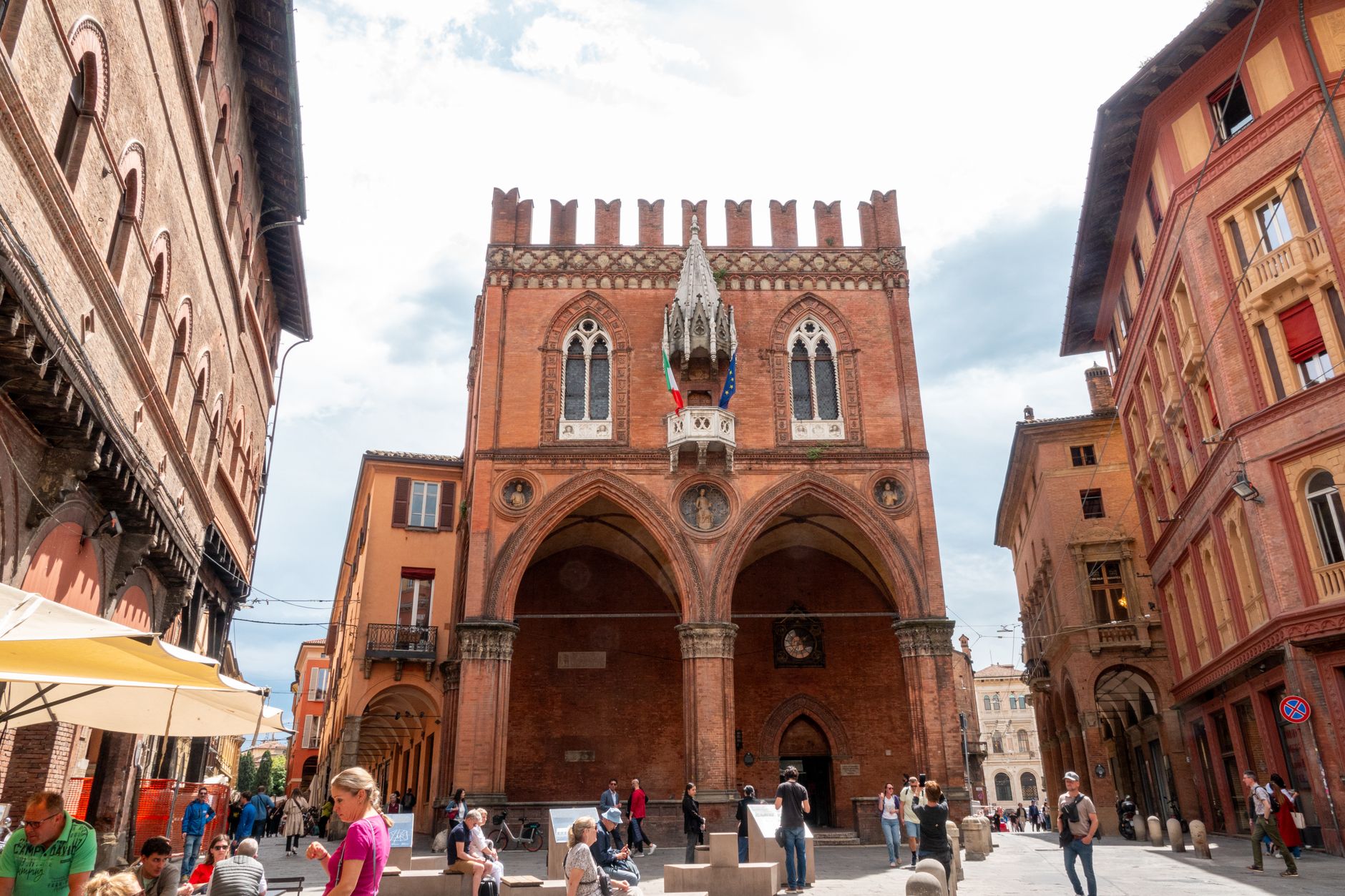
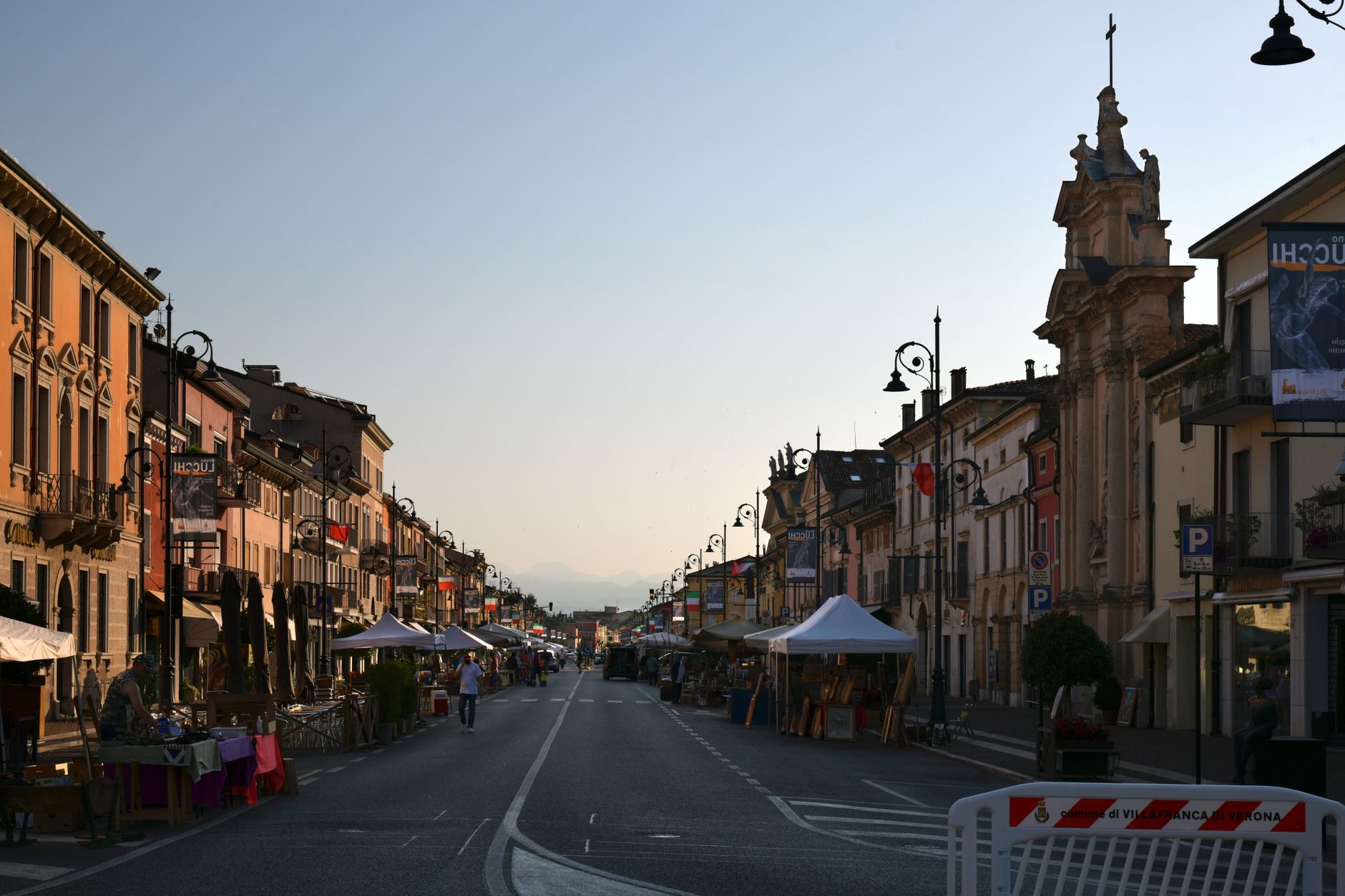
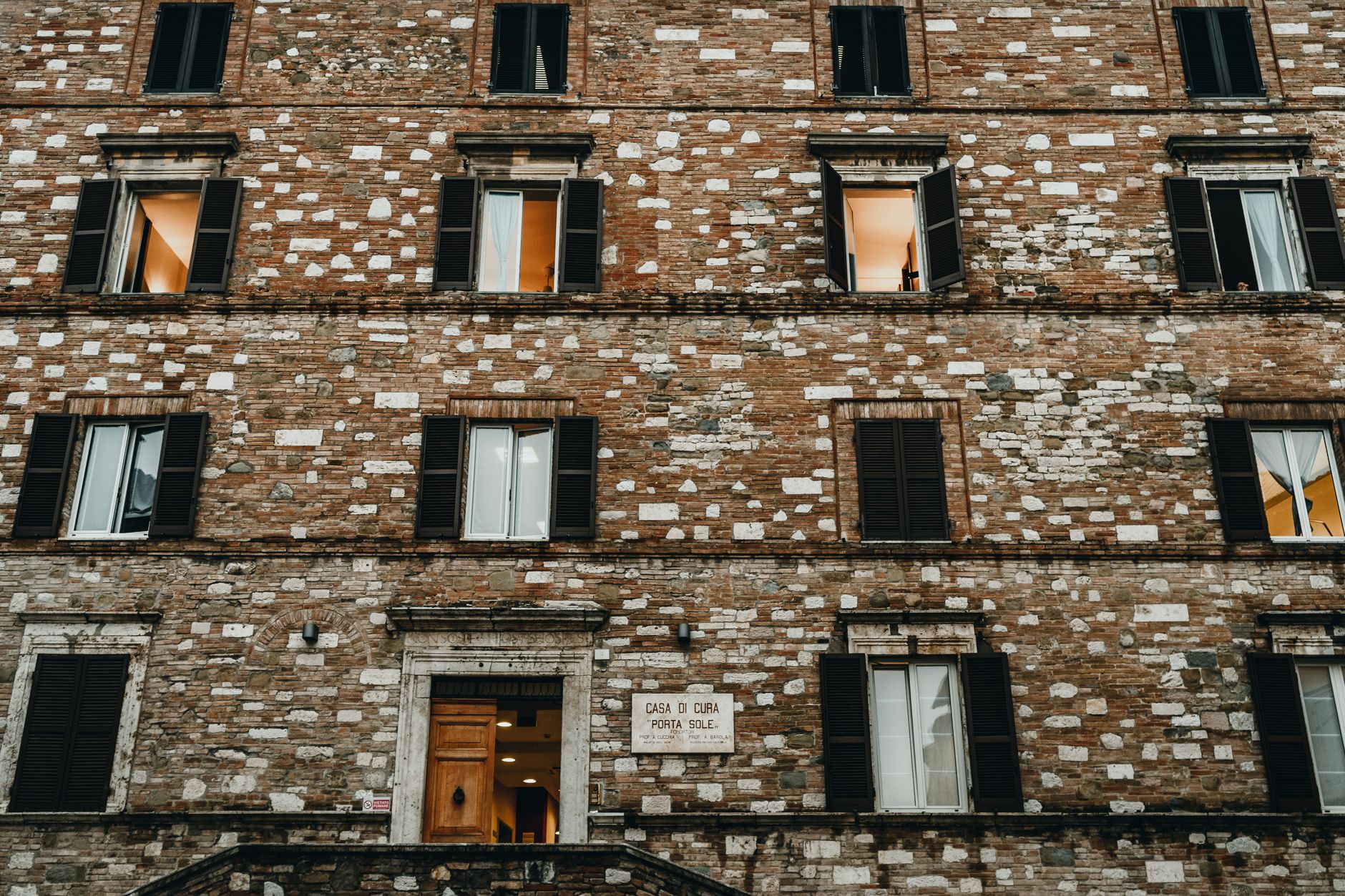
The first thing you notice on Via XX Settembre is the frescoes — not in a museum, but running along the facades of Renaissance palaces above the arcaded walkways where people do their ordinary shopping. Conegliano wears its art on the outside.
This is wine country, too: the hills rolling south toward Treviso are UNESCO-listed Prosecco territory, and the town has been training winemakers at its Scuola Enologica since 1876, making it Italy's oldest wine school. The painter Cima da Conegliano was born here in the 1400s, and his altarpiece still hangs in the cathedral where it was placed in 1493.
💛 What travellers fall for
People who come back tend to time it around the June chess game — the Dama Castellana, played with costumed human pieces in the historic centre — then stay for a glass of frizzante somewhere along Piazza Cima. The castle hill at dusk, with the Veneto plain spreading out below, keeps drawing them up a second time.
Experiences you don't want to miss




Deals in Conegliano
Book directly at the provider

How Conegliano came to be
Conegliano appears in a document issued by Henry II in 1016, though the castle on the hill above town dates to the tenth century, when it was held under the Bishop of Belluno. Noble families built up the settlement around it through the 1300s. Control shifted over the centuries — to the March of Treviso in 1153, then to the Republic of Venice in 1337 — and the Venetian period left the deepest mark on the architecture and trade that shaped the town.
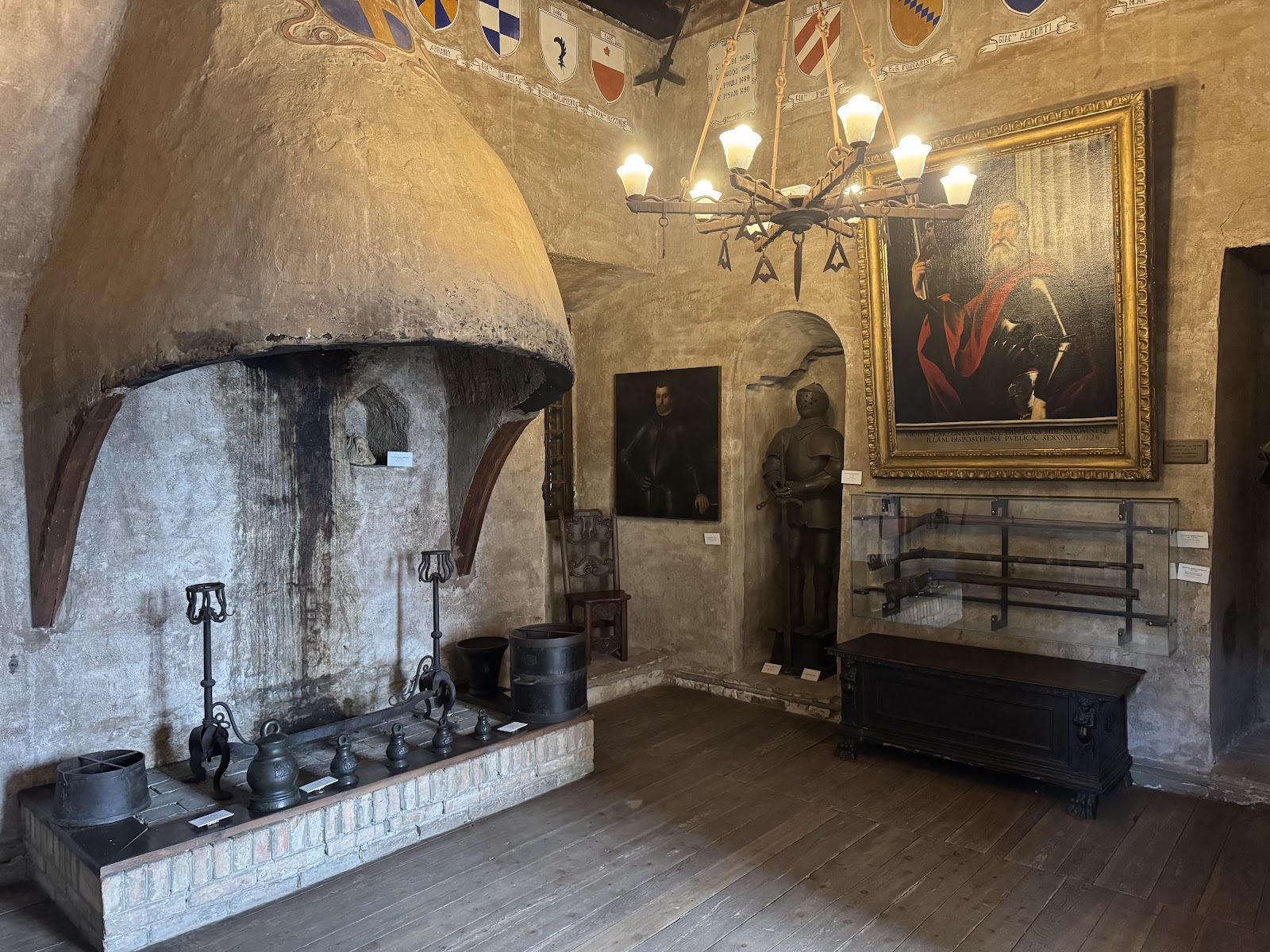
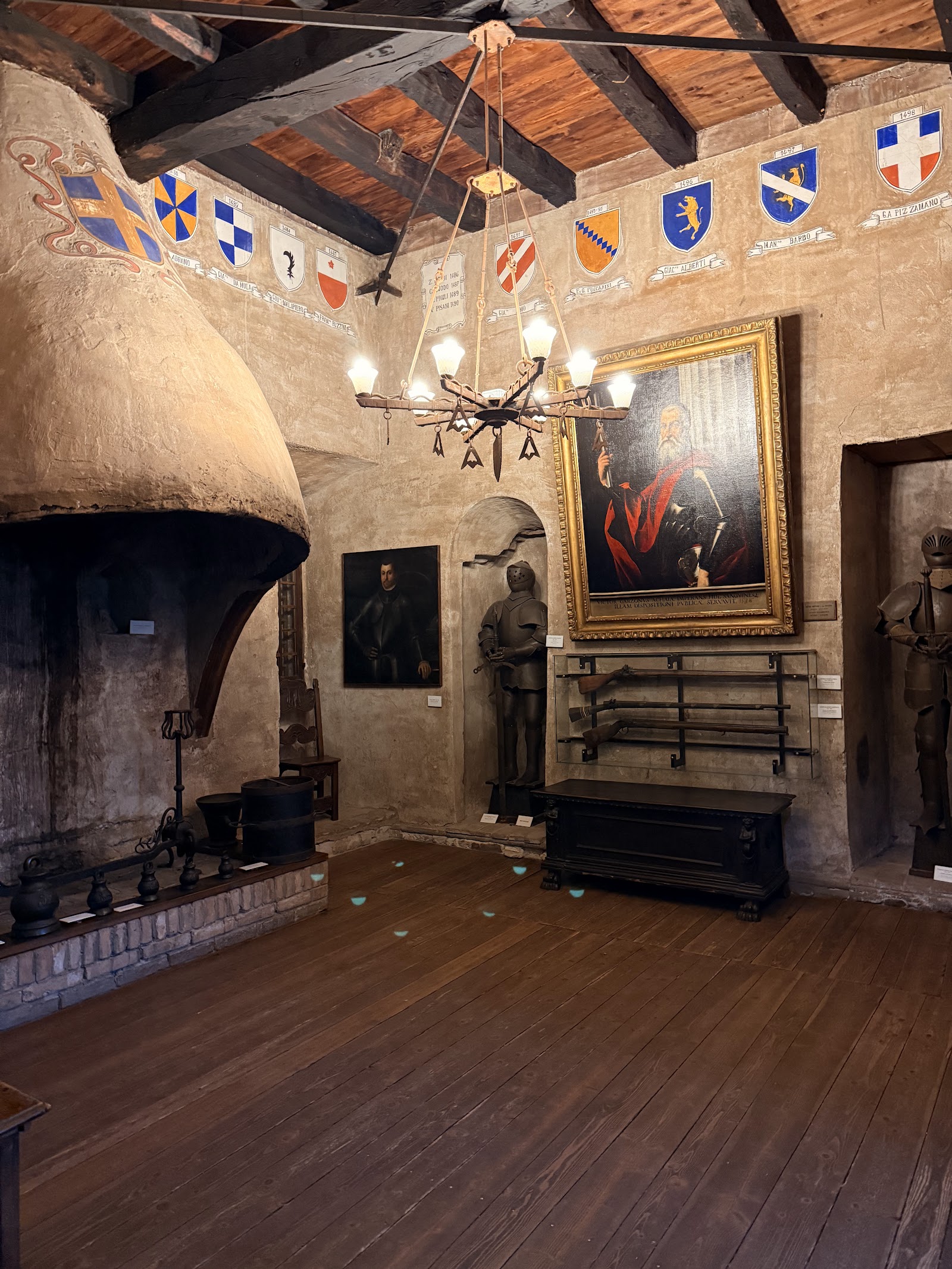
The twentieth century arrived hard: German and Austrian forces occupied Conegliano from November 1917 to October 1918. The City Museum has been housed in the castle keep since 1946. A different kind of recognition came in 2019, when the Prosecco Hills surrounding the town were inscribed as a UNESCO World Heritage Site.
Who and what shaped it
People who shaped it
Landmark buildings
See Conegliano in motion
Plan your visit
On the map
When to go
Summers are warm and humid, with temperatures reaching the low 30s Celsius and long sunny days through June, July and August. Winters are cold — January sits around 2°C — and the town receives substantial annual rainfall, so the arcaded walkways on Via XX Settembre earn their keep year-round.
Right now
↡ Attractions






Background & history adapted from Wikipedia (CC BY-SA) · specs from Wikidata (CC0) · weather from Open-Meteo · map data © OpenStreetMap contributors · photos from Wikimedia Commons / Unsplash with per-image credit. No third-party reviews or social posts reproduced.