
Rovigo
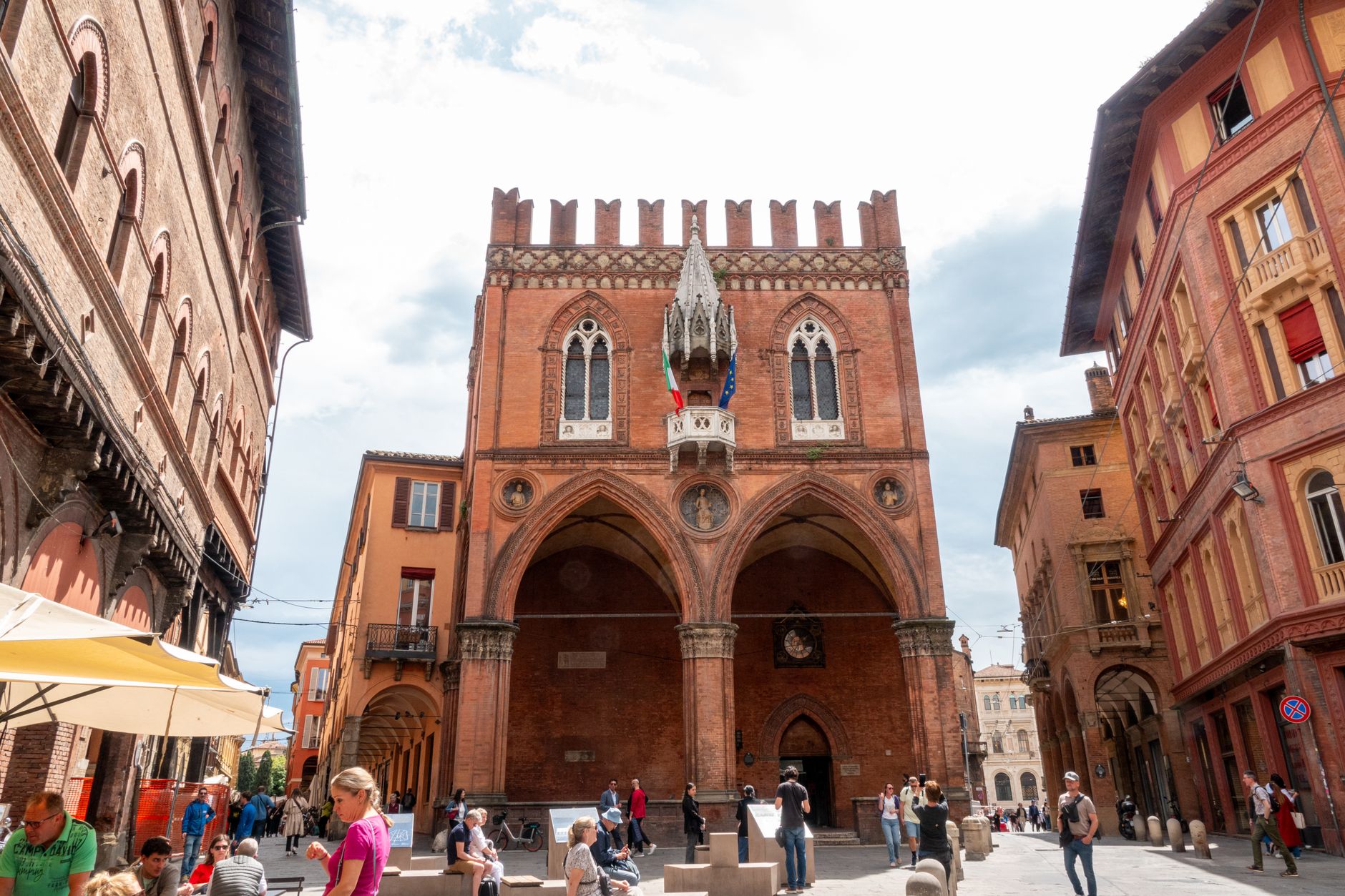
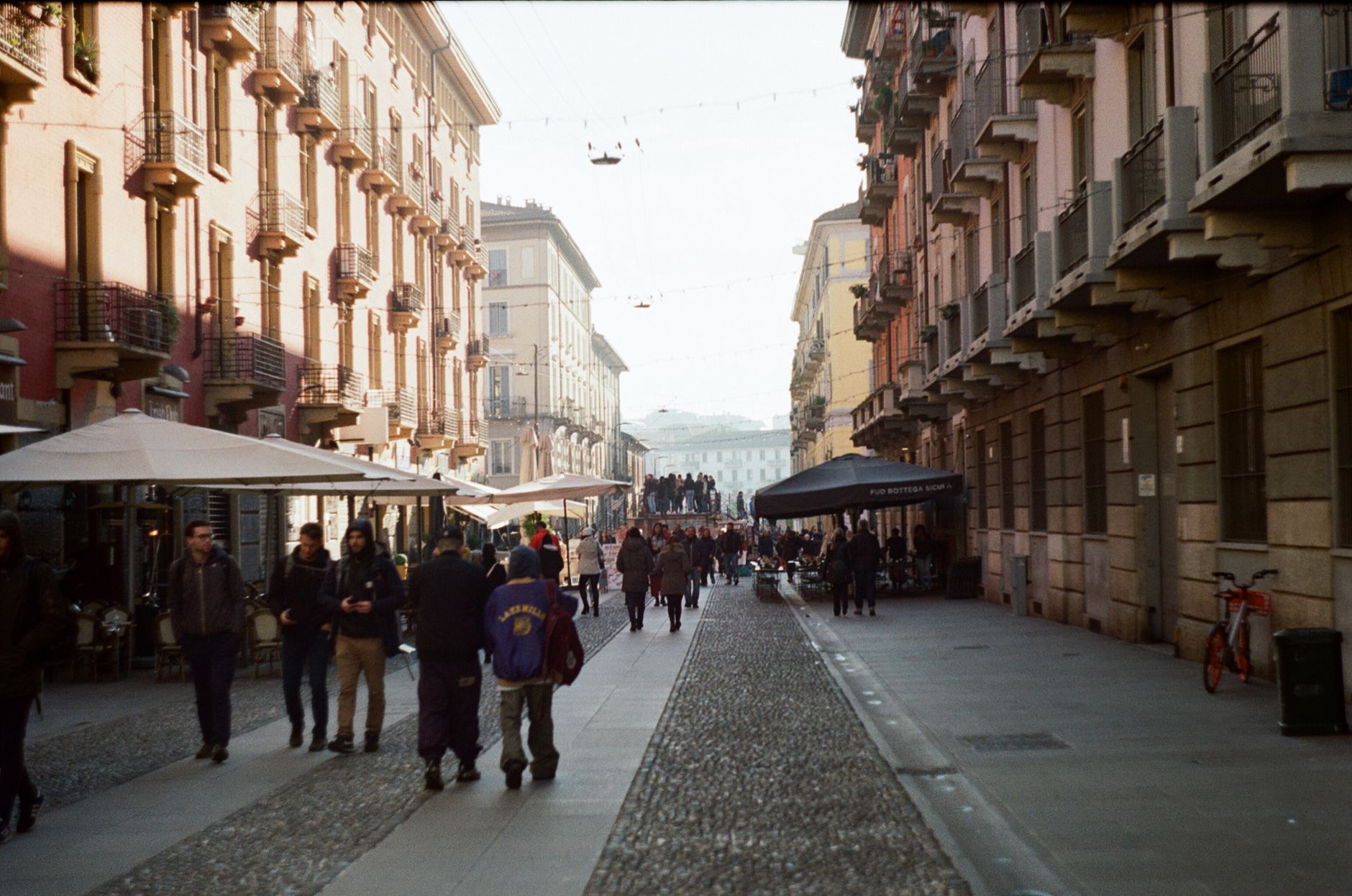
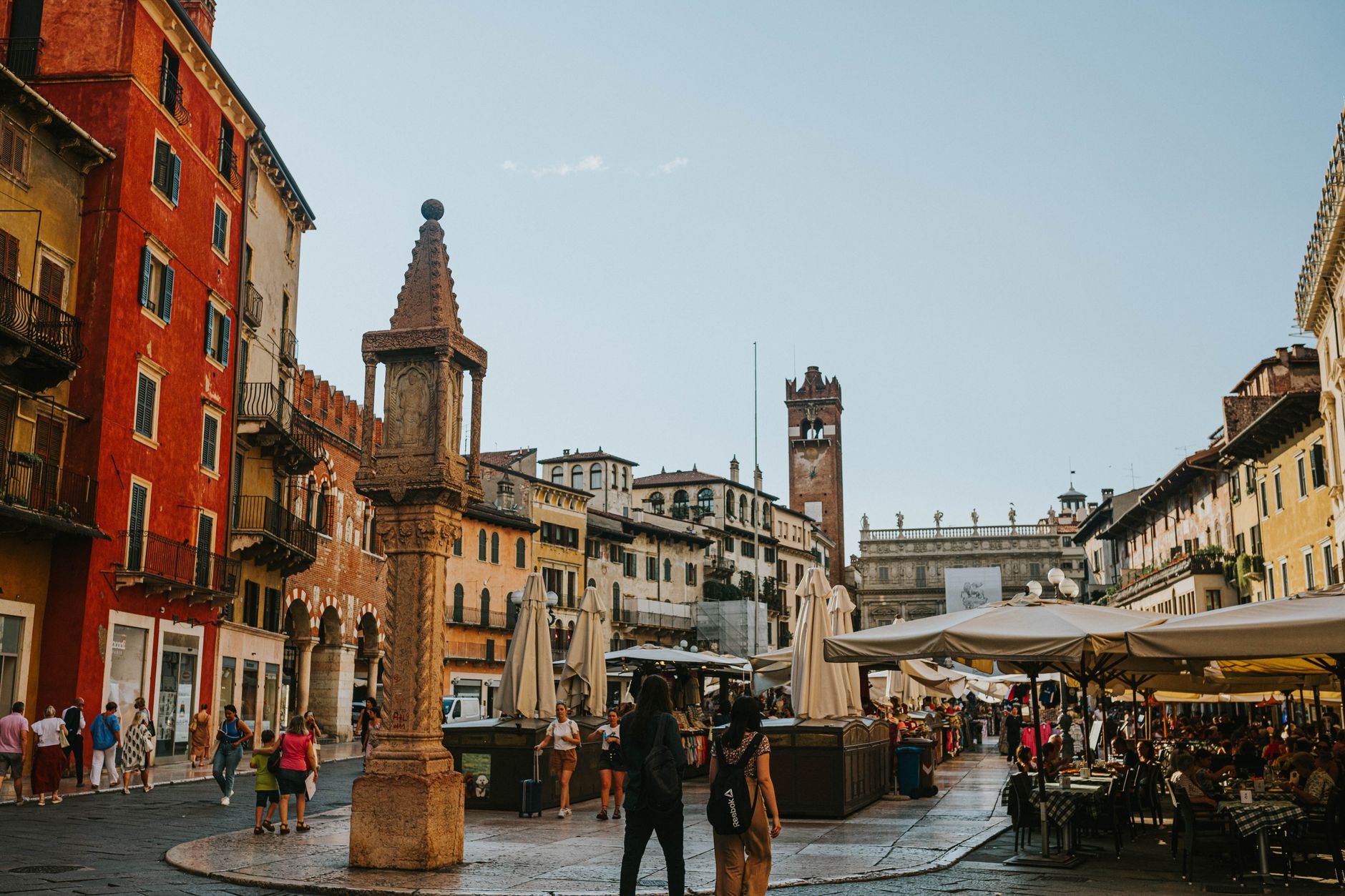
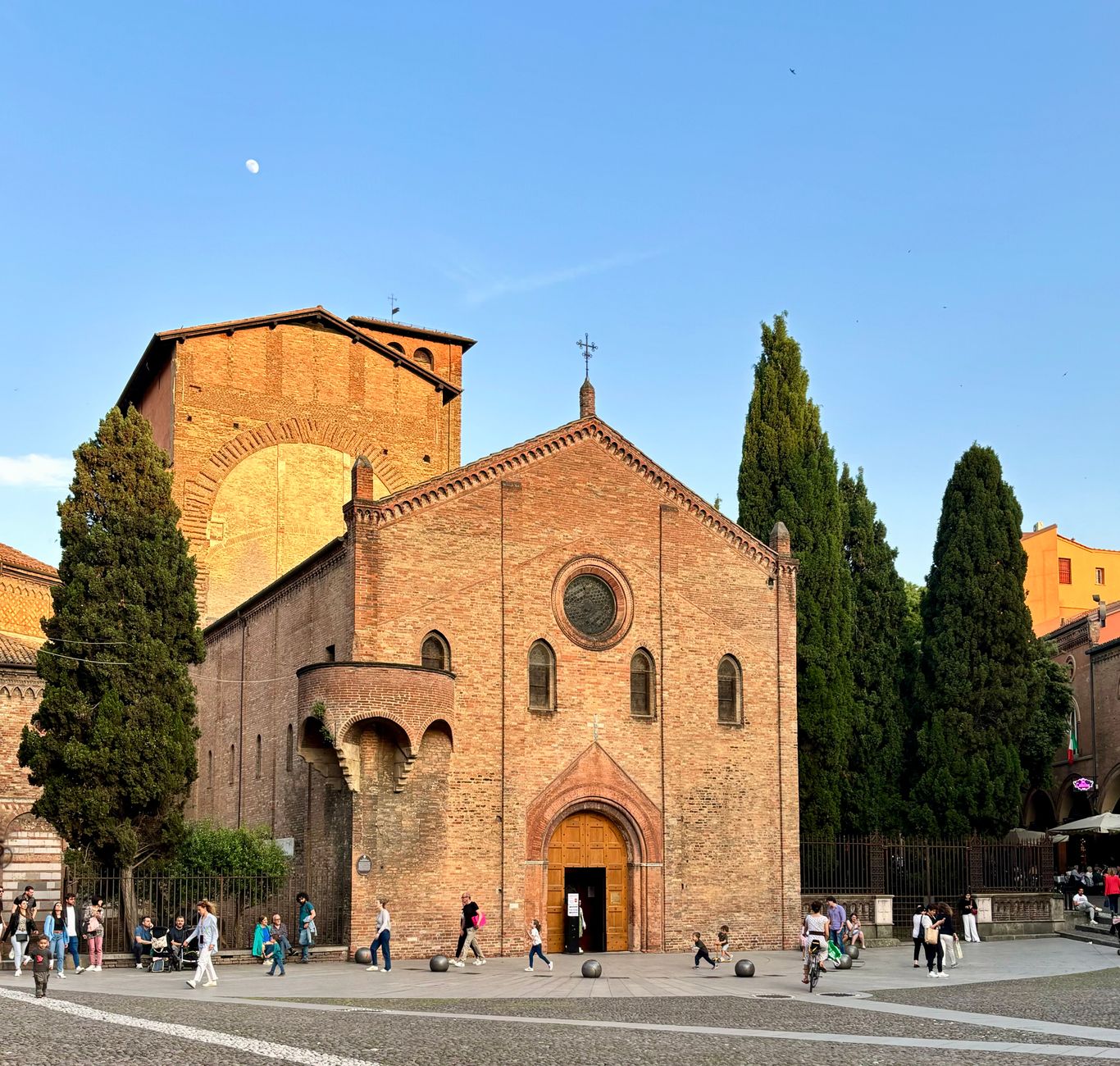
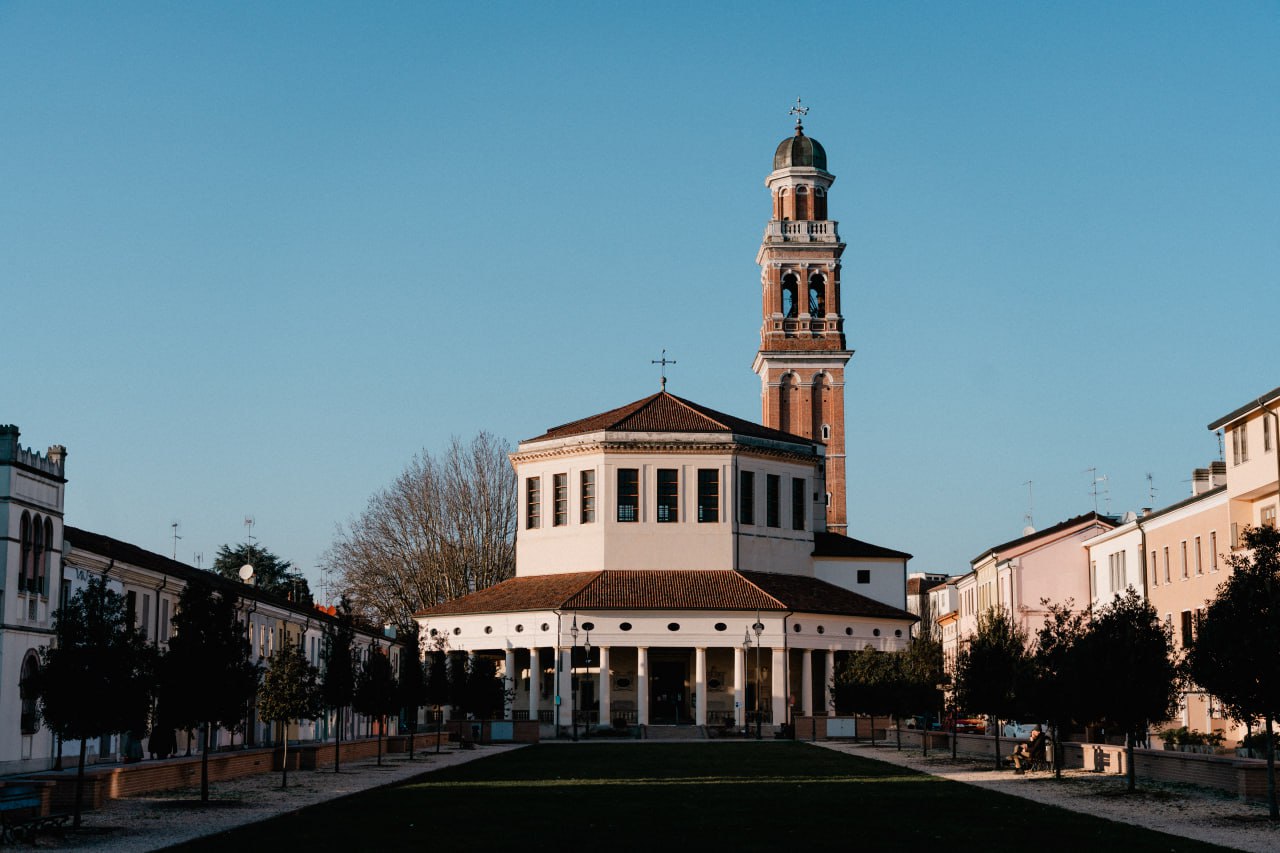
Rovigo sits in the flat southern stretch of the Veneto, where the Po Delta begins to unravel the land into reed beds and slow water. Most trains pass through without stopping, which suits the city fine. What you find when you do step off is a compact historic centre anchored by two towers and an octagonal church that wouldn't look out of place in Venice — because its architect, Francesco Zamberlan, learned from Palladio, and its bell tower came from Baldassarre Longhena.
The Pinacoteca dei Concordi holds a Giovanni Bellini Madonna and a Jan Gossaert Venus that would draw crowds in a larger city. Here, on a Tuesday afternoon, you may have the room to yourself.
💛 What travellers fall for
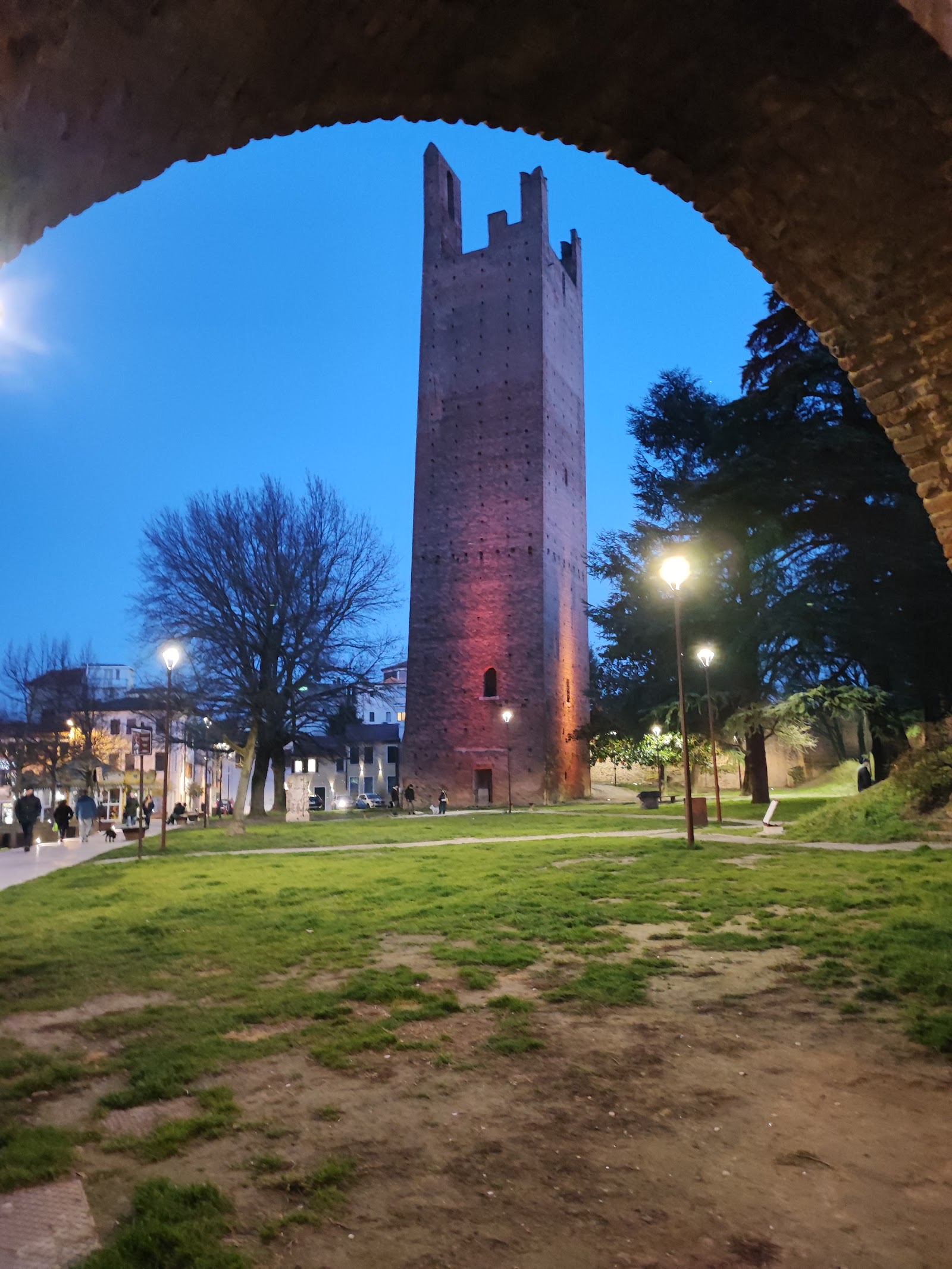
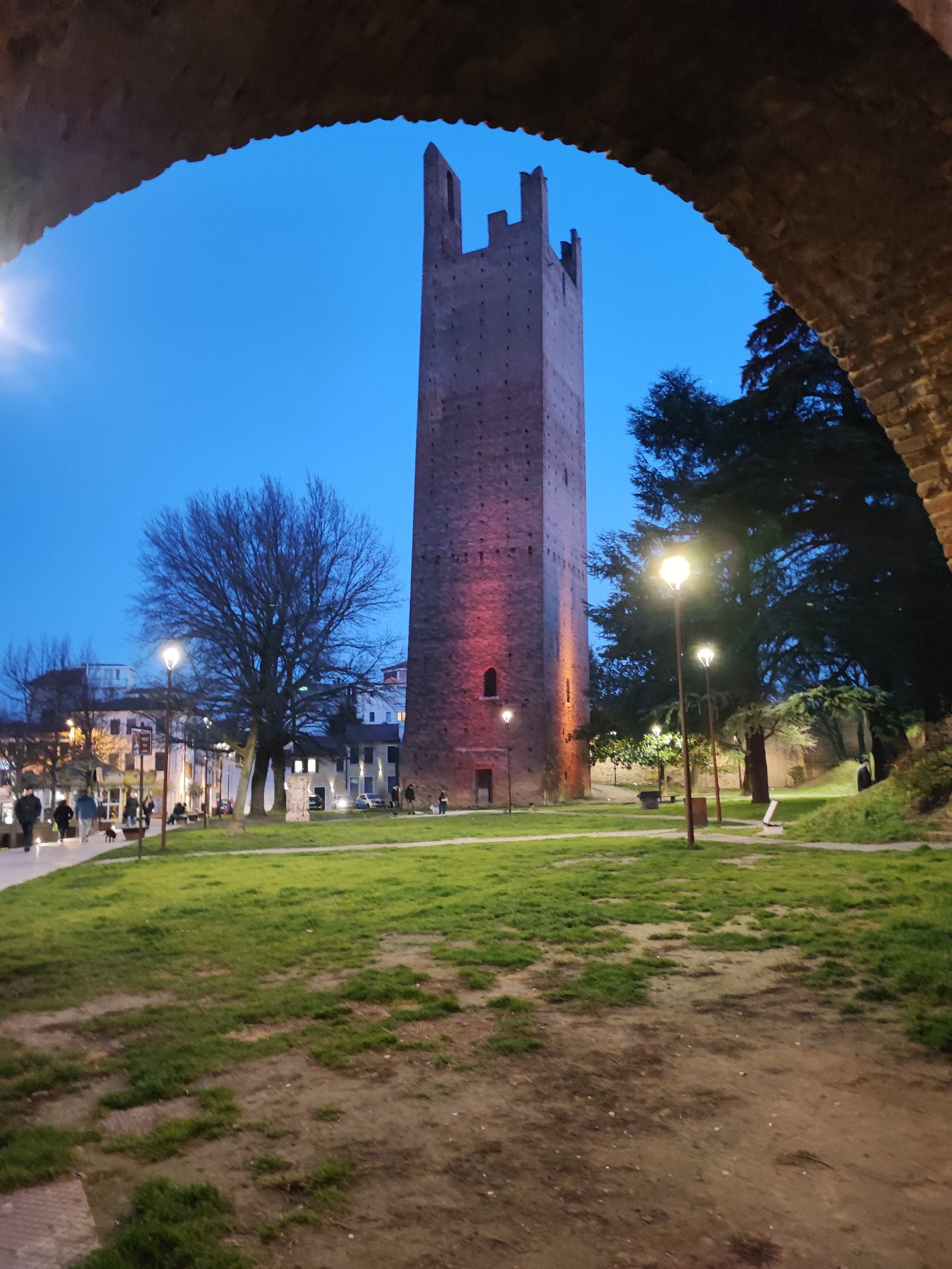
People who come back tend to time it around the Pinacoteca and then walk to La Rotonda before it closes at six. The Torre Donà rewards a slow look from the piazza below — sixty-six metres of medieval brick that once may have been the tallest of its kind. Bring cash for the smaller cafes on Corso del Popolo.
Experiences you don't want to miss


Deals in Rovigo
Book directly at the provider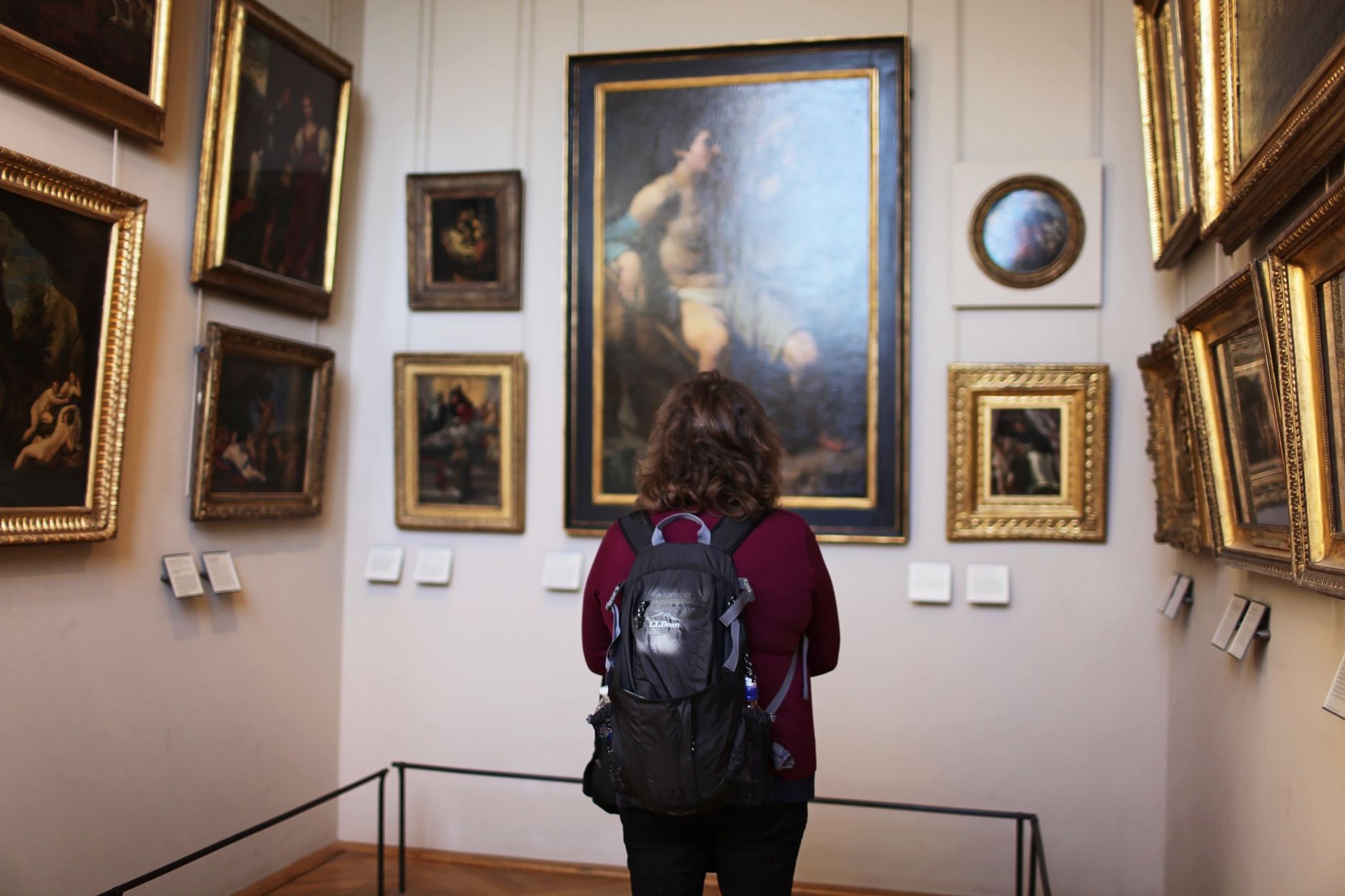


How Rovigo came to be
The city's first written record dates to 838, in a document from Ravenna. Its strategic position became clear in 920, when Bishop Paolo Cattaneo of Adria took refuge here after Hungarian raids destroyed his own city — fortifications followed by 945. The Este family formalised their grip in 1194, when Azzo VI d'Este took the title of Count of Rovigo, and the brick walls that still define the old centre were begun in the 1130s under their name.
Venice seized the city by siege in 1482 and, aside from a brief interruption, held it until the French Revolution. That long Venetian period shaped the architecture and the art collections. Rovigo joined the Kingdom of Italy in 1866, the same year its railway station opened — connecting it at once to Padua, Ferrara, Verona, and Chioggia.
Who and what shaped it
People who shaped it
Landmark buildings
See Rovigo in motion
Plan your visit
On the map
When to go
Winters are cold and reliably foggy, with January highs around 9°C and occasional snow; the damp settles into the streets in a way that feels distinctly Po Valley. Summers turn hot and muggy by July, with highs reaching 32°C — late April through June, or September, give you the most agreeable conditions for walking.
Right now
↡ Attractions





Background & history adapted from Wikipedia (CC BY-SA) · specs from Wikidata (CC0) · weather from Open-Meteo · map data © OpenStreetMap contributors · photos from Wikimedia Commons / Unsplash with per-image credit. No third-party reviews or social posts reproduced.