
Chioggia
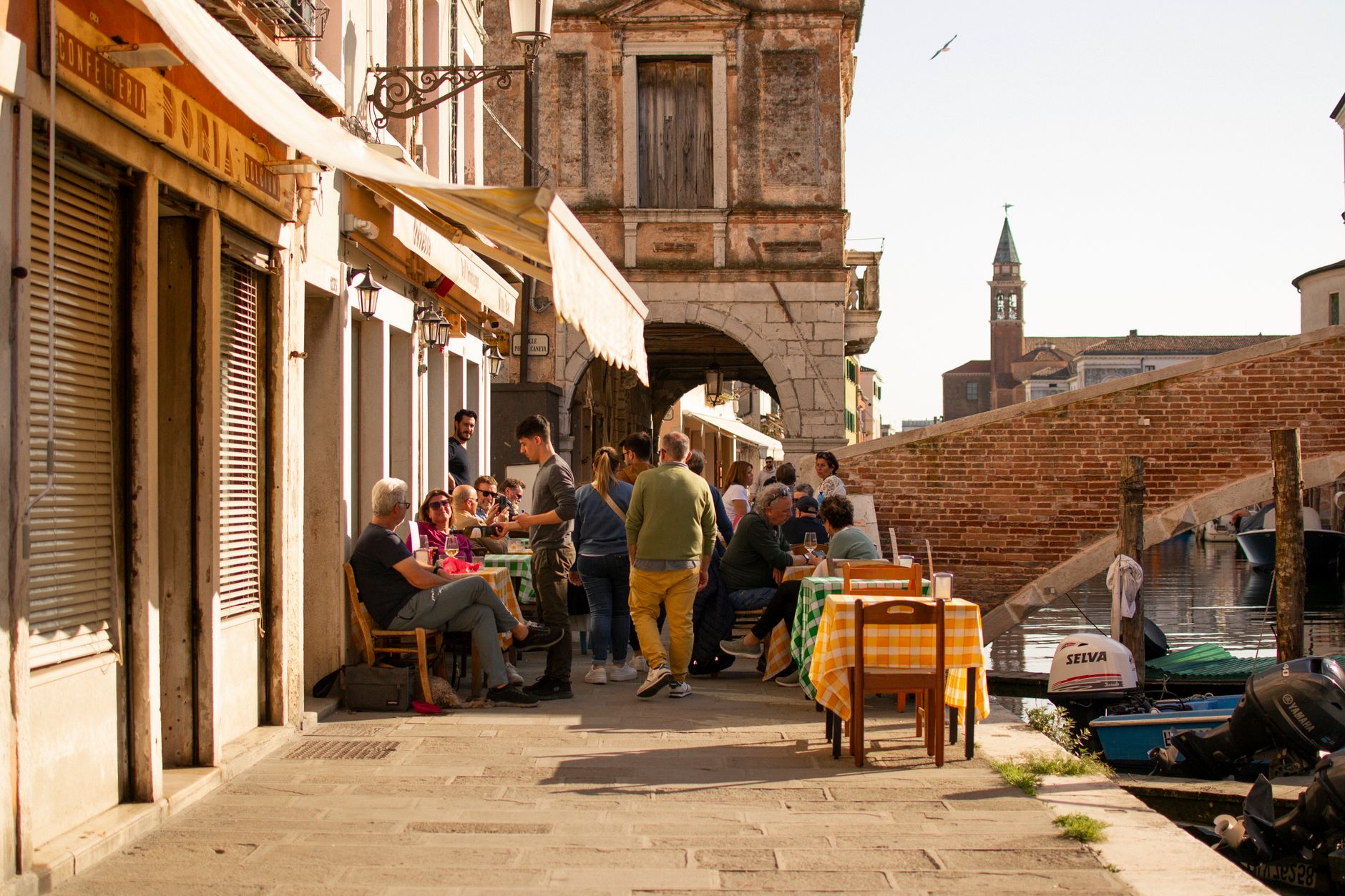
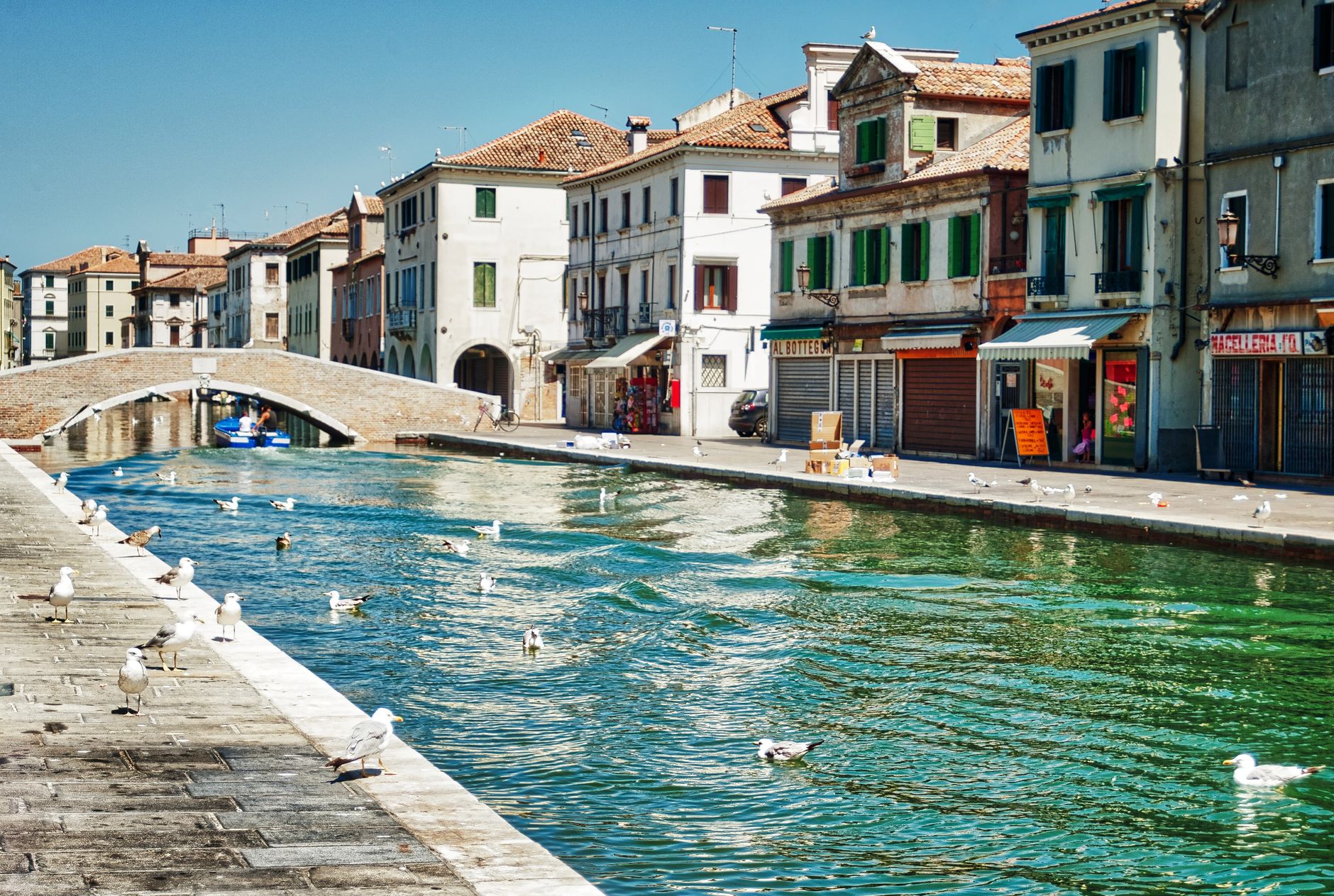
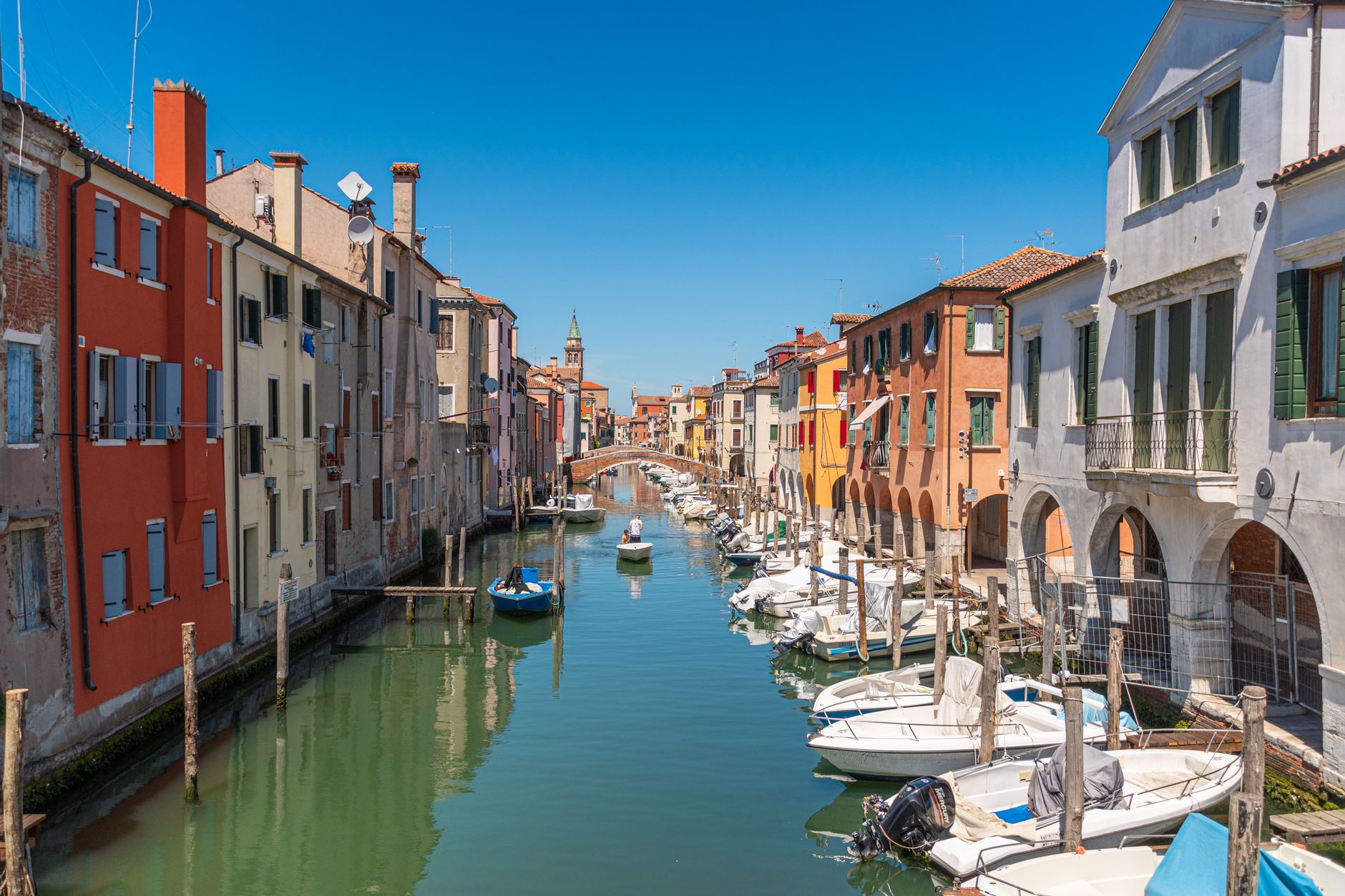
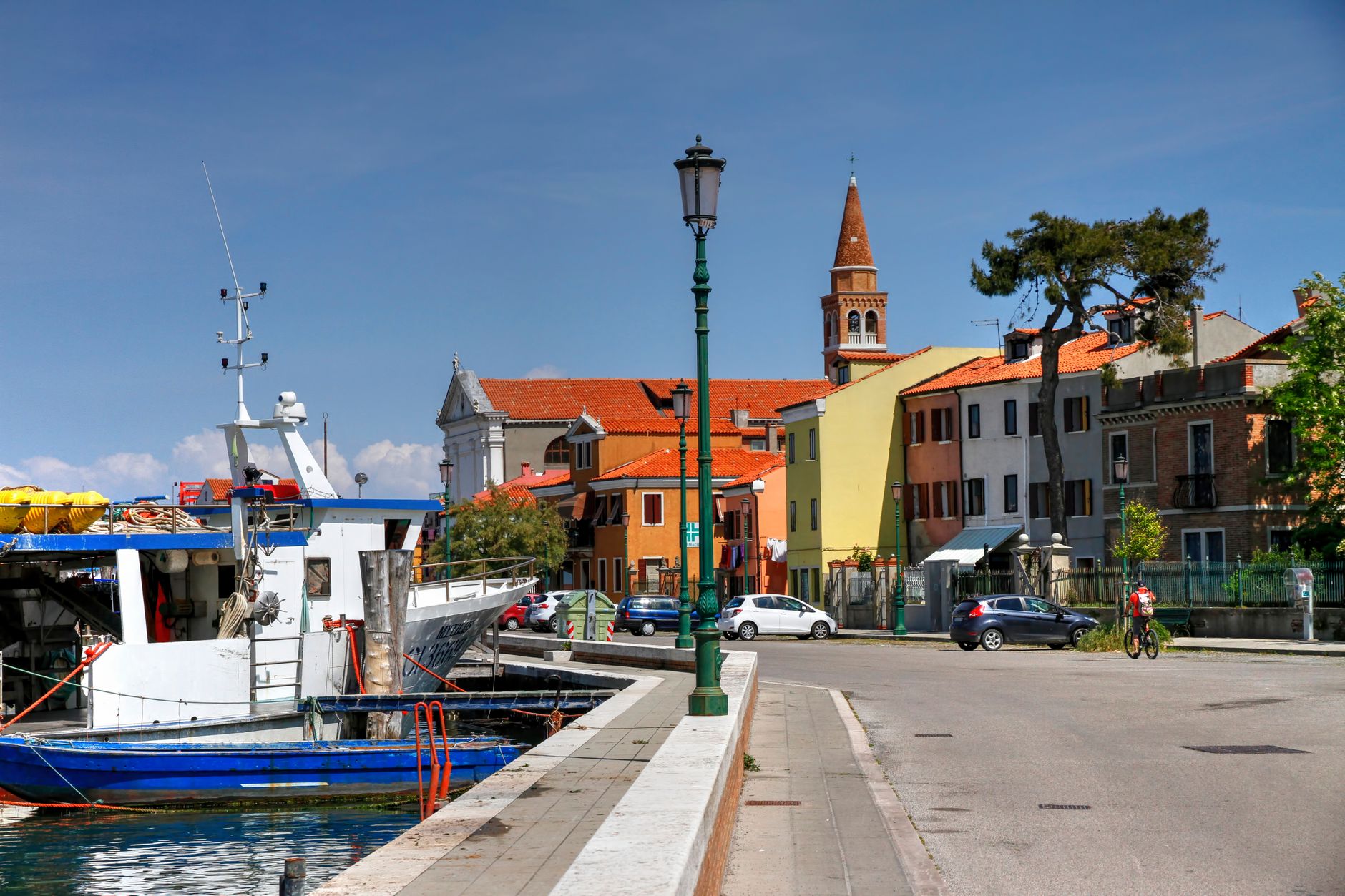
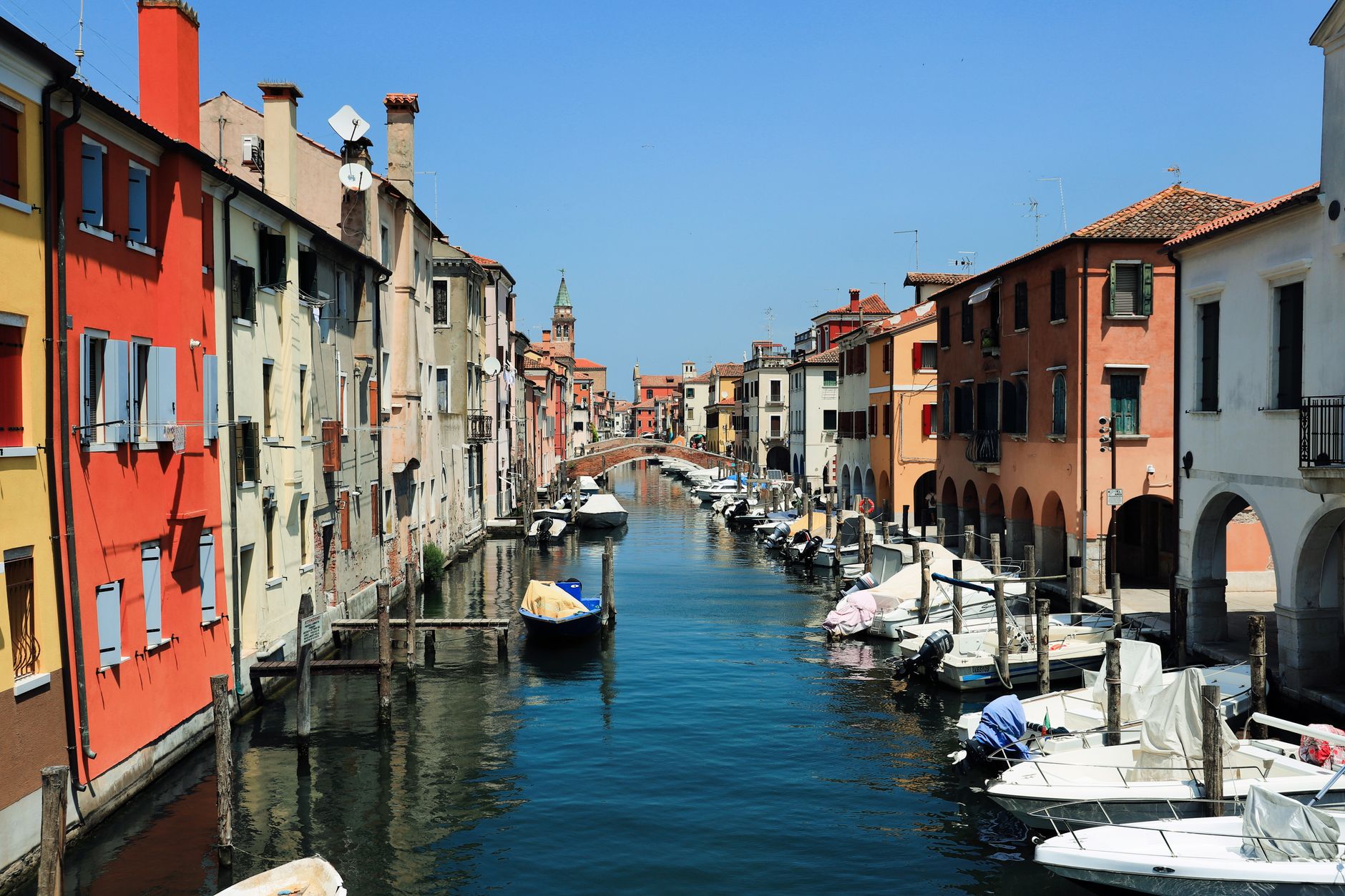
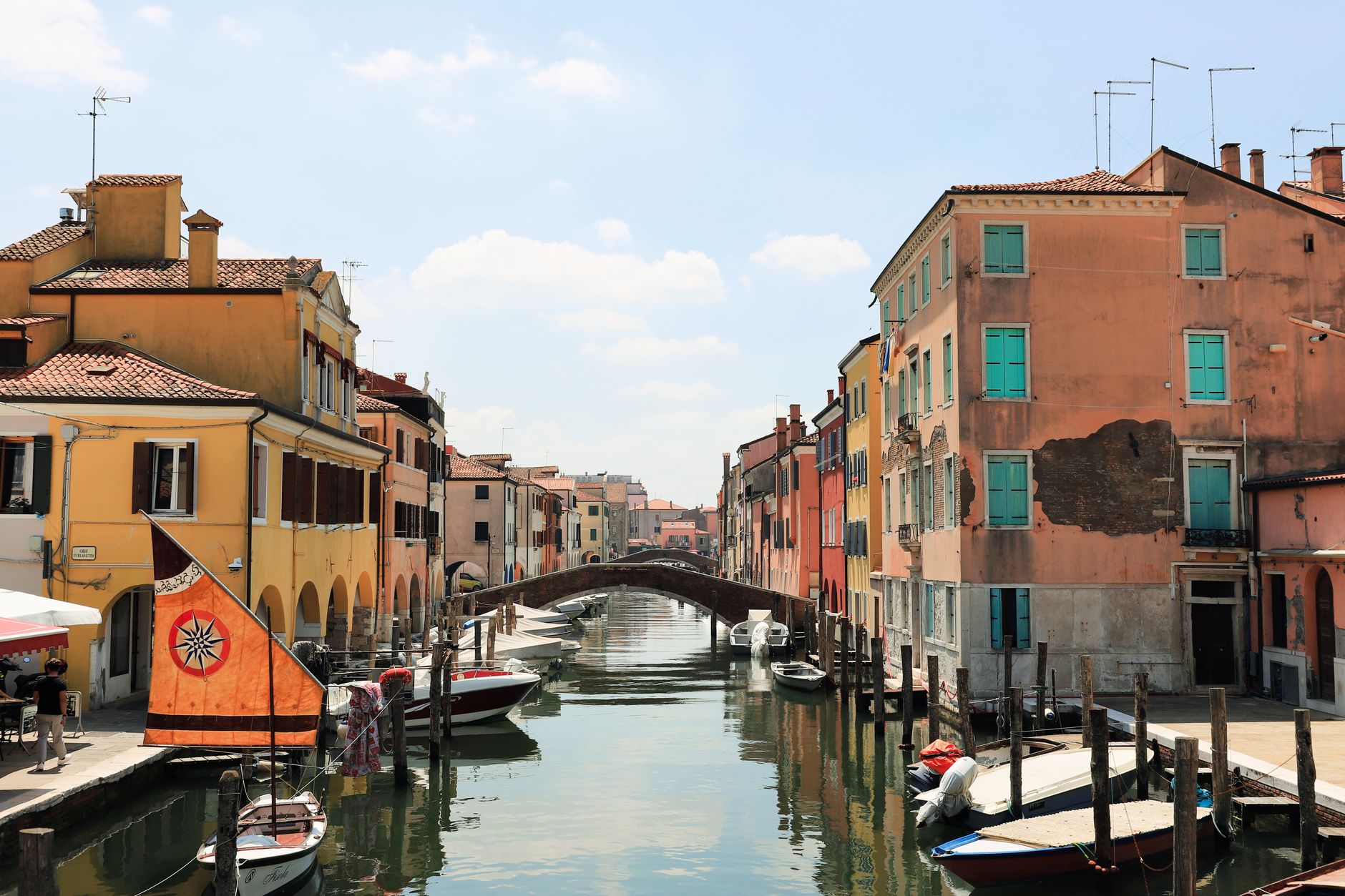
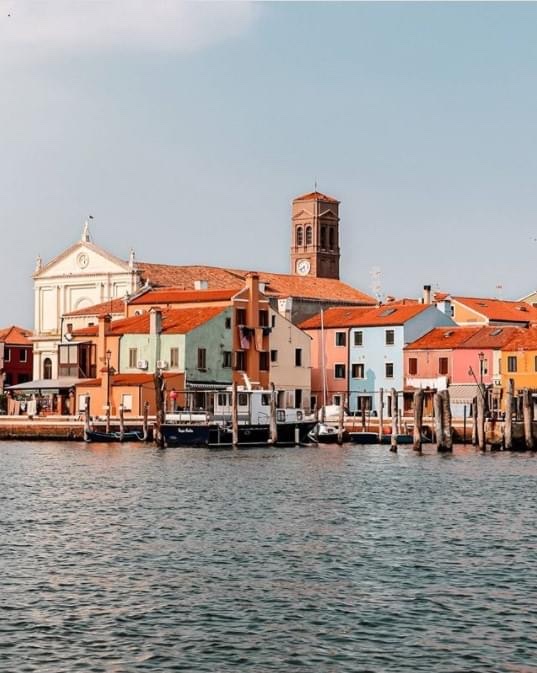
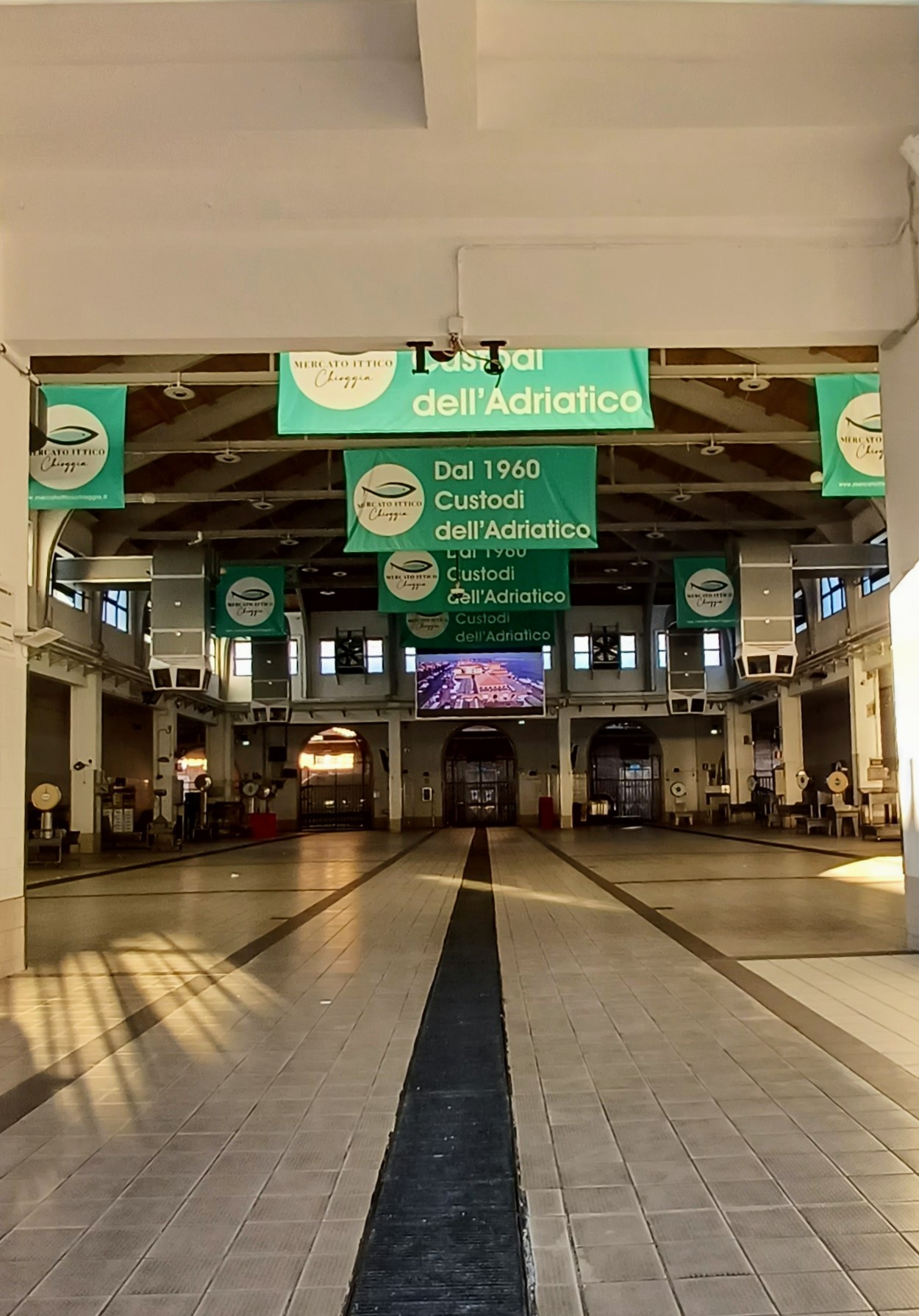
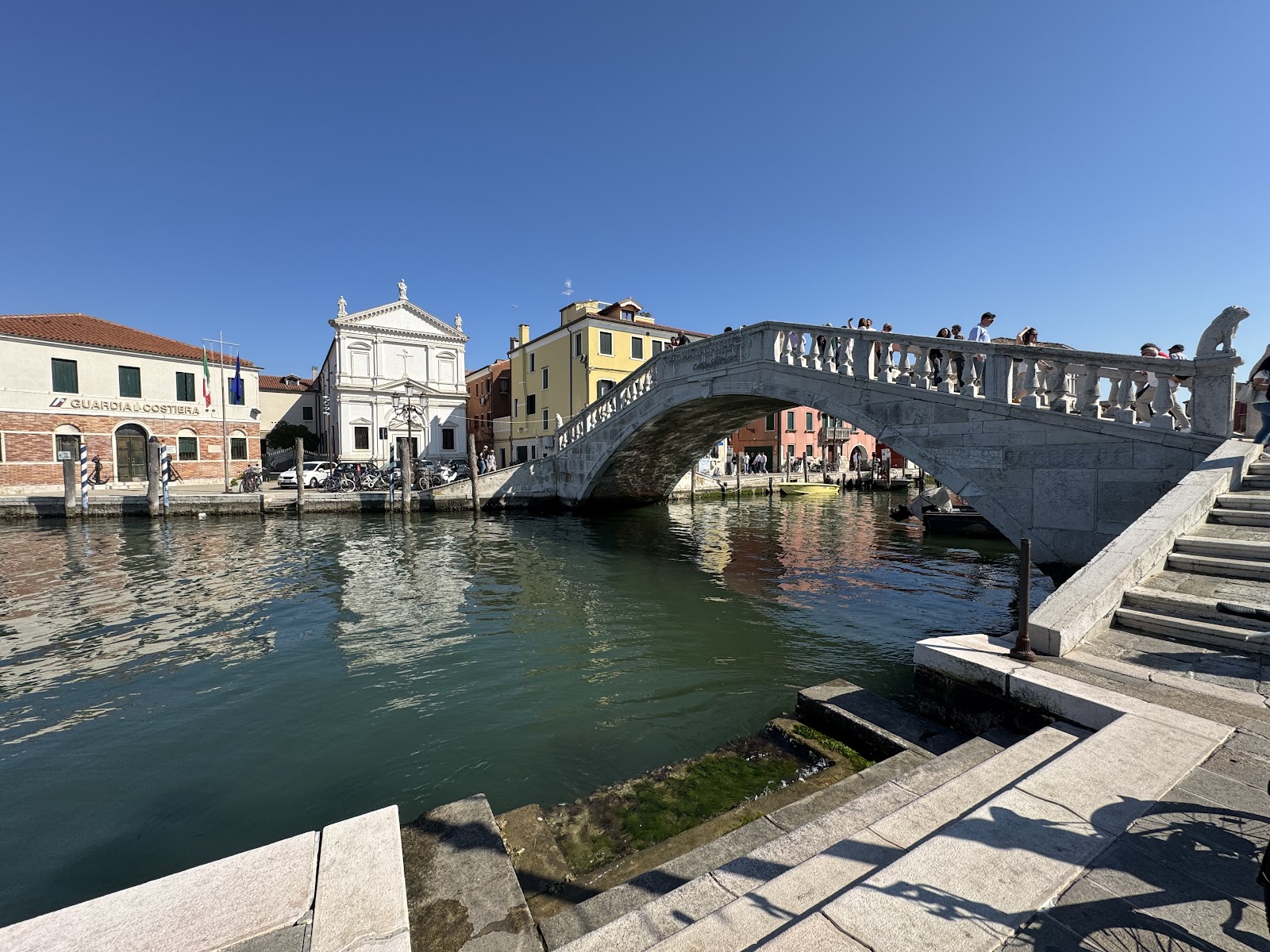
Chioggia sits at the southern edge of the Venetian lagoon, connected to the mainland by a long causeway and to the sea by a grid of canals that locals cross on foot, by bicycle, and by the flat-bottomed boats that have worked these waters for centuries. The fish market behind Palazzo Granaio opens at seven in the morning, Tuesday through Sunday, and the day is essentially organized around it.
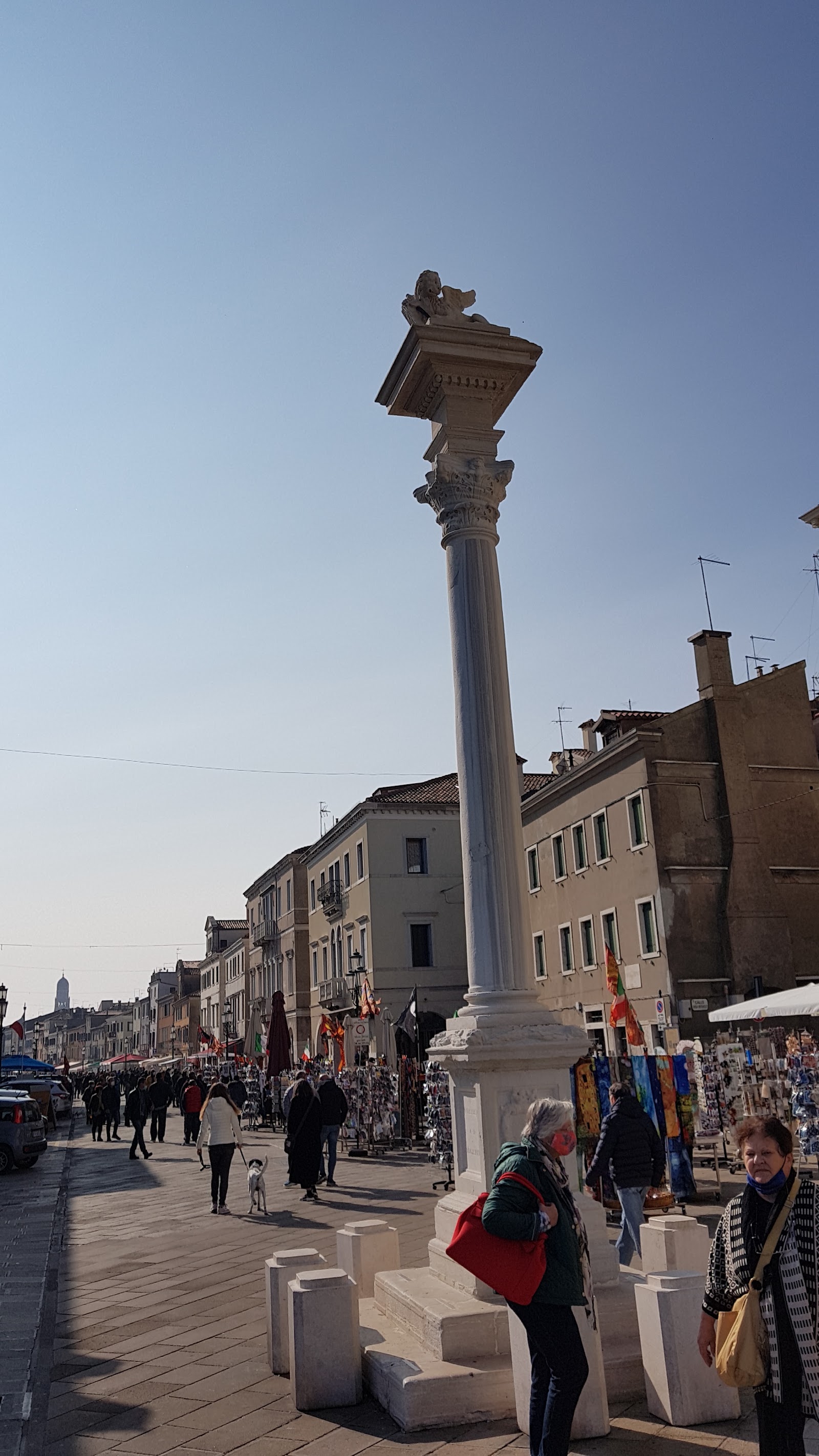
This is not Venice in miniature. The streets are wider, the pace is slower, the tourists fewer. Corso del Popolo, all 830 meters of it, follows the line of an ancient Roman road and runs from the old fortress gate down to the lagoon — a spine the whole city still orients itself around.
💛 What travellers fall for
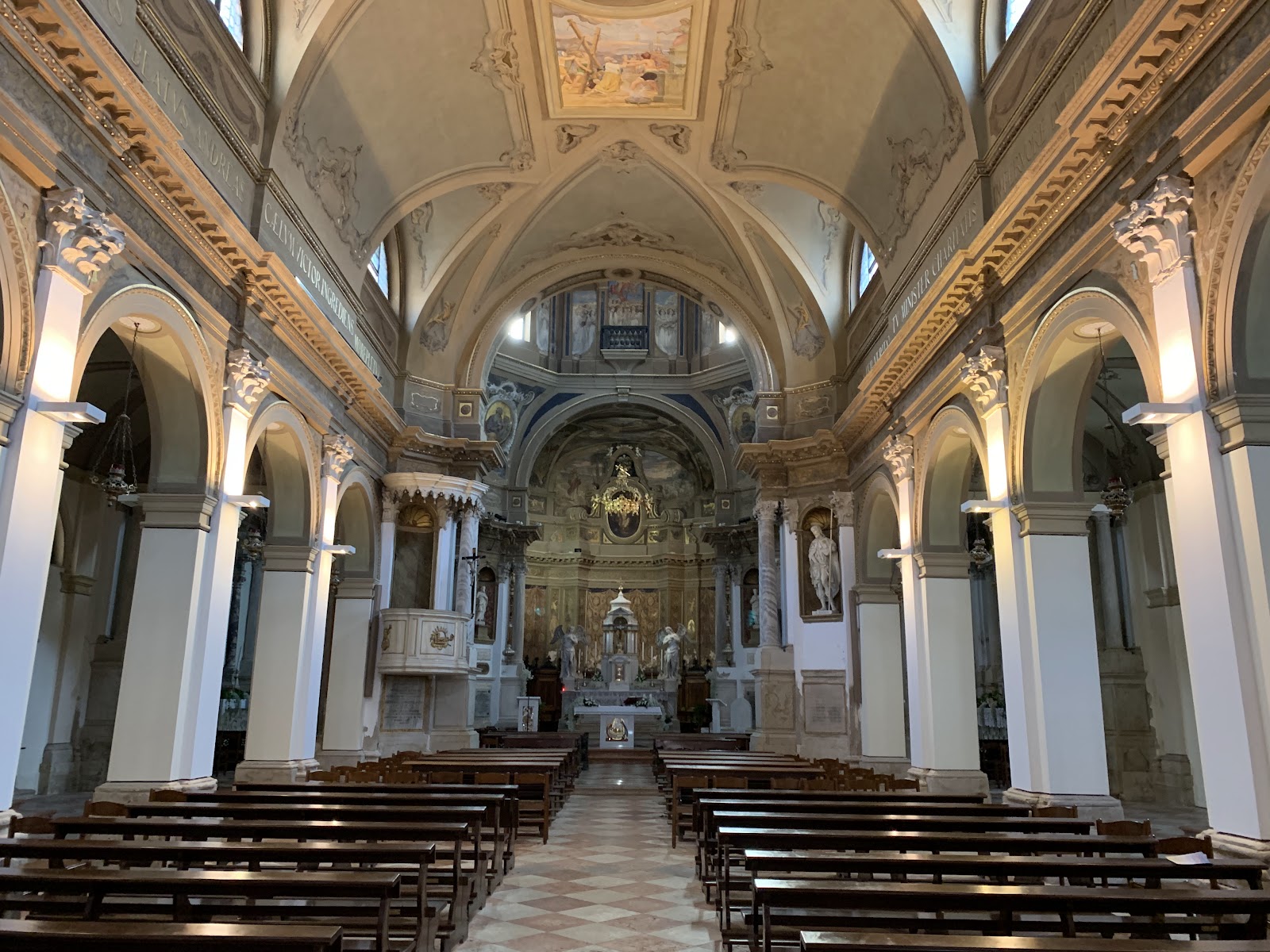
People who come back tend to arrive early for the fish market, walk the Canale Vena before the day heats up, and give themselves time inside San Domenico — the Tintoretto alone justifies the detour. Lunch near the canal, then the Clock Museum inside the Sant'Andrea bell tower, which rewards the curious more than the hurried.
Experiences you don't want to miss


Deals in Chioggia
Book directly at the provider

How Chioggia came to be
Pliny knew this place as the fossa Clodia, and archaeological evidence pushes its origins back to the early second millennium BC. The city that emerged from those lagoon-edge settlements was destroyed by King Pippin of Italy in the ninth century, then rebuilt on a new economic foundation: salt. Salt pans funded the recovery, and by 1110 Chioggia was both a free commune and an episcopal see.
The sharpest chapter came in the War of Chioggia, when Genoa seized the city in 1378. Venice clawed it back in June 1380, and Chioggia remained under the Republic until Napoleon ended that arrangement in 1796. French rule gave way to Austrian, and Austrian to Italian in 1866. The cathedral, founded in the eleventh century, was rebuilt from 1623 by Baldassare Longhena — the same architect who would later design Santa Maria della Salute across the lagoon.
Who and what shaped it
People who shaped it
Landmark buildings
See Chioggia in motion
Plan your visit
On the map
When to go
Summers are warm and humid, with the lagoon air offering little relief in July and August. Spring and autumn are the most comfortable seasons for walking — mild, with longer golden-hour light over the water. Winters are cold and occasionally foggy, but the city is very much its own in the off-season.
Right now
↡ Attractions



Background & history adapted from Wikipedia (CC BY-SA) · specs from Wikidata (CC0) · weather from Open-Meteo · map data © OpenStreetMap contributors · photos from Wikimedia Commons / Unsplash with per-image credit. No third-party reviews or social posts reproduced.