
Mestre
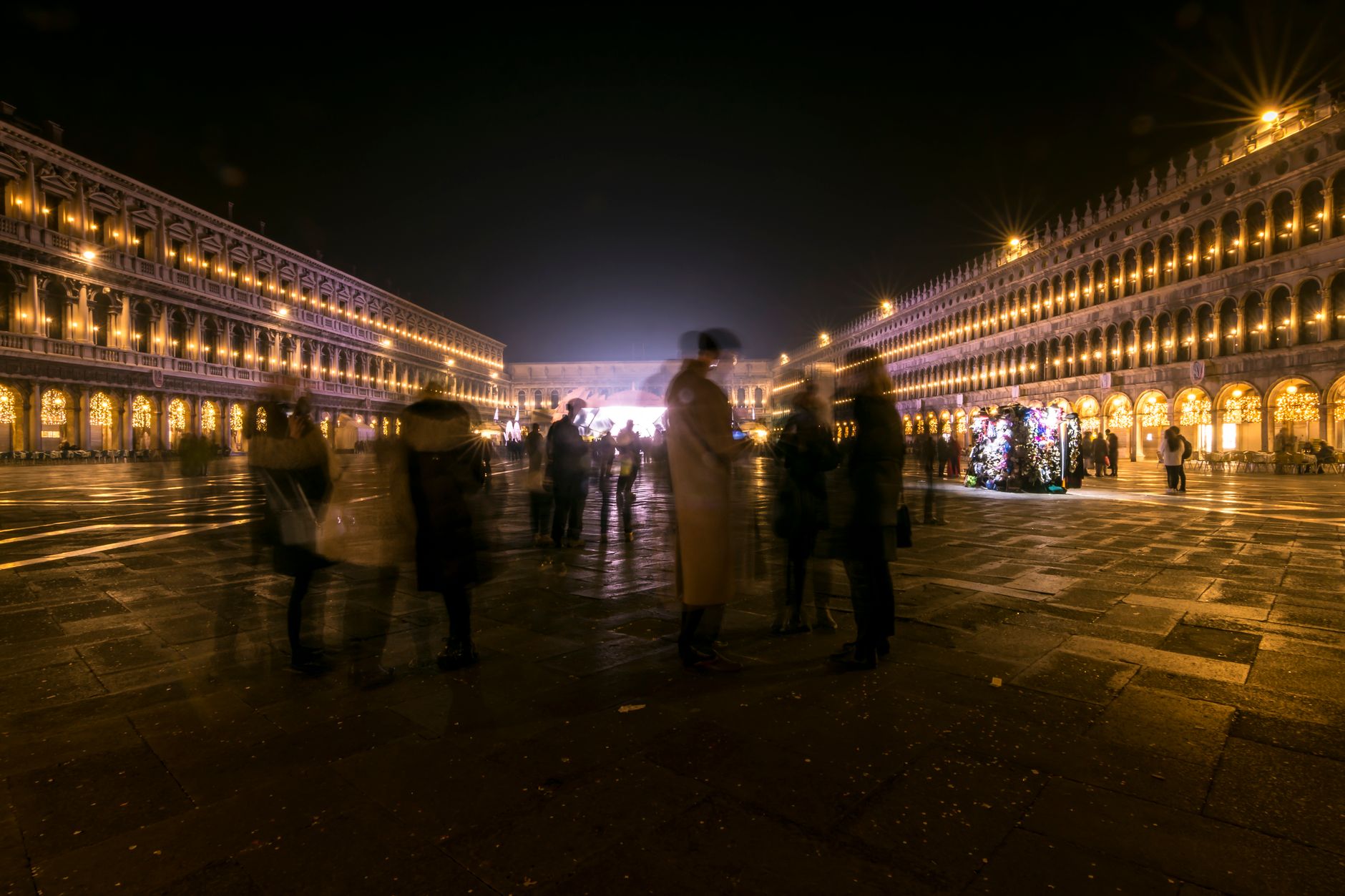
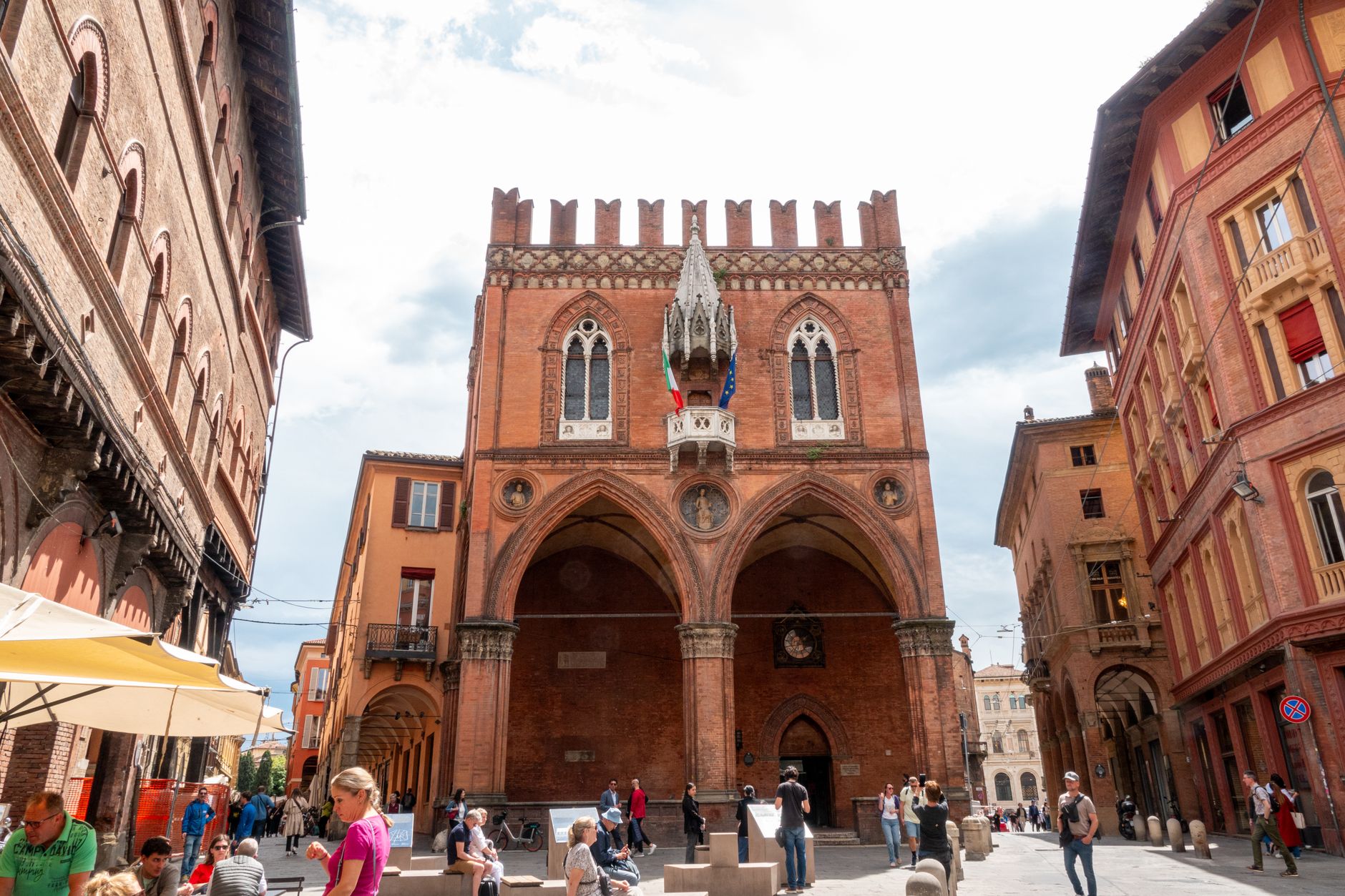
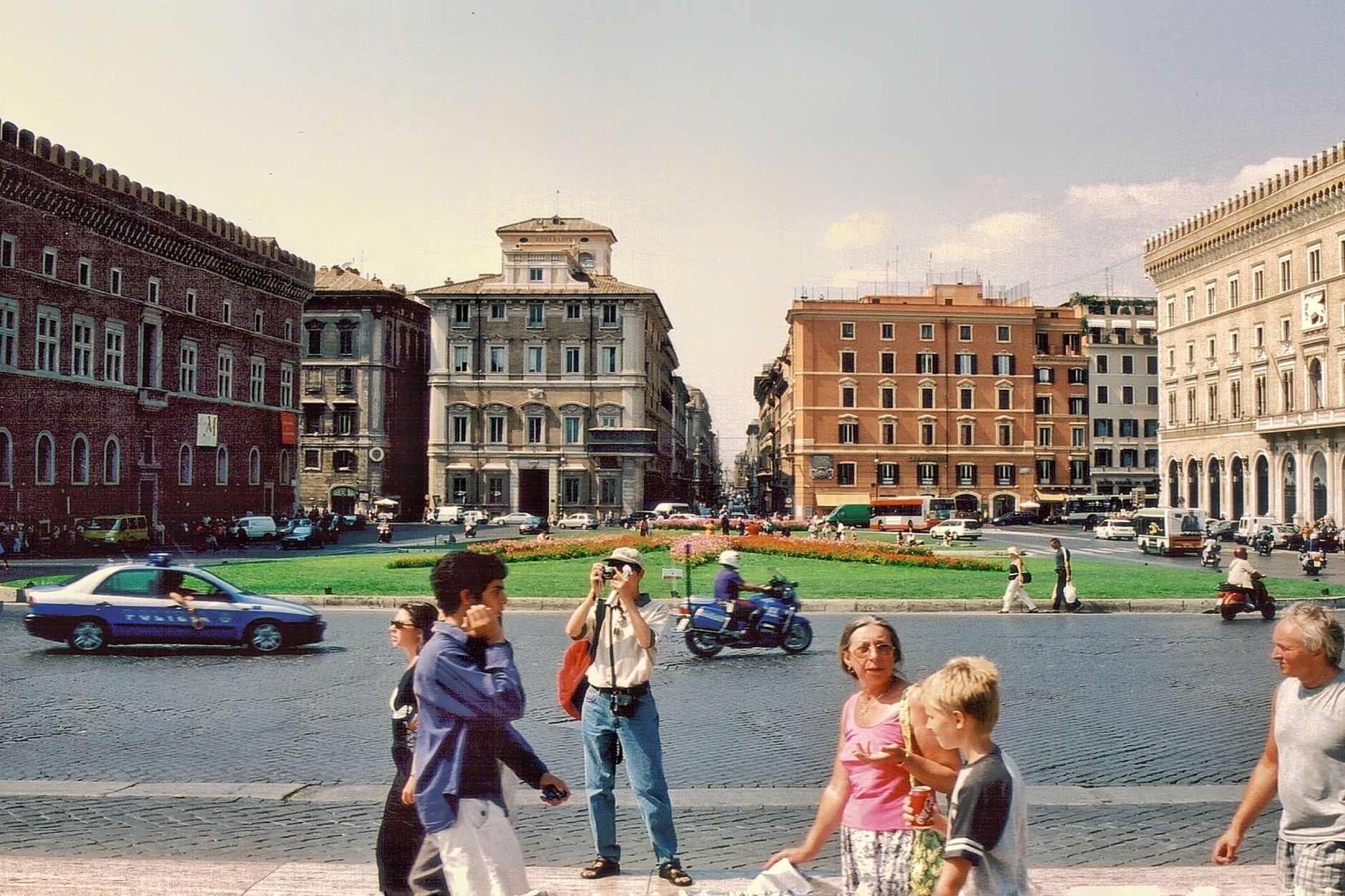
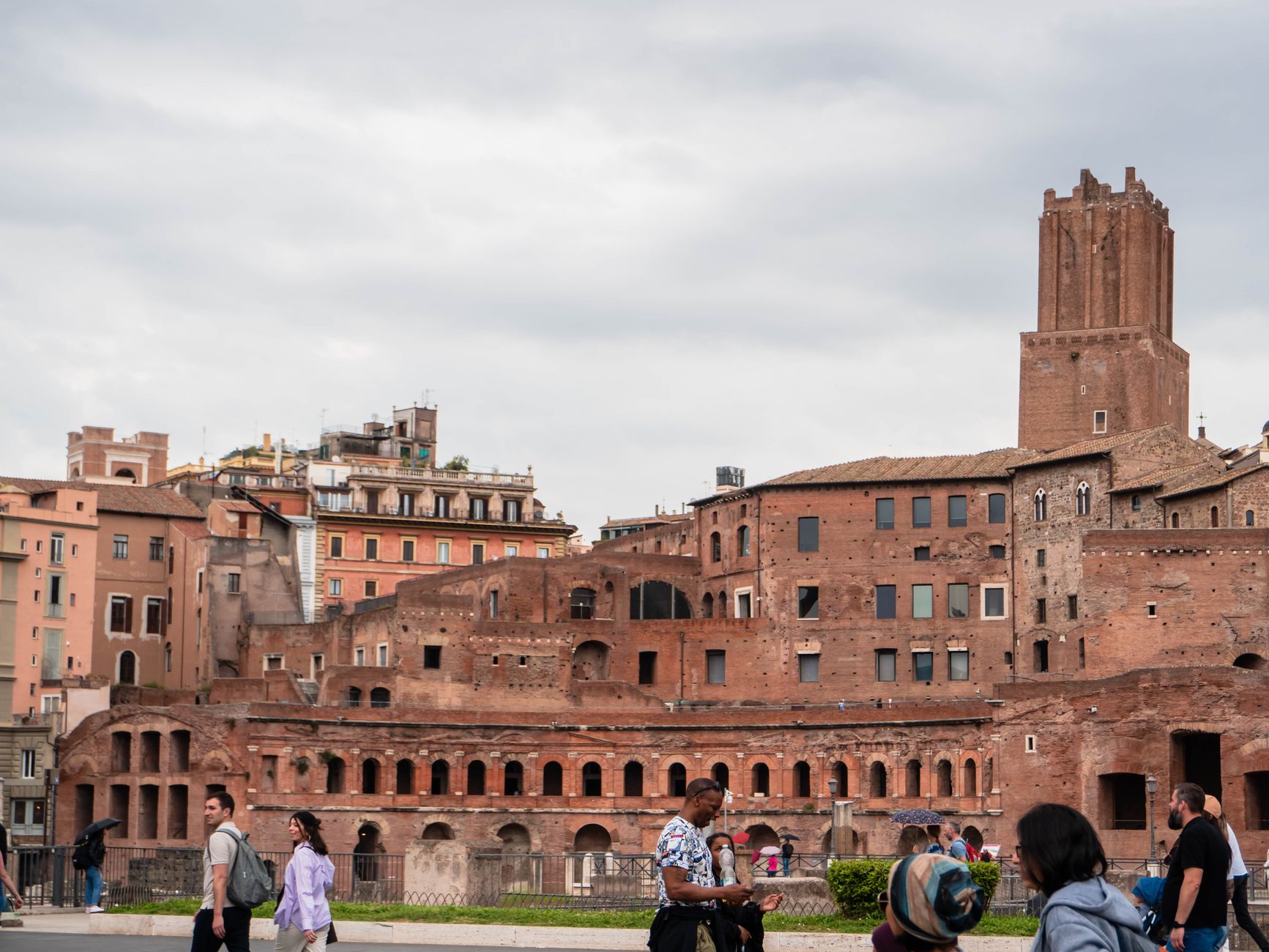
Most people pass through Mestre at speed, eyes on the lagoon horizon. That's their loss. The mainland city that was folded into Venice's comune in 1926 has its own square, its own clock tower, its own Art Nouveau gallery, and a 2018 museum of modern Italian history that would draw queues in any capital. Piazza Ferretto — locals call it the city's living room — fills with people who actually live here, not people consulting itineraries.
Mestre is also, simply, where you can afford to sleep near Venice. The train across the Ponte della Libertà takes ten minutes. That arithmetic is hard to argue with.
💛 What travellers fall for
People who've stayed here more than once tend to mention the same things: coffee in Piazza Ferretto before the day starts, an evening walk out to Forte Marghera along the old canal, and the M9 Museum on a rainy afternoon — far less crowded than anything across the bridge, and genuinely worth the time.
Experiences you don't want to miss


Deals in Mestre
Book directly at the provider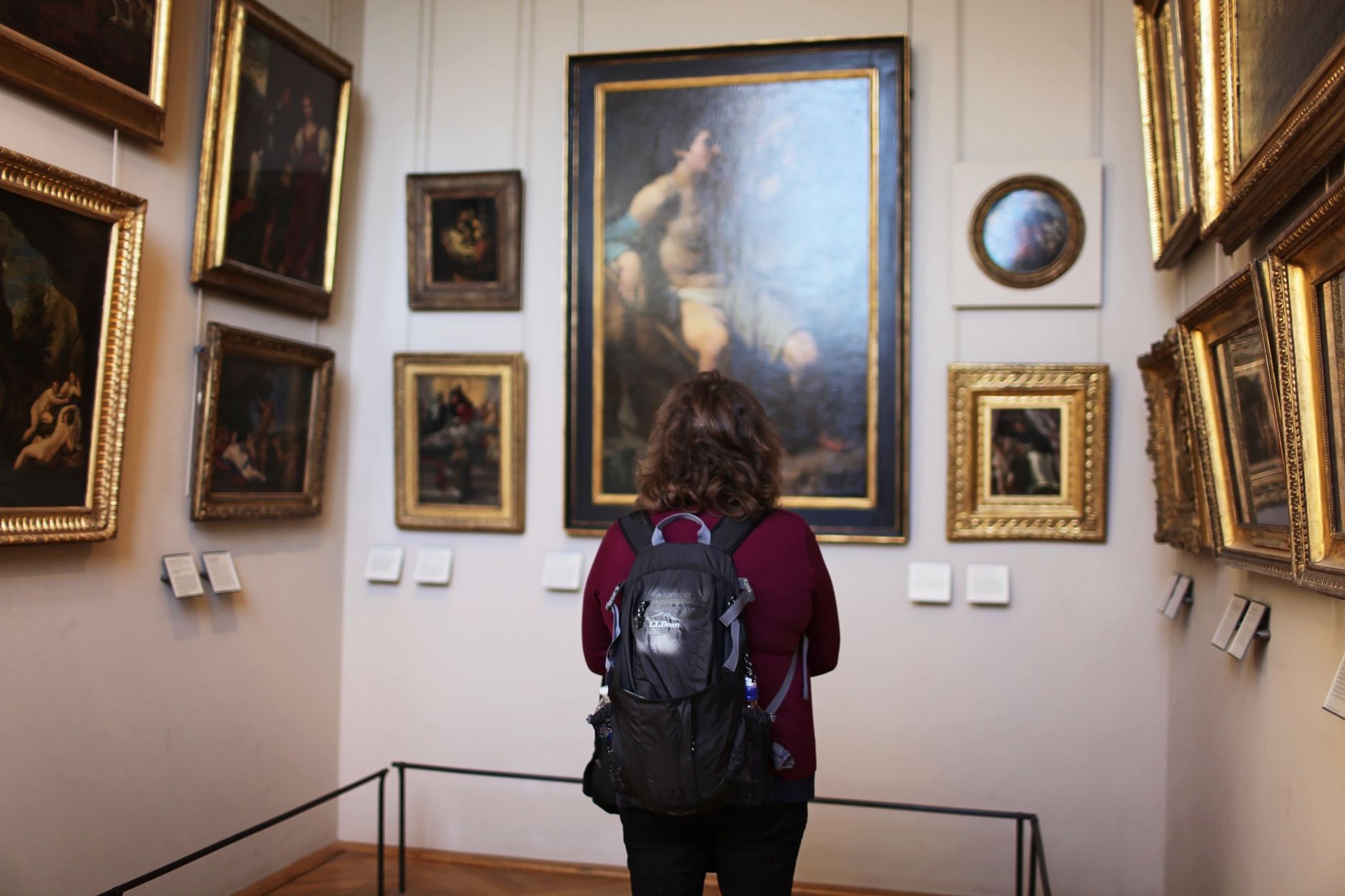

How Mestre came to be
Mestre's roots go back to Roman times, but its defining medieval moment came in 1274 when fire destroyed the original fortress and survivors rebuilt nearby at what became Castelnuovo. The Venetians took the town on 29 September 1337, and for centuries it served as a strategic gateway to the lagoon. That role eroded slowly — by the 18th century the castle had been dismantled entirely — and in 1513, during the War of the League of Cambrai, Spanish and German forces sacked it.
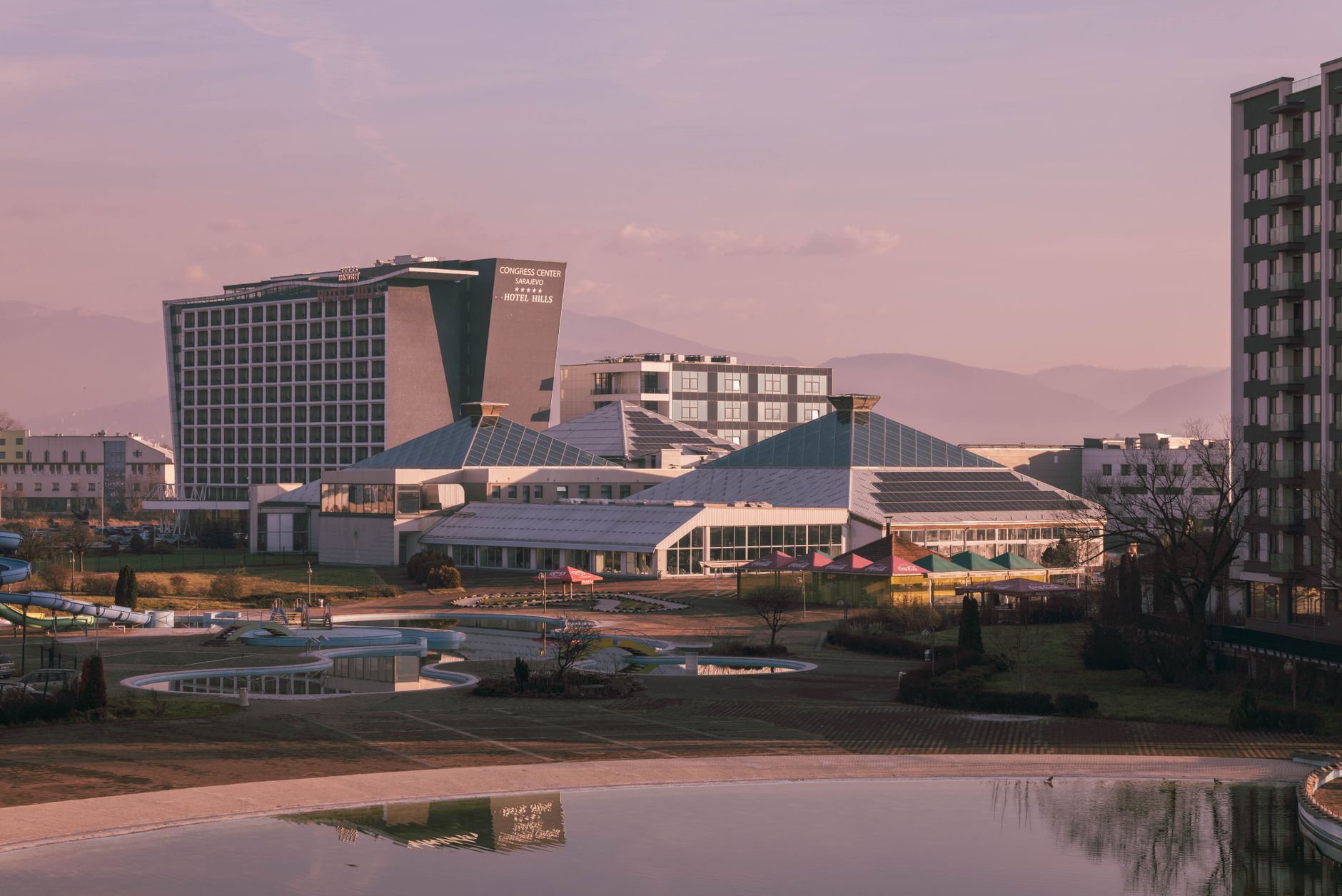
Napoleon ended Venetian rule on 16 July 1797, and by 1806 Mestre had become a free municipality under the French model. It gained town status in 1923, then three years later was absorbed by Royal Decree into the comune of Venice alongside Chirignago, Zelarino, and Favaro Veneto. Post-war, the city grew fast and without much plan, which explains the patchwork urbanism you see today alongside the older core.
Who and what shaped it
People who shaped it
Landmark buildings
See Mestre in motion
Plan your visit
On the map
When to go
Summers are warm and humid, with temperatures regularly above 30°C — the lagoon air doesn't help. Winters are cold and damp, with frequent fog settling across the mainland from November through February. April, May, September, and October offer the most straightforward weather for walking the city.
Right now
Background & history adapted from Wikipedia (CC BY-SA) · specs from Wikidata (CC0) · weather from Open-Meteo · map data © OpenStreetMap contributors · photos from Wikimedia Commons / Unsplash with per-image credit. No third-party reviews or social posts reproduced.