
Padua
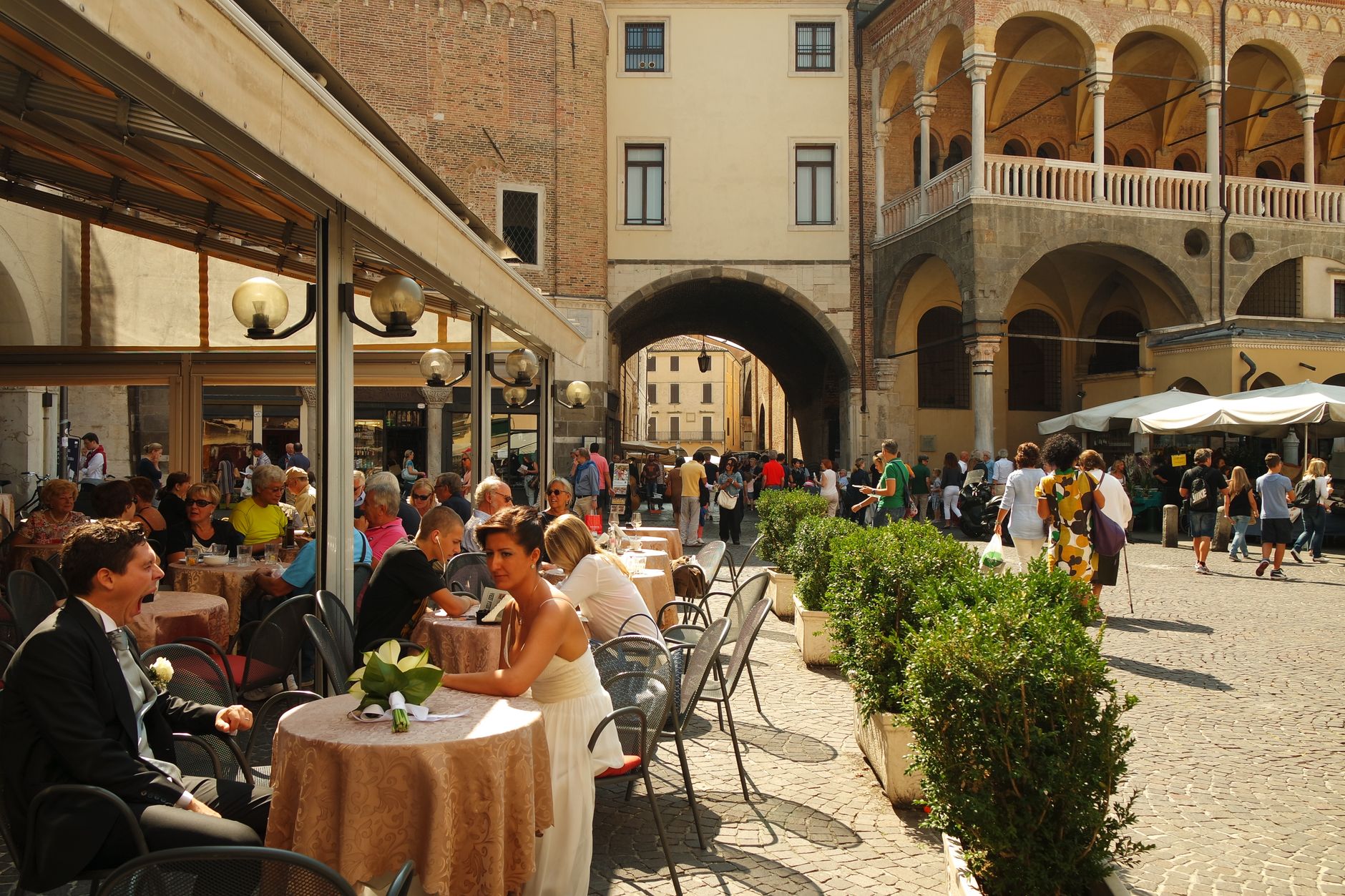
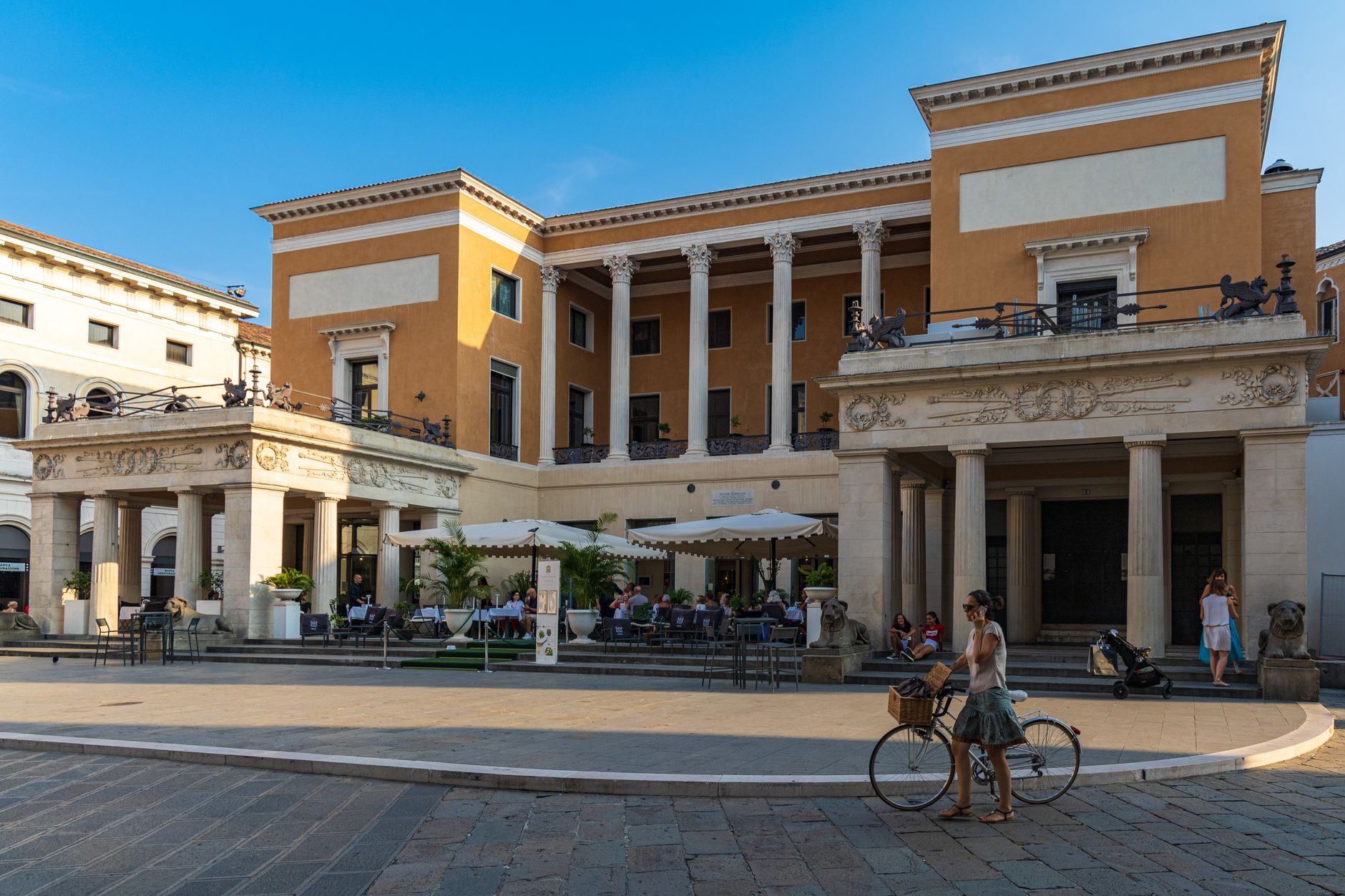
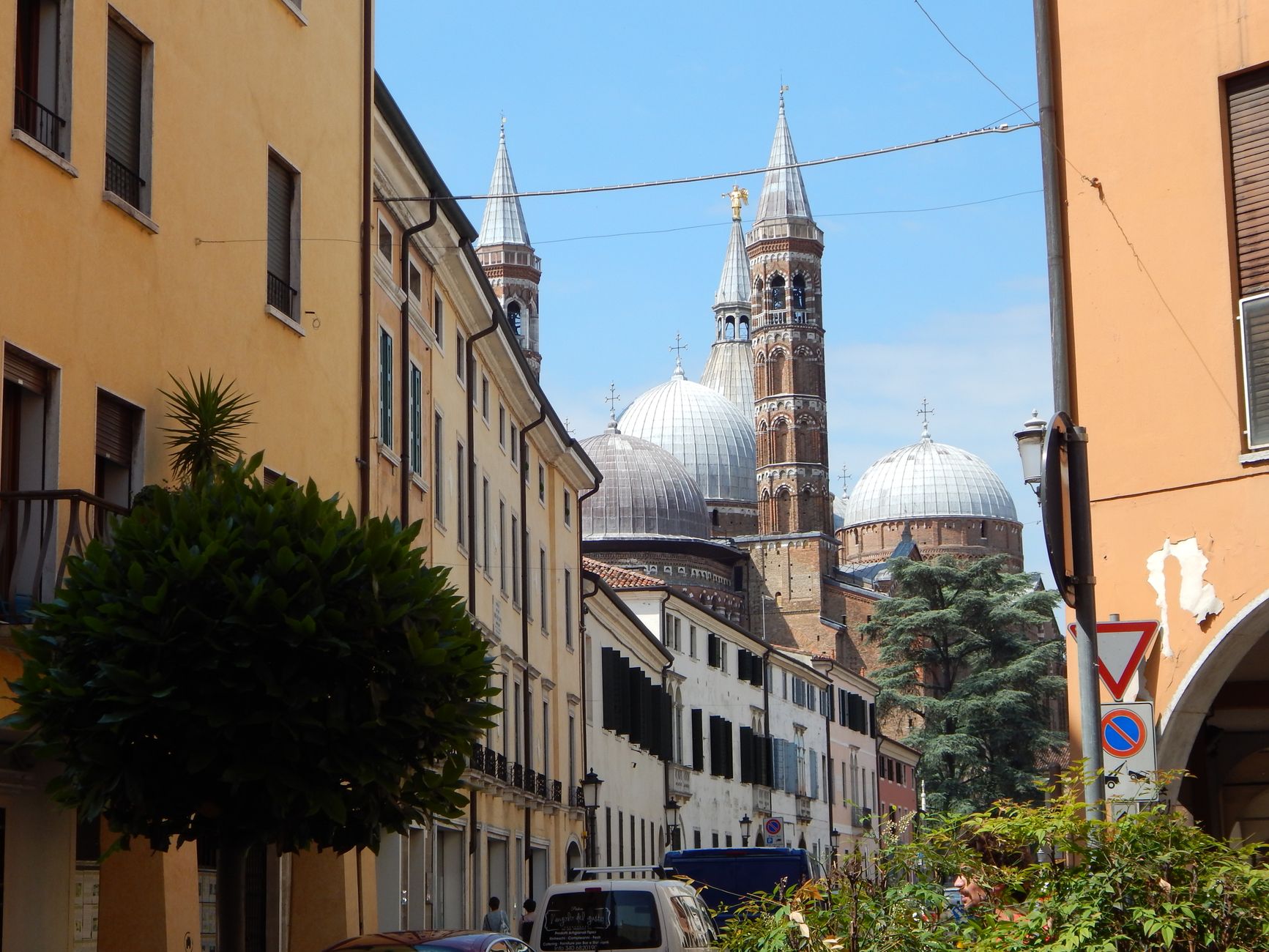
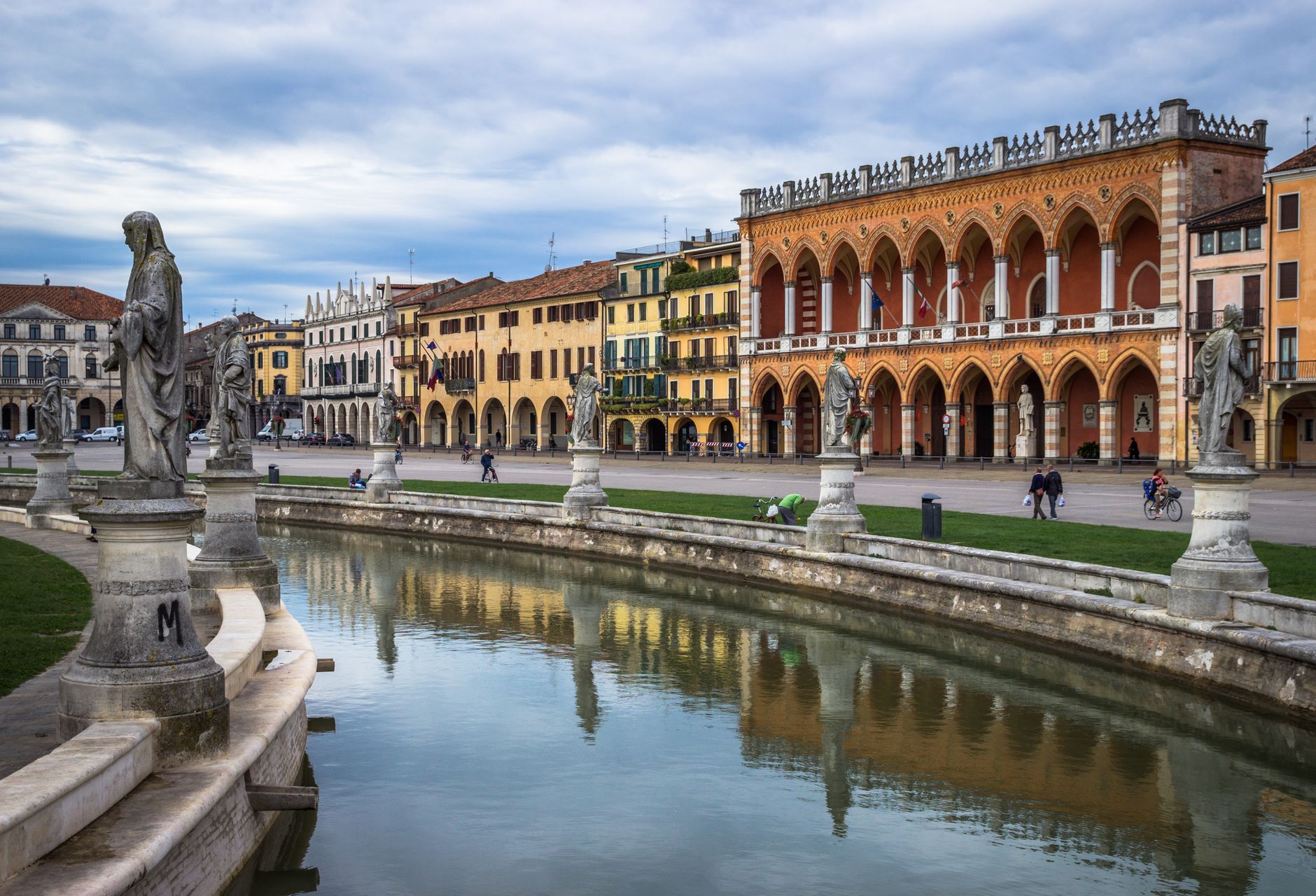
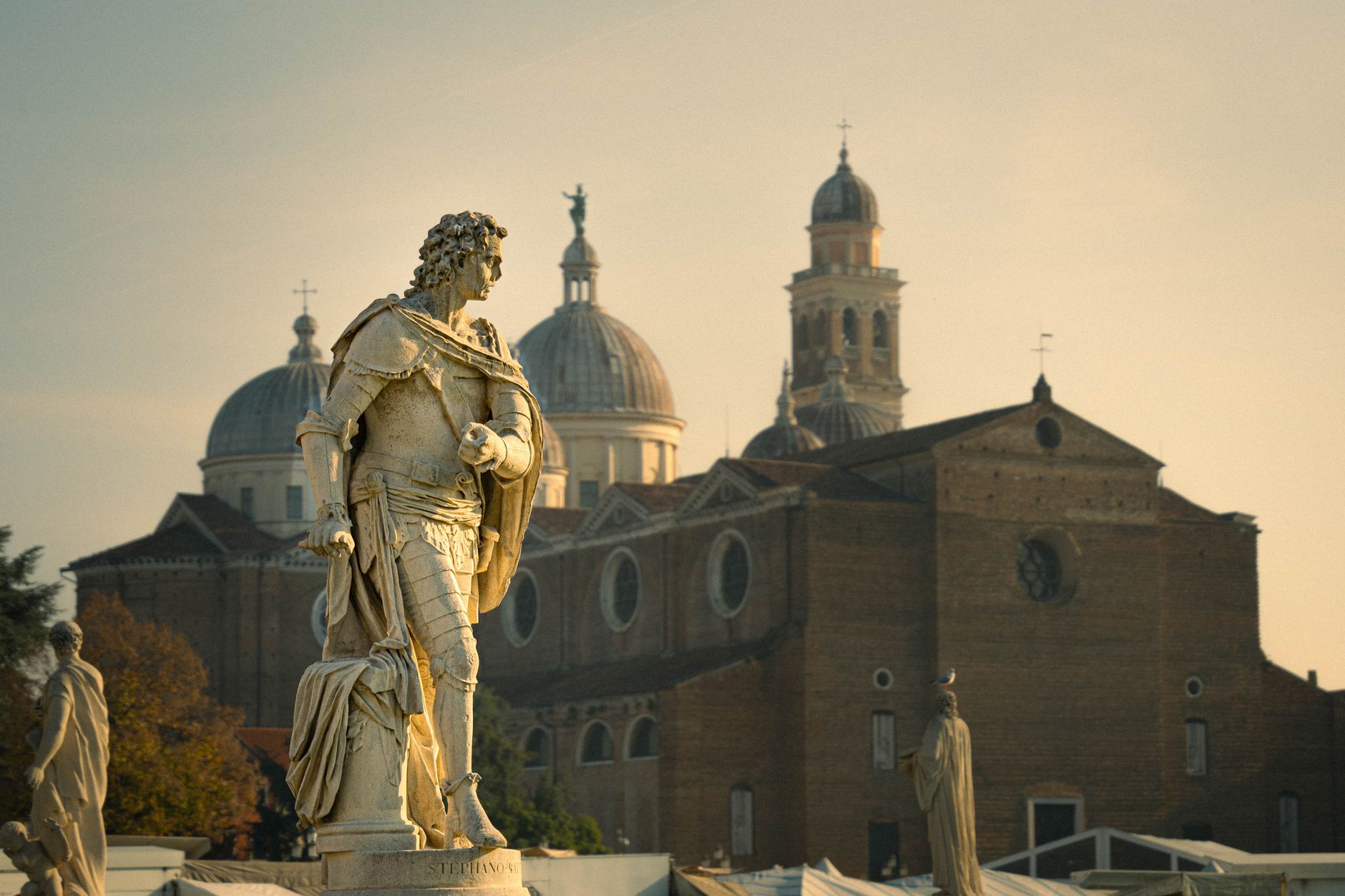
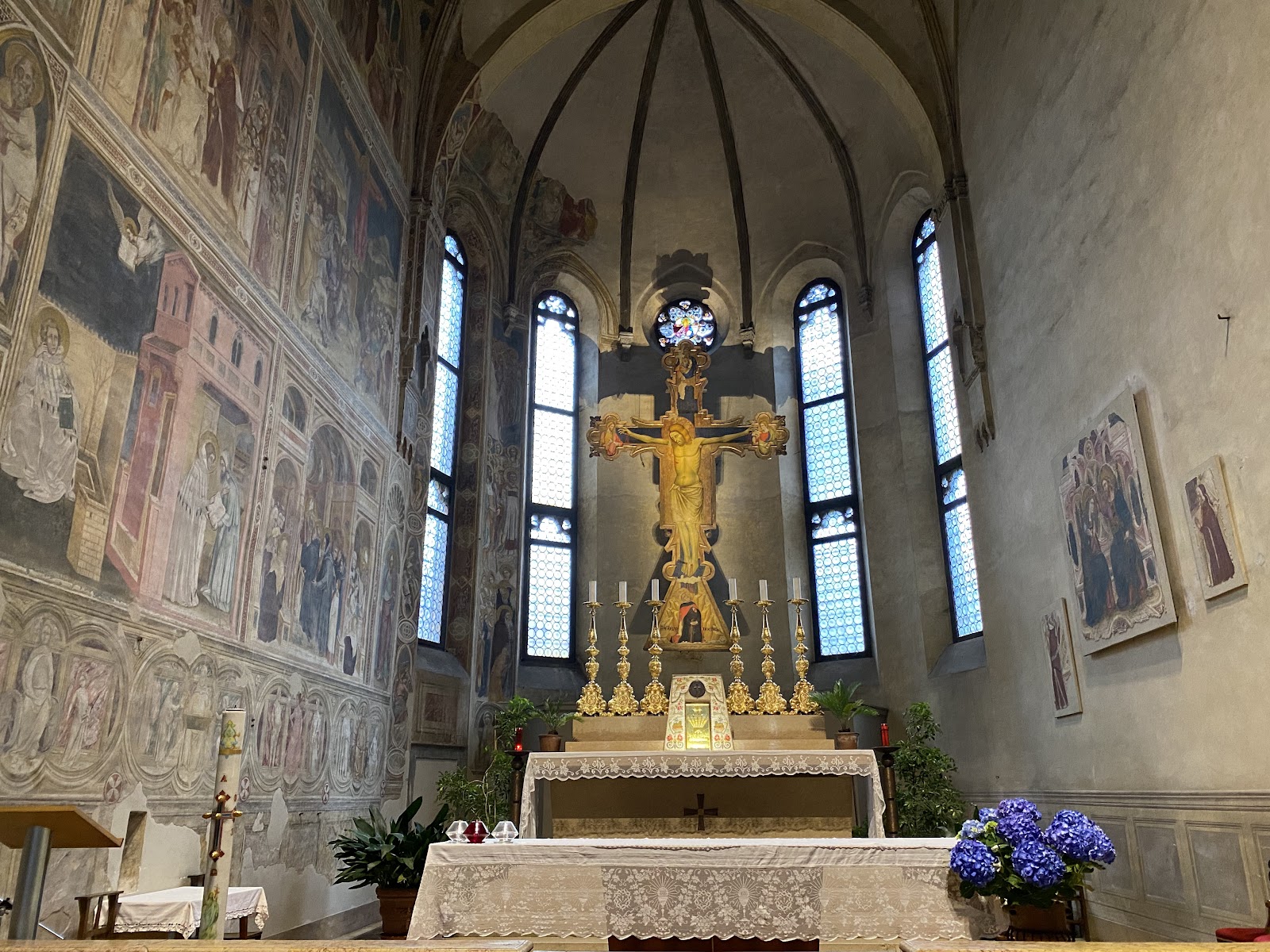
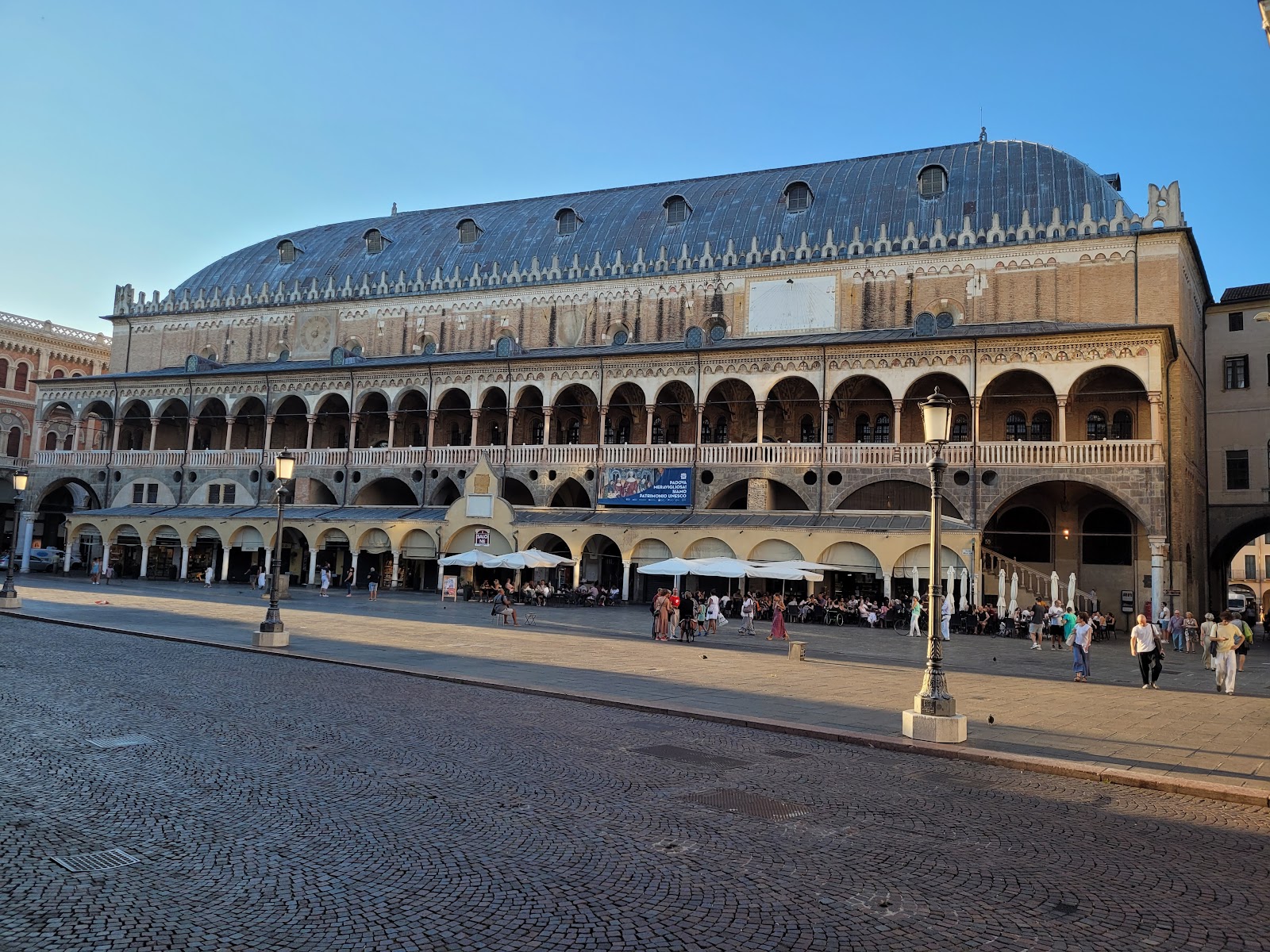
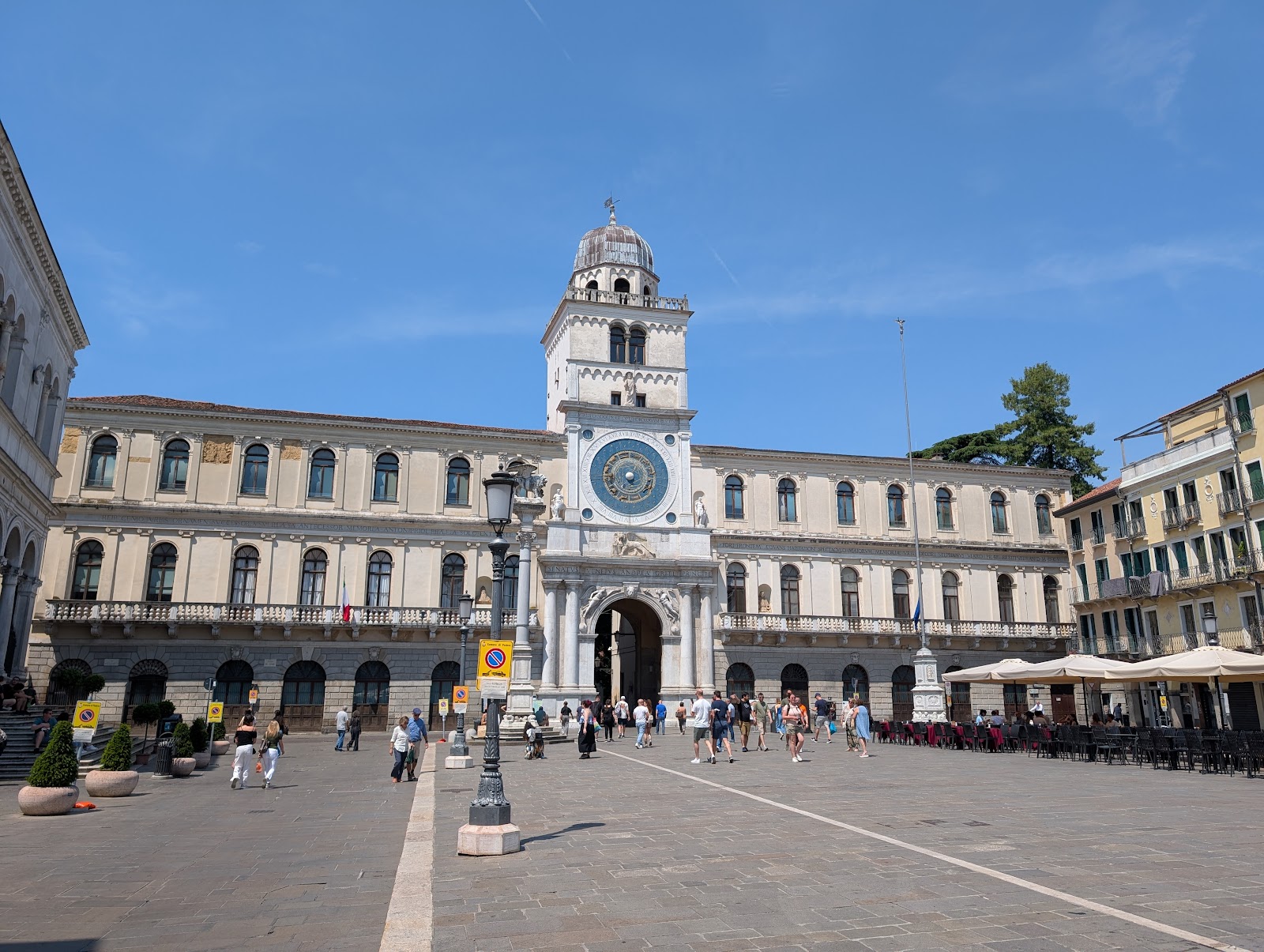
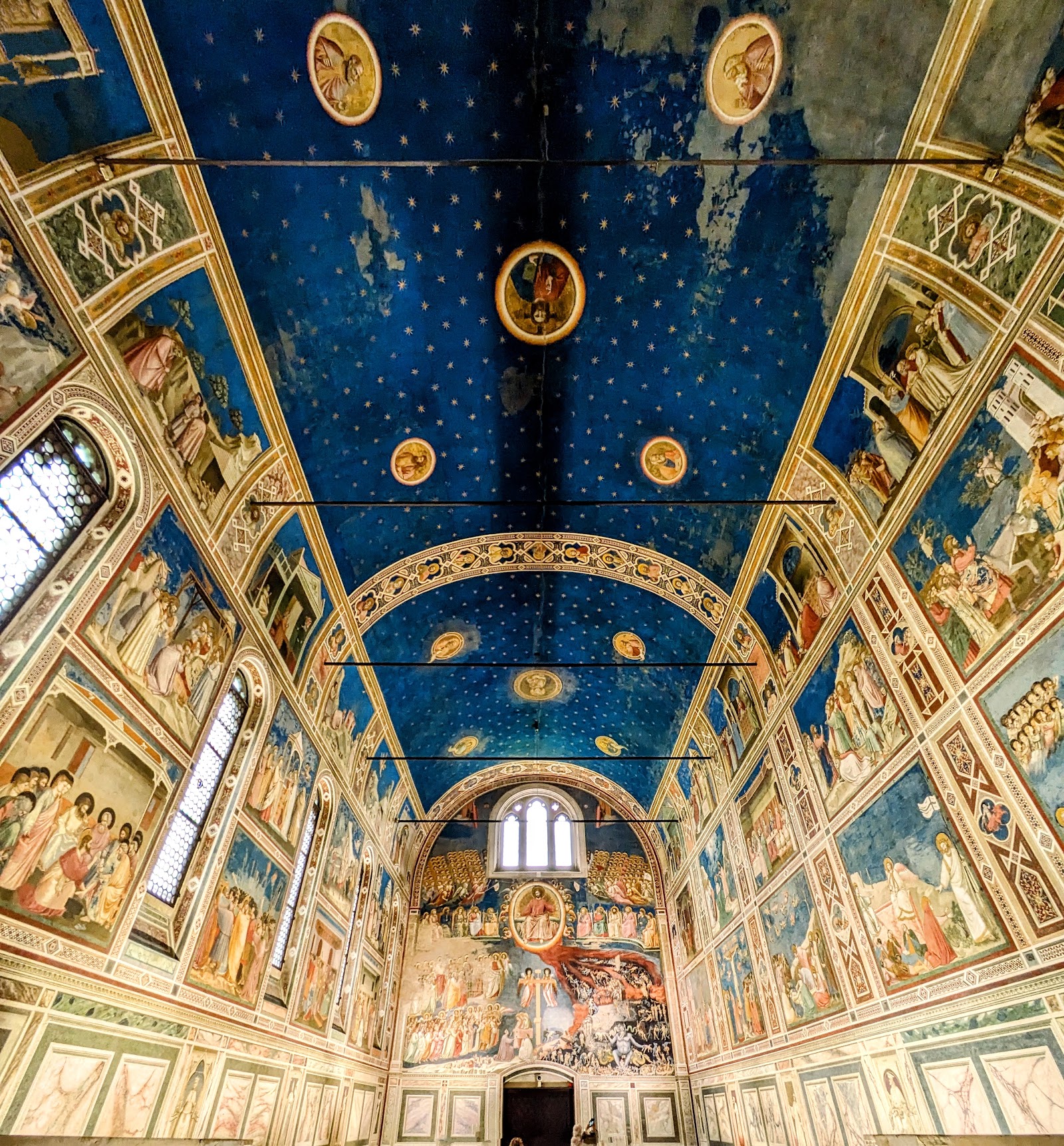
Padua earns its reputation quietly. Stand in the Scrovegni Chapel for a few minutes and you'll understand why: Giotto painted these walls in the early 14th century and the blues still hold, the faces still turn. Outside, the city runs on its own rhythm — students cycling past medieval arcades, pilgrims queuing at the Basilica di Sant'Antonio, regulars at the Palazzo della Ragione market who haven't looked up at that extraordinary inverted-hull roof in years.
This is a university city in the oldest sense. The University of Padova was founded in 1222, Galileo taught here, and Elena Cornaro Piscopia became the first woman in the world to earn a university degree within these walls. The botanical garden the university planted in 1545 is still growing.
💛 What travellers fall for
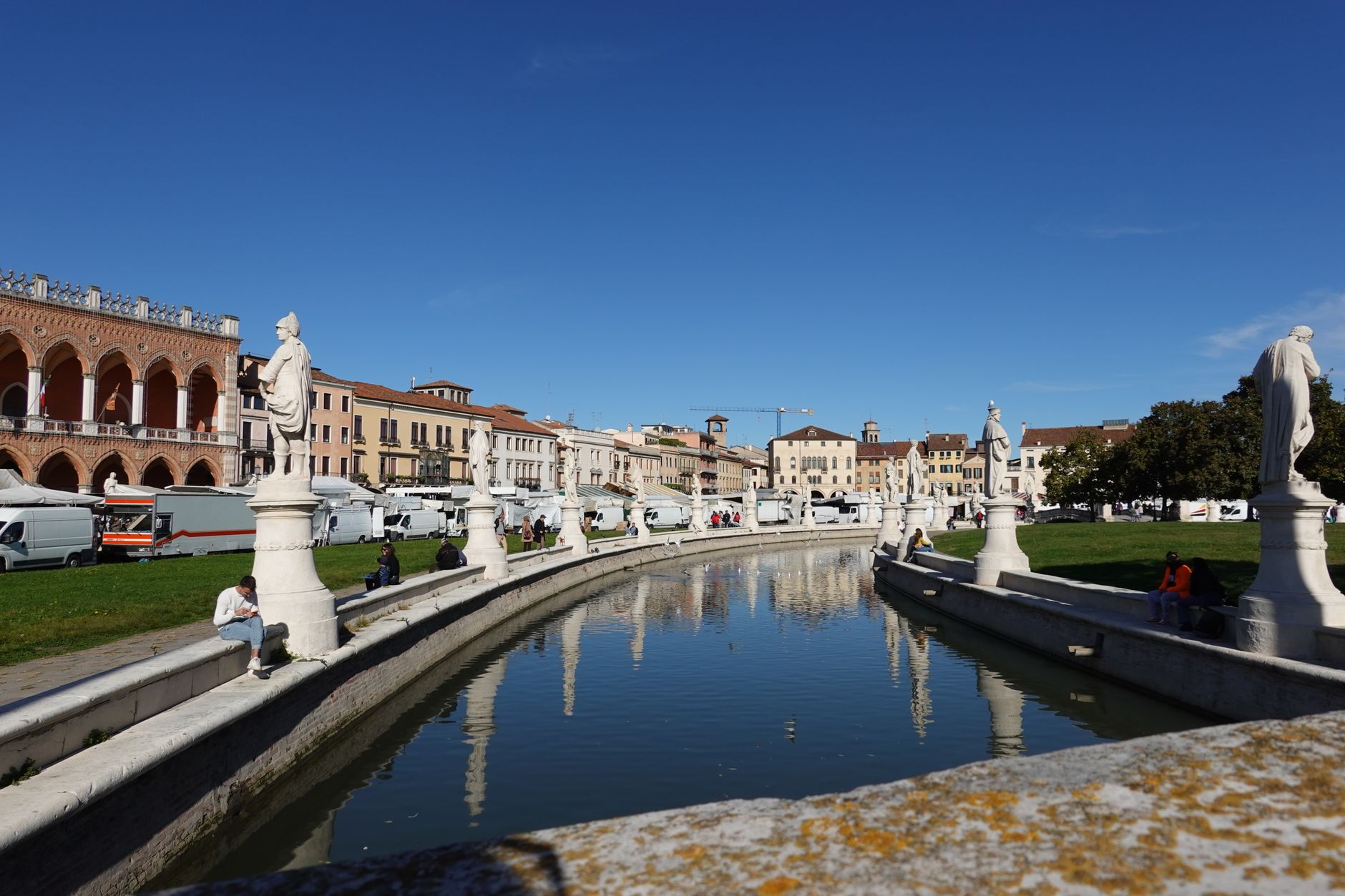
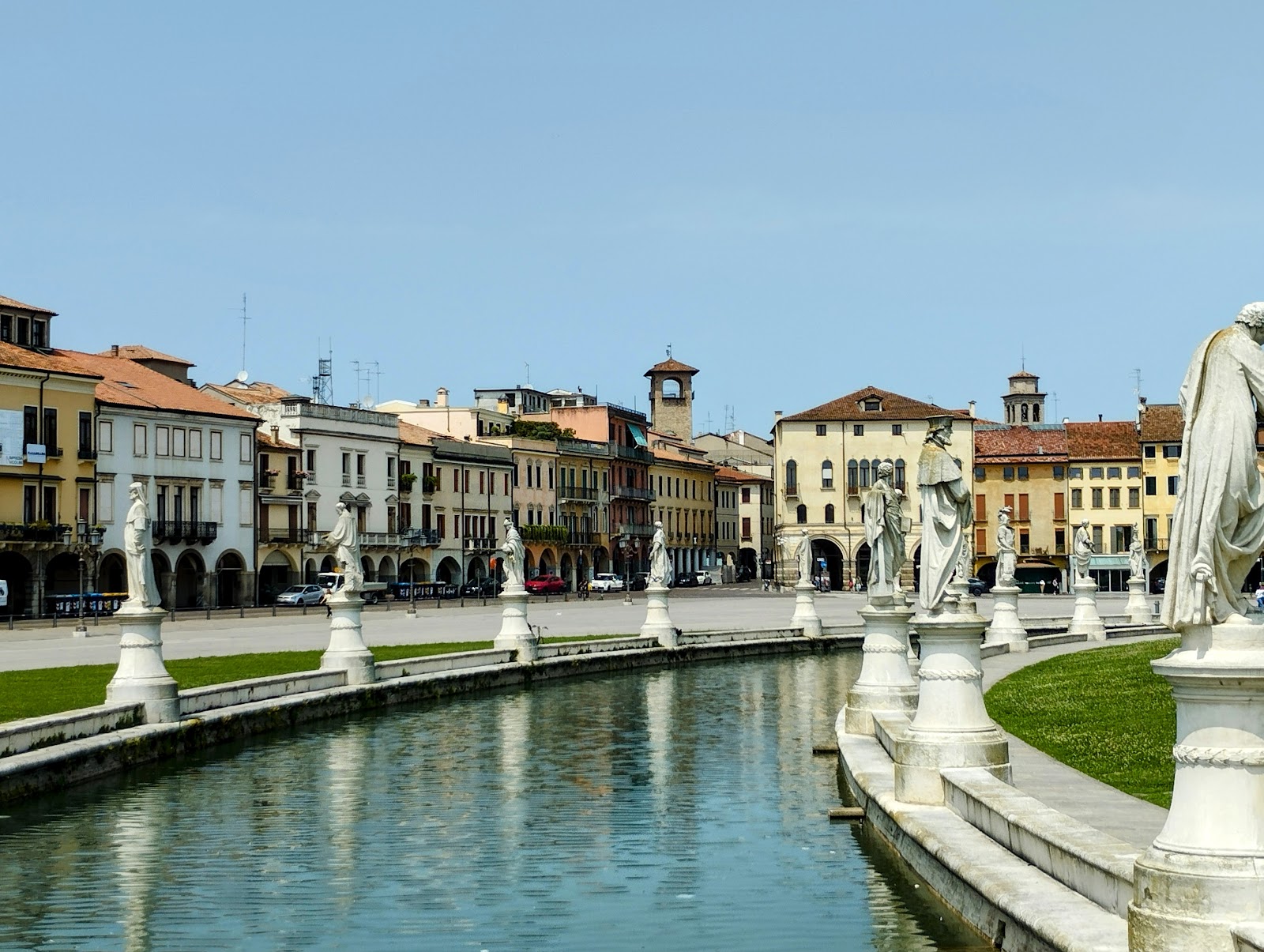
People who come back tend to time it around the Prato della Valle on a Saturday morning, when the market fills Europe's largest square and the 90 stone figures look on from the oval island. They also learn quickly to book the Scrovegni Chapel in advance — slots fill days out, and walk-ins rarely get in.
Experiences you don't want to miss




Deals in Padua
Book directly at the provider

How Padua came to be
Padua claims one of the longer origin stories in Italy. Livy, who was born here in 59 BC, recorded the city's legendary founding by the Trojan prince Antenor — a story Virgil also touched in the Aeneid. Archaeological evidence puts actual settlement back to the 11th or 10th centuries BC, with the Veneti establishing it as one of their principal centers before Rome absorbed it as the municipium Patavium in 49 BC.
The medieval city that visitors walk through today took shape after centuries of disruption, including the Lombard king Agilulf burning it in 610 AD. The university's founding in 1222 reoriented everything: it drew Giotto, who painted the Scrovegni Chapel, and later Donatello, whose bronze statues still stand in the Basilica di Sant'Antonio. Venice absorbed Padua in 1405, French forces took it in 1797, Austrian rule followed, and the city finally joined the Kingdom of Italy in 1866.
Who and what shaped it
People who shaped it
Landmark buildings
See Padua in motion
Plan your visit
On the map
When to go
Summers are warm and humid, with temperatures often climbing above 30°C — the arcaded streets offer some relief. Winters are cold and occasionally foggy; spring and September through October bring mild days that suit walking between the main sites.
Right now
↡ Attractions




Background & history adapted from Wikipedia (CC BY-SA) · specs from Wikidata (CC0) · weather from Open-Meteo · map data © OpenStreetMap contributors · photos from Wikimedia Commons / Unsplash with per-image credit. No third-party reviews or social posts reproduced.