
Bassano del Grappa
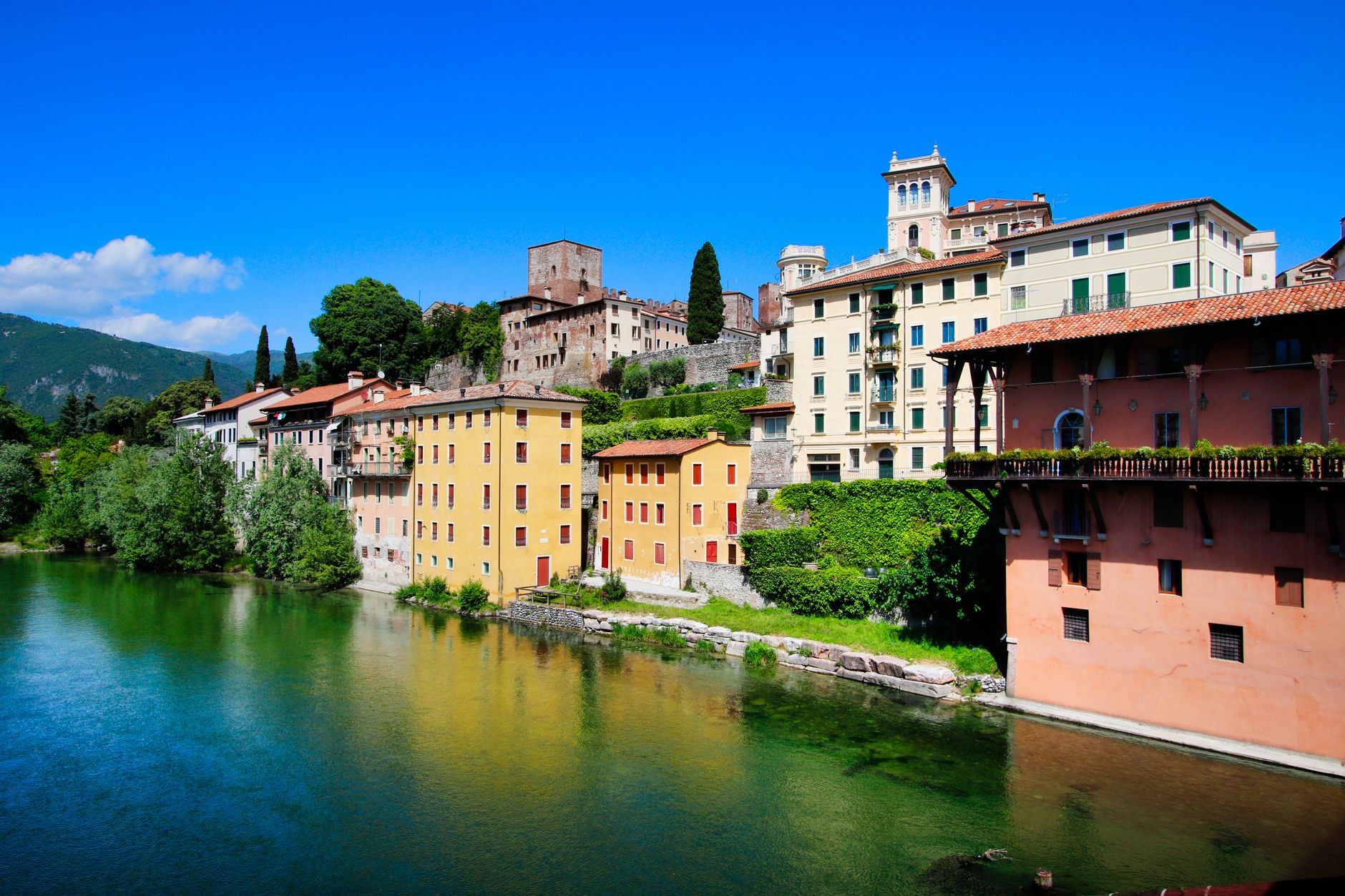
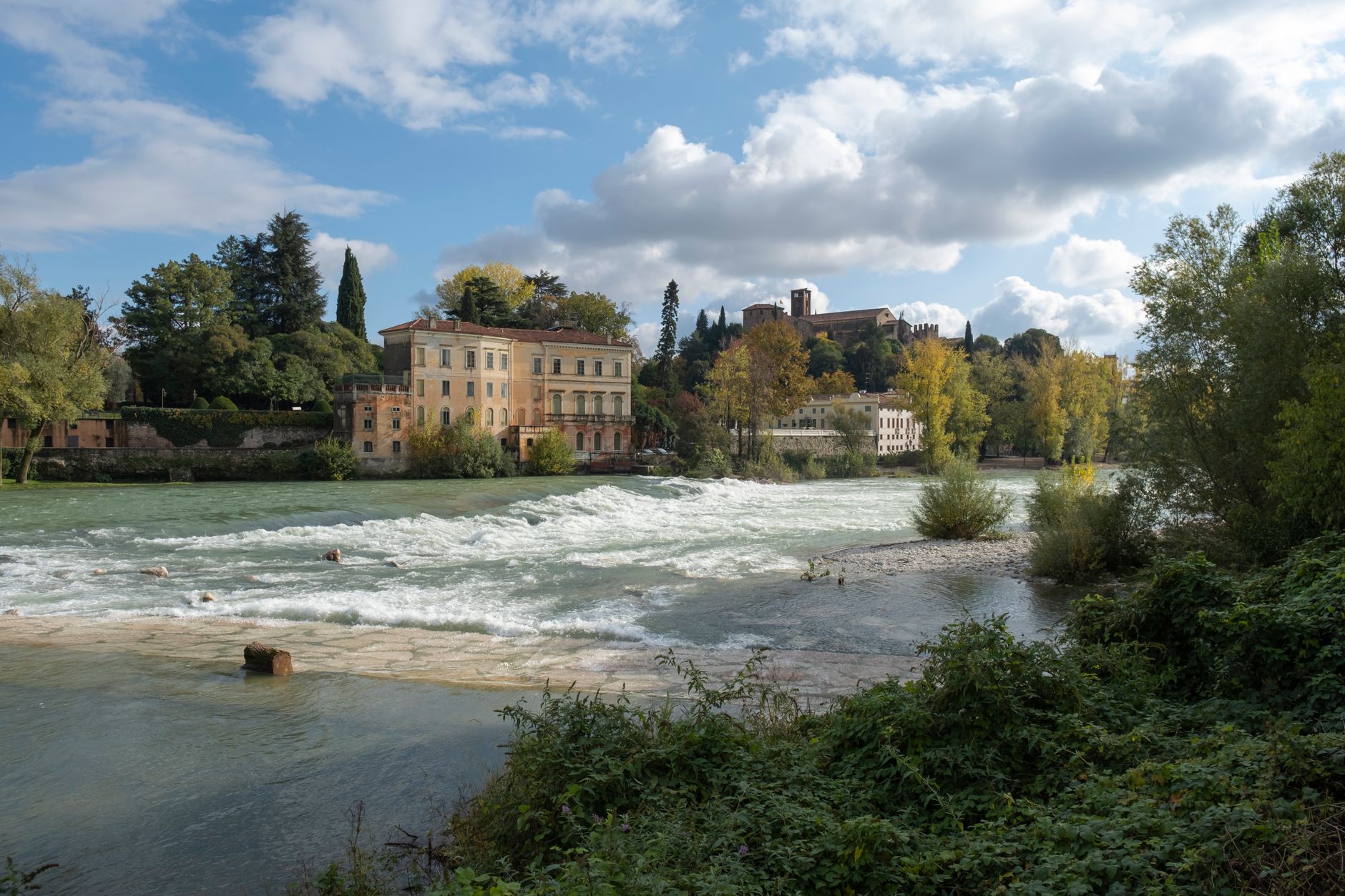
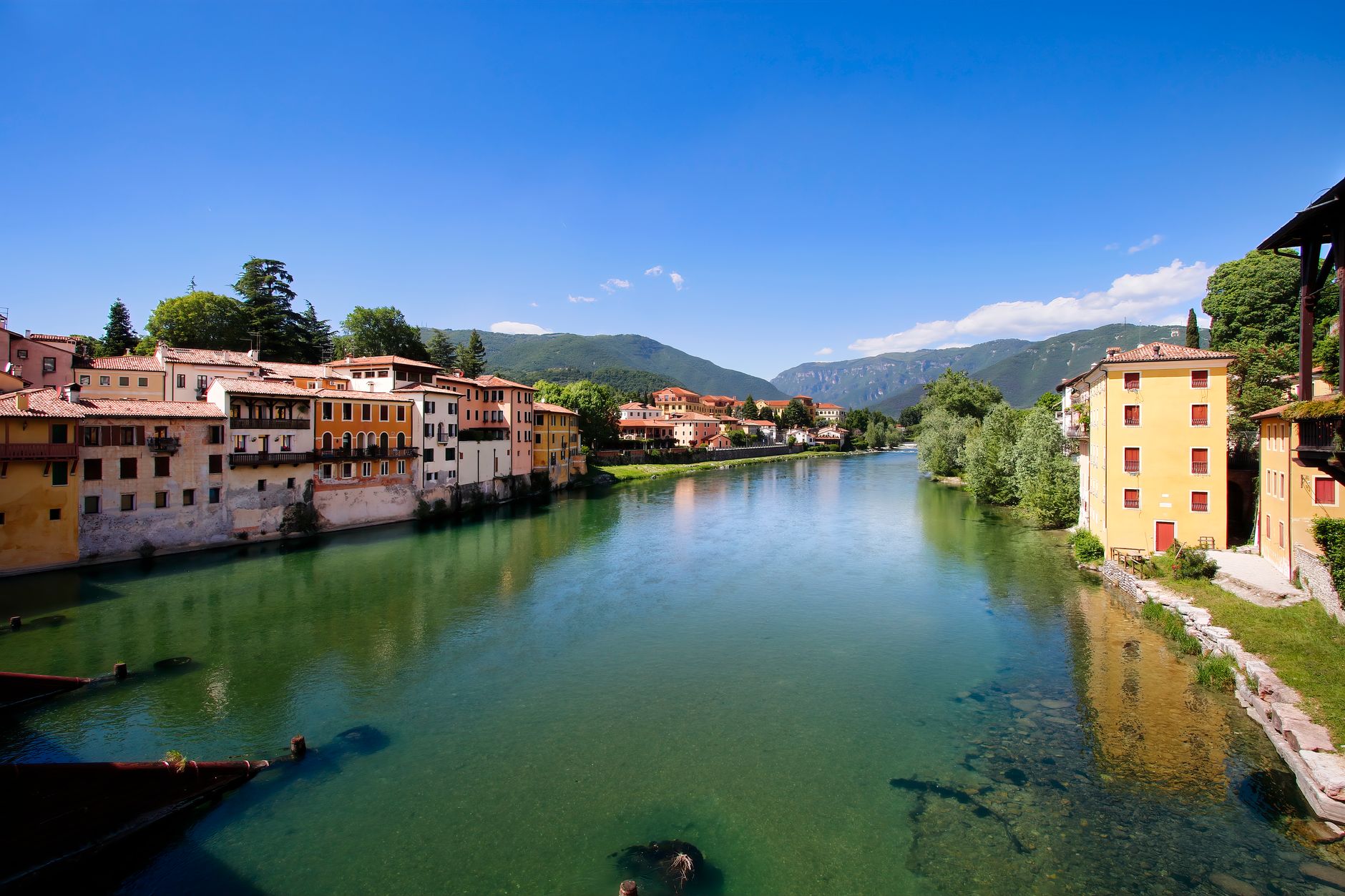
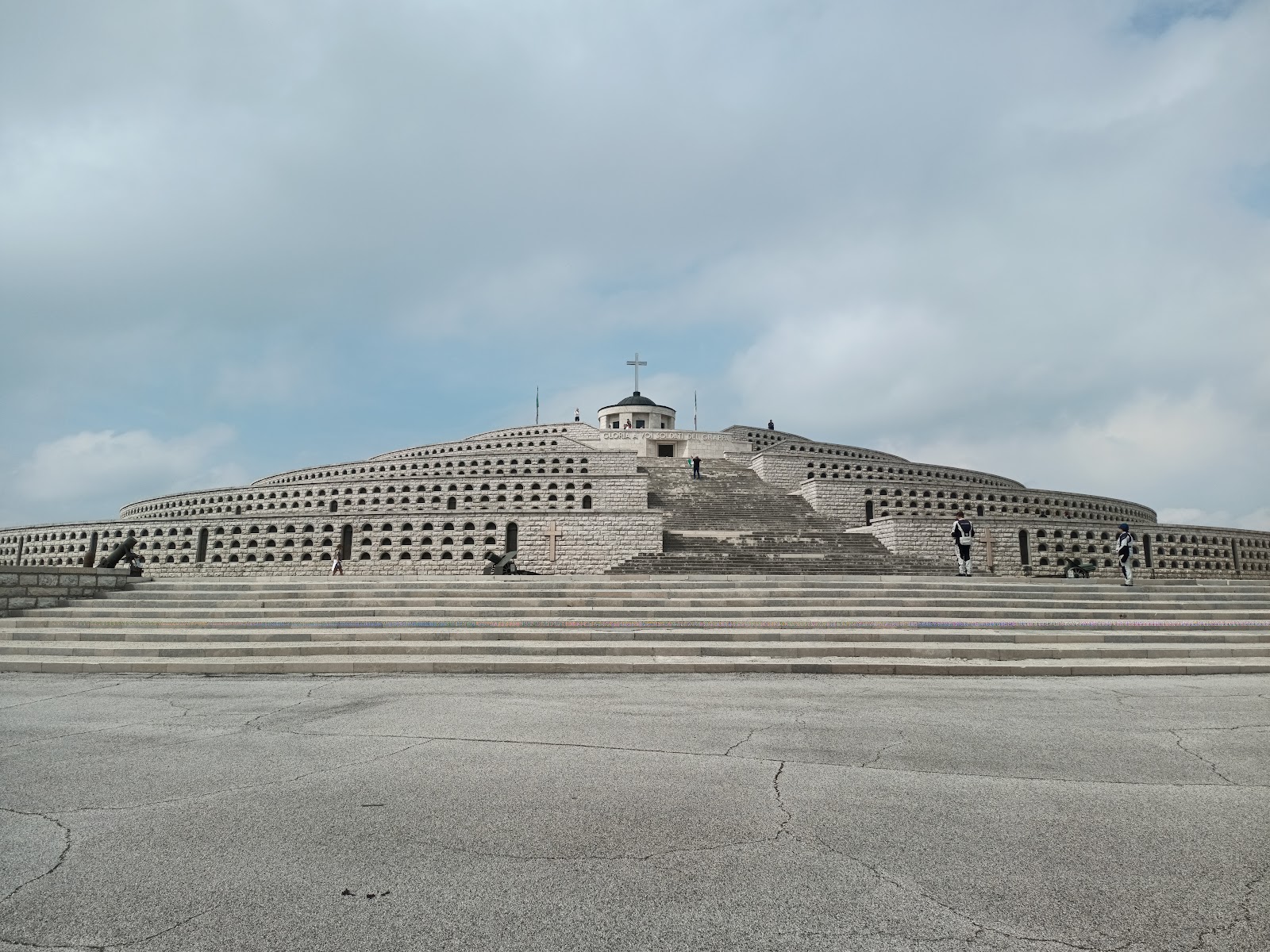
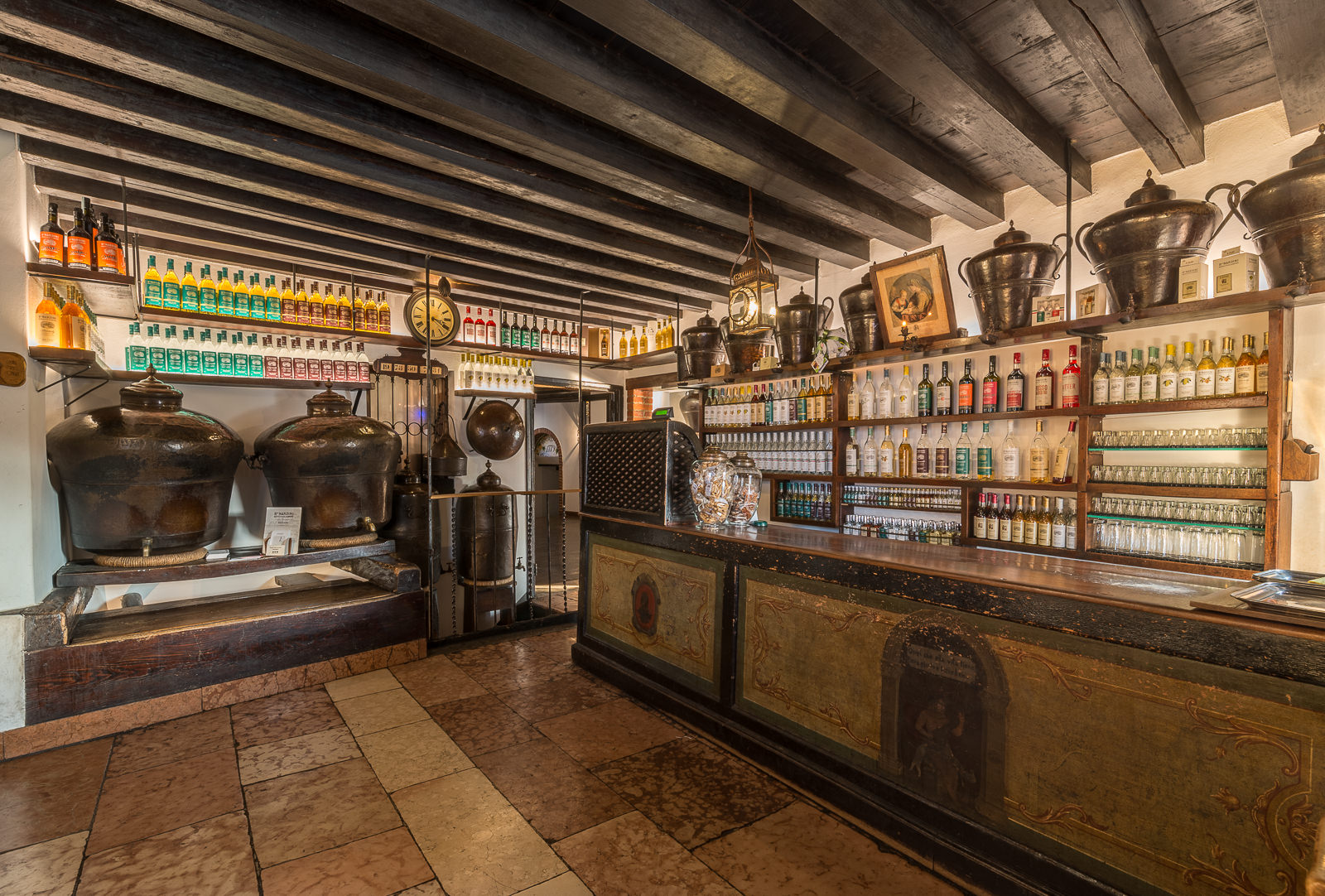
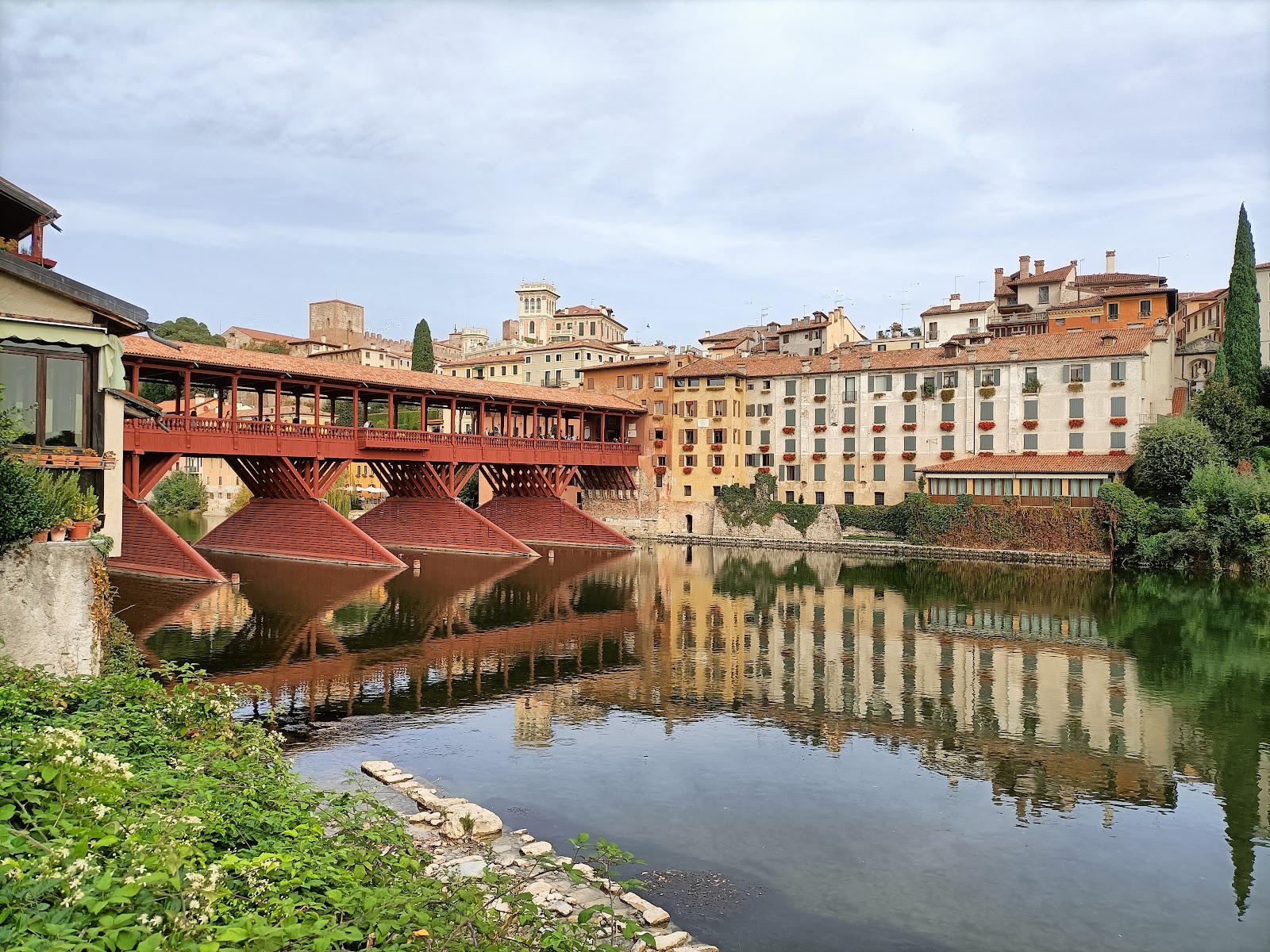
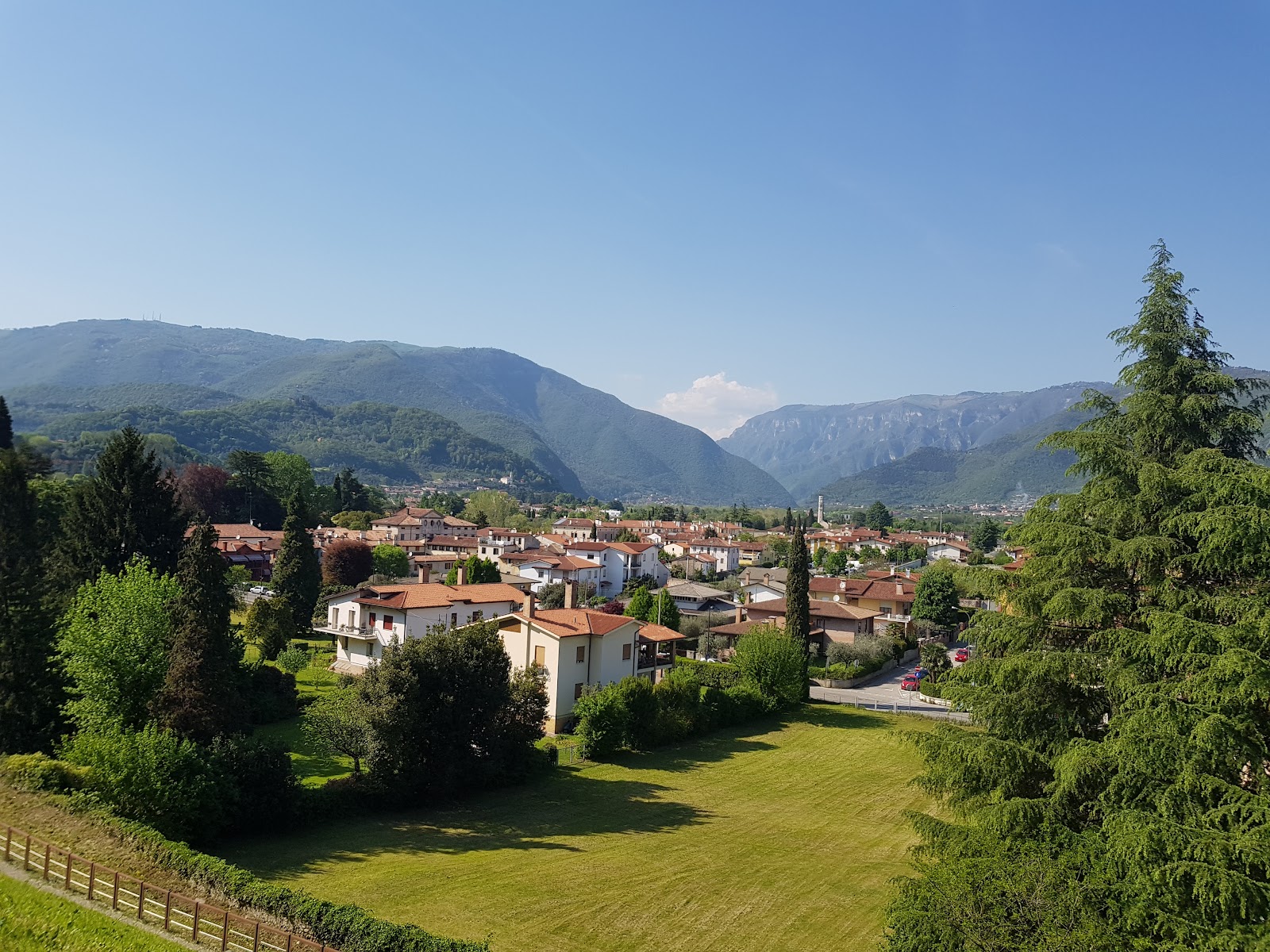
The first thing you notice in Bassano del Grappa is the bridge — a covered wooden structure that Andrea Palladio designed in 1569, rebuilt to his plans after floods and wars, crossing the Brenta River on four timber pillars. At the far end, the Bortolo Nardini distillery has been pouring grappa since 1779, and people still stop there before they've even found their hotel. The town sits where the Veneto plain meets the first foothills of the Alps, with Monte Grappa visible to the north — a mountain that cost tens of thousands of lives in the First World War and gave the town its current name.
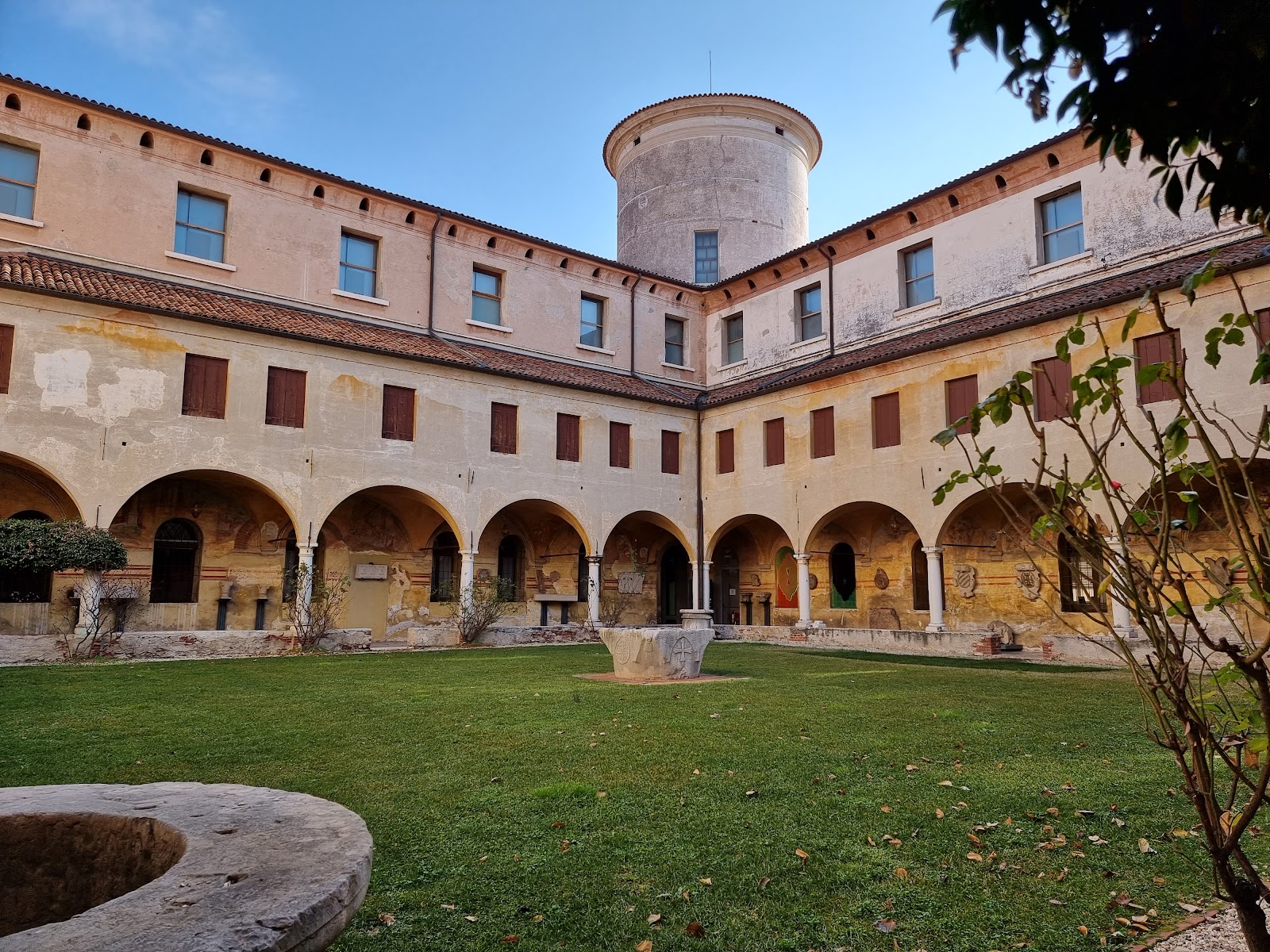
Bassano moves at a pace that rewards the unhurried. The medieval squares, the Civic Museum inside a former Franciscan cloister, the Jacopo Bassano paintings that never quite made it to Venice — it's a place with genuine depth that doesn't announce itself loudly.
💛 What travellers fall for
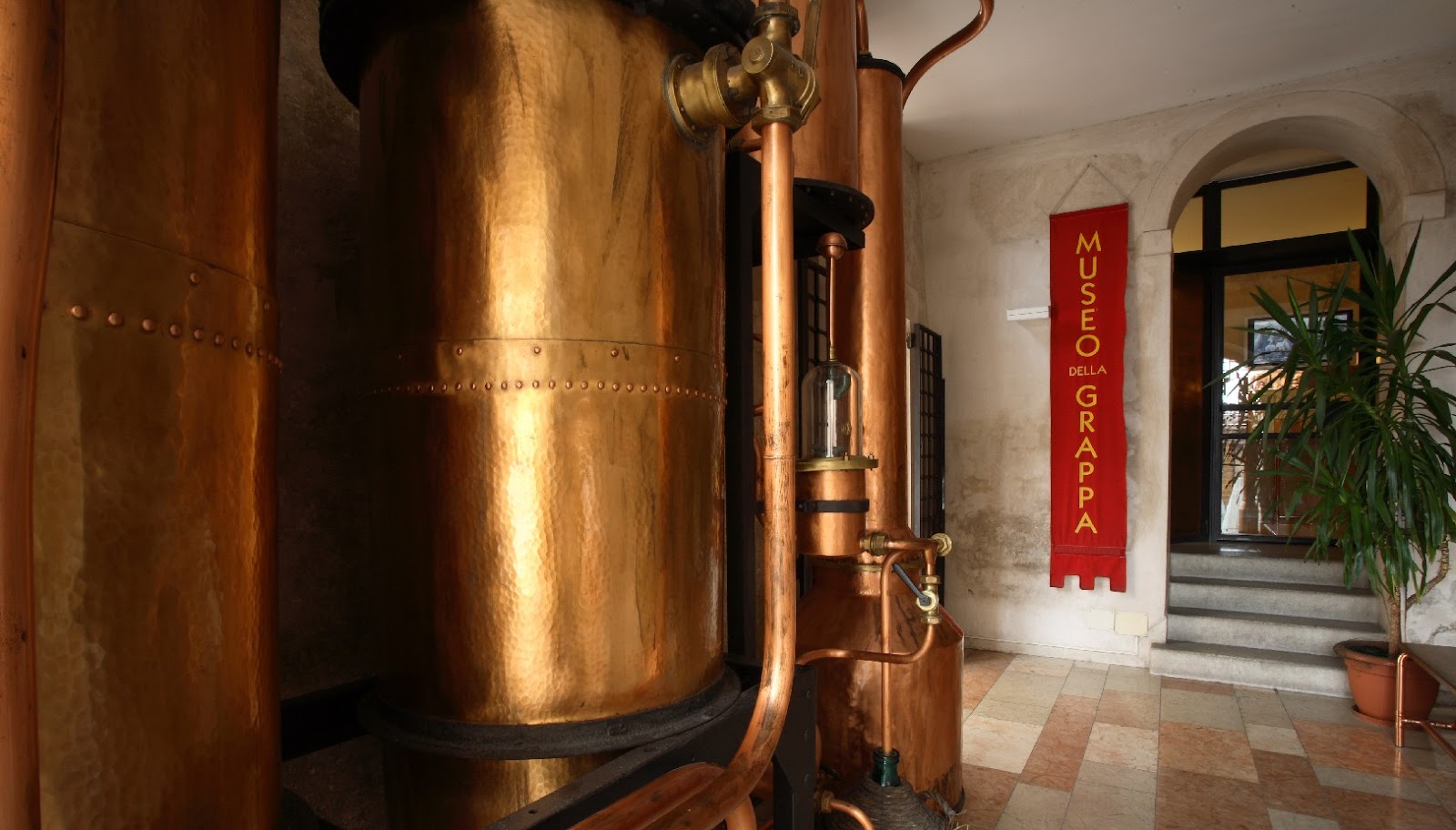
People who come back tend to mention the same ritual: a late-afternoon walk across the Ponte degli Alpini, a small glass at Nardini's bar on the bridge end, then a slow loop through Piazza Libertà before dinner. The Poli Museo della Grappa is free and genuinely interesting, not just a sales floor — worth an hour even if you don't drink the stuff.
Experiences you don't want to miss


Deals in Bassano del Grappa
Book directly at the providerHow Bassano del Grappa came to be
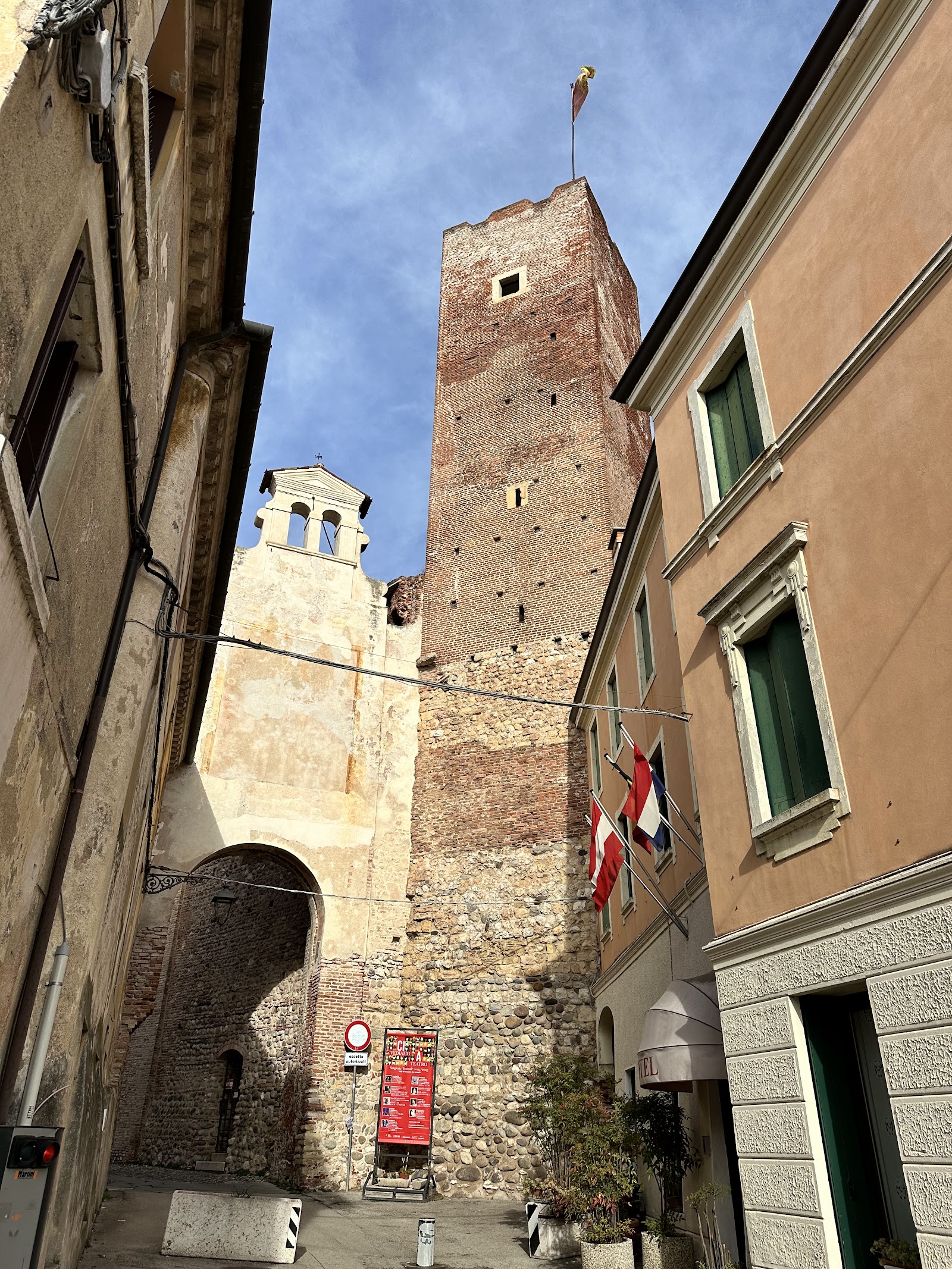
The site has been inhabited since at least the seventh century BC — a bronze sword found in 2009 predates the Roman settler Bassianus, who established an agricultural estate here in the second century BC. Medieval records appear from 998 onwards, and by the twelfth century the Ezzelini family had built a castle and made the town a regional power. That era ended in 1259, and in 1405 Bassano passed to Venice, beginning nearly four centuries as a prosperous dependency of the Republic.
After Napoleon and a stint in the Austrian-administered Kingdom of Lombardy–Venetia, the town joined unified Italy in 1866. Its most defining modern moment came with the First World War: the battles for Monte Grappa were among the bloodiest of the Italian campaign, and in 1928 the town added 'del Grappa' to its name in their memory. An ossuary on the mountain holds the remains of 5,000 soldiers. Ernest Hemingway drove ambulances in this landscape, and the experience fed directly into A Farewell to Arms.
Who and what shaped it
People who shaped it
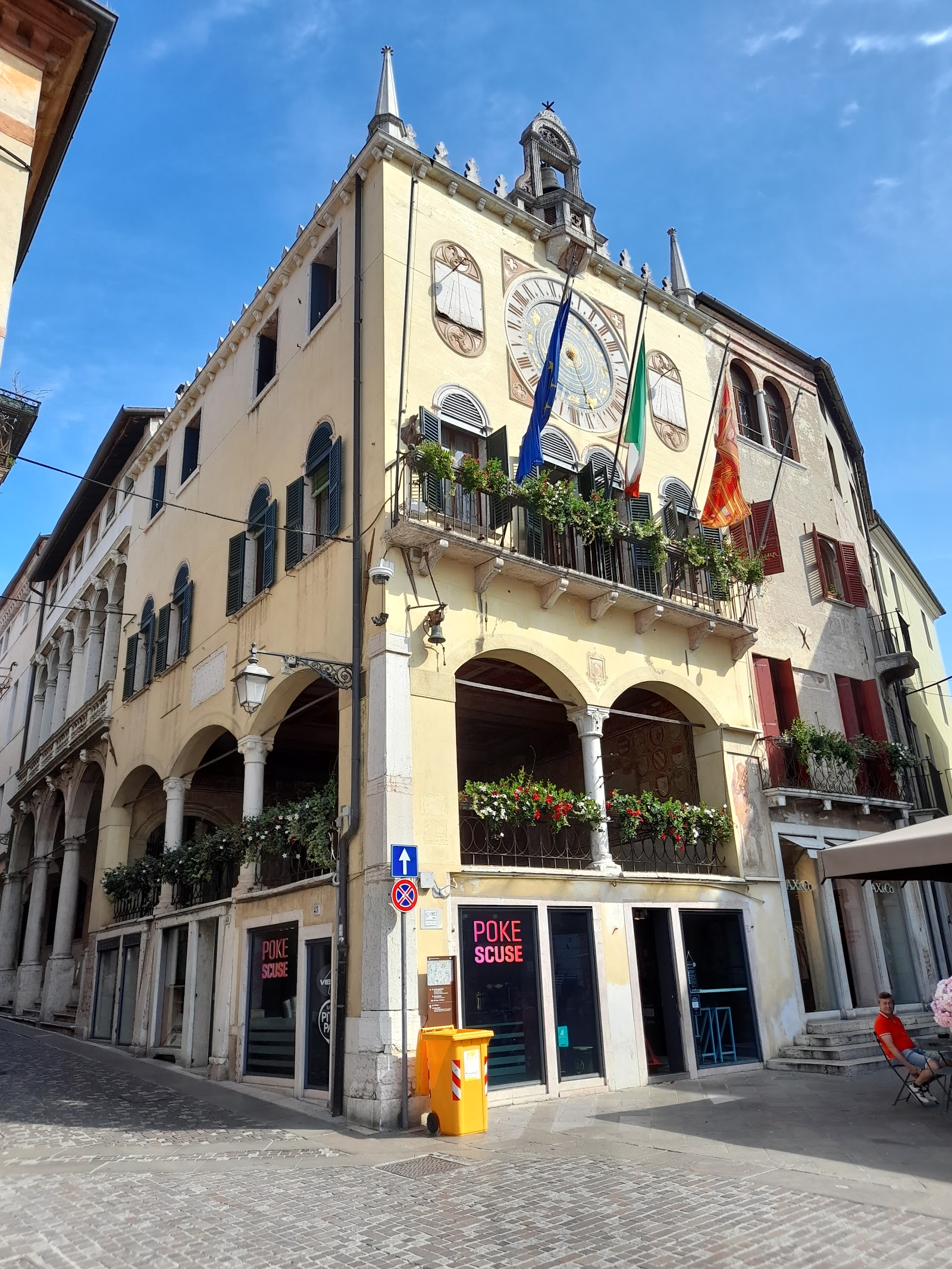
Landmark buildings
See Bassano del Grappa in motion
Plan your visit
On the map
When to go
Summers are warm and sometimes hot, with daytime highs reaching the low 30s Celsius; winters are genuinely cold, often dropping below freezing, with occasional snow from the nearby Alps. April through June and September through October offer the most reliably comfortable conditions for walking the town and its surroundings.
Right now
↡ Attractions

Background & history adapted from Wikipedia (CC BY-SA) · specs from Wikidata (CC0) · weather from Open-Meteo · map data © OpenStreetMap contributors · photos from Wikimedia Commons / Unsplash with per-image credit. No third-party reviews or social posts reproduced.