
Pisa
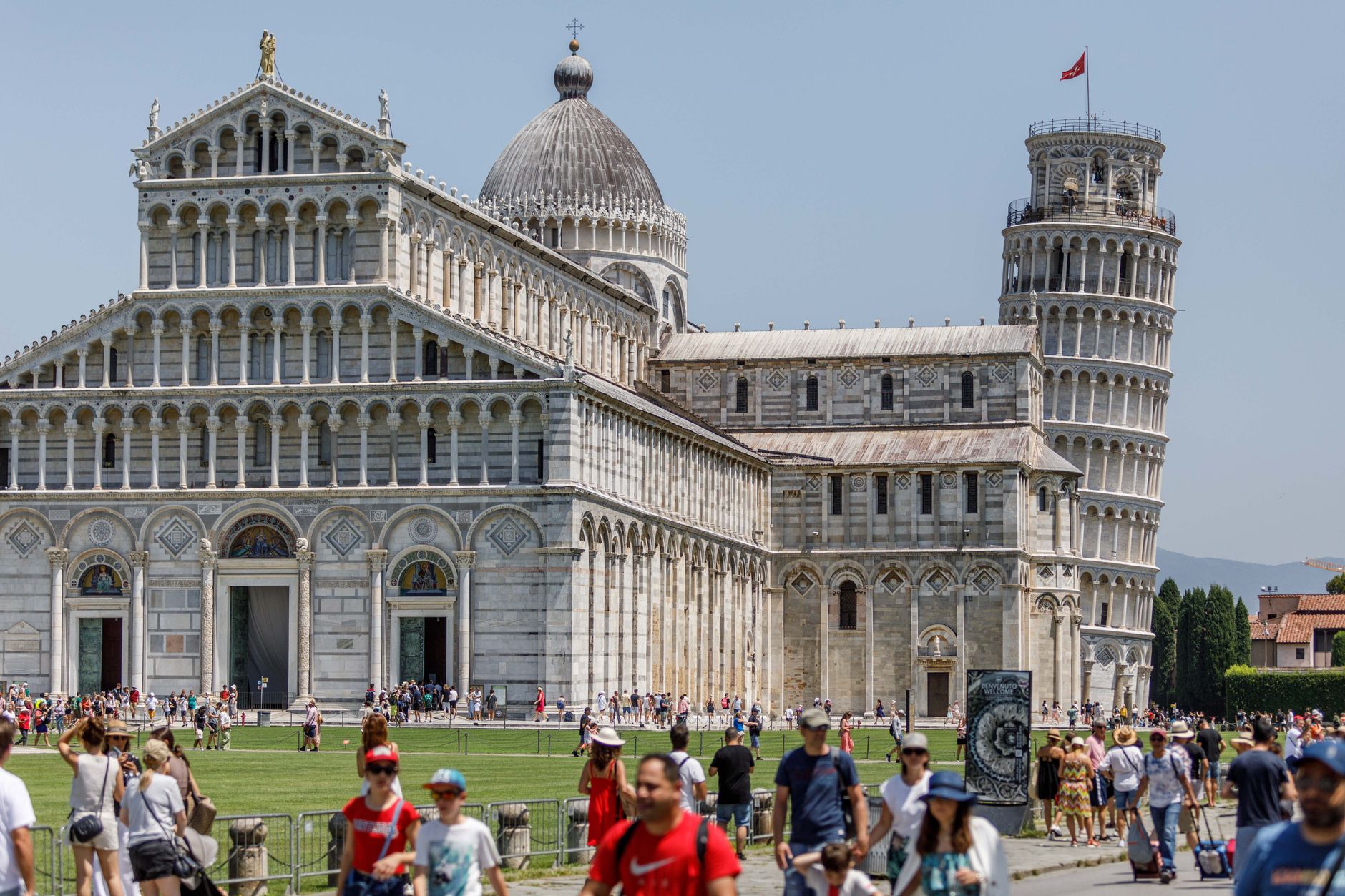
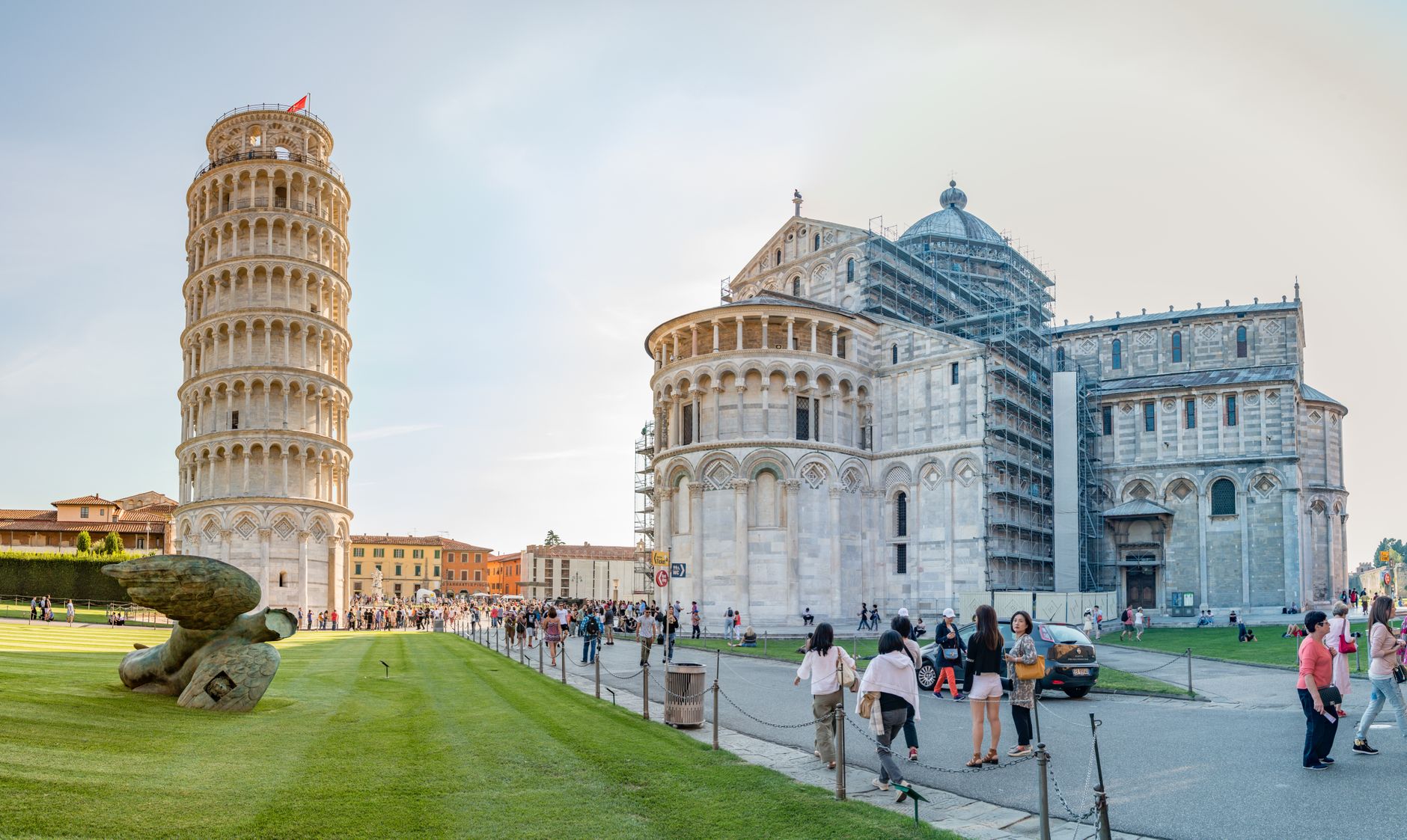
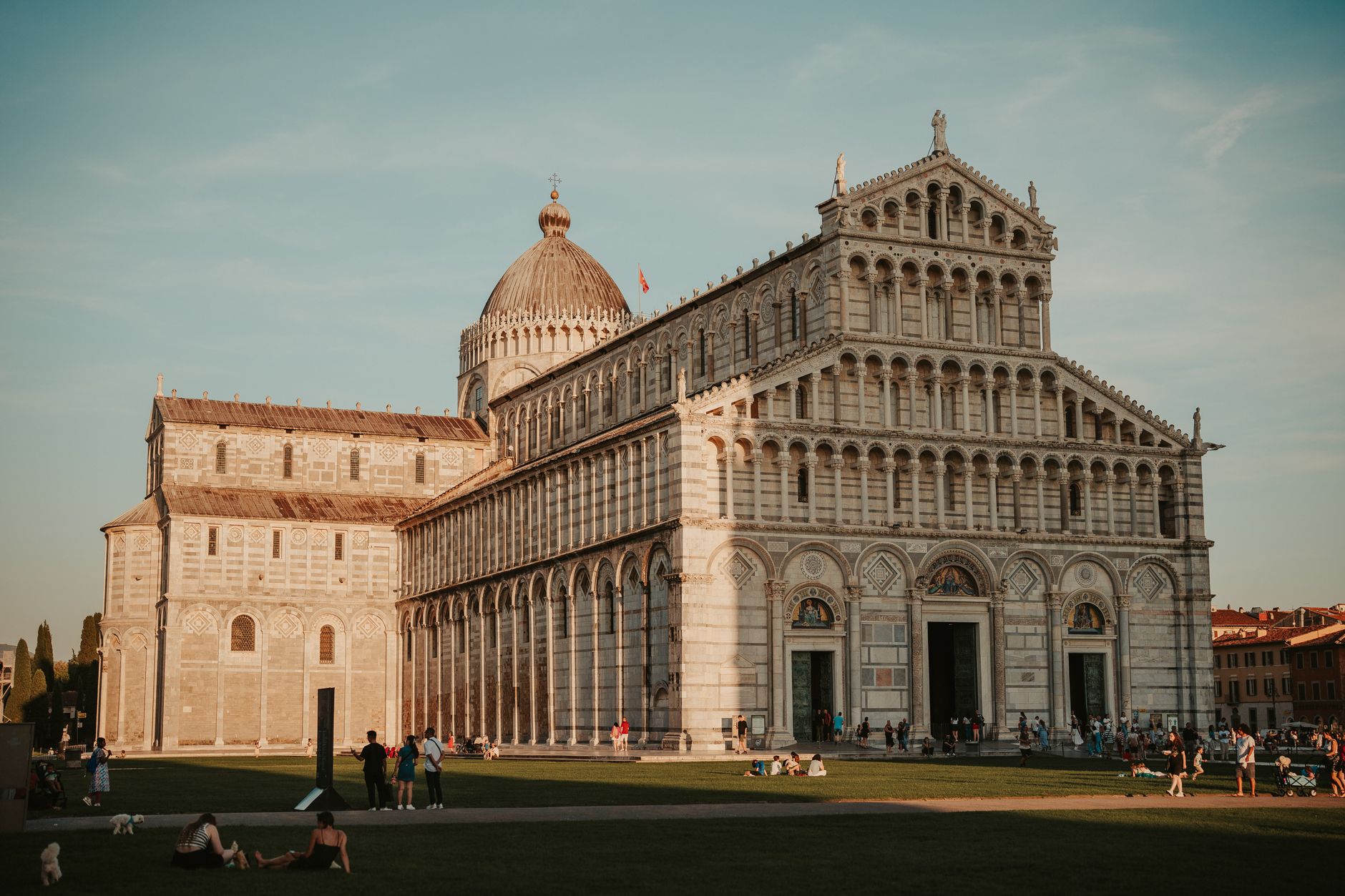
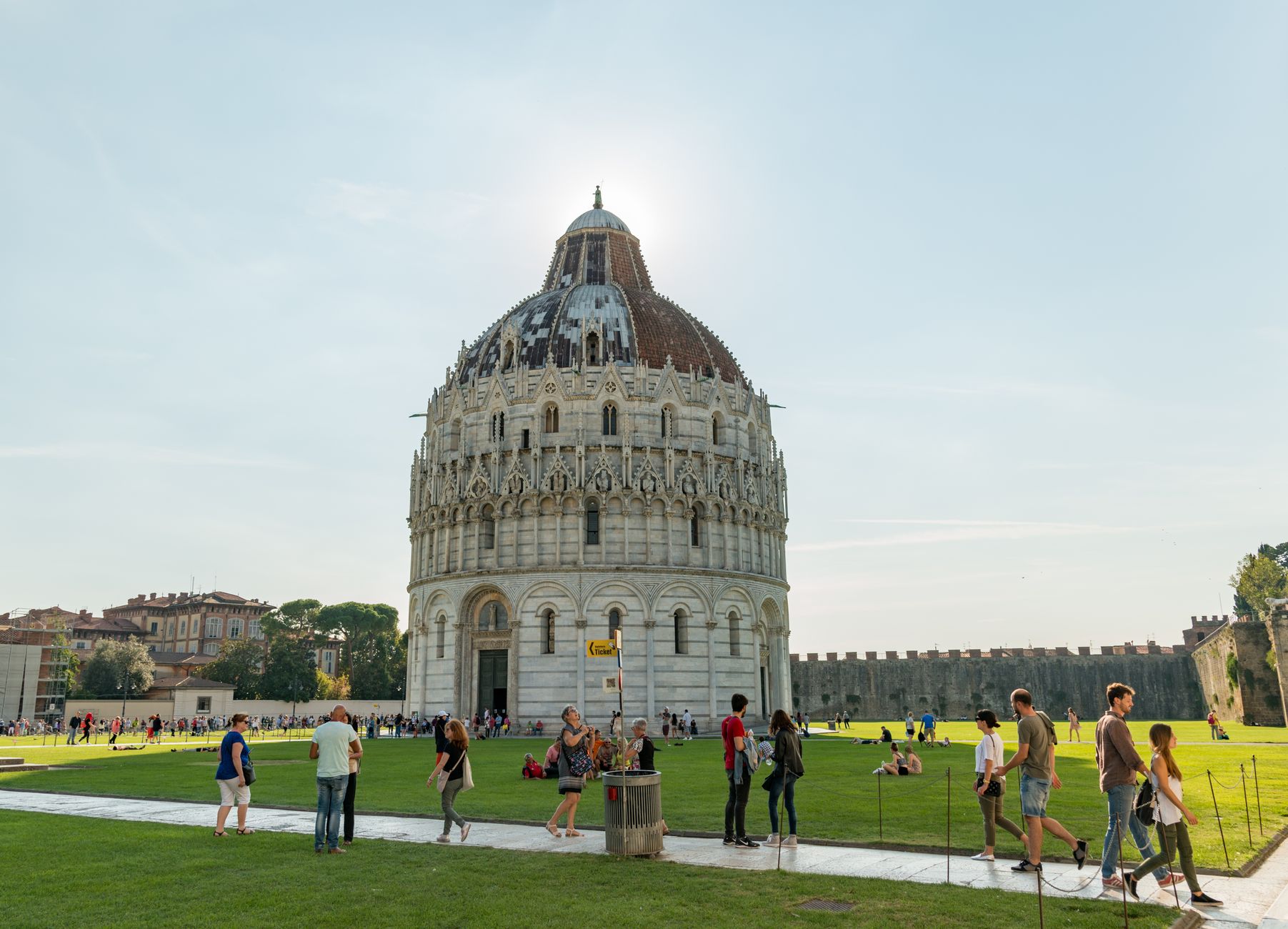
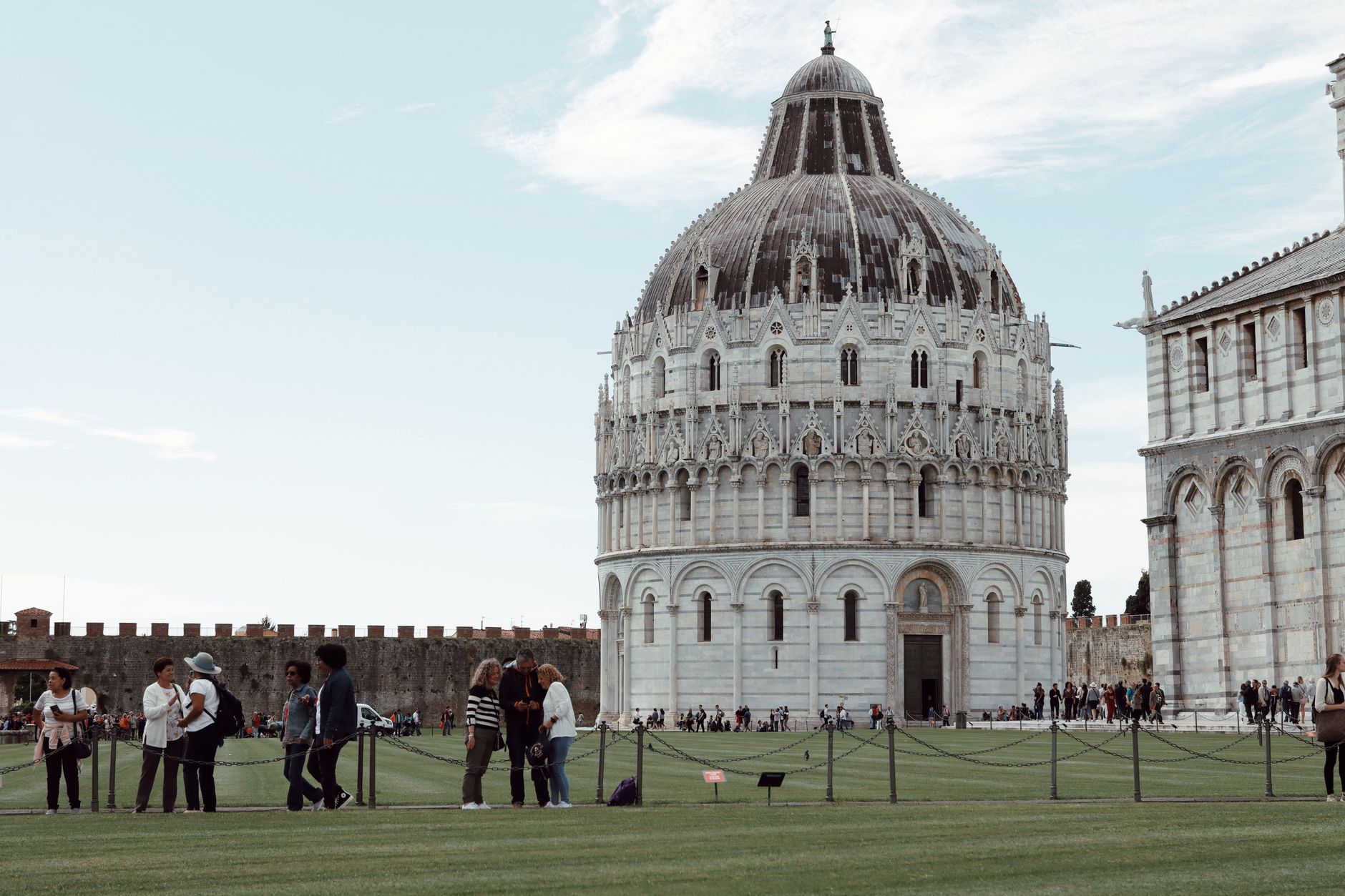
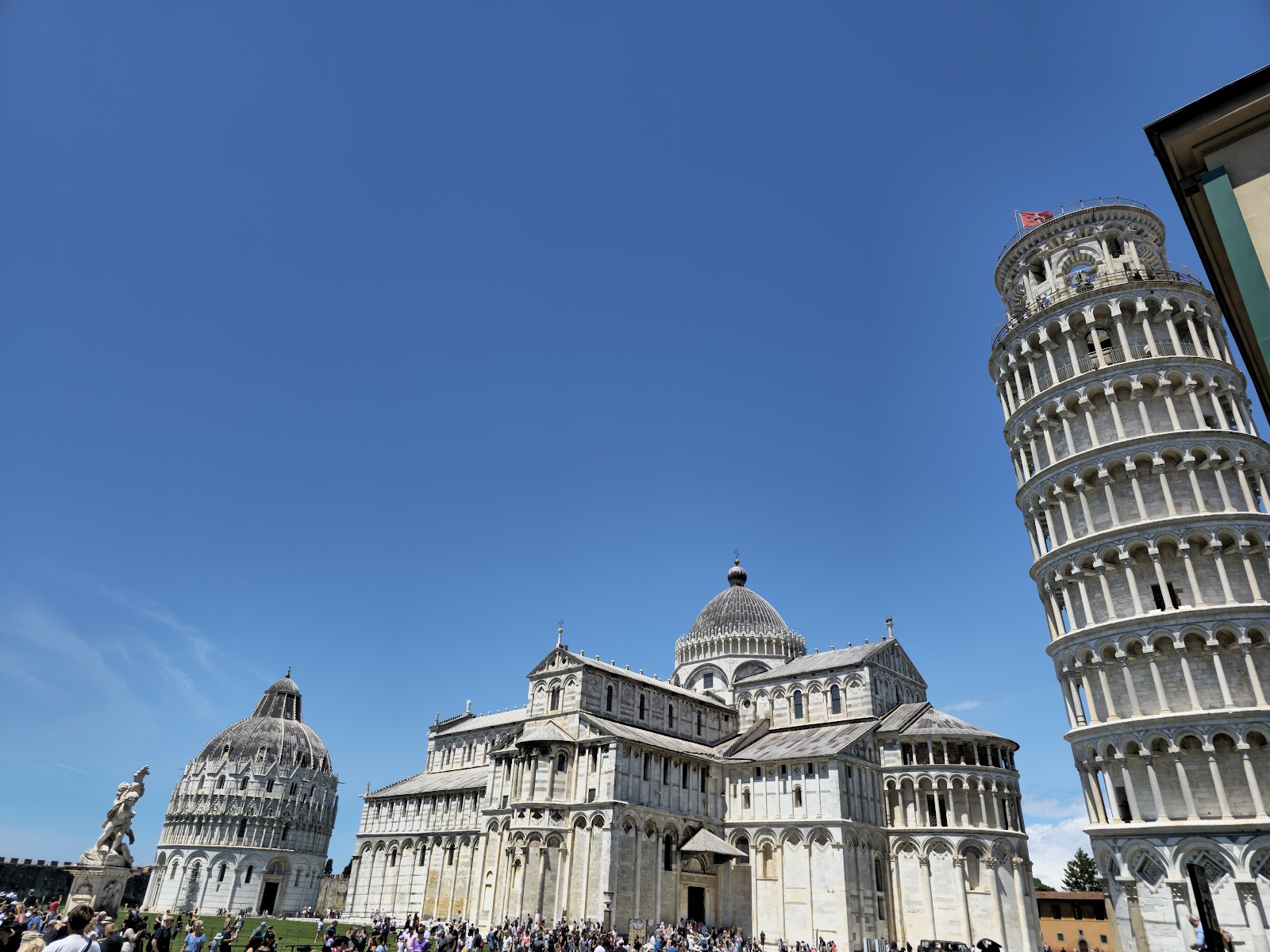
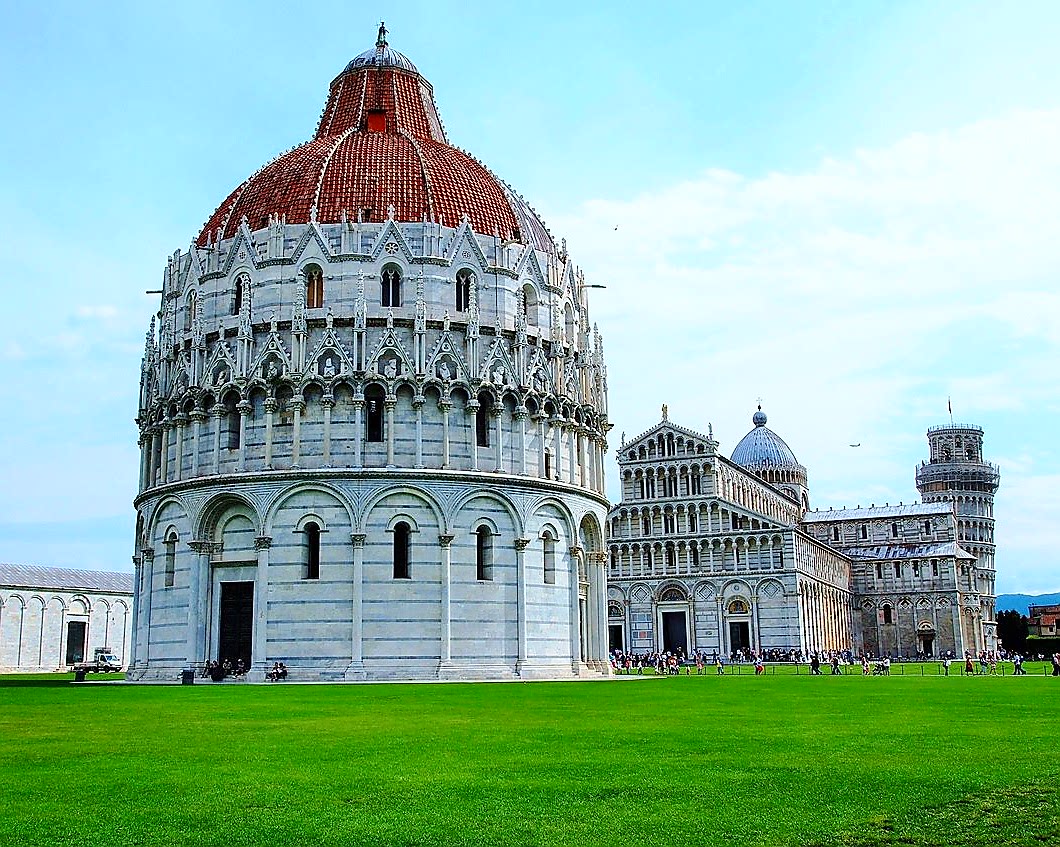
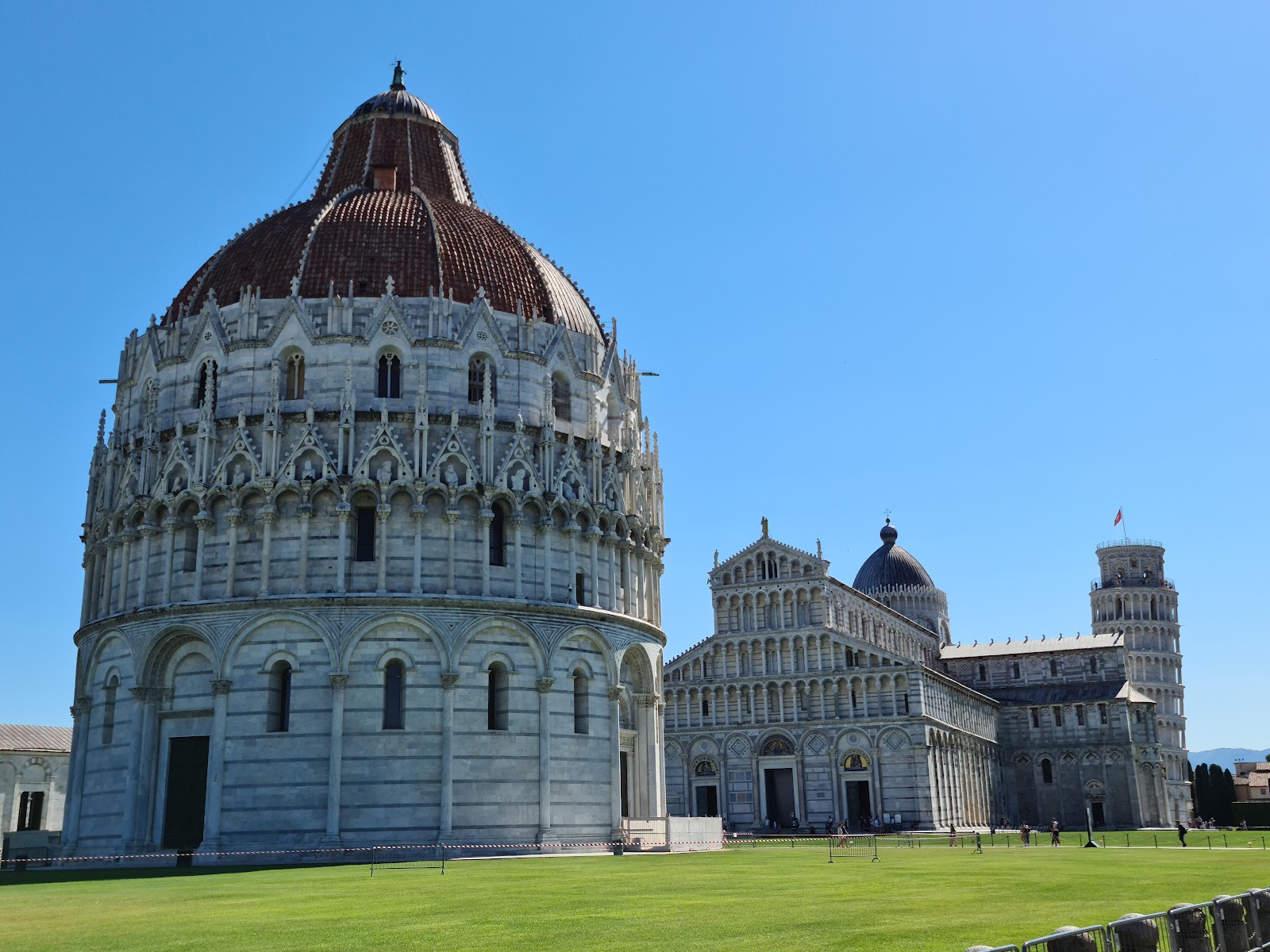
The tower leans — you knew that — but you may not have prepared for the scale of the piazza around it. Four marble monuments rise from a flat lawn north of the old city centre, and the whole composition lands with a quiet strangeness: too perfect, slightly unreal, like a stage set that has been standing since the 11th century. The cathedral alone is 320 feet long, its nave the longest in Italy when Buscheto began it in 1064.
Pisa is also a working university city with a botanical garden that has been growing since 1543 — the first of its kind in the world — and a train station that connects it to Florence, Genoa and Rome. The Campo dei Miracoli is the reason most people come, but the city around it rewards an afternoon.
💛 What travellers fall for
People who come back tend to arrive by the San Rossore station rather than Centrale — it puts you at the piazza entrance in five minutes flat, before the crowds have organised themselves. They also make time for the Baptistry's interior, where the acoustics under the double dome do something that no photograph has ever adequately explained.
Experiences you don't want to miss



Deals in Pisa
Book directly at the provider


How Pisa came to be
Pisa's roots go back further than the medieval marble suggests. Etruscan tombs from the 5th century BC were excavated here in the 1980s and 90s, and the city became a Roman colony around 180 BC. Its real moment came in the 11th century, when Pisa was one of Italy's four maritime republics, trading across the Mediterranean and funding the cathedral complex that still defines the skyline.
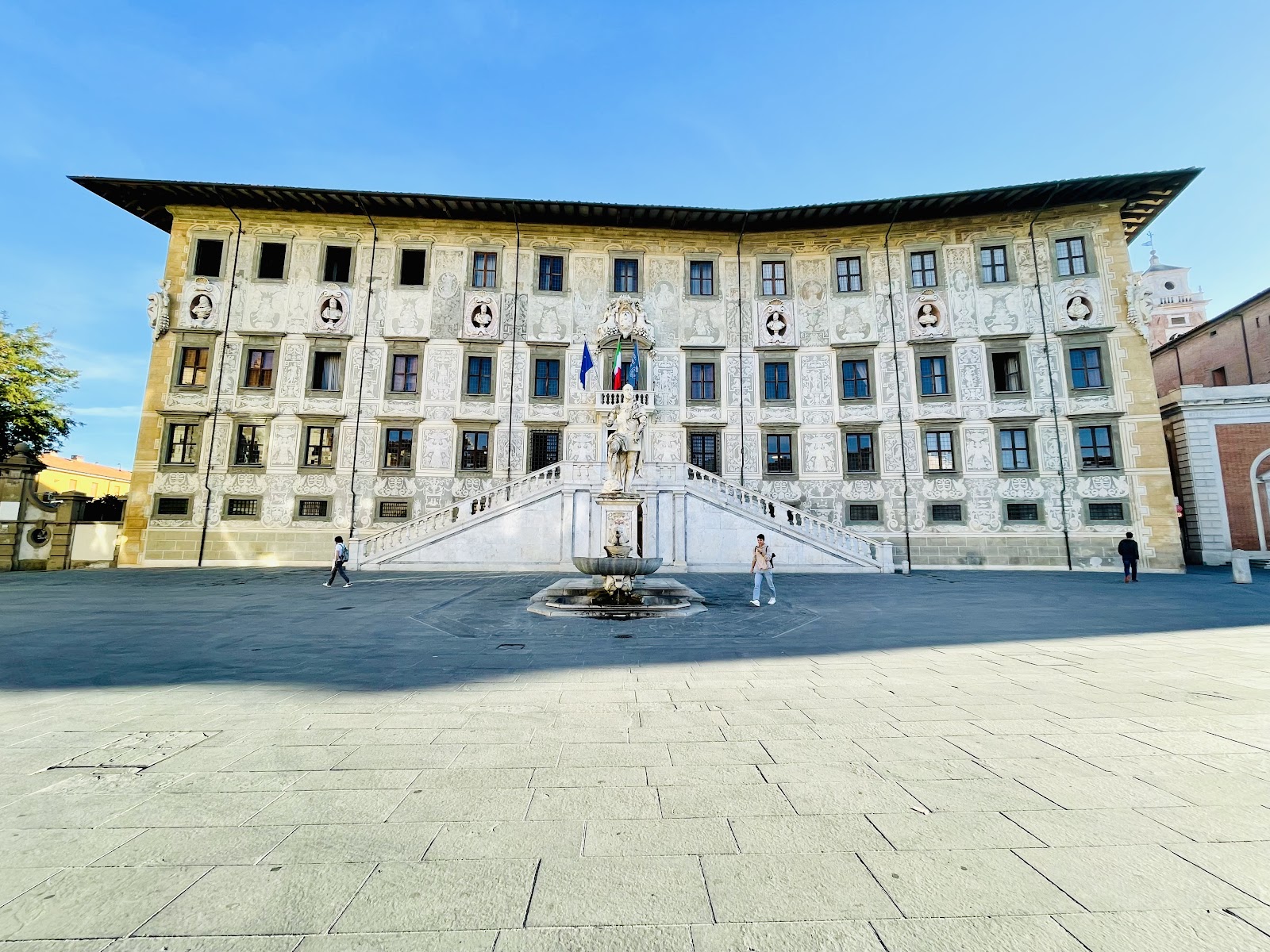
The defeat at the Battle of Meloria in 1284 — at the hands of Genoa — began a long decline. Florence took the city in 1406, and it remained under Florentine and later Medici control for centuries. The University of Pisa, founded in 1343 by Pope Clement VI, and the Scuola Normale Superiore, established by Napoleon in 1810, gave the city a second identity that outlasted its maritime one.
Who and what shaped it
People who shaped it
Landmark buildings
See Pisa in motion
Plan your visit
On the map
When to go
Spring and early autumn are the most comfortable seasons — warm enough to spend hours outside on the Campo without the July and August heat, which can make the white marble genuinely blinding by midday. Winters are mild by northern European standards but can be grey and damp.
Right now
↡ Attractions



Background & history adapted from Wikipedia (CC BY-SA) · specs from Wikidata (CC0) · weather from Open-Meteo · map data © OpenStreetMap contributors · photos from Wikimedia Commons / Unsplash with per-image credit. No third-party reviews or social posts reproduced.