
Museo Nazionale di San Matteo
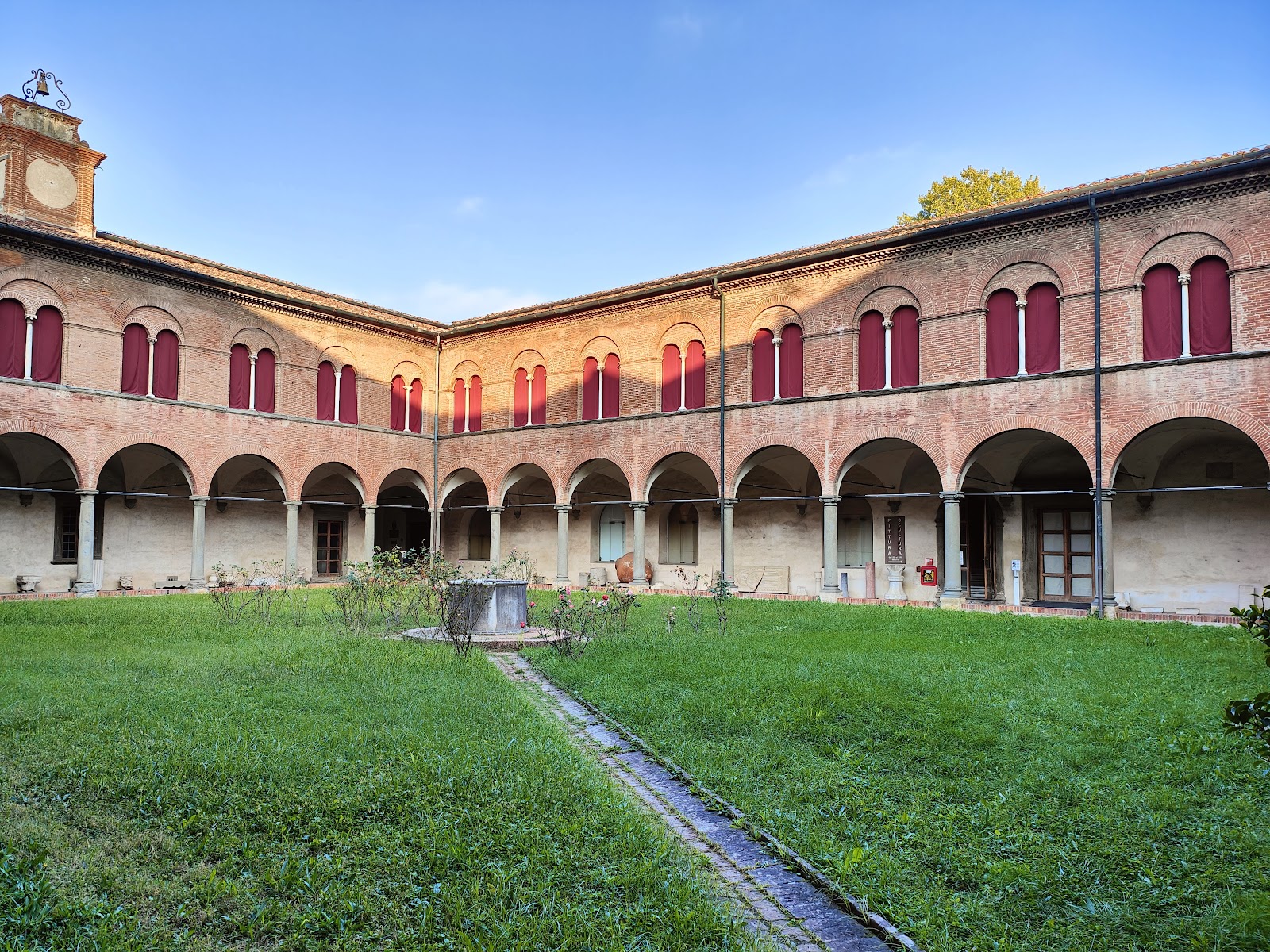
The museum begins before you're inside: a late medieval cloister in brick, with double-mullioned arches and original capitals still in place, Roman fragments arranged quietly around the perimeter. This is the Museo Nazionale di San Matteo, on the Lungarno Mediceo, and it holds the serious medieval and Renaissance art that the city's famous square tends to overshadow.
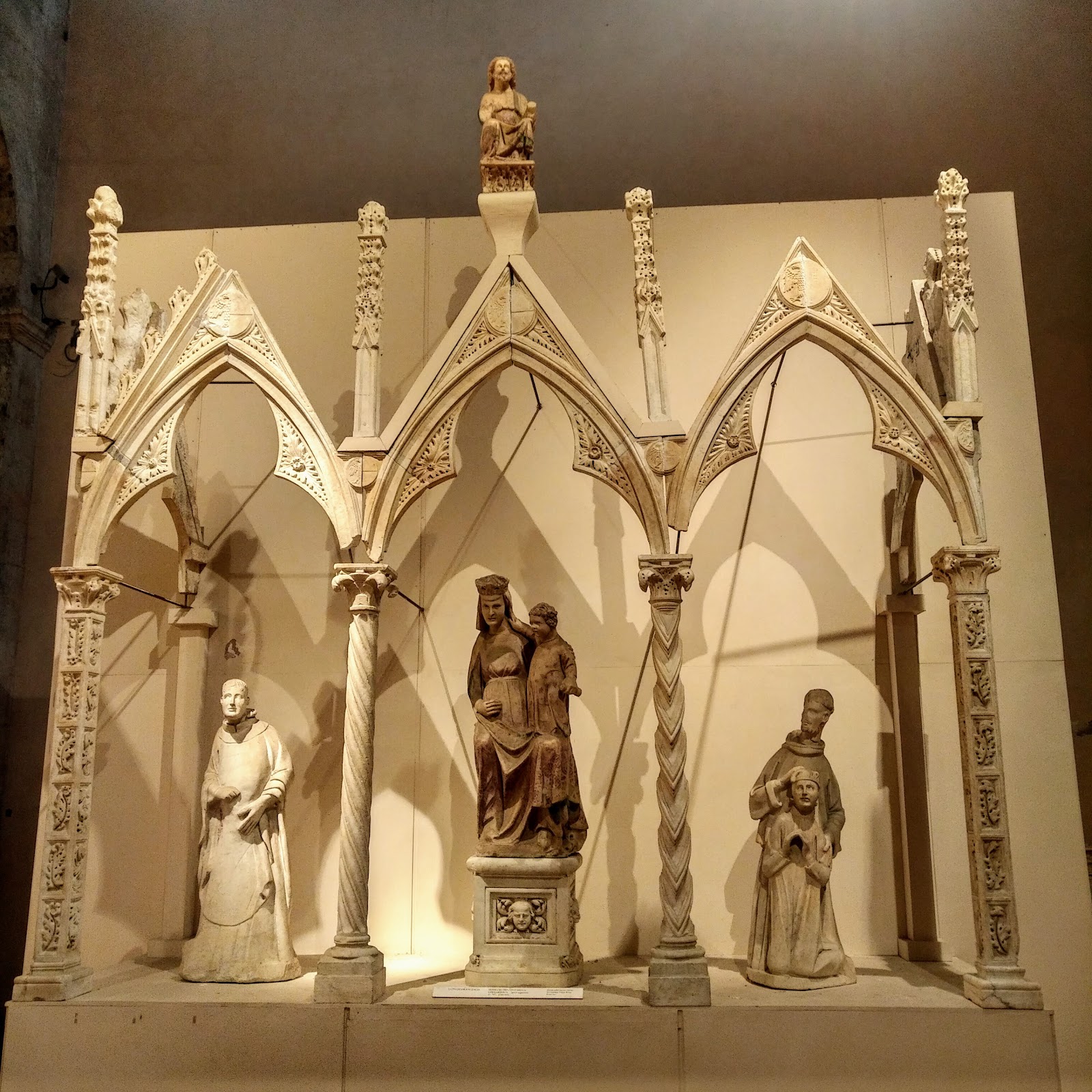
The collection runs from 13th-century Pisan panel painting through sculpture, illuminated manuscripts and coins. Somewhere in these rooms, a Taddeo Gaddi fresco of the Madonna and Child carries an unlikely pencil signature — Pablo Picasso added it in 1917, and the work is currently under restoration.
💛 What travellers fall for
People who return tend to arrive early on a Tuesday, when guided tours start at 9:00 and the rooms are genuinely quiet. The restoration laboratory — where you can watch conservation work on ancient pieces — gets mentioned more than almost anything else. Budget the full afternoon rather than trusting the one-hour guide.
The story behind Museo Nazionale di San Matteo
The collection's origins trace to 1796, when Sebastiano Zucchetti, a Canon of Pisa Cathedral, left an endowment that formed the first nucleus of works. Further pieces arrived after the Napoleonic suppression of religious houses stripped their contents into civic hands. By 1893, scholar Igino Benvenuto Supino helped consolidate these holdings into a Museo Civico.
The present museum took shape in 1949, when director Piero Sanpaolesi moved the collection into the restored medieval Convent of San Matteo in Soarta and opened it on 13 November that year. The convent itself has a long prior life: an 11th-century Benedictine foundation that served — between 1866 and 1940 — as a city remand home before becoming the museum it is today.

Good to know
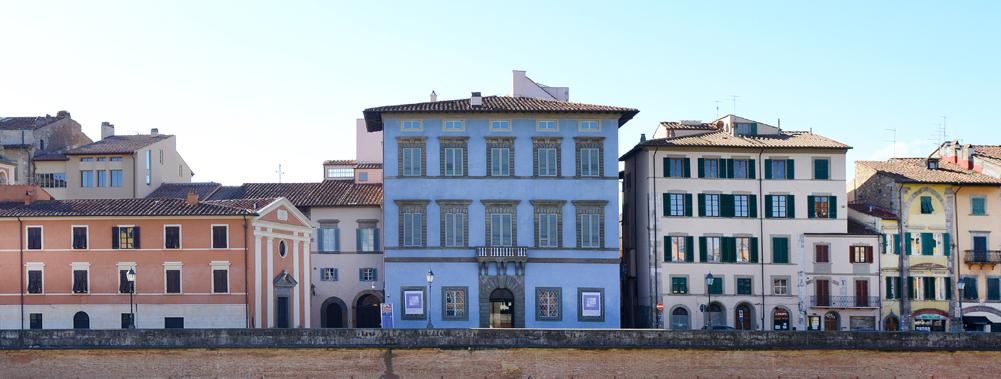
On Lungarno Mediceo, a 15-minute walk from Piazza dei Miracoli along the river. Tuesday–Saturday 9:00–19:00, Sunday 9:00–13:30, closed Mondays and public holidays. Admission €5, or €8 combined with Palazzo Reale. Last entry 30 minutes before closing.
Where is Museo Nazionale di San Matteo?
More tickets & tours for Museo Nazionale di San Matteo
Book directly at the provider
What travellers say about Museo Nazionale di San Matteo
Hidden in plain sight, this gem houses a truly outstanding collection of Medieval art, including masterpieces by Simone Martini and Giunta Pisano, as well as many wonderful crucifixes. It also features Renaissance masters, such as Beato Angelico, Ghirlandaio and Gentile da Fabriano. Last but not least, it boasts absolutely unmissable sculptures, including some by Donatello.
Wow this was much better than I expected. There is a huge amount of all kinds of art of superior quality. Moreover the day I came it was for no charge, for the reason I do not know. Totally recommended if you are into religious art. I recommend to save at least one hour if you do not want to hurry.
If aged under 25, there is a €2 reduced price ticket as listed in their website, but you have to ask for it at the desk. Nice little museum to kill and hour of time.
Art lovers always mention this museum as a massive hidden gem. Located right on the river, it houses an unbelievable collection of medieval Pisan art, crucifixes, and ceramics that most tourists completely miss. Reviewers love the tranquil vibe and the fact that you basically have the gorgeous cloisters and masterpieces all to yourself.
This museum is very well maintained and provides tour as well. It is considered as one of the best museum in Pisa. The size of the museum isn't so big, but we can see many paintings and sculptures from different periods.
More of Pisa
Discover where to stay, what to do and the best deals for your trip.
Explore Pisa →More attractions in Pisa
All of Pisa →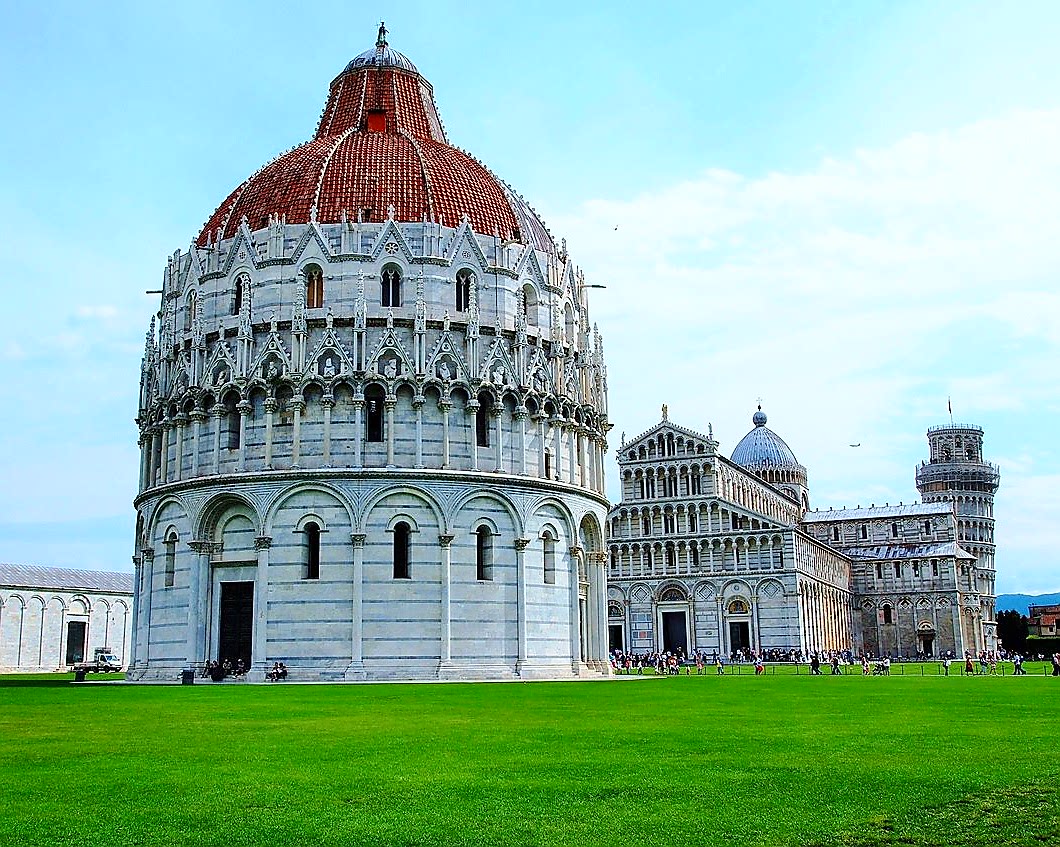

Background adapted from Wikipedia (CC BY-SA) · map data © OpenStreetMap contributors · ratings & place photos via Google · other photos with per-image credit. Ticket links may earn us a commission at no extra cost to you.