
Leaning Tower of Pisa
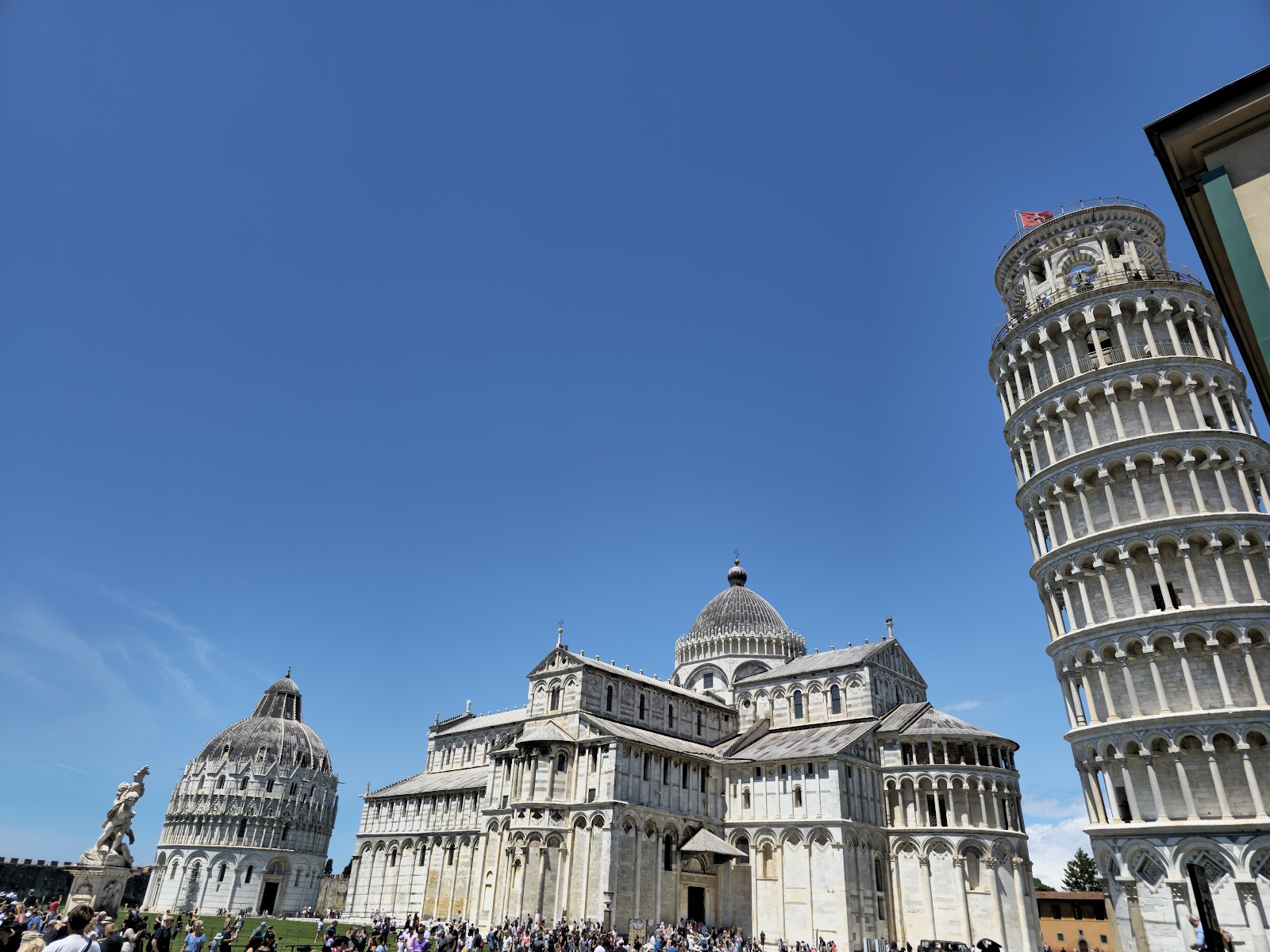
The lean is more dramatic in person than any photograph prepares you for. Standing at the base and looking straight up the white marble colonnade, the tilt registers in your body before your brain catches up — a low, instinctive wrongness, like a horizon that has shifted. Construction began on 9 August 1173, and the tower started sinking before the builders even reached the third floor.
It took nearly 200 years to finish, with wars and soft subsoil conspiring to slow things down. The result is a campanile — a bell tower — that the rest of the cathedral complex on the Piazza dei Miracoli quietly outshines architecturally, yet which draws the world's eye entirely to itself.
💛 What travellers fall for
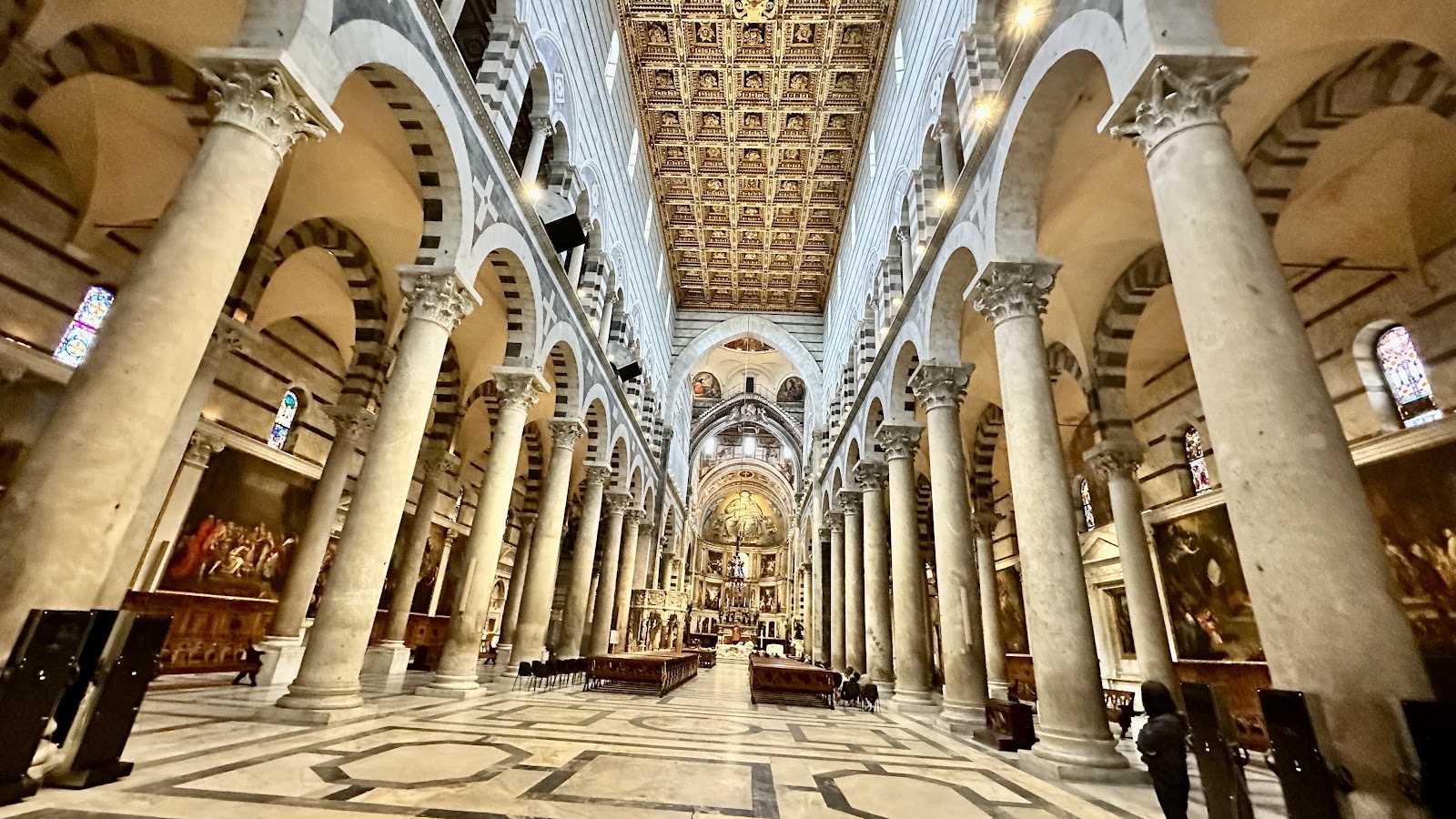
People who've climbed it more than once tend to say the same thing: go up early, before 10am, when the light is cooler and the staircase less of a queue. The 296 steps spiral at an angle that makes the lean visceral underfoot. From the top, the Duomo and Baptistery snap into a scale you couldn't read from the ground.
The story behind Leaning Tower of Pisa
The foundation stone went down on 9 August 1173, and within five years the tower was already sinking — three metres of foundation set into subsoil too soft to hold it. War between Italian city-states halted construction for nearly a century, which, as it turned out, let the ground consolidate enough to prevent total collapse. Work resumed in 1272 under Giovanni di Simone, who tried to correct the lean by building successive stories slightly taller on the short side; the extra masonry made things worse.
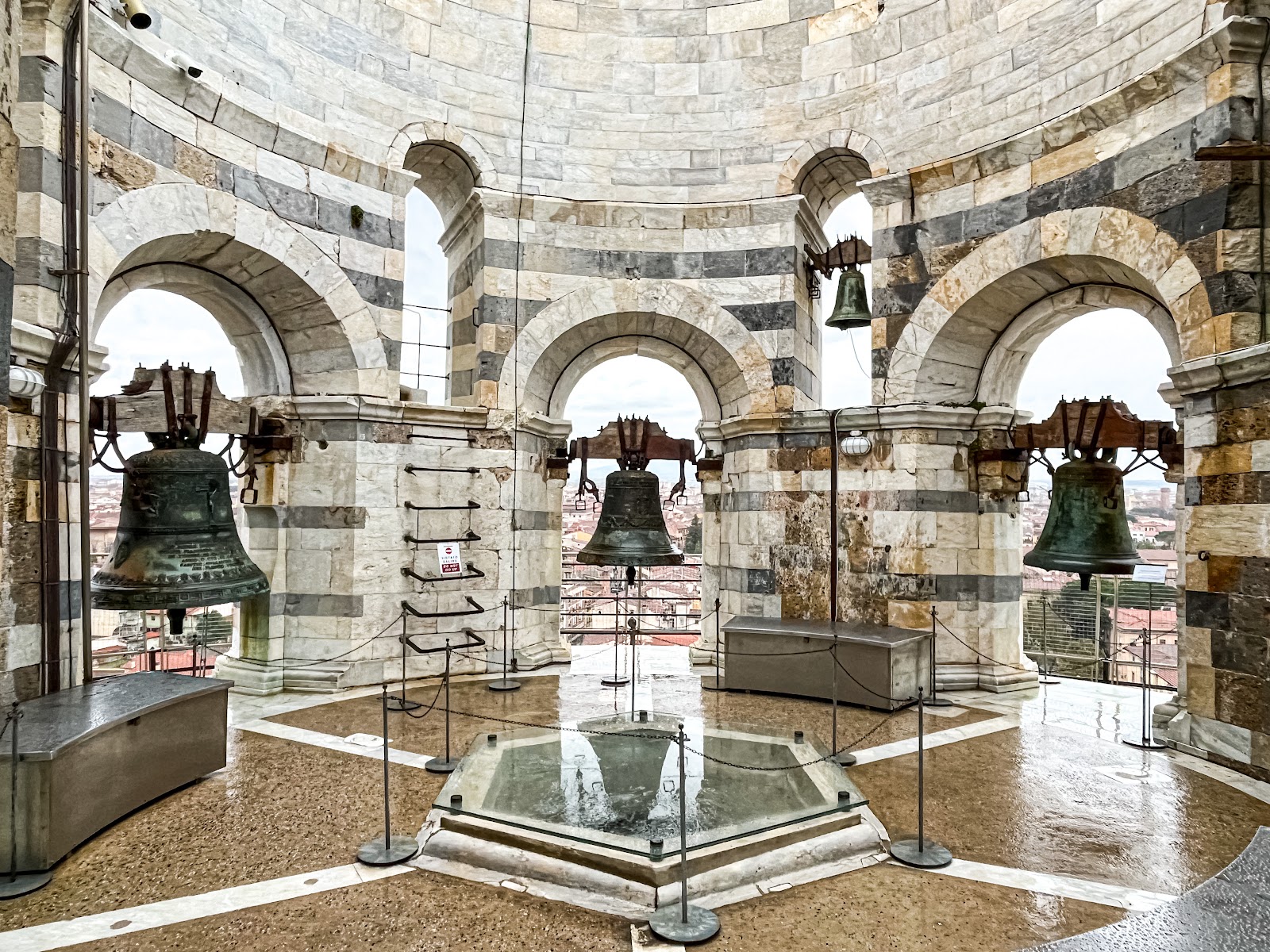
Tommaso Pisano finally completed the bell tower in 1372, almost 200 years after the first stone. The seven bells installed over those centuries fell largely silent by the early 20th century — their movement was thought to deepen the tilt. In 1990 the tower closed for stabilisation; engineers siphoned earth from beneath the foundations and reduced the lean by 44 centimetres. It reopened in 2001, and by 2008 sensors confirmed it had stopped moving. The current tilt, measured by Guinness World Records, stands at 3.97 degrees.
Good to know
Pisa San Rossore station drops you 400 metres from the entrance — far easier than Pisa Centrale. Tower tickets are timed and limited; book ahead and pick your slot when purchasing. Bags and backpacks aren't allowed inside — there's a cloakroom. Crowds thin noticeably before 10am and in the late afternoon.
Summer (June–August) brings the longest opening hours — until 10:30pm in peak weeks — but also the most visitors and genuine heat. October through December is wetter and quieter. January to March stays cool and occasionally damp but rewards with thin crowds and clear winter light across the piazza.
Where is Leaning Tower of Pisa?
More tickets & tours for Leaning Tower of Pisa
Book directly at the provider
What travellers say about Leaning Tower of Pisa
The Leaning Tower of Pisa is one of the most famous architectural marvels in the world. Located in Pisa's Piazza del Duomo (also known as the Square of Miracles), this 12th-century structure serves as the freestanding bell tower for the adjacent Pisa Cathedral. Quick Facts Height: 55.86 meters (~183 feet) on the low side; 56.67 meters (~186 feet) on the high side. The Lean: It features a tilt of roughly 3.99 degrees. This was caused by unstable, soft subsoil that could not support the tower's 14,500-ton weight. The Climb: Visitors can climb 294 steps up a spiral staircase to reach the open belfry at the top. Visitor Information If you are planning to visit the tower, keep these logistical details in mind: Opening Hours: The tower is open daily from 9:00 AM to 8:00 PM. Last entry is permitted up to 30 minutes before closing. Ticket Prices: General admission tickets start at €20, which includes access to the tower and the Cathedral. A complete Monumental Complex Combination Ticket is available for €27 and includes the Baptistery, Camposanto, Opera del Duomo Museum, and Sinopie Museum. Age Restrictions: For safety reasons, children under 8 years old are strictly prohibited from climbing the tower. Minors between 8 and 18 must be accompanied by an adult. Bag Policy: Big bags, luggage, and large containers are not allowed inside the tower. You must check them into the complimentary cloakroom at the Piazza before your scheduled entry time.
A beautiful and iconic landmark in the pristinely maintained Piazza dei Miracoli - it's fascinating to see the tower in person, the lean is even more dramatic than in the pictures! Our hotel was very close, on a monday around 8am the area was very quiet with only a handful of people. By 9:30am buses had arrived and it was very busy - if you want uncrowded pictures then get there first thing in the morning. Overall you could see the most important parts of Pisa in a 0.5 day trip, but the tower is absolutely worth making the journey.
The Leaning Tower of Pisa is truly an impressive and iconic landmark. Photos don’t really prepare you for how beautiful it looks in person. The queues were enormous, and getting into the tower or nearby attractions required a lot of waiting. However, even if you don’t go inside, it’s absolutely worth seeing at least once in your life. A remarkable piece of history and one of those places that genuinely leaves an impress
This tower is truly beautiful and much more tilted than I had imagined. I really enjoyed seeing it in person. If you would like to climb to the top, it is best to book your ticket in advance to avoid long queues. The entire area is very beautiful, and there are plenty of cafés and restaurants nearby, making it a great place to spend a few hours.
Amazing experience with the family and friends. Take in the sights and famous buildings with their history and enjoy. Beautiful place. Took a bit of a walk from the train station, that is not recommended if you don't like walking. We did not walk inside / up but still worth the visit. Definitely recommended.
More of Pisa
Discover where to stay, what to do and the best deals for your trip.
Explore Pisa →More attractions in Pisa
All of Pisa →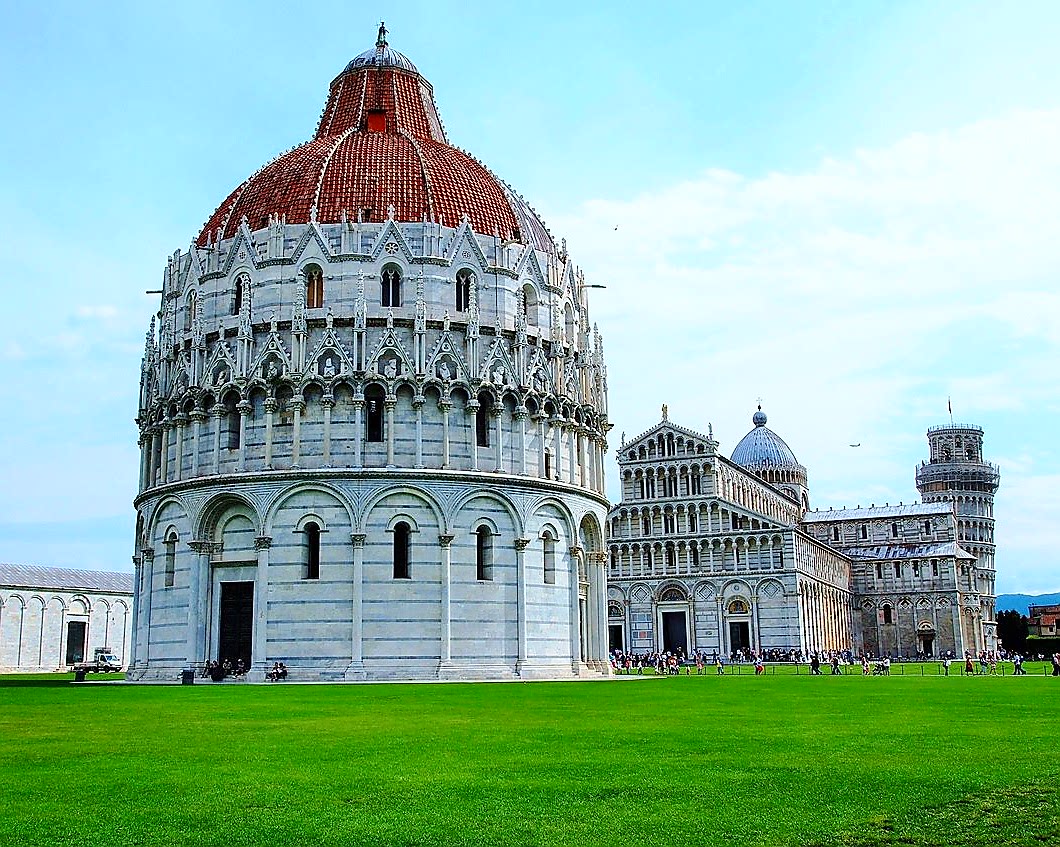

Background adapted from Wikipedia (CC BY-SA) · map data © OpenStreetMap contributors · ratings & place photos via Google · other photos with per-image credit. Ticket links may earn us a commission at no extra cost to you.