
Rome
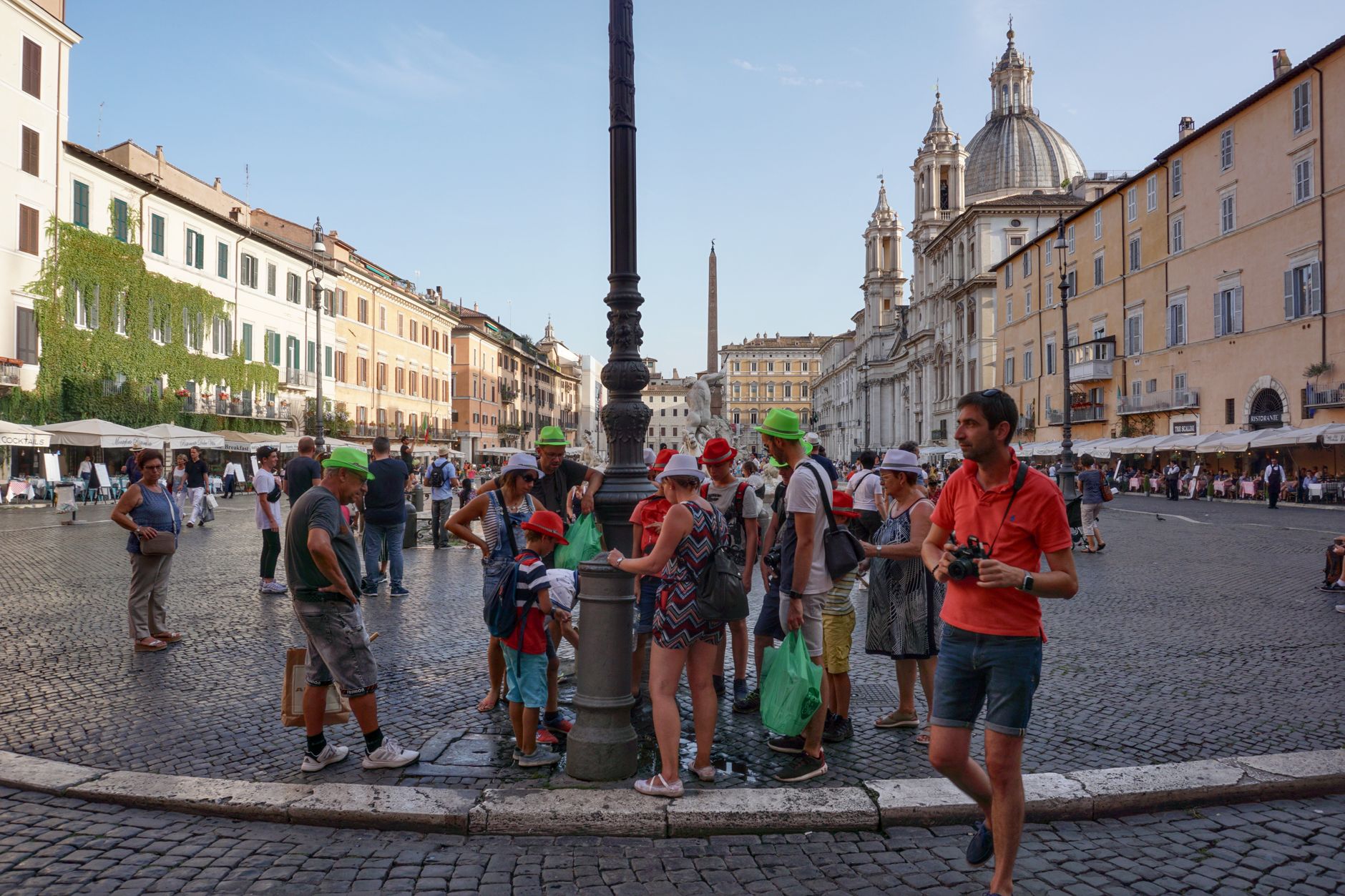
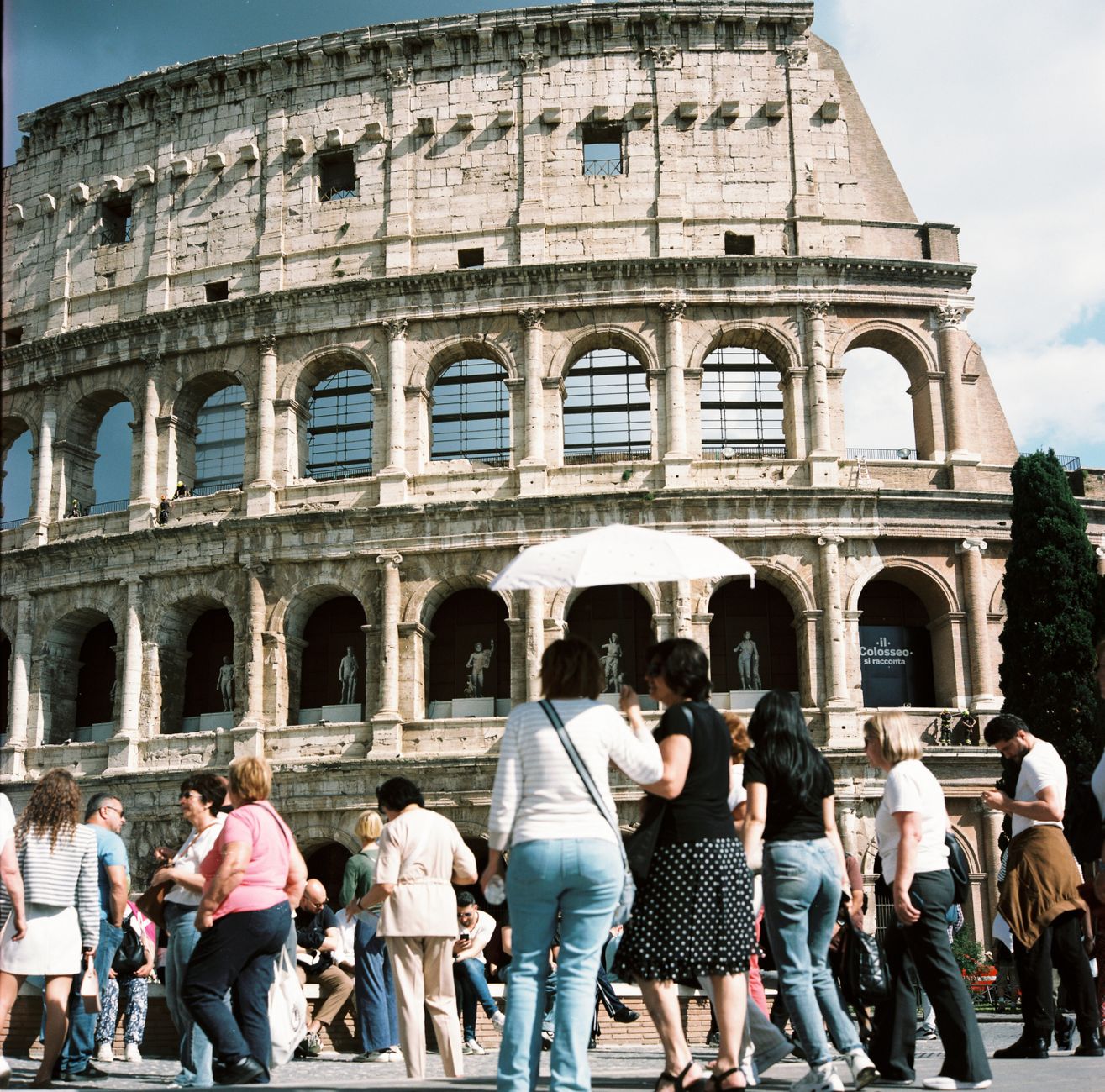
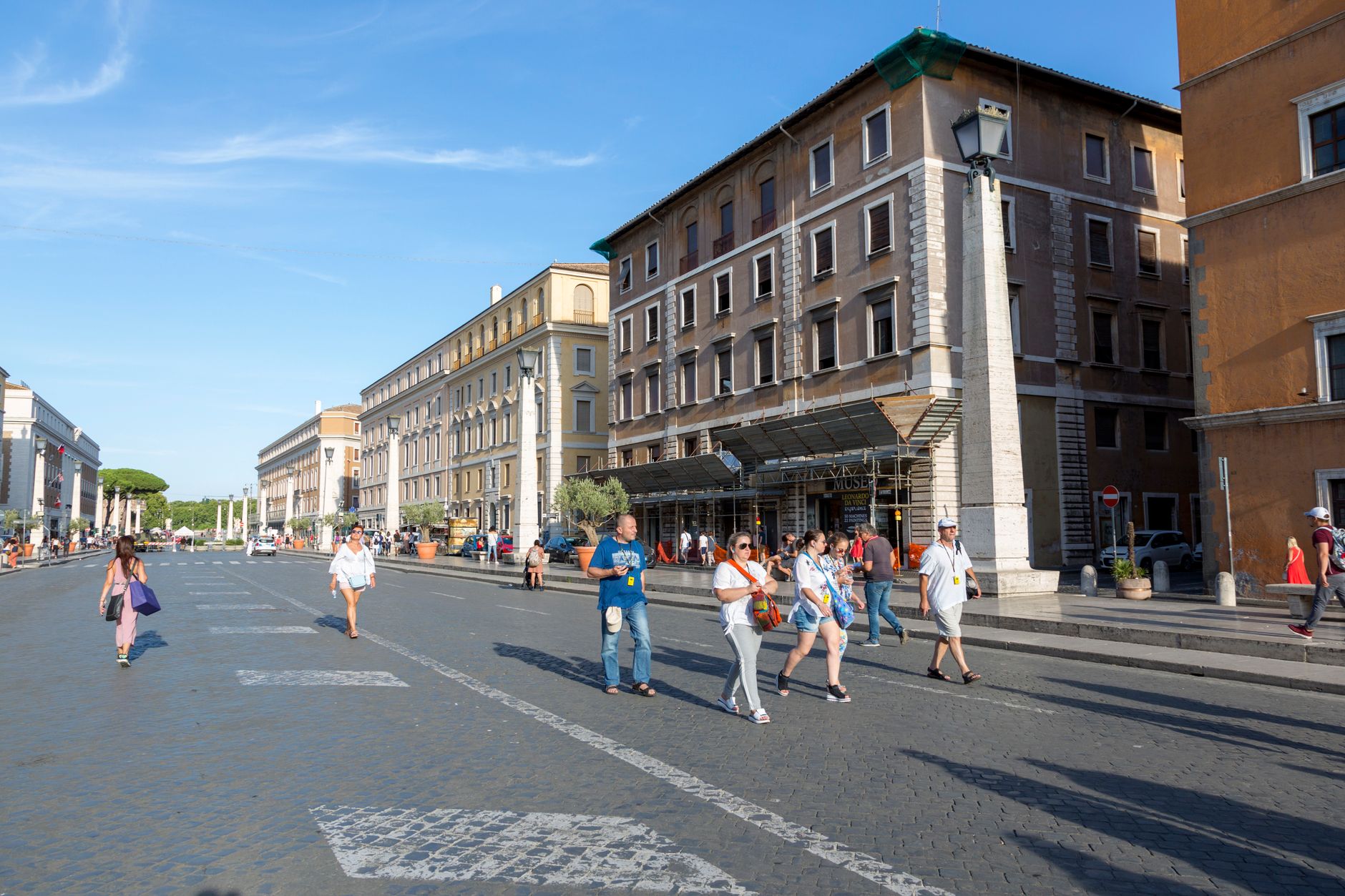
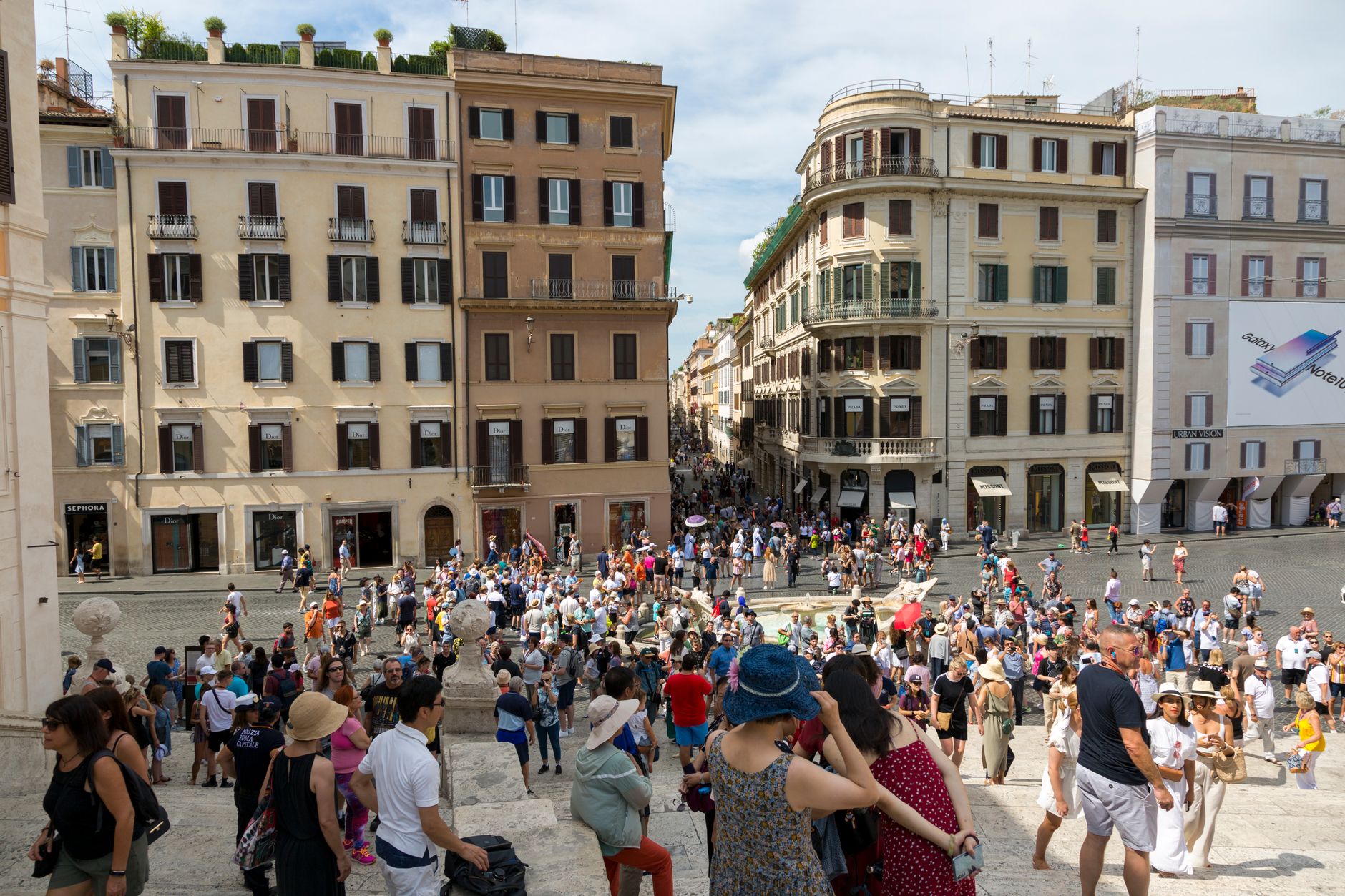
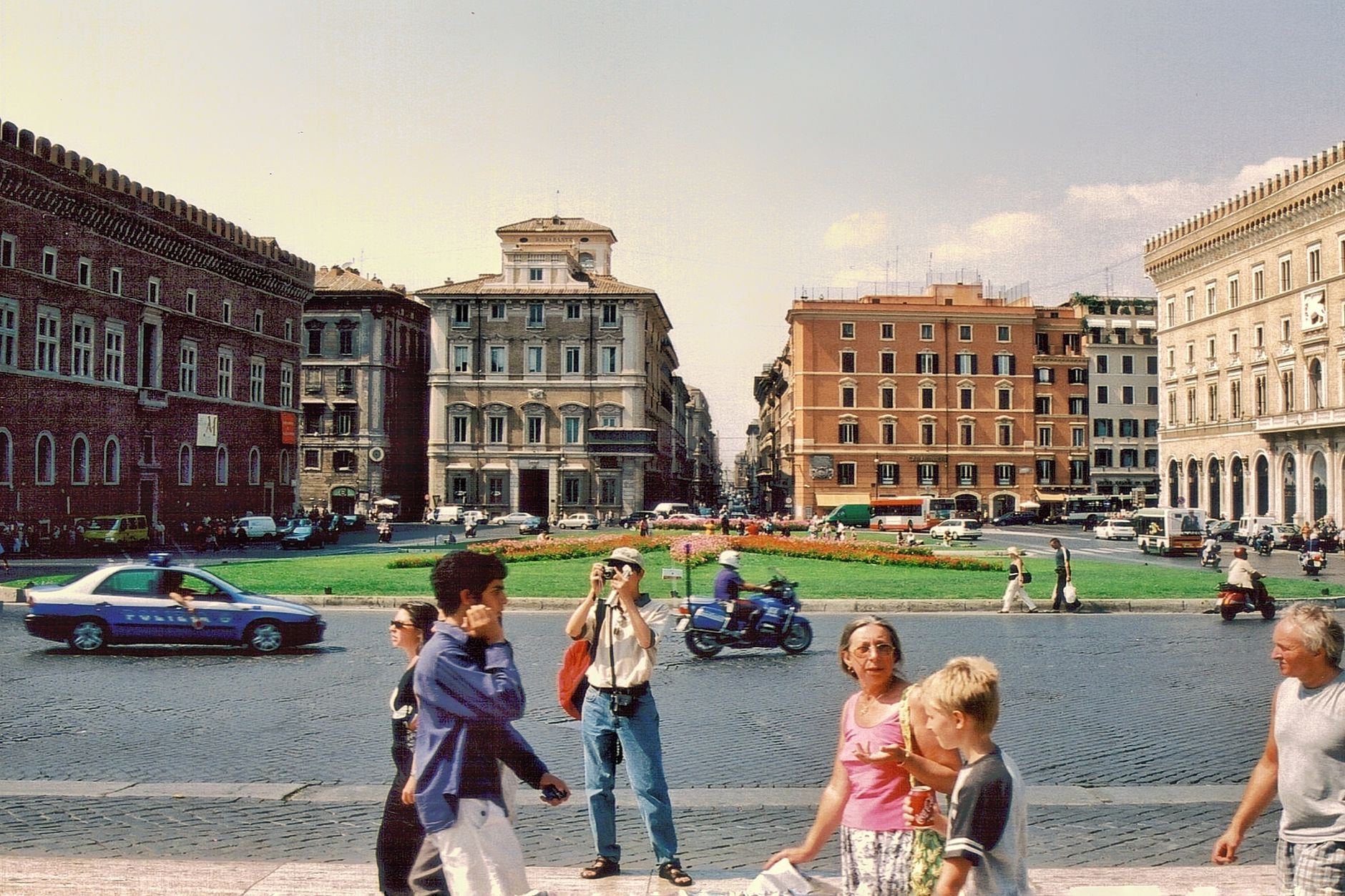
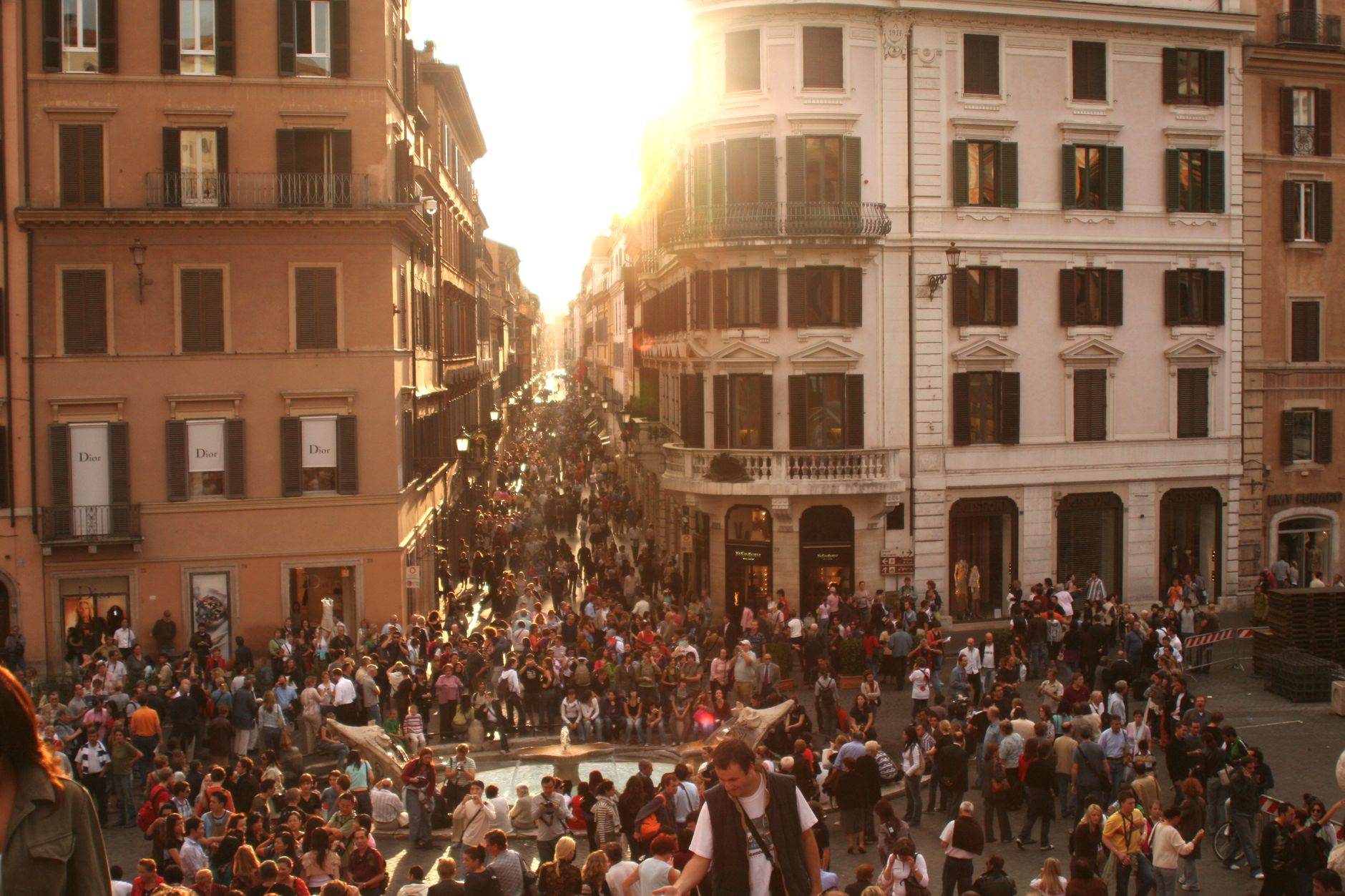
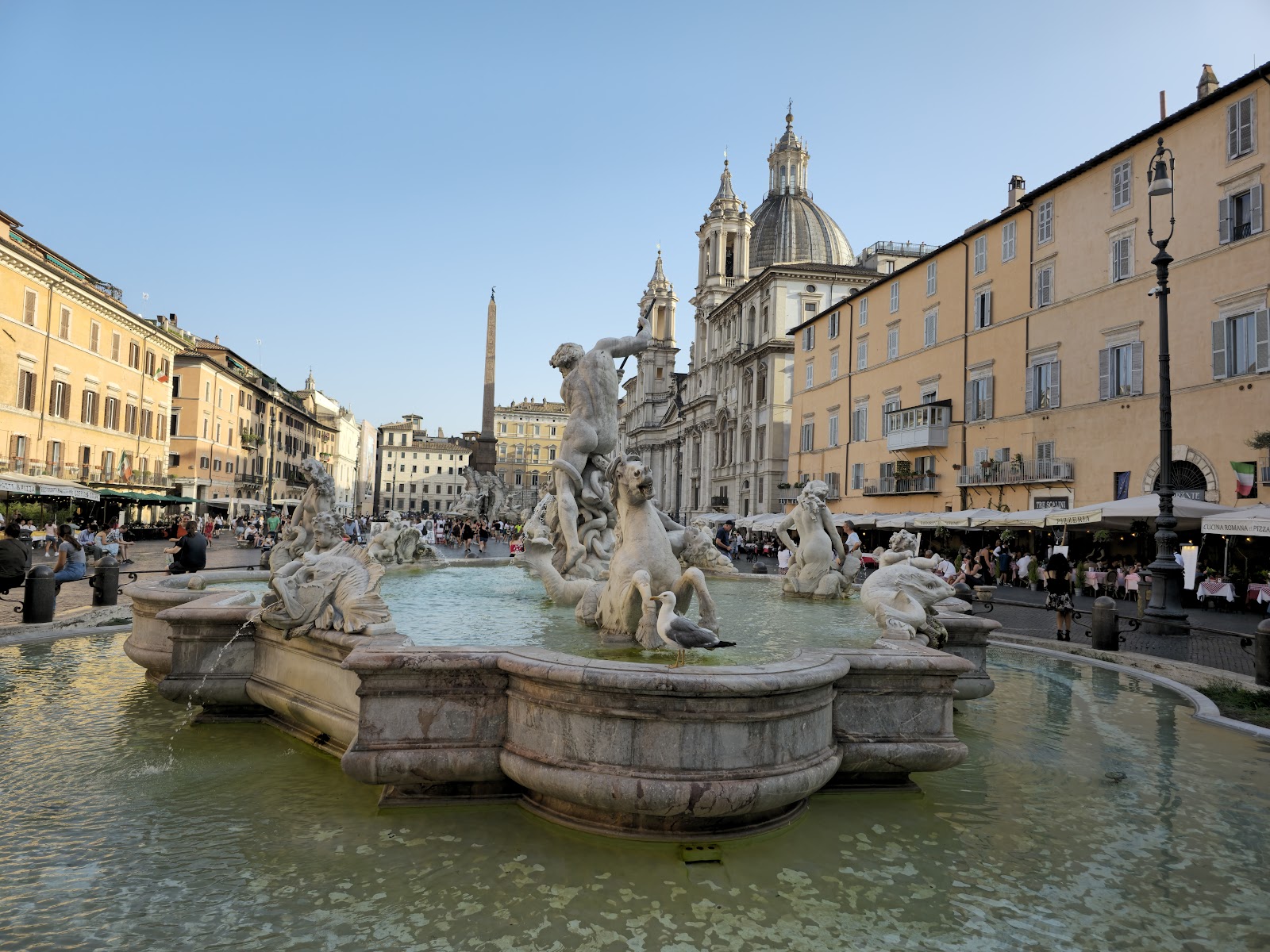
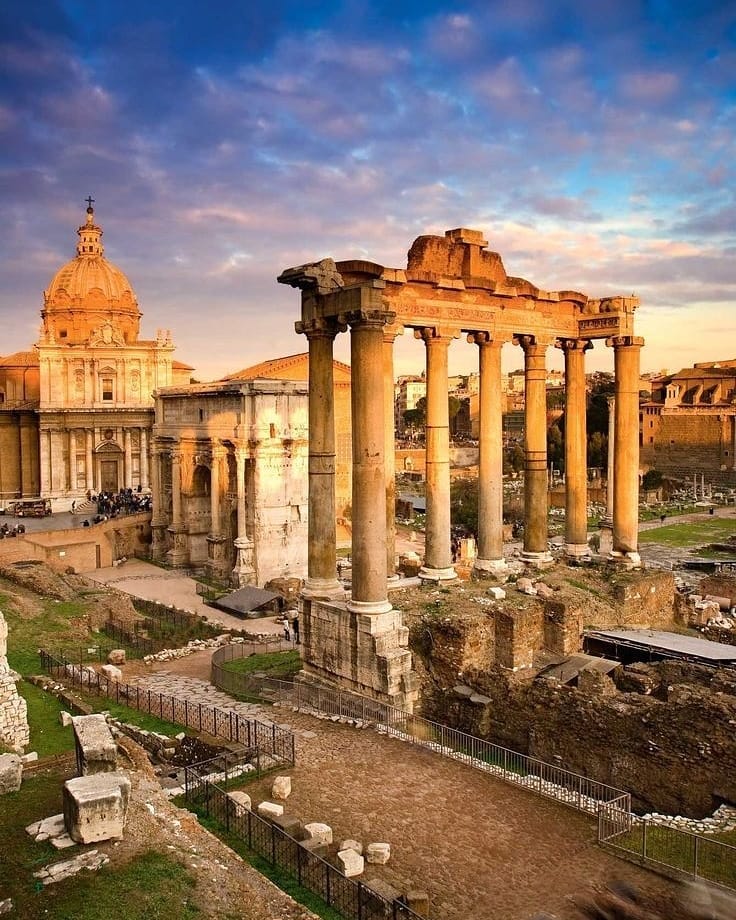
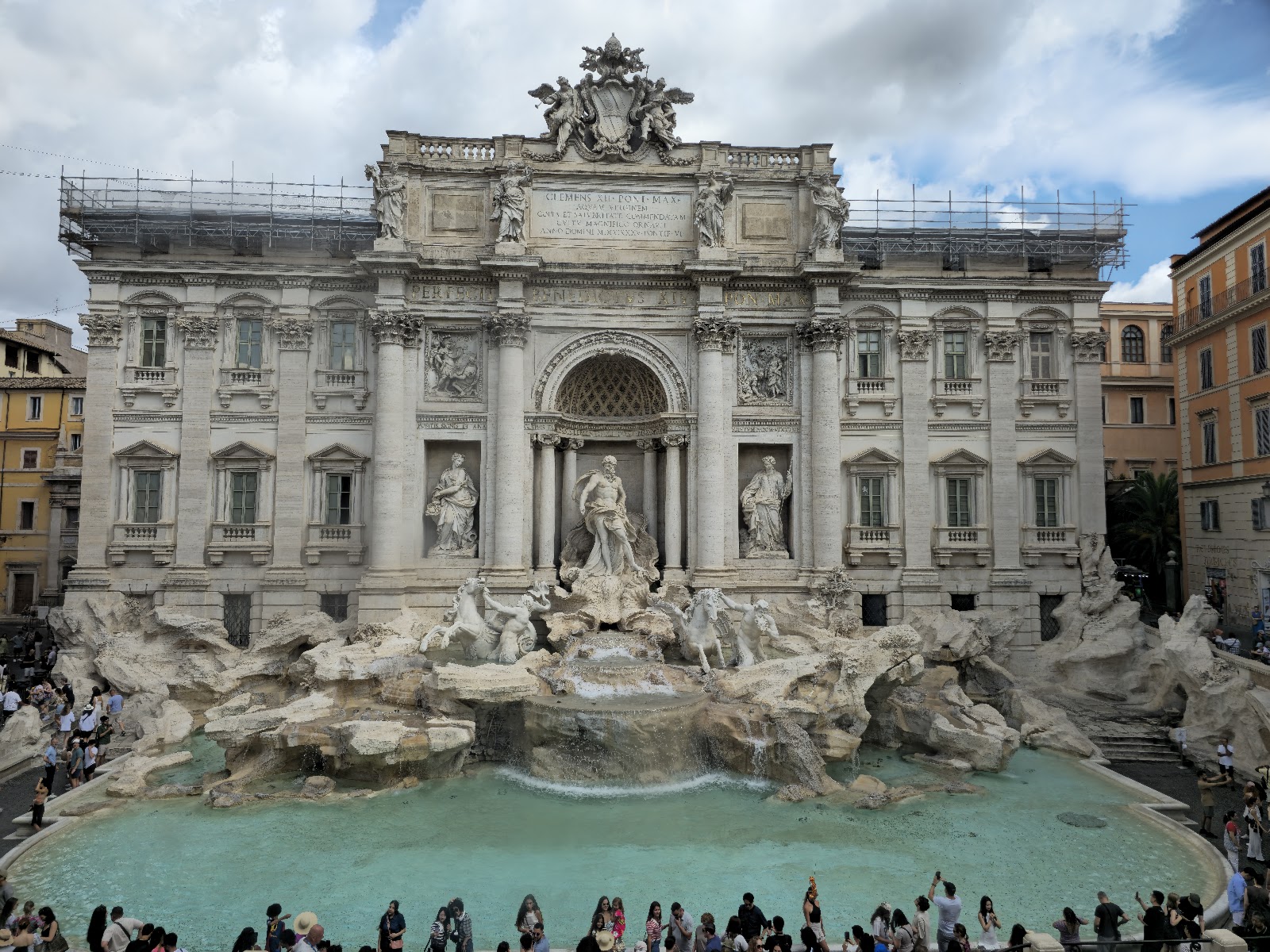
Stand inside the Pantheon and look up: that oculus — a perfect circle open to the sky — has been letting in rain, light, and the occasional pigeon for over two thousand years, and the unreinforced concrete dome around it is still the largest of its kind on earth. Rome earns its reputation not through mythology but through sheer accumulation. A single afternoon can take you from the ruins of the Roman Forum, where the republic was argued into existence, to a piazza built over a first-century stadium, to a fountain that drains roughly a million coins from tourists' pockets every year.
The city runs on layers. Every excavation for a new metro line uncovers another floor of history, which is part of why the network has only three lines. That friction — ancient versus contemporary — is not a problem Rome is trying to solve. It is the texture of the place.
💛 What travellers fall for
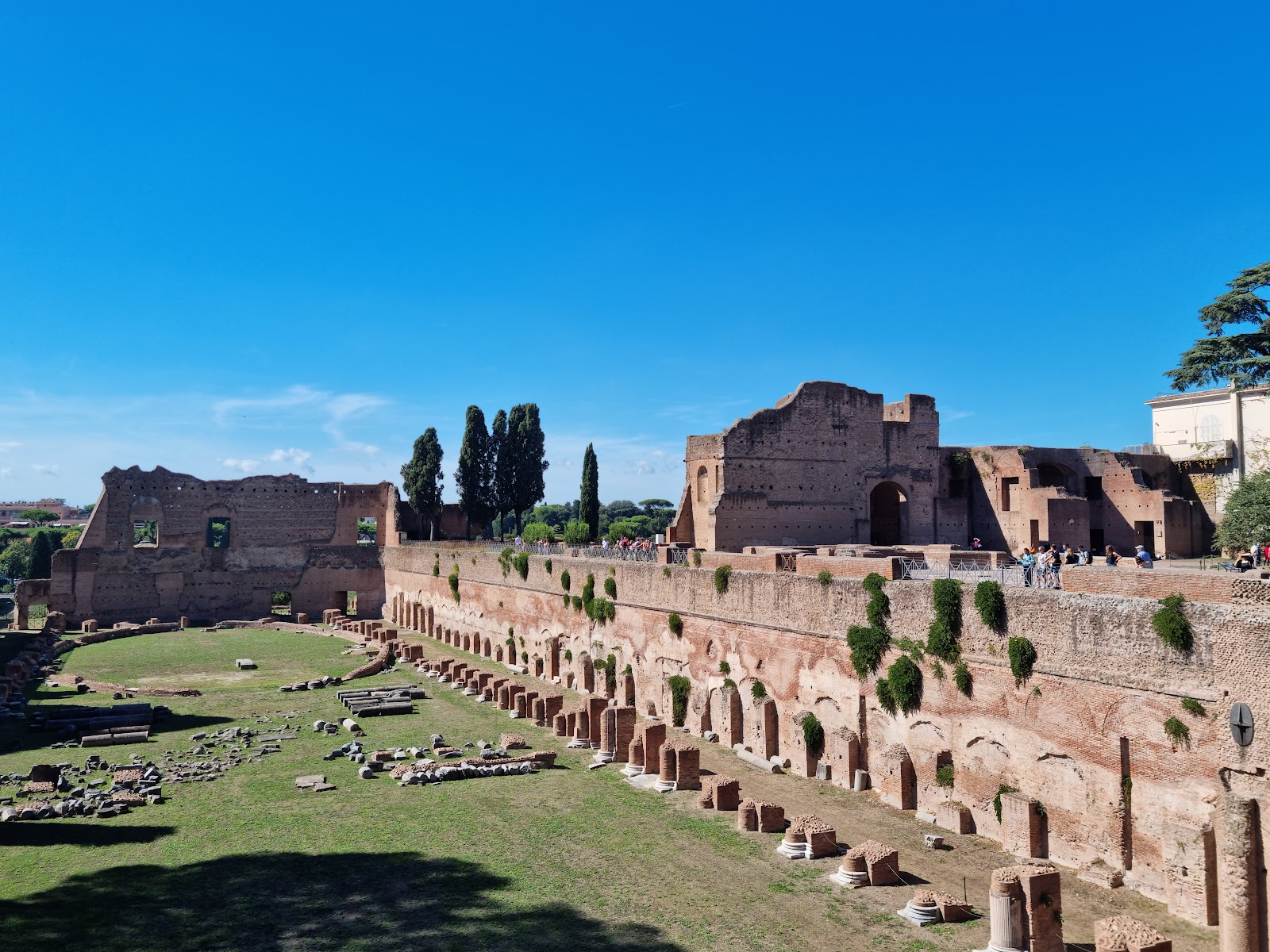
People who come back tend to stop competing with the landmarks and start filling the hours between them. The Barberini metro stop puts you five minutes from the Trevi Fountain before 8am, when the piazza is quiet enough to hear the water. Palatine Hill, just above the Forum, gets a fraction of the Colosseum's foot traffic and the same ticket.
Experiences you don't want to miss


Deals in Rome
Book directly at the provider

How Rome came to be
The date Romans still celebrate as their city's birthday — 21 April 753 BC — was fixed by the scholar Marcus Terentius Varro in the first century BC, pinned to the legend of Romulus. Archaeology suggests people were living on these hills considerably earlier, making Rome one of the oldest continuously occupied sites in Europe. The early city was a mixture of Latins, Etruscans, and Sabines, and in 509 BC its citizens expelled their last king and established a republic.
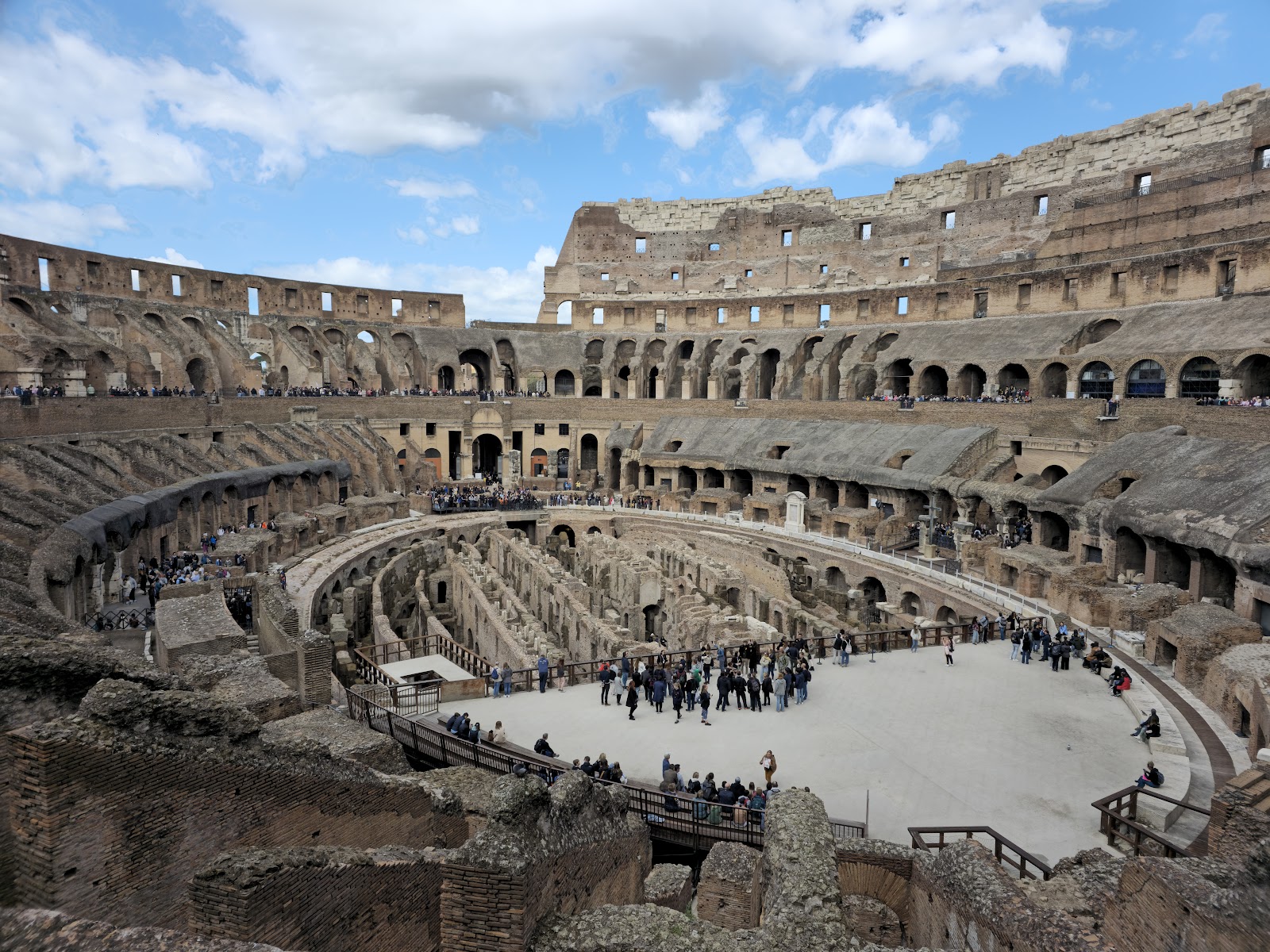
That republic eventually gave way to empire: in 27 BC, Octavian — soon to be Augustus — became its first emperor after defeating Mark Antony. The Colosseum followed under Vespasian, funded by spoils from the sack of the Jewish Temple in 70 AD, and opened under Titus in 80 AD. The Western Empire collapsed in 476 AD, but the city never fully emptied. It simply changed landlords and kept building.
Who and what shaped it
People who shaped it
Landmark buildings
See Rome in motion
Plan your visit
On the map
When to go
Spring (April–May) and autumn (September–October) are the most comfortable seasons — warm enough for long days on foot without the punishing heat of July and August, when temperatures regularly climb past 35°C and the city fills to its edges. Winters are mild and often sunny, with short cold spells; rainfall is spread fairly evenly across the year.
Right now
↡ Attractions
Background & history adapted from Wikipedia (CC BY-SA) · specs from Wikidata (CC0) · weather from Open-Meteo · map data © OpenStreetMap contributors · photos from Wikimedia Commons / Unsplash with per-image credit. No third-party reviews or social posts reproduced.