
Puglia
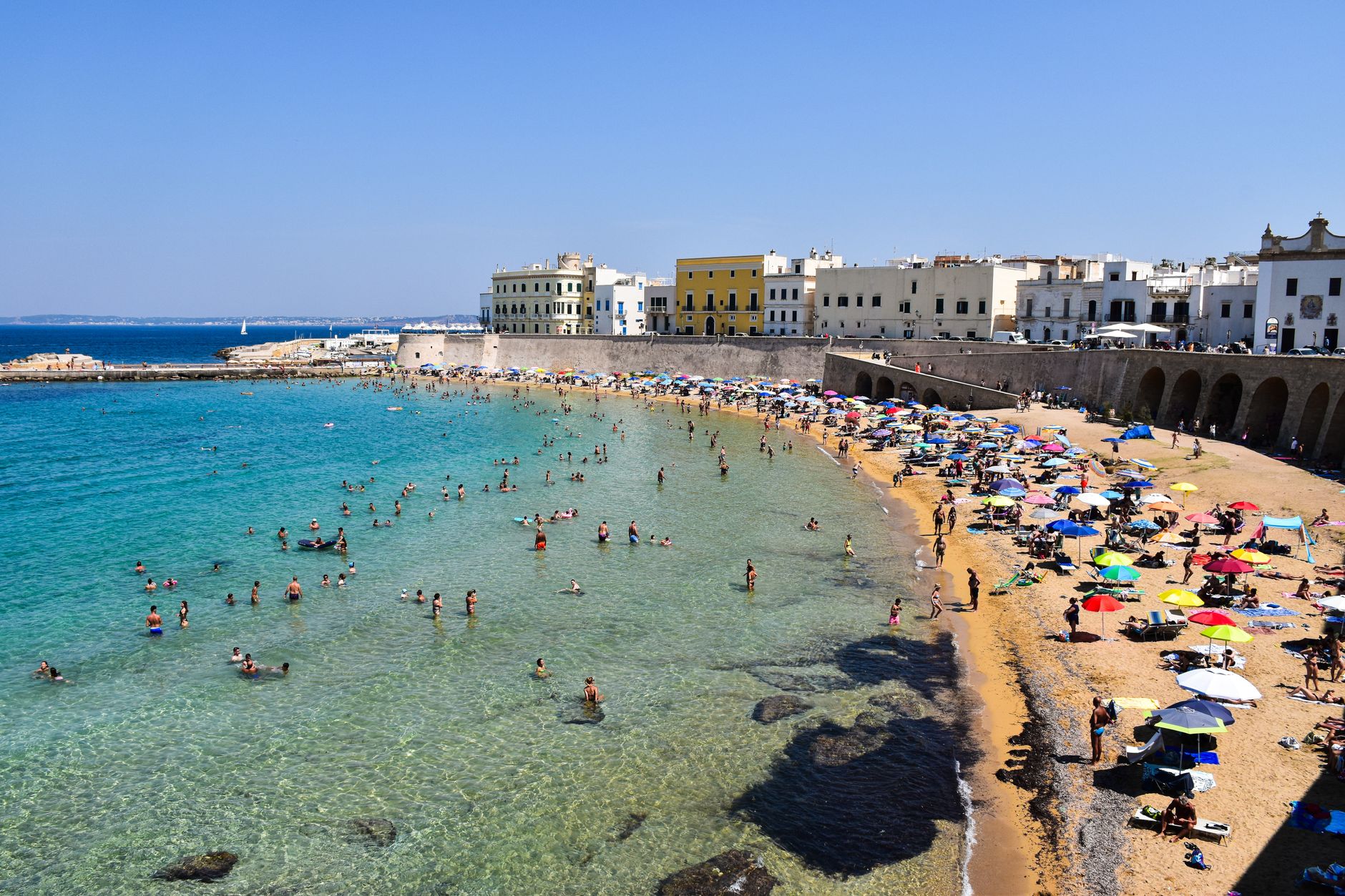
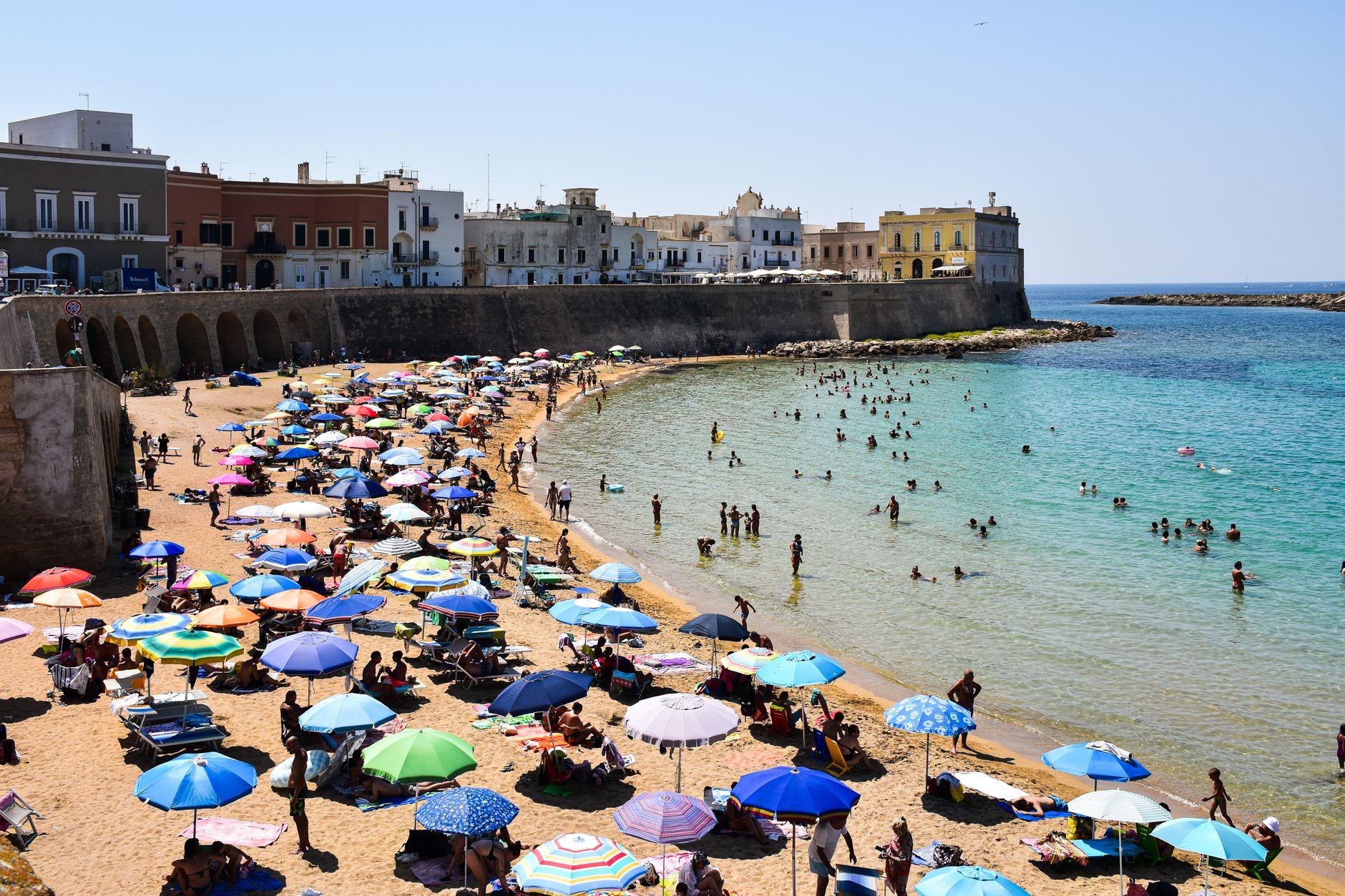
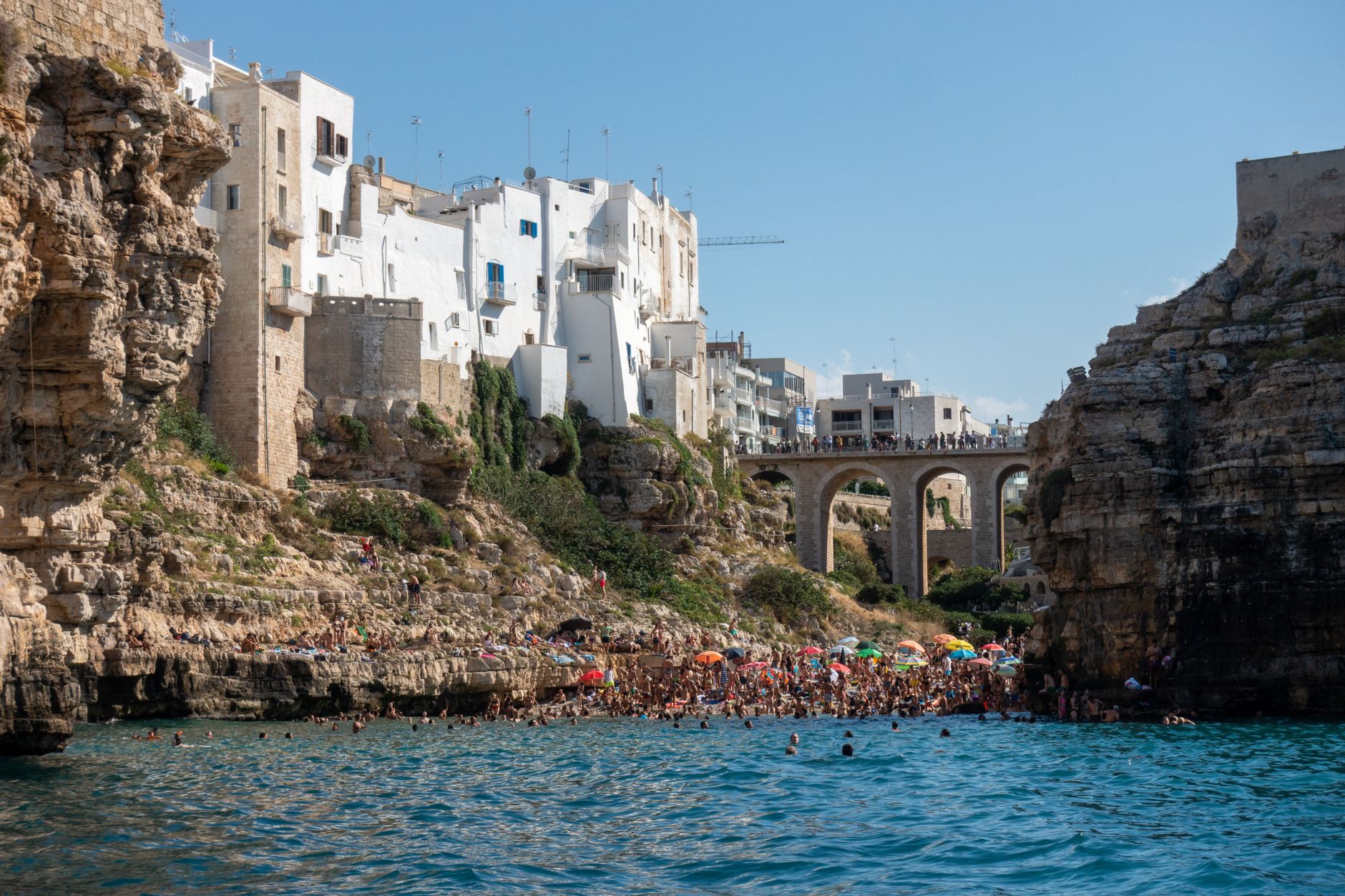
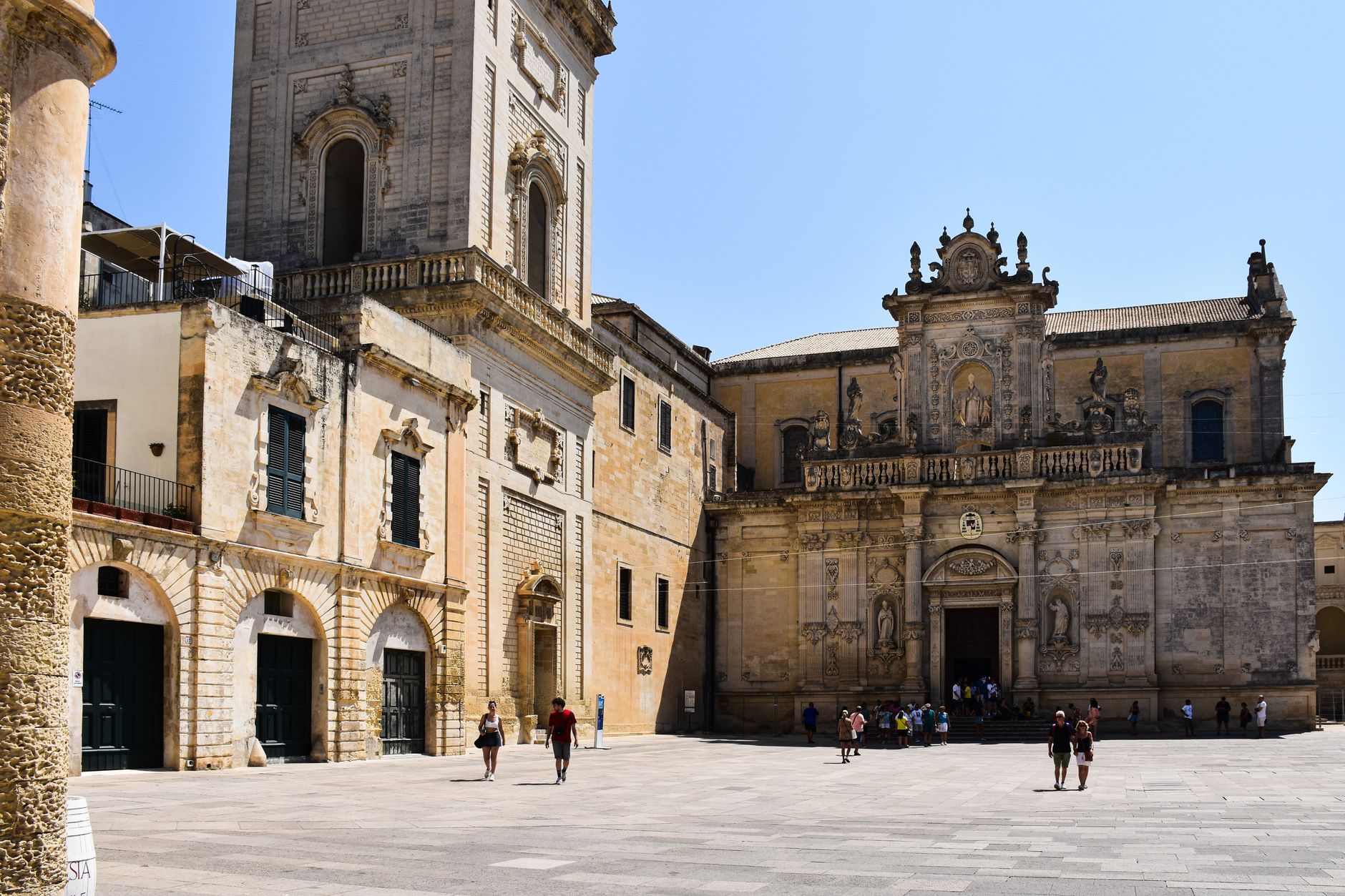
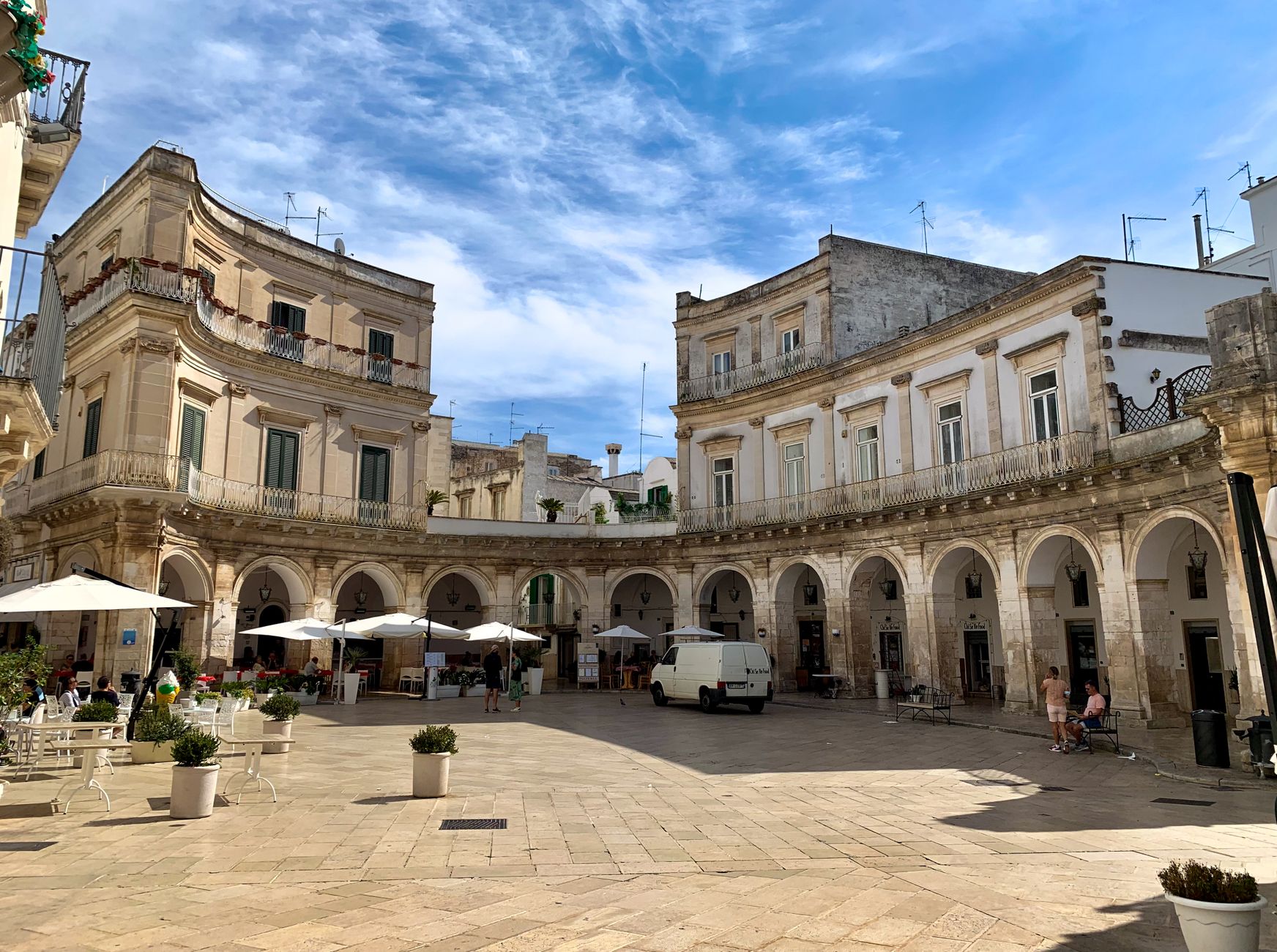
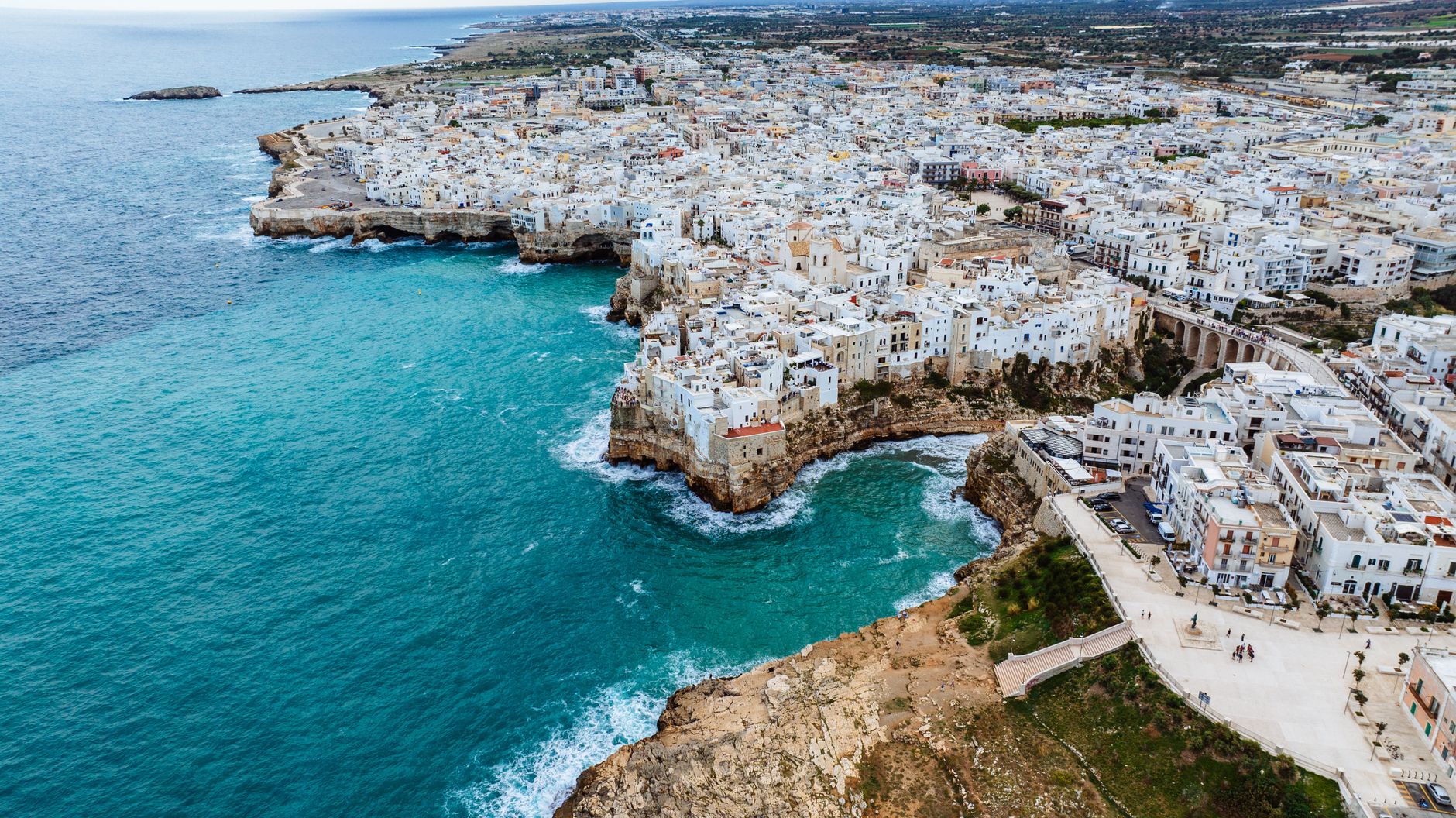
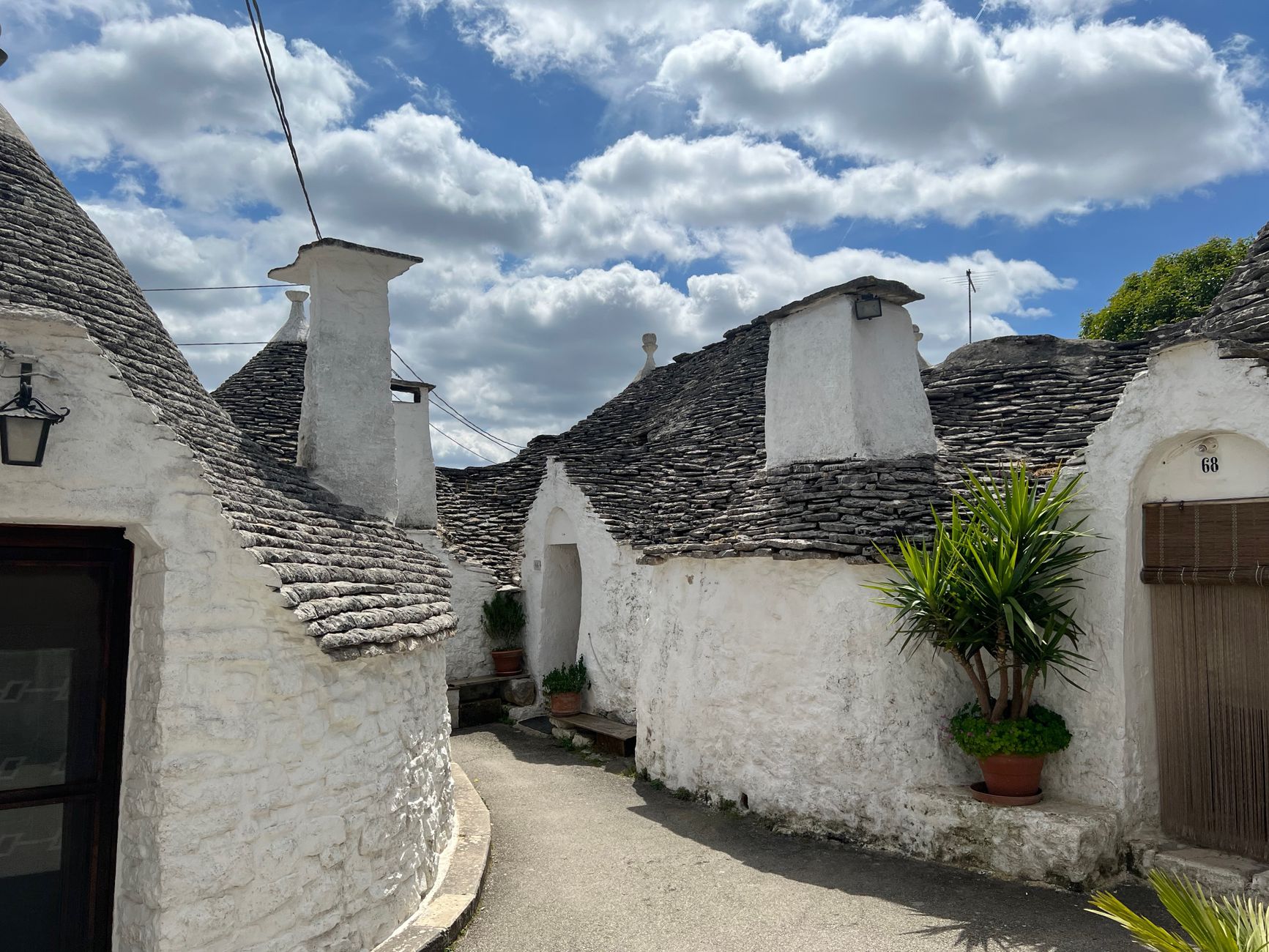
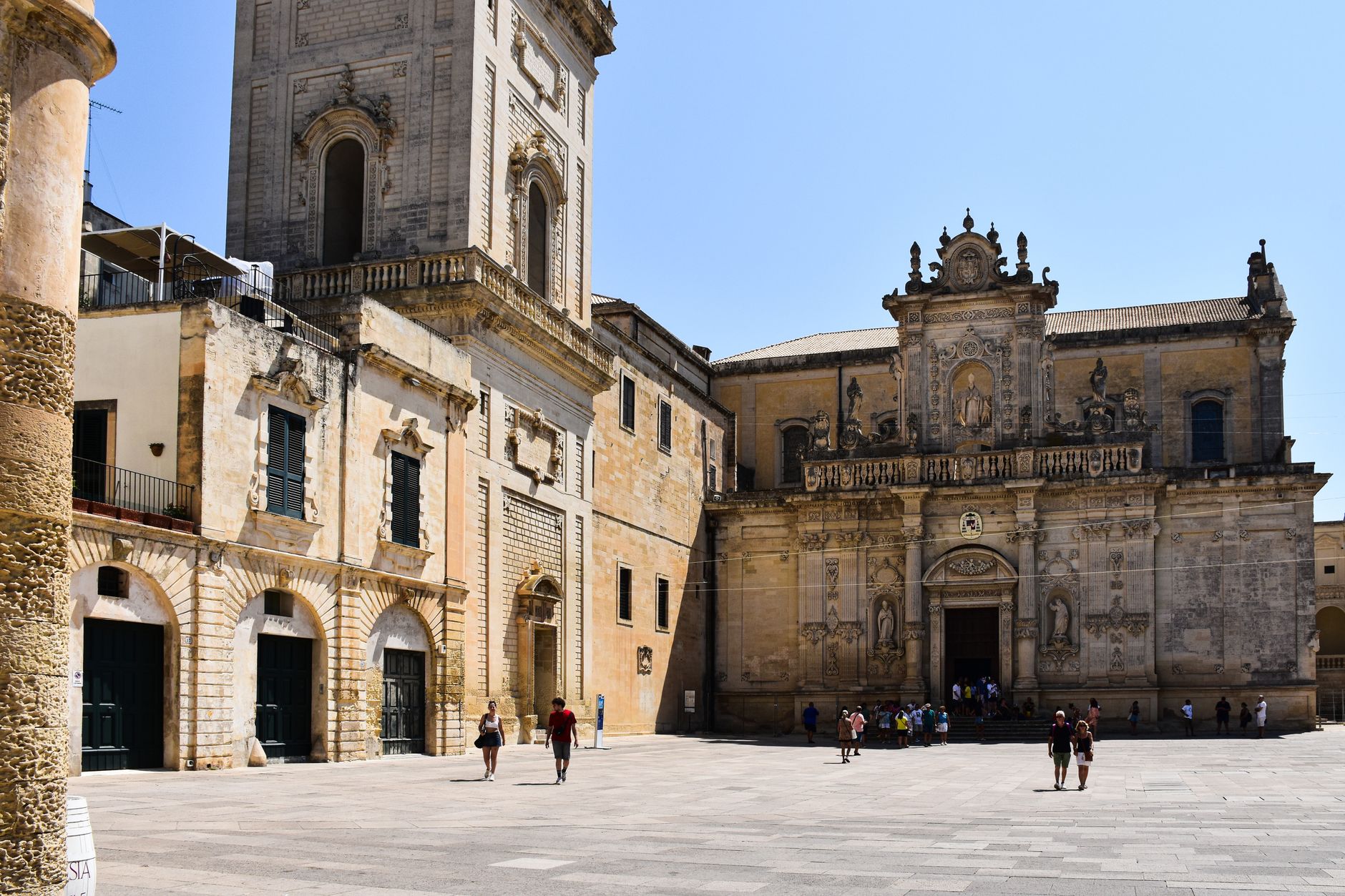
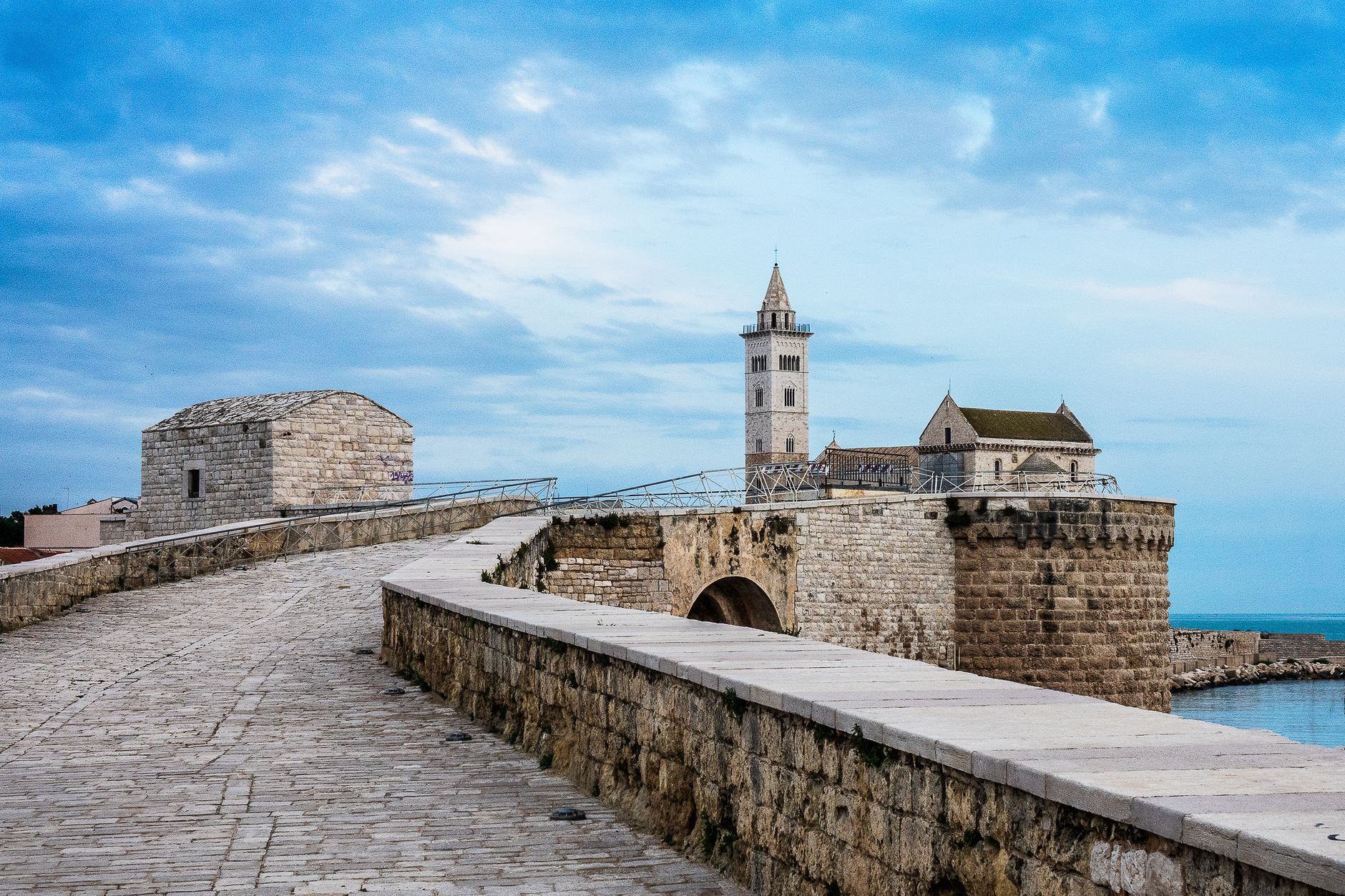
The heel of Italy's boot is where the country runs out of land and starts making different choices. Stone trulli with their conical roofs dot the Valle d'Itria like something a child might draw. Baroque facades in Lecce are carved so thickly with saints and sea creatures that the stone looks soft. The olive trees here are among the oldest in Europe — some were already ancient when the Normans arrived.
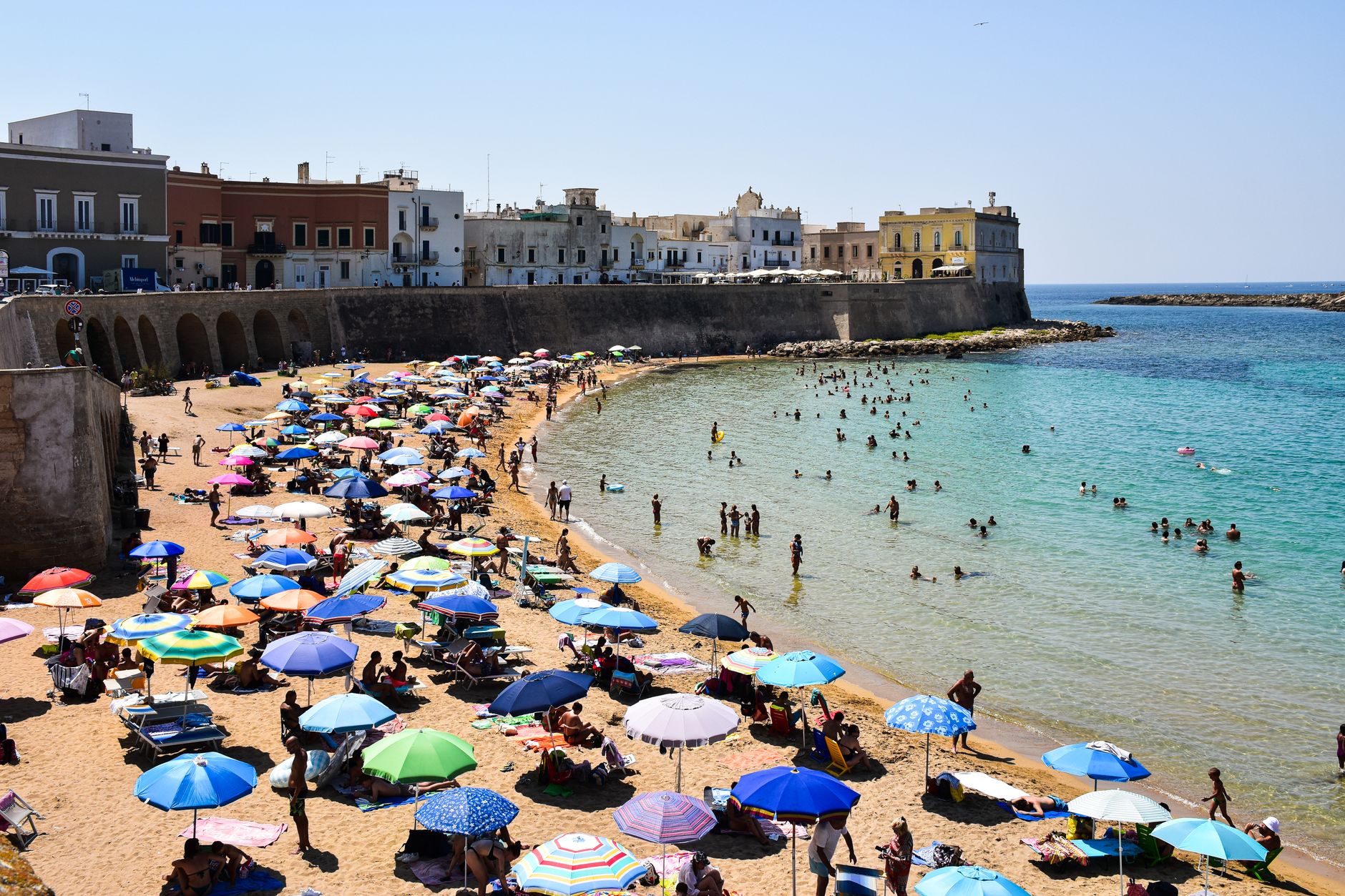
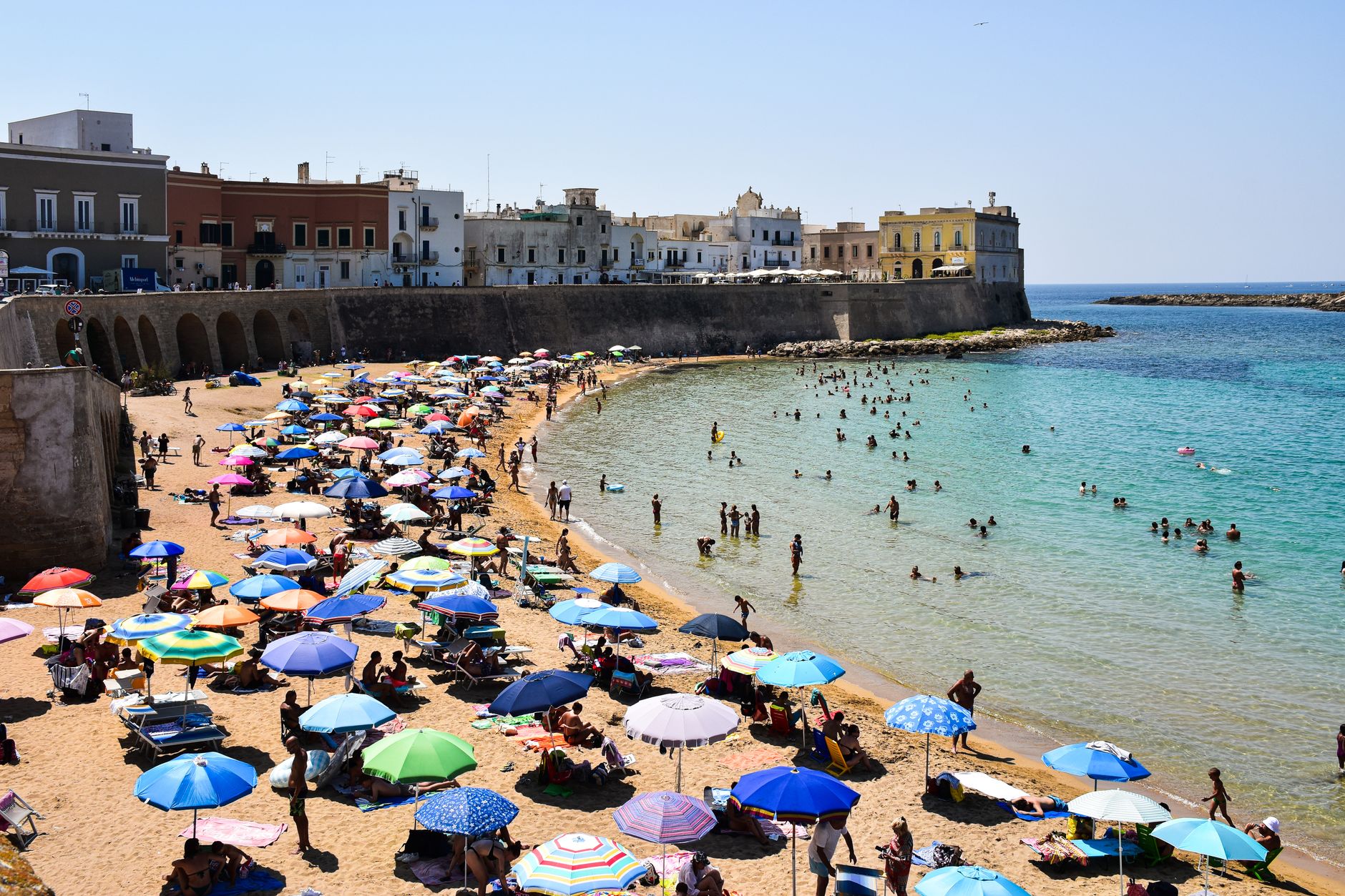
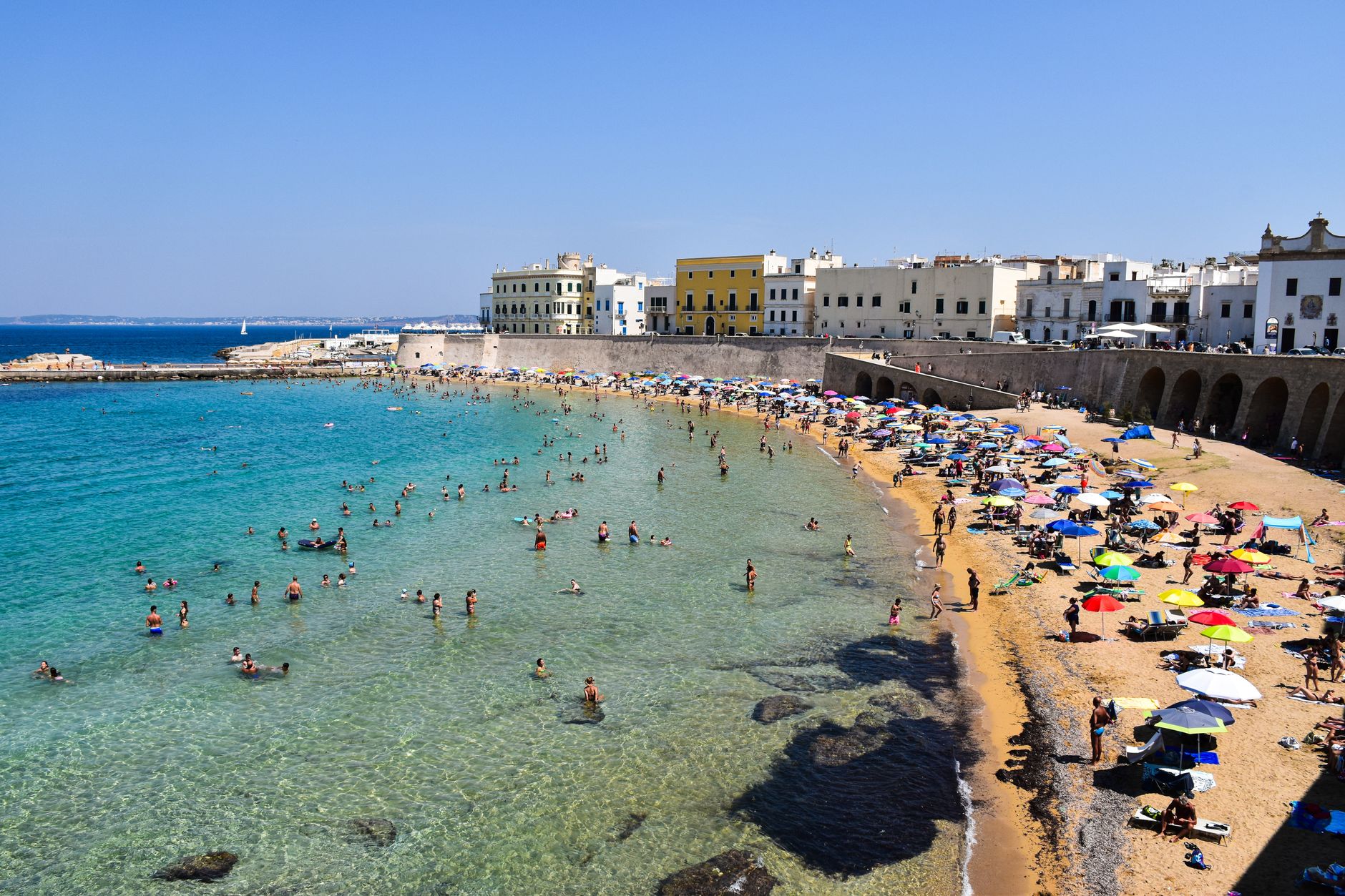
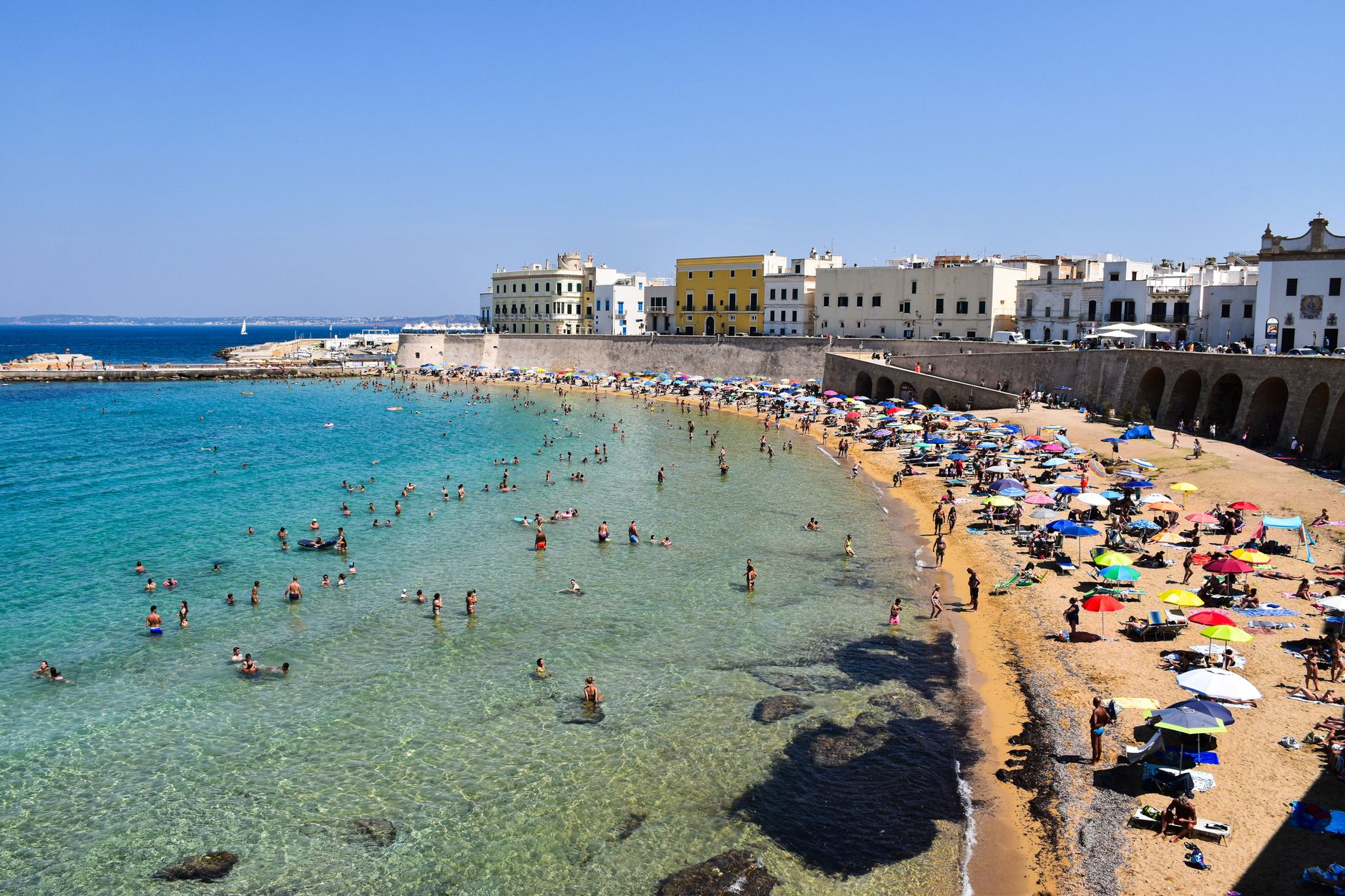
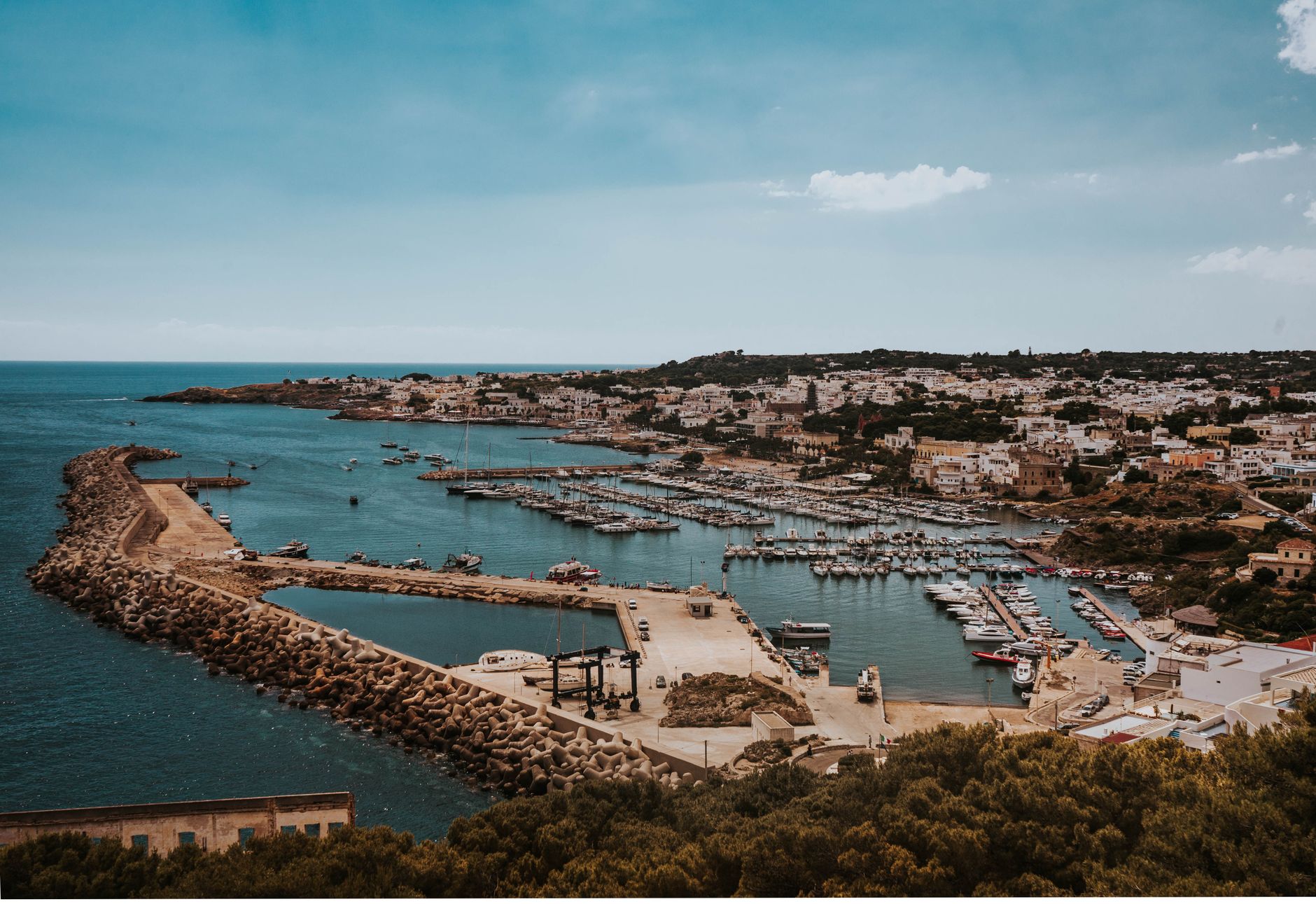
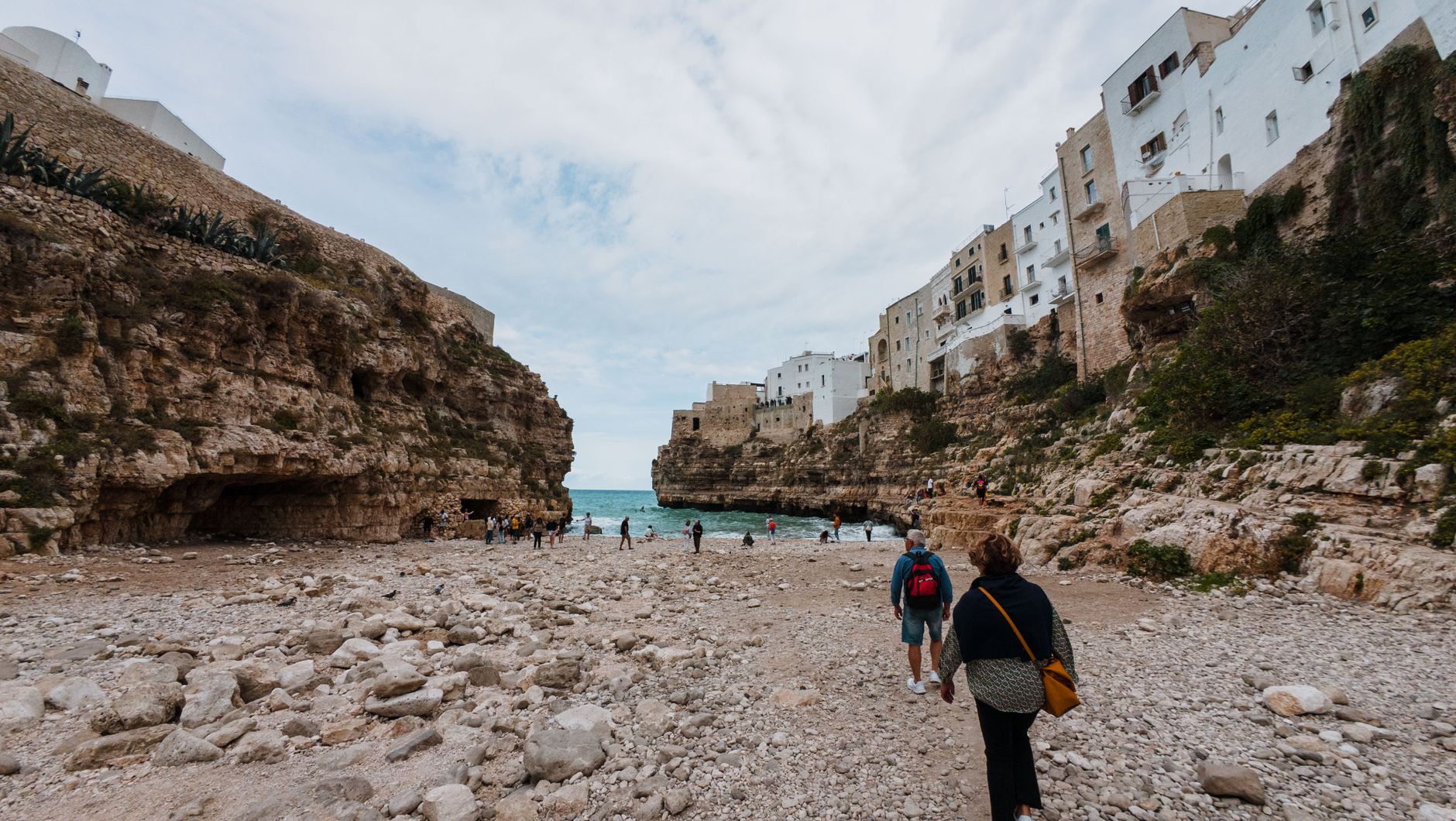
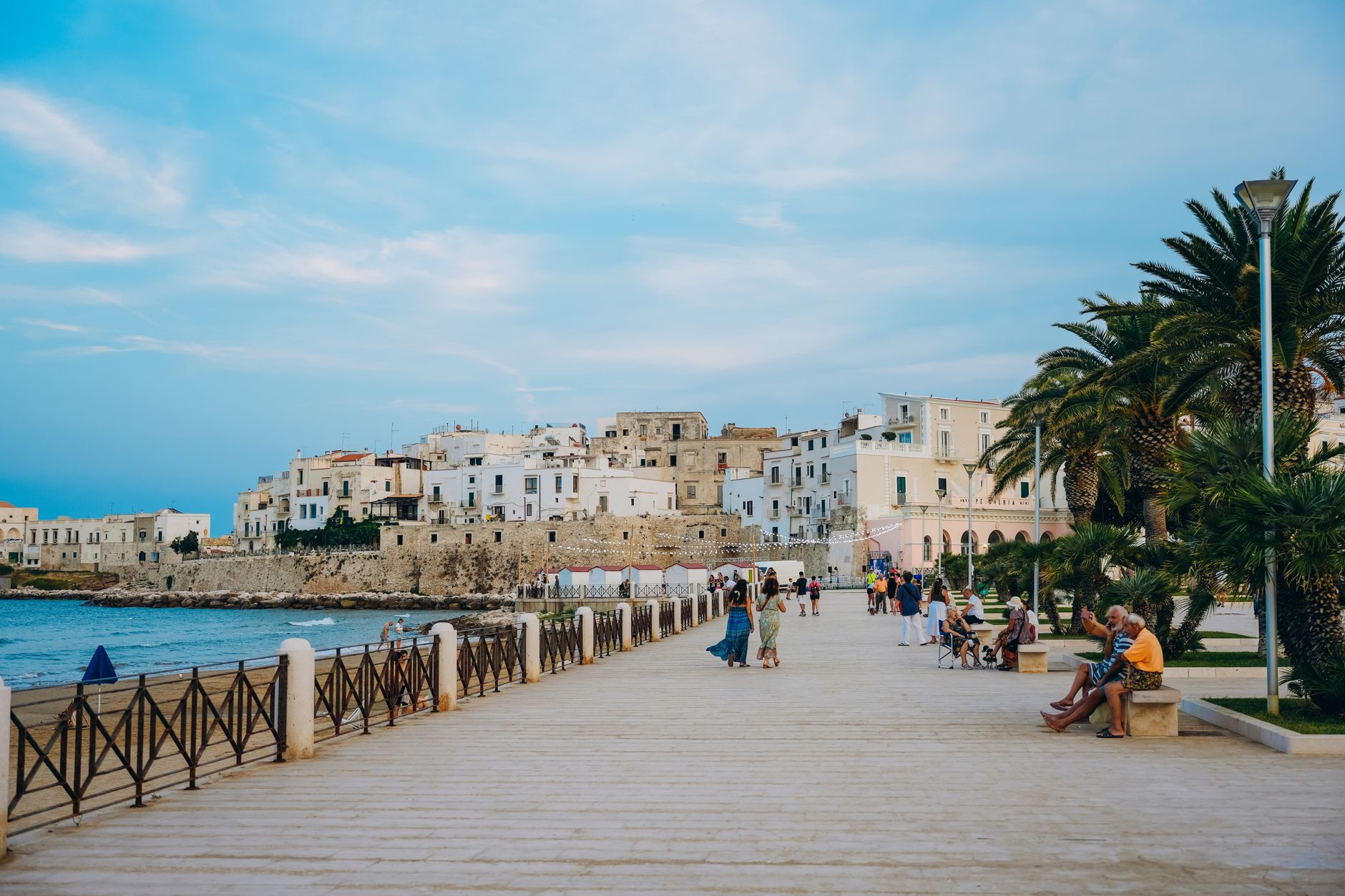
Puglia stretches from the Gargano promontory in the north down to the tip of the Salento peninsula, covering more coastline than almost any other Italian region. The Adriatic to the east runs cool and clear; the Ionian to the south is warmer, shallower, more languid. Between them, the interior is limestone plateau, trulli country, and the slow-moving life of whitewashed hilltowns.
Popular cities in Puglia
Experiences you don't want to miss


How Puglia came to be
People have lived in this limestone landscape since the Palaeolithic, and by the 8th century BC, Greeks were building settlements along the Ionian coast — Taras, founded by Spartan exiles, was the main city until Rome absorbed the whole region around 270 BC. The Via Appia, begun in 312 BC, still ends in Brindisi. Normans arrived in the 11th century: William of Hauteville founded the county of Apulia in 1043, and his brother Robert Guiscard extended it by 1057.
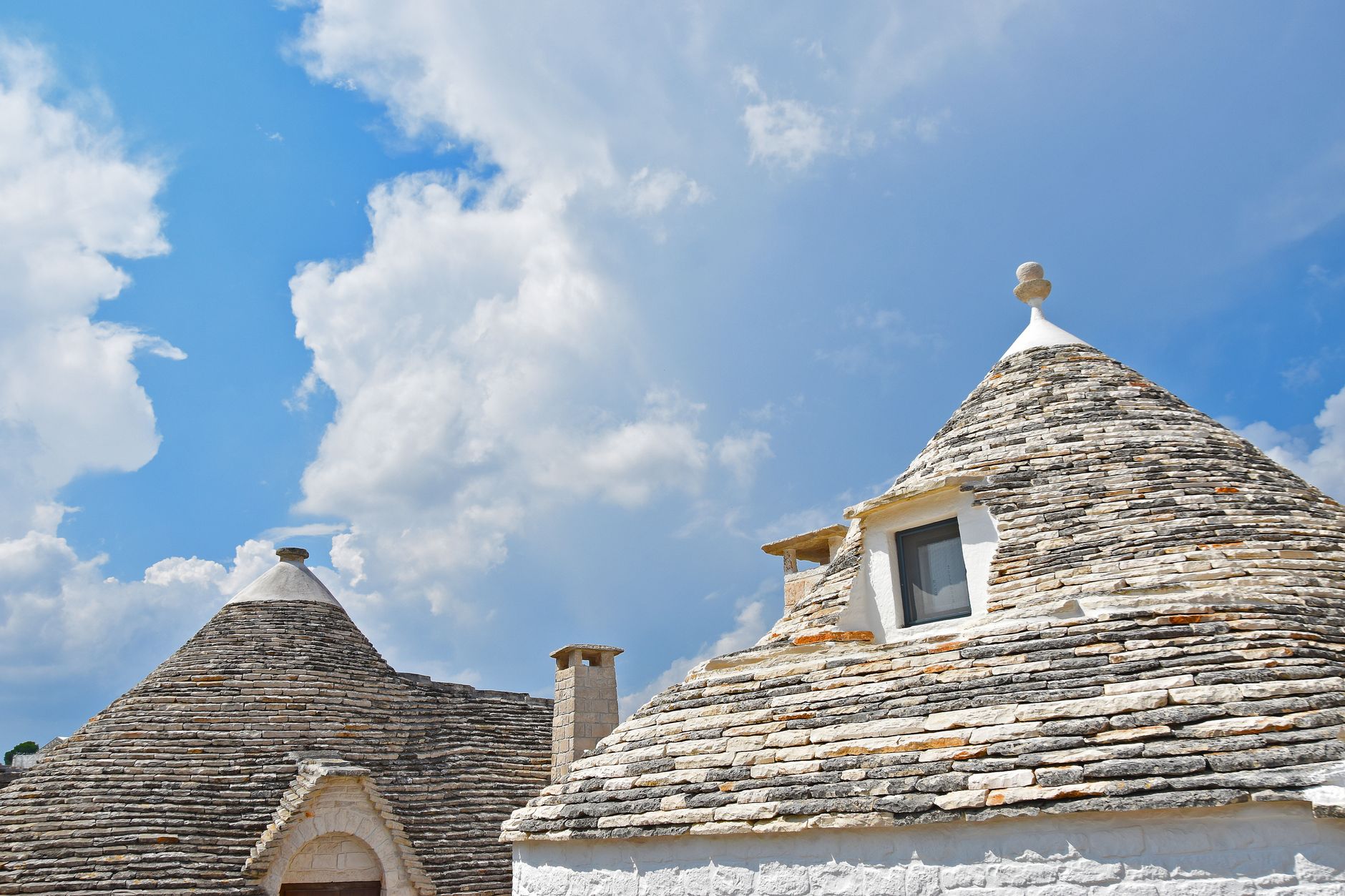
The reign of Frederick II (1220–1250), known as 'Stupor Mundi' — Wonder of the World — is still spoken of as a high point. He built Castel del Monte, that strange octagonal castle on a limestone ridge, and left a mark on the region that outlasted every subsequent ruler, from the Austrians who arrived under the 1713 Treaty of Utrecht to the Bourbons who displaced them in 1734. The trulli themselves carry a political story: landowners had poor Pugliese build houses without mortar so they could be dismantled quickly if tax collectors came.
Who and what shaped it
People who shaped it
Landmark buildings
See Puglia in motion
Plan your visit
On the map
When to go
Summers are long, dry and genuinely hot — inland temperatures regularly exceed 35°C in July and August, though coastal breezes moderate the Adriatic shore. Spring and autumn are mild and clear, the better seasons for walking the interior or driving the Valle d'Itria. Winters are short and rarely severe, though the Gargano and the northern plateau can get cold winds off the Adriatic.
Right now
↡ Cities
No places match these filters.
Background & history adapted from Wikipedia (CC BY-SA) · specs from Wikidata (CC0) · weather from Open-Meteo · map data © OpenStreetMap contributors · photos from Wikimedia Commons / Unsplash with per-image credit. No third-party reviews or social posts reproduced.