
Polignano a Mare
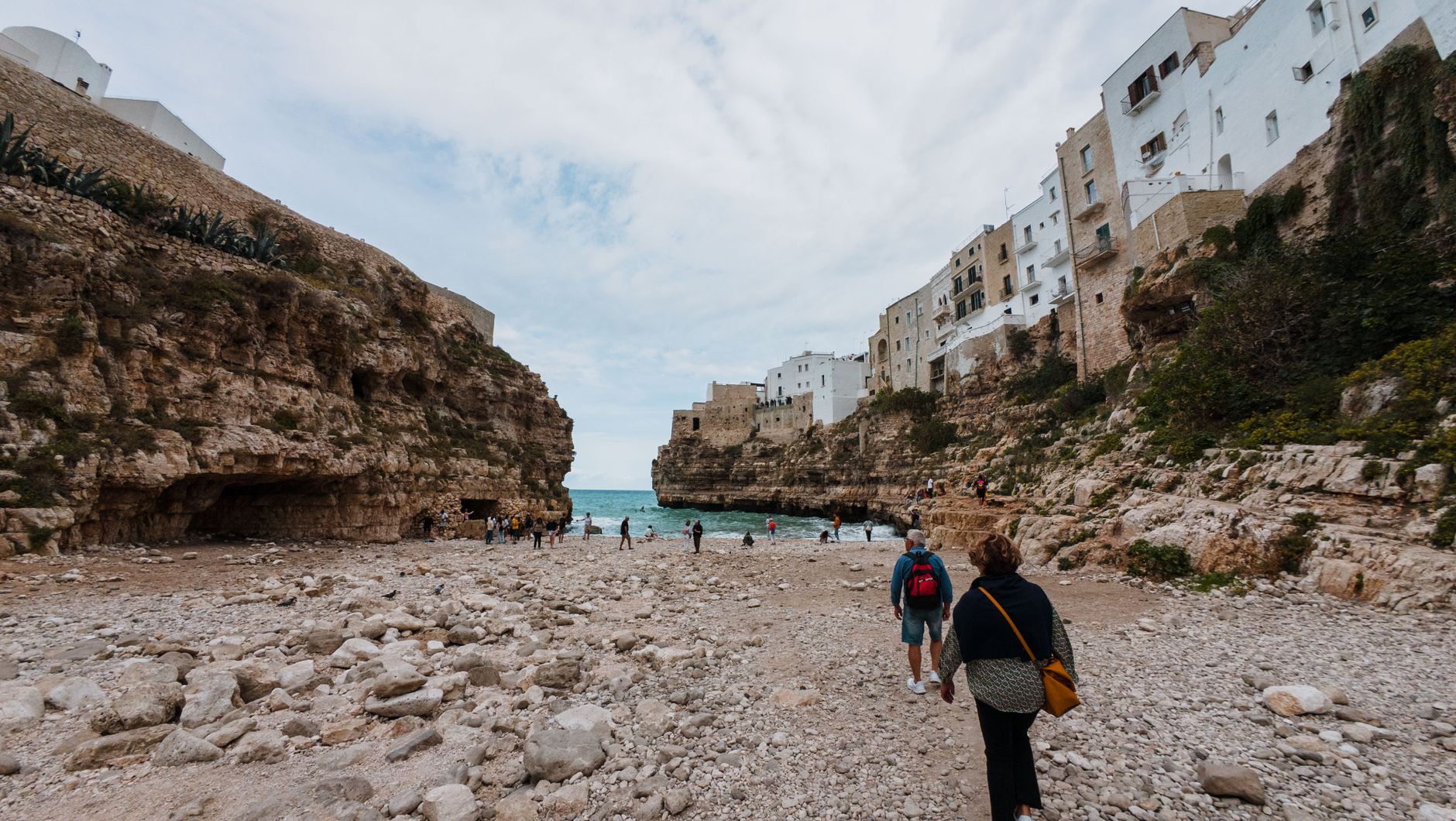
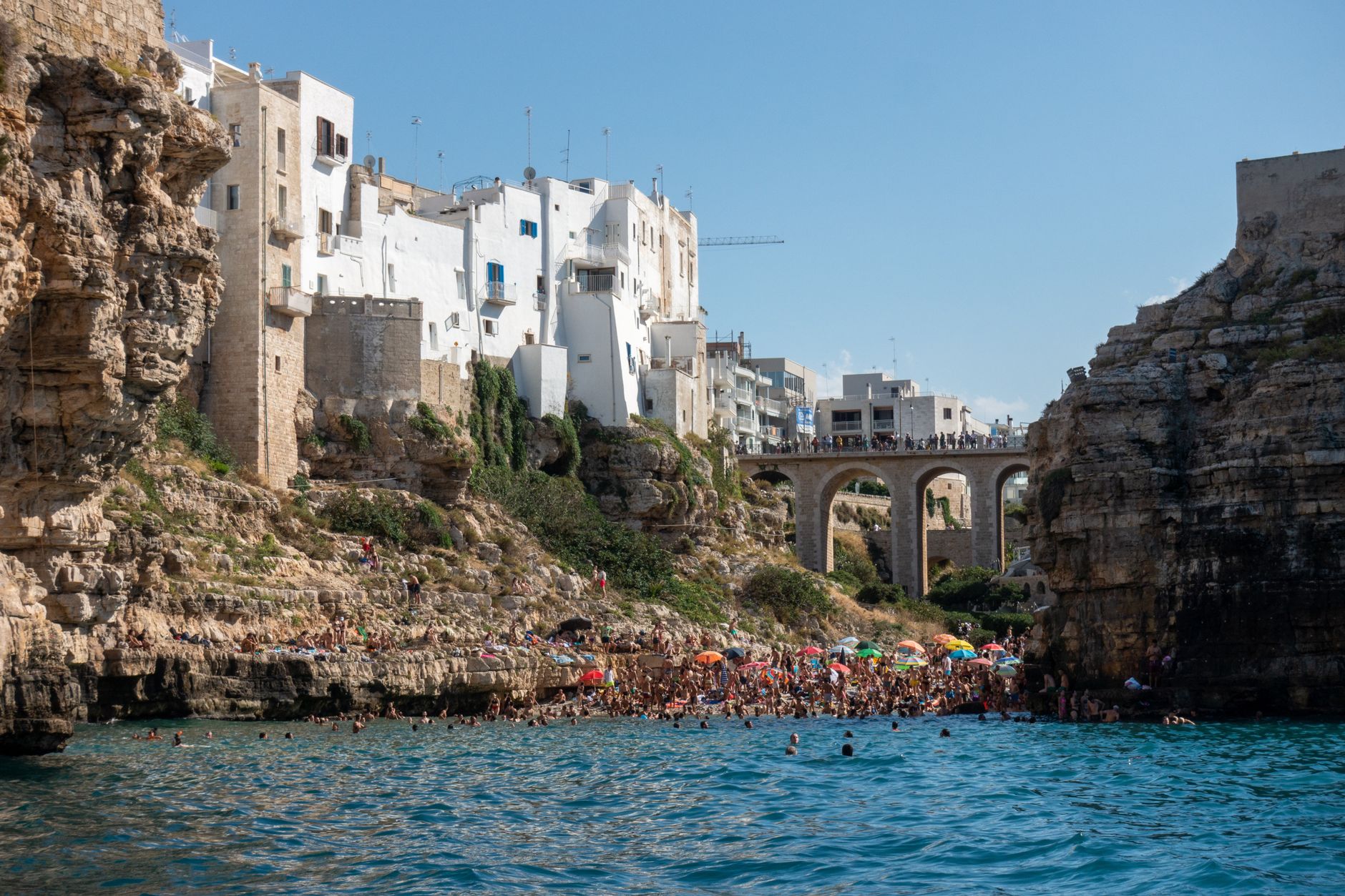
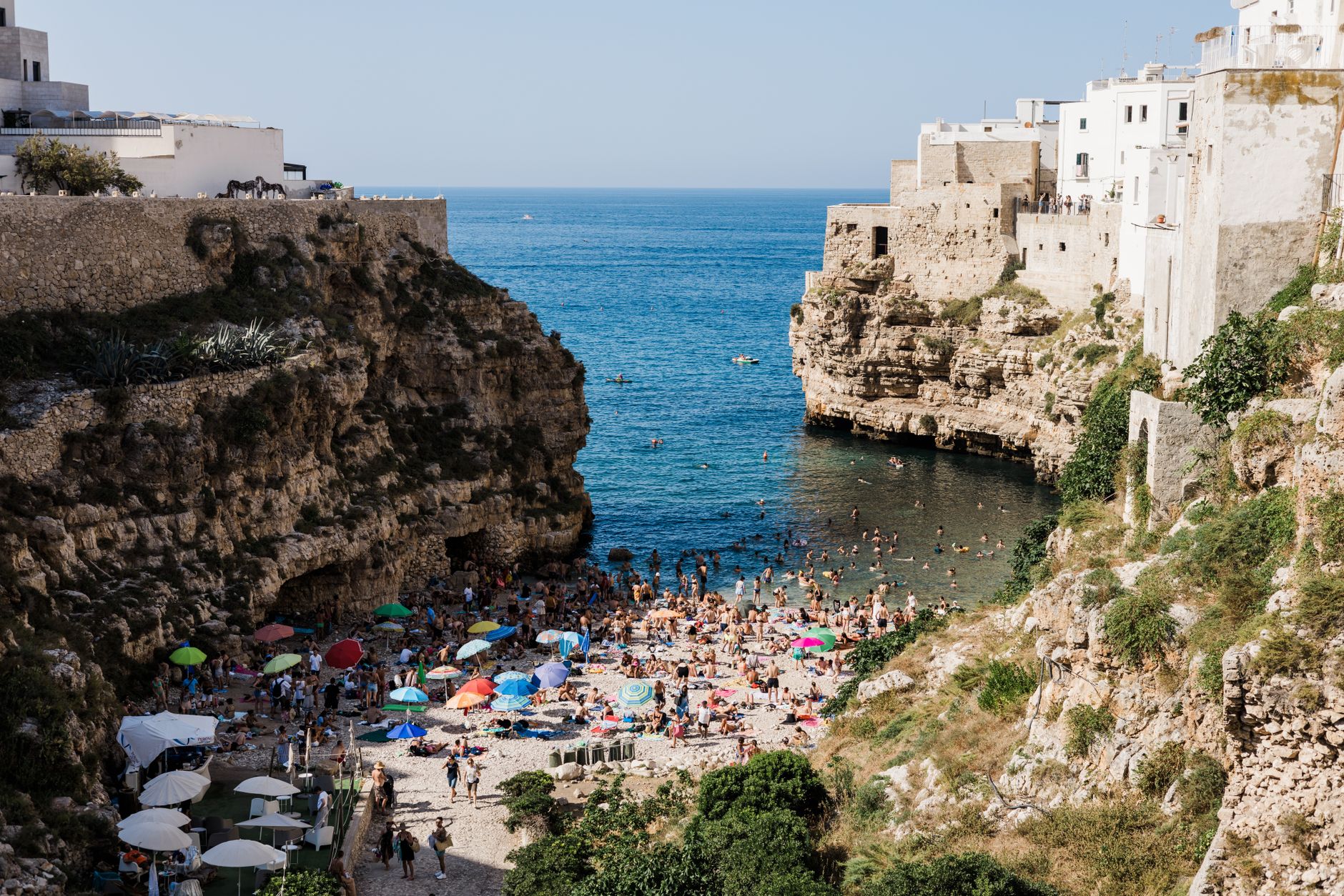
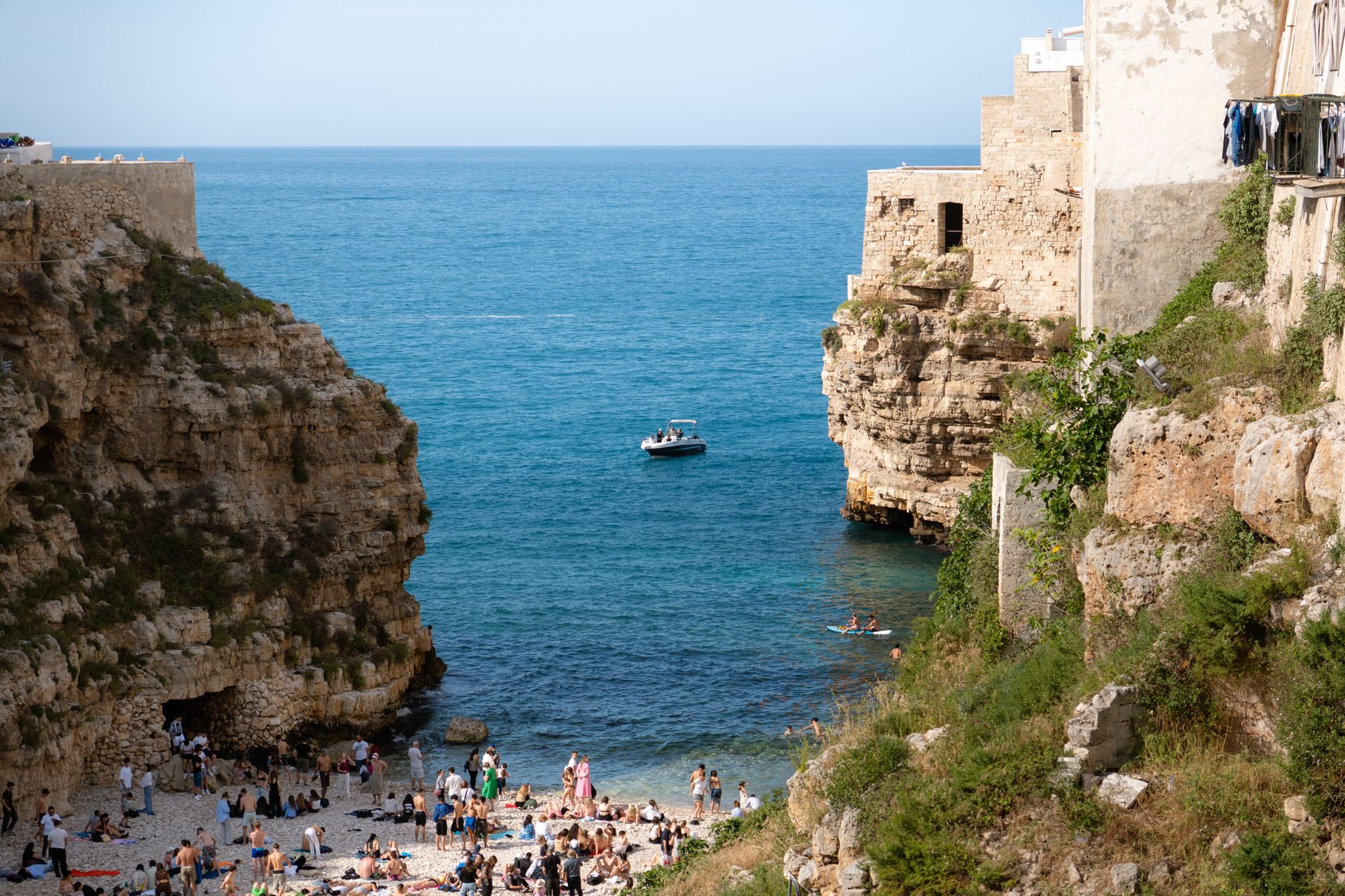
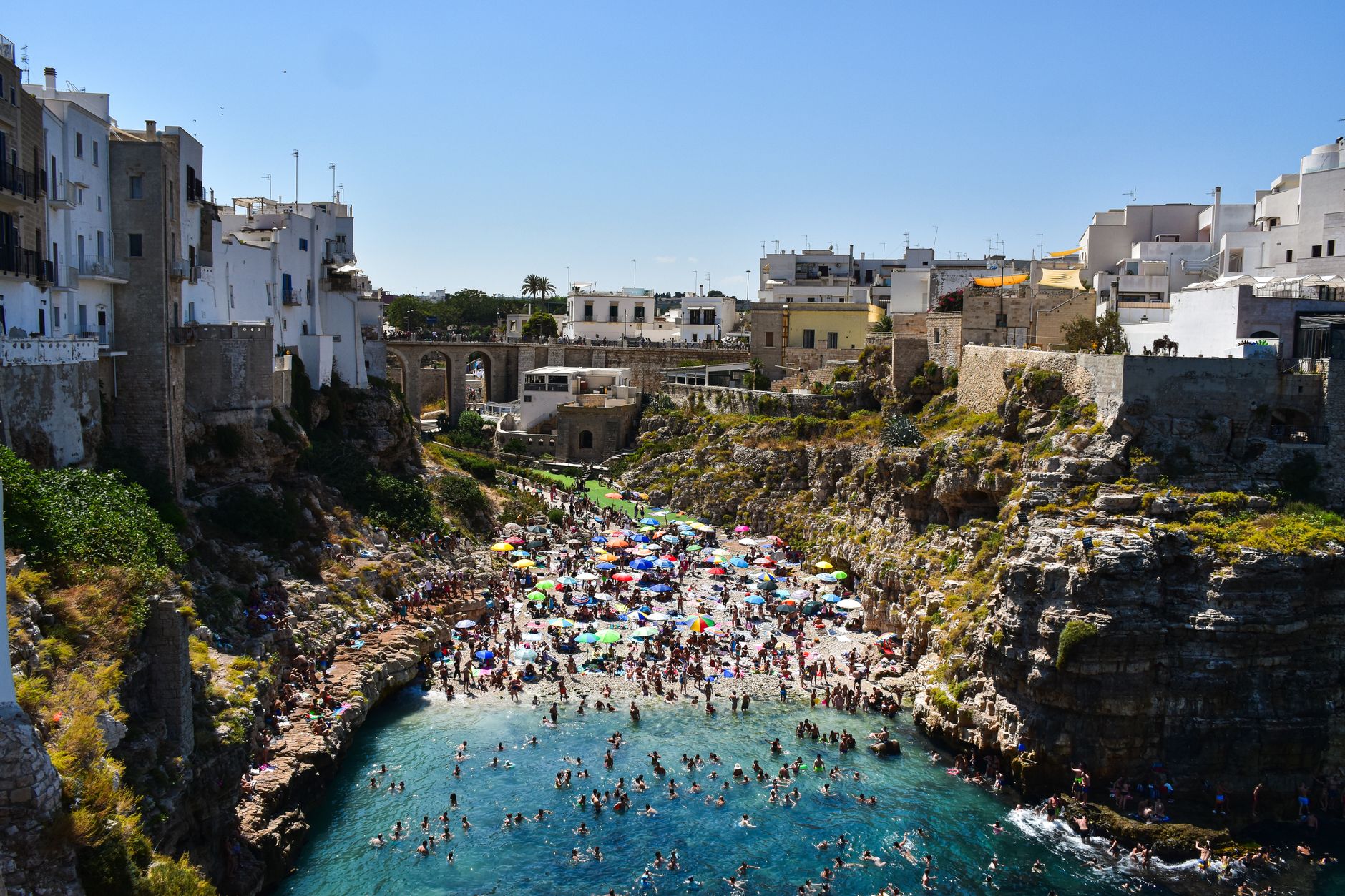
Stand on the bridge over Lama Monachile and you're looking at two thousand years of infrastructure at once: the modern Bourbon span directly above the Roman foundations of the Via Traiana, the road Emperor Trajan pushed through to Brindisi around 108 AD. Below, the water is the colour people usually dismiss as impossible.
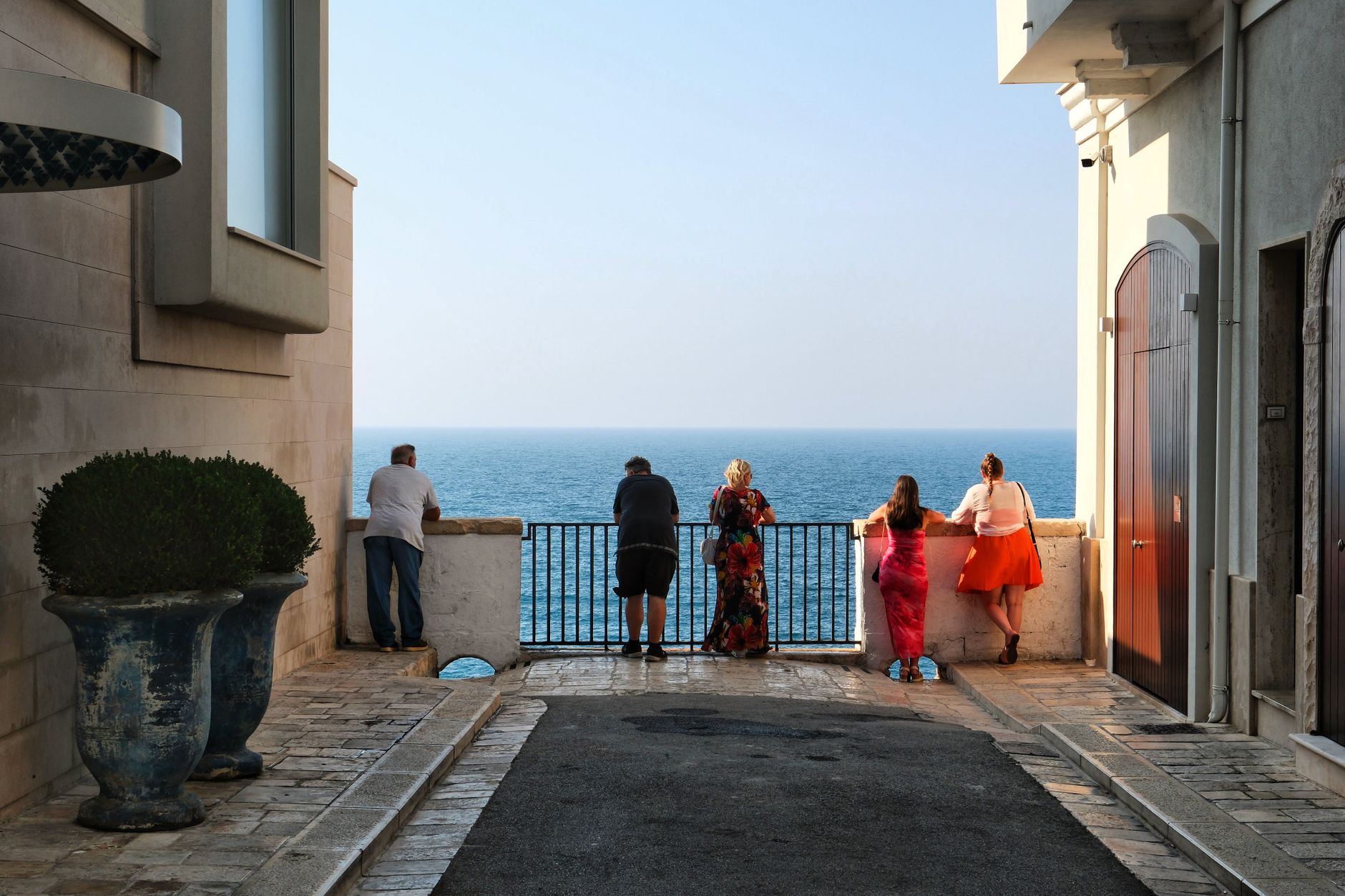
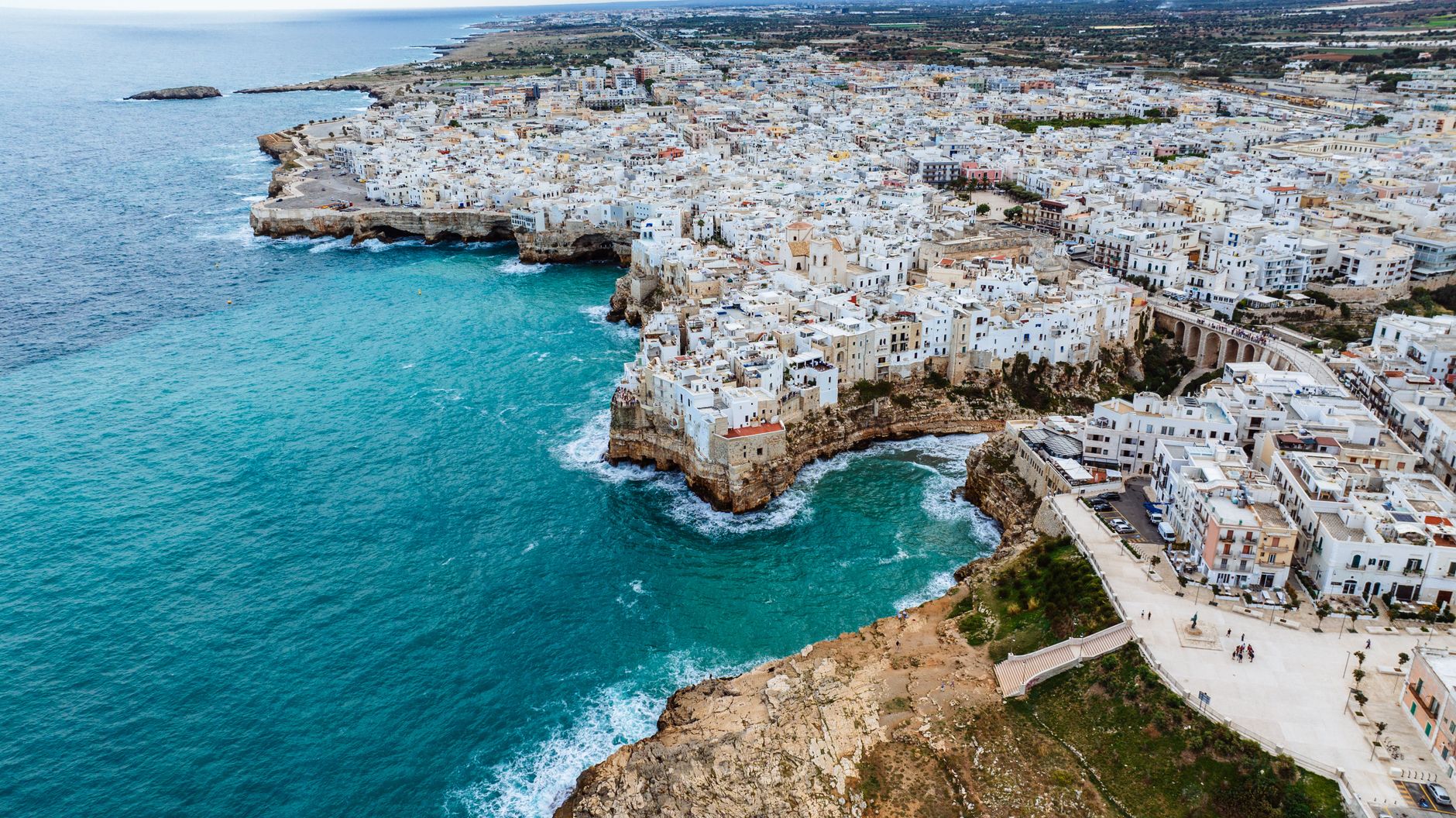
Polignano a Mare sits on a limestone shelf above the Adriatic, its white old town balanced at the edge of low cliffs that the sea has been hollowing out for centuries — forty caves at last count, one of them now a restaurant. The town is small, walkable, and surprisingly layered for something that looks, at first glance, like a postcard.
💛 What travellers fall for
People who come back tend to arrive on the early train from Bari — sixteen minutes — before the day-trippers, walk straight to the Vicolo della Poesia to read whatever Guido il Flaneur has chalked up lately, and save Grotta Palazzese for a drink at dusk rather than dinner. The ZTL signs in the old town are real; don't test them.
Experiences you don't want to miss



Deals in Polignano a Mare
Book directly at the provider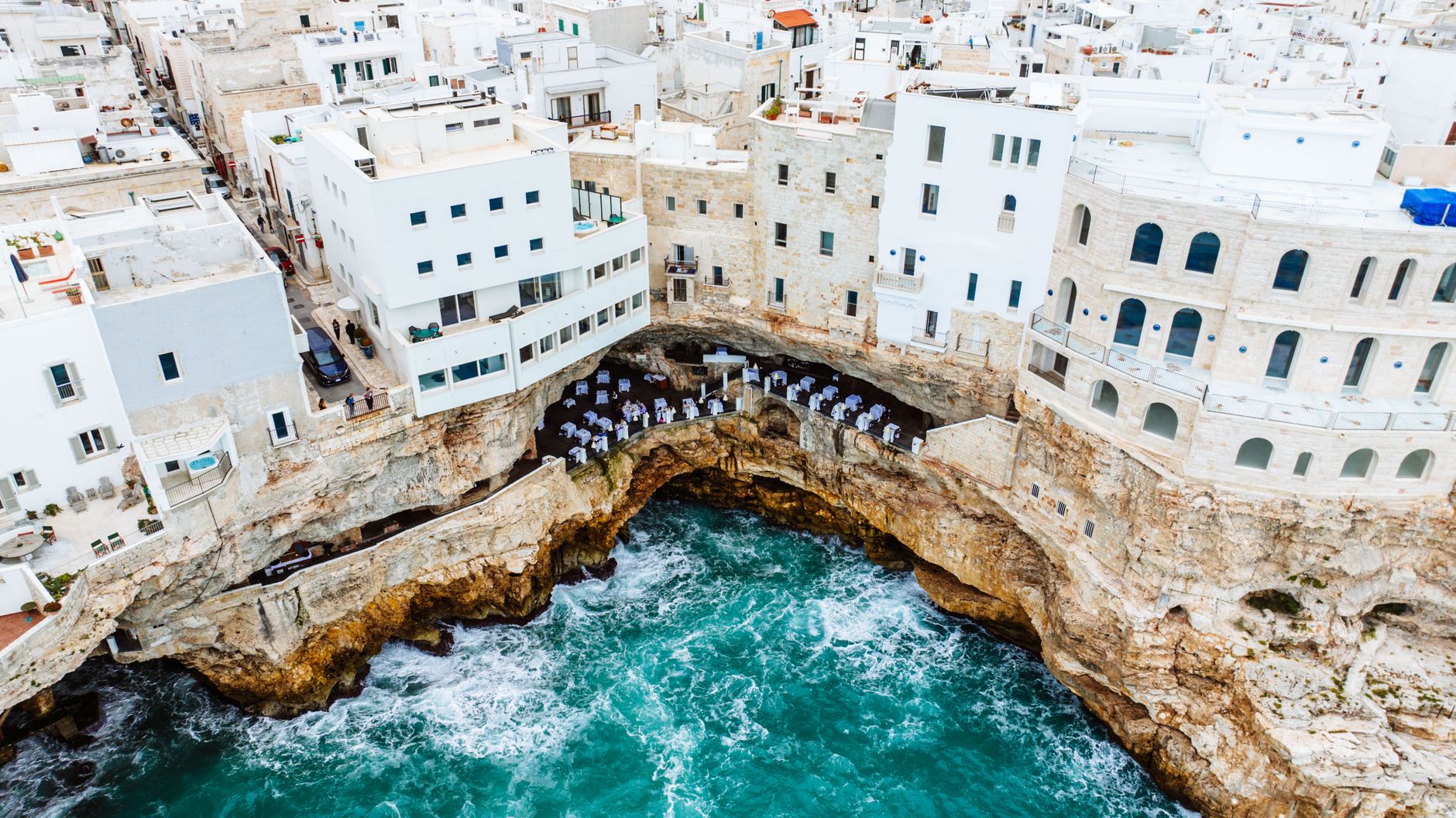


How Polignano a Mare came to be
People have lived on this limestone promontory since prehistoric times — excavations near the Santa Barbara locality have turned up the evidence. By the fourth century BC, Dionysius II of Syracuse had formalised a settlement here, founding Neapolis Peuceta among the Peucetian peoples of Apulia. The Romans folded it into their infrastructure when Trajan built the Via Traiana through the town between 108 and 110 AD; the bridge you cross at Lama Monachile still rests on those original Roman foundations.
Norman, Swabian, and Aragonese rulers each left their mark through the medieval period, and the Arco Marchesale — the old gateway to town, built in the fourteenth century and restored in the sixteenth — is the most visible remnant of those layered occupations. The name Polignano a Mare itself only dates to 1862, assigned as the newly unified Italian state tidied up its municipal records.
Who and what shaped it
People who shaped it
Landmark buildings
See Polignano a Mare in motion
Plan your visit
On the map
When to go
Summers are hot and almost entirely dry, which is when the Adriatic swimming is at its best but the town is at its most crowded. Winter brings considerably more rain; spring and autumn are mild and far quieter, with the sea still close enough to the warm season to be swimmable into October.
Right now
Background & history adapted from Wikipedia (CC BY-SA) · specs from Wikidata (CC0) · weather from Open-Meteo · map data © OpenStreetMap contributors · photos from Wikimedia Commons / Unsplash with per-image credit. No third-party reviews or social posts reproduced.