
Locorotondo
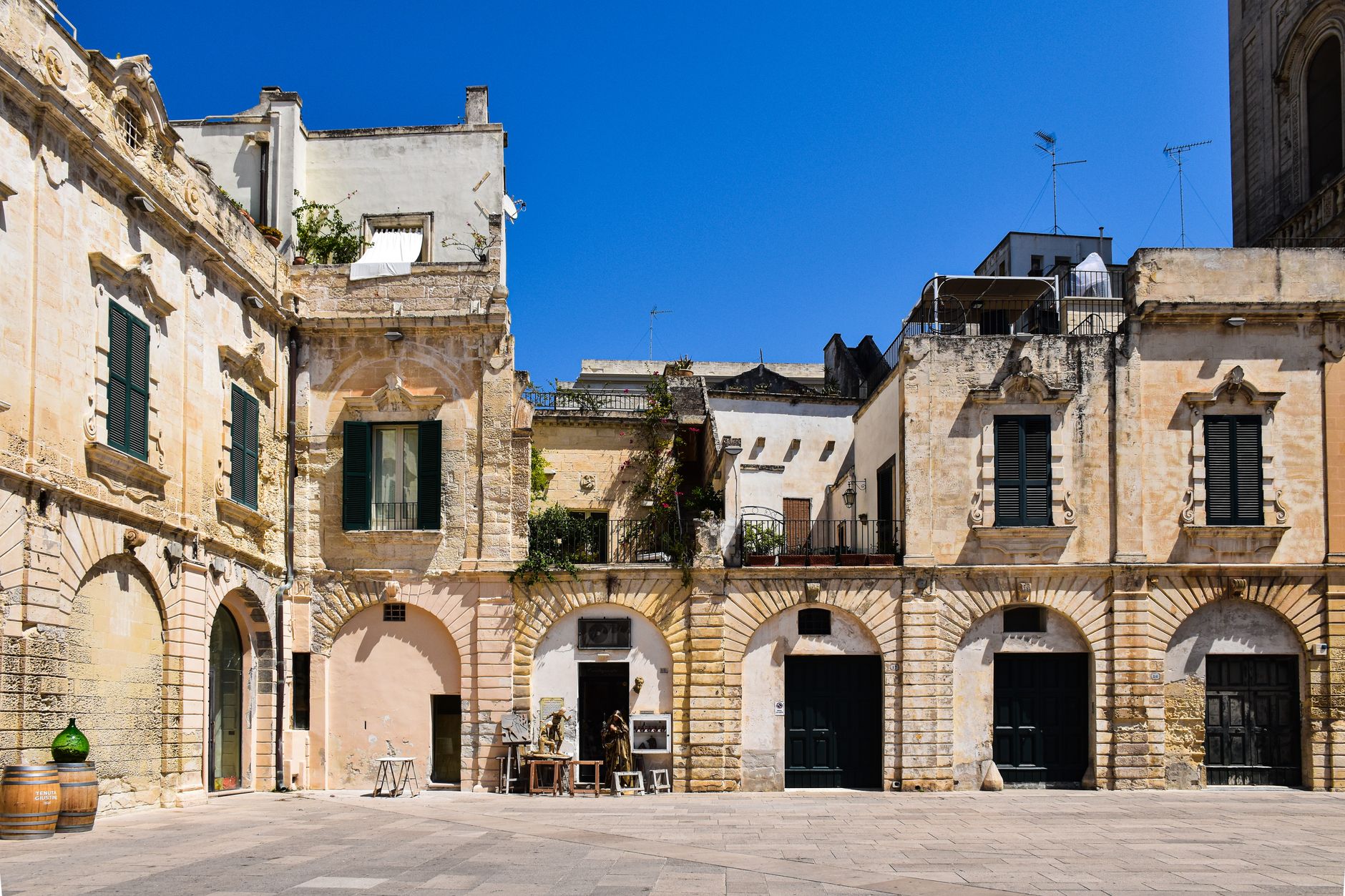
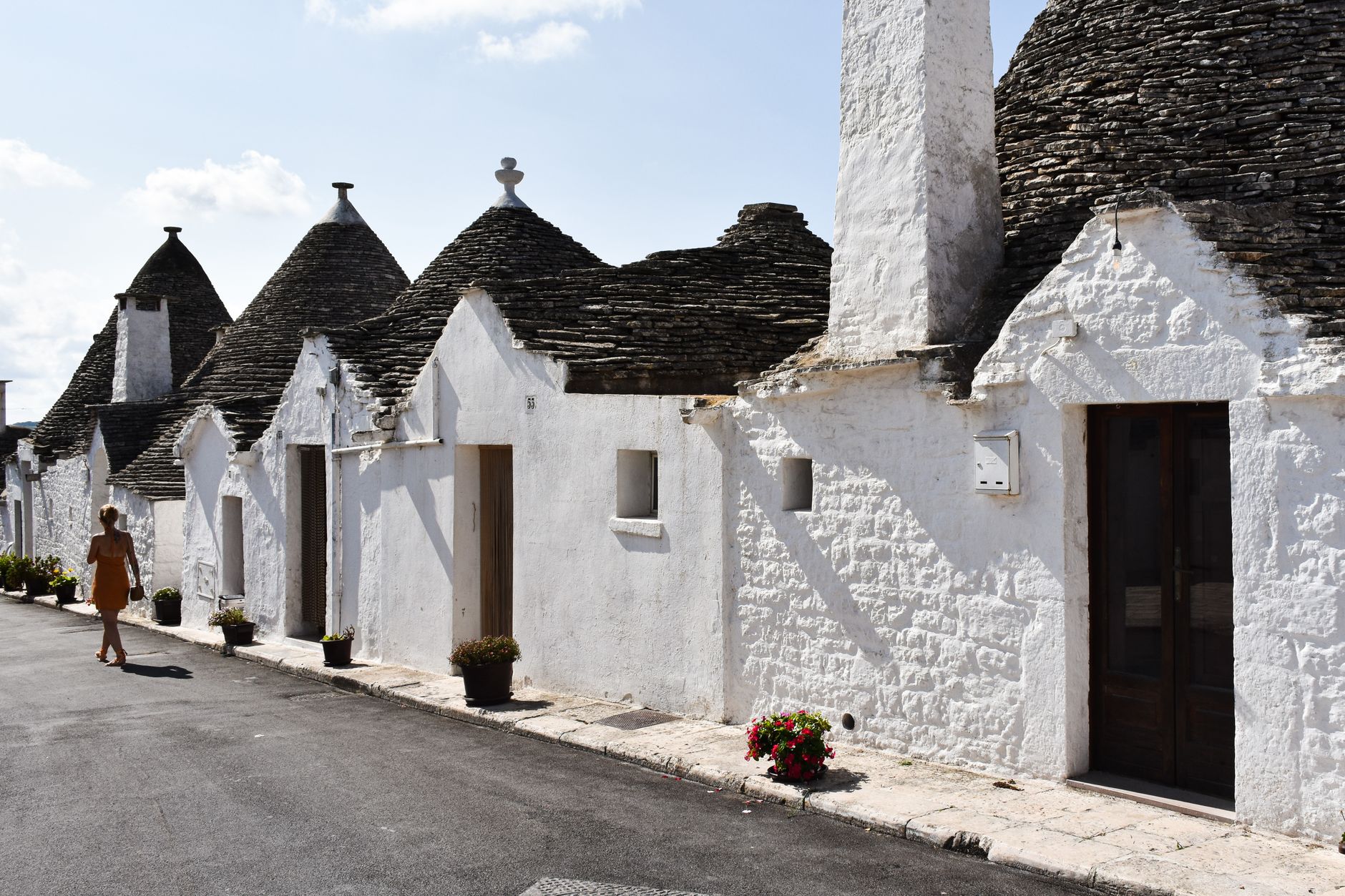
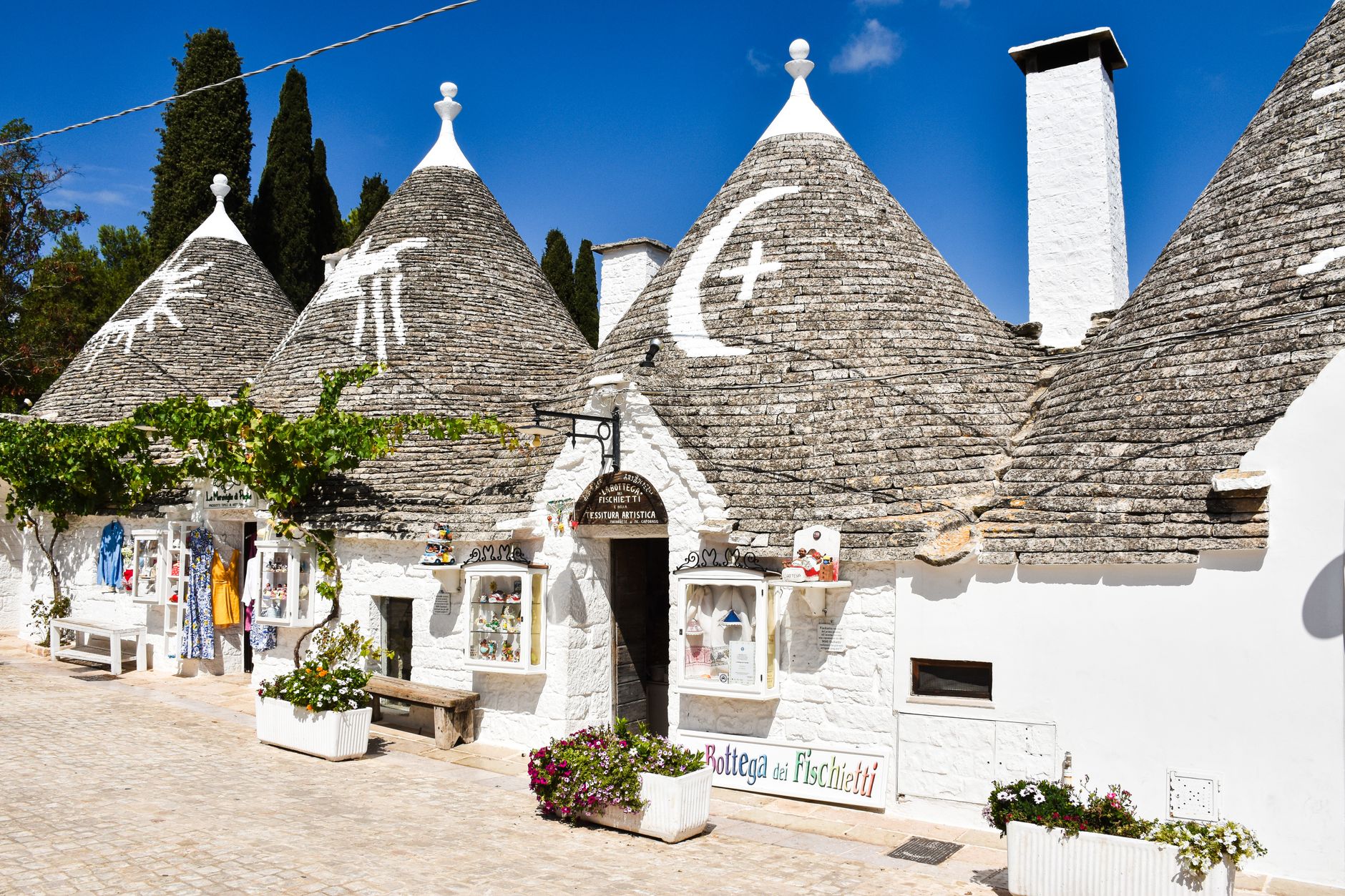
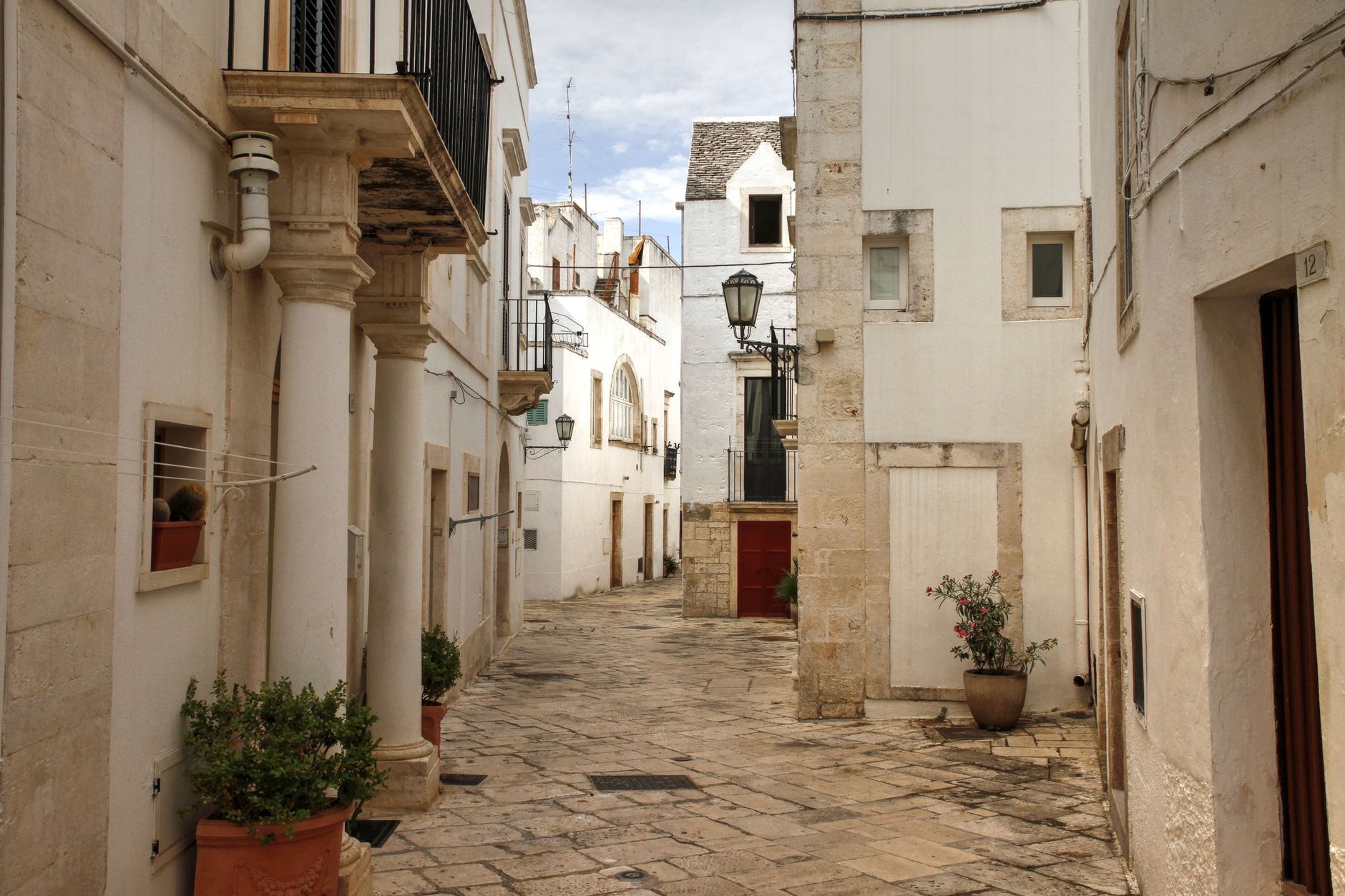
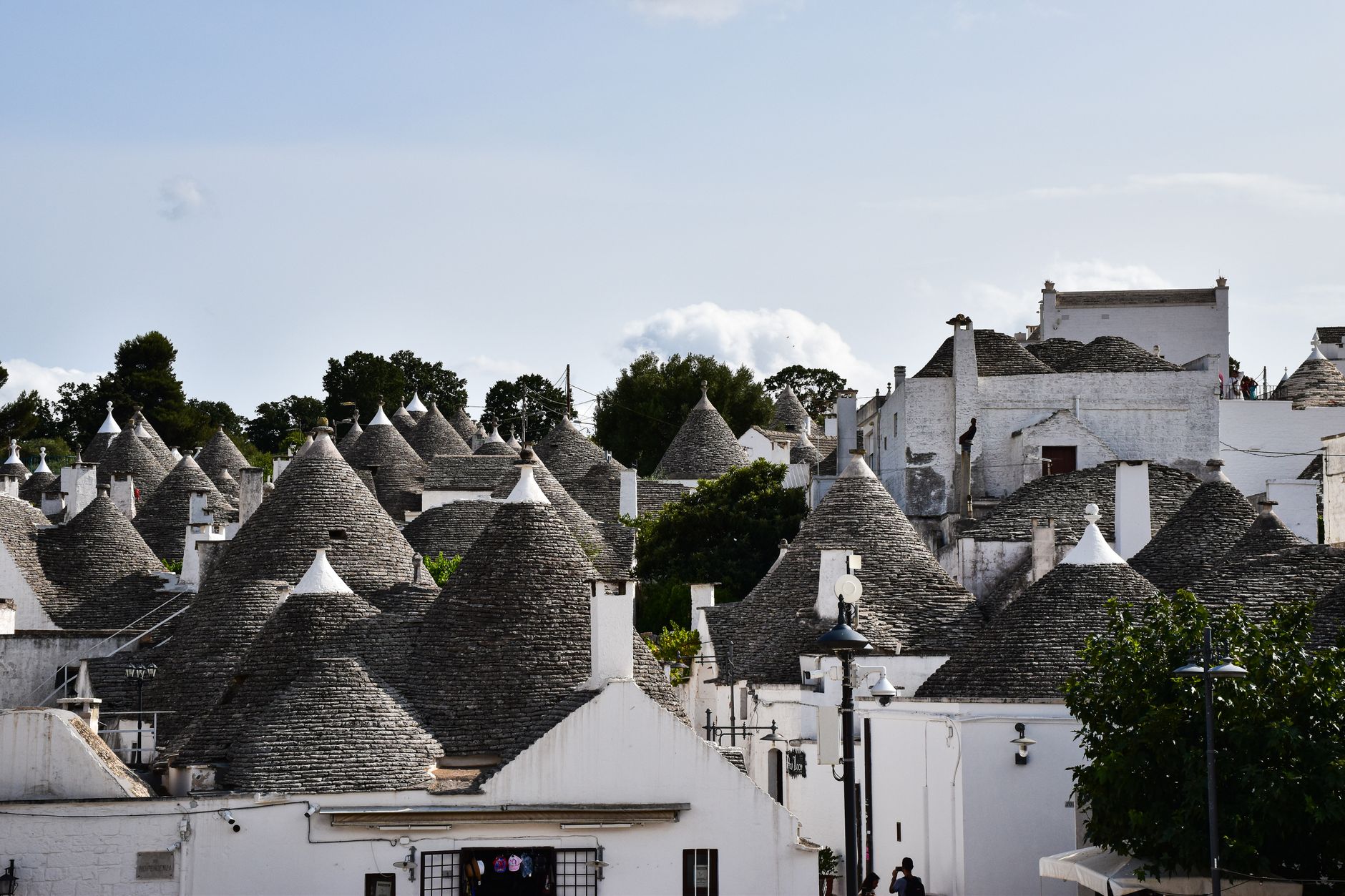
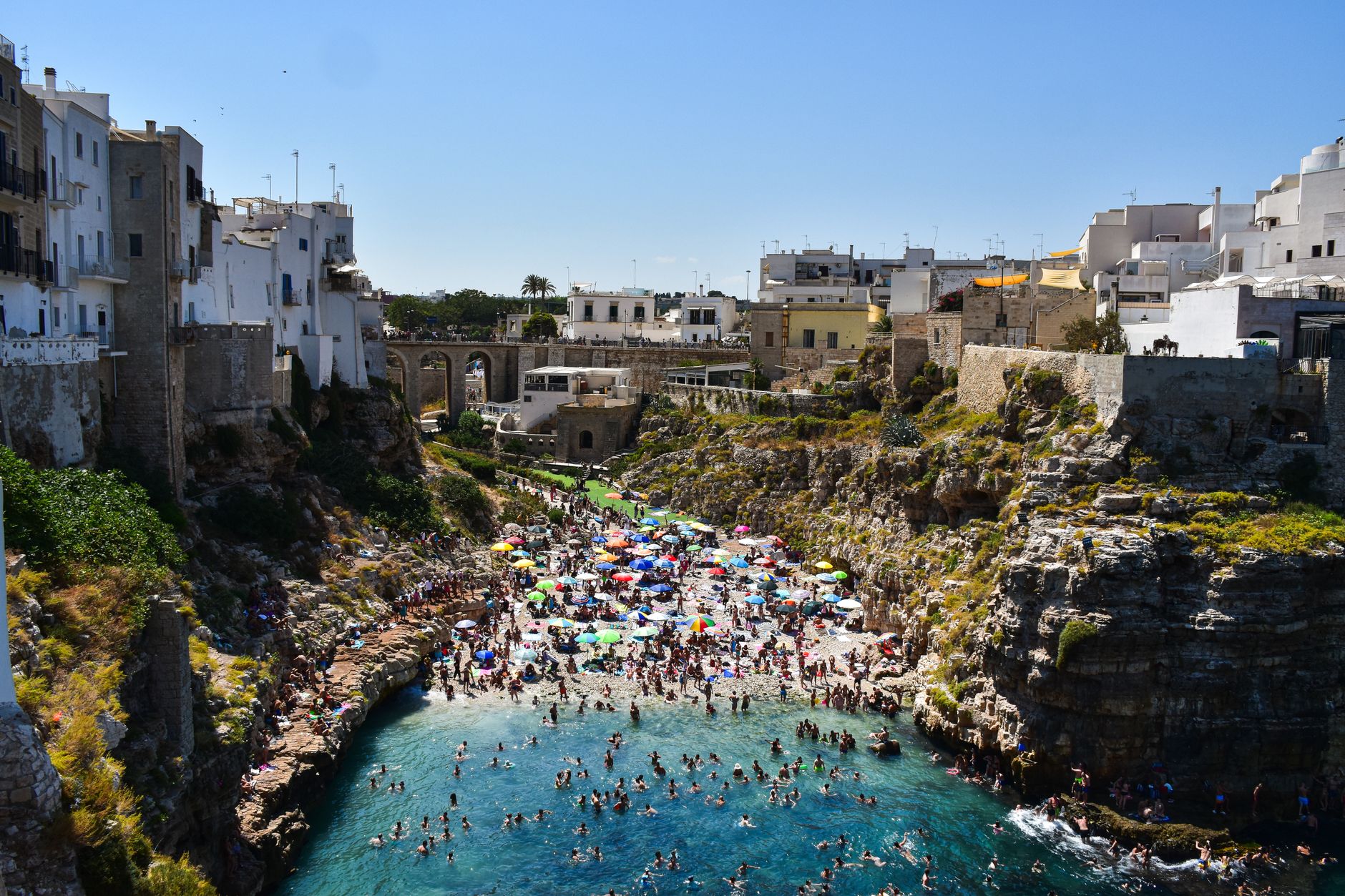
Locorotondo earns its name honestly. Walk the historic centre and the streets curve in a near-perfect circle, the white limestone houses stacked tight against each other, their cummerse rooftops — two layers of pale stone slabs pitched at a low angle — repeating the same geometry block after block. This is a town whose shape you can read from the outside before you ever step in.
The centro storico sits on a low hill in the Valle d'Itria, surrounded by trulli and vineyards. It's compact enough to cover in a morning, but the kind of place where a coffee stretches into an hour.
💛 What travellers fall for
People who come back tend to arrive on foot from the train station — eight minutes uphill — and go straight to the terrace view before doing anything else. The siesta shutdown between 1:30 and 5 is real; plan lunch accordingly, or you'll spend the afternoon rattling locked doors.
Experiences you don't want to miss


Deals in Locorotondo
Book directly at the provider


How Locorotondo came to be
The town's documented record begins in 1195, when King Henry VI of Swabia granted an imperial privilege to the Benedictine Monastery of Santo Stefano — the institution around which the original settlement, then called Casale San Giorgio, had grown since roughly 1000 CE. Archaeological finds push human presence on the hill back to the 3rd–7th centuries BCE.
By the 15th century the Del Balzo-Orsini family held the territory; in 1645 the Caracciolo Counts purchased it and kept control into the early 19th century. The name drifted through variants — Casale Rotondo, Luogorotondo — before the current spelling was fixed in 1834, rooting the town permanently in its Latin description: locus rotundus, the round place.
Who and what shaped it
People who shaped it
Landmark buildings
See Locorotondo in motion
Plan your visit
On the map
When to go
Summers are long, dry and warm, with August averaging 25°C and July delivering nearly 13 hours of daylight. Winters are mild rather than cold — January rarely drops below 7°C — but November and December bring most of the year's rain, so spring and early autumn are the most reliably pleasant seasons to walk the open terraces.
Right now
Background & history adapted from Wikipedia (CC BY-SA) · specs from Wikidata (CC0) · weather from Open-Meteo · map data © OpenStreetMap contributors · photos from Wikimedia Commons / Unsplash with per-image credit. No third-party reviews or social posts reproduced.