
Taranto
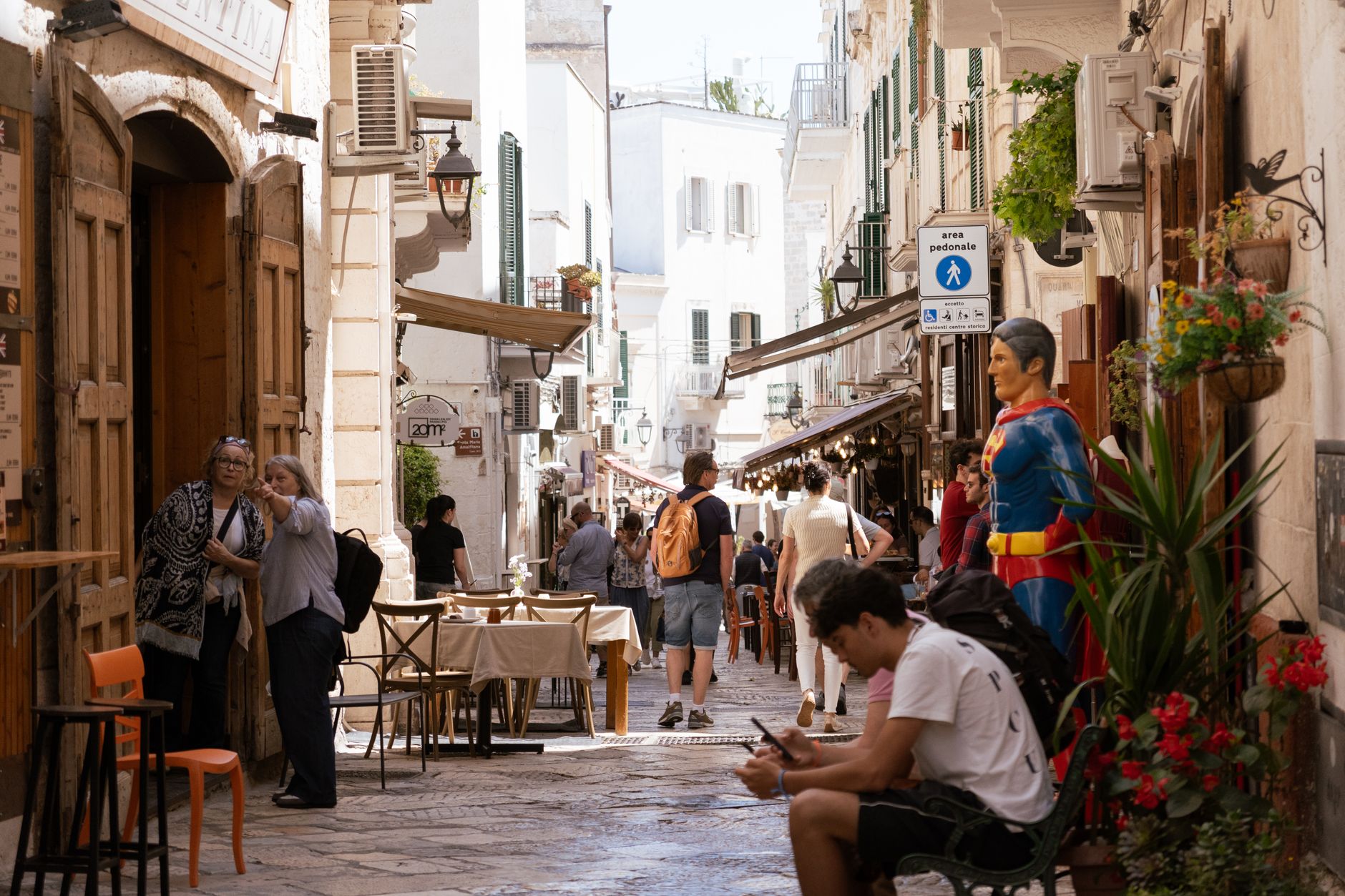
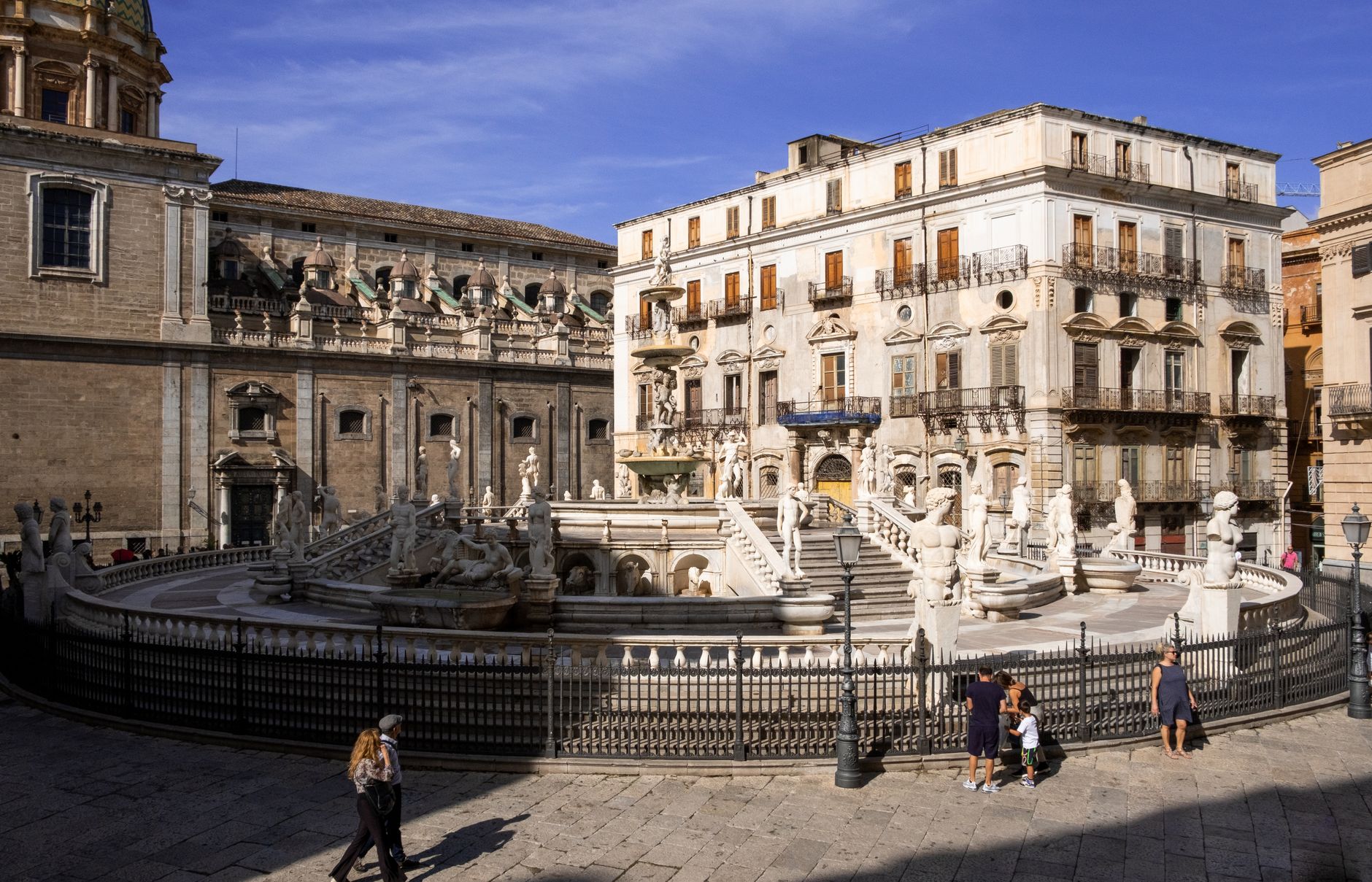
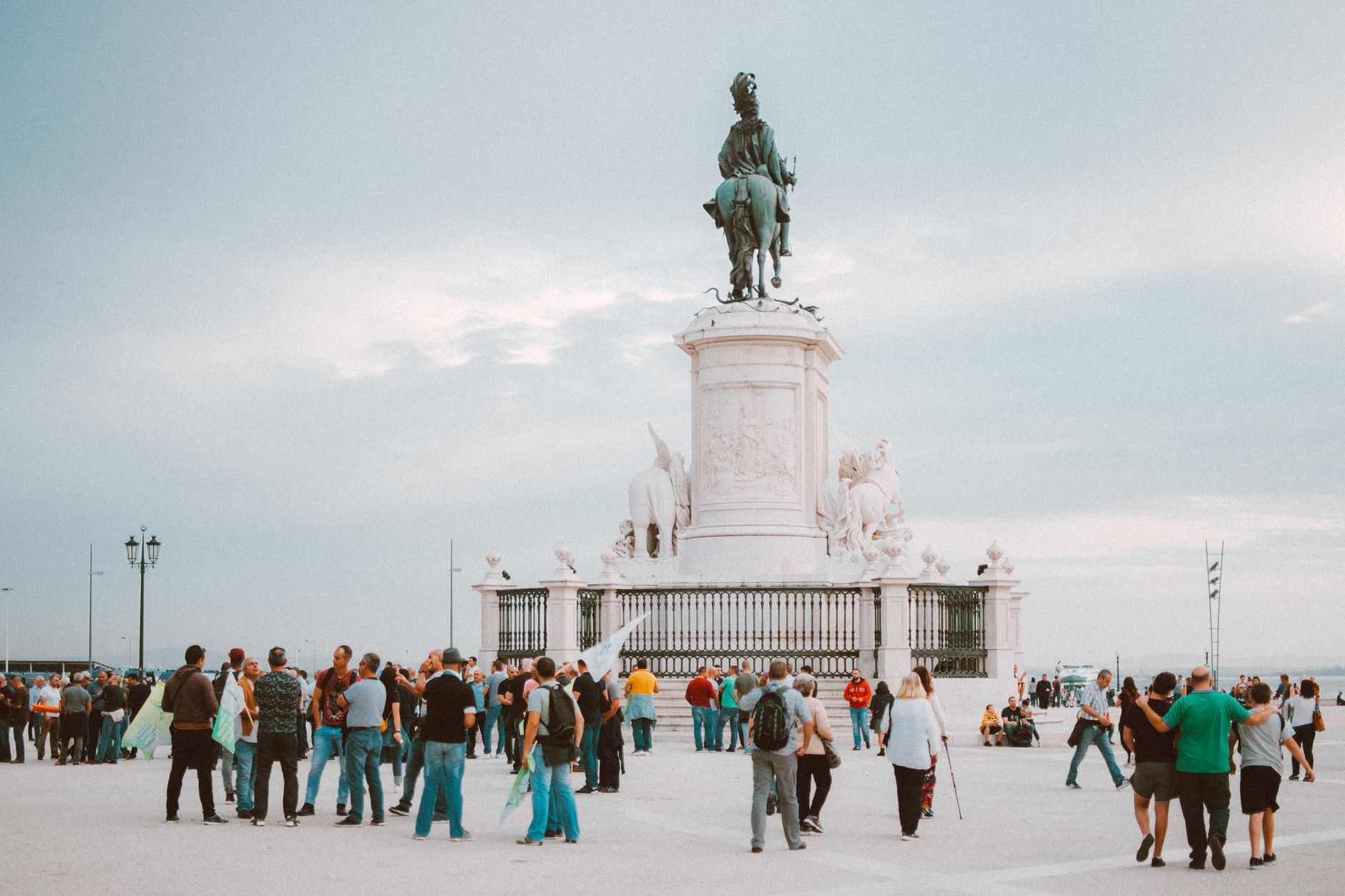
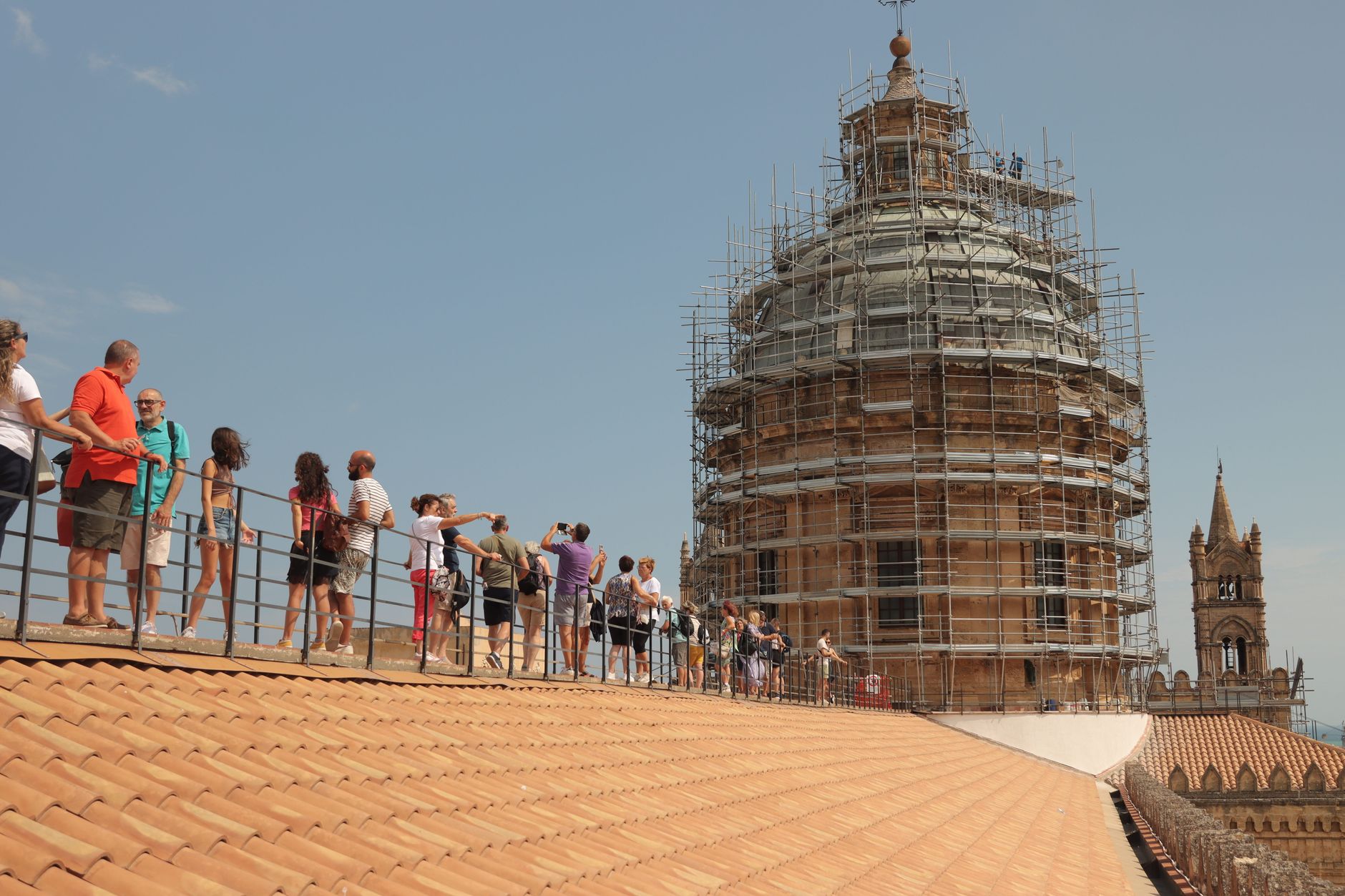
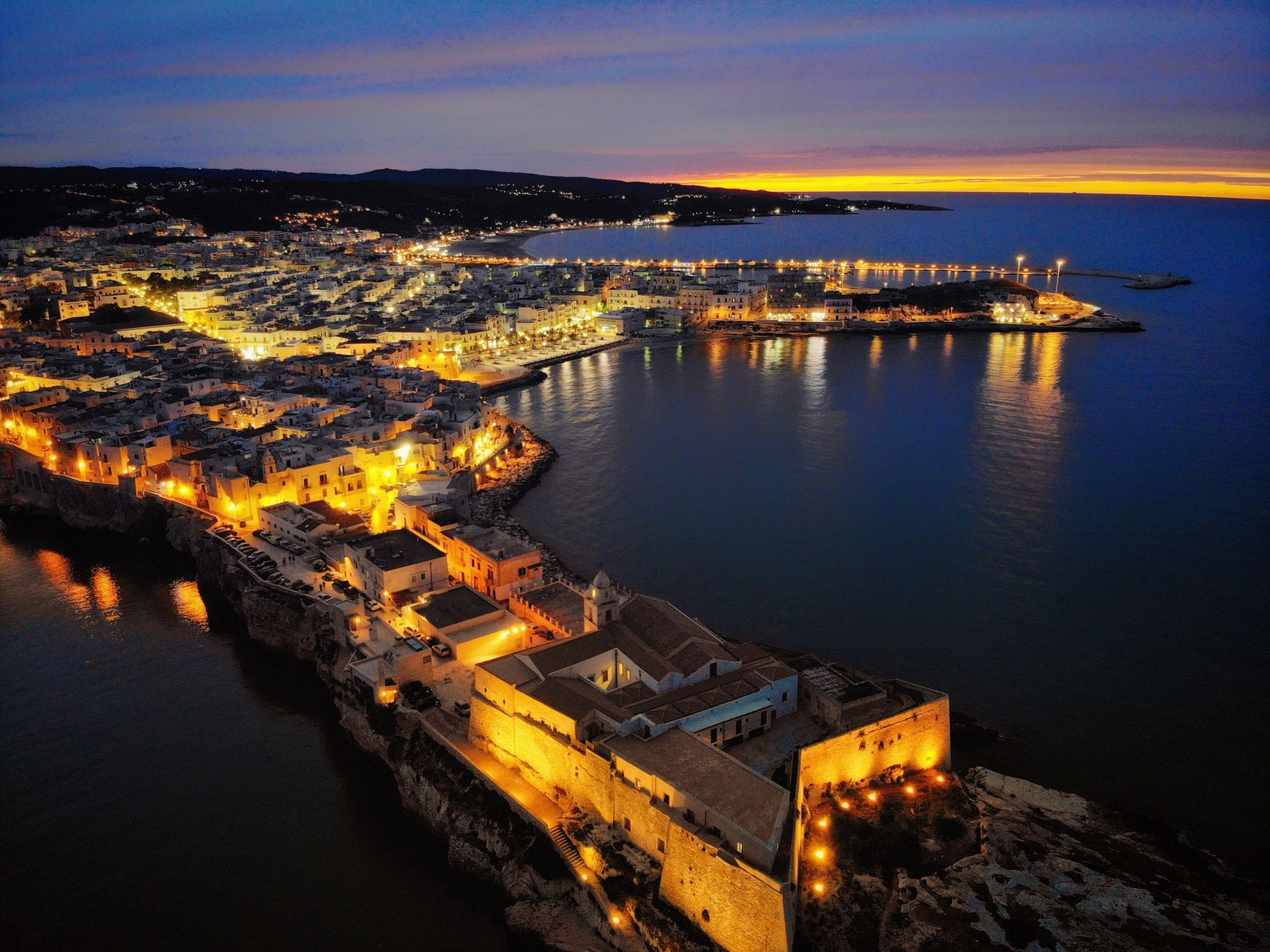
Taranto sits on a sliver of land between two seas — the Mar Grande opening to the Ionian, the Mar Piccolo a shallow inland lagoon where mussels have been farmed since antiquity. The old city is an island in the literal sense, connected to the modern town by a swing bridge dedicated to Saint Francis of Paola that still rotates on its axis to let ships through.
Two Doric columns from a sixth-century BC temple stand in a piazza near the waterfront, their drums worn smooth, with apartment blocks rising behind them. That collision — deep antiquity pressed against the industrial and the ordinary — is what Taranto actually looks like.
💛 What travellers fall for
People who come back tend to spend the first morning at MArTA, the archaeological museum in the old convent on Via Cavour, before the tour groups arrive. The Hall of Gold stops most visitors cold: the goldwork from Magna Graecia tombs is finer than anything you'd expect to find outside a capital city. Then walk the island's narrow lanes while the light is still low.
Experiences you don't want to miss


Deals in Taranto
Book directly at the provider


How Taranto came to be
Taranto was founded in 706 BC by Dorian settlers from Sparta — specifically the Partheniae, men born of irregular unions during the First Messenian War, who were expelled once the war ended. They built a city that, under the philosopher-mathematician Archytas in the fourth century BC, became the most powerful in Magna Graecia: the largest fleet and army in southern Italy, a hub of trade and intellectual life. Archytas's death in 347 BC began a long unravelling.
Rome absorbed the city in 209 BC after a betrayal, and Taranto passed through Norman, Aragonese, and finally Italian hands. The Aragonese Castle — designed by Francesco di Giorgio Martini and built between 1486 and 1492 to defend against Ottoman raids — still stands at the channel's edge, now owned by the Italian Navy. In November 1940 the harbour became the site of something entirely new: the first all-aircraft ship-to-ship naval attack in history, when 21 Fairey Swordfish torpedo bombers launched from HMS Illustrious struck the Italian fleet at anchor.
Who and what shaped it
People who shaped it
Landmark buildings
See Taranto in motion
Plan your visit
On the map
When to go
Summers are hot and dry, with July and August temperatures regularly above 30°C — the waterfront catches a breeze, but the stone lanes of the old city hold heat. March through May and September through November offer milder days and the best light for the archaeology.
Right now
Background & history adapted from Wikipedia (CC BY-SA) · specs from Wikidata (CC0) · weather from Open-Meteo · map data © OpenStreetMap contributors · photos from Wikimedia Commons / Unsplash with per-image credit. No third-party reviews or social posts reproduced.