
Ostuni
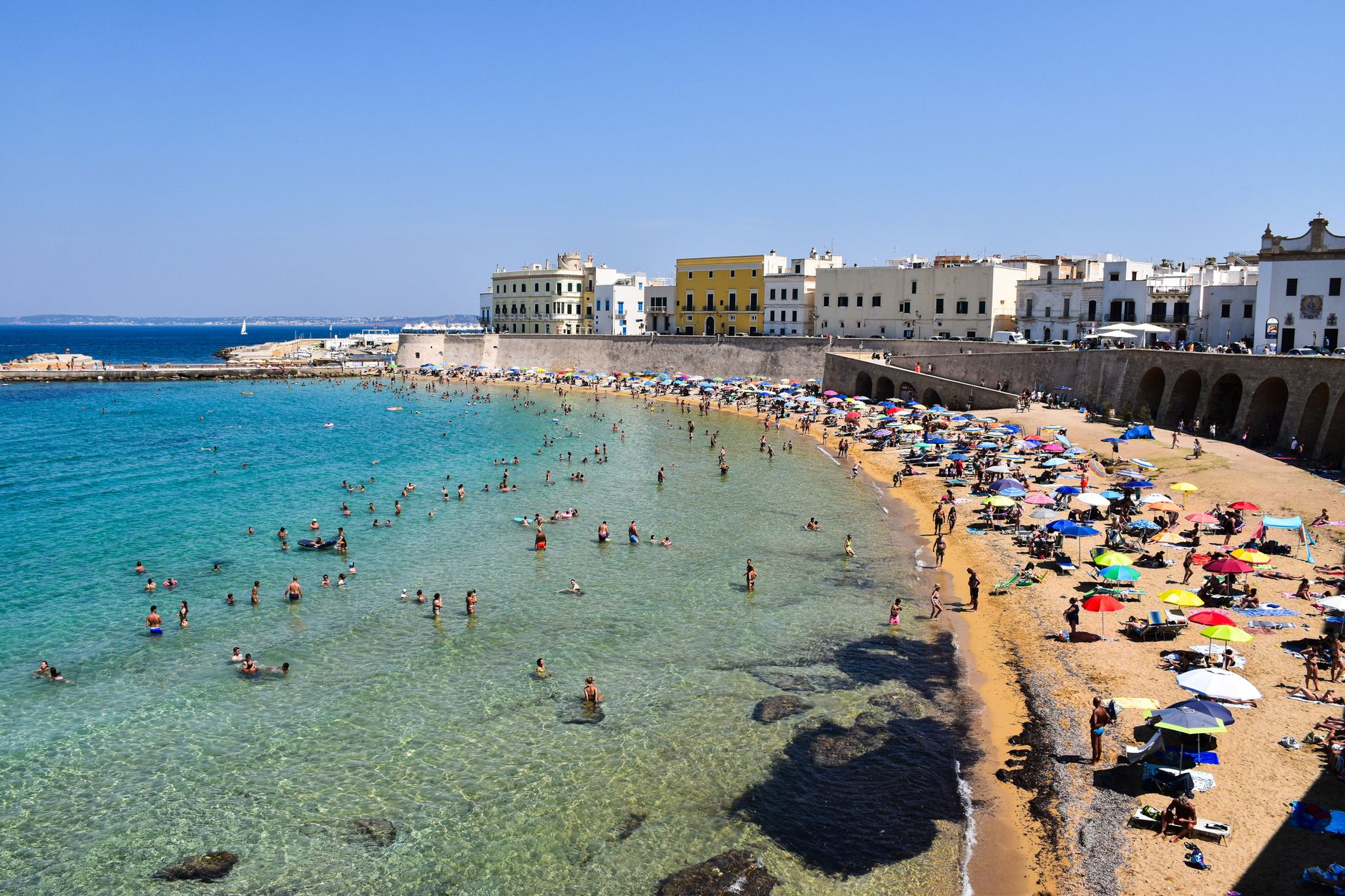
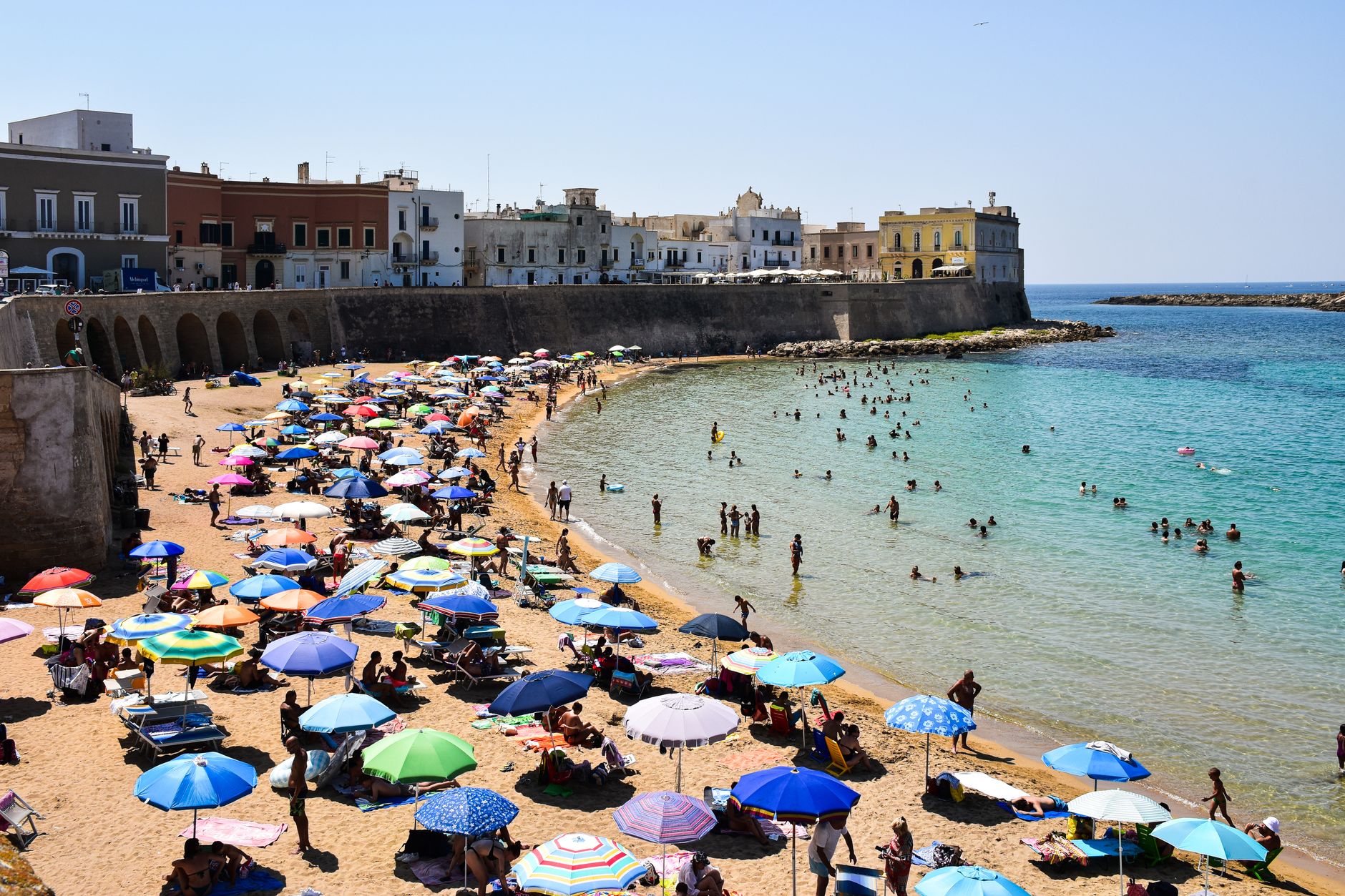
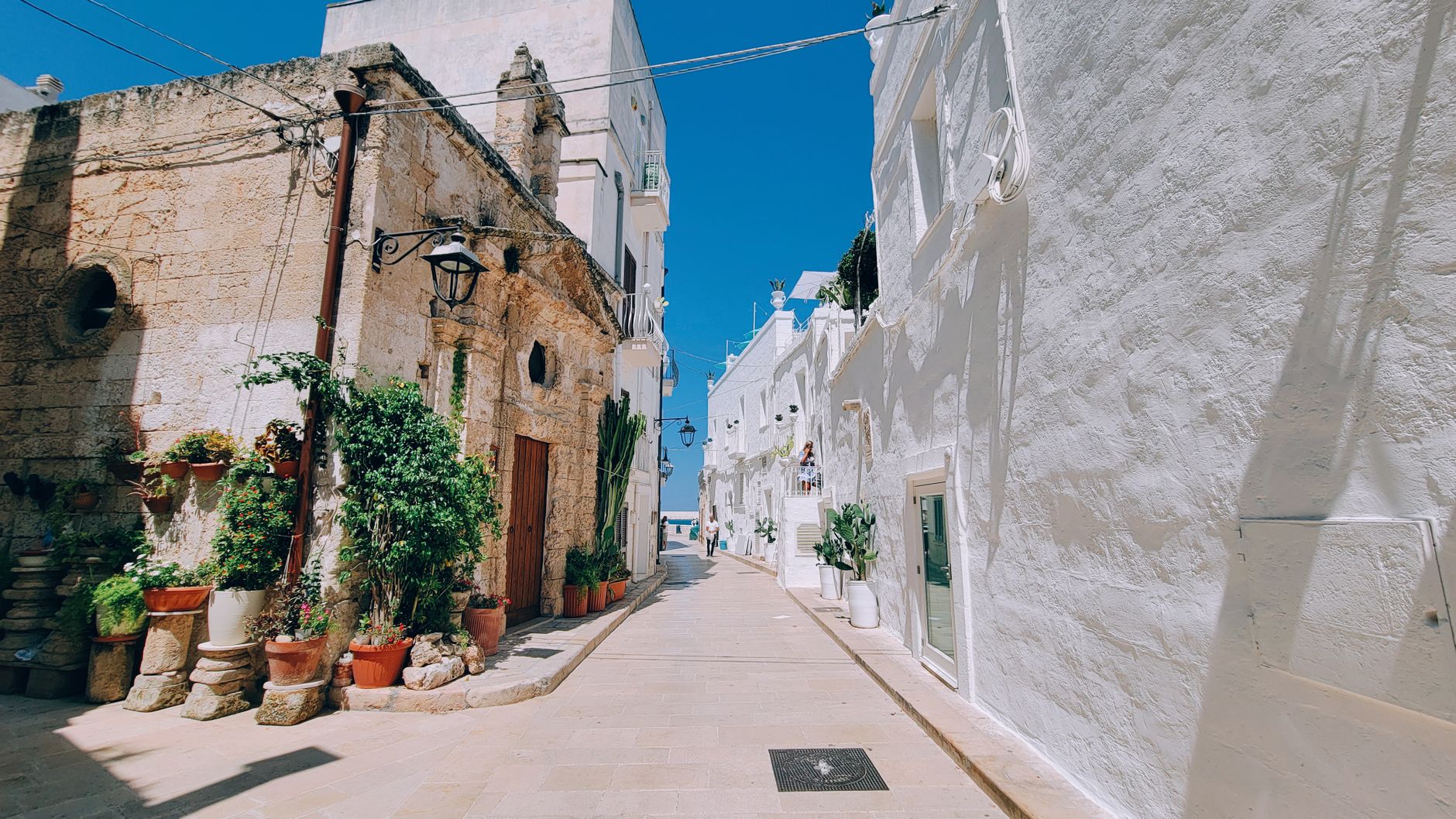
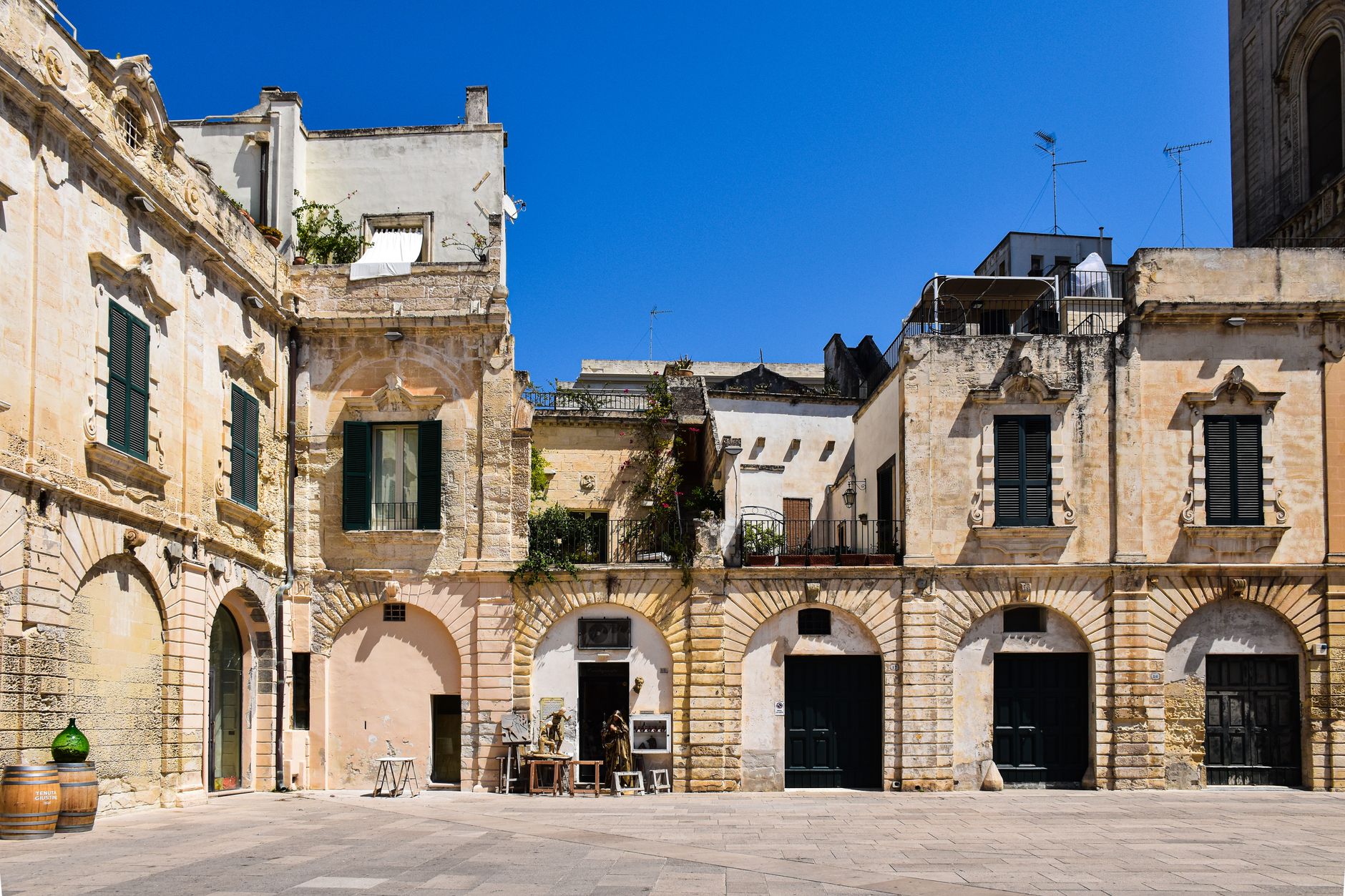
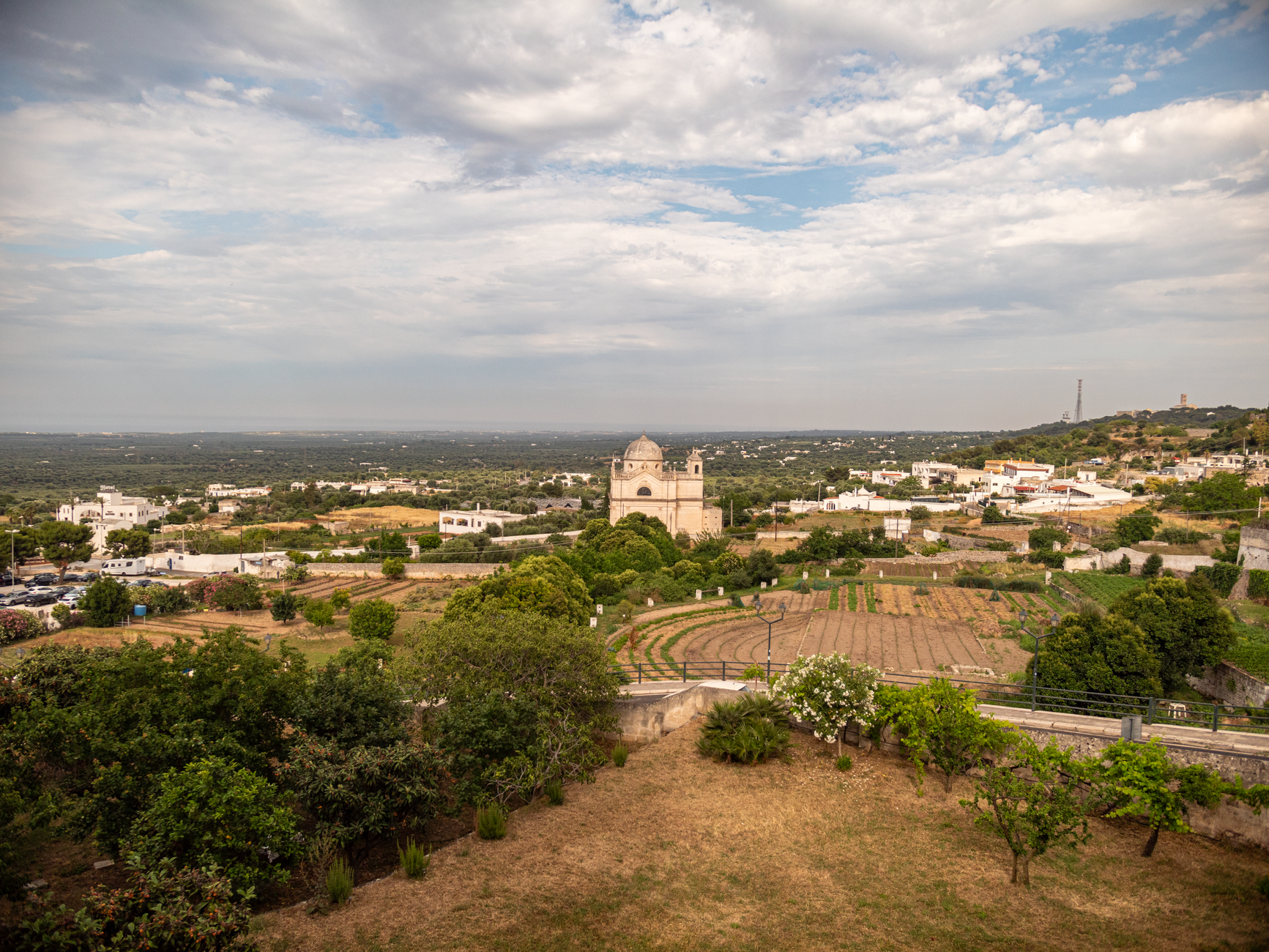
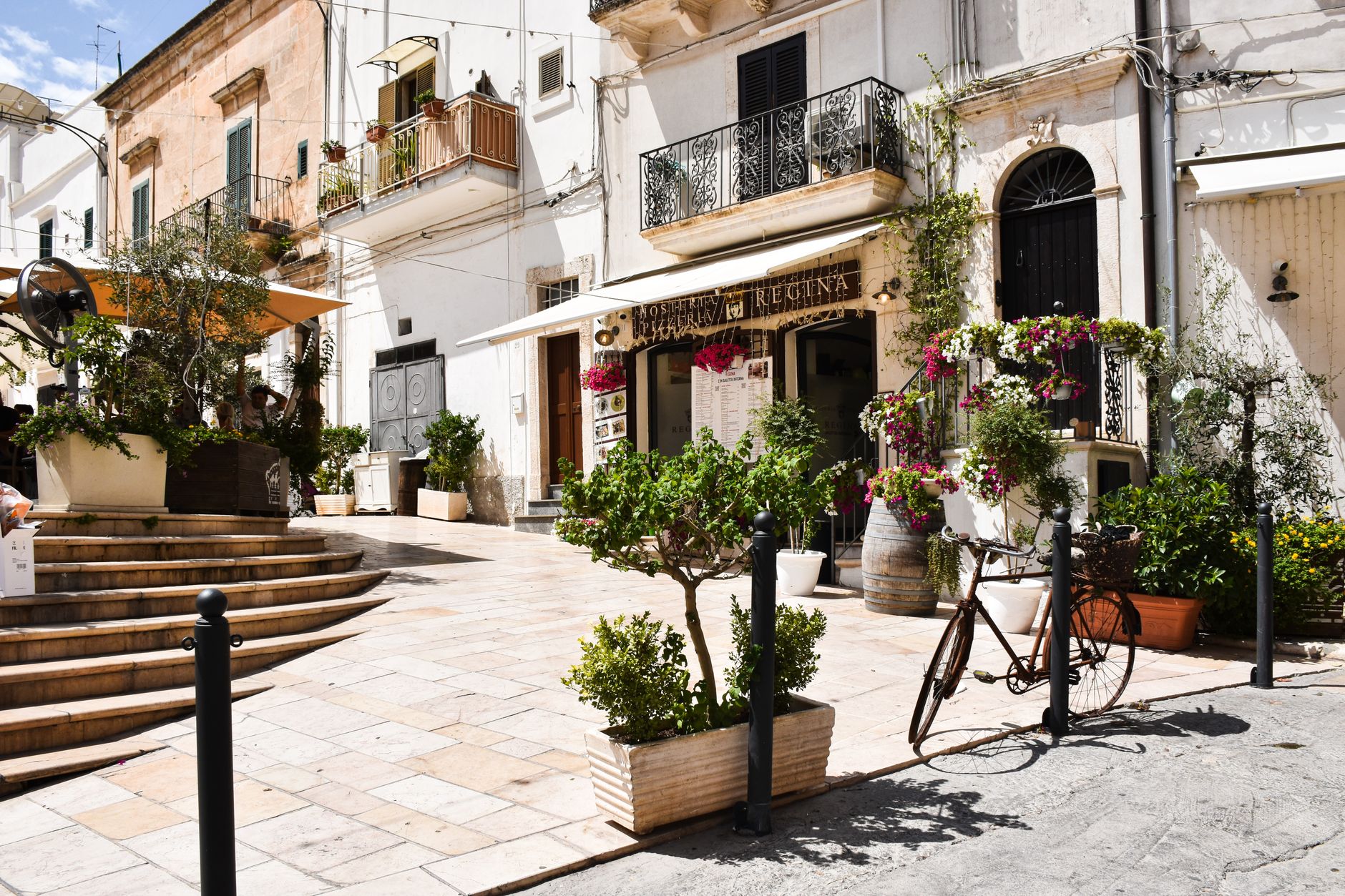
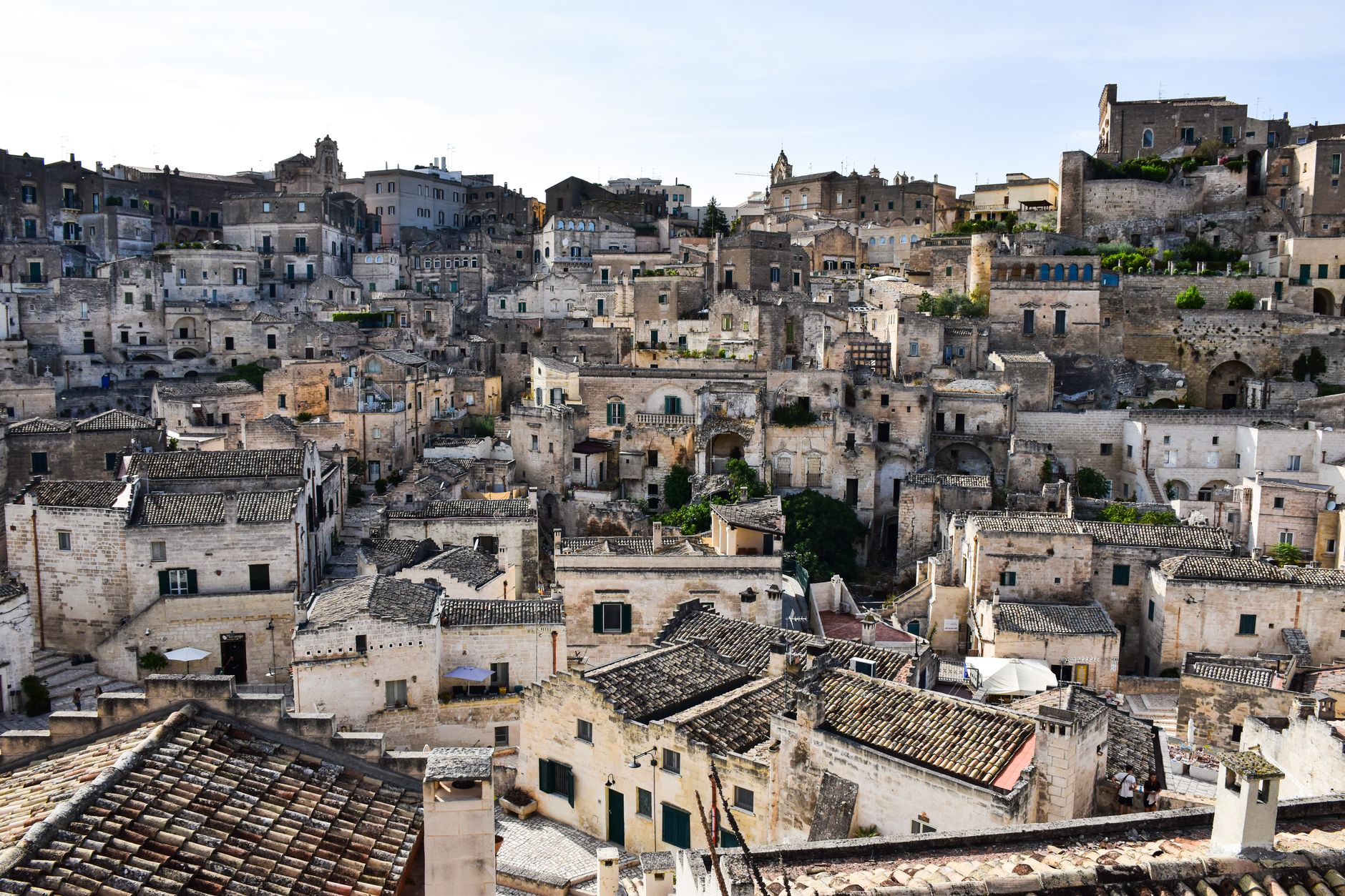
Ostuni sits on a limestone hill 229 metres above the Valle d'Itria, its whitewashed houses stacked so tightly that from the plain below the whole town reads as a single pale shape against the sky. That whiteness is the first thing people mention, and it earns the attention — the alleys are narrow enough that your shoulders brush both walls, and the light bounces off every surface until midday feels almost overexposed.
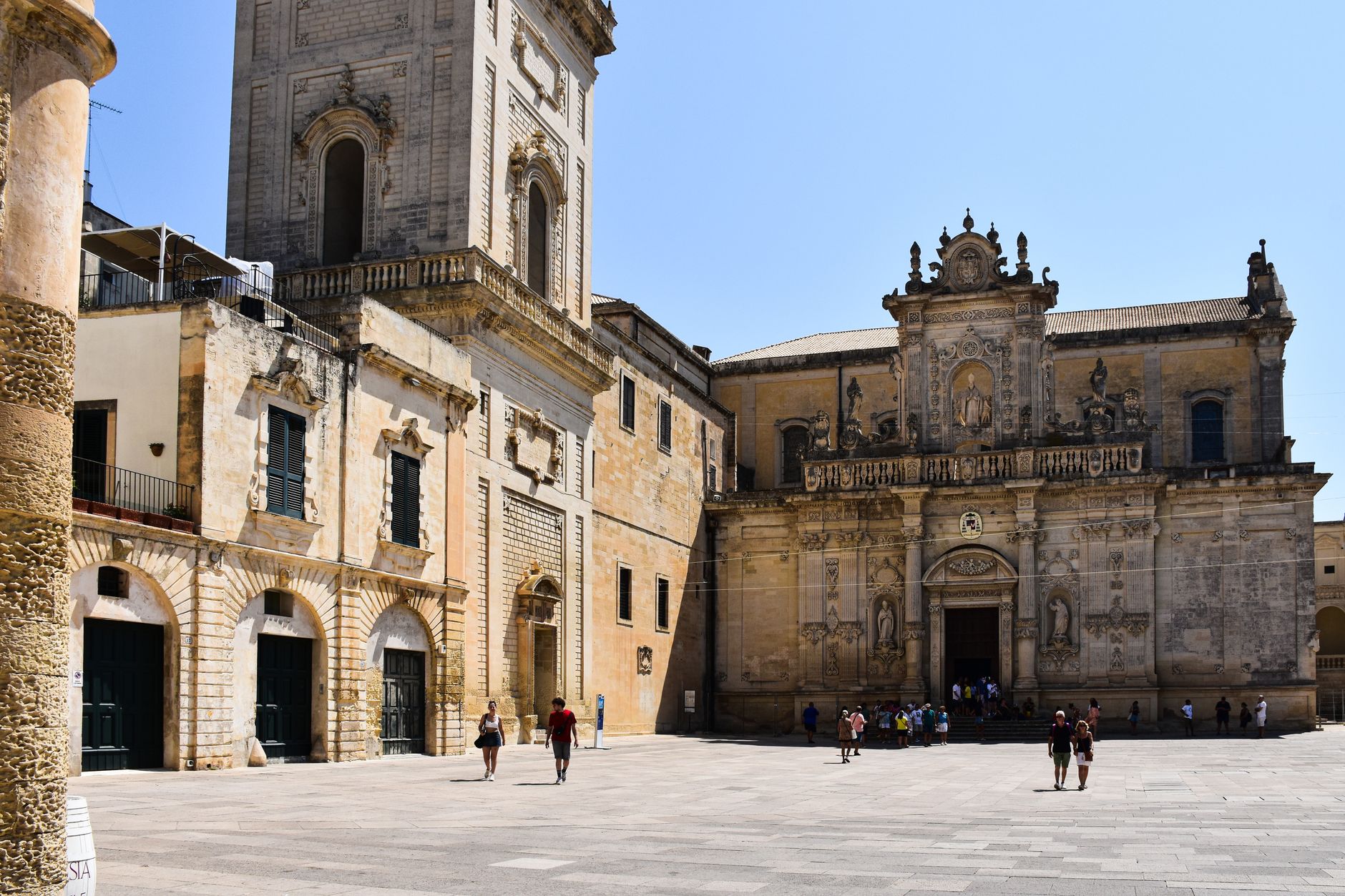
At the centre of it all stands the Cathedral of Santa Maria Assunta, whose rose window — 24 carved stone ribs fanning out above the portal — took sixty years to complete and still stops you mid-stride. Down the hill in the former convent of Santa Maria Maddalena dei Pazzi, a 28,000-year-old skeleton named Delia lies buried with her unborn child, quietly anchoring the town to a past that long predates its famous colour.
💛 What travellers fall for
People who come back tend to say the same thing: go to the museum before the cathedral, not after. Delia reframes everything. They also mention arriving by the Brindisi train — twenty minutes, €3.20, and you walk out of the station into flat farmland with the white hill rising ahead of you, which is a better introduction than any car park.
Experiences you don't want to miss



Deals in Ostuni
Book directly at the provider


How Ostuni came to be
The hill was settled long before anyone wrote it down — the Messapii were here first, then Hannibal destroyed whatever they had built during the Second Punic War (218–201 BCE). The Greeks rebuilt it and called it Astu Néon, meaning New Town. The Normans arrived in 996 CE and shaped the medieval core you walk through today, ringed by walls with four gates.
From 1507 the town passed to Isabella, Duchess of Bari, whose patronage brought Renaissance energy to the hill — the humanist Bishop Giovanni Bovio worked under her protection. When she died in 1524, Ostuni went to her daughter Bona Sforza as part of a dowry; by 1539 Bona had built defensive towers along the coastline against the threat of Ottoman raids. The cathedral, begun in 1435 and finished in 1495, spans both eras. Ostuni joined unified Italy in 1860.
Who and what shaped it
People who shaped it
Landmark buildings
See Ostuni in motion
Plan your visit
On the map
When to go
Summer brings reliable heat — July and August regularly hit 31°C or above with clear skies, so the shadowed alleys of the old town earn their keep. September and October cool to more comfortable highs around 23°C and are generally considered the better months to walk the hill without squinting.
Right now
Background & history adapted from Wikipedia (CC BY-SA) · specs from Wikidata (CC0) · weather from Open-Meteo · map data © OpenStreetMap contributors · photos from Wikimedia Commons / Unsplash with per-image credit. No third-party reviews or social posts reproduced.