
Bari
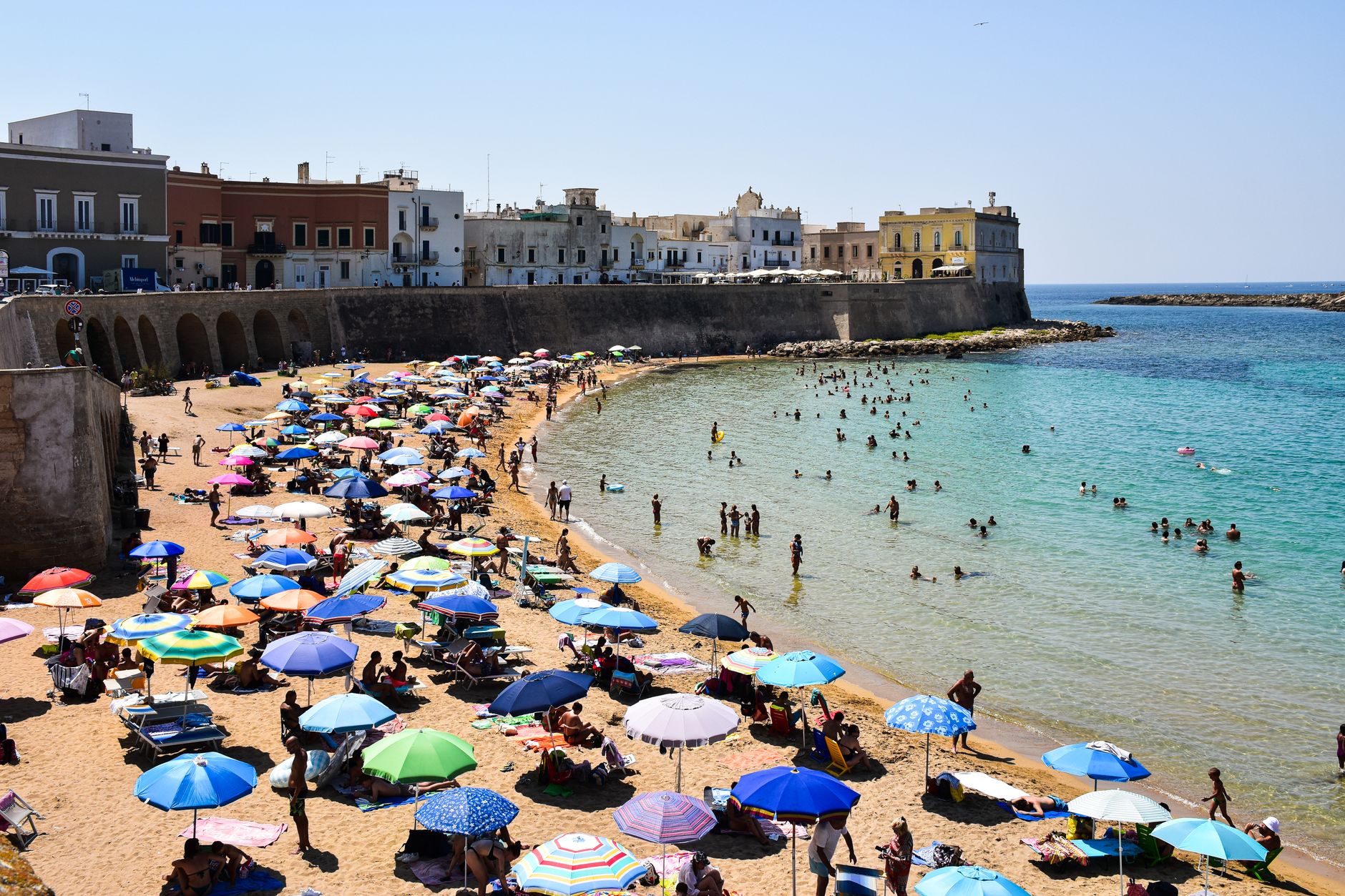
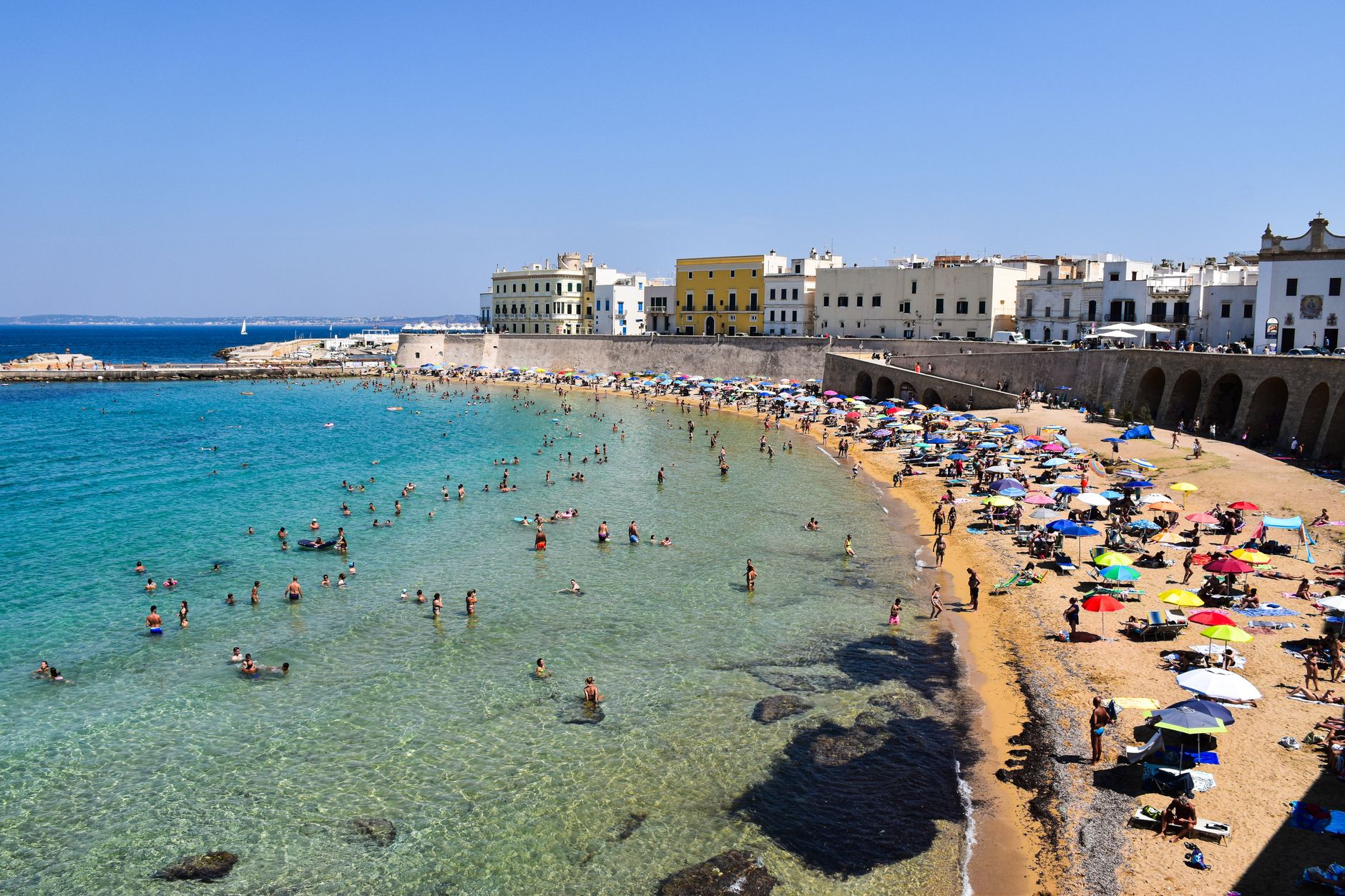
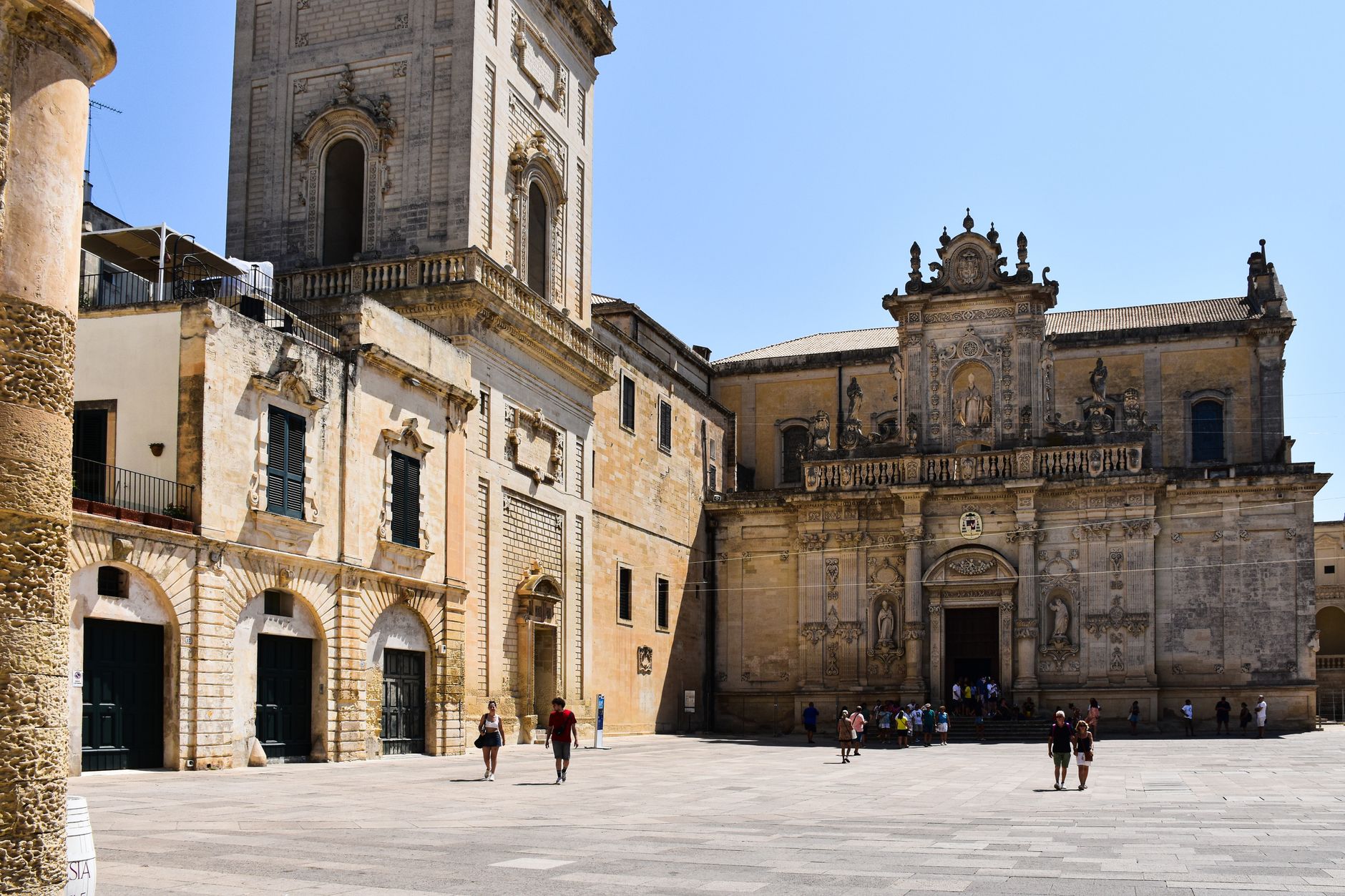
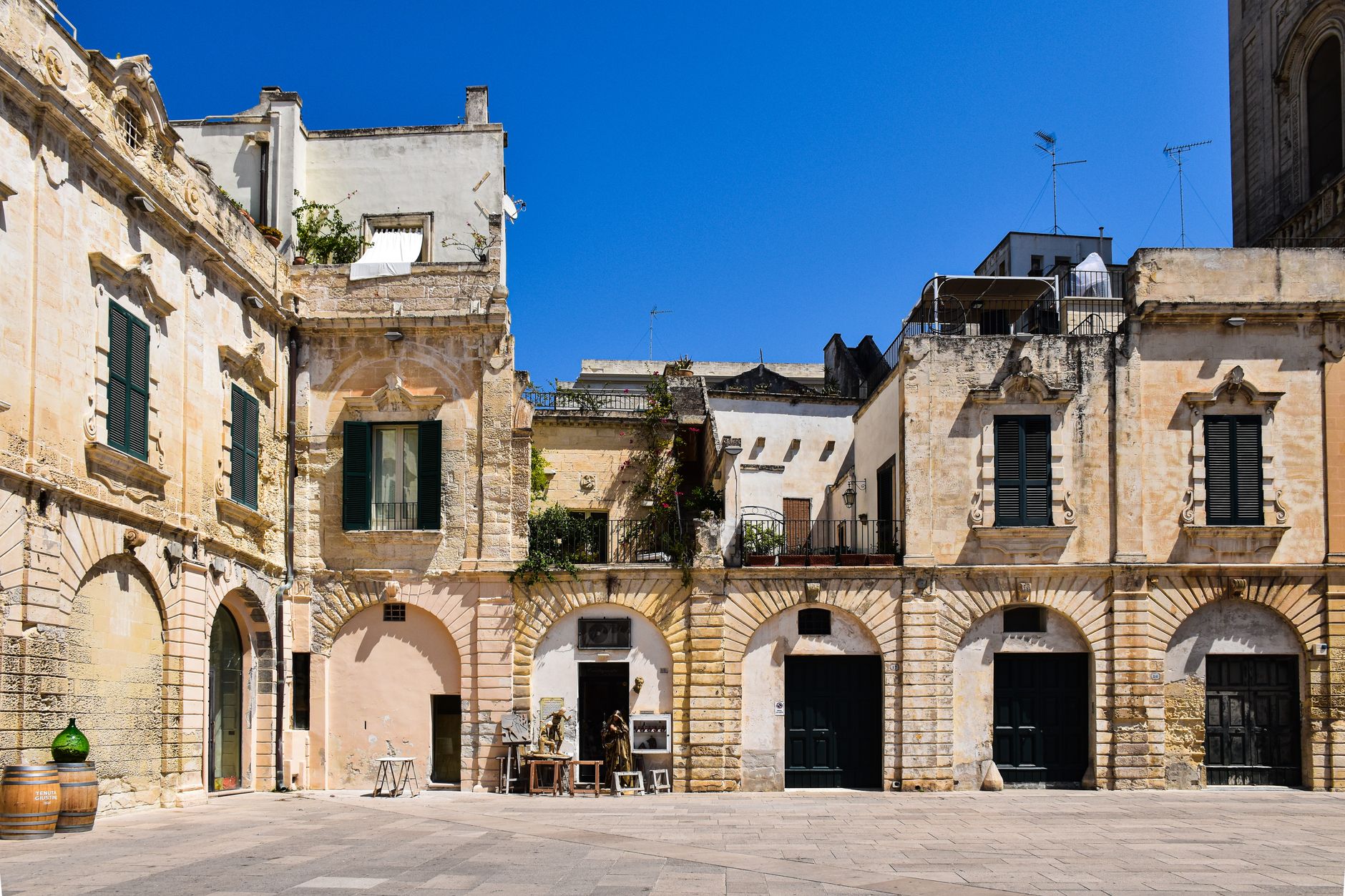
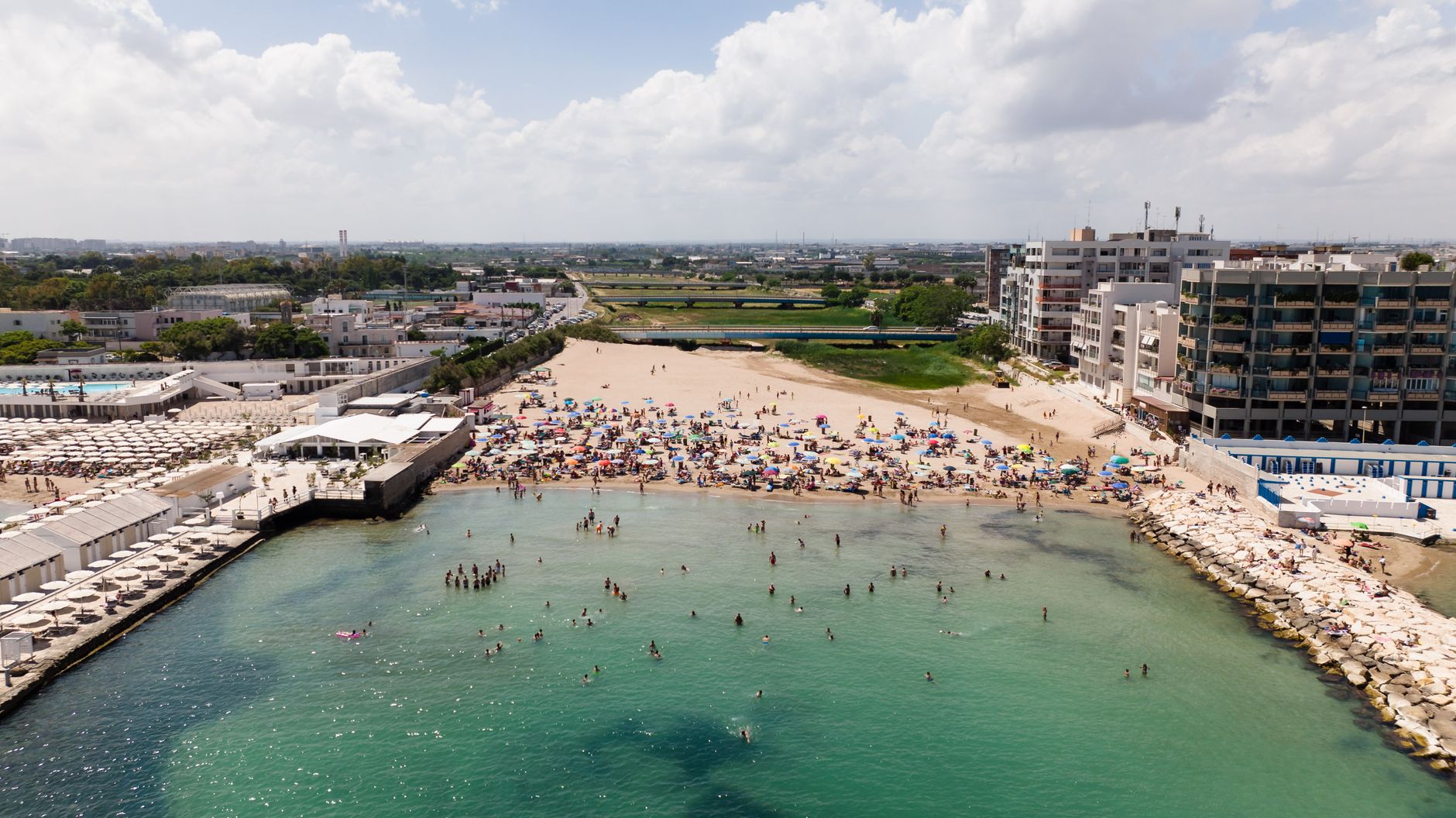
Bari divides itself cleanly in two: the old city, Bari Vecchia, a limestone labyrinth of narrow lanes where women still sit in doorways rolling orecchiette by hand, and the rational grid of Borgo Murattiano, the Napoleonic-era quarter laid out in 1813 on a ruler-straight plan. Between them runs the Adriatic, and the port that has been loading and unloading history — Greek amphora, Norman soldiers, crusader ships — for the better part of three thousand years.
The Basilica of San Nicola anchors the old city both physically and spiritually. Its crypt holds the relics of Saint Nicholas, drawn here from Myra in 1087, and pilgrims still come from Orthodox and Catholic traditions alike, which tells you something about Bari's long habit of sitting at the crossroads of things.
💛 What travellers fall for
People who keep coming back tend to arrive by train — Bari Centrale drops you minutes from everything — and spend the first evening eating raw sea urchin at one of the fish stalls along the old port. The Petruzzelli Theatre on Corso Cavour is worth checking for evening programming; it's a 1928 commercial theatre that punches well above its billing.
Experiences you don't want to miss



Deals in Bari
Book directly at the provider


How Bari came to be
The Peucetii were here first, possibly as far back as 1500 BCE. Romans made Bari a municipality and ran the Via Traiana through it in the 2nd century AD, cementing its role as a southern Adriatic hub. In 847 Saracens seized the city and held it for nearly a quarter century as the Emirate of Bari, until Frankish Emperor Louis II and a Byzantine fleet ended that experiment in 871. The Normans arrived in 1071 under Robert Guiscard, and the Basilica of San Nicola rose in the decades that followed.
William the Bad of Sicily razed Bari in 1156, but Frederick II rebuilt it under Swabian rule and the castle still bears his mark. Joachim Murat, Napoleon's brother-in-law installed as King of Naples, decreed the new gridded quarter in 1813. On 2 December 1943 German aircraft bombed the port in an attack heavy enough to earn the grim nickname 'Little Pearl Harbor', a chapter the city carries quietly.
Who and what shaped it
People who shaped it
Landmark buildings
See Bari in motion
Plan your visit
On the map
When to go
Summers are long, dry and genuinely hot — July and August on the seafront can feel relentless by midday. Spring and autumn, particularly April to June and September to October, give you warm days, navigable streets and a city that belongs more to its residents than to the season.
Right now
Background & history adapted from Wikipedia (CC BY-SA) · specs from Wikidata (CC0) · weather from Open-Meteo · map data © OpenStreetMap contributors · photos from Wikimedia Commons / Unsplash with per-image credit. No third-party reviews or social posts reproduced.