
Gallipoli
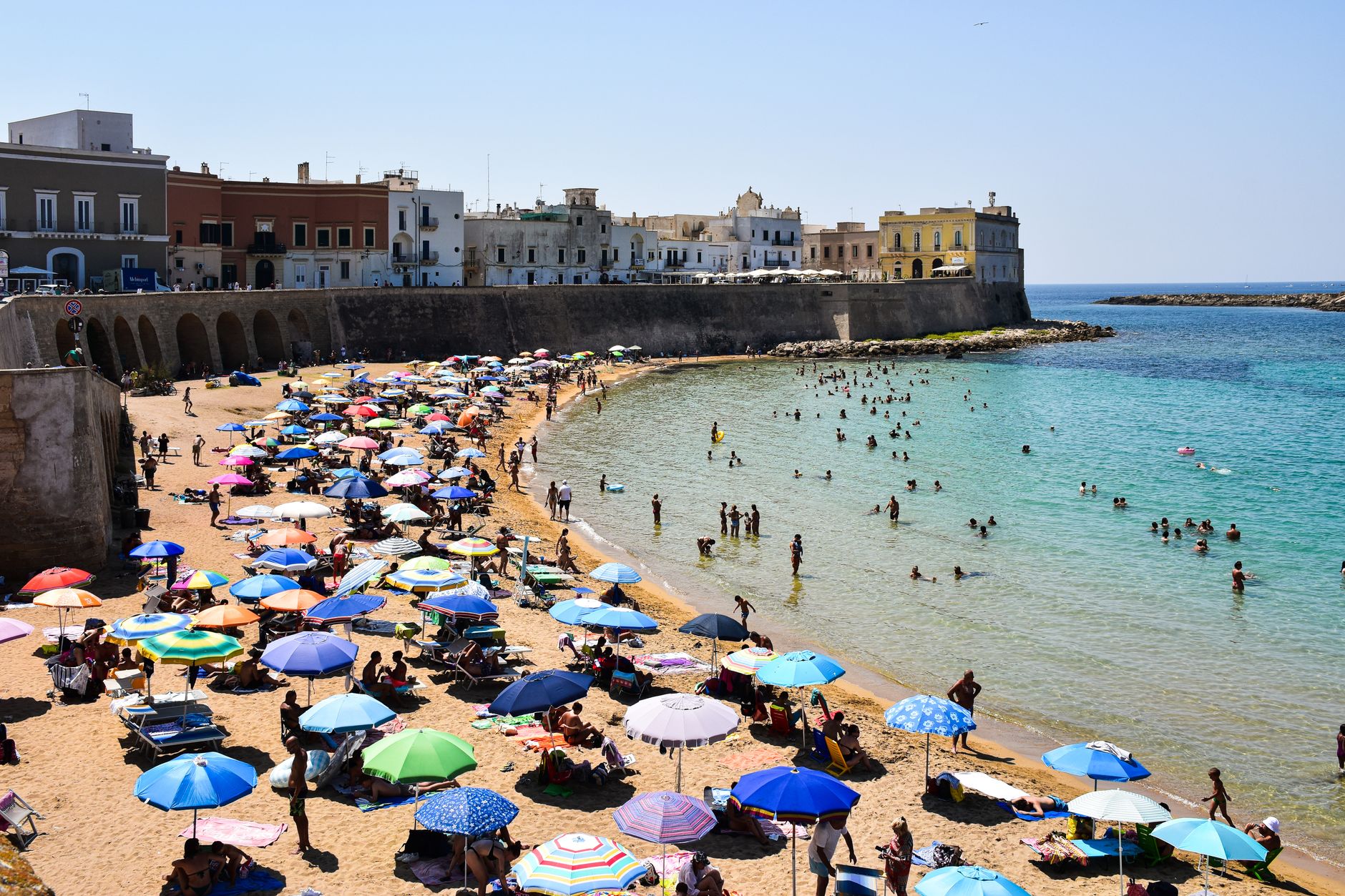
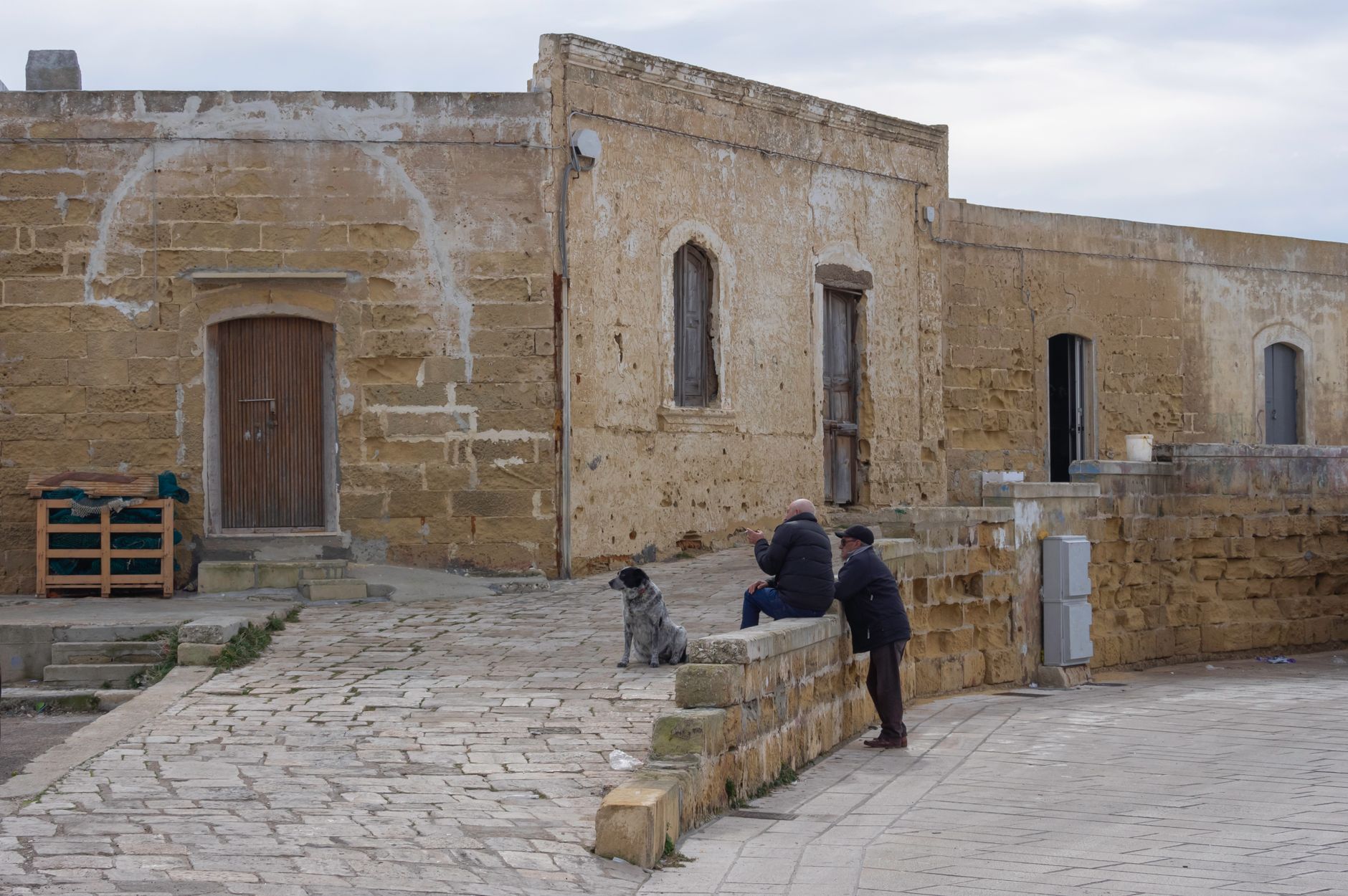
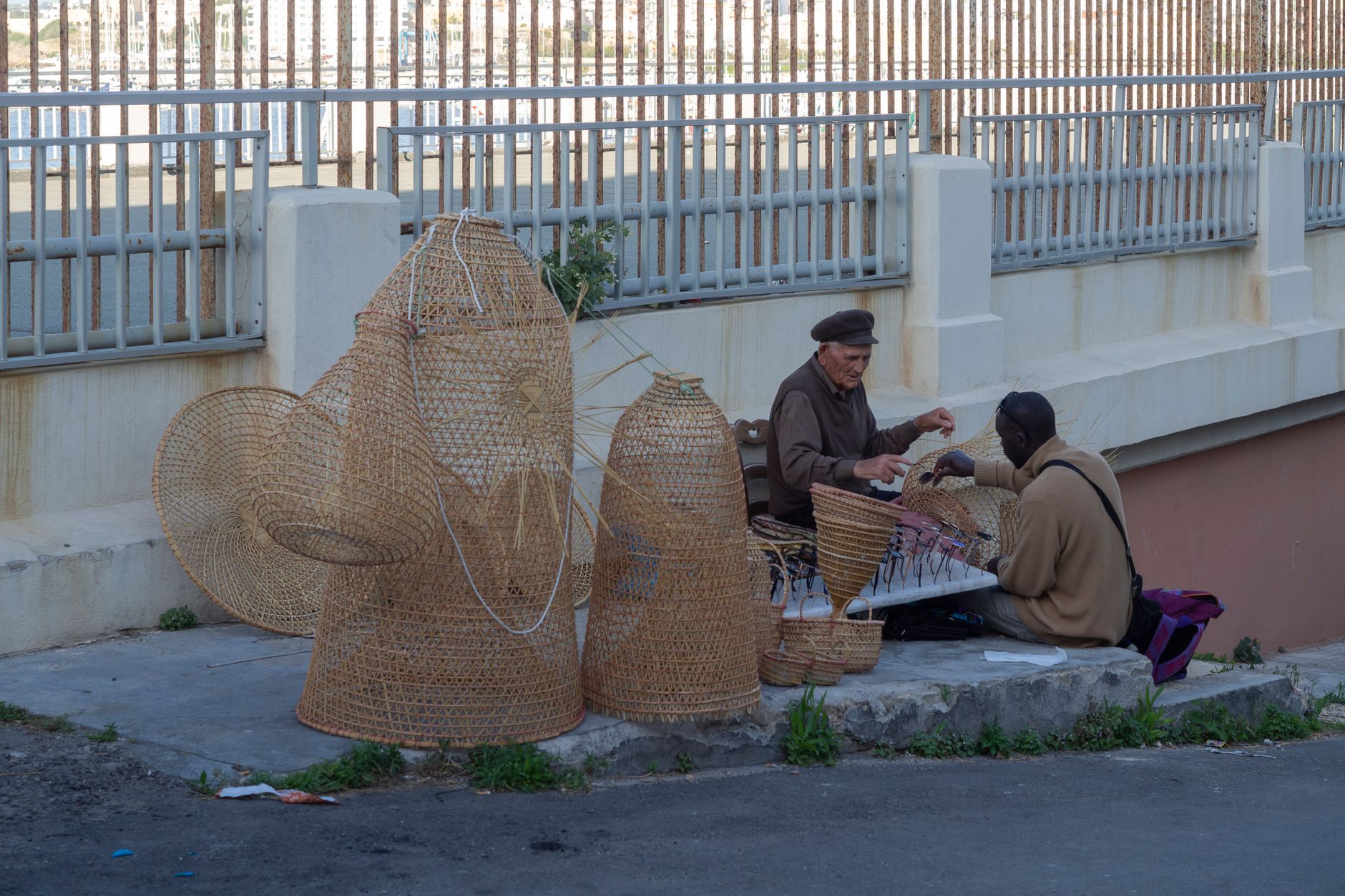
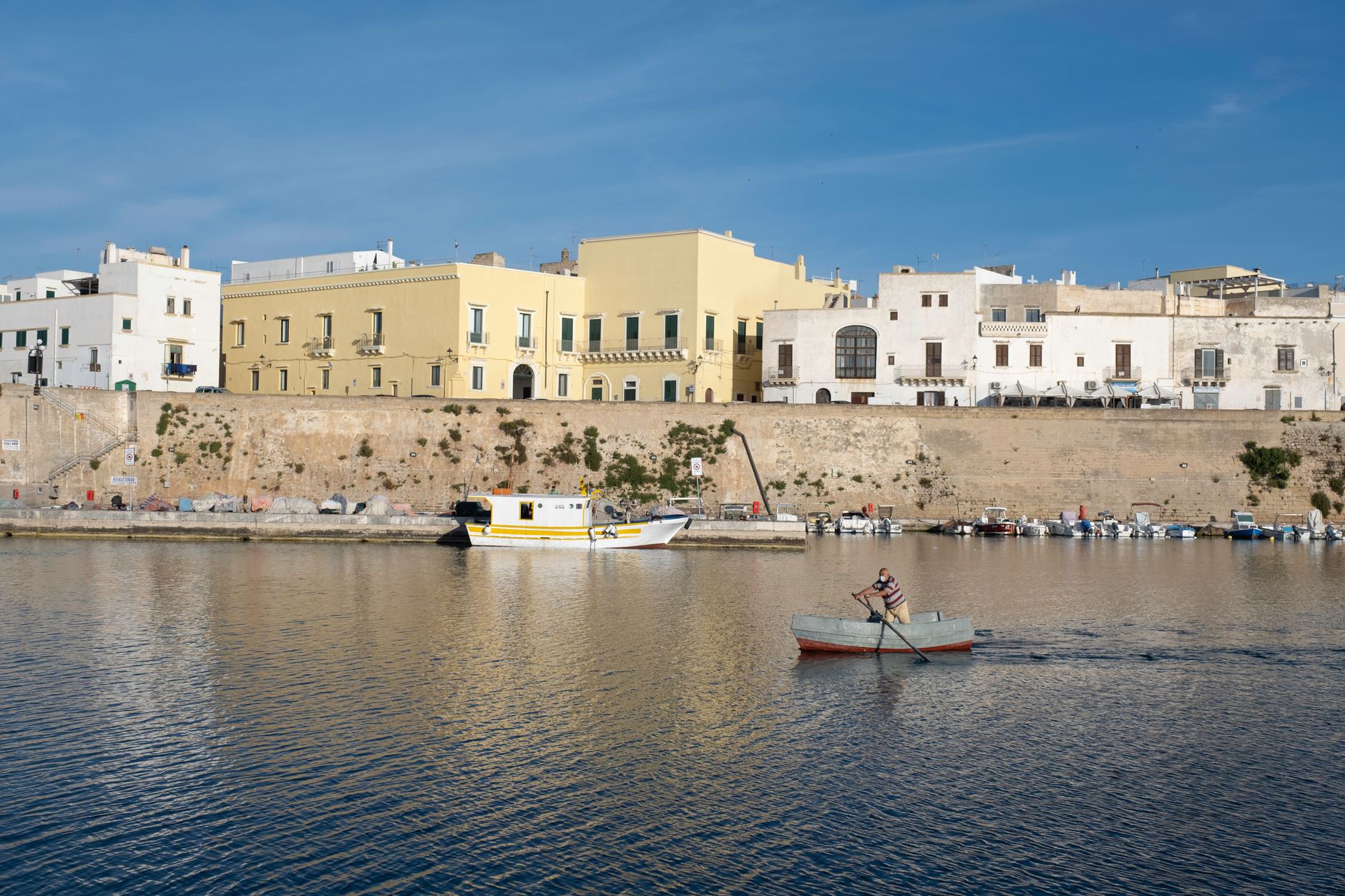
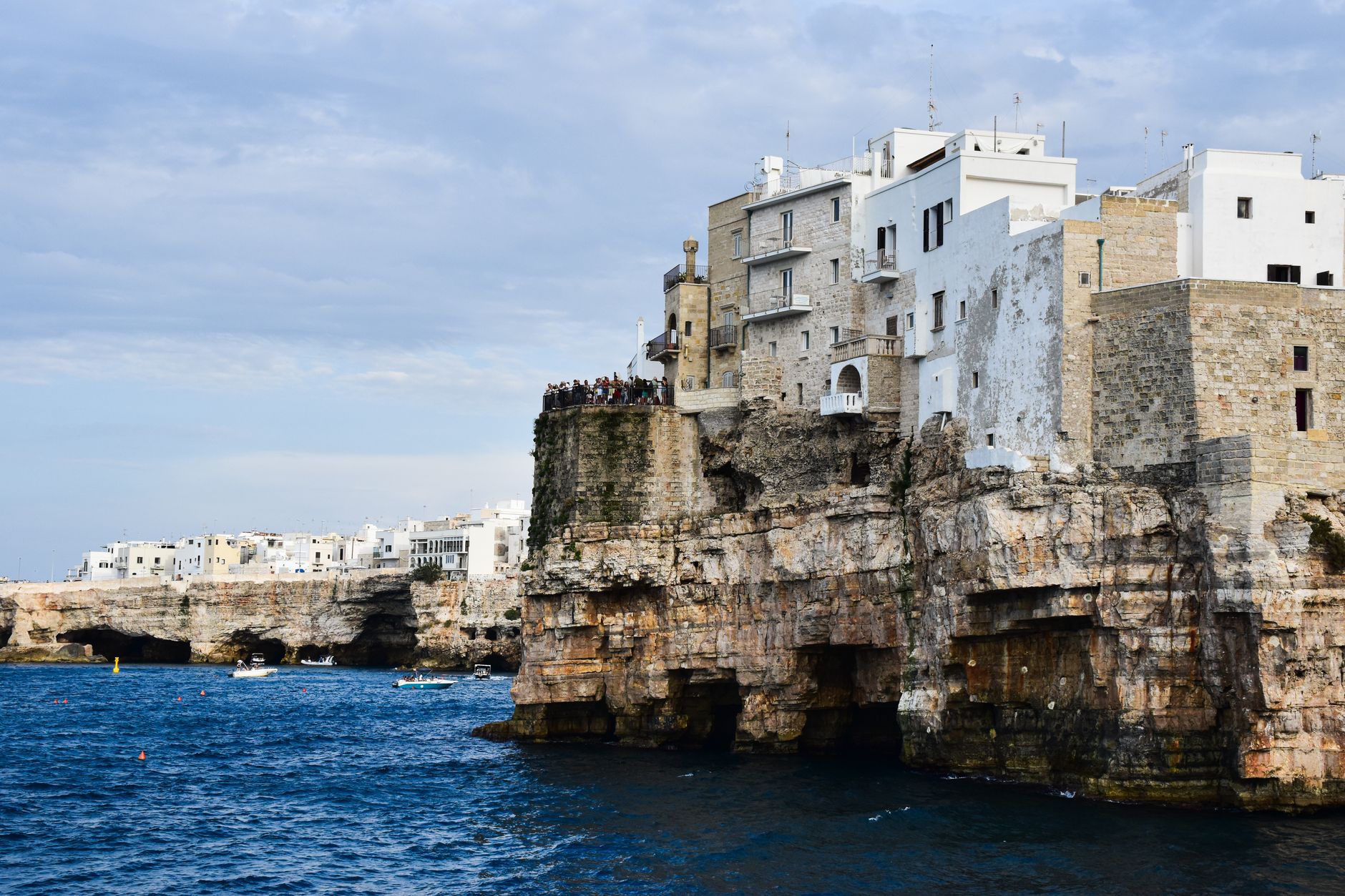
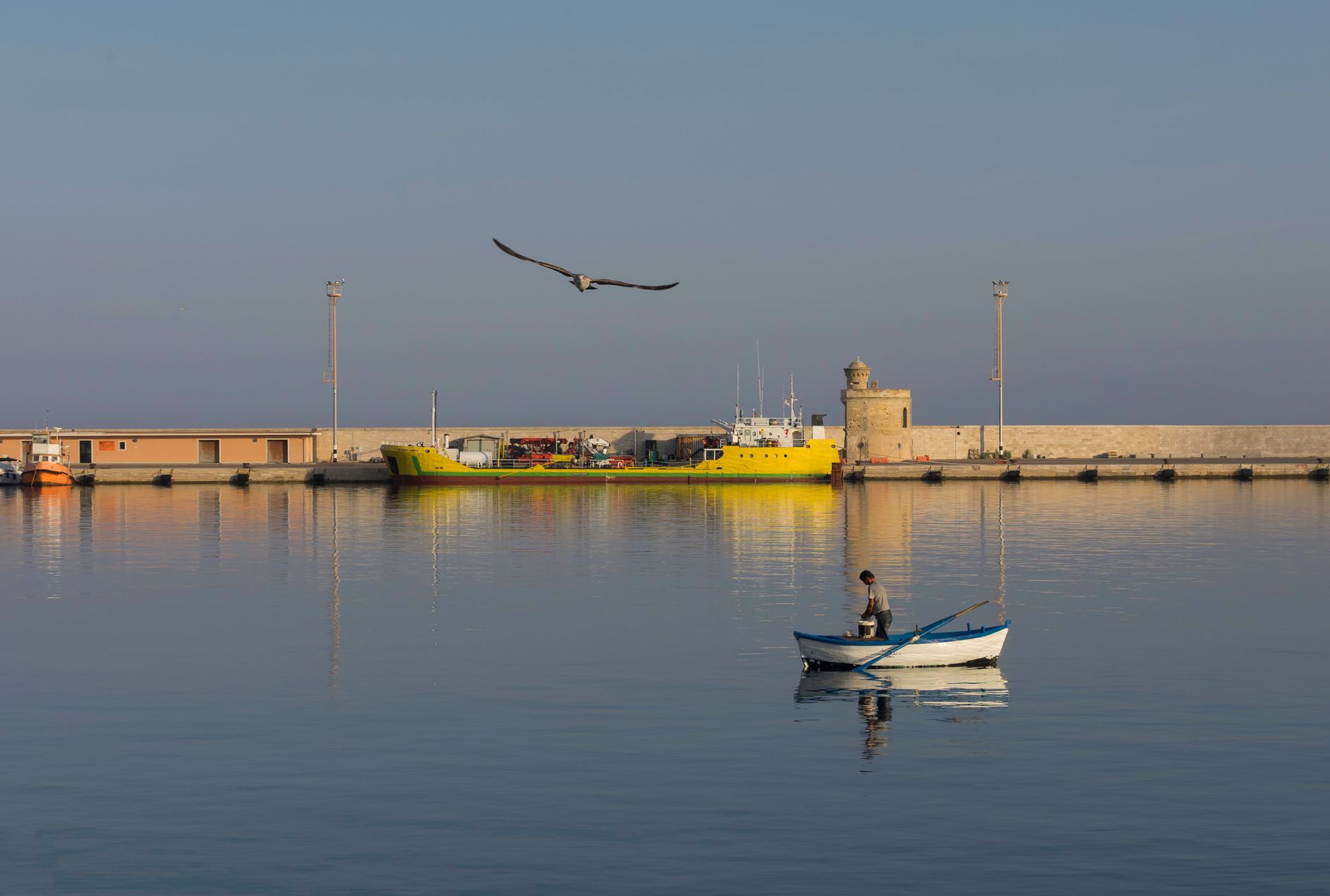
Gallipoli sits on a small limestone island off the heel of Italy's boot, connected to the mainland by a bridge and surrounded by the Ionian Sea on three sides. The name comes from the Greek kalé pólis — beautiful town — and the Greeks who named it were not wrong, though the beauty here is particular: salt air, pale stone, fishing boats still working the same water the Byzantines once used to berth their fleet.
The old town is compact enough to cover in a day, but the underground olive oil mills carved beneath the streets, the Angevin-Aragonese castle at the island's edge, and a cathedral that Leccese Baroque built with evident ambition all give you more than the postcard suggests.
💛 What travellers fall for
People who return tend to come back in September — the sea still warm, the bridge no longer a bottleneck. They also mention the Frantoio Oleario Ipogeo del Viceré on Via Santa Maria: two euros to descend into a working olive press cut into the rock, which puts the whole Mediterranean trade history of this place into sudden, physical focus.
Experiences you don't want to miss



Deals in Gallipoli
Book directly at the provider


How Gallipoli came to be
The city was known in antiquity as Anxa, then Callipolis, and according to local legend was founded by Idomeneus of Crete. Rome took it in 265 BC, and it sat on the Via Traiana — the trade road east toward the Balkans. After the Byzantines rebuilt and fortified it in 542 AD and used the harbour for their fleet, the Normans arrived in the 11th century, followed by Charles I of Anjou, who besieged it in 1268.
The city was repopulated around 1300 under the principality of Taranto, and its later history pivots on olive oil: by the 18th century, under King Ferdinand I of the Two Sicilies, Gallipoli's port had become the largest olive oil market in the Mediterranean. The underground mills cut into the island's rock are what remains of that economy.
Who and what shaped it
People who shaped it
Landmark buildings
See Gallipoli in motion
Plan your visit
On the map
When to go
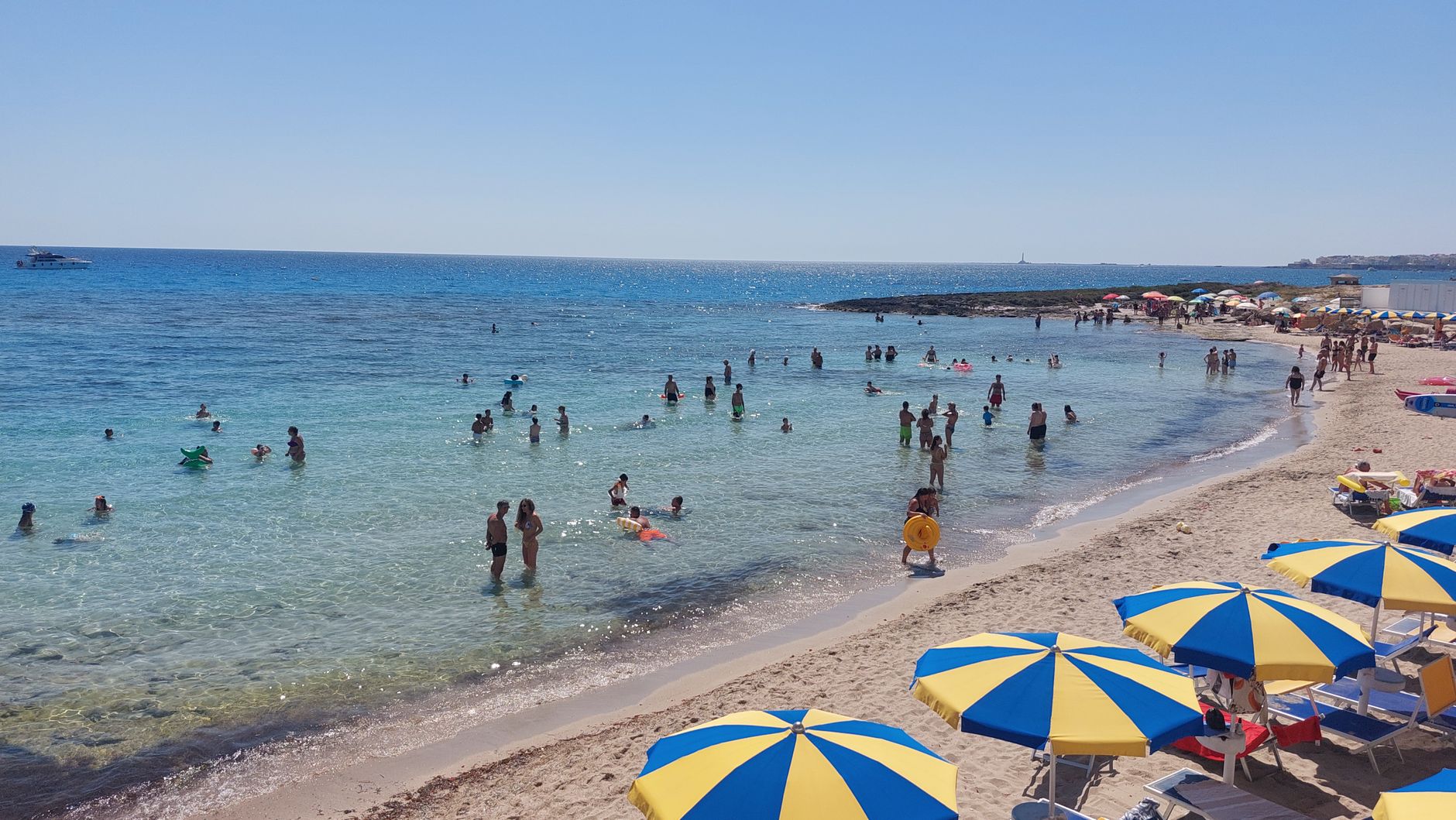
May, early June, and September give you warm water, lighter crowds, and restaurants that aren't stretched thin. July and August are hot — highs around 29–31°C — and the old town fills considerably; winter days are mild and often sunny, ranging roughly 7–15°C, with the castle and cathedral largely to yourself.
Right now
Background & history adapted from Wikipedia (CC BY-SA) · specs from Wikidata (CC0) · weather from Open-Meteo · map data © OpenStreetMap contributors · photos from Wikimedia Commons / Unsplash with per-image credit. No third-party reviews or social posts reproduced.