
Monopoli
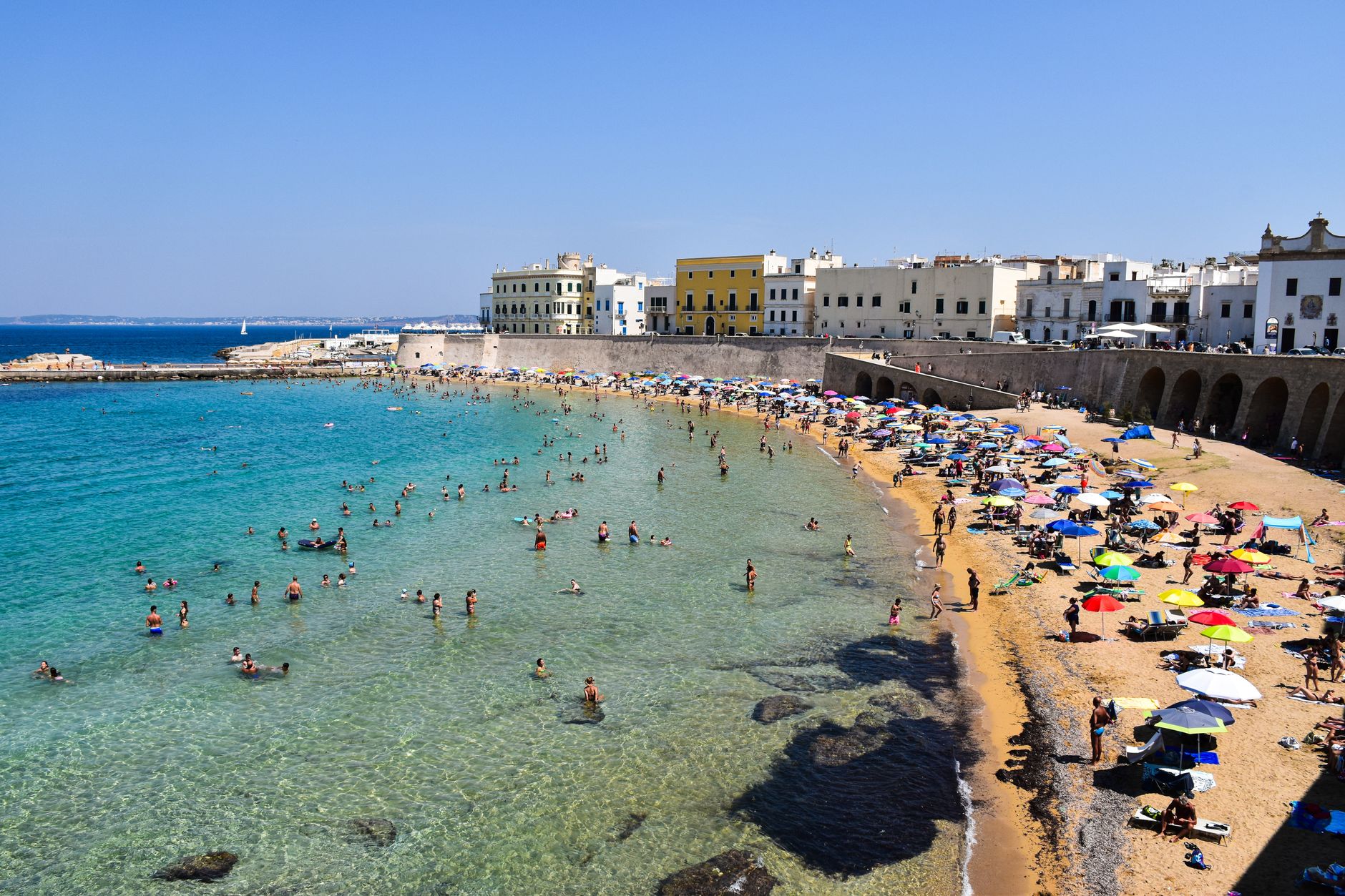
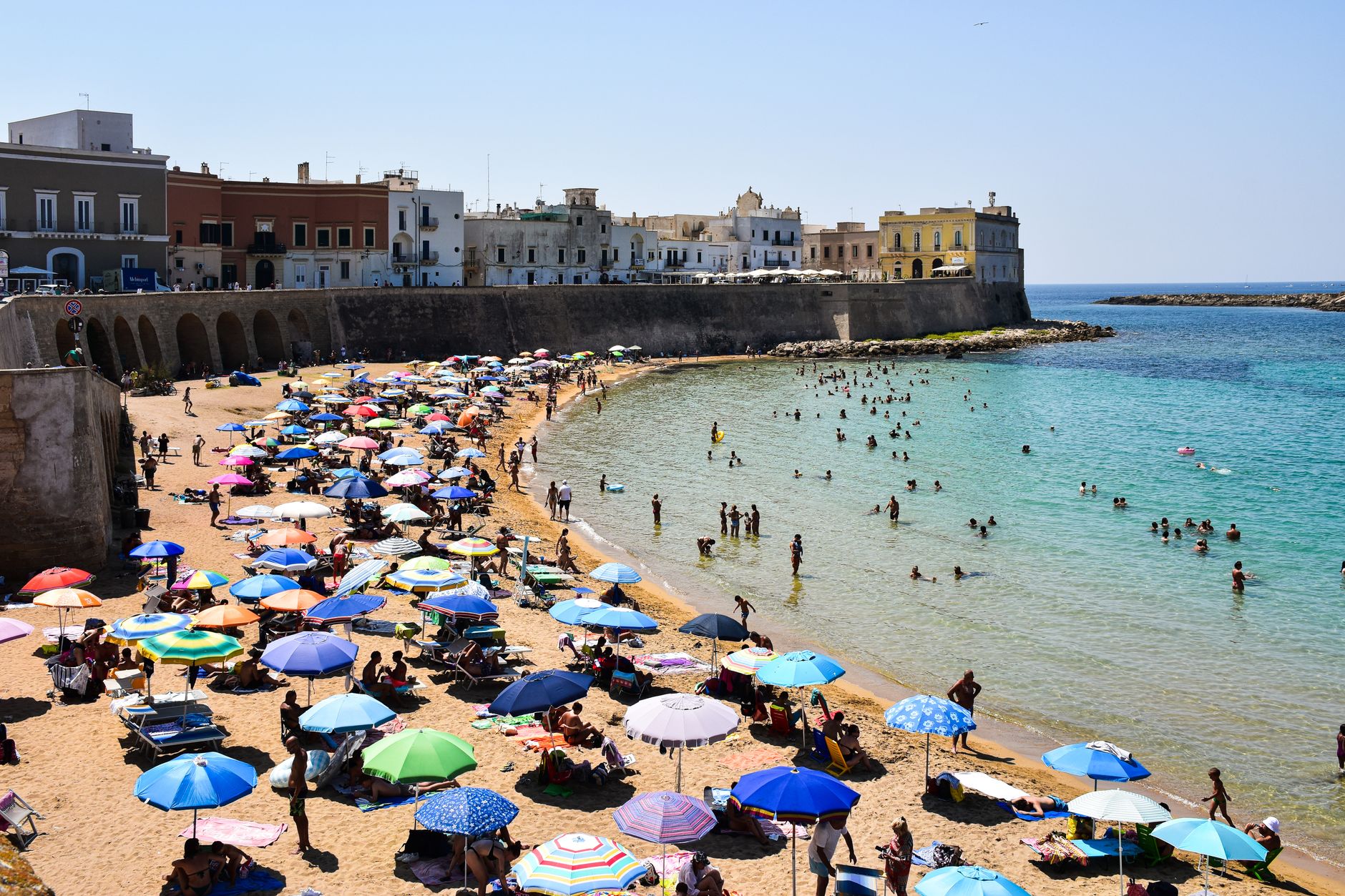
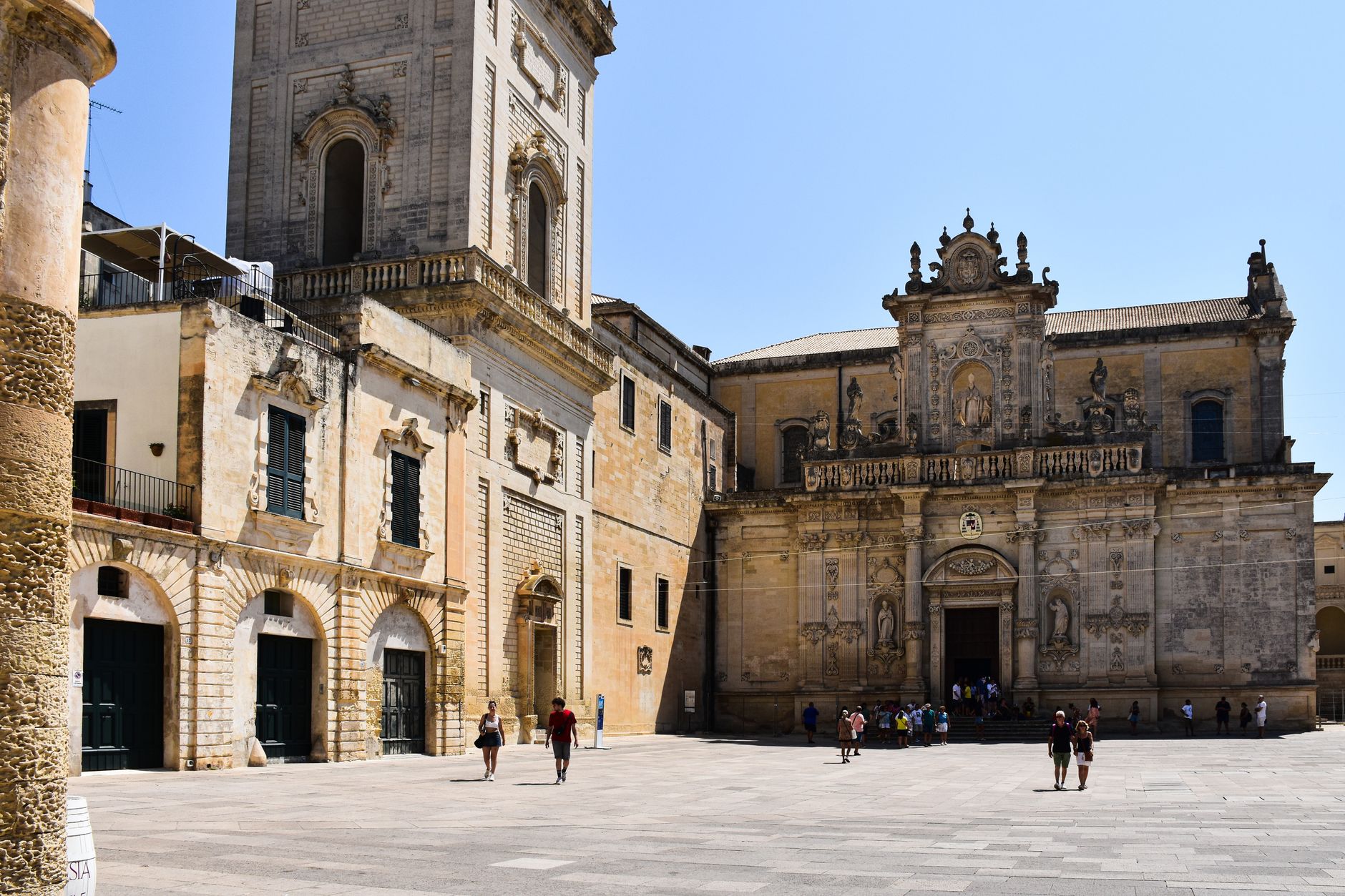
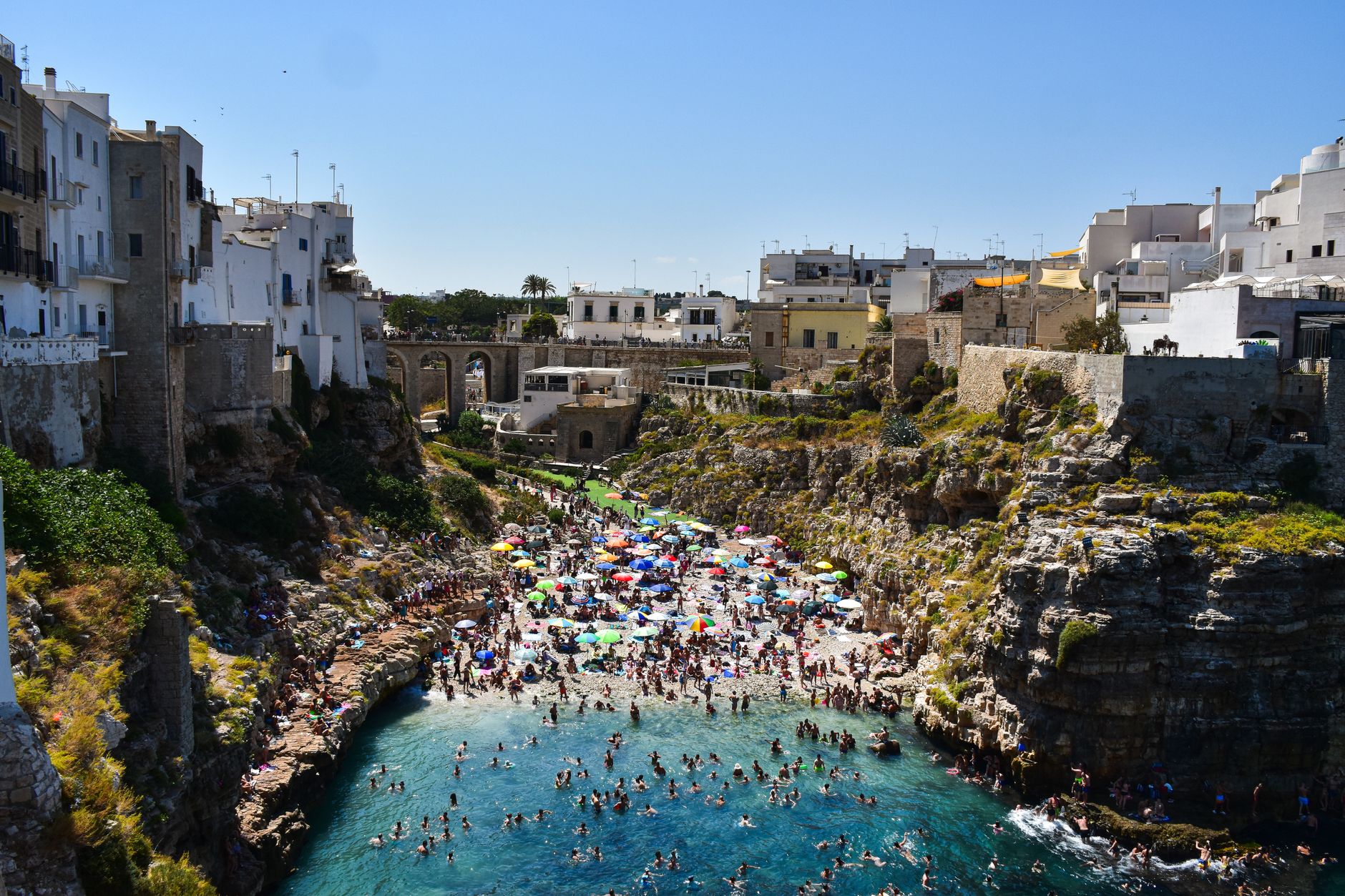
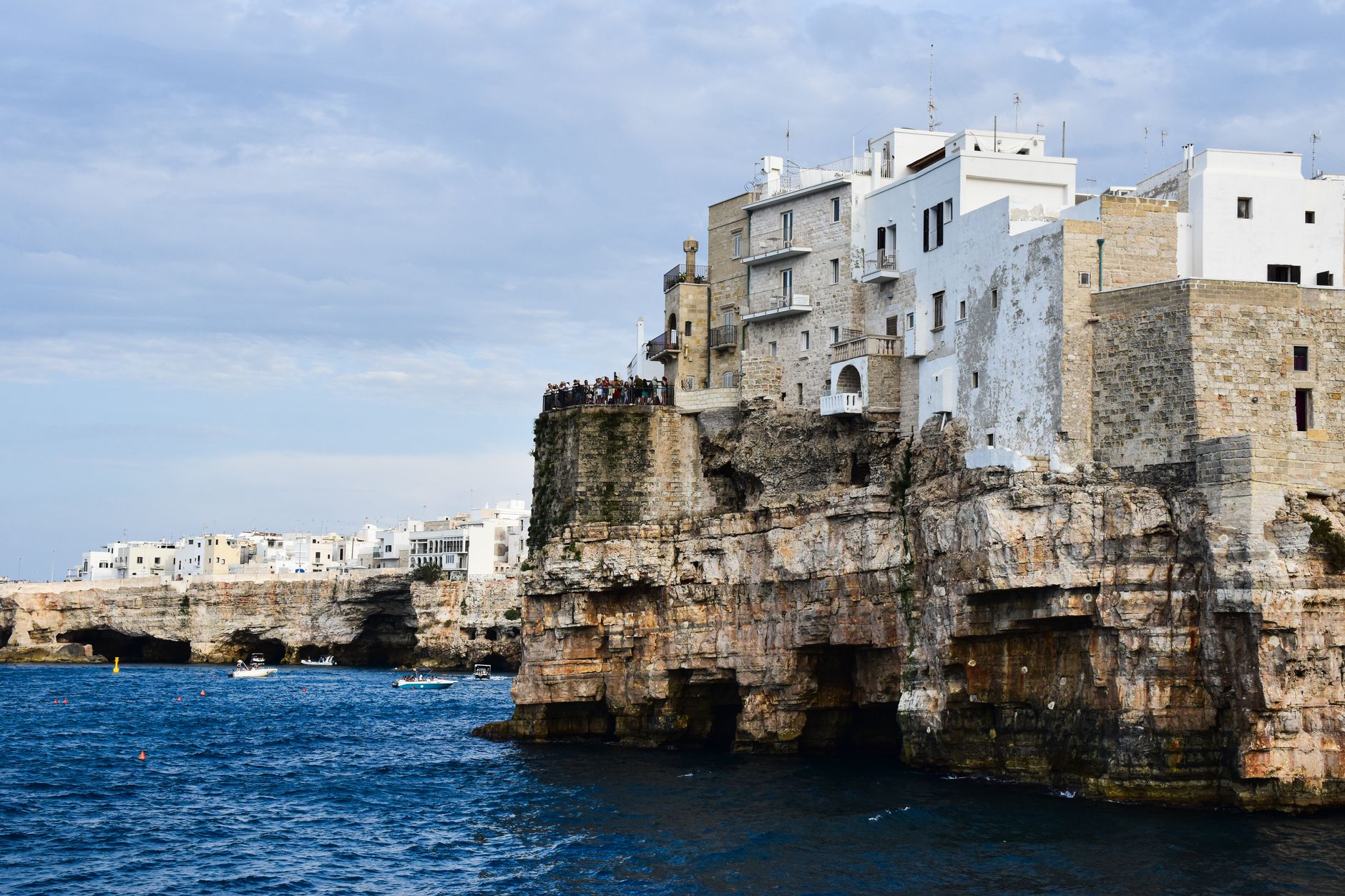
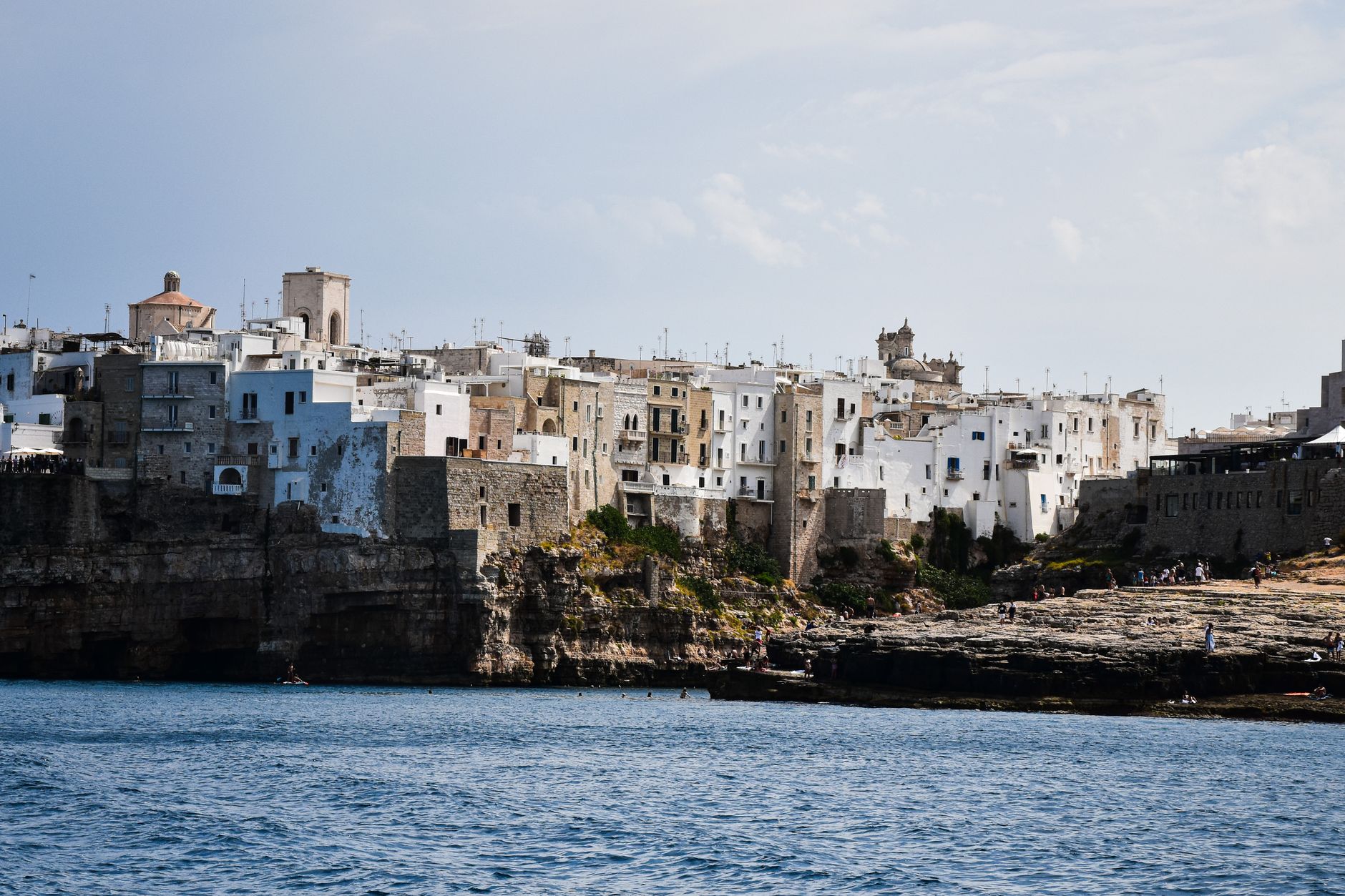
Monopoli's old town ends where the Adriatic begins — abruptly, the limestone streets simply stop at the water's edge, and fishermen's boats bob a few metres from café tables. The name comes from the Greek for 'unique city,' and the place has been trading on that self-belief since at least 500 BC, when Messapian settlers fortified this headland and dared the sea.
The historic centre is compact enough to cover in a morning, but it rewards slower attention: a church whose roof legend says was completed with timber that floated in from nowhere, a pentagonal castle that once held prisoners and now holds photographs, and a cathedral hiding a Byzantine icon that has been the subject of serious local devotion for nine centuries.
💛 What travellers fall for
People who come back tend to arrive on the early train from Bari, walk straight to the port before the day heats up, and eat at a table as close to the water as possible. The Castello Carlo V is worth timing for late afternoon when the light hits the stone. The Photography Festival — if your dates align — gets you into several sites on a single ticket.
Experiences you don't want to miss



Deals in Monopoli
Book directly at the provider


How Monopoli came to be
People have lived on this stretch of coast for roughly 15,000 years, but Monopoli's urban story starts around 500 BC as a Messapian fortification. The Romans folded it into their network when Trajan built his Via Traiana through Apulia in 108–110 AD — Monopoli holds the longest surviving stretch of that road in the region. After the Ostrogoths destroyed nearby Gnathia in 545 AD, refugees swelled the town, and it grew into a useful Byzantine commercial port.
The Spanish period left the most visible mark: the pentagonal Castello Carlo V went up in 1552 as a coastal defence against Ottoman raids, and the city walls were reinforced. The cathedral's own origin story is older — construction started in 1107, and according to local tradition, a raft of timber beams arrived unbidden from the sea in 1117, providing material to finish the roof and carrying the icon of the Madonna della Madia that still sits inside.
Who and what shaped it
People who shaped it
Landmark buildings
See Monopoli in motion
Plan your visit
On the map
When to go
Summers are hot and dry, with July and August pushing well above 30°C — the sea is the obvious answer, and the town fills accordingly. April through June and September through October bring warm days, manageable crowds, and enough breeze off the Adriatic to make walking the old town genuinely pleasant. Winters are mild but quiet.
Right now
Background & history adapted from Wikipedia (CC BY-SA) · specs from Wikidata (CC0) · weather from Open-Meteo · map data © OpenStreetMap contributors · photos from Wikimedia Commons / Unsplash with per-image credit. No third-party reviews or social posts reproduced.