
Lombardy
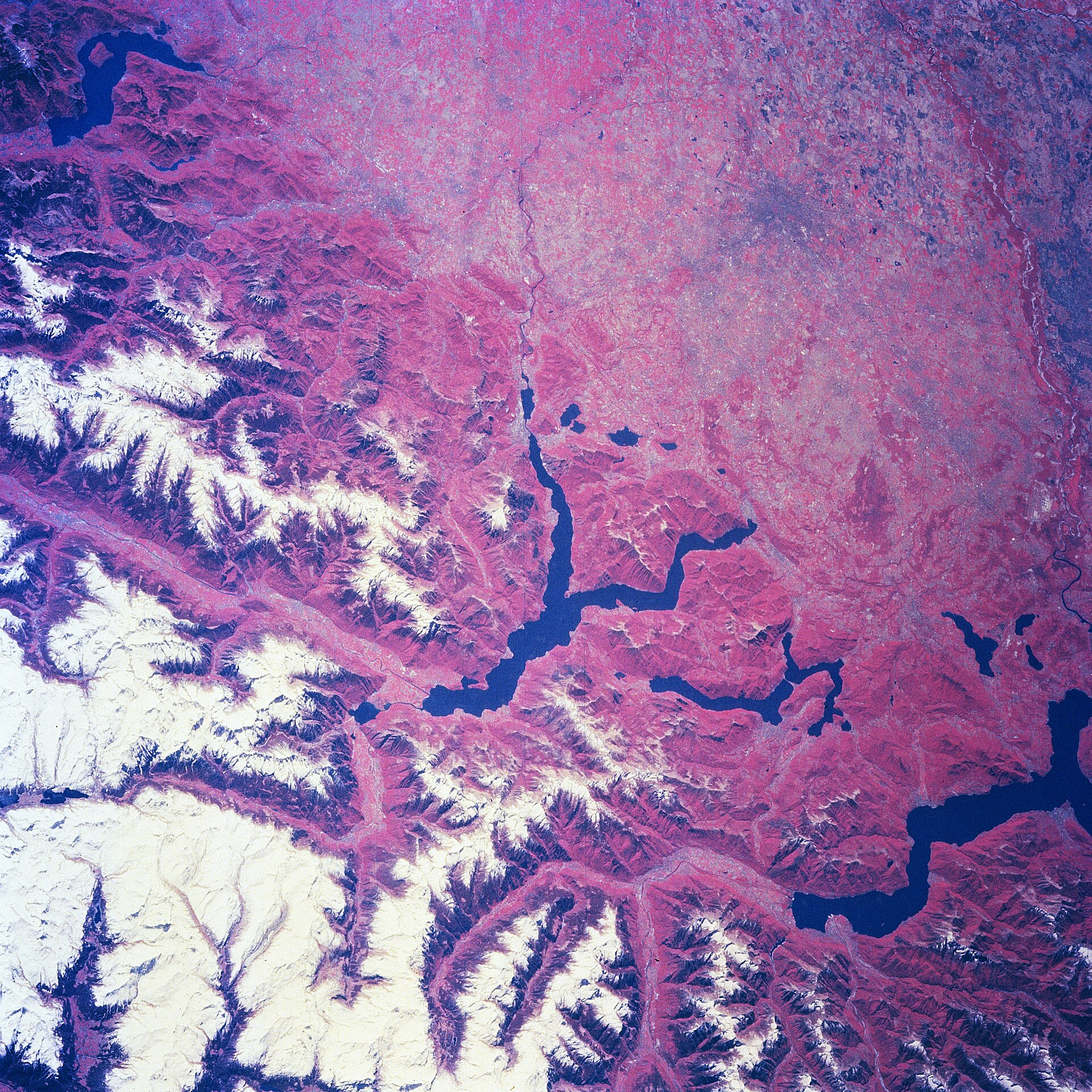
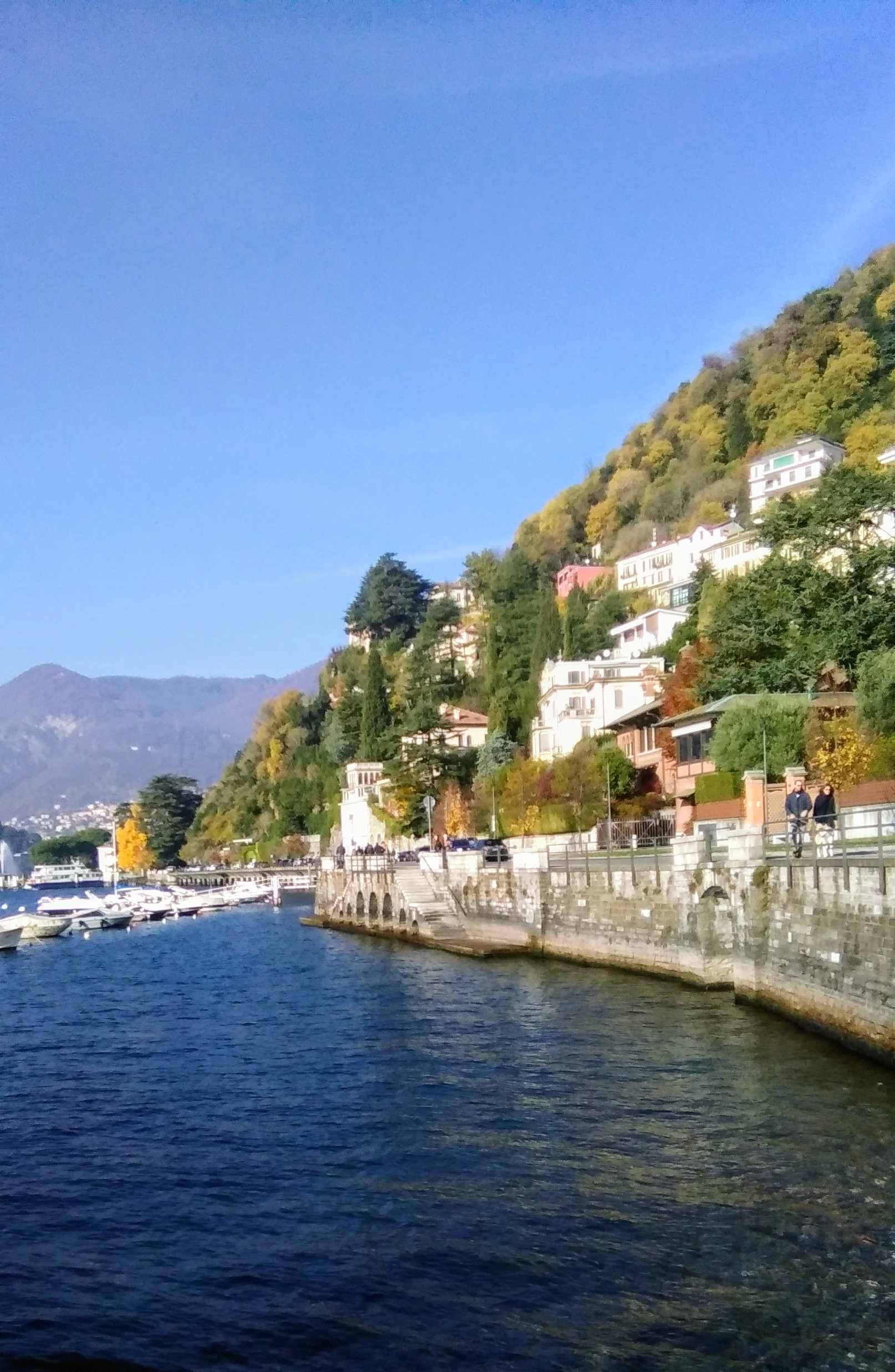

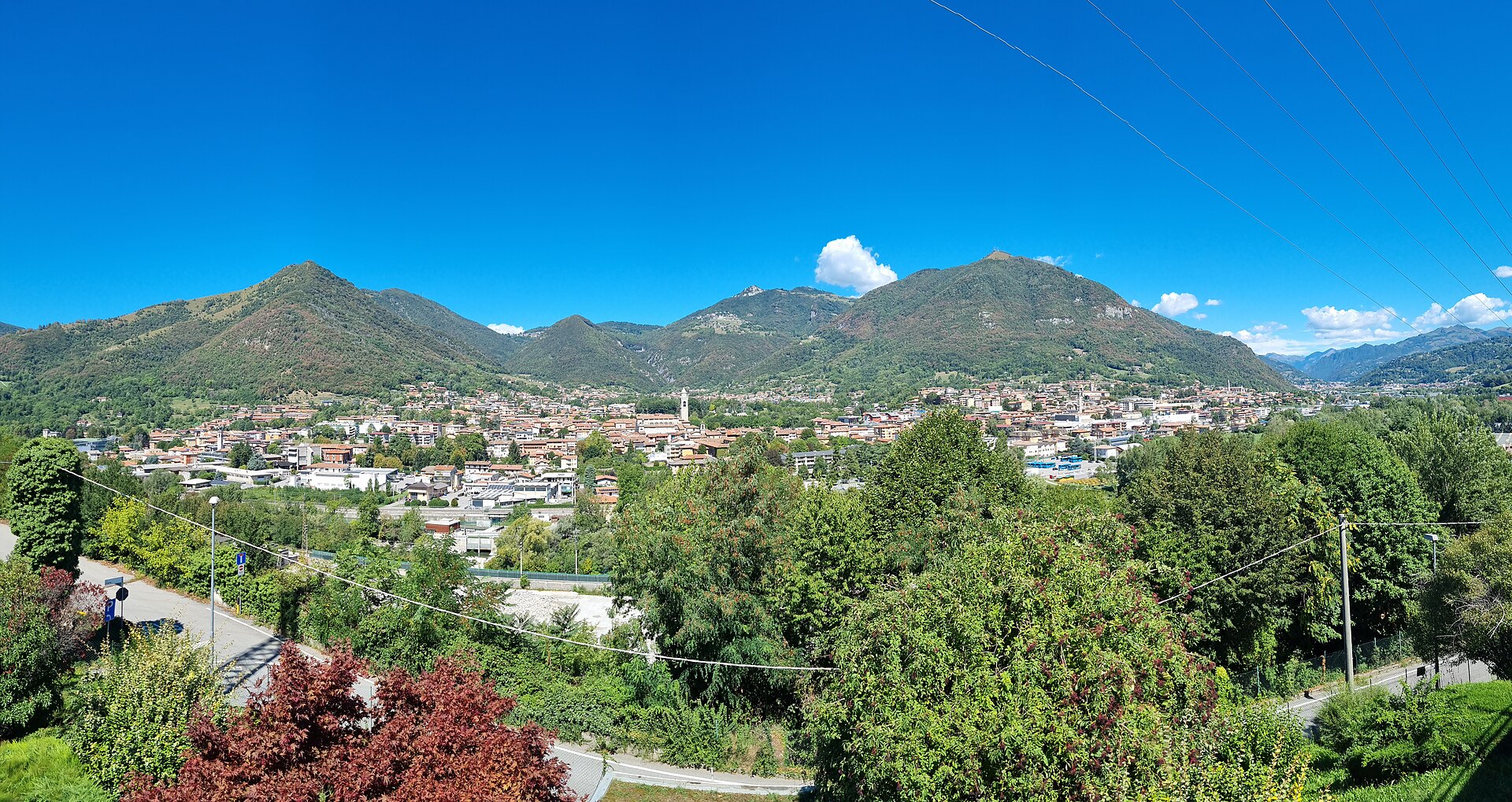
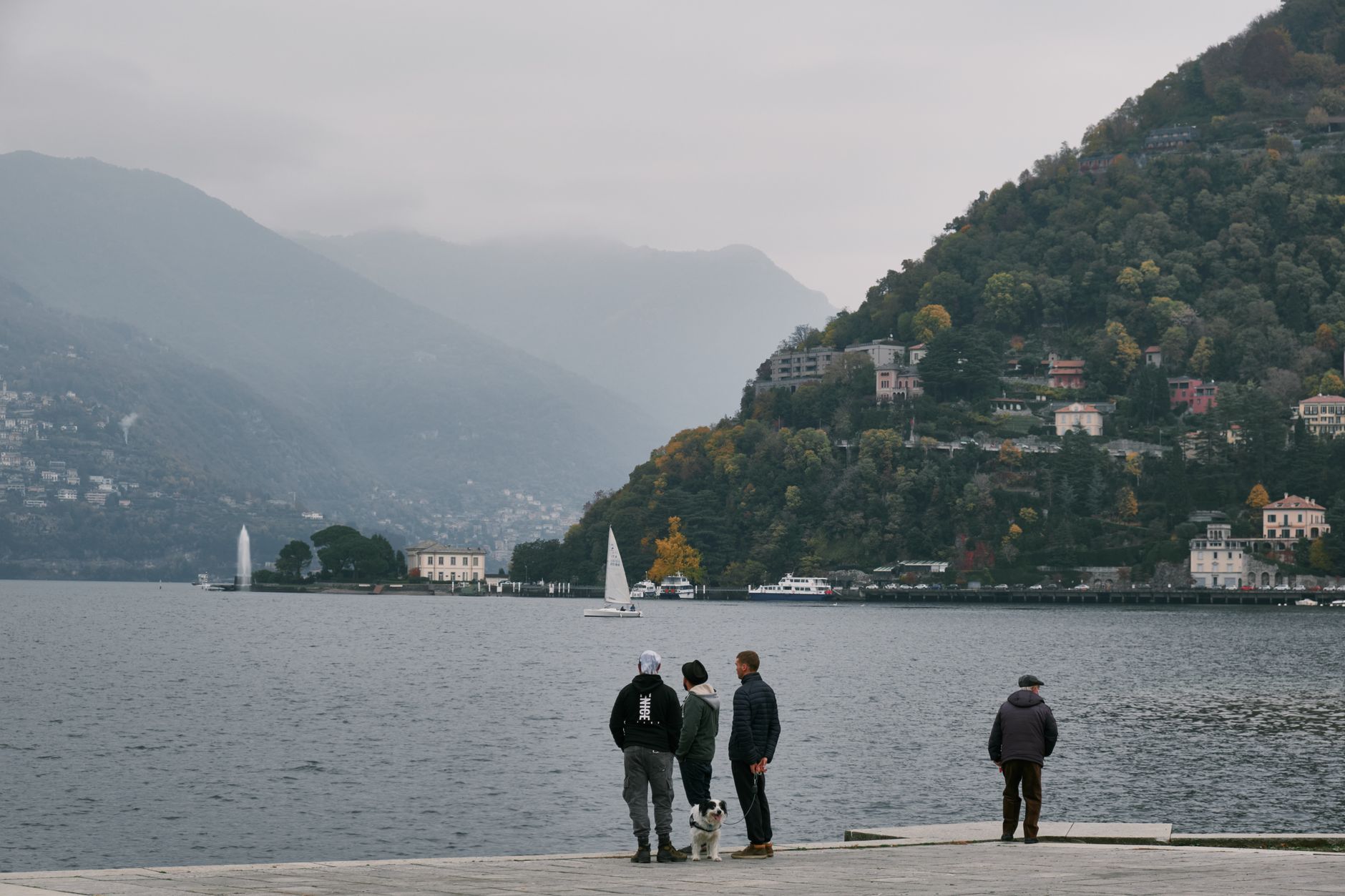
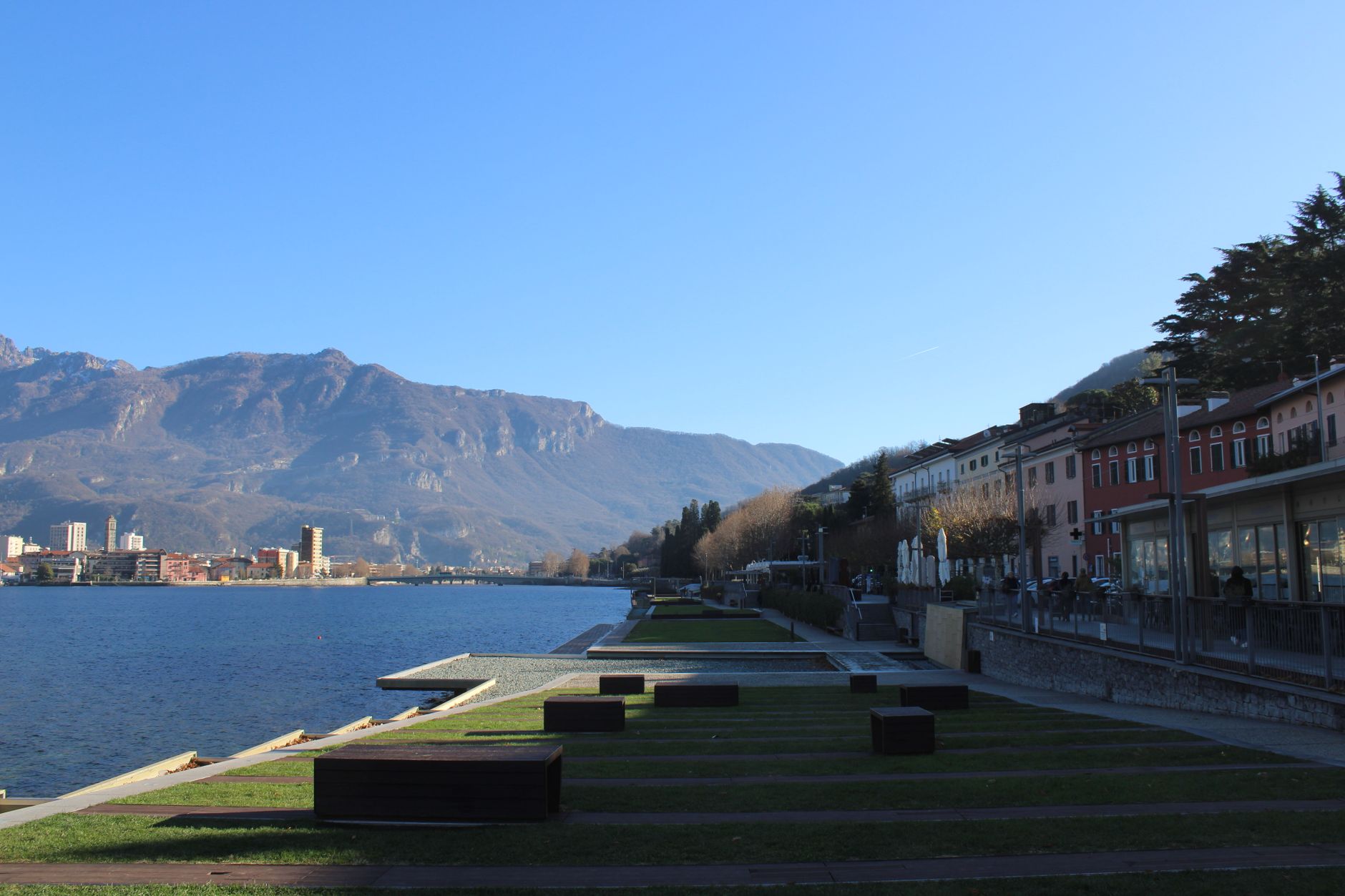
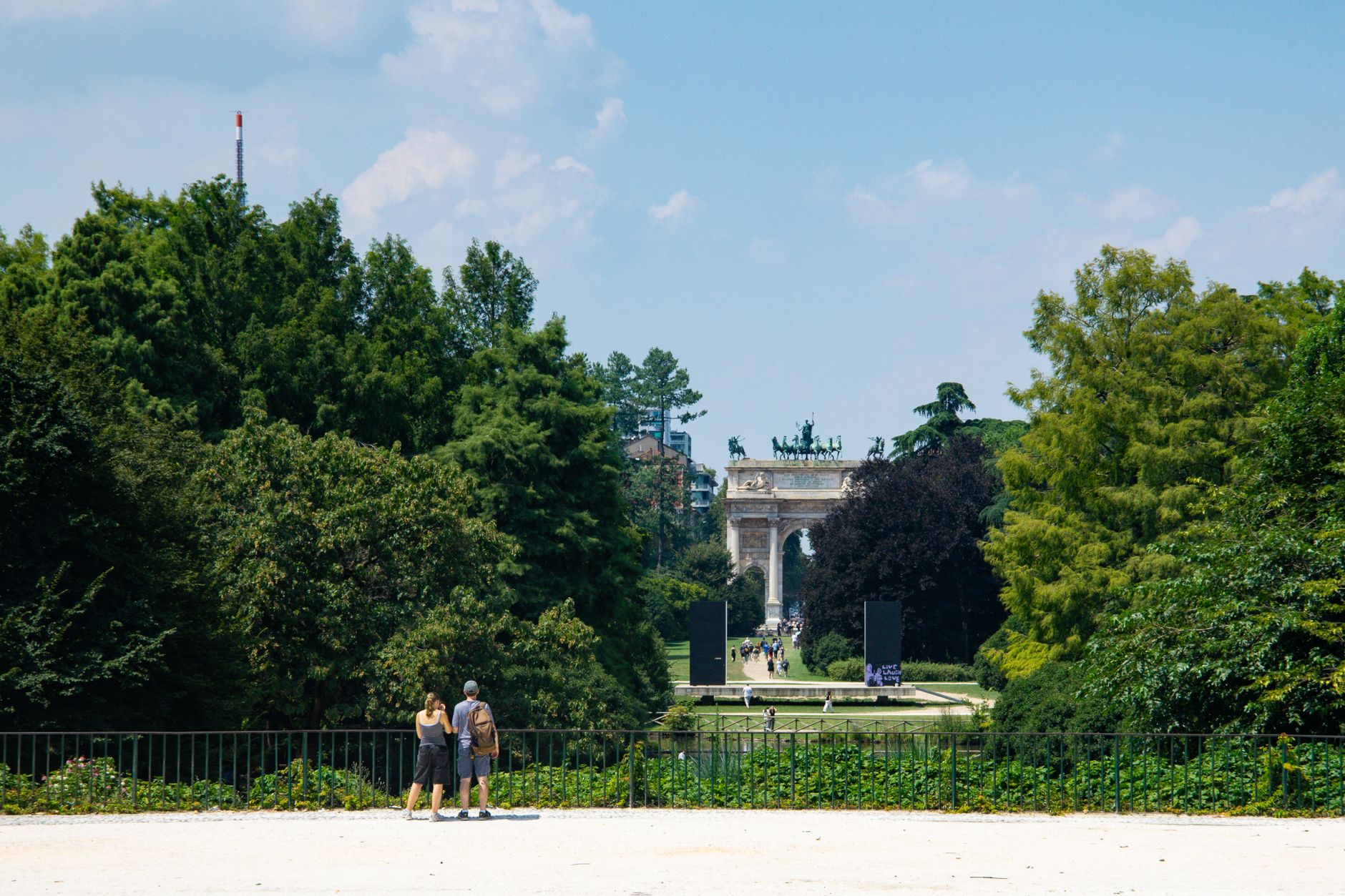
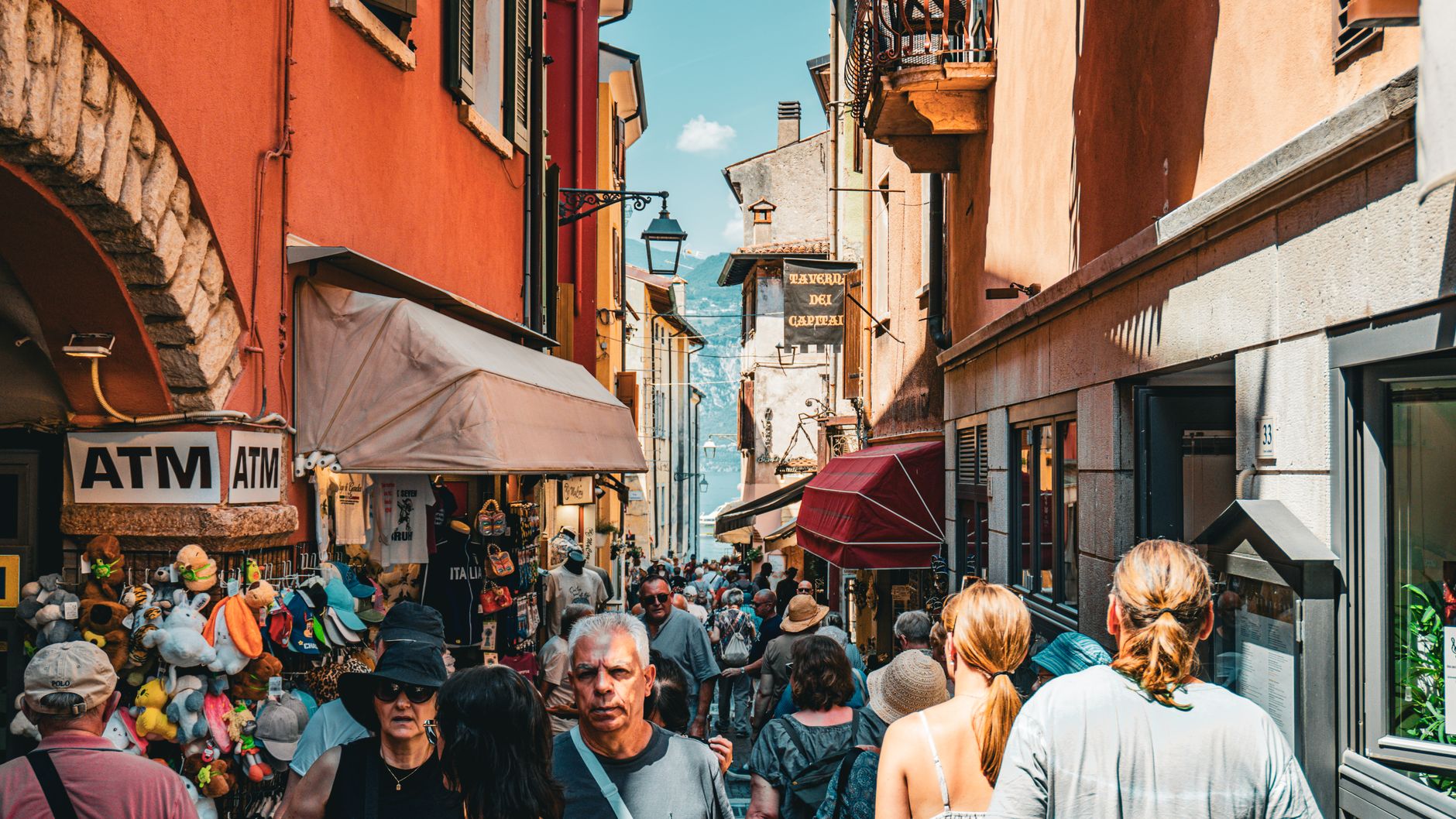
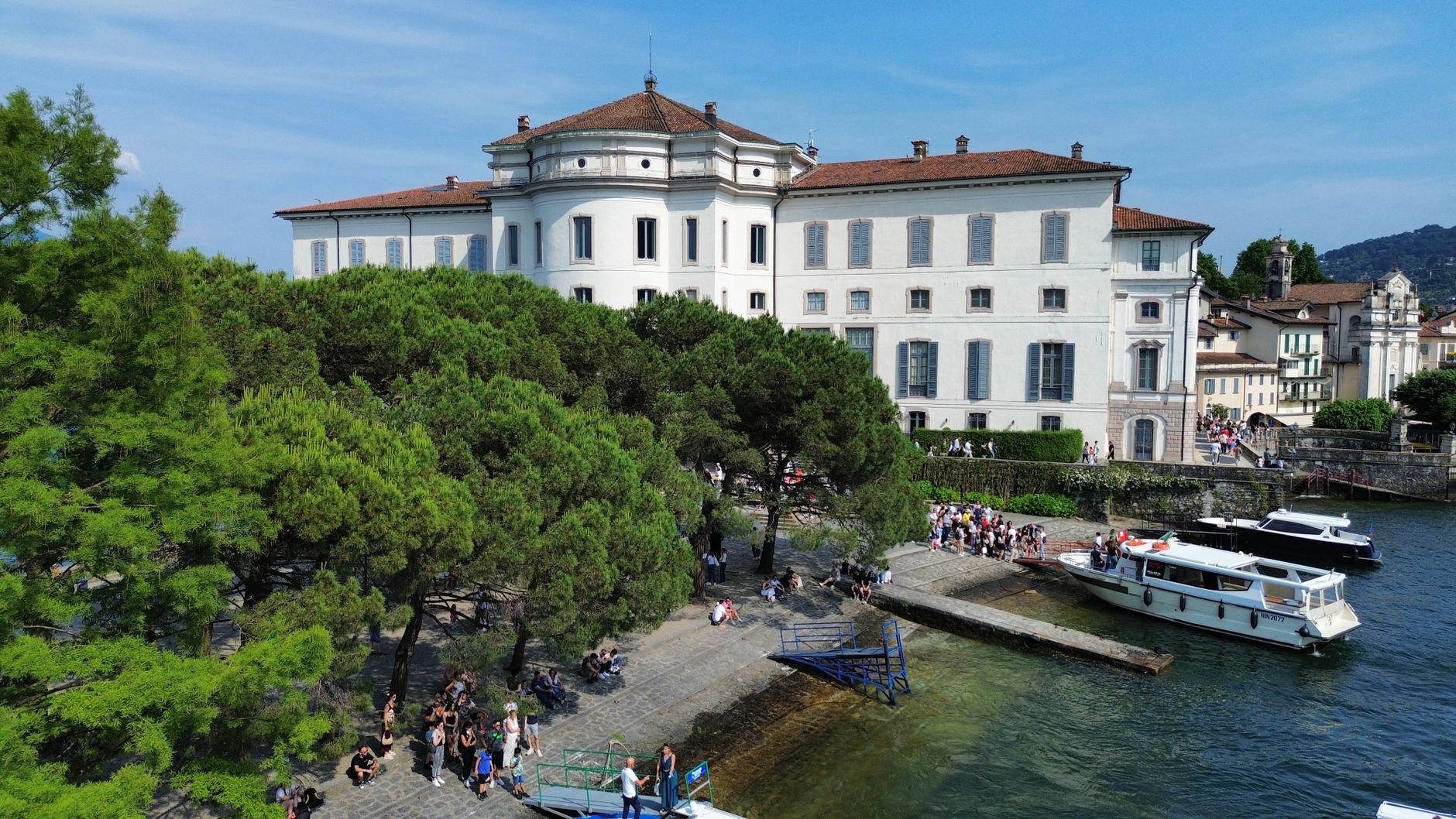
Lombardy is where the Alps flatten into the Po Valley and a single region holds a Gothic cathedral begun in 1386, the world's most storied opera house, a dozen lakes, and two UNESCO Lombard heritage sites that predate Charlemagne. Milan pulls most of the gravity here — its density, its design culture, its aperitivo ritual along the Navigli canals each evening — but the region stretches well beyond it.
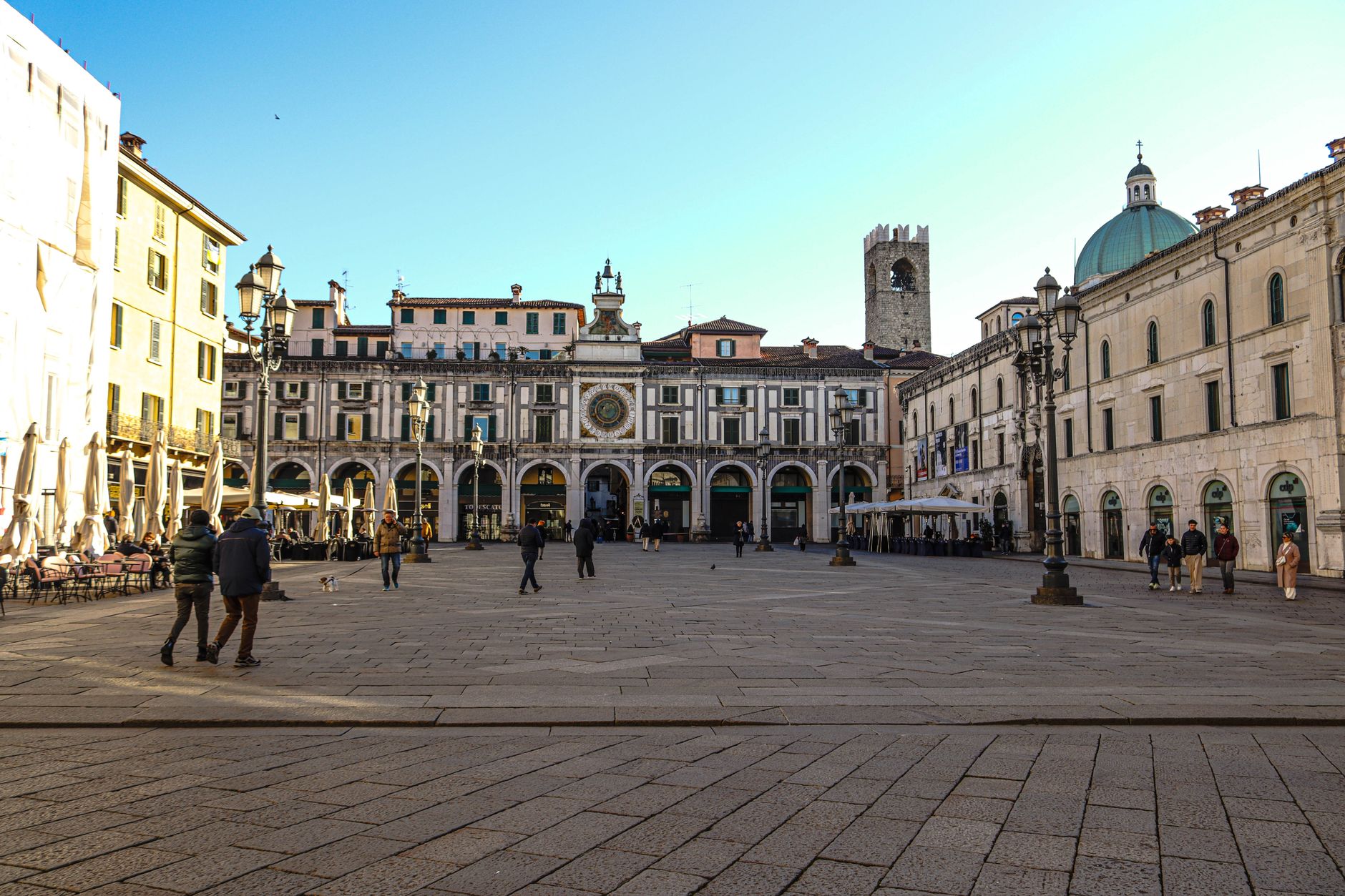
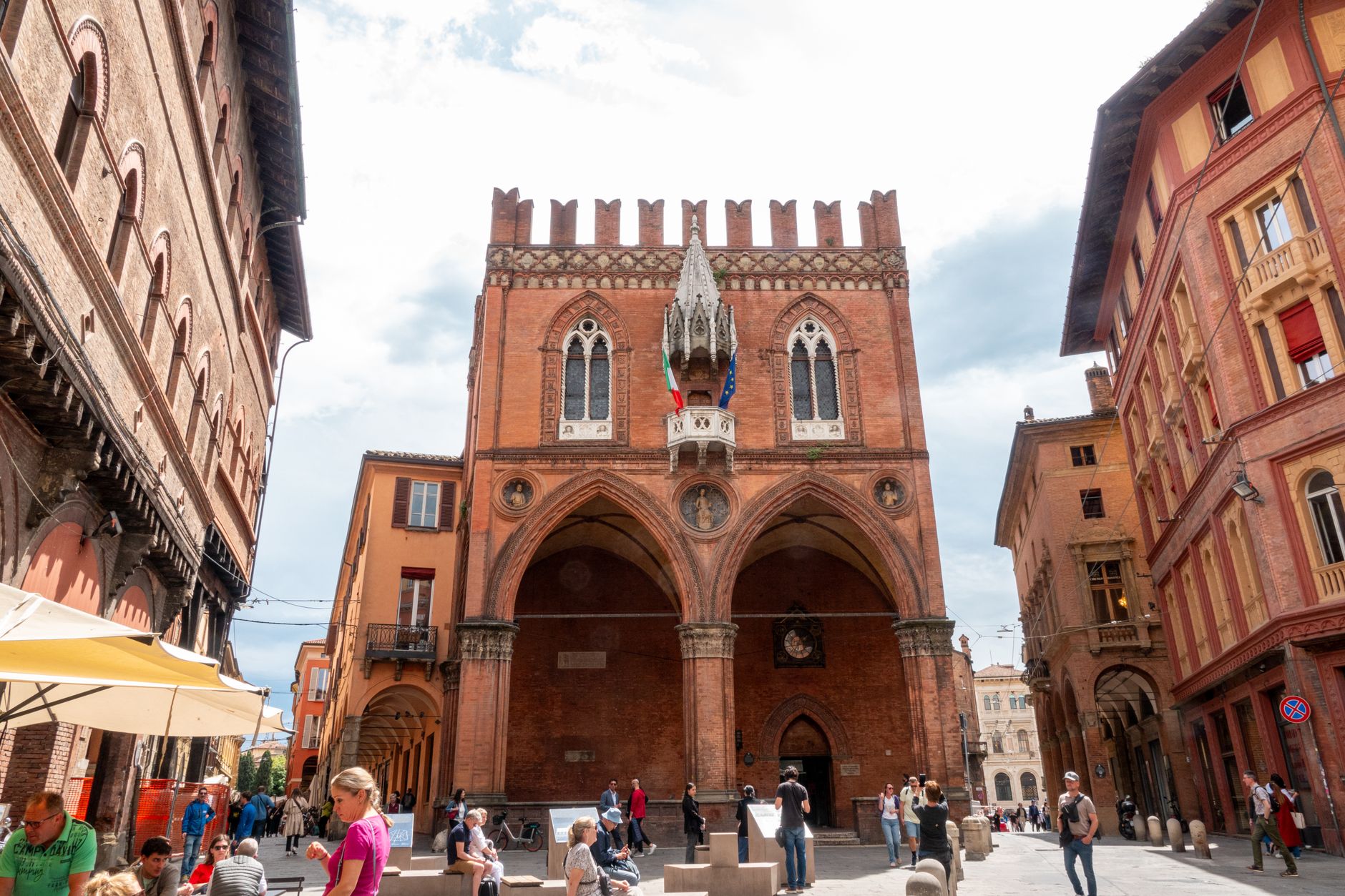
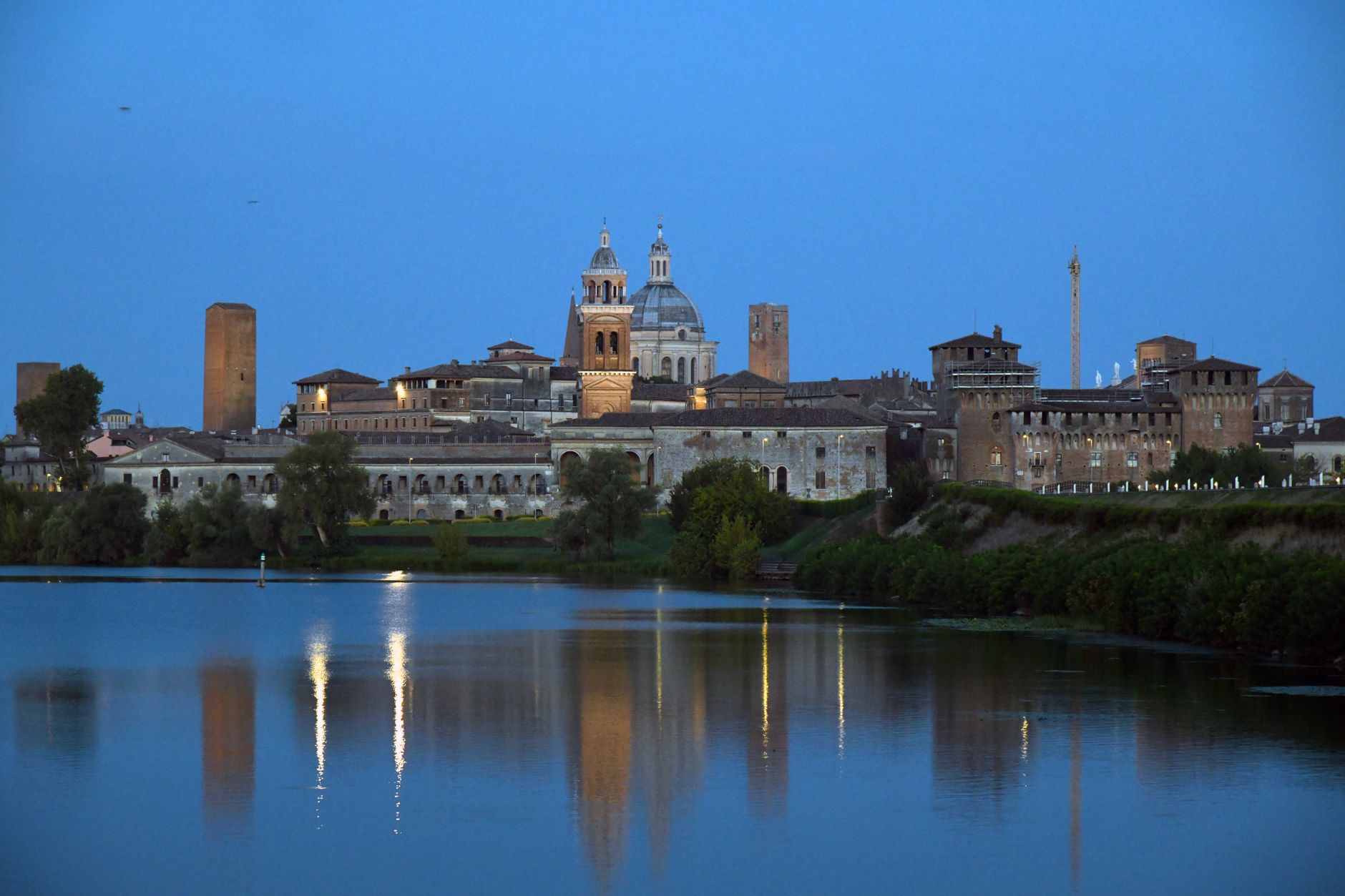
Pavia, Mantua, Brescia, the lake shores: each carries its own long history and its own reason to stay. Lombardy rewards people who treat Milan as a base rather than a destination in itself.
Popular cities in Lombardy
💛 What travellers fall for
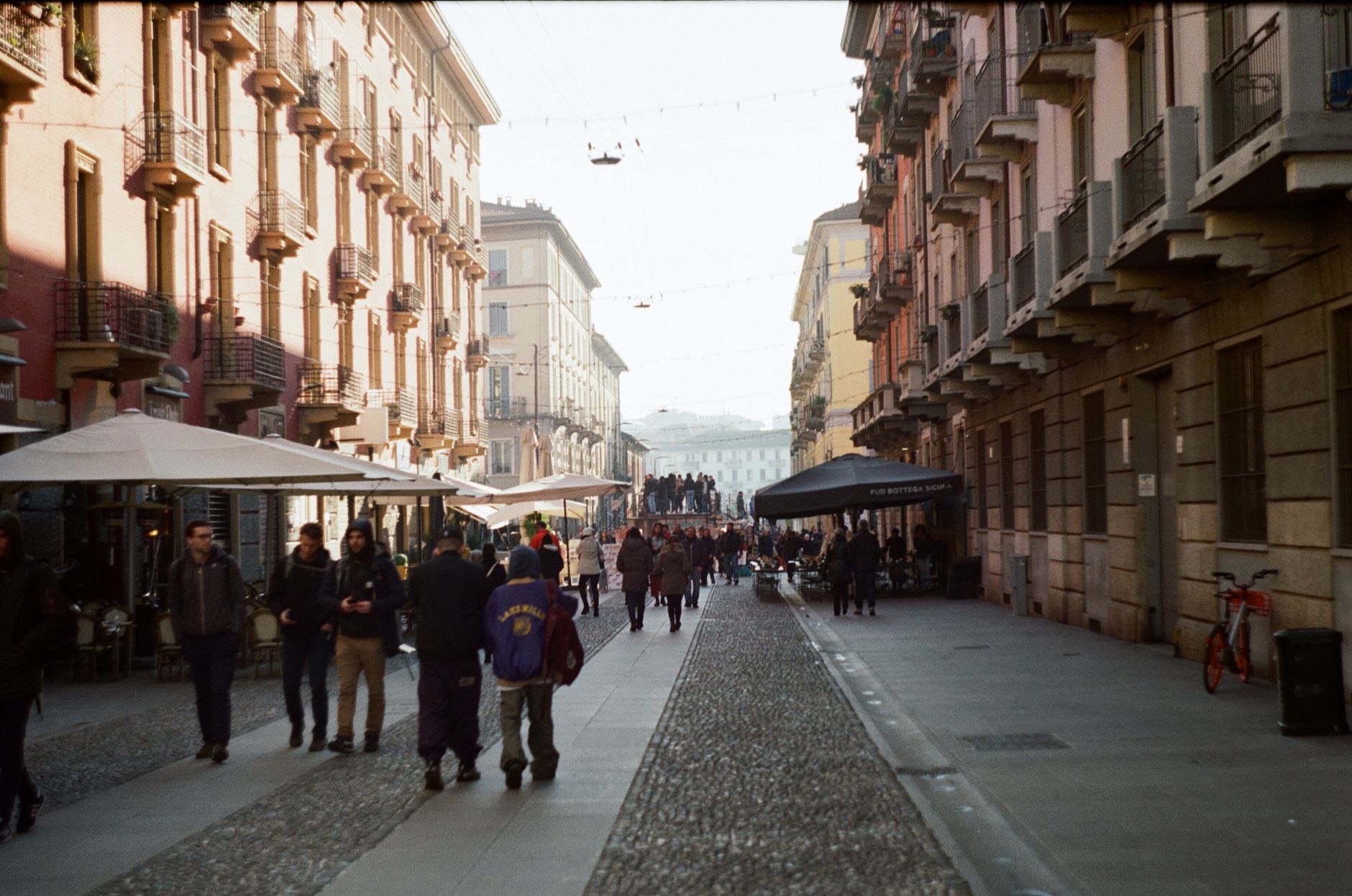
People who come back tend to stop underestimating the Navigli. The two canals — Naviglio Grande and Naviglio Pavese — are where the city exhales in the early evening, and the ritual is genuinely local. They also tend to add Mantua on a second trip: the Ducal Palace alone, sixth largest in Europe, takes a morning you won't regret.
Experiences you don't want to miss


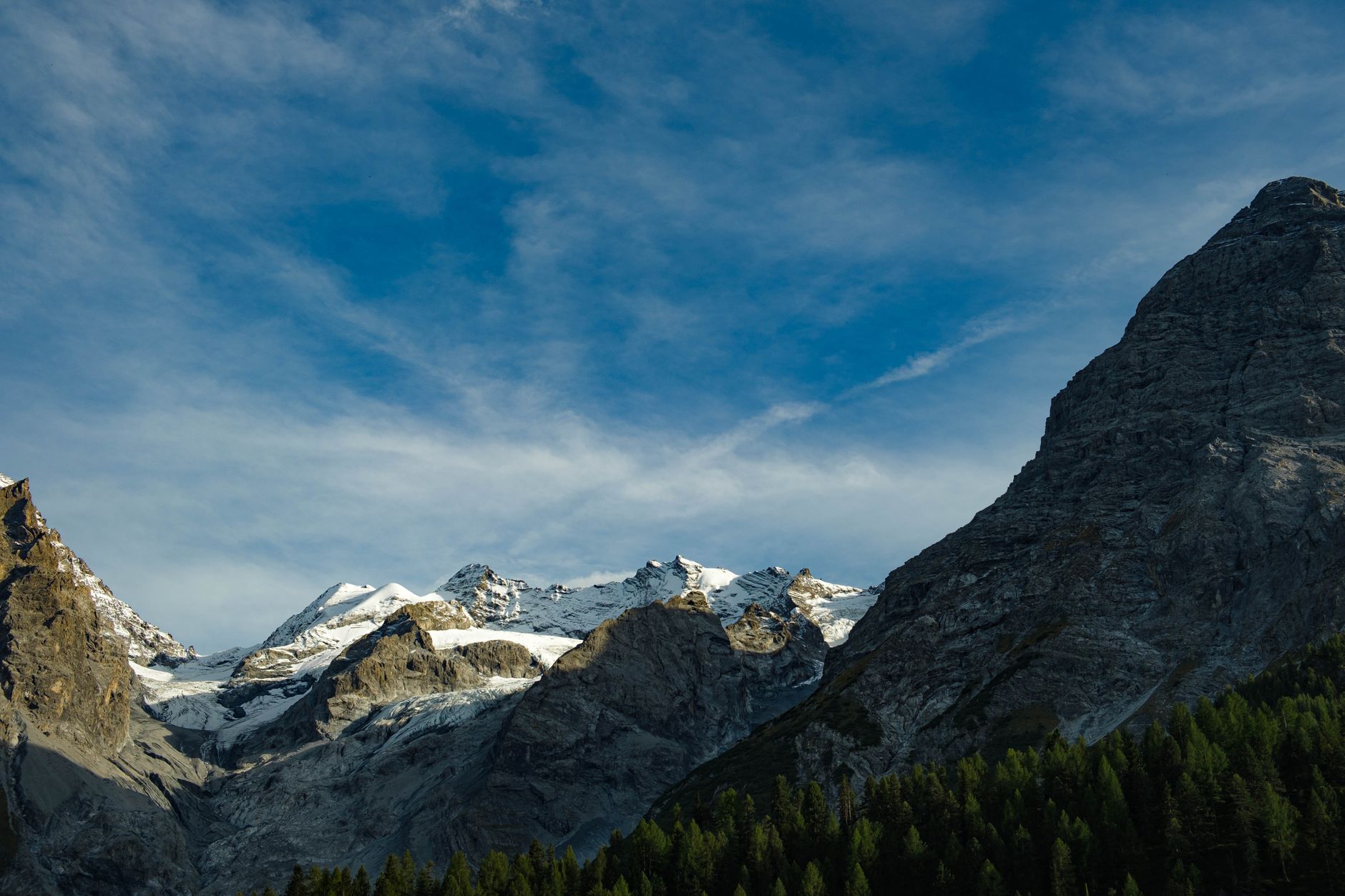
How Lombardy came to be
The region takes its name from the Lombards, a Germanic people who swept into northern Italy in 568 CE and set up their kingdom with Pavia as its capital. That kingdom lasted until 774, when Charlemagne took Pavia and folded the territory into his empire. Before the Lombards, Celtic peoples had settled here from the 5th century BCE; Rome absorbed the land after the Second Punic War, calling it Cisalpine Gaul.
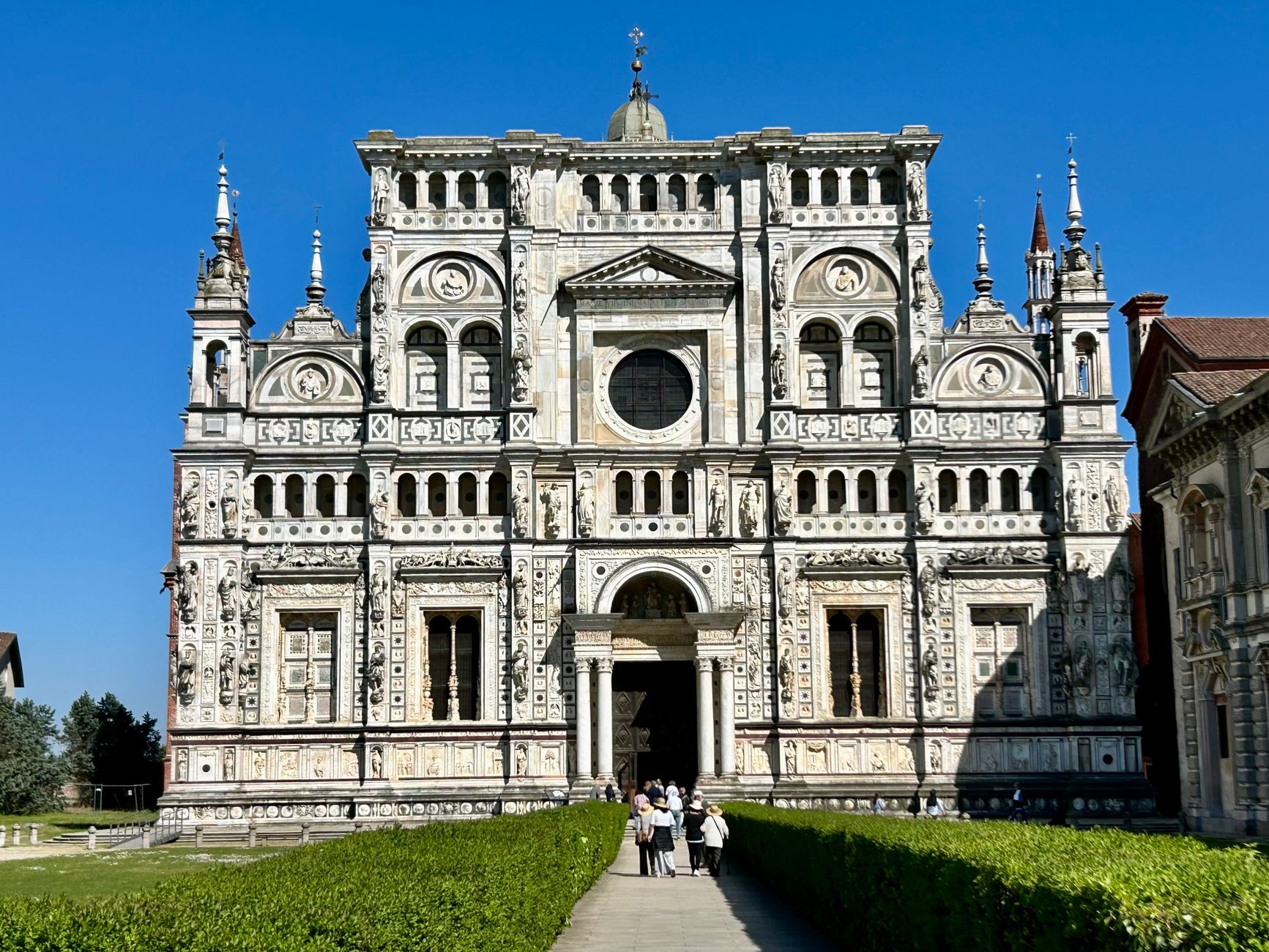
The medieval centuries brought the Visconti and Sforza dynasties to Milan and the Gonzaga to Mantua — families whose ambitions produced the Charterhouse of Pavia, the Ducal Palace, and the first stones of the Duomo. Spanish Habsburgs took the Duchy of Milan in 1535, Austrian Habsburgs in 1713, Napoleon briefly in 1796. Lombardy joined unified Italy in 1859.
Who and what shaped it
People who shaped it
Landmark buildings
See Lombardy in motion
Plan your visit
On the map
When to go
Winters run cold and often foggy, with Milan averaging around 3–4°C in January; summers are warm and humid, peaking near 27°C in July with a real chance of afternoon thunderstorms from May onward. Spring and early autumn are the most reliably pleasant seasons for moving around the region.
Right now
↡ Cities
No places match these filters.
Background & history adapted from Wikipedia (CC BY-SA) · specs from Wikidata (CC0) · weather from Open-Meteo · map data © OpenStreetMap contributors · photos from Wikimedia Commons / Unsplash with per-image credit. No third-party reviews or social posts reproduced.