
Pavia
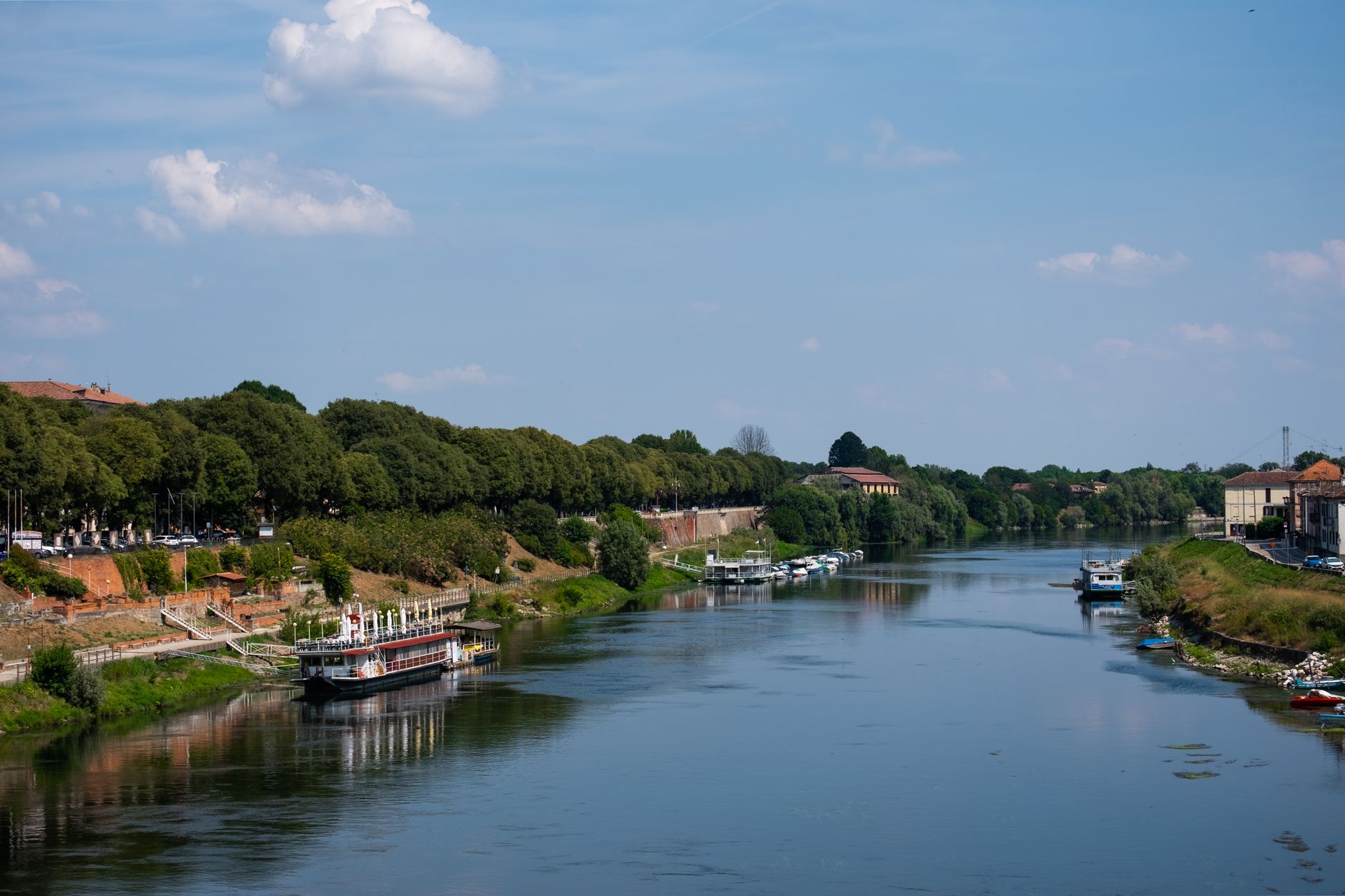
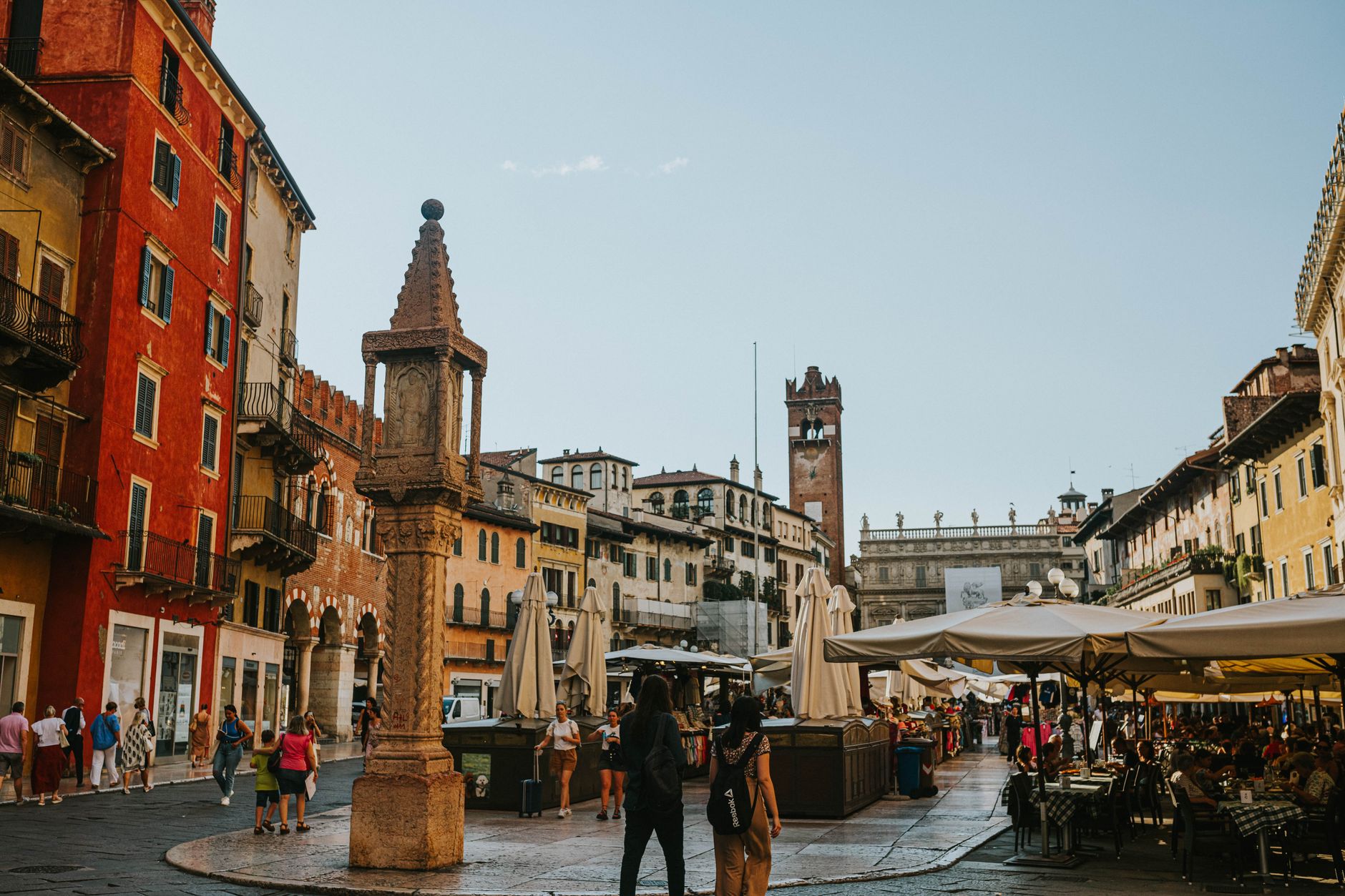
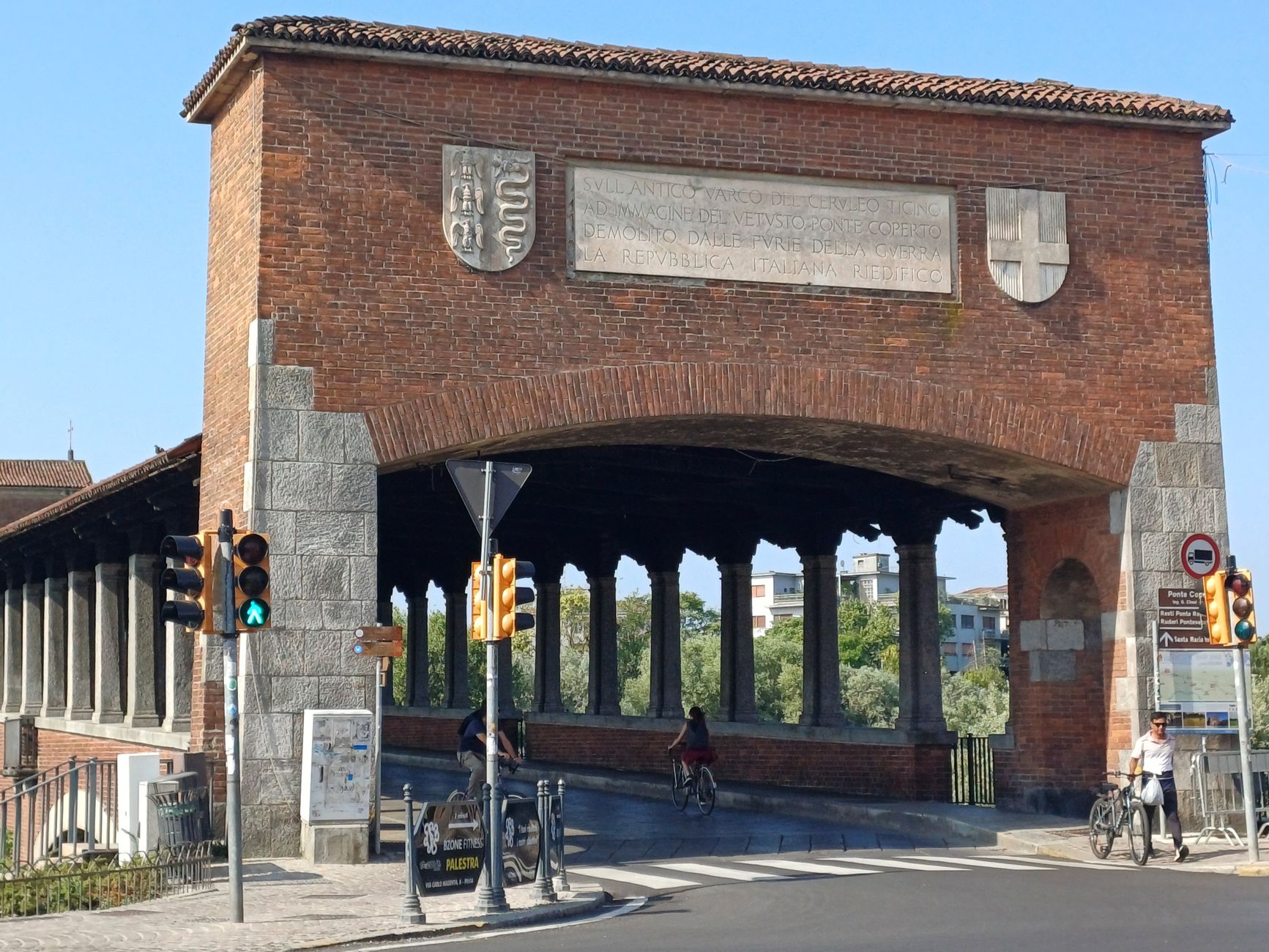
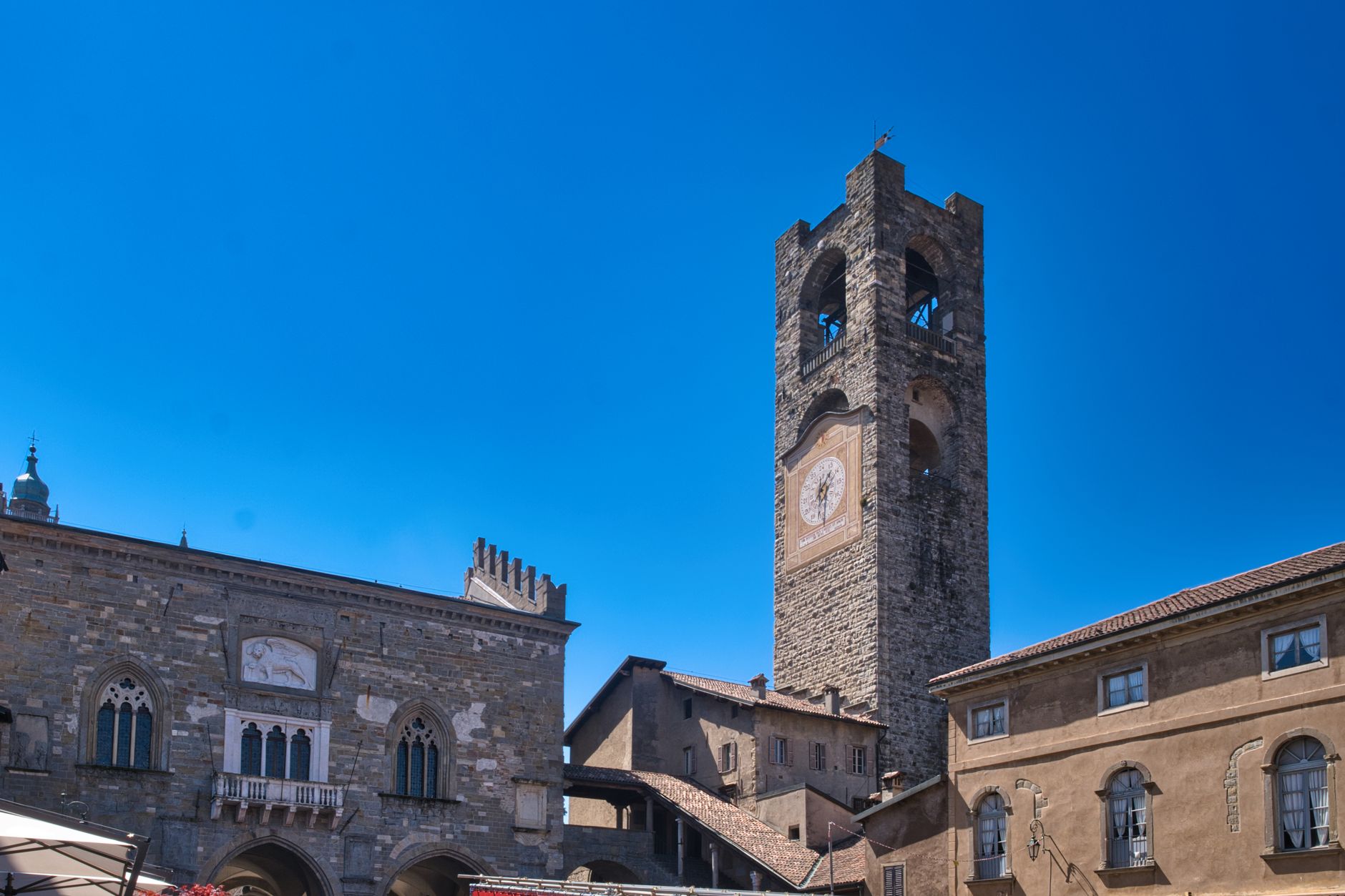
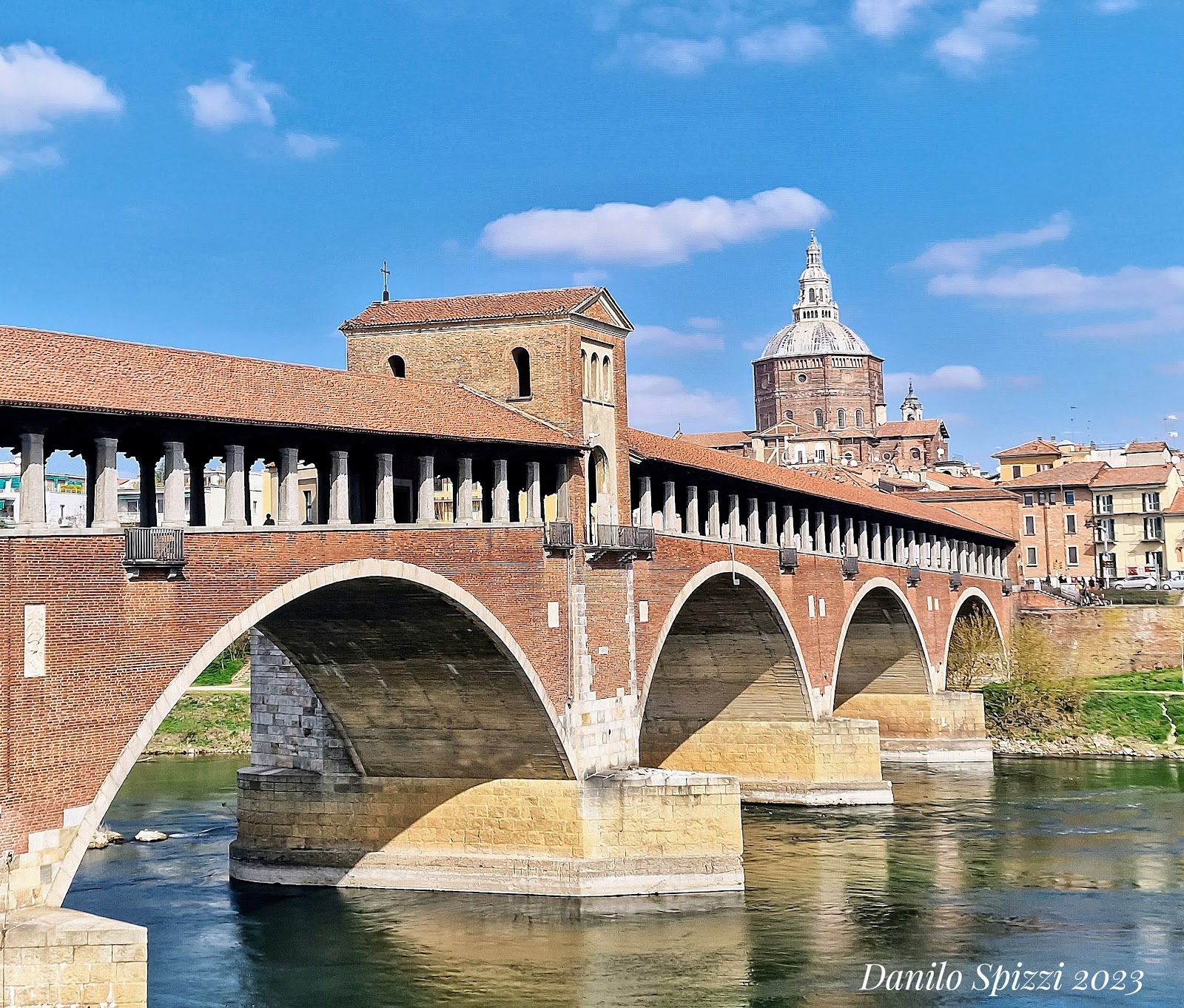
Pavia announces itself through towers. Of the hundred or so that once competed for the skyline, around sixty survive in some form — six of them fully intact — and they give the old town a jagged, medieval silhouette that catches you off guard after a flat train ride across the Po plain. The Ticino river runs along the southern edge, crossed by the Ponte Coperto, a stone-and-brick arch bridge rebuilt after the war on the medieval bones of a 1354 original.
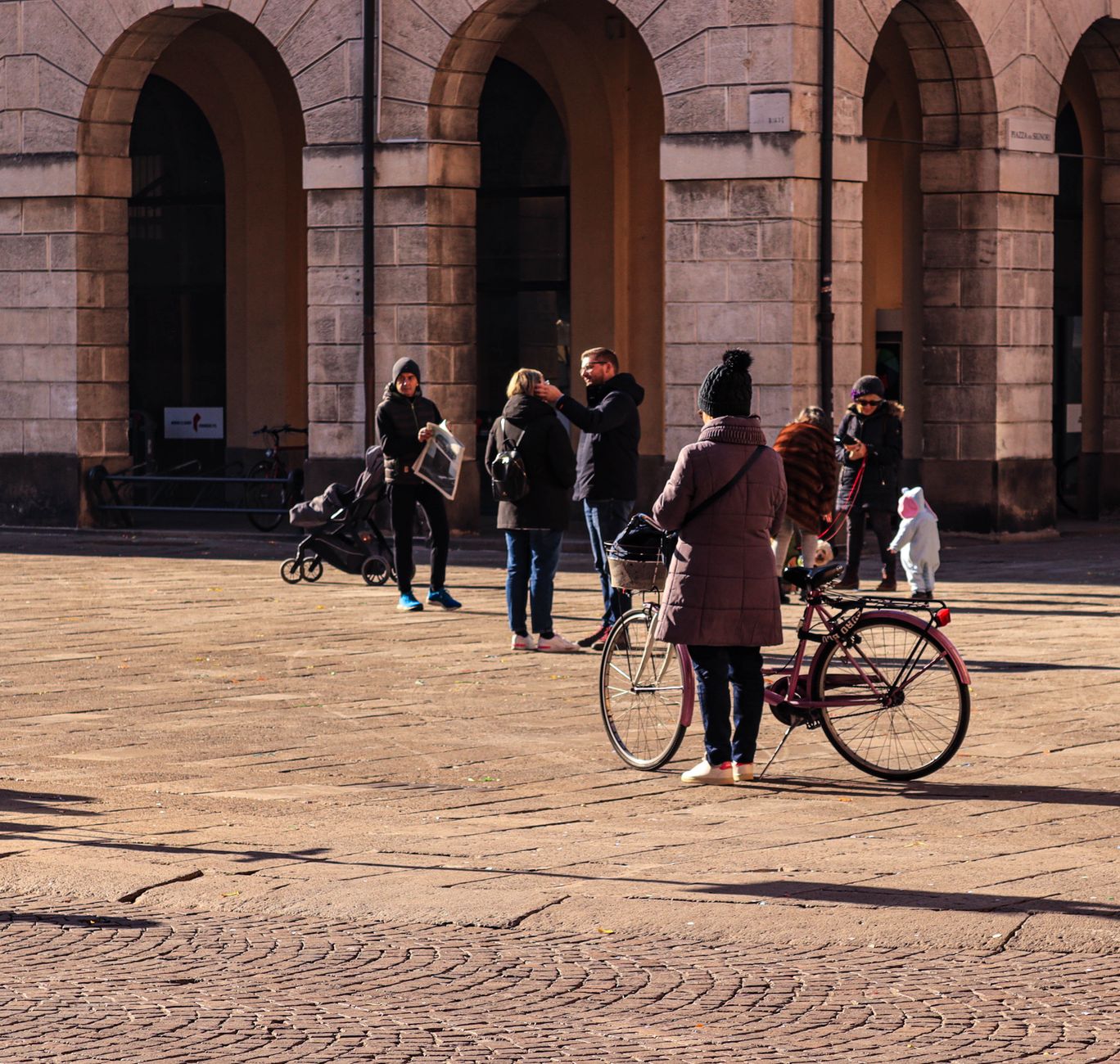
This is a university city — founded here in 1361 — and that fact shapes everything: the pace of the streets, the price of a coffee, the presence of students on bicycles weaving past Romanesque façades that have been standing since before the Renaissance existed as a concept.
💛 What travellers fall for
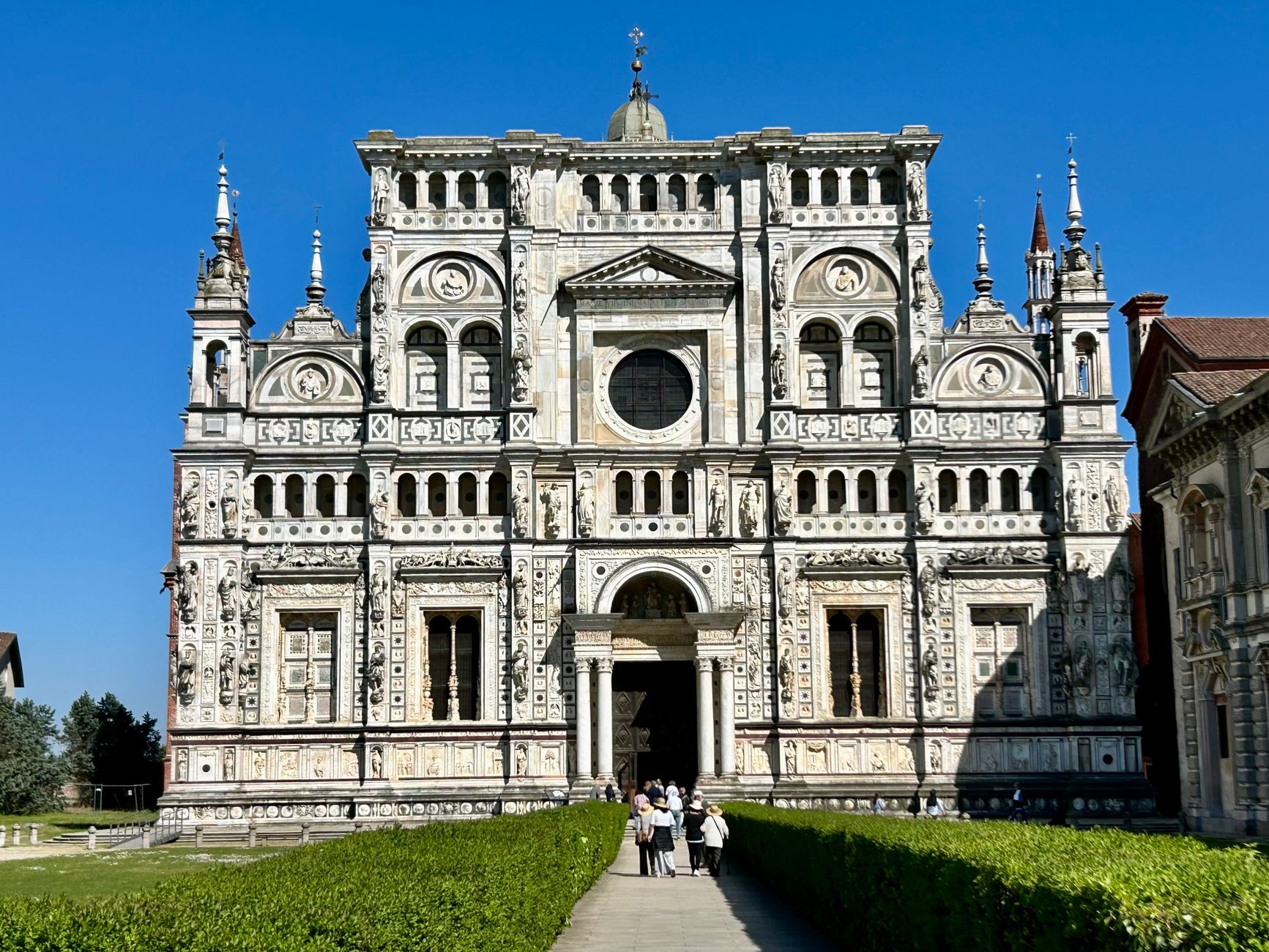
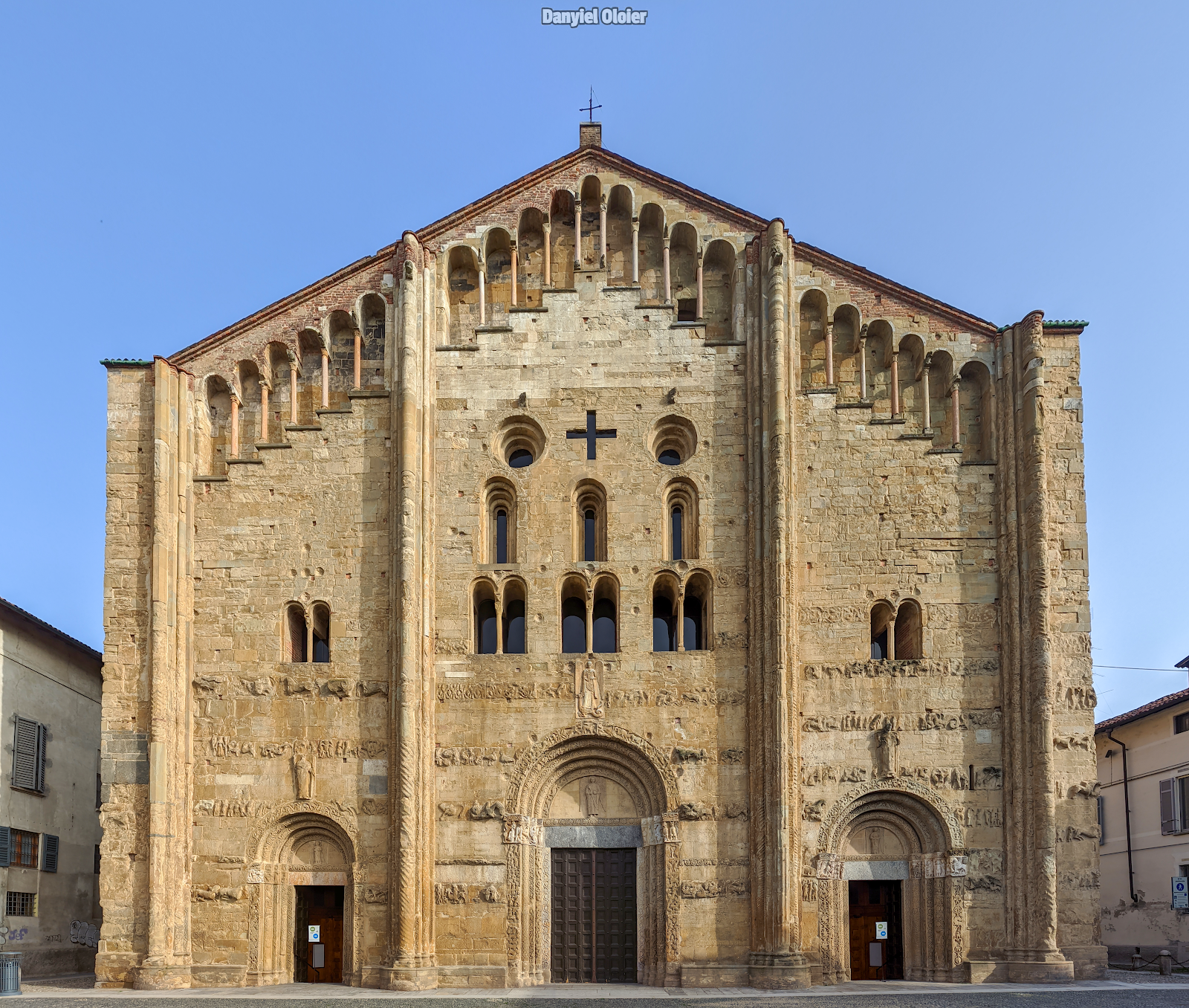
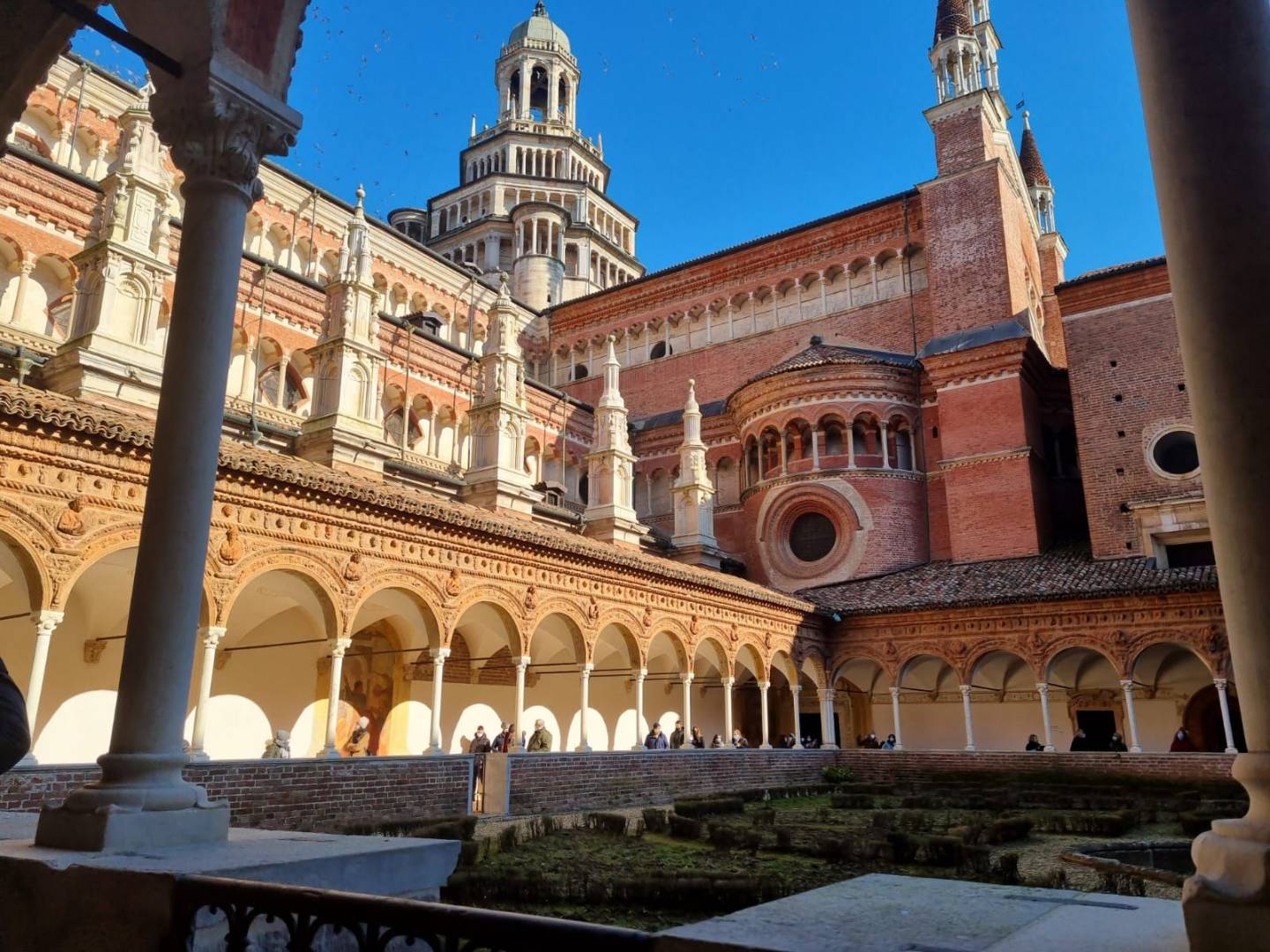
Return visitors tend to anchor the day at San Pietro in Ciel d'Oro before the tour groups arrive, then walk out to the Certosa di Pavia in the afternoon when the light hits the marble façade from a better angle. The car-free centre rewards slow circuits — the same street looks different the second time around.
Experiences you don't want to miss


Deals in Pavia
Book directly at the provider
How Pavia came to be
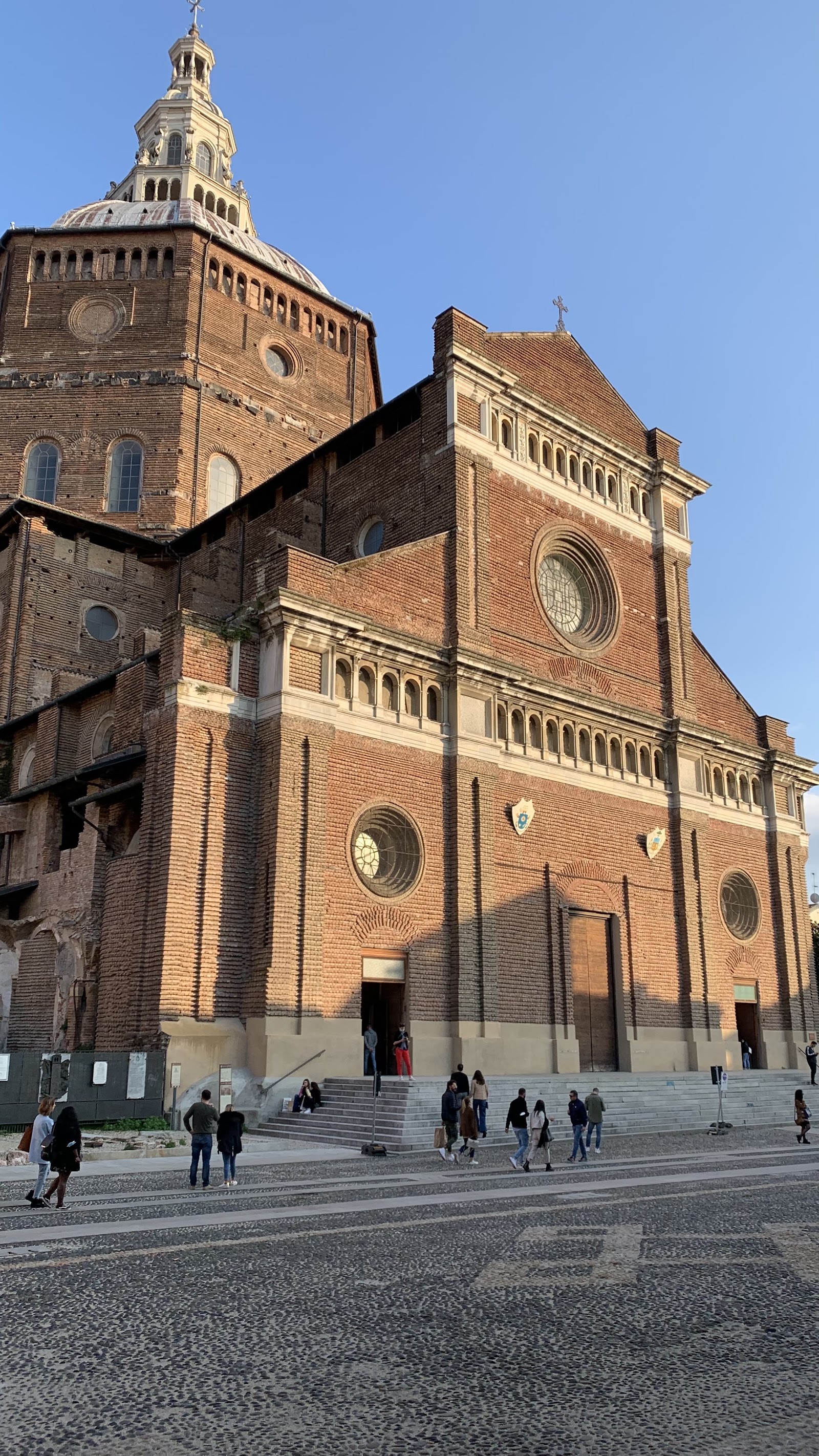
Rome absorbed this place as Ticinum around 220 BCE, but Pavia's defining chapter came later, when the Lombards made it capital of their kingdom from the 620s through the eleventh century. That long tenure as a seat of power explains the density of early medieval churches: San Michele Maggiore, consecrated in 1155 on seventh-century remains, is where the kings of Italy came to be crowned.
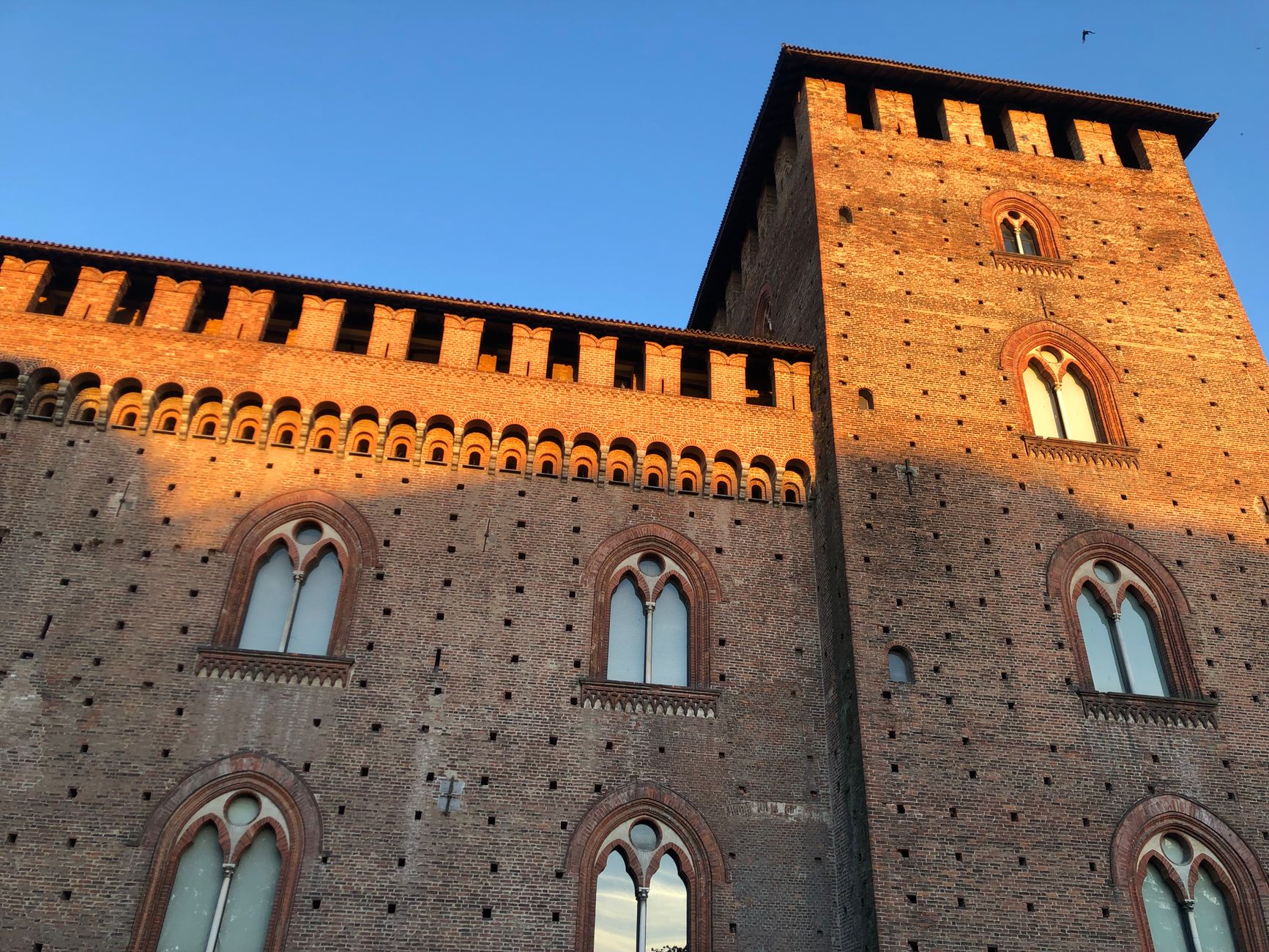
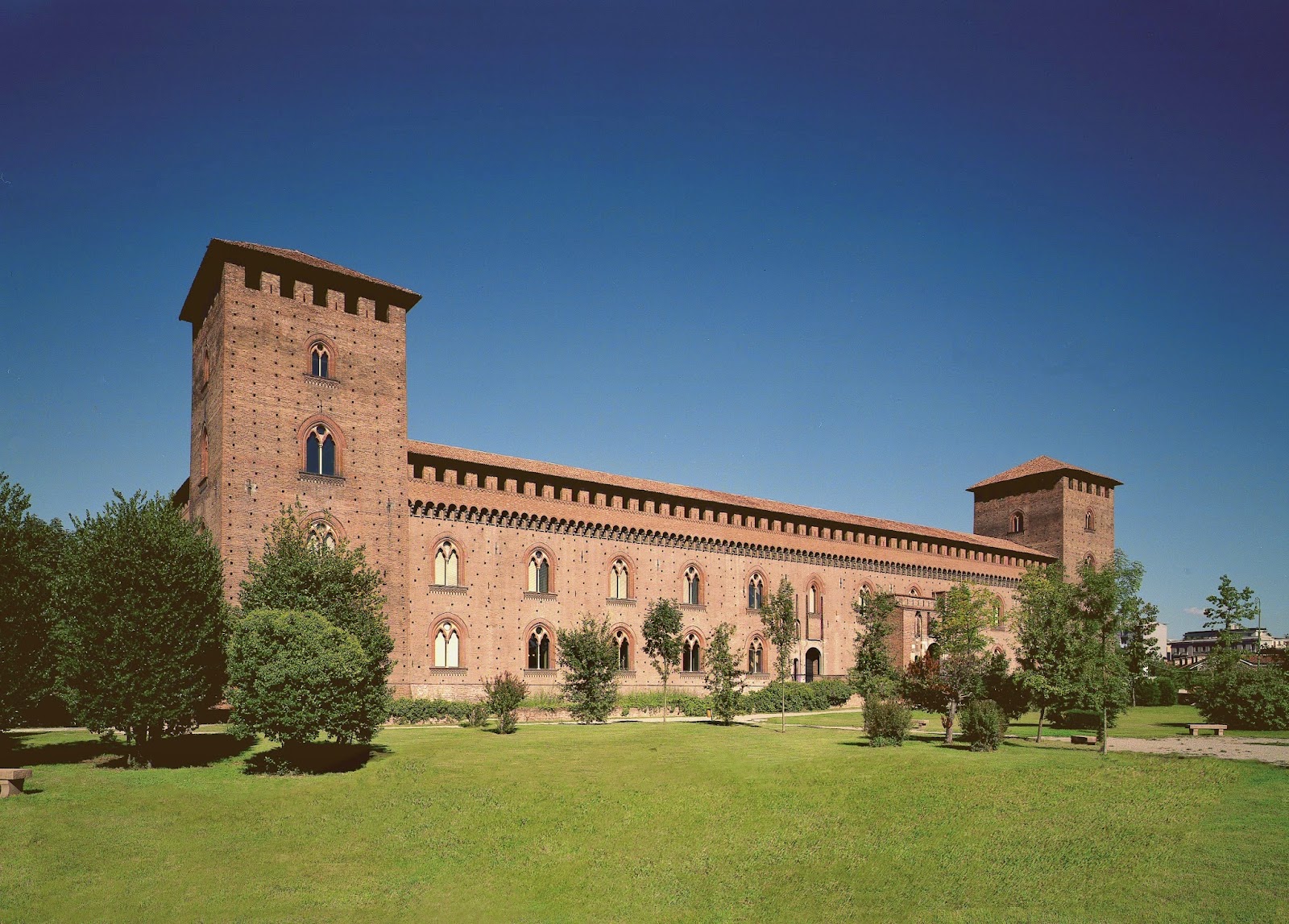
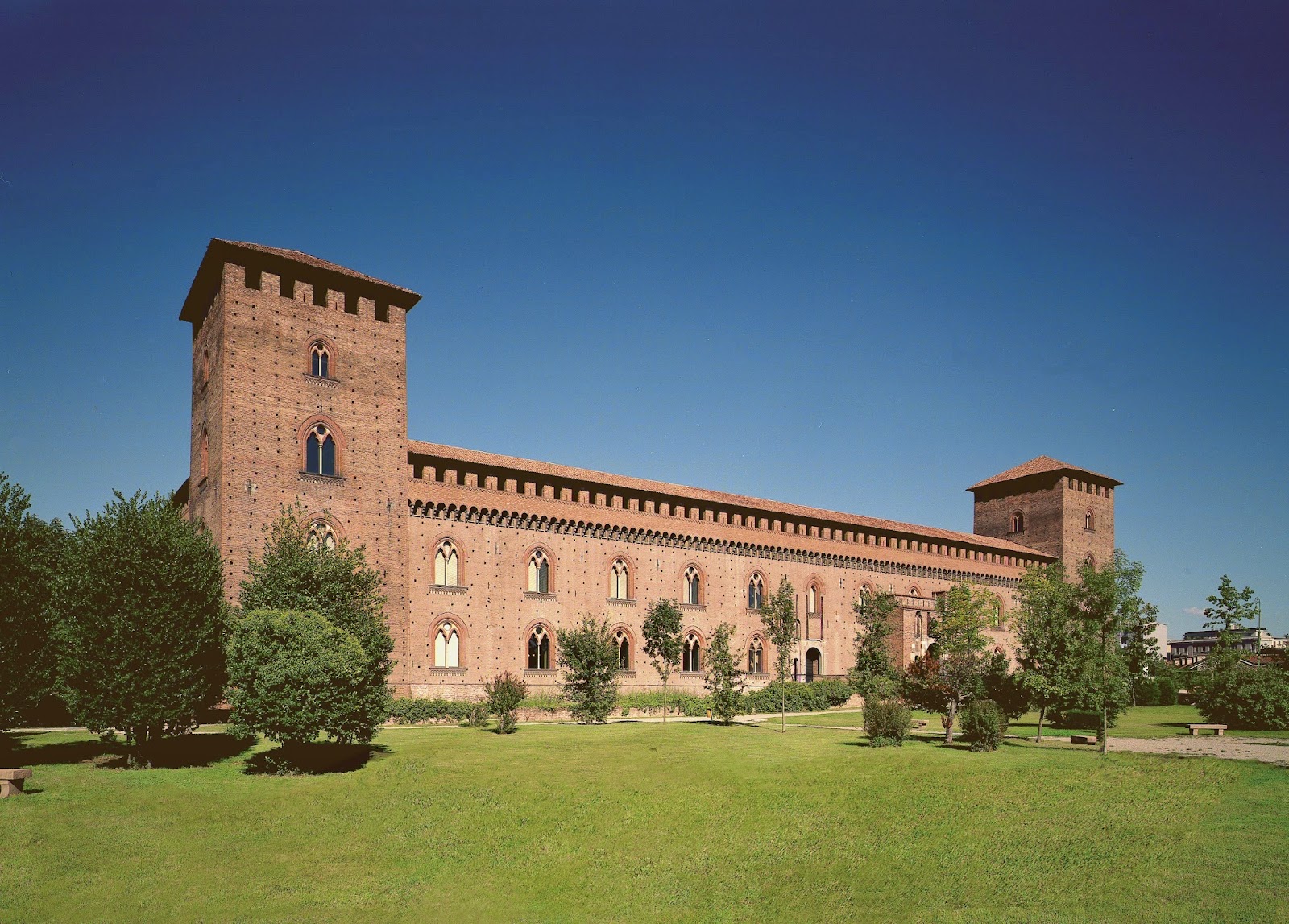
The Visconti dynasty left the next deep mark — the castle built between 1360 and 1365, the university founded by Gian Galeazzo II Visconti in 1361, and the Certosa begun in 1396. In 1525 the park north of the city became the site of the Battle of Pavia, where Holy Roman Emperor Charles V captured the French king Francis I — one of the battles that reshuffled the map of Renaissance Europe.
Who and what shaped it
People who shaped it
Landmark buildings
See Pavia in motion
Plan your visit
On the map
When to go
Winters are cold and often foggy, the damp rising off the Po plain in a way that softens the towers into grey shapes. Summers push past 30°C with real humidity. The shoulder months — April to June and September to October — give you warm days and evenings cool enough to want a layer after dinner.
Right now
↡ Attractions



Background & history adapted from Wikipedia (CC BY-SA) · specs from Wikidata (CC0) · weather from Open-Meteo · map data © OpenStreetMap contributors · photos from Wikimedia Commons / Unsplash with per-image credit. No third-party reviews or social posts reproduced.