
Brescia
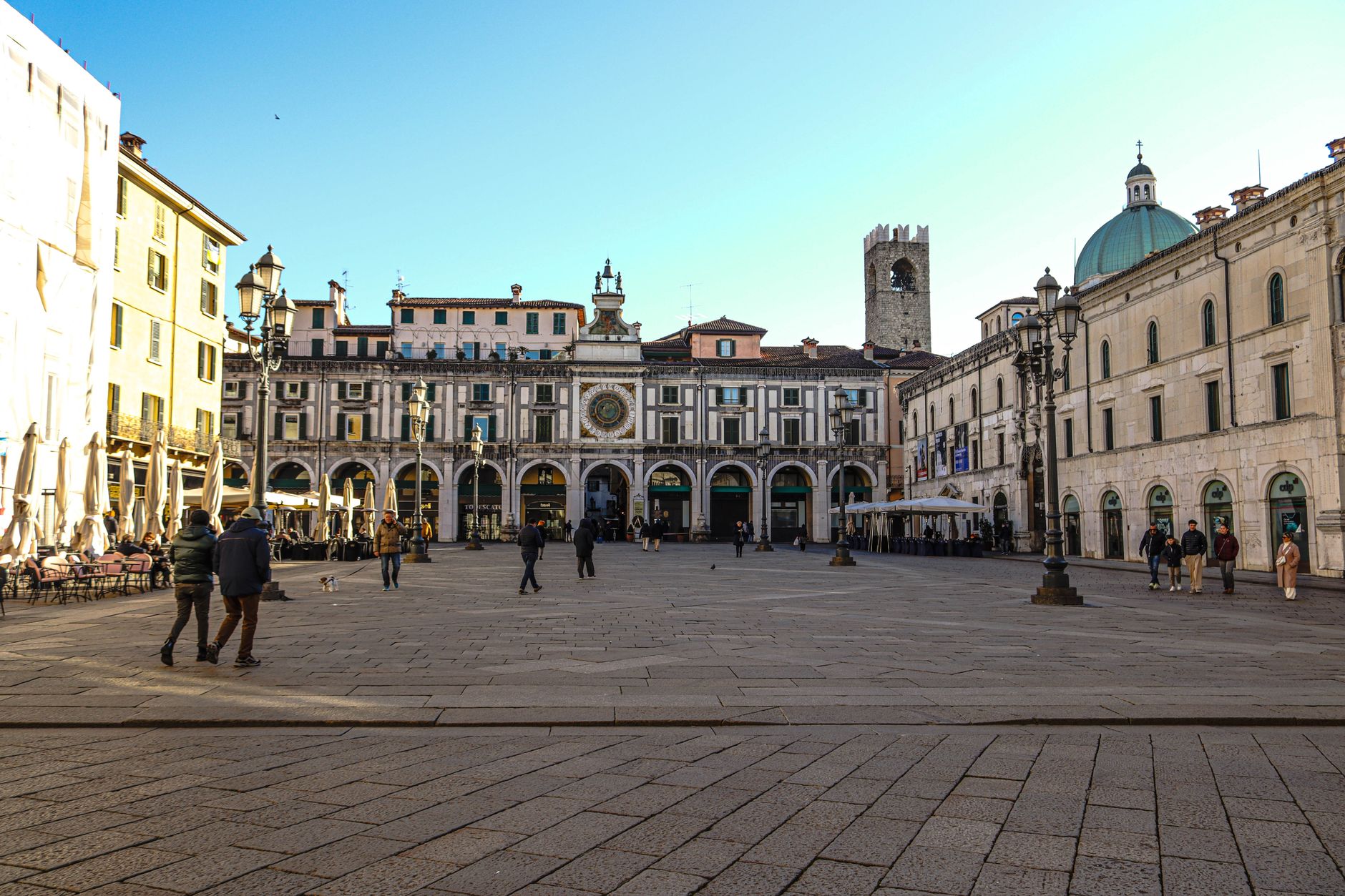
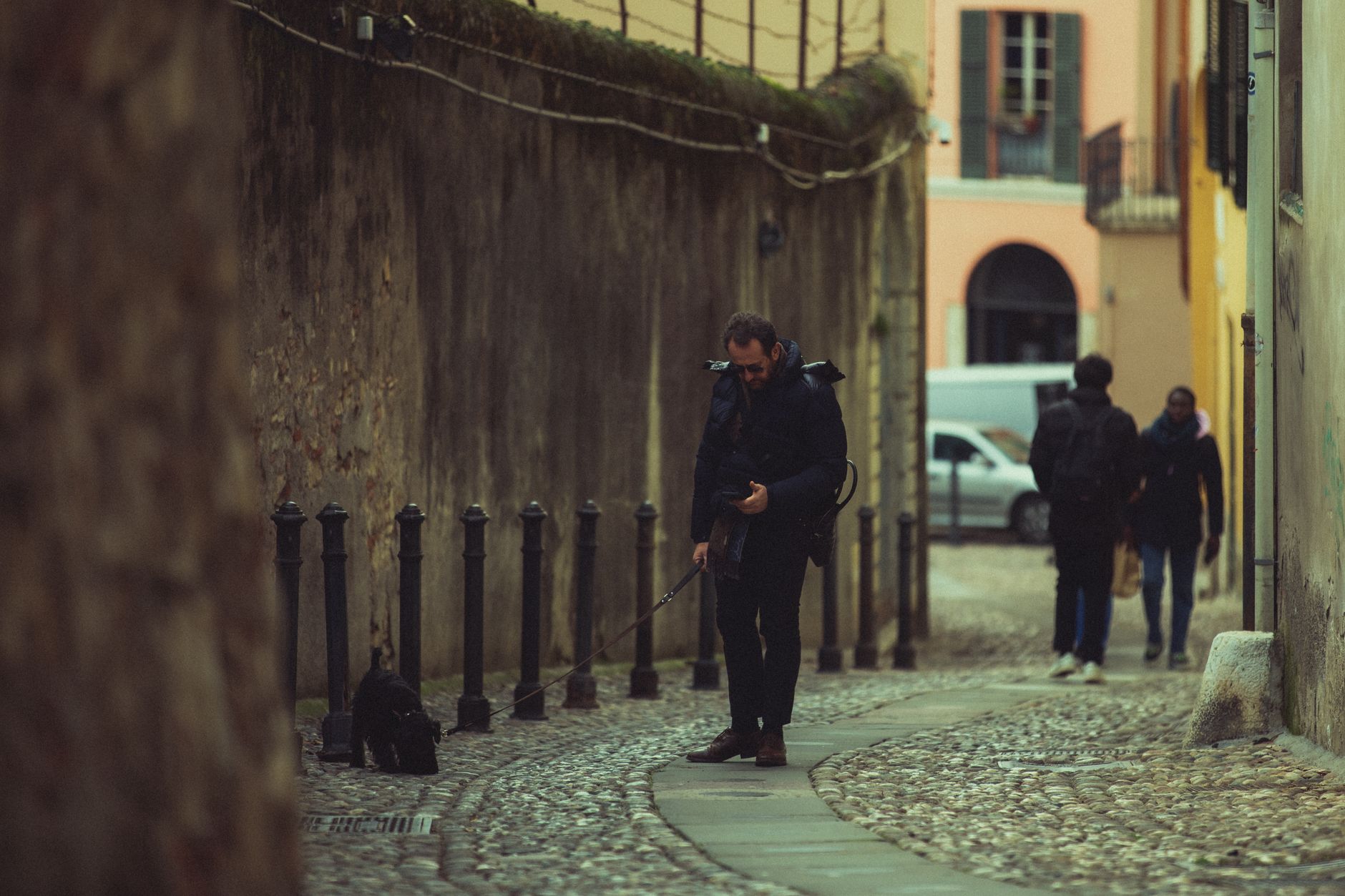
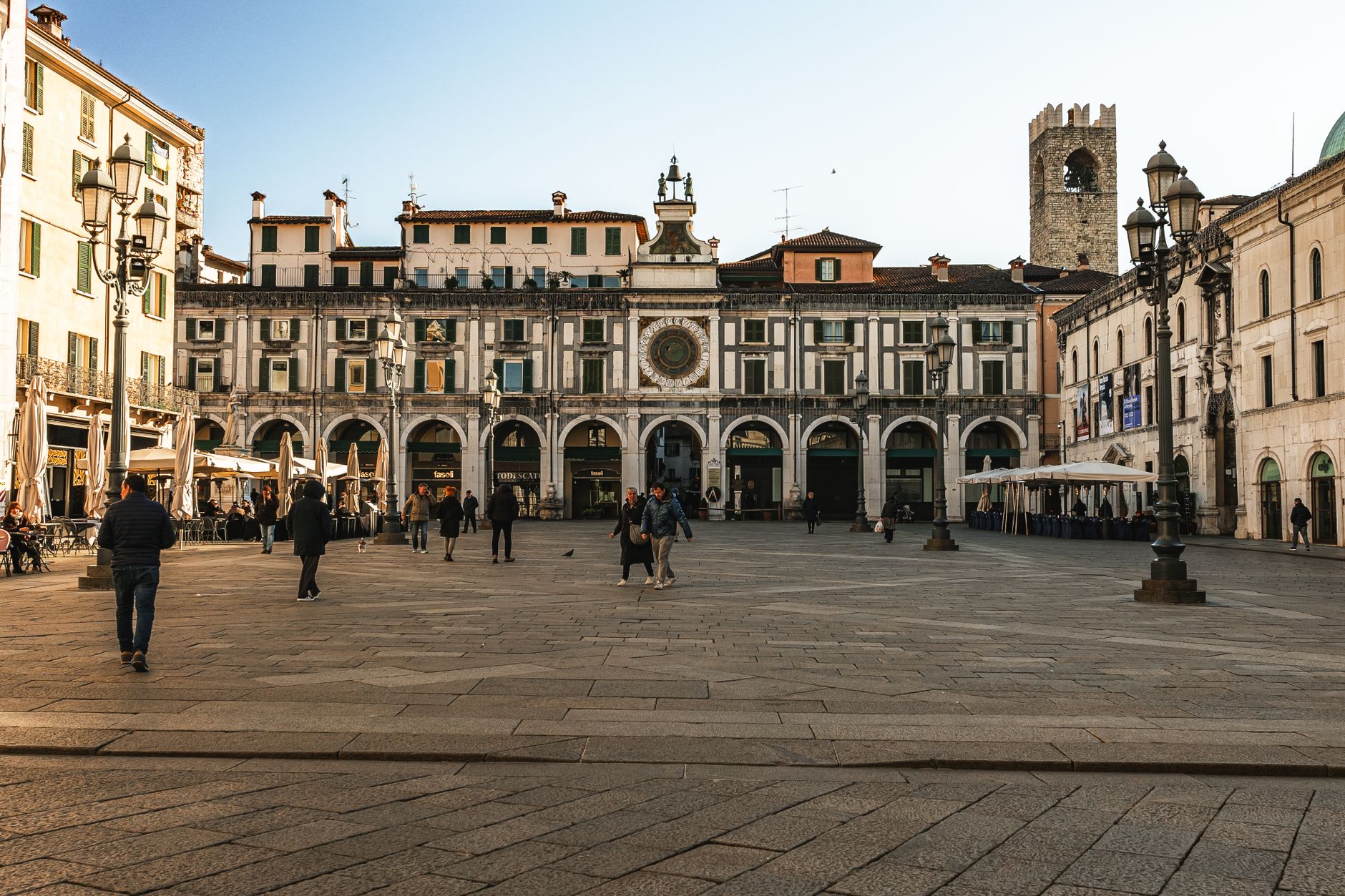
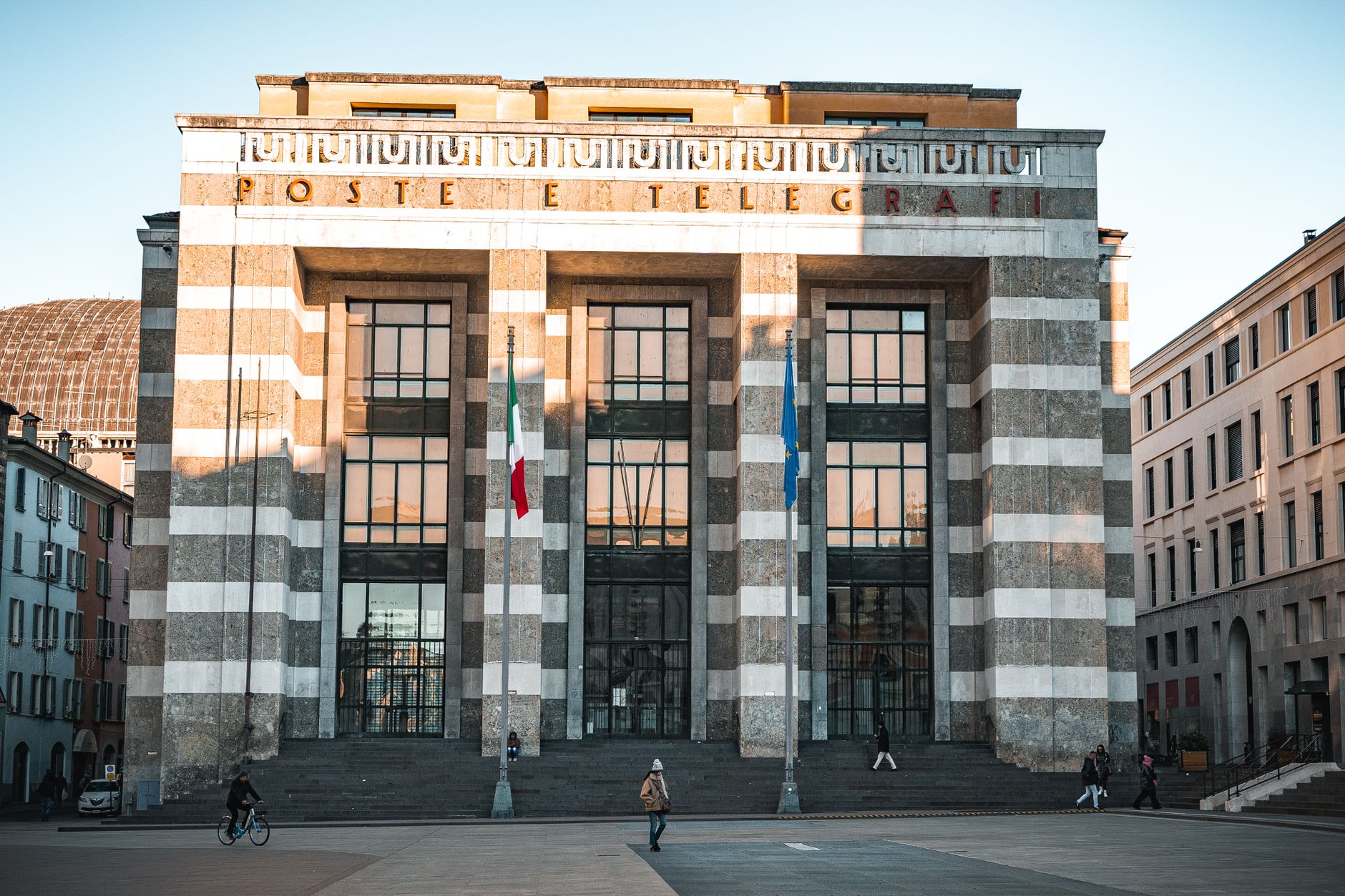
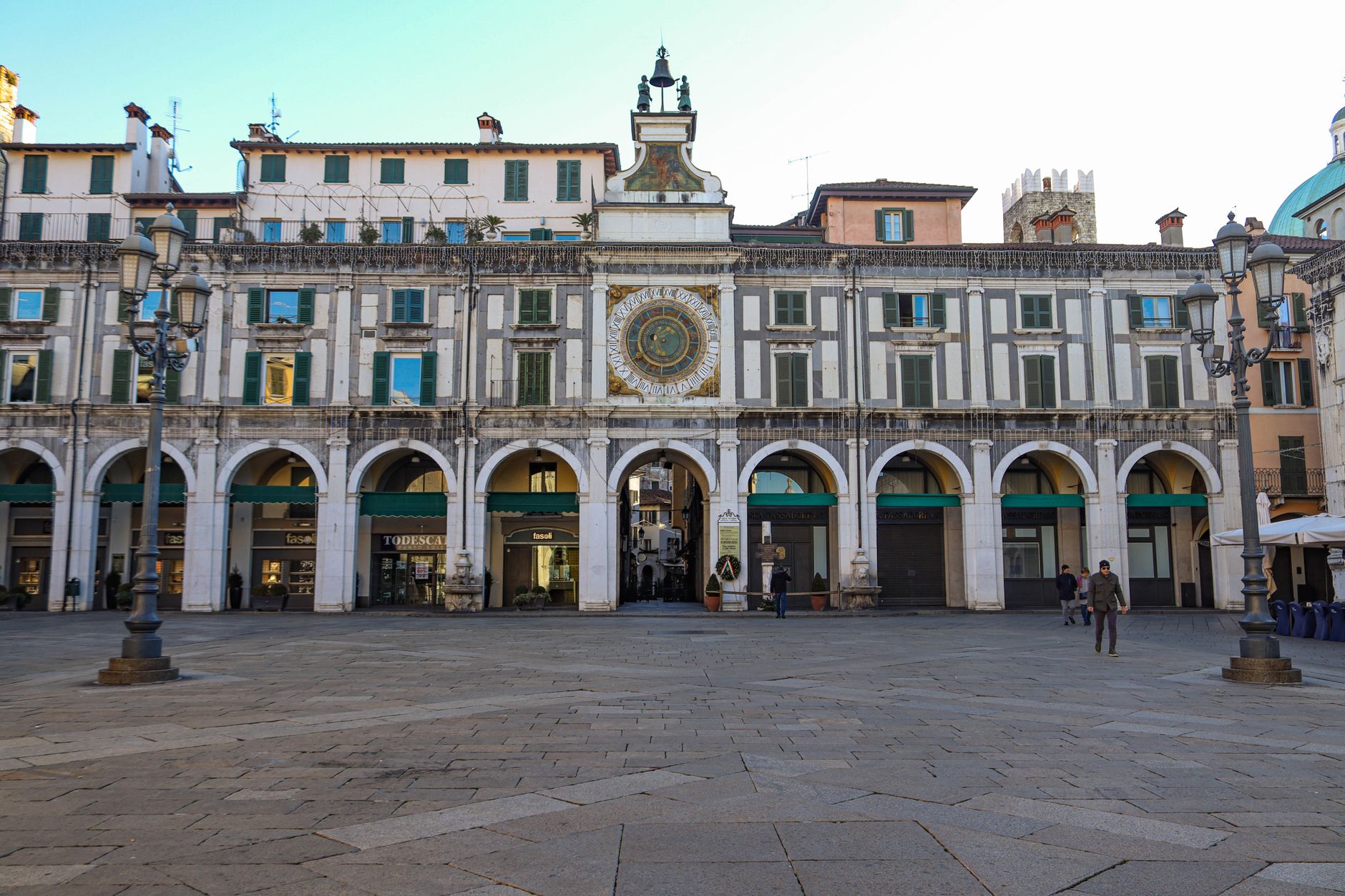
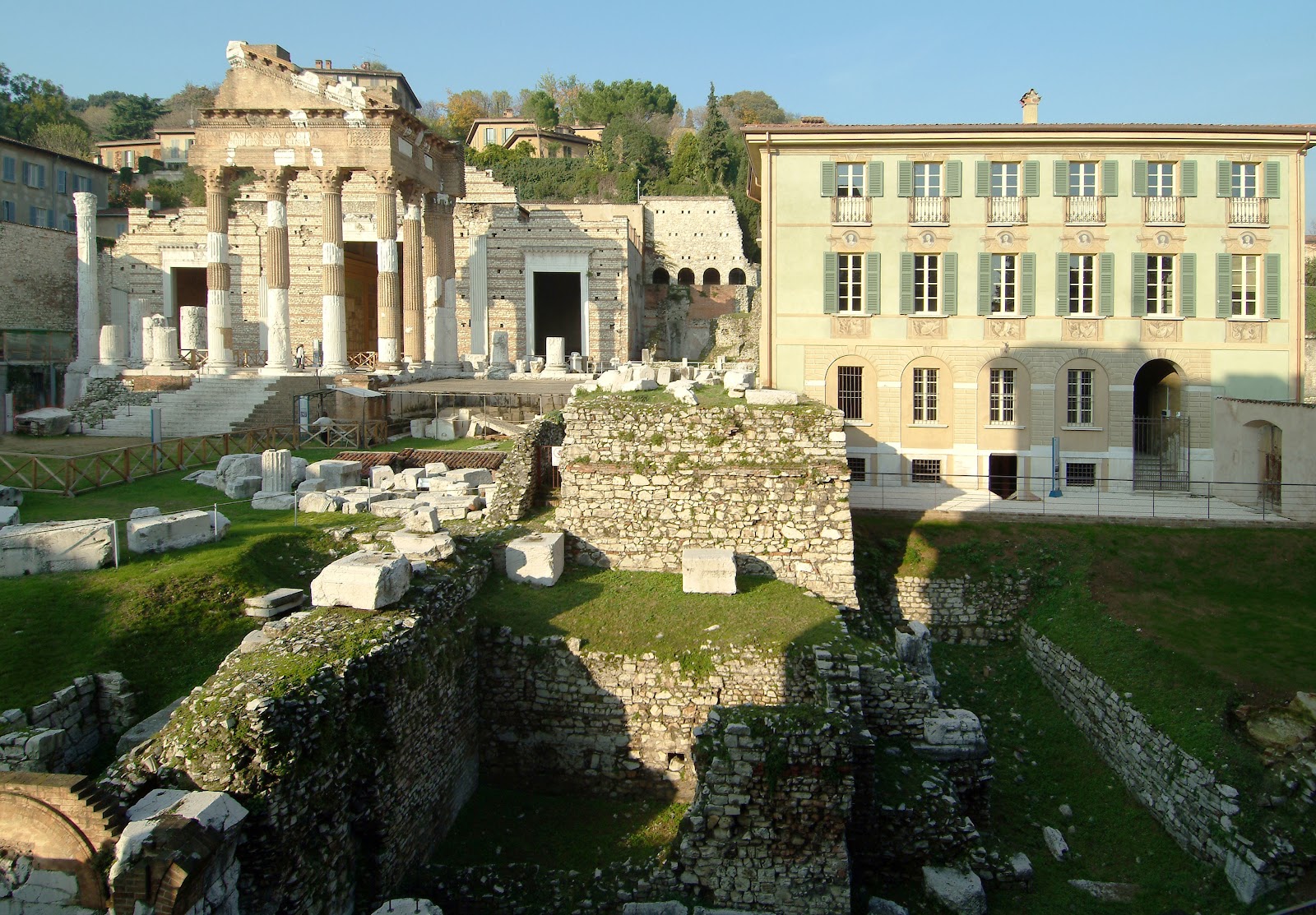
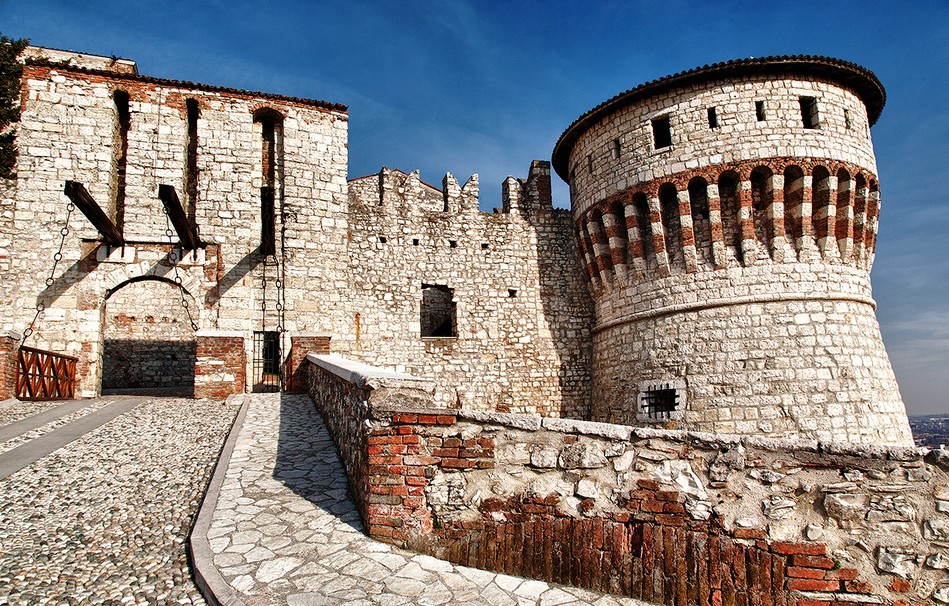
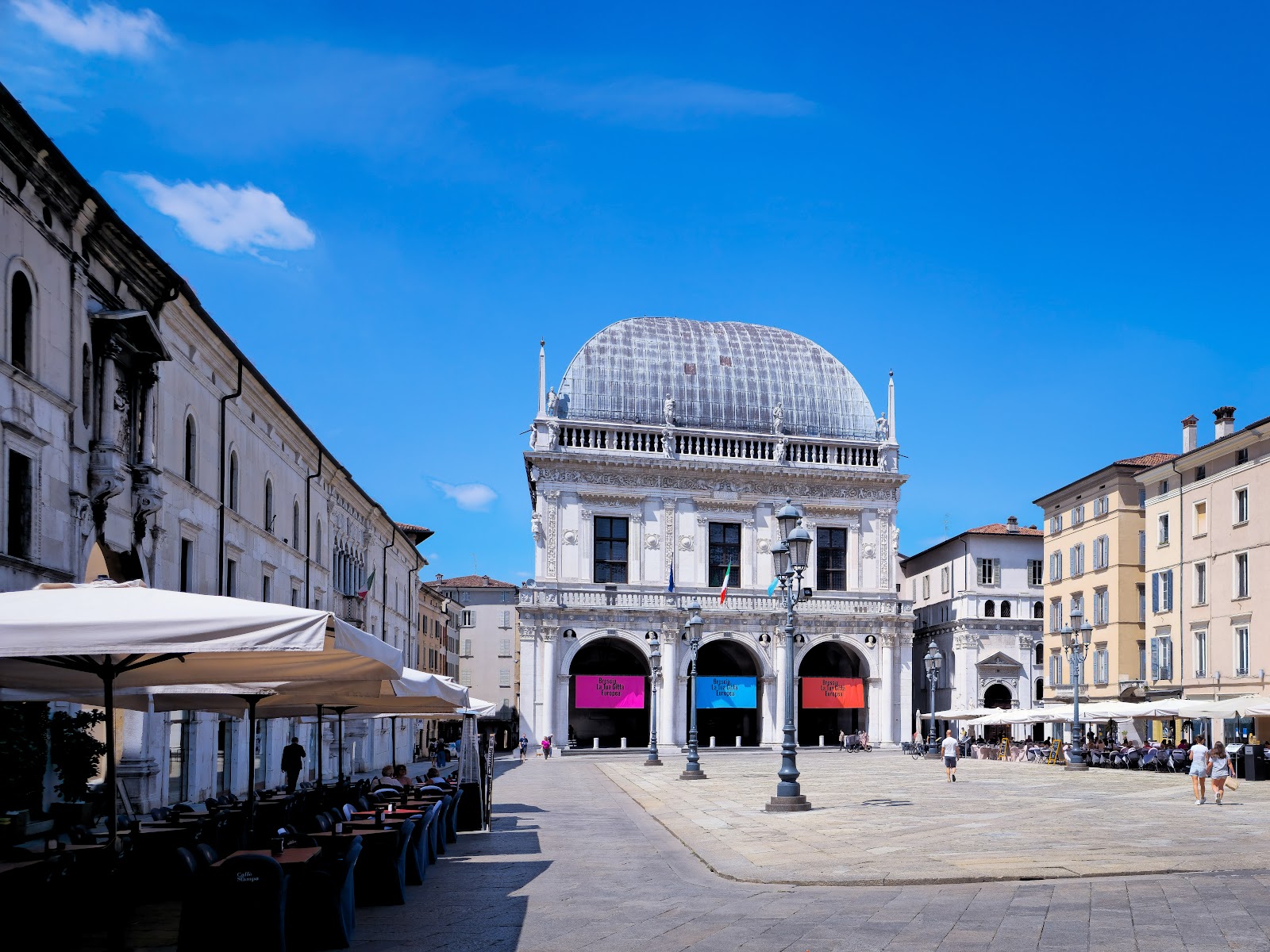
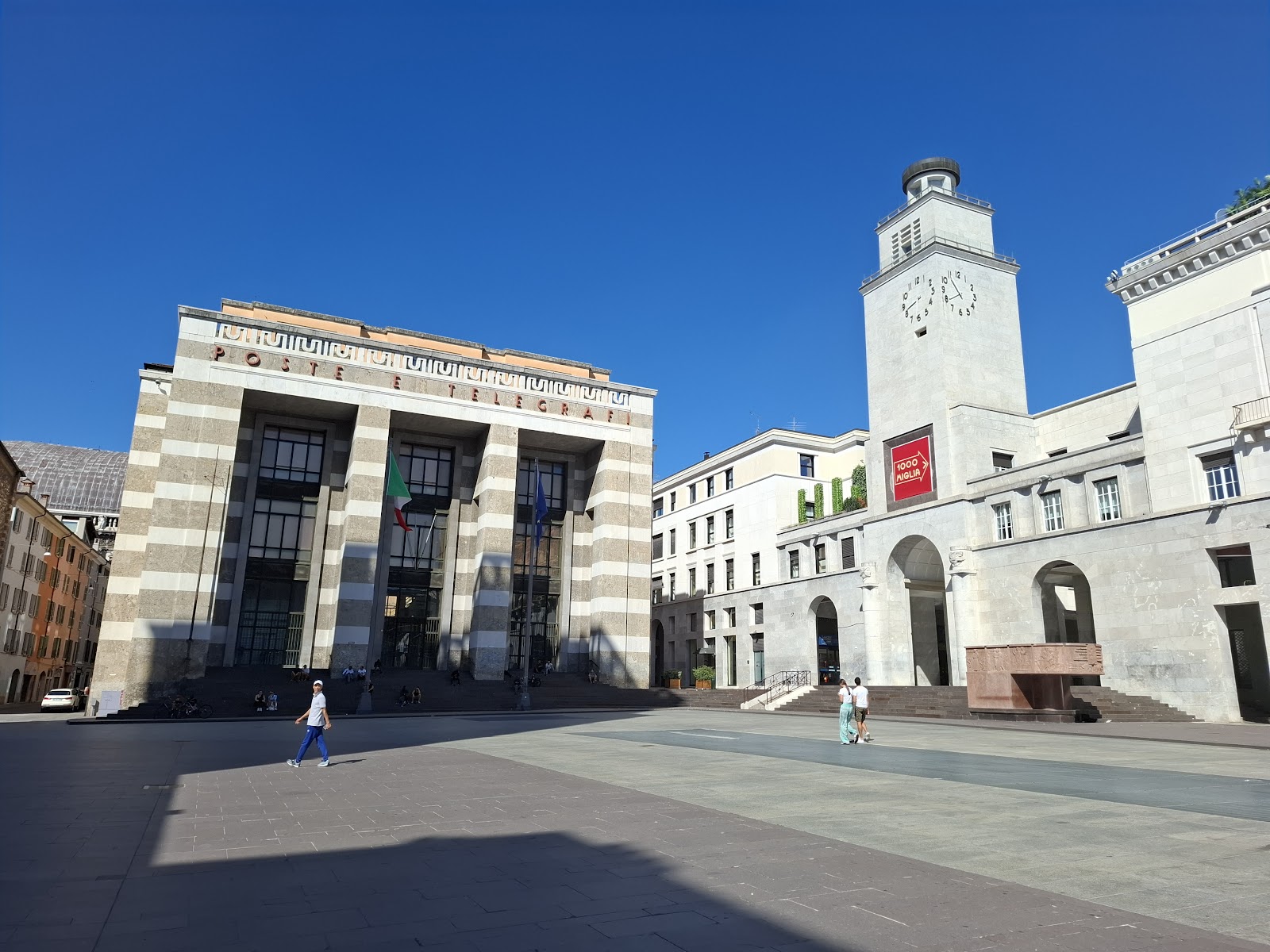
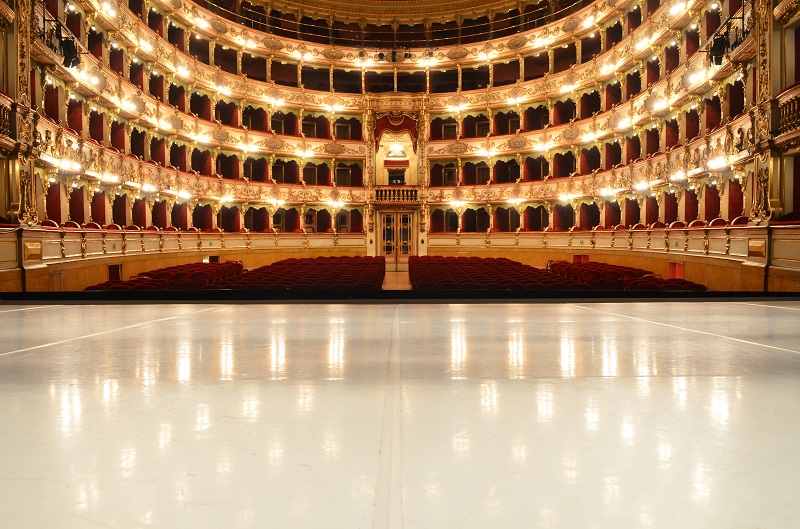
Brescia announces itself with Roman stone underfoot and a medieval skyline above — two cathedrals sharing the same piazza, a Venetian loggia on one side, a 2,000-year-old temple on the other. This is a city that has been continuously important for over three millennia, from its origins as a Cenomani Gaul capital to four centuries inside the Venetian Republic, and it wears that accumulation without fuss.
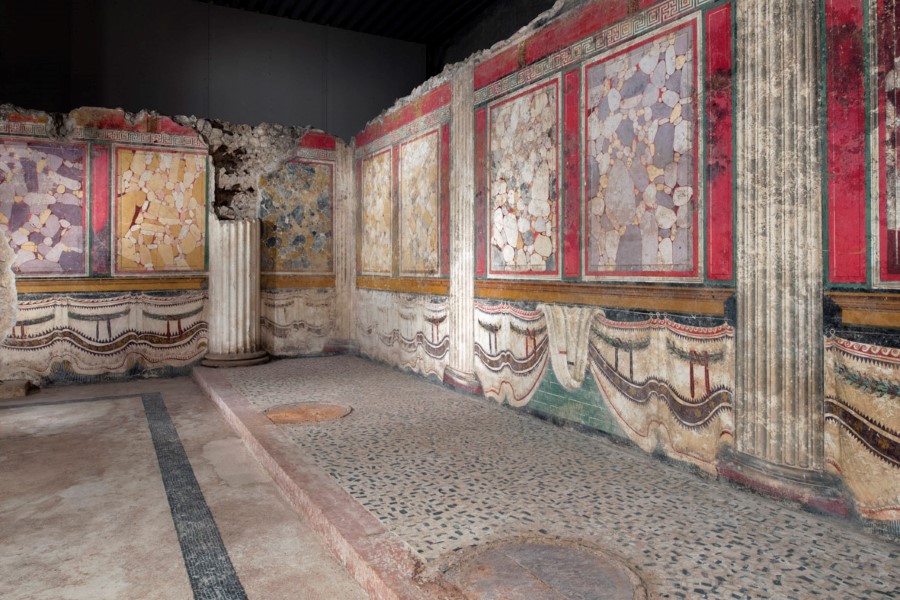
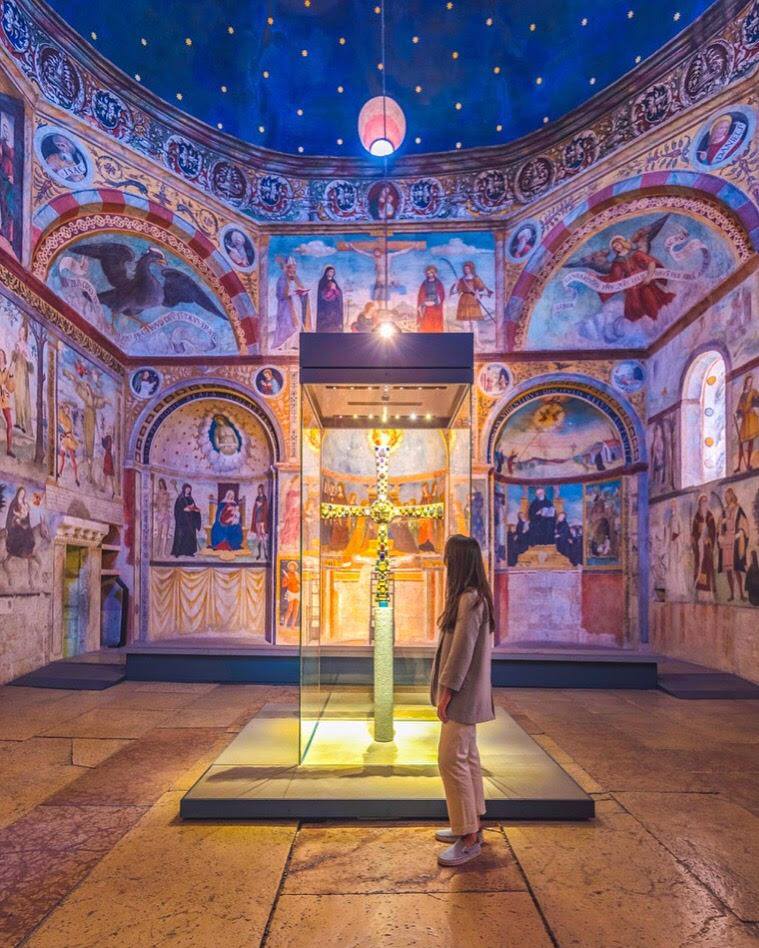
Most visitors pass through on the way to the lakes. That's their loss and, quietly, your advantage. The centro storico is compact enough to walk end to end in a morning, yet the Santa Giulia Museum alone — a UNESCO-listed monastic complex sitting on Lombard foundations — could take up an entire afternoon without any sense of rushing.
💛 What travellers fall for
People who come back tend to mention Corso Zanardelli, where the evening passeggiata still happens without any tourist audience to perform for. They also mention the Winged Victory — the bronze Roman figure found in 1826 inside the Capitoline Temple — which is smaller and stranger in person than any photograph suggests.
Experiences you don't want to miss


Deals in Brescia
Book directly at the provider


How Brescia came to be
Brescia's recorded past begins around 1200 BC, with the earliest settlement attributed to Ligurian peoples. By the fourth century BC the Cenomani Gauls had made it their capital. Rome absorbed it, and Emperor Vespasian built the Capitoline Temple here in 73 CE — it still stands. Attila plundered the city in 452; the Lombards made it a duchy seat; and from 1426 it spent the better part of four centuries inside the Venetian Republic, which left its mark on the architecture of Piazza della Loggia.
The Broletto Palace, begun in 1187, is the oldest public building in the city. Beside it, two cathedrals occupy the same square: the circular Duomo Vecchio, built from the eleventh century on the bones of a Paleochristian basilica, and the Baroque New Duomo, whose Botticino marble dome — 80 metres high — is the third tallest in Italy. On 28 May 1974, a bomb in Piazza della Loggia killed eight people during a trade-union rally, a wound the city has not forgotten.
Who and what shaped it
People who shaped it
Landmark buildings
See Brescia in motion
Plan your visit
On the map
When to go
Brescia runs continental: January averages around 2.5 °C, July around 24.5 °C with humidity that makes the heat feel heavier than the number suggests. Spring and early autumn give you mild days and manageable crowds, though both seasons carry a reasonable chance of rain.
Right now
↡ Attractions




Background & history adapted from Wikipedia (CC BY-SA) · specs from Wikidata (CC0) · weather from Open-Meteo · map data © OpenStreetMap contributors · photos from Wikimedia Commons / Unsplash with per-image credit. No third-party reviews or social posts reproduced.