
Varese
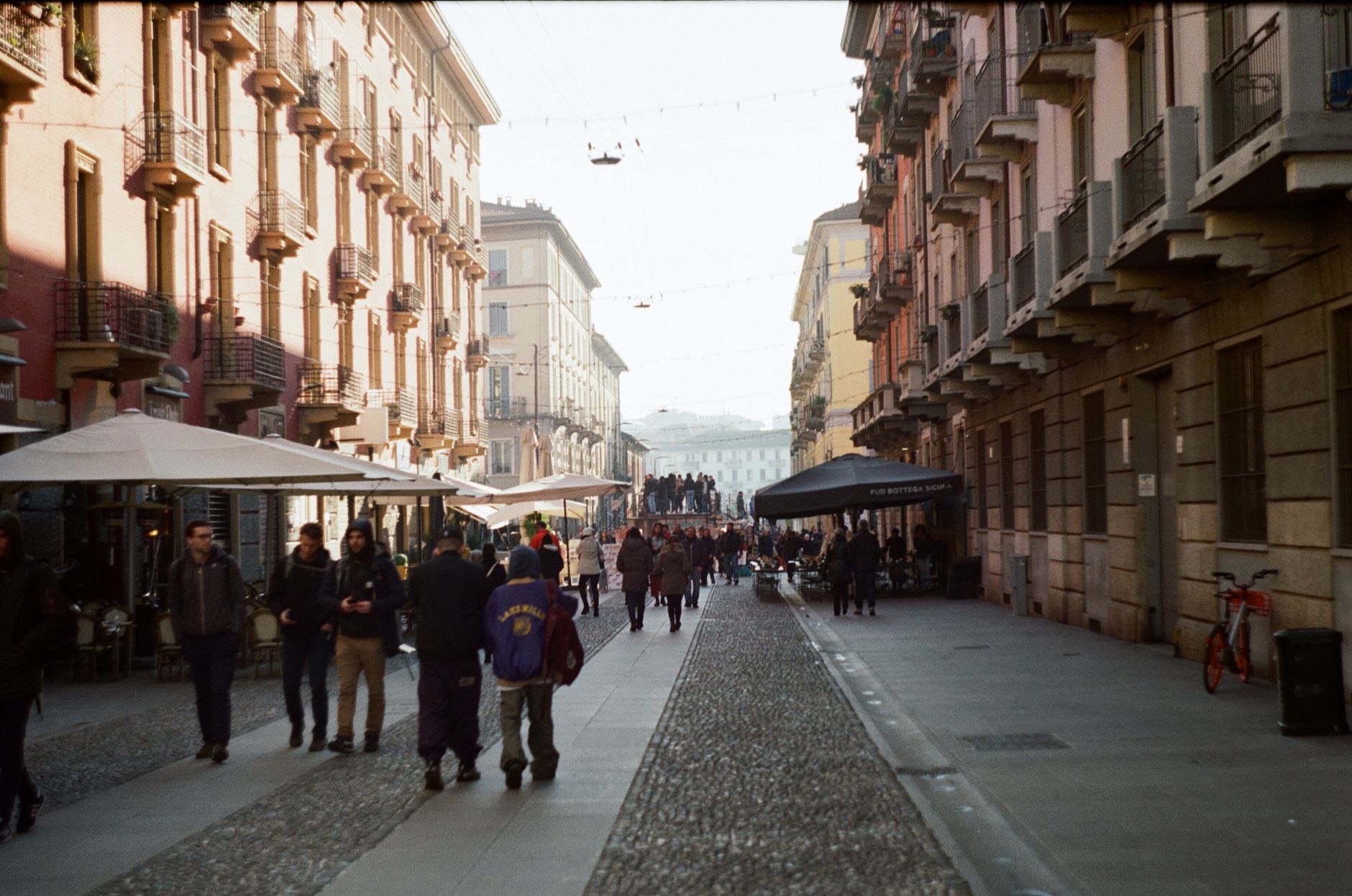
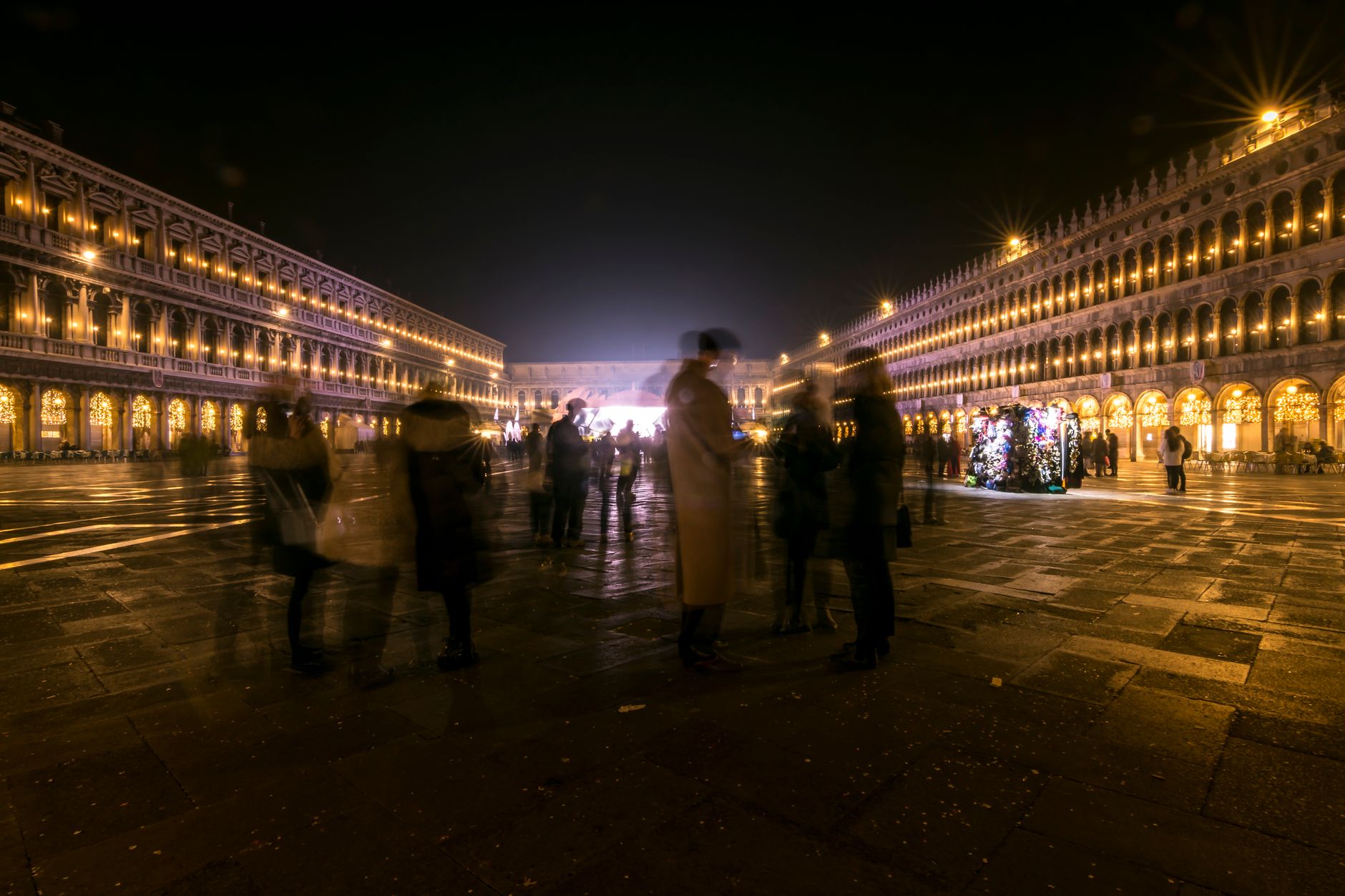
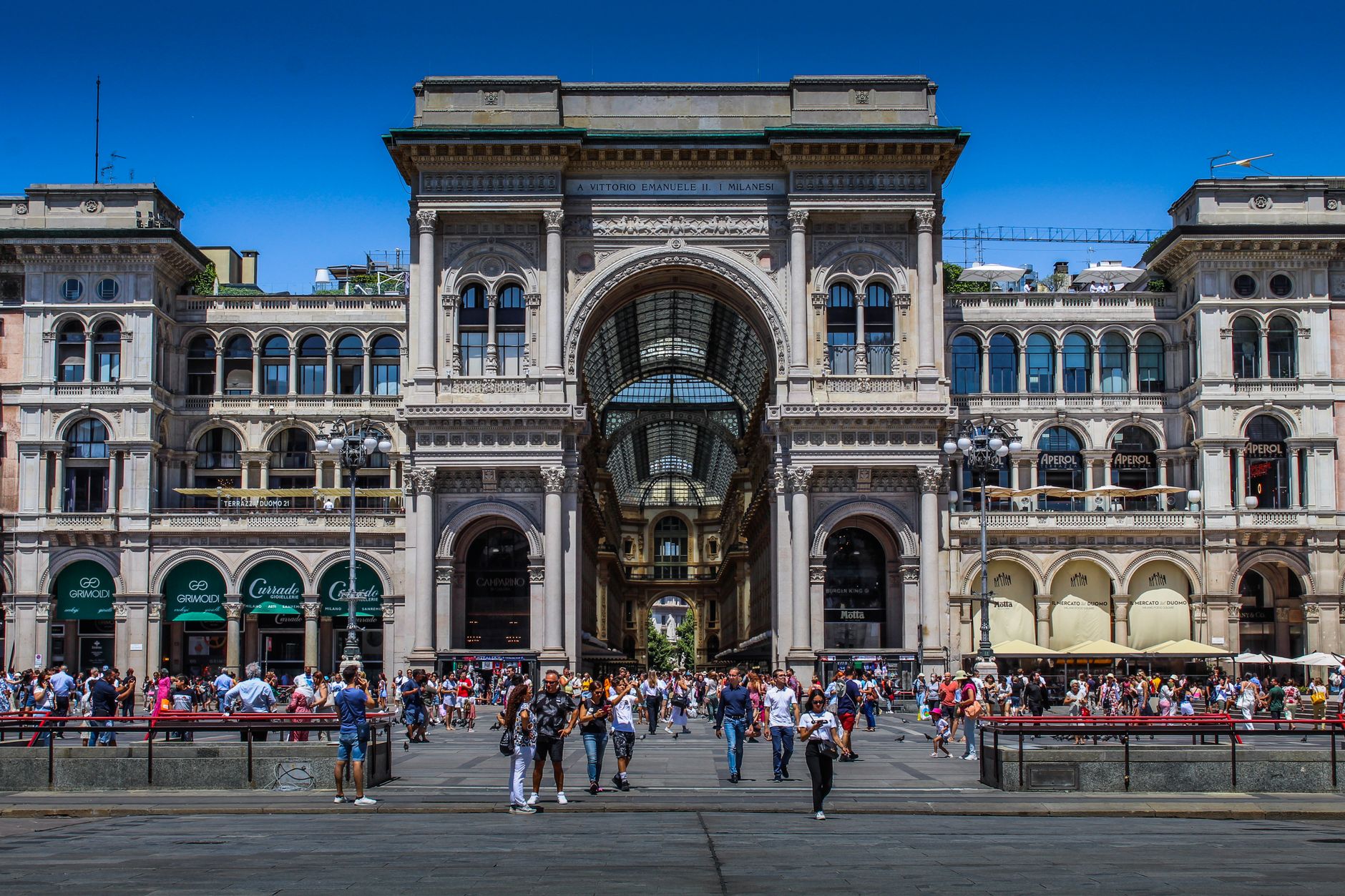
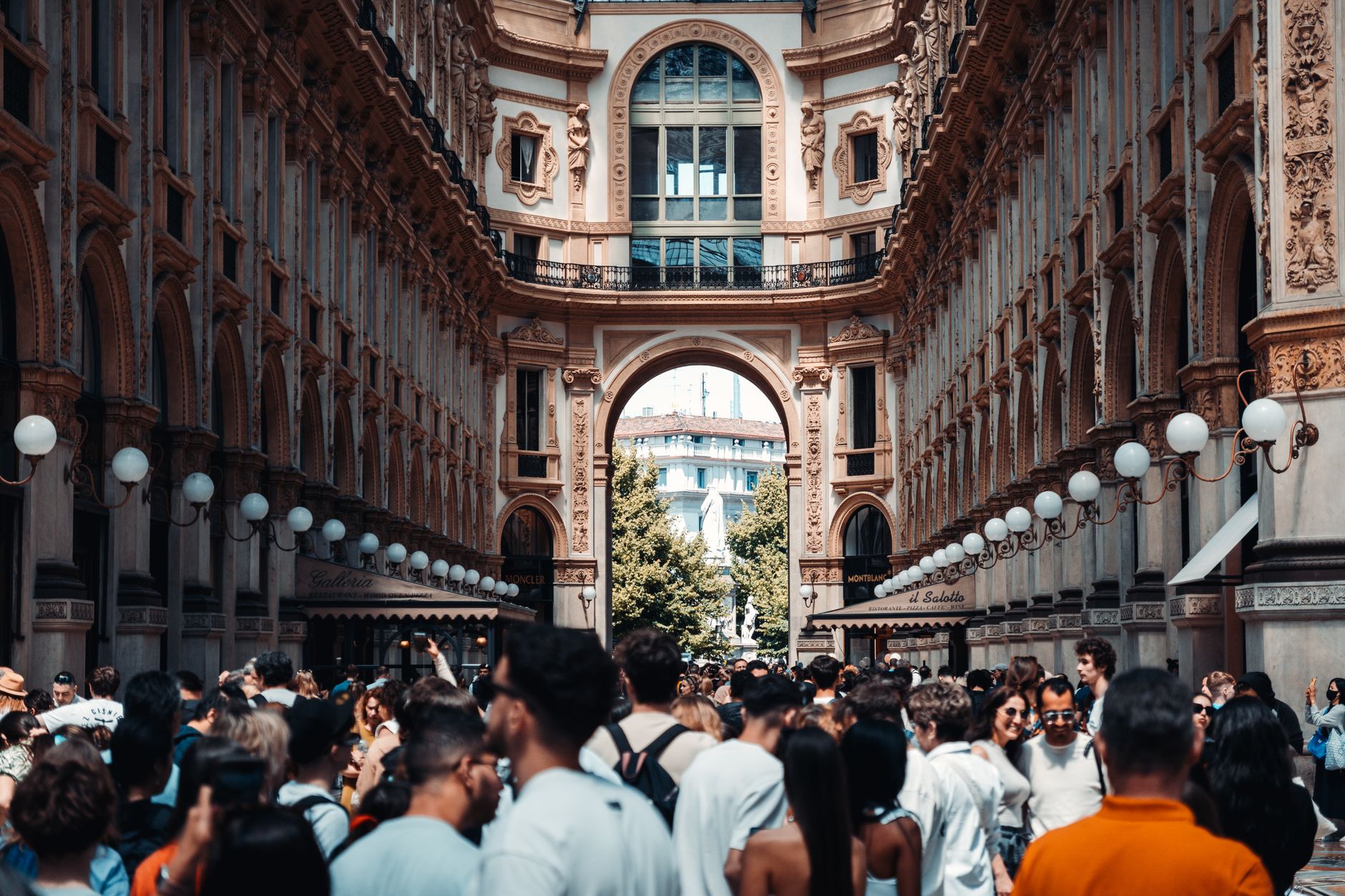
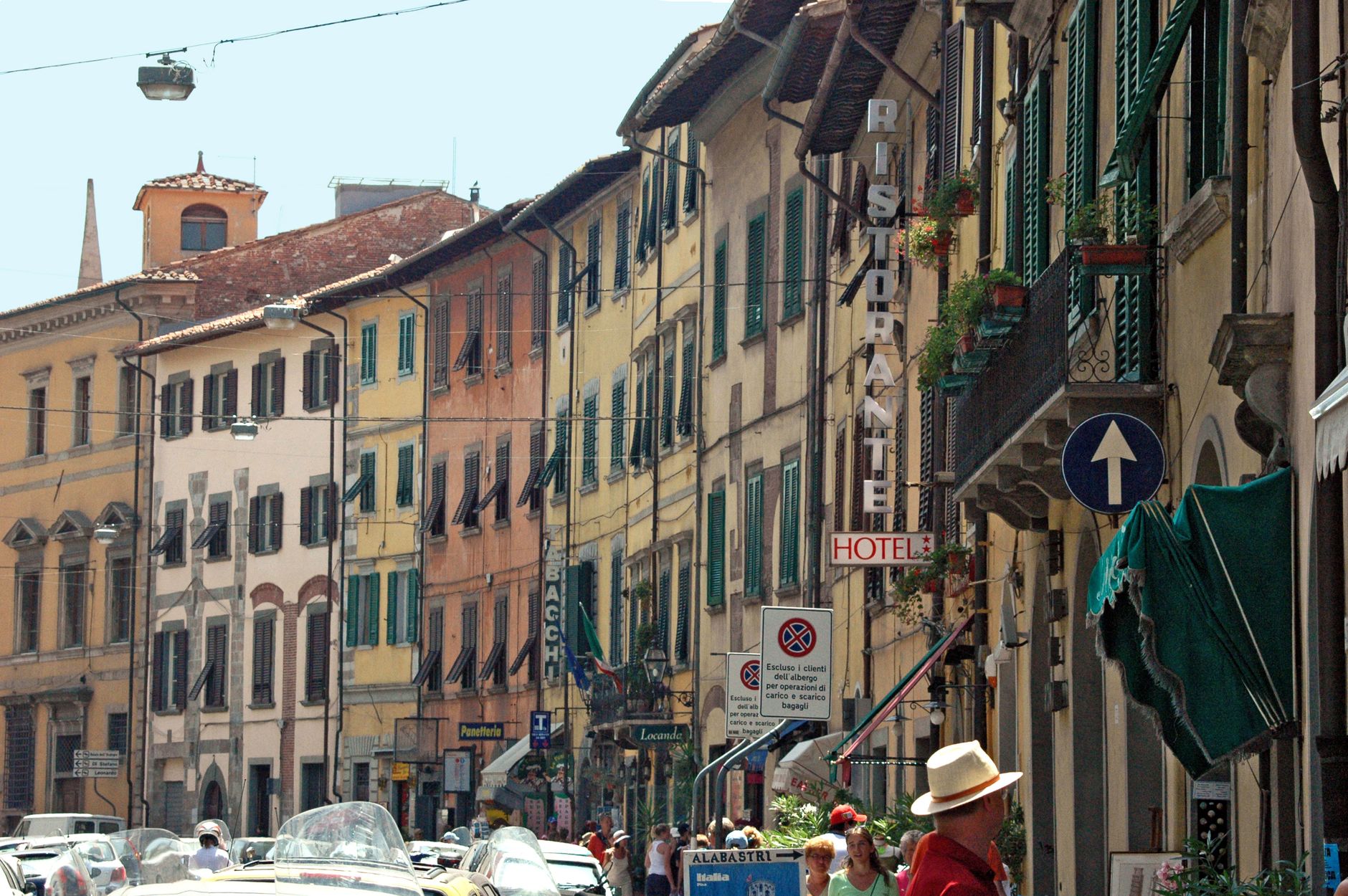
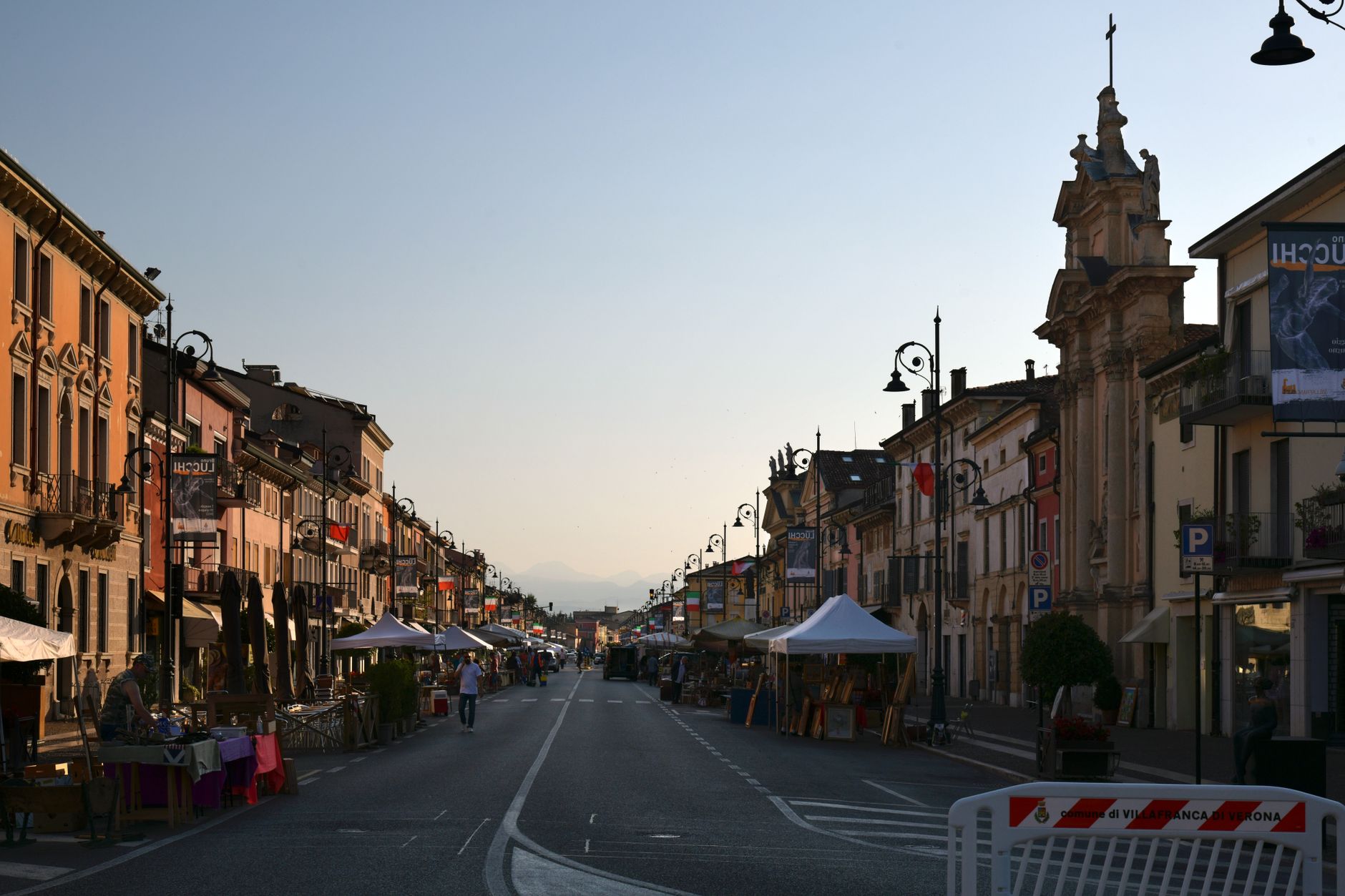
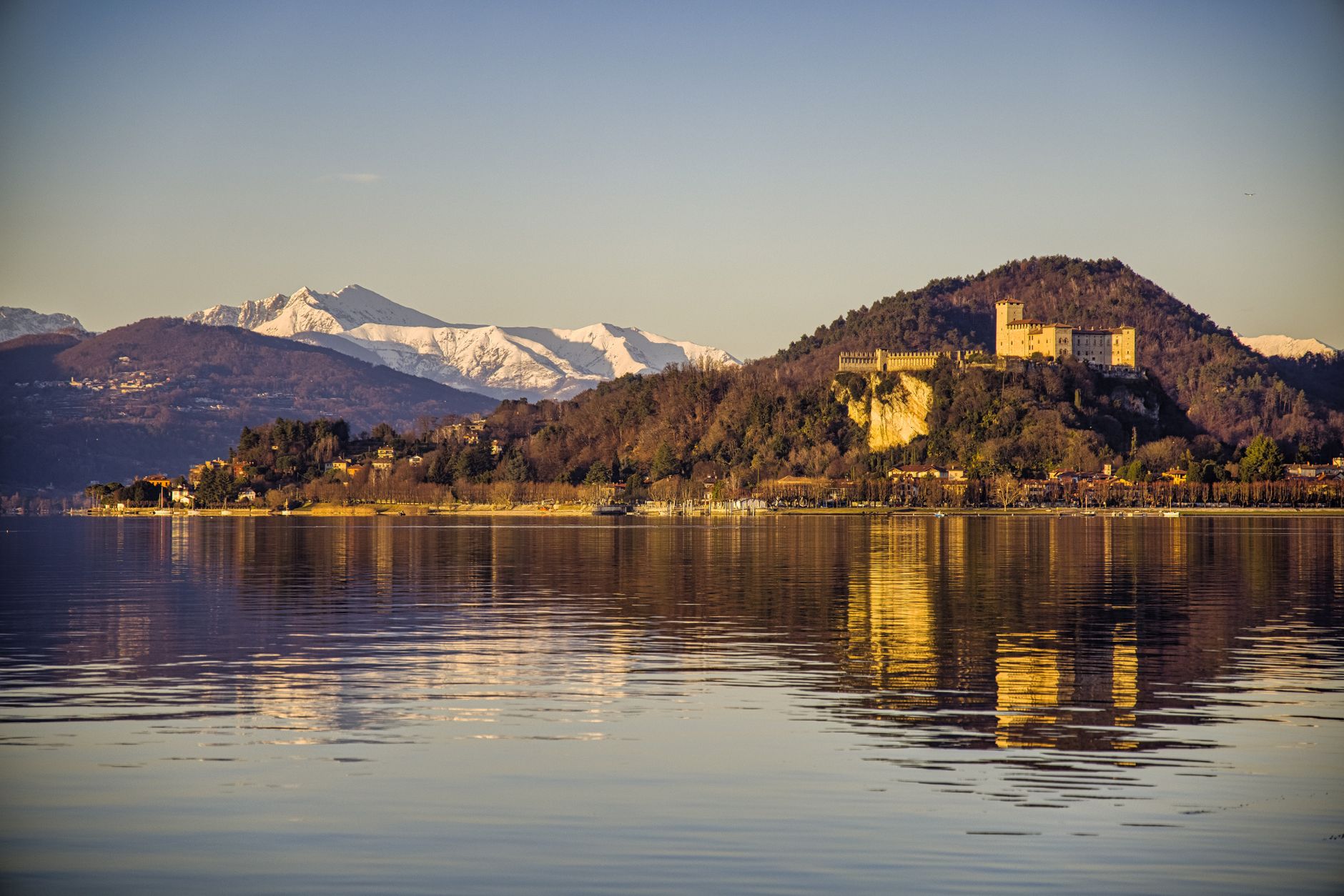
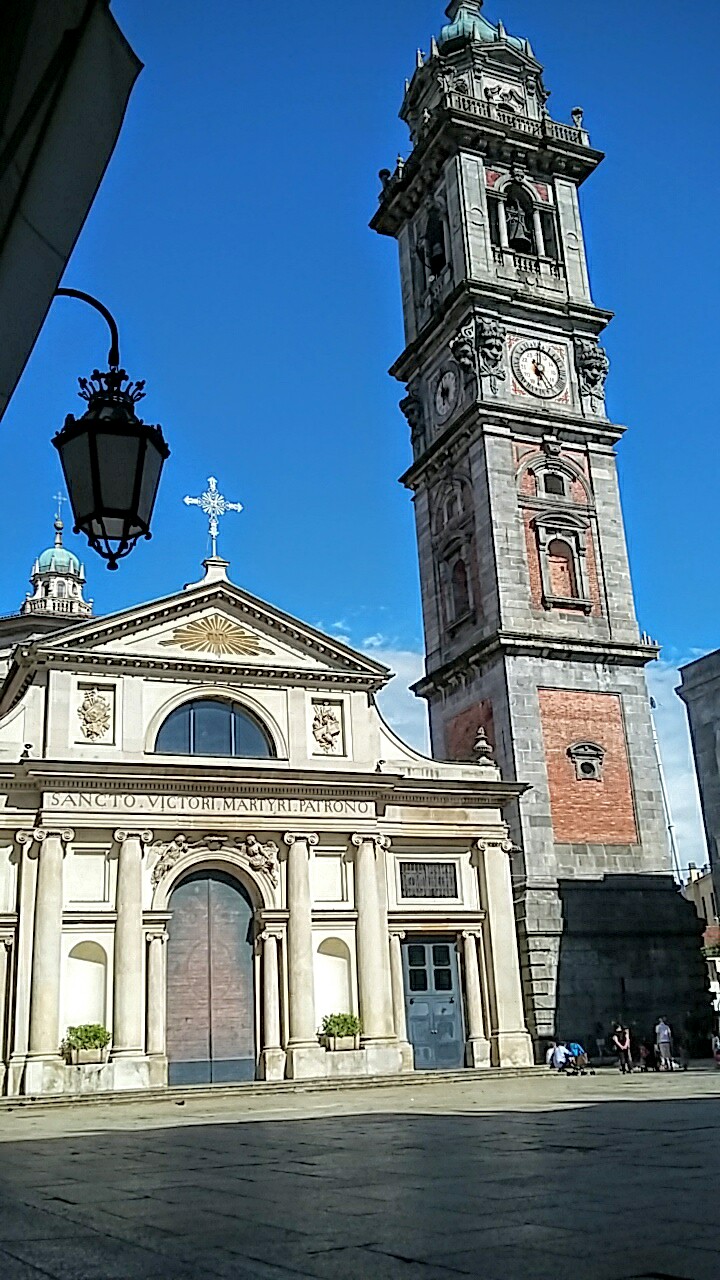
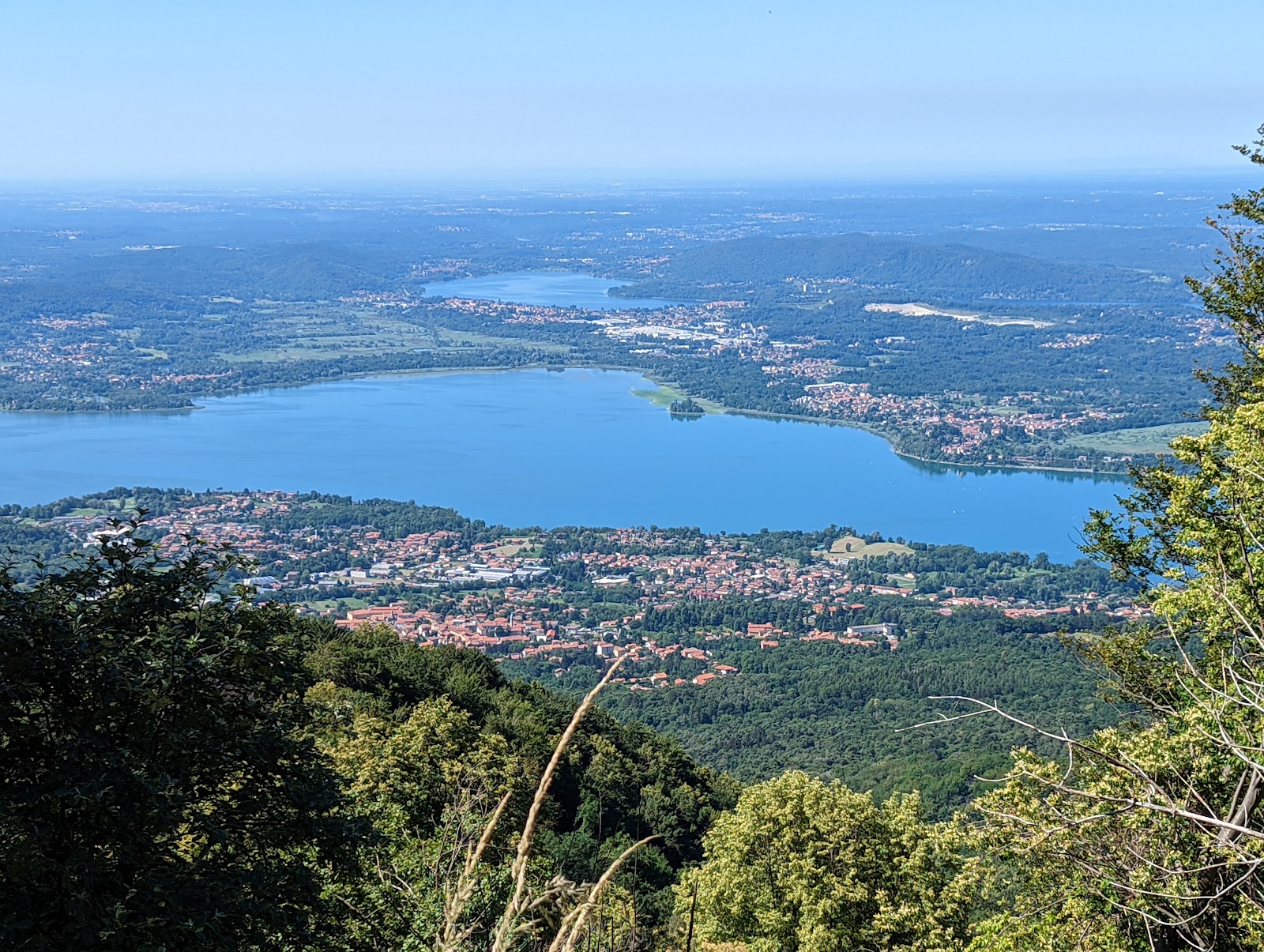
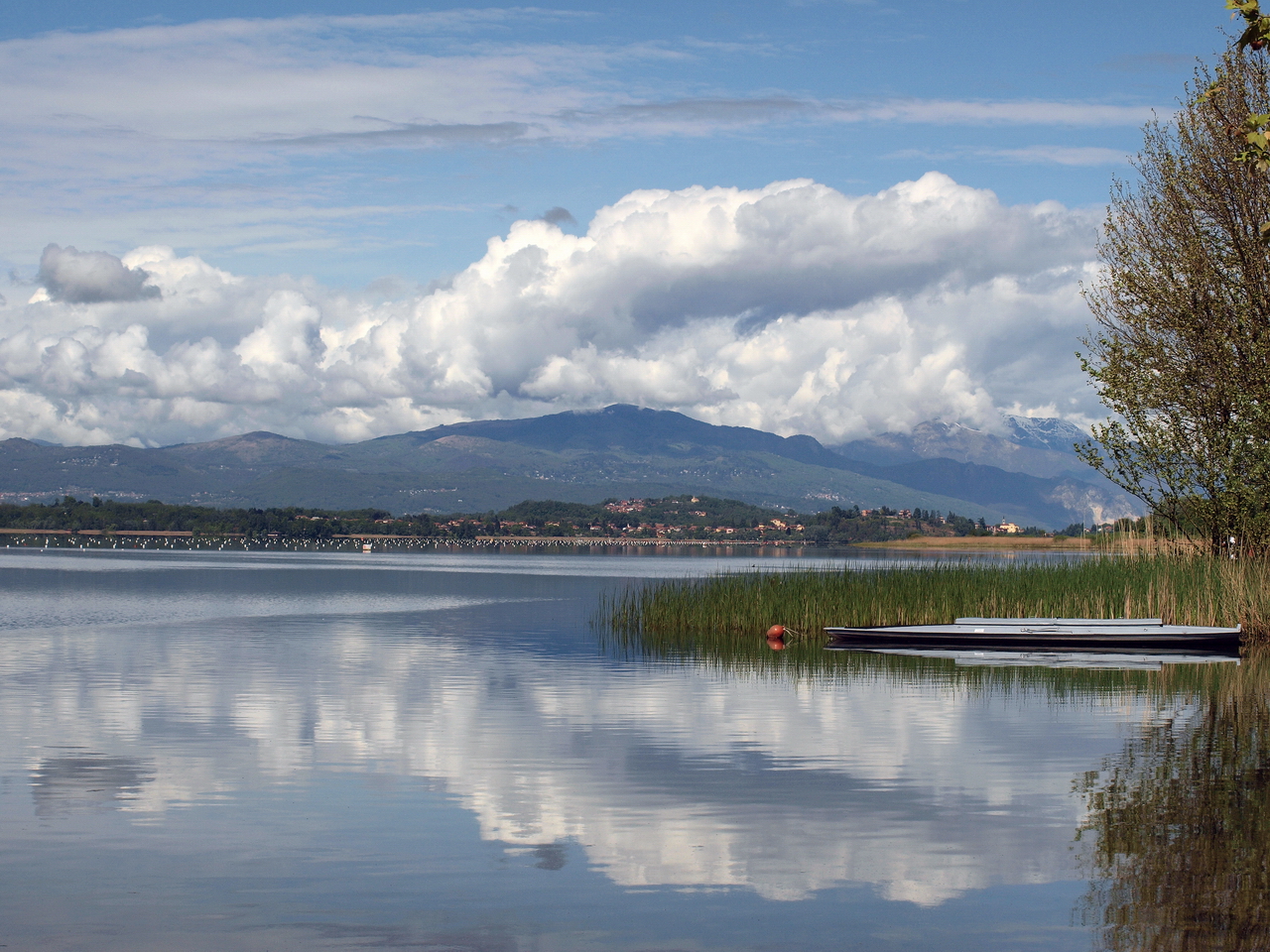
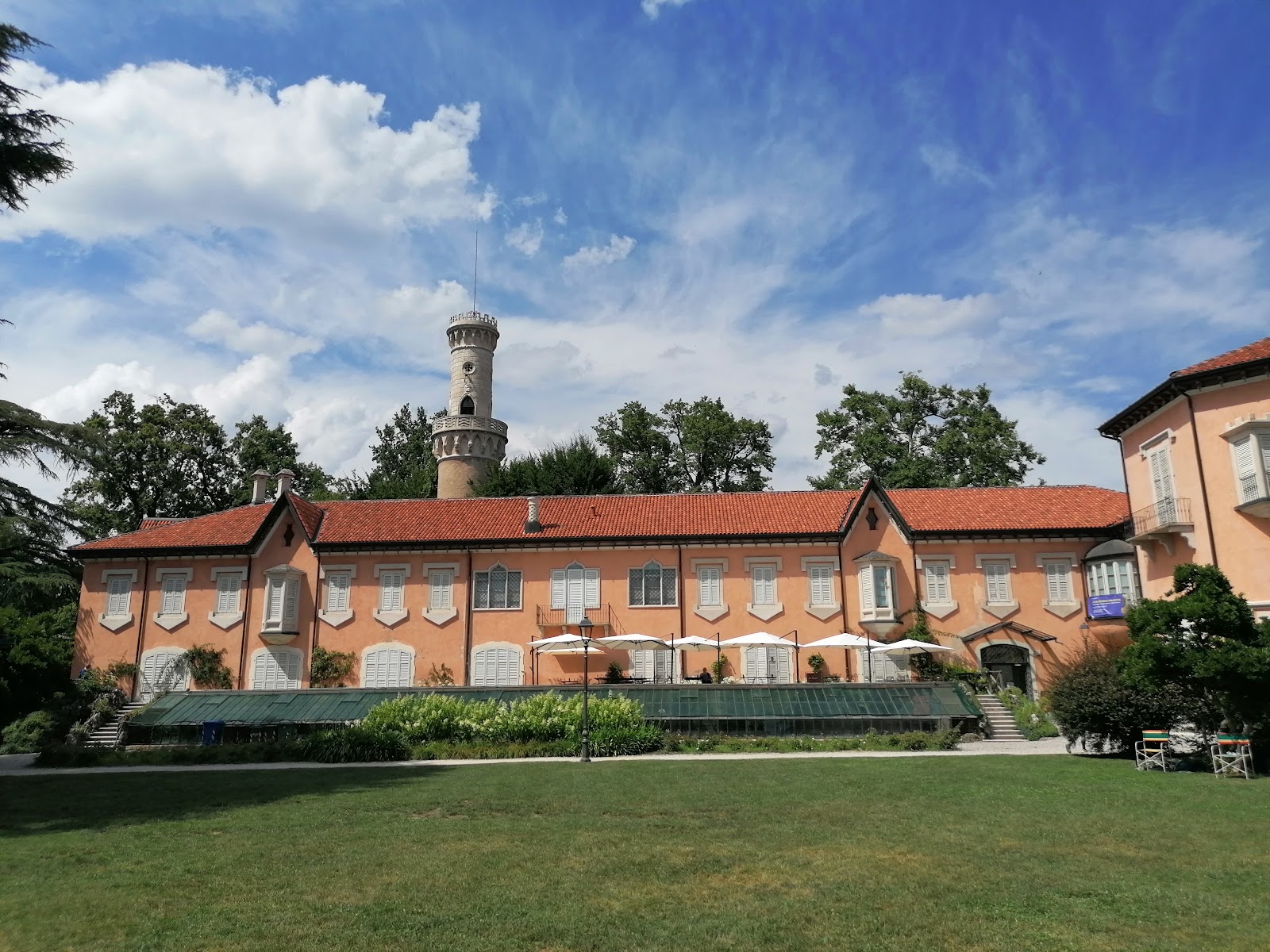
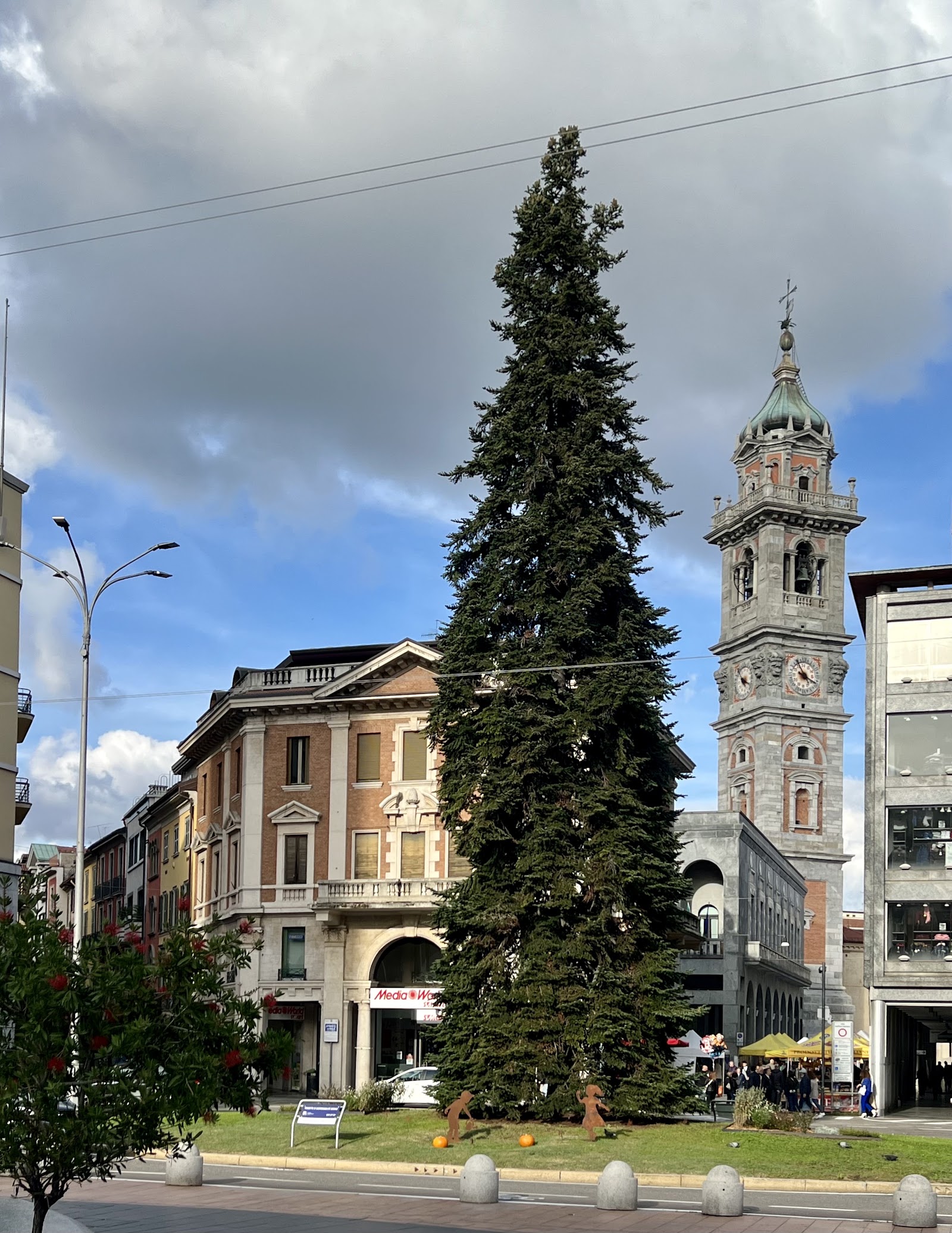
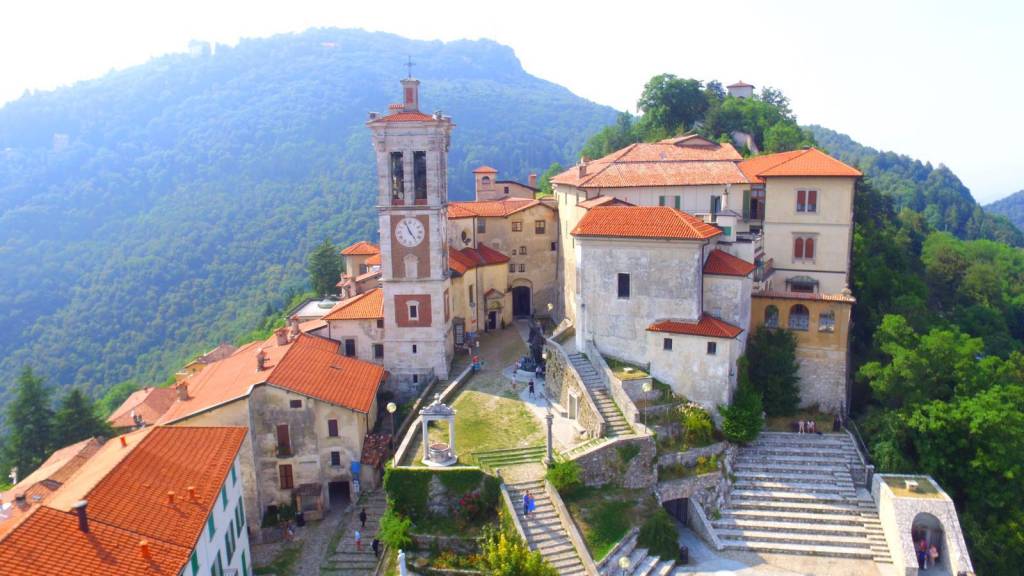
Varese sits close enough to Milan that wealthy Lombards have been escaping here for centuries, and the evidence is everywhere: villas with geometric gardens, a Baroque basilica whose bell tower took over a hundred years to finish, and a UNESCO-listed pilgrimage route of fourteen chapels climbing a wooded hillside. The city wears its elegance lightly. Lake Varese glimmers at the edge of town, the Alps are visible on clear days, and the whole place operates at a pace that feels earned rather than performed.
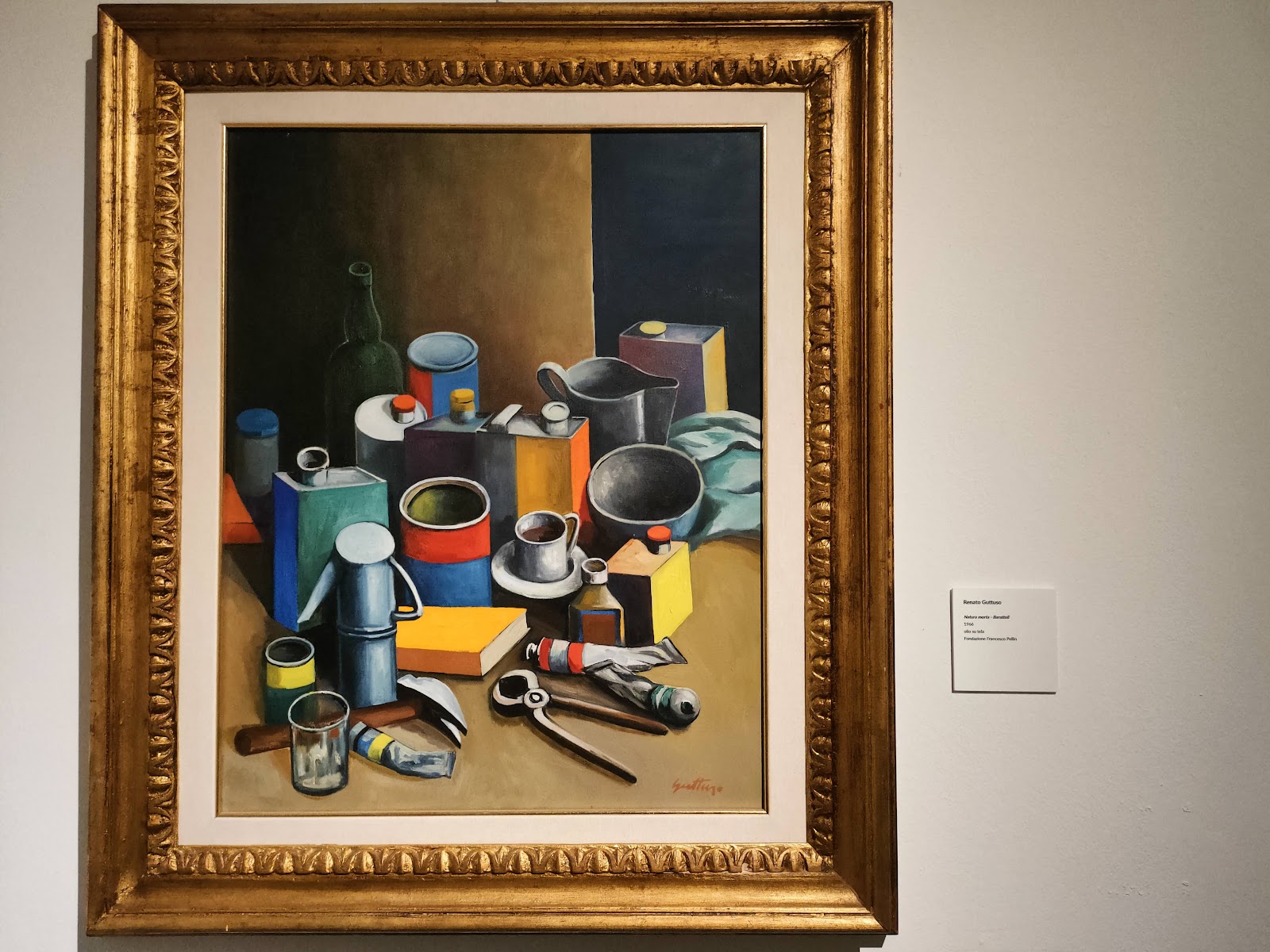
What surprises people is the depth of it. There's a contemporary American art collection inside an 18th-century mansion, medieval frescoes in a castle overlooking the lake, and a cycling culture serious enough that the city has hosted the World Road Cycling Championships twice — in 1951 and again in 2008.
💛 What travellers fall for
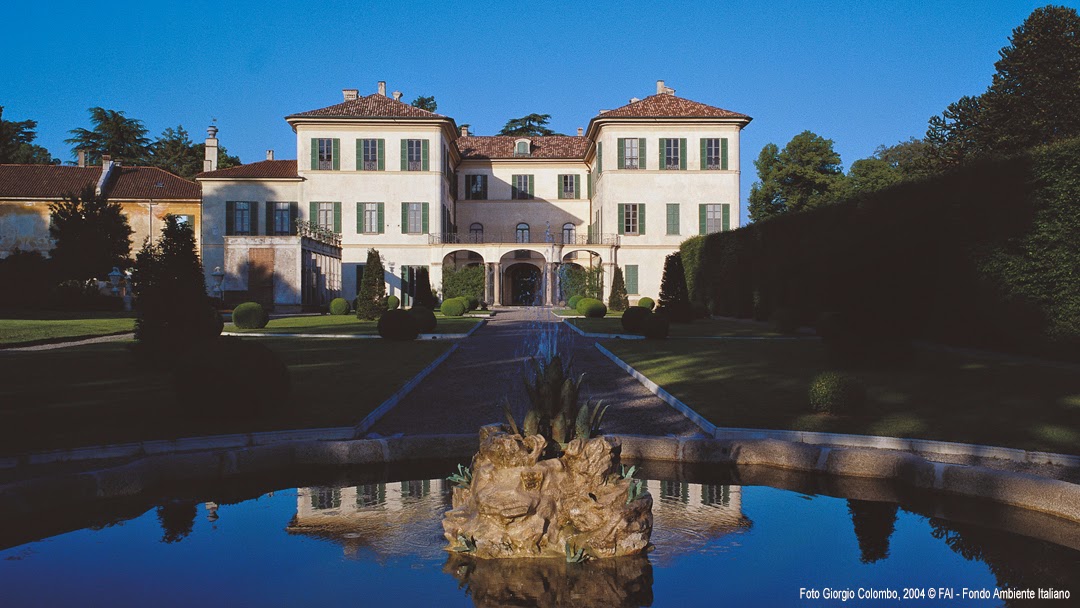
People who come back tend to mention the Sacro Monte walk at dusk, when the day-trippers have gone and the chapels go quiet. Villa Panza keeps drawing return visits too — the way Dan Flavin's light installations sit inside those old rooms never quite resolves itself, which is the point.
Experiences you don't want to miss


Deals in Varese
Book directly at the provider

How Varese came to be
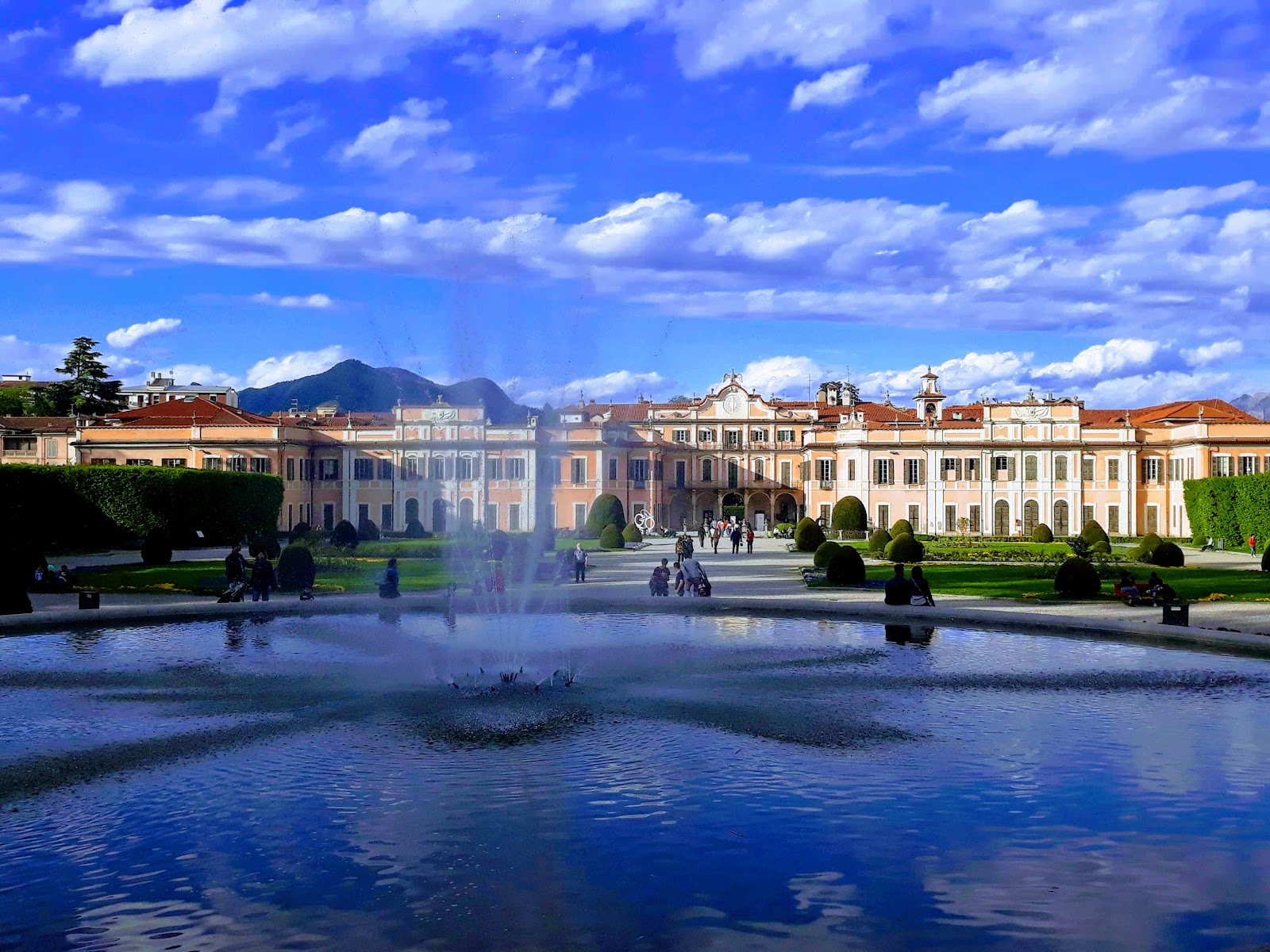
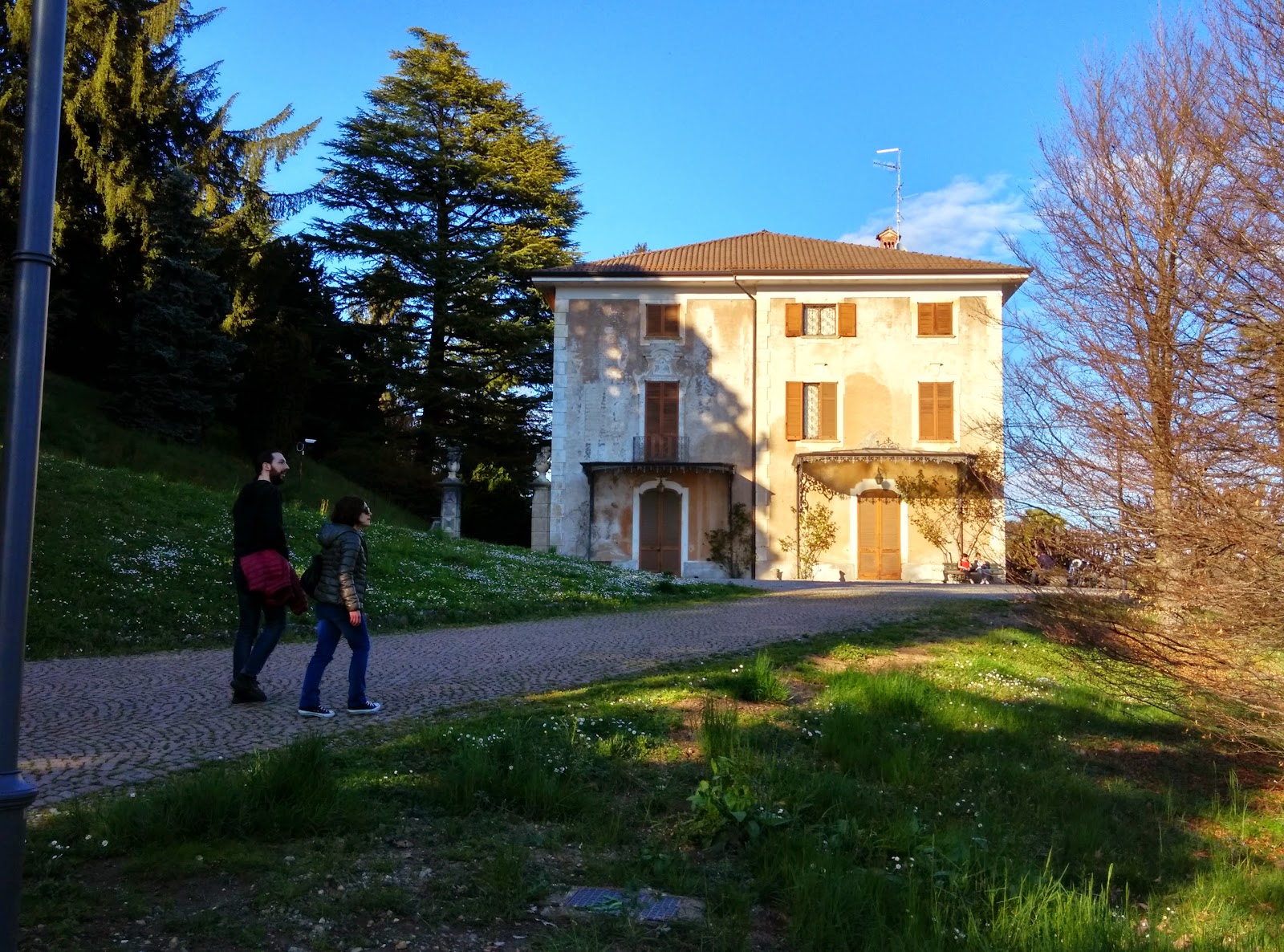
Varese was already settled in Roman times, but its character was shaped later, under Visconti rule, when trade brought prosperity without much scale. The city's defining architectural moment came in the 18th century, when Milanese nobility began commissioning villas here in earnest — Palazzo Estense, built between 1766 and 1772 for Francesco III d'Este, Duke of Modena, is the grandest survivor of that era. Its formal gardens were actually laid out a century earlier.
The 19th century brought sharper drama. In 1859, Giuseppe Garibaldi defeated an Austrian force here, a battle that lodged Varese in the story of Italian unification. Six years later the railway arrived, connecting the city to Milan and opening it further to the Lombard bourgeoisie who would continue building and planting well into the following century.
Who and what shaped it
People who shaped it
Landmark buildings
See Varese in motion
Plan your visit
On the map
When to go
Winters are cold and damp; summers warm with frequent afternoon thunderstorms rolling in off the pre-Alps. Spring — particularly mid-April through June — offers the most reliable combination of mild temperatures and light, with the surrounding hills at their greenest.
Right now
↡ Attractions

Background & history adapted from Wikipedia (CC BY-SA) · specs from Wikidata (CC0) · weather from Open-Meteo · map data © OpenStreetMap contributors · photos from Wikimedia Commons / Unsplash with per-image credit. No third-party reviews or social posts reproduced.