
Lecco
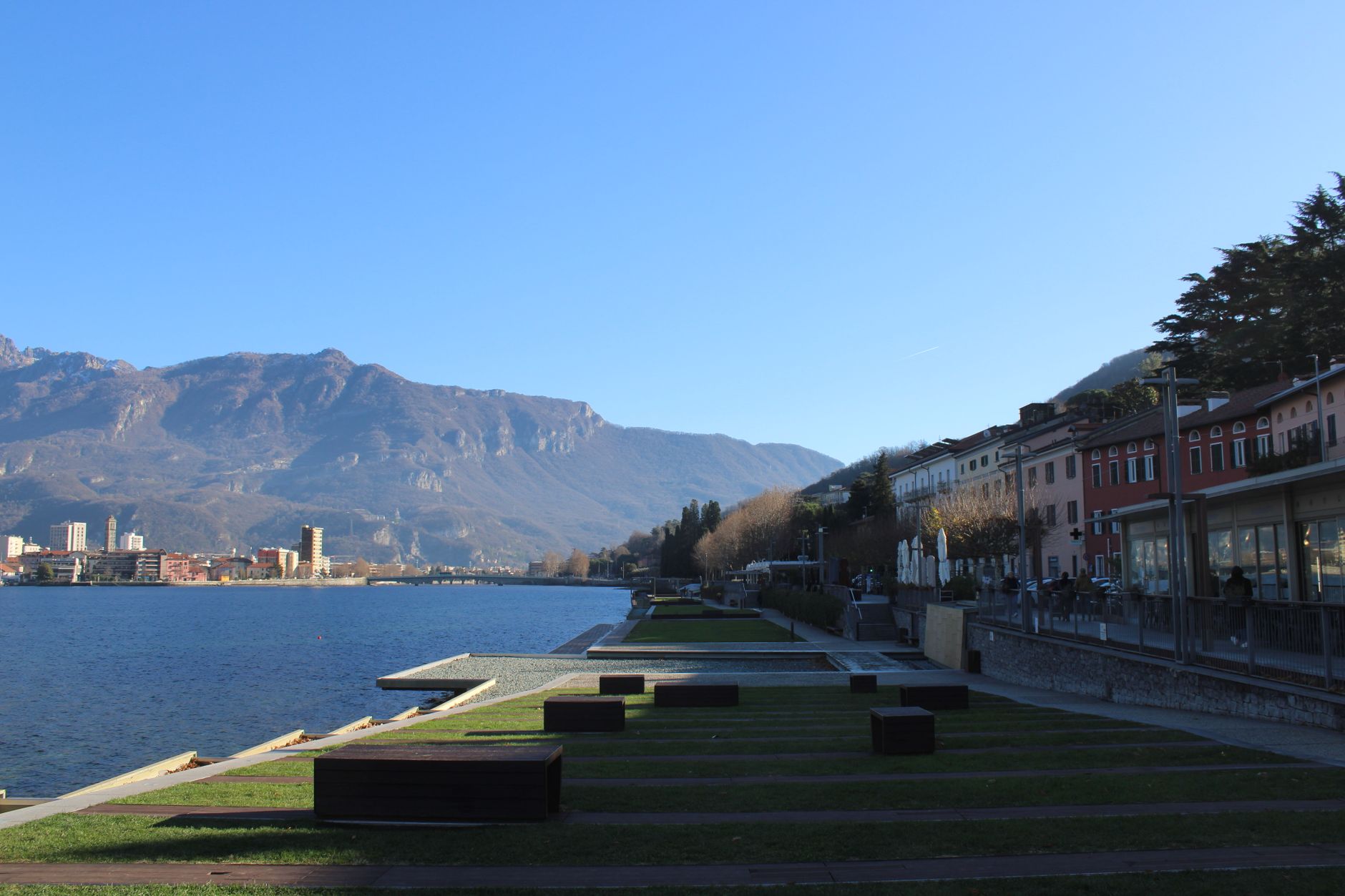
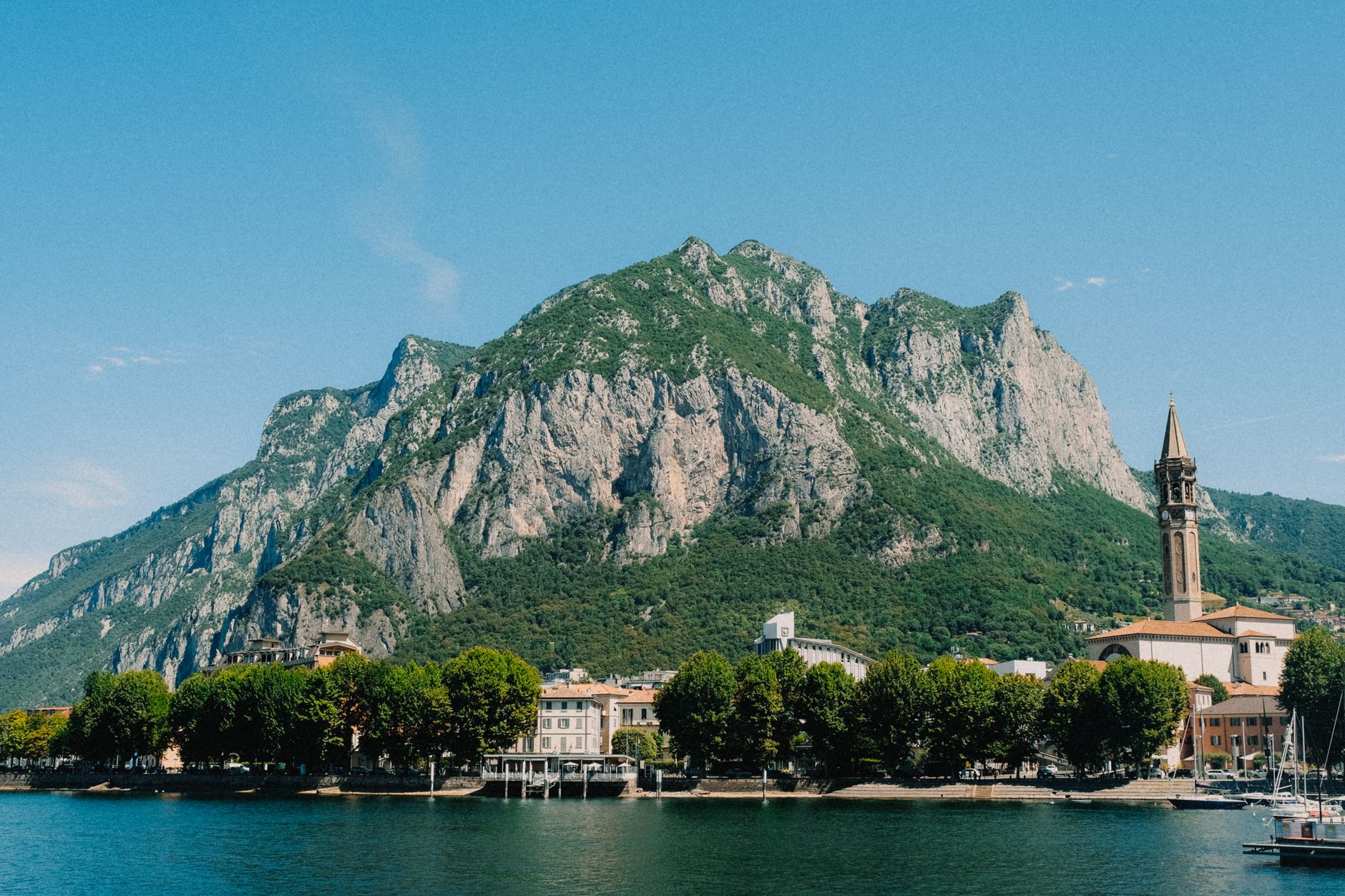
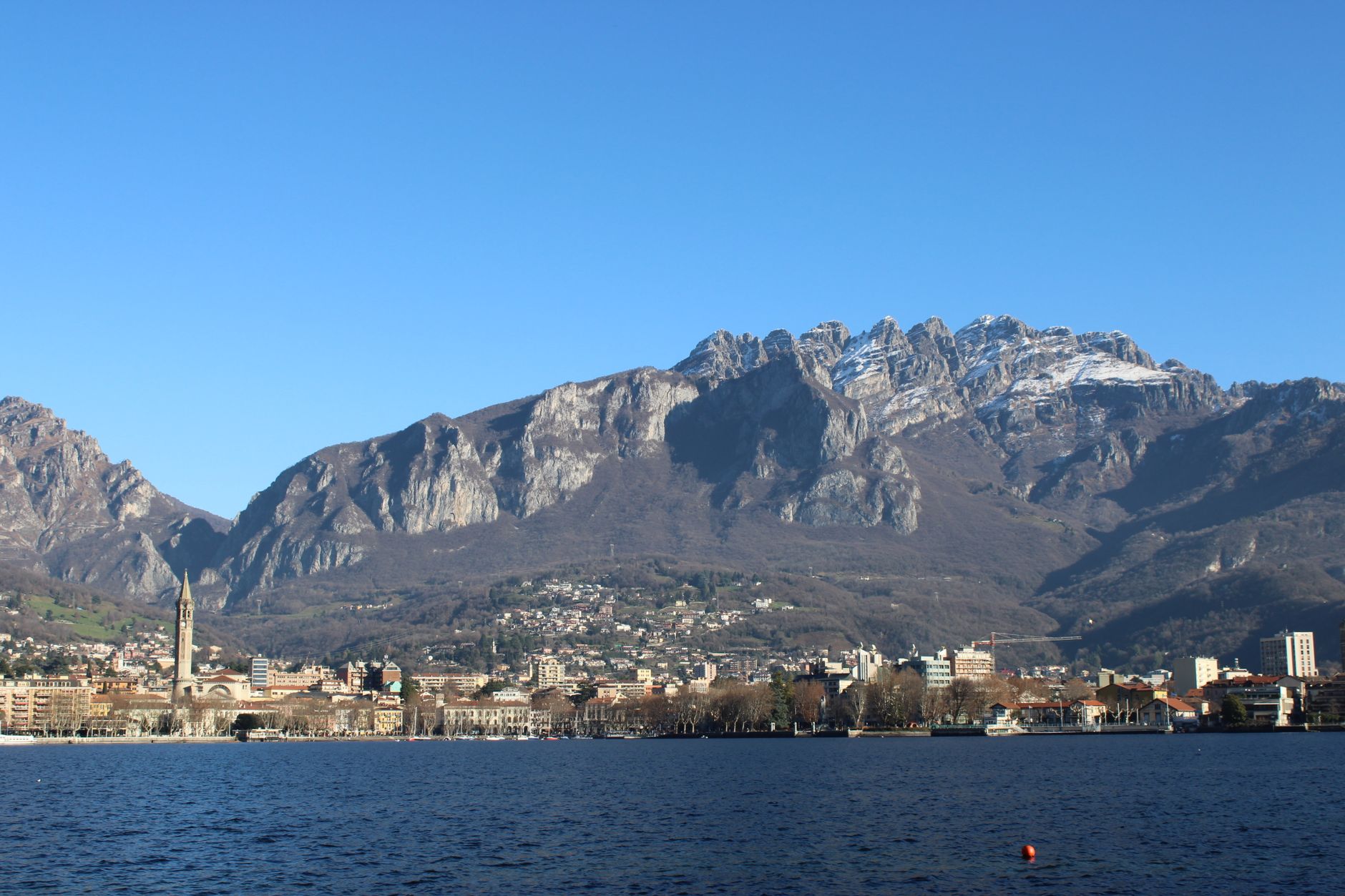
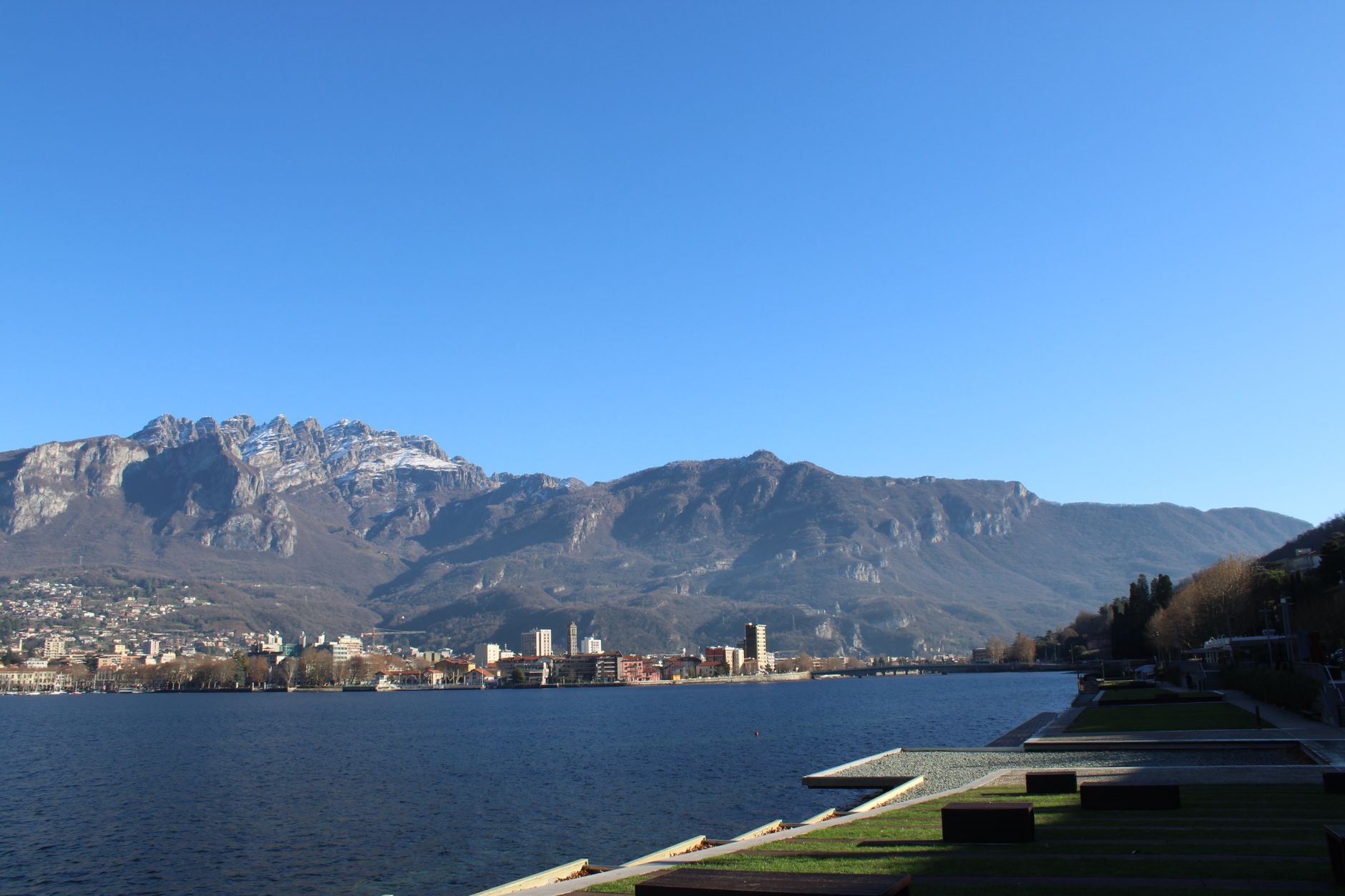
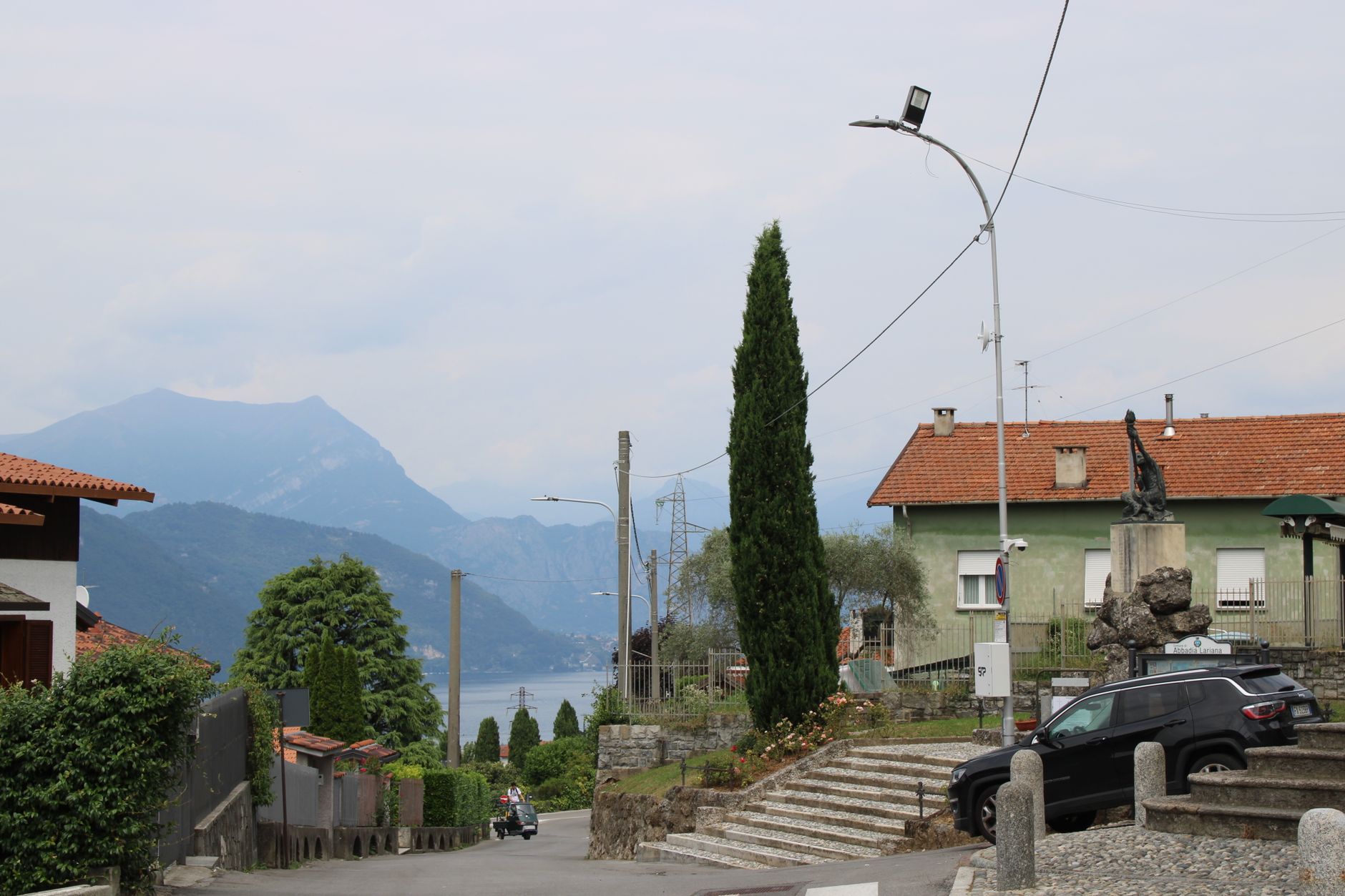
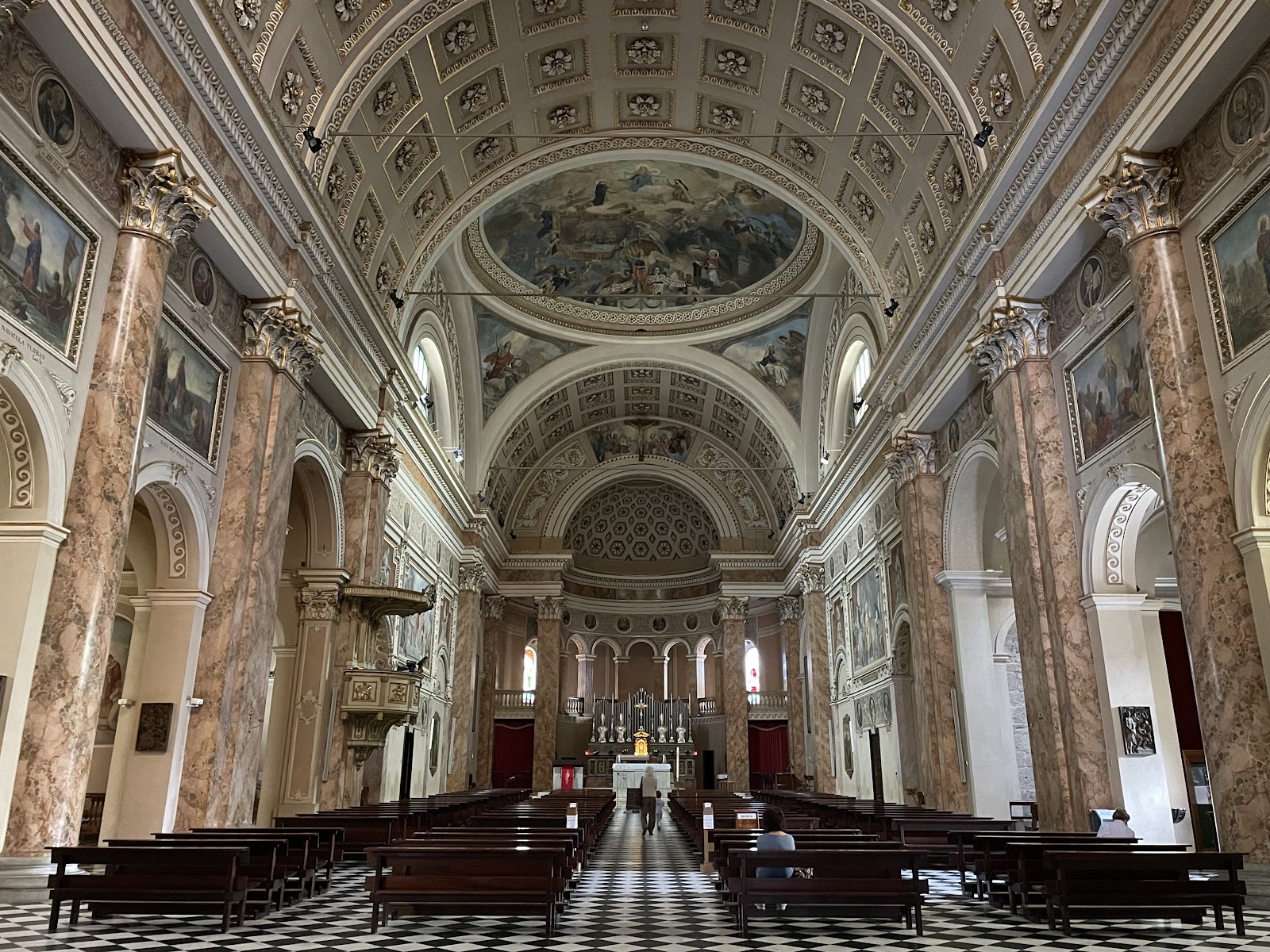
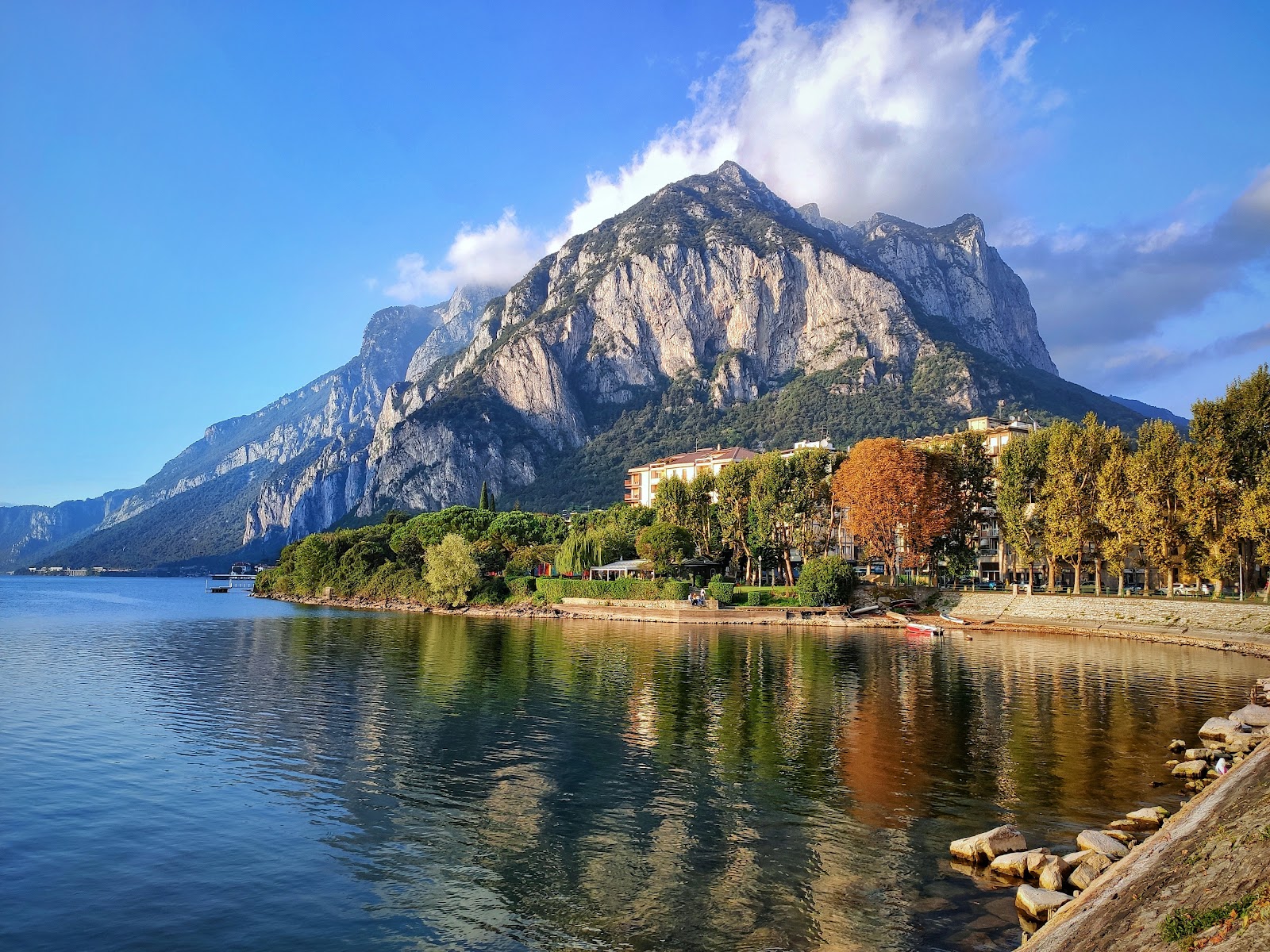
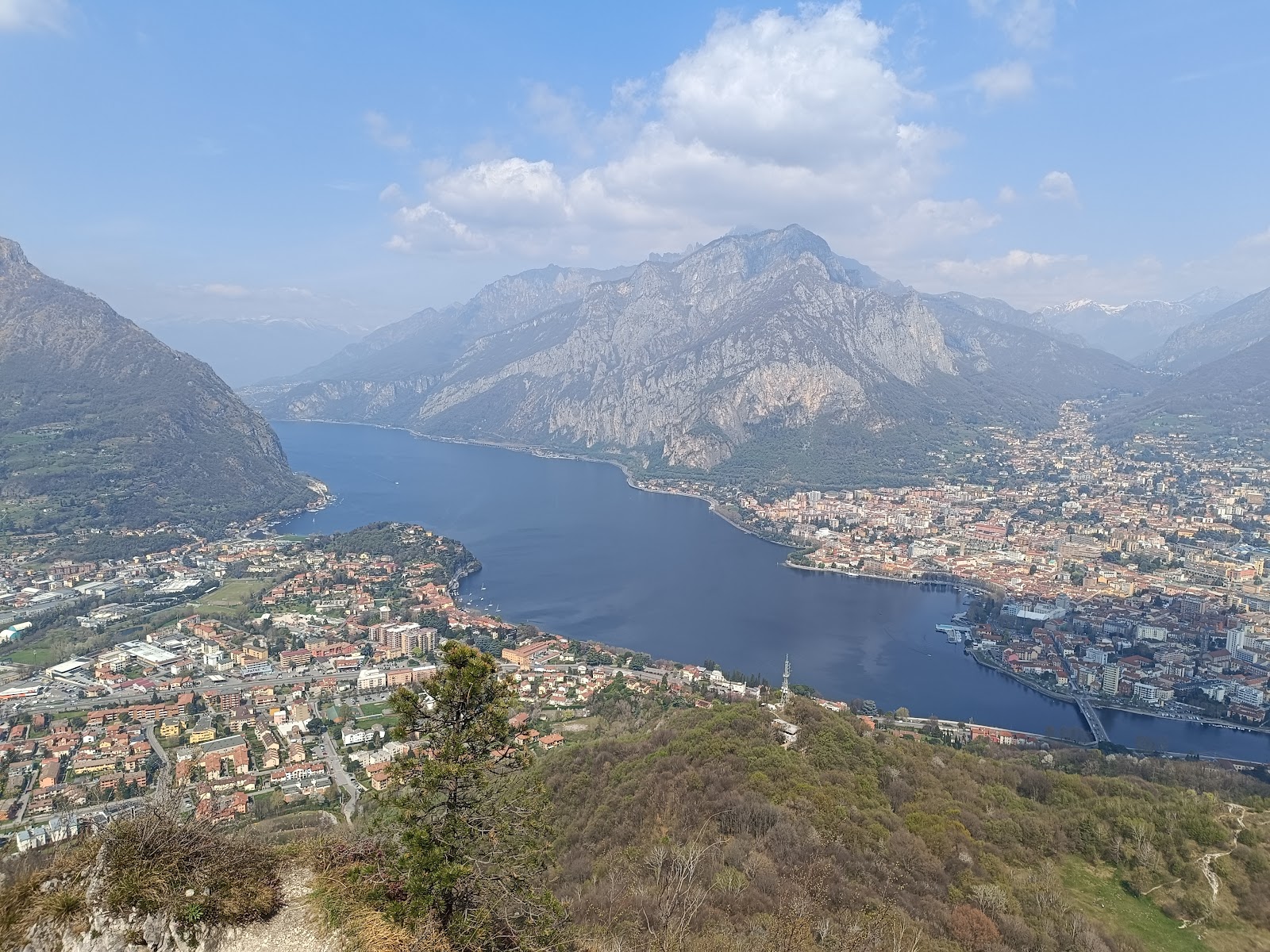
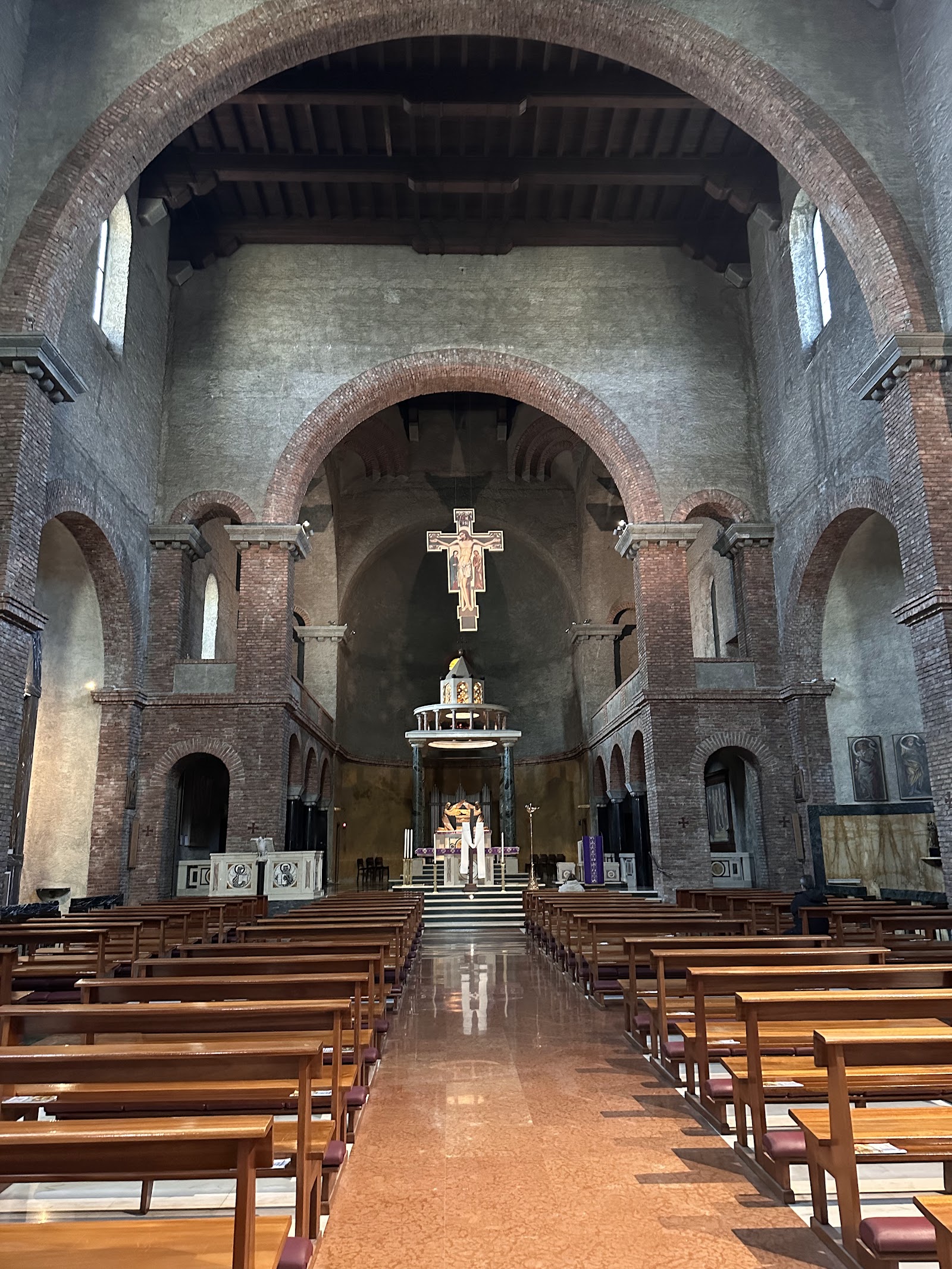
Lecco sits at the bottom of the eastern arm of Lake Como, where the Adda River leaves the lake and the mountains come down hard to the water's edge. The city is less polished than the resort towns to the north, which is precisely what gives it weight — working ironworks have operated here since the 12th century, and you can still feel that industrial backbone in the stone of the waterfront. The 96-metre campanile of the Basilica di San Nicolò, completed in 1904, rises above everything else and gives you a fixed point wherever you are in the city.
Most visitors know Lecco, if they know it at all, as the setting of Alessandro Manzoni's novel *I Promessi Sposi* — the most-read book in the Italian language. Walk the lakefront promenade and the connection between the landscape and the fiction becomes immediate.
💛 What travellers fall for
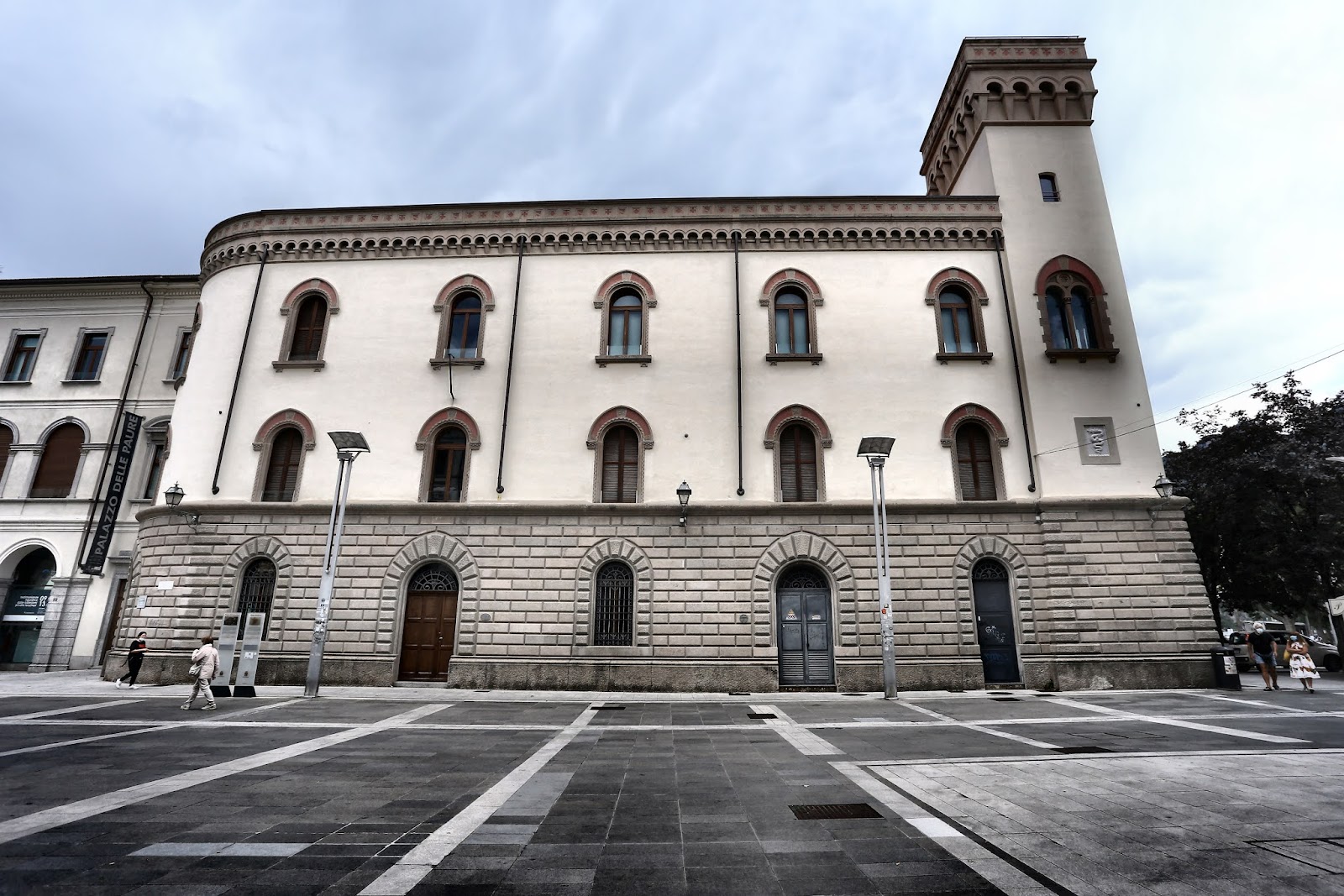
People who come back tend to make for Pescarenico first — the old fishing quarter across the Adda where the Church of Saints Materno and Lucia still stands, the same one Manzoni put into *The Betrothed*. Then the Palazzo delle Paure on the waterfront for the Pomodoro and Castellani works, which most visitors overlook entirely. Thursday and Sunday mornings are the quietest.
Experiences you don't want to miss




Deals in Lecco
Book directly at the provider


How Lecco came to be
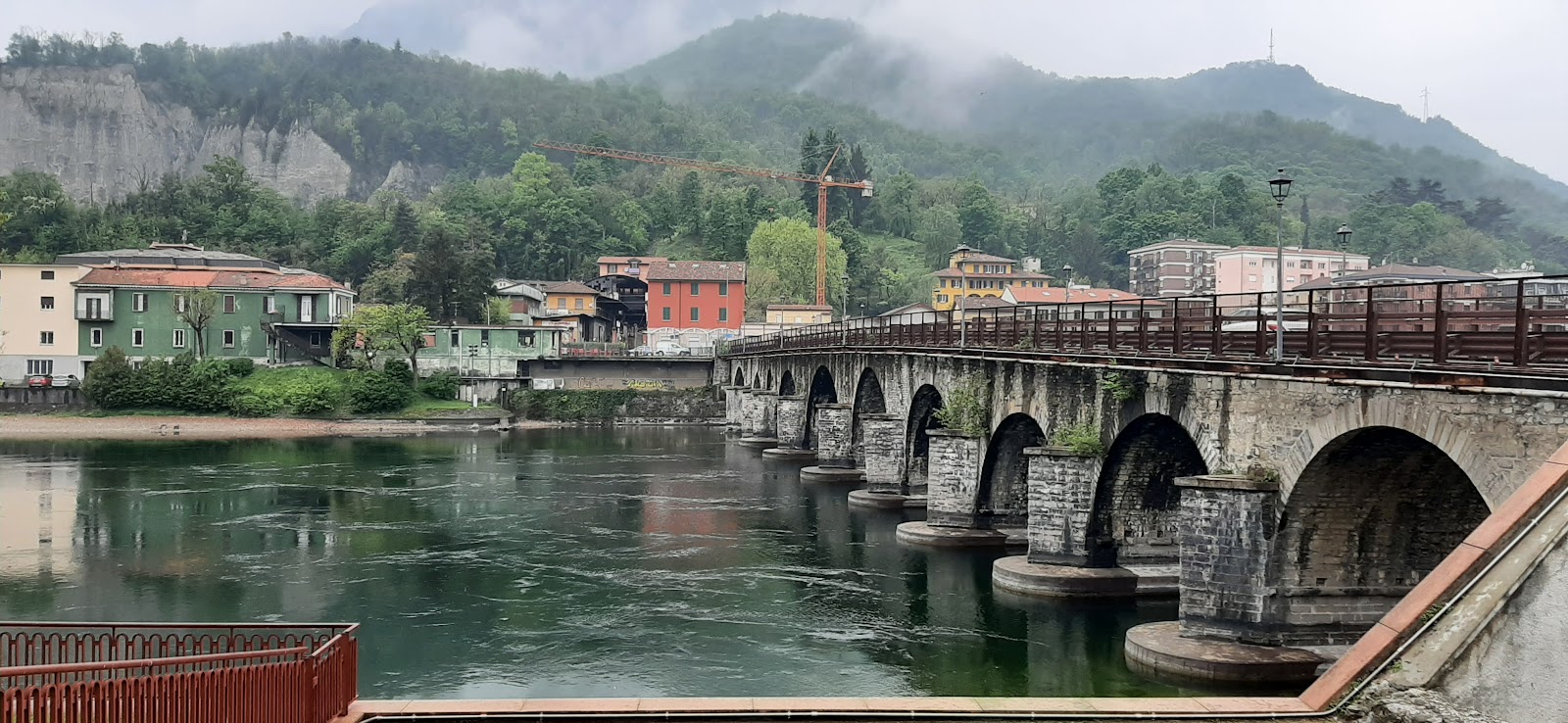
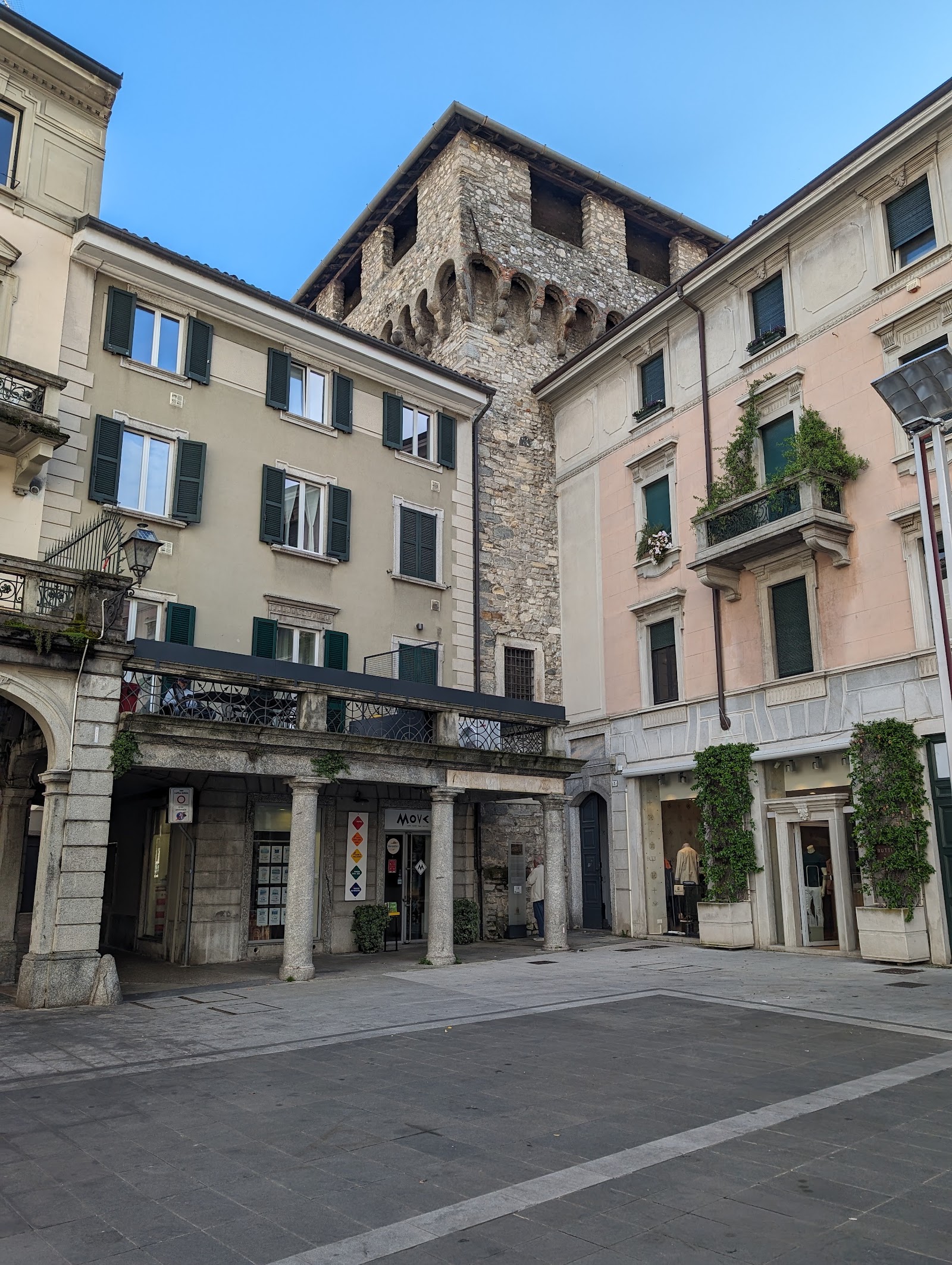
The site was already a Celtic settlement called Leucos when Rome absorbed it around 200 BC. In the 11th century the bishops of Como held it; by the 12th it had passed to Milan, and the Visconti family left their mark in the 14th century with the Castello di Lecco and, between 1336 and 1338, the Ponte Azzone Visconti across the Adda — still standing. Steel-working took root in that same medieval period and never really left.
Austrian emperor Joseph II had the city walls demolished in 1784. Lecco received the formal title of city on 22 June 1848, grew into a significant industrial centre after Italian unification, and as recently as 1992 was elevated by presidential decree to its own province. In 2013 it was named Alpine Town of the Year.
Who and what shaped it
People who shaped it
Landmark buildings
See Lecco in motion
Plan your visit
On the map
When to go
Summers are warm and humid — July days reach around 27°C — but afternoon thunderstorms roll in frequently off the mountains, so keep a layer close. Winter is cold and still, with January lows dropping below freezing; spring and autumn, when the lake light is at its most particular, are the easiest seasons to visit.
Right now
↡ Attractions

Background & history adapted from Wikipedia (CC BY-SA) · specs from Wikidata (CC0) · weather from Open-Meteo · map data © OpenStreetMap contributors · photos from Wikimedia Commons / Unsplash with per-image credit. No third-party reviews or social posts reproduced.