
Vigevano
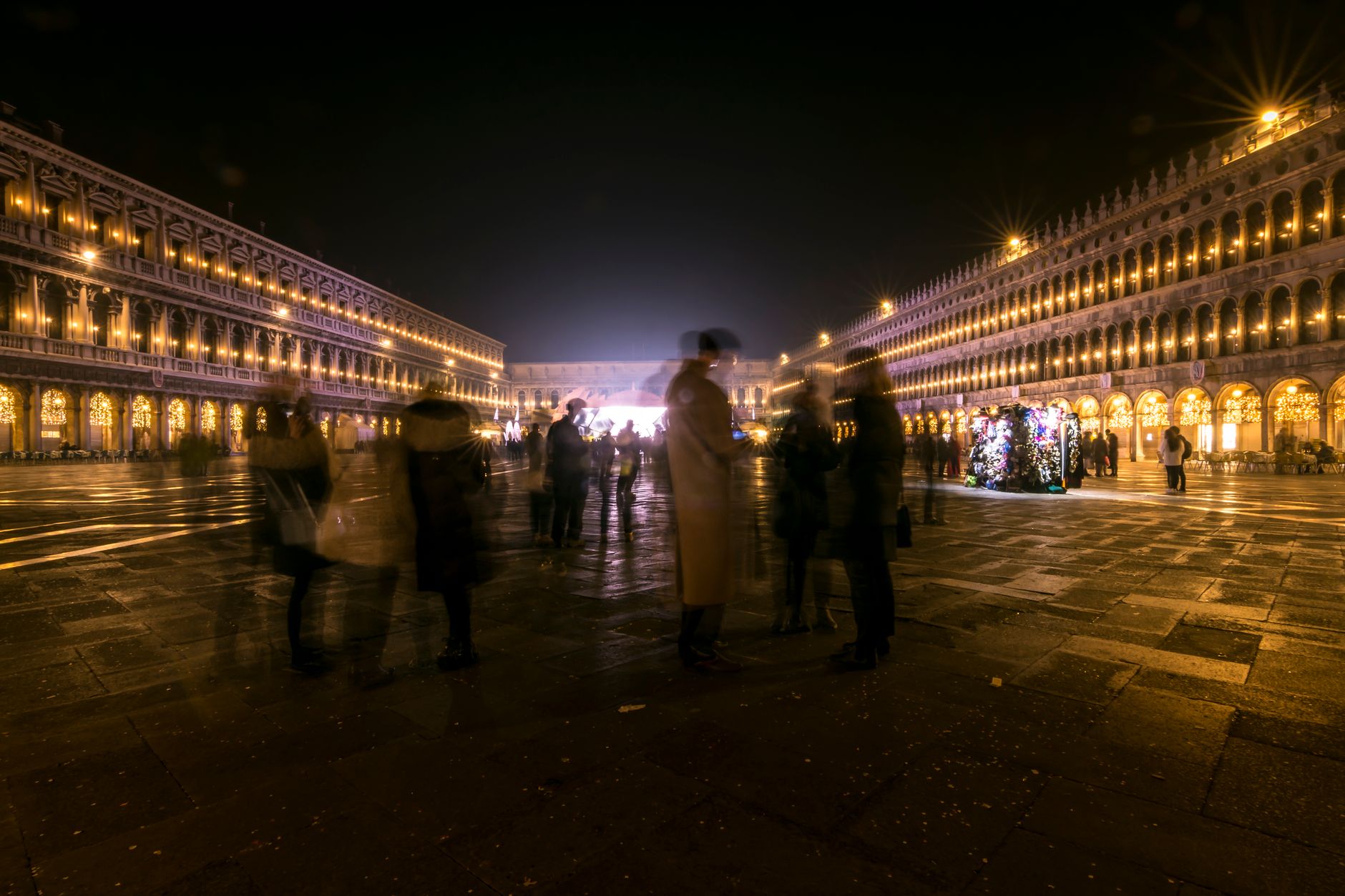
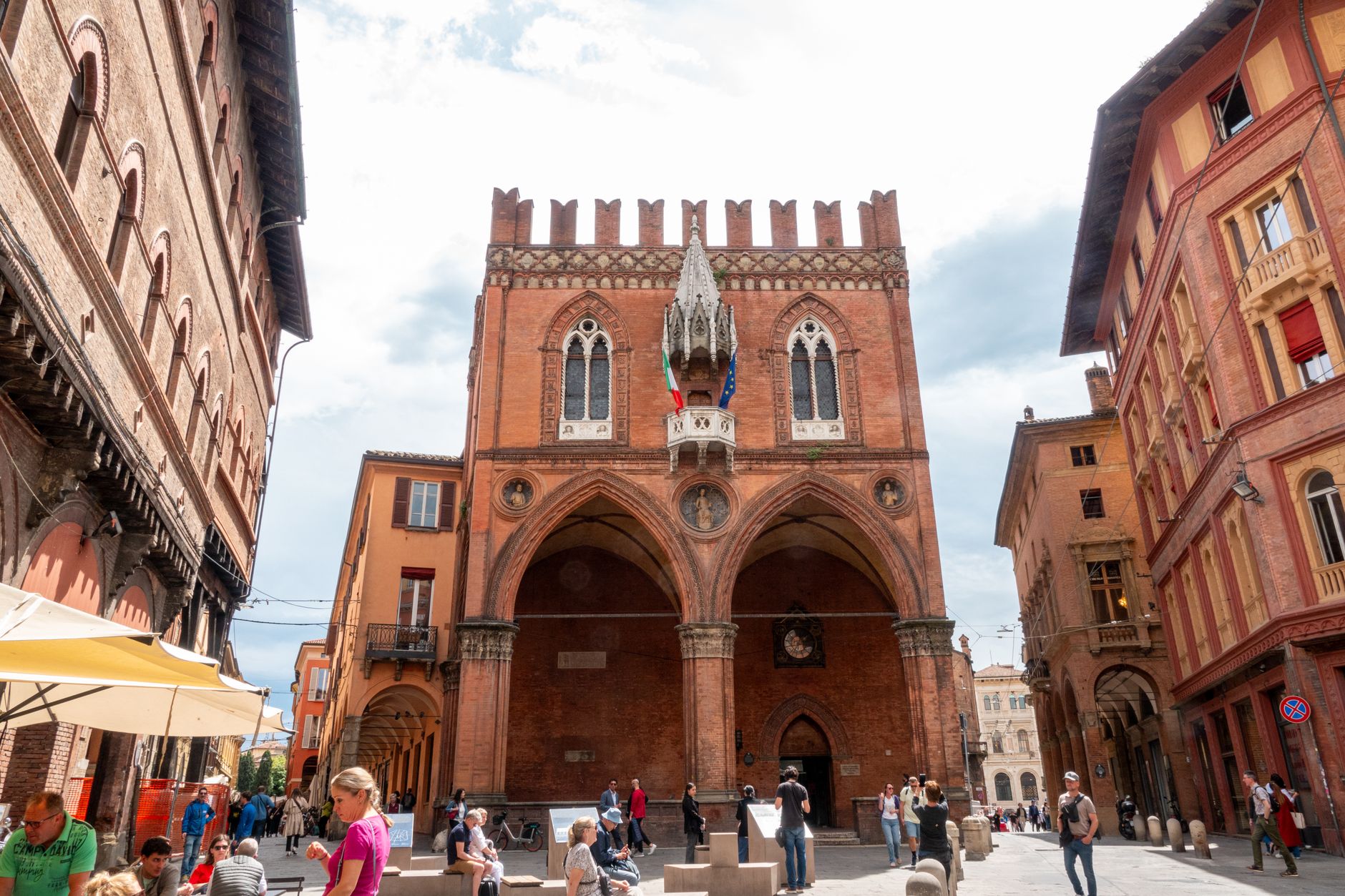
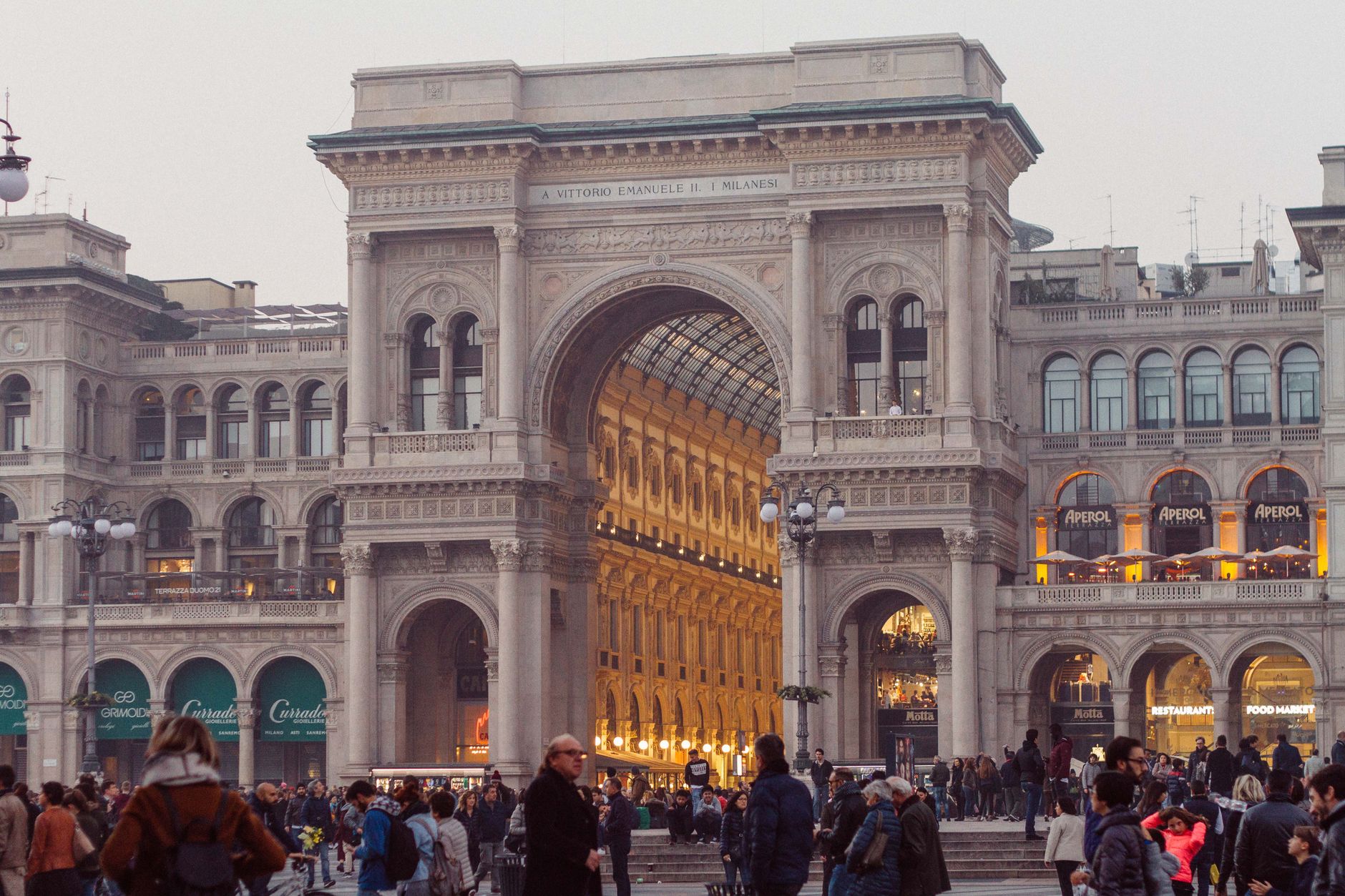
Stand at the centre of Piazza Ducale on a quiet morning and the geometry alone stops you: 134 metres of perfectly uniform arcaded porticos, 84 columns, the whole thing conceived in just two years between 1492 and 1494 as a formal antechamber to a duke's castle. Bramante drew it up, Leonardo da Vinci worked nearby, and the result is one of the most coherent Renaissance squares in Italy — one that most visitors to Lombardy never find.
Vigevano earned a different kind of fame later. By the 1950s the city was Italy's shoe capital, and the factories that made that happen are still running. The Sforza Castle now holds an International Museum of Footwear alongside its civic art gallery, and artisan shoe shops occupy streets where wool merchants once traded under those same porticos.
💛 What travellers fall for
People who come back tend to go straight to the Mulino di Porta Nuova — a working watermill inside the city that sells its own flour — and then walk the Strada Coperta, the 163-metre fortified passageway Luchino Visconti built in 1347 to move between castle and fortress without being seen. Most day-trippers miss both.
Experiences you don't want to miss


Deals in Vigevano
Book directly at the provider
How Vigevano came to be
Vigevano's castle was first recorded in 963, and in 1154 Emperor Frederick Barbarossa granted the town to Pavia. The decisive chapter came in the late fifteenth century, when Ludovico il Moro — the Sforza duke who also employed Leonardo da Vinci — transformed what had been a Visconti hunting lodge into a ducal residence and commissioned Piazza Ducale as its approach. The work was done between 1492 and 1494 under engineer Ambrogio da Corte following Bramante's design. Duke Francesco II Sforza granted Vigevano city status on 2 February 1532, the same year construction began on the Cathedral of Sant'Ambrose.
The city's next transformation was industrial. The first Italian shoe factory, Bocca Luigi, opened here in 1866 after railway connections to Milan and Mortara made distribution viable. Demand accelerated through the First World War and kept growing, and by mid-century the surrounding districts were almost entirely given over to footwear production — a history the castle's shoe museum now documents in full.
Who and what shaped it
People who shaped it
Landmark buildings
See Vigevano in motion
Plan your visit
On the map
When to go
Vigevano has a continental climate: summers are warm and can be humid, winters cold and sometimes foggy. April through June and September through October give you the clearest skies and the most comfortable temperatures for walking the piazza and the Ticino park.
Right now
Background & history adapted from Wikipedia (CC BY-SA) · specs from Wikidata (CC0) · weather from Open-Meteo · map data © OpenStreetMap contributors · photos from Wikimedia Commons / Unsplash with per-image credit. No third-party reviews or social posts reproduced.