
Lodi
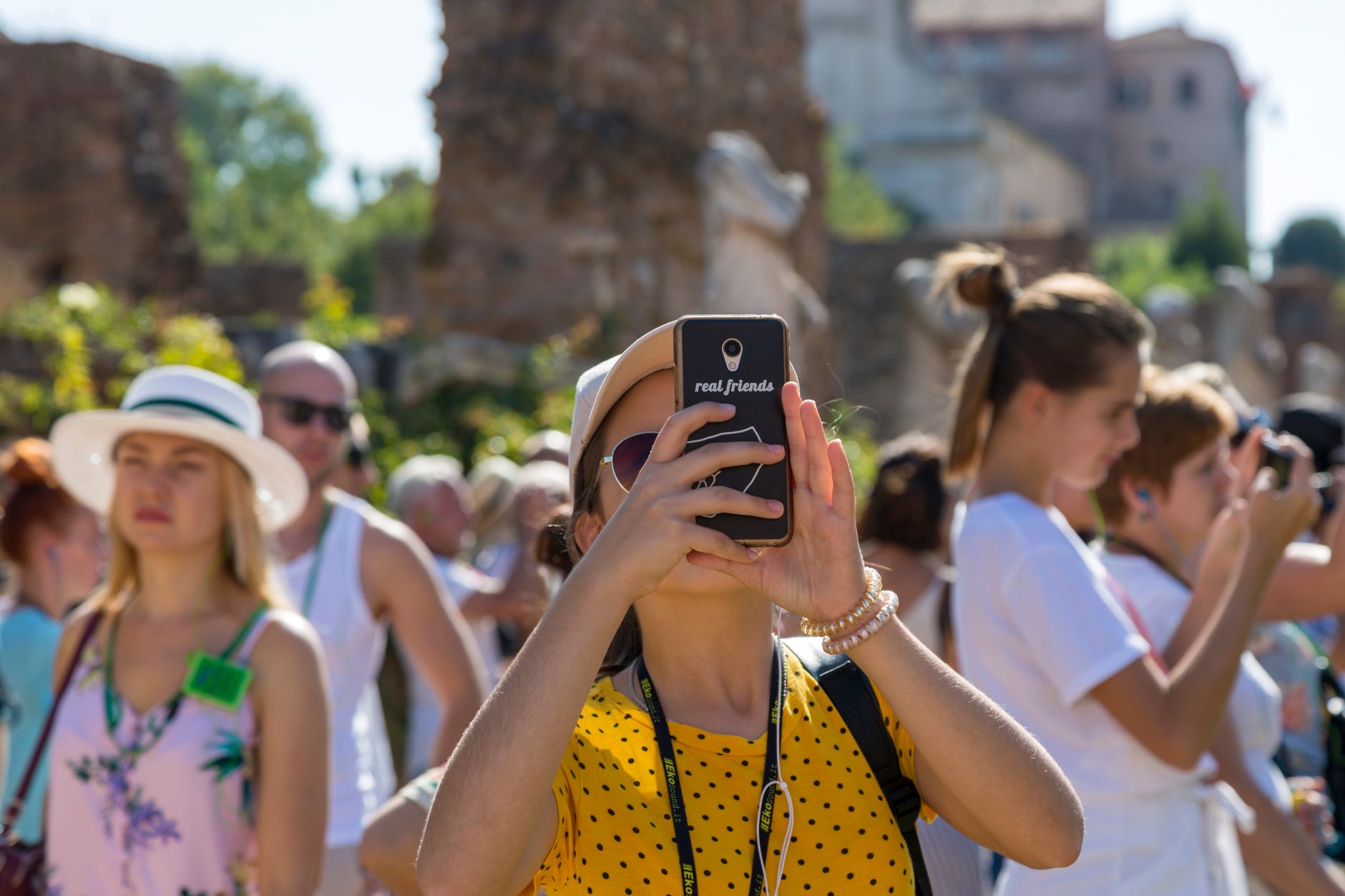



Lodi earns its place on the map twice over: once on 9 April 1454, when diplomats from across the Italian peninsula signed a treaty here that held the peace for forty years, and again on 10 May 1796, when a young Napoleon forced a crossing of the Adda bridge and later said the moment first made him believe in his own destiny. The city that witnessed both events sits on the river today much as it has for centuries — a compact, terracotta-coloured centre gathered around one of Lombardy's most quietly authoritative medieval squares.
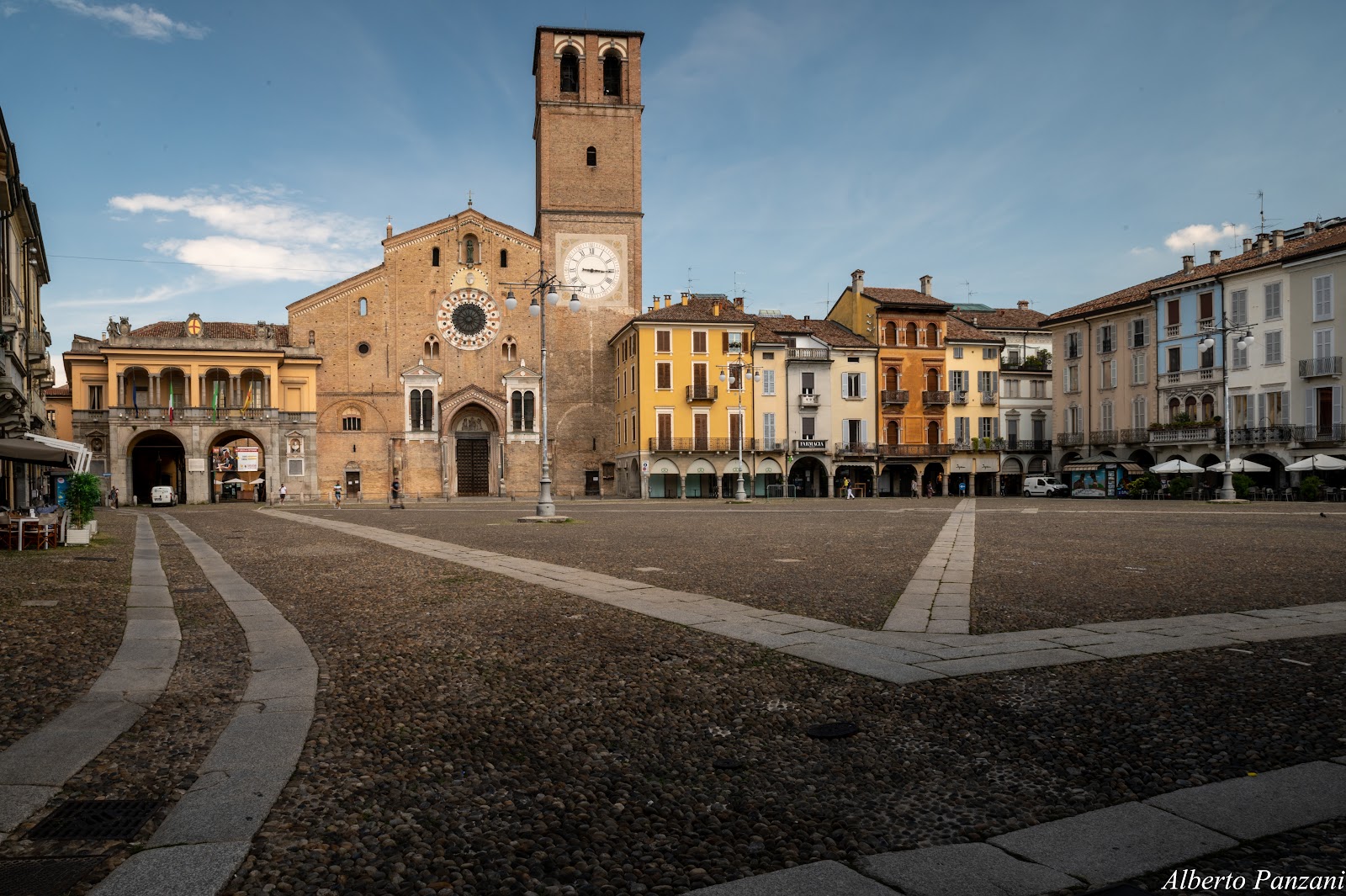
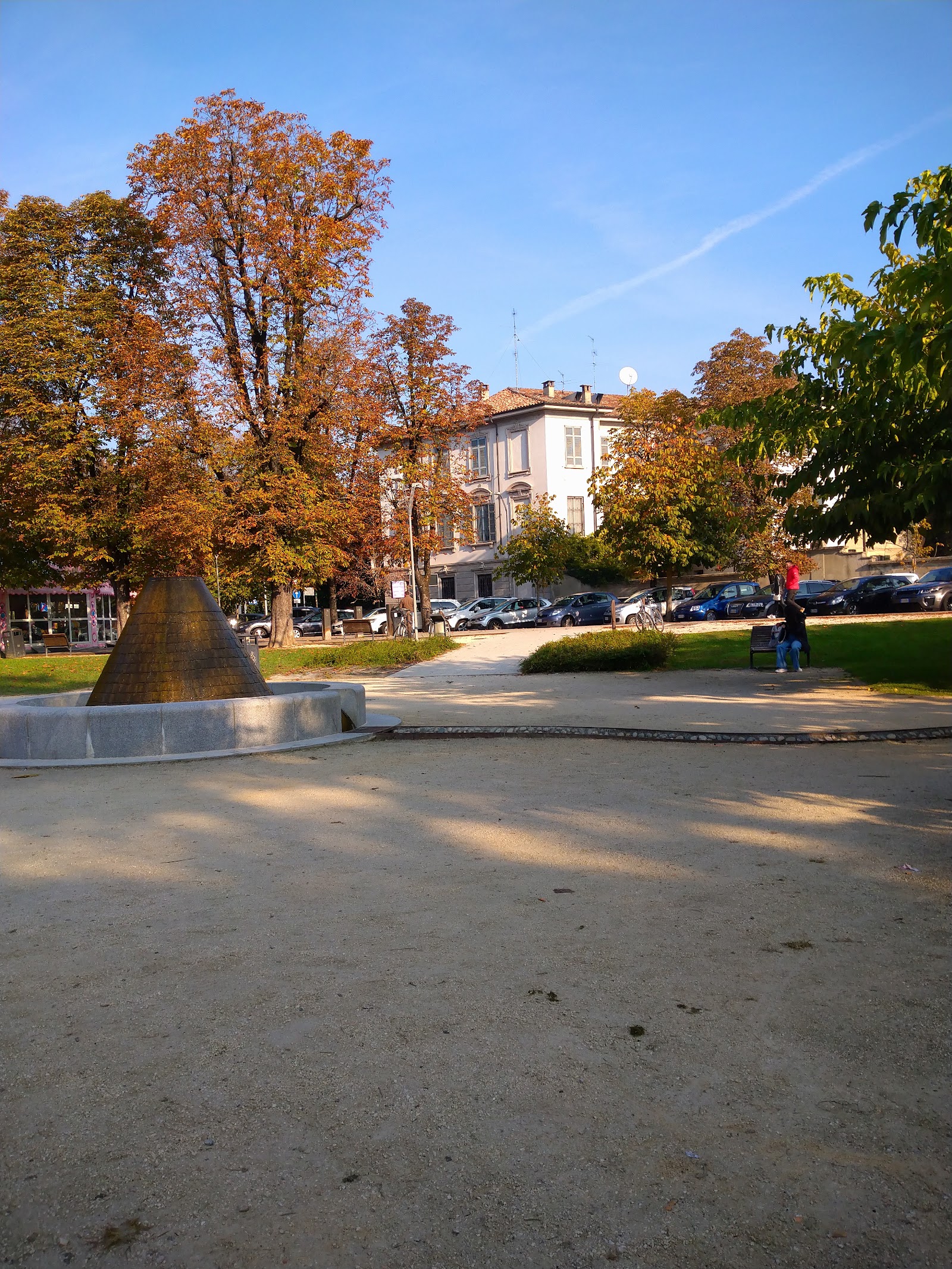
Piazza della Vittoria is the place to start. Its porticos run on all four sides, the paving is river pebble laid in 1471, and the Cathedral and the Broletto face each other across it without competing. It made Italy's official list of most beautiful squares in 2004, which feels like a formality — the square makes its own case.
💛 What travellers fall for
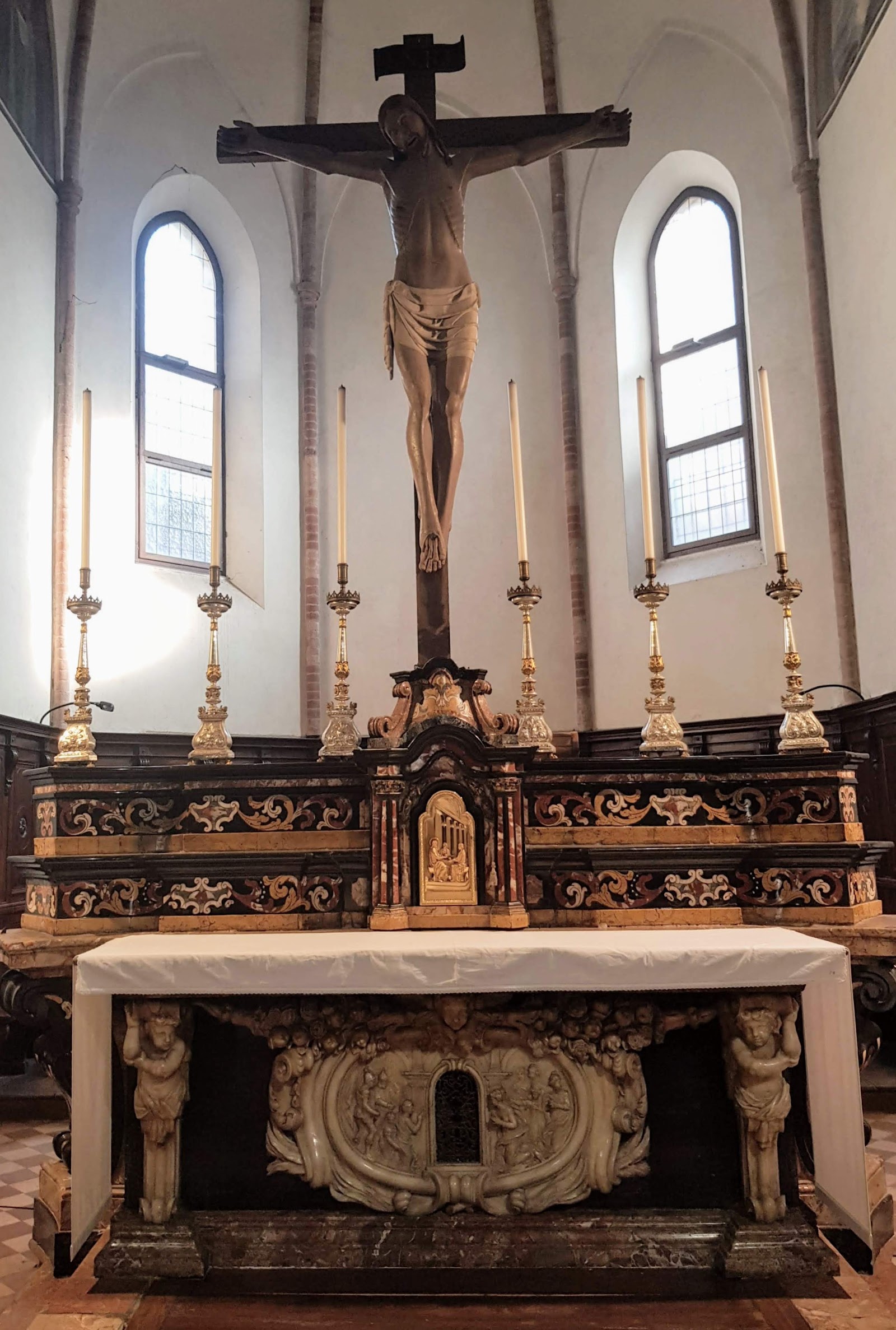
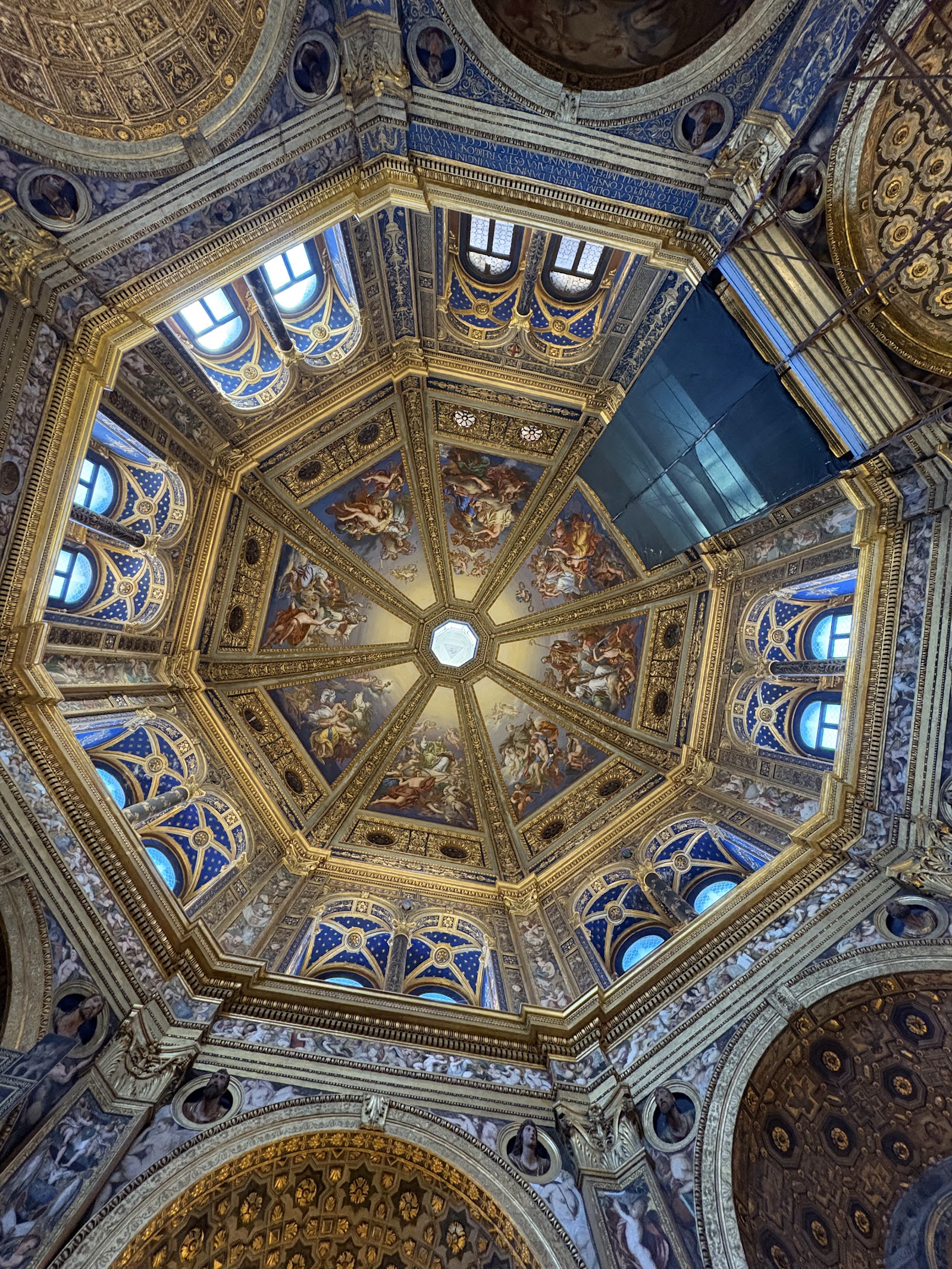
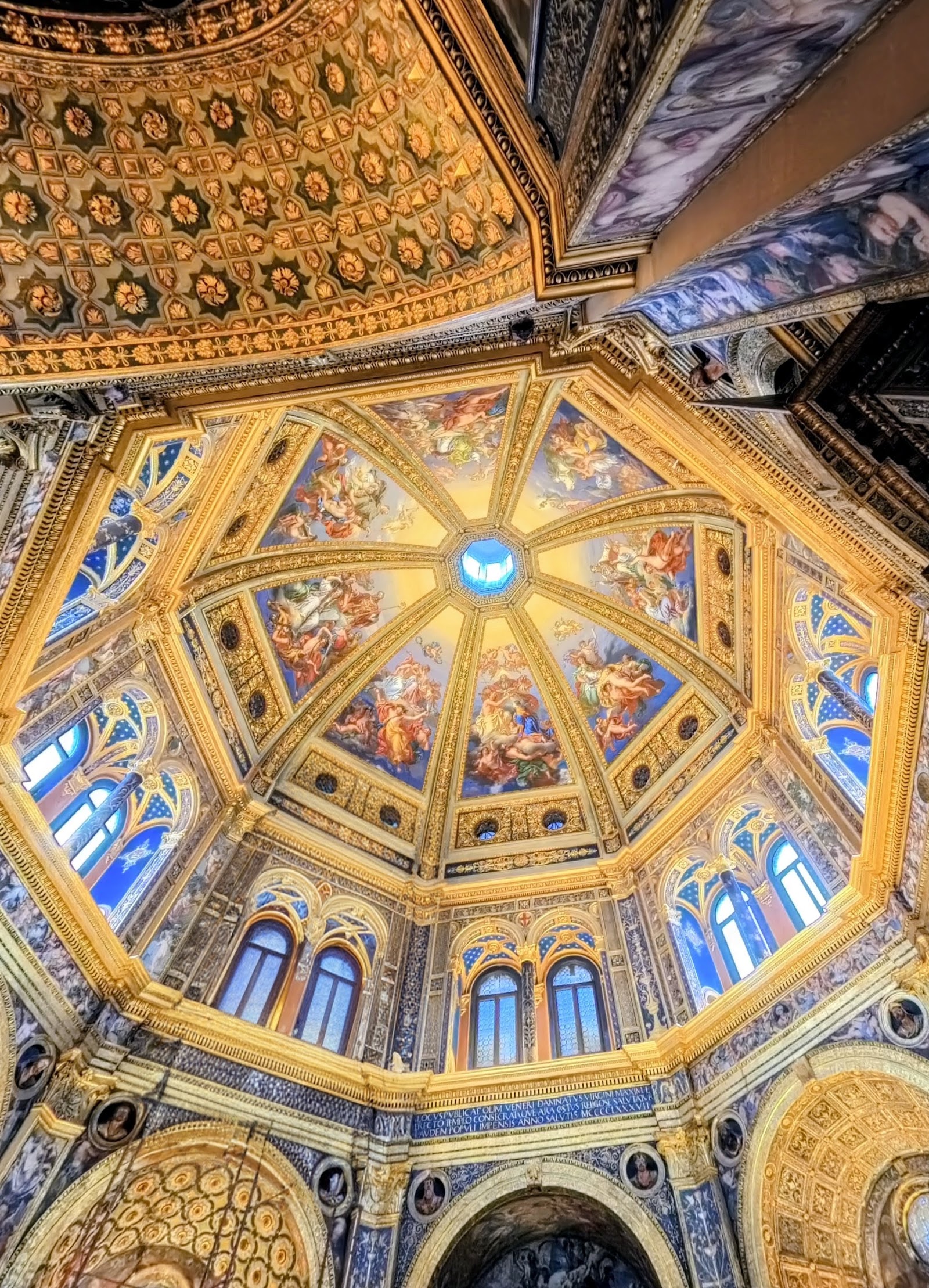
People who come back tend to arrive on a Tuesday or Thursday afternoon, when the Tempio dell'Incoronata is open for its afternoon hours and the light through the octagonal drum hits the frescoes at the right angle. They also make time for San Francesco — not for the interior alone, but for the unfinished brick facade, which has its own strange, patient dignity.
Experiences you don't want to miss


Deals in Lodi
Book directly at the provider


How Lodi came to be
The ground beneath Lodi was already old when Rome arrived. The Boii settled here first; Rome formalised it as Laus Pompeia in 89 BC, naming it after consul Gnaeus Pompeius Strabo, and made it a municipium in 49 BC. The city that stands today, however, is a deliberate act of political theatre: after Milan razed the original settlement on 24 May 1111, Frederick Barbarossa refounded Lodi on 3 August 1158 — the Cathedral's foundation was laid the same day — as a direct rebuke to Milanese power.
Three centuries later, Lodi gave its name to one of Renaissance Italy's most consequential diplomatic moments. The Treaty of Lodi, signed in 1454, created a balance of power among the Italian states that held for four decades. Then Napoleon arrived in 1796 and the age of such careful arrangements ended at the bridge over the Adda.
Who and what shaped it
People who shaped it
Landmark buildings
See Lodi in motion
Plan your visit
On the map
When to go
Lodi sits in the Po Valley, which means cold, sometimes foggy winters and warm, humid summers. Spring and early autumn — April, May, September, October — give you mild temperatures and the terracotta of the old centre in its best light.
Right now
↡ Attractions
Background & history adapted from Wikipedia (CC BY-SA) · specs from Wikidata (CC0) · weather from Open-Meteo · map data © OpenStreetMap contributors · photos from Wikimedia Commons / Unsplash with per-image credit. No third-party reviews or social posts reproduced.