
Monza
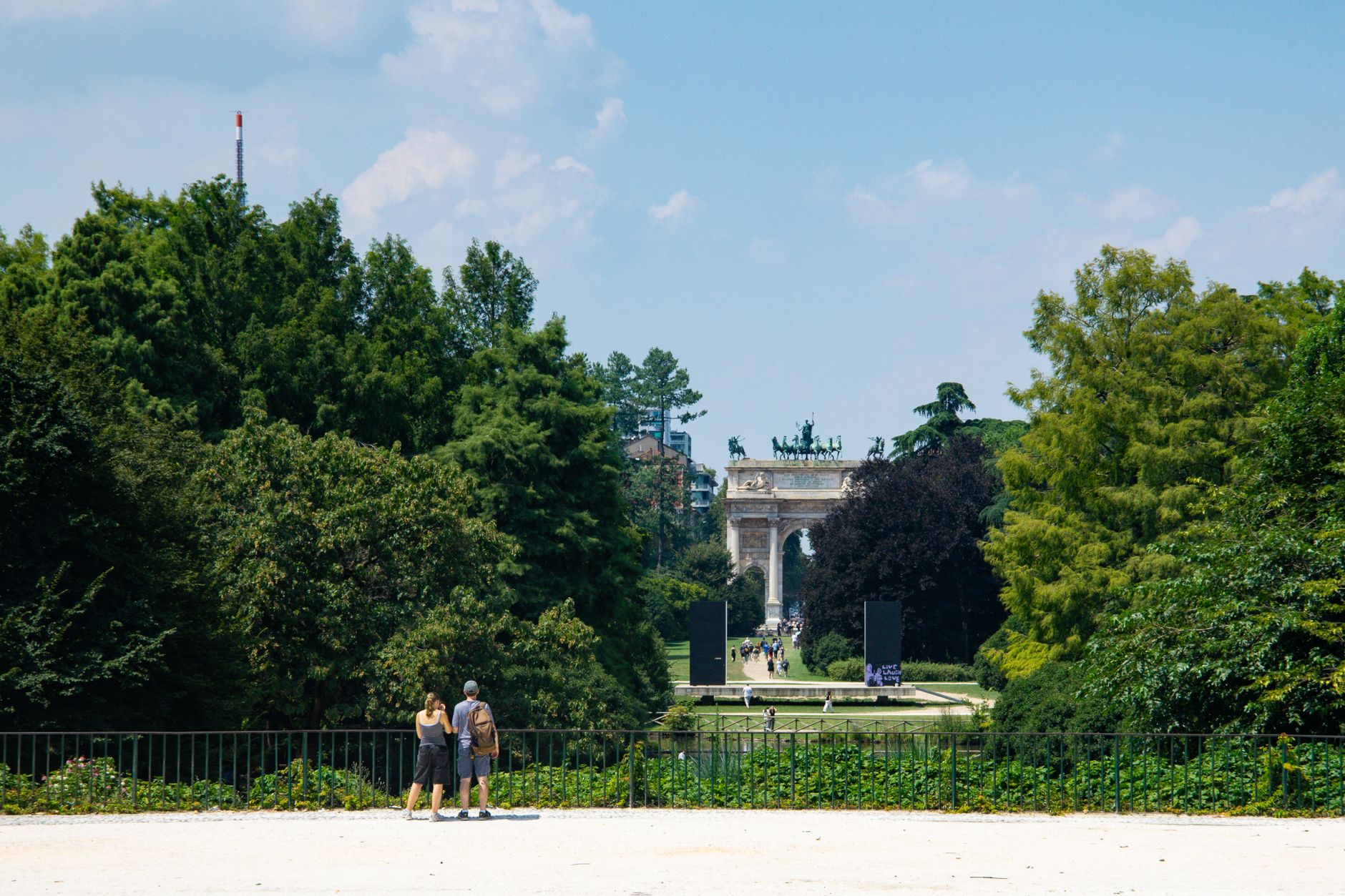
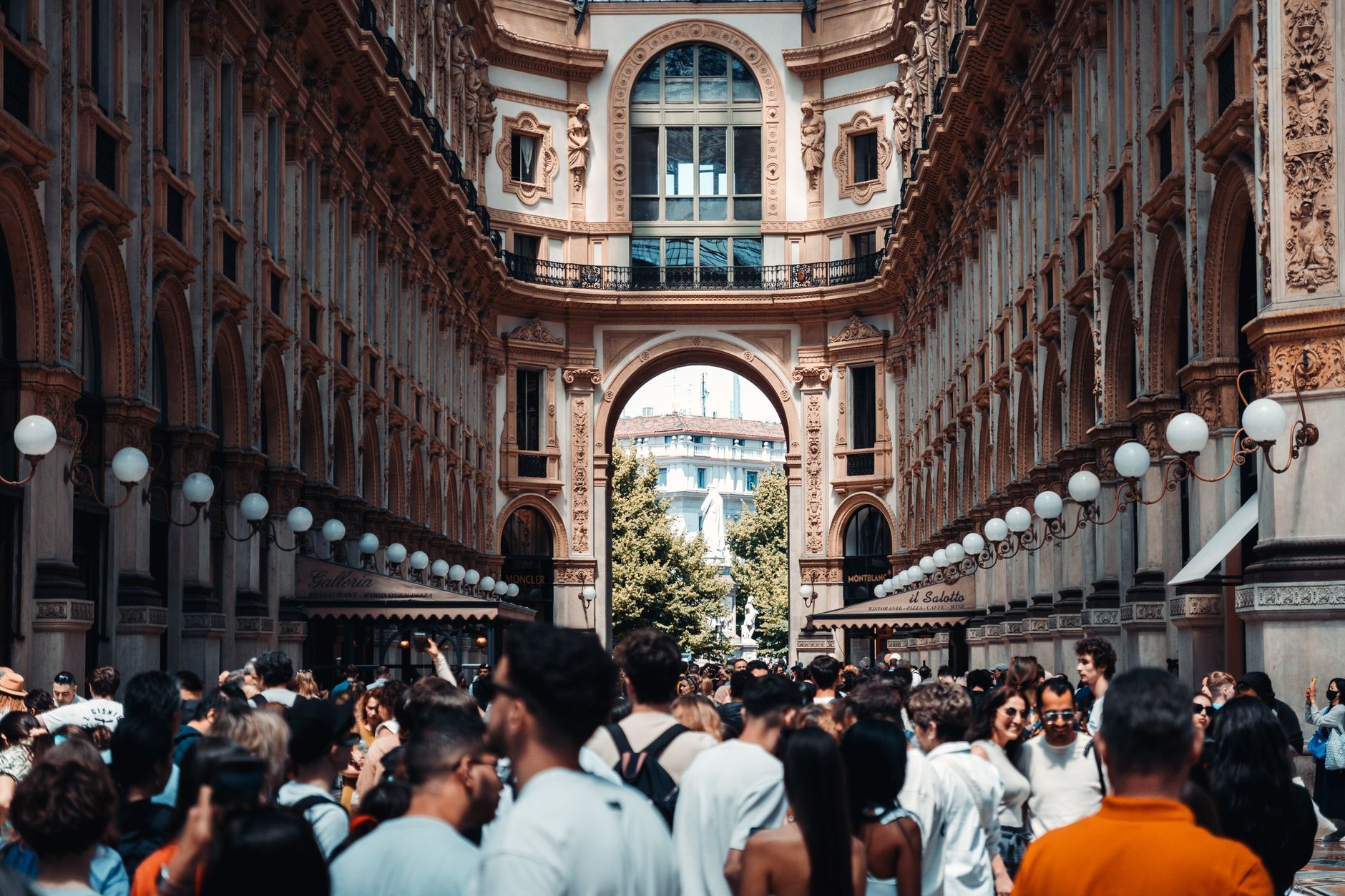
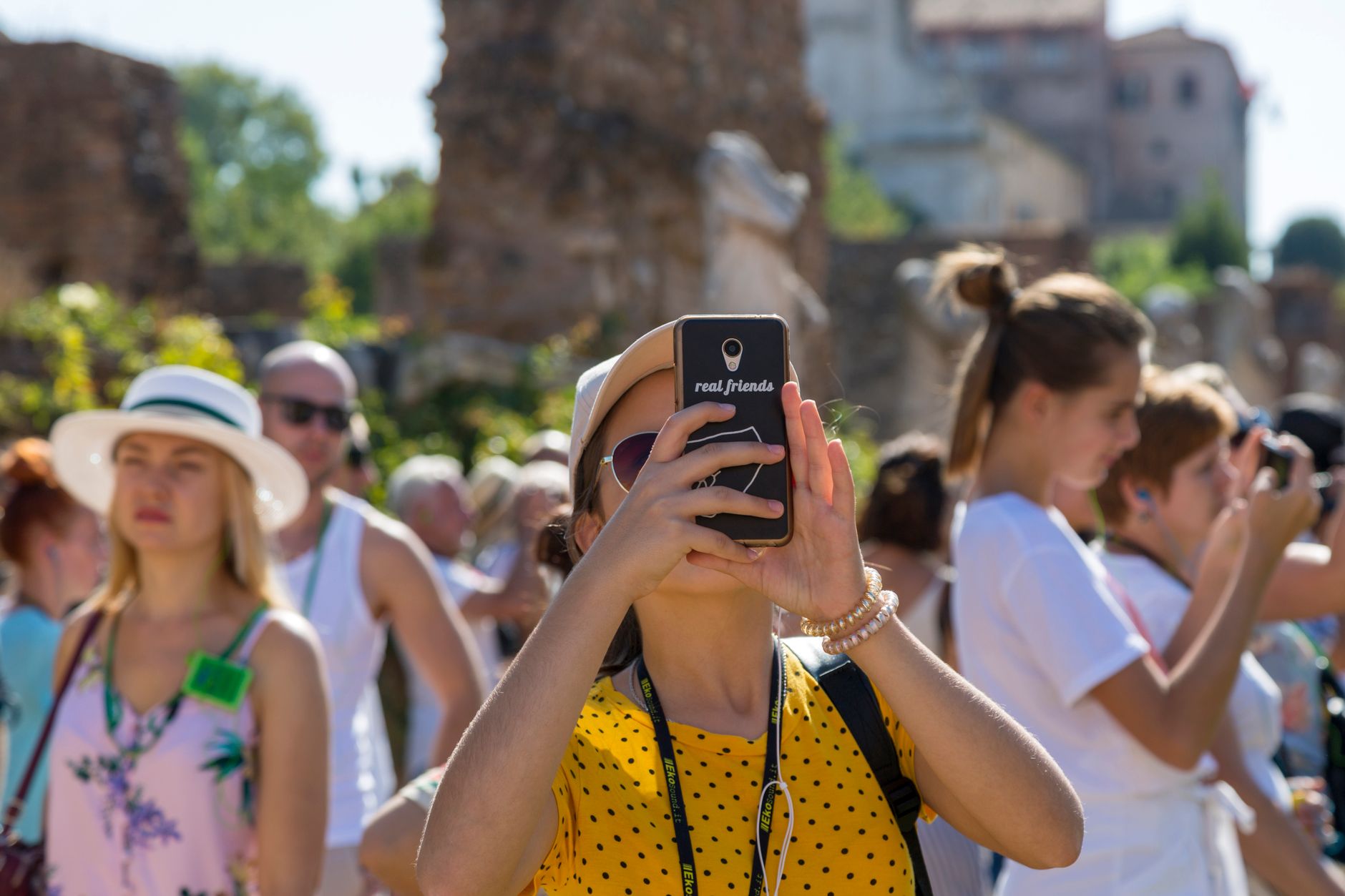
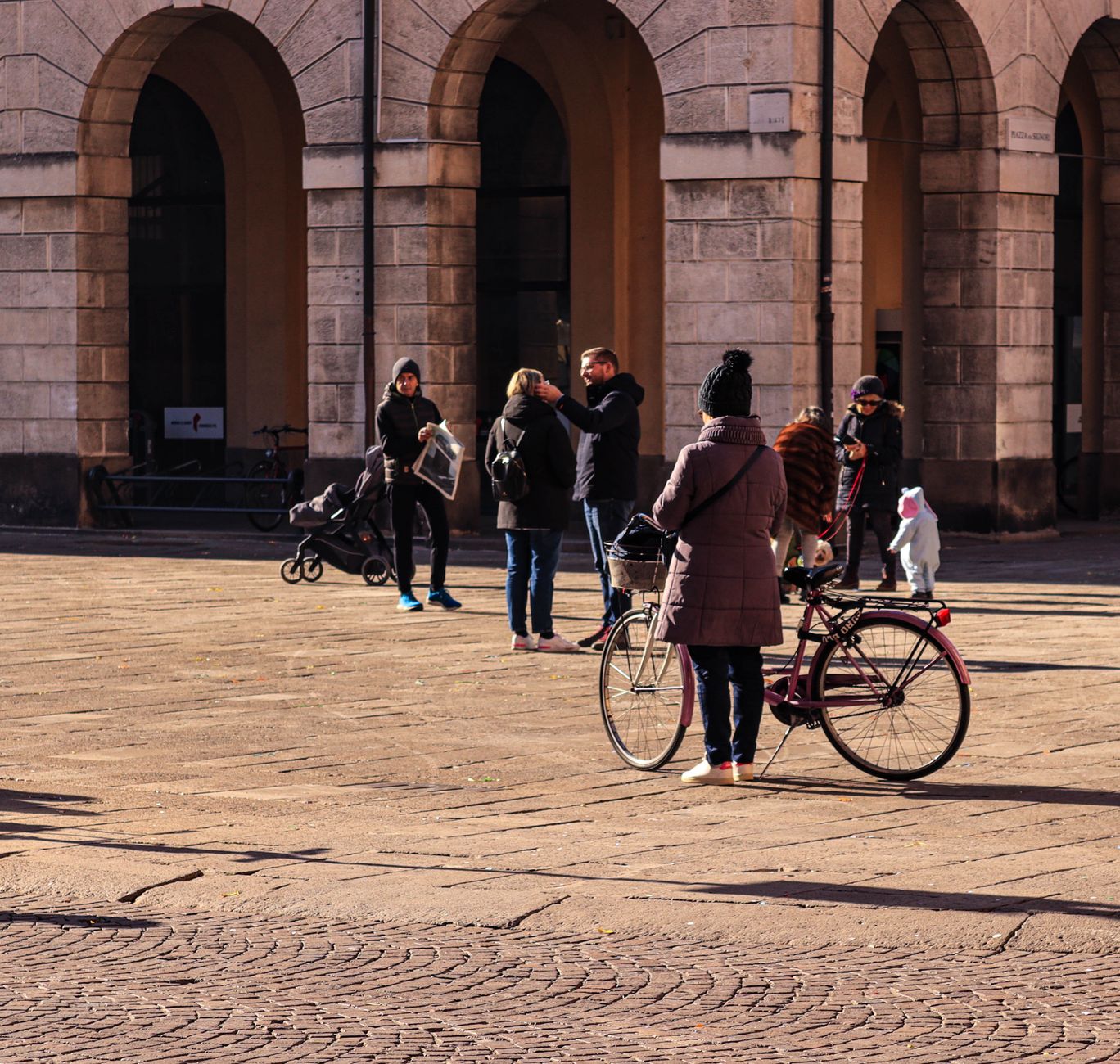
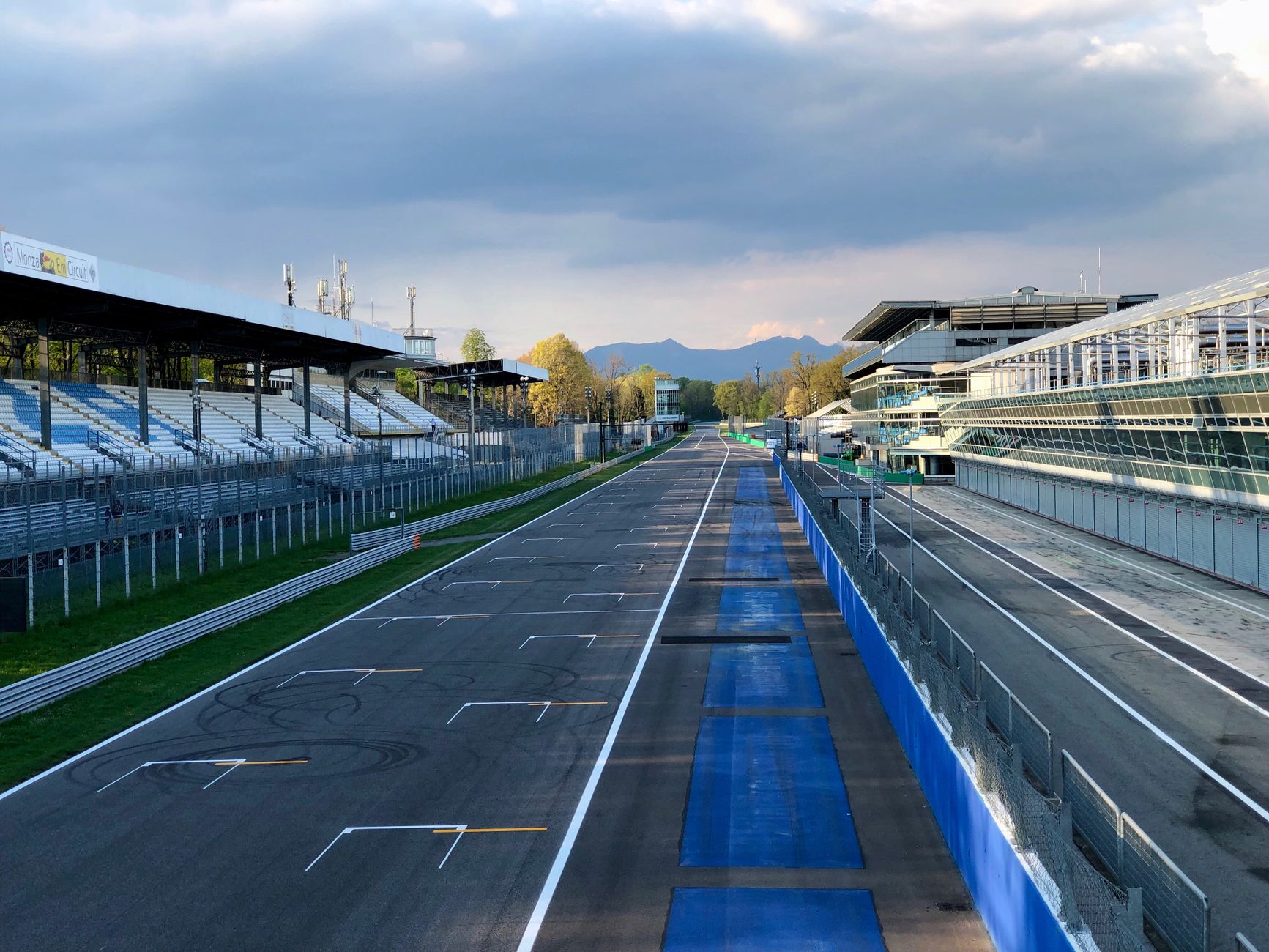
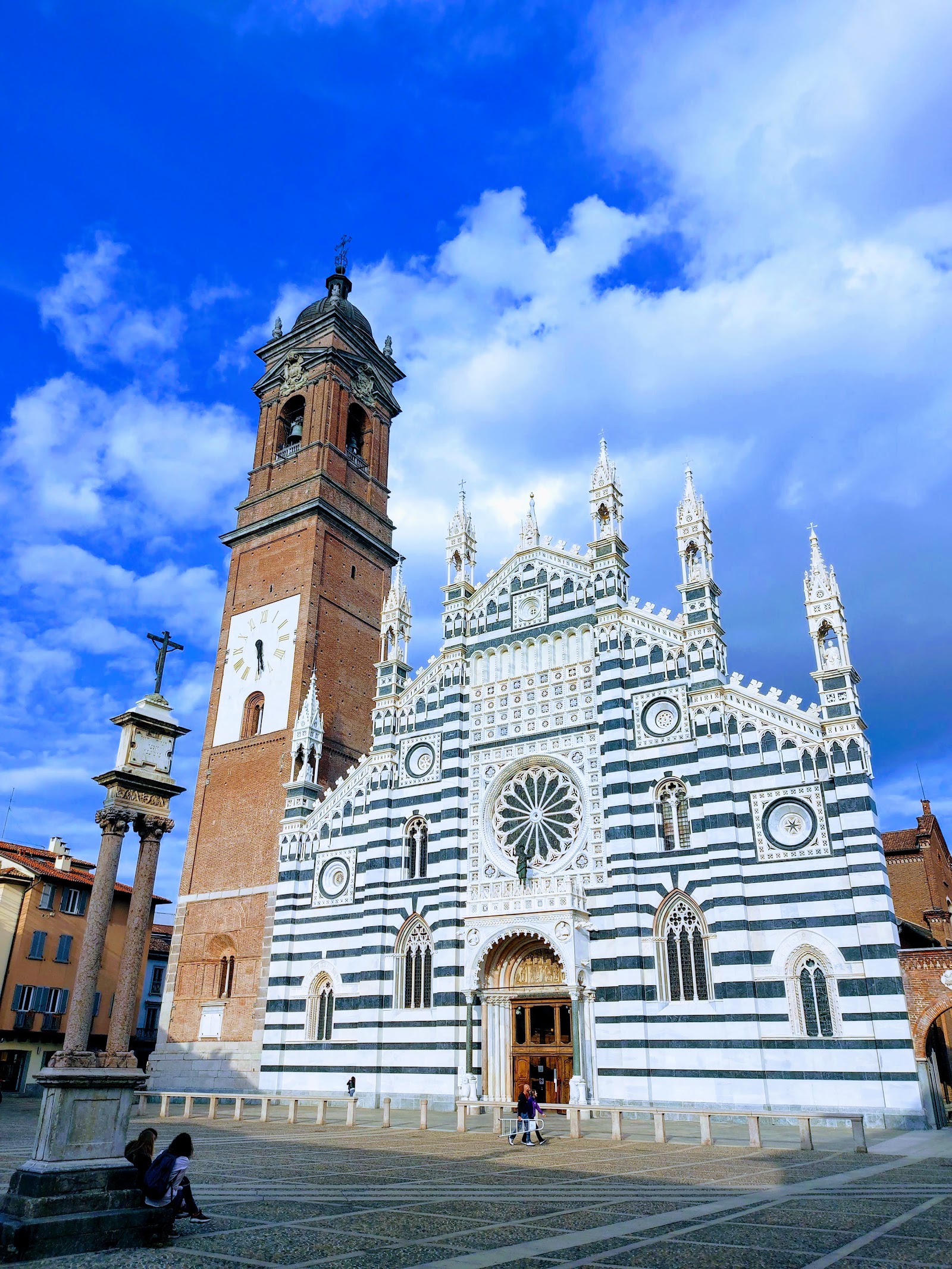
Monza keeps two identities in careful balance. On the first Sunday of September, the Autodromo — built in 1922 and still the oldest purpose-built circuit on the European continent — fills with the noise of Formula 1, and the whole city smells faintly of fuel. Walk ten minutes from the track and you're standing in front of a green-and-white marble cathedral façade that Matteo da Campione finished in 1396, housing a crown that supposedly contains a nail from the True Cross.
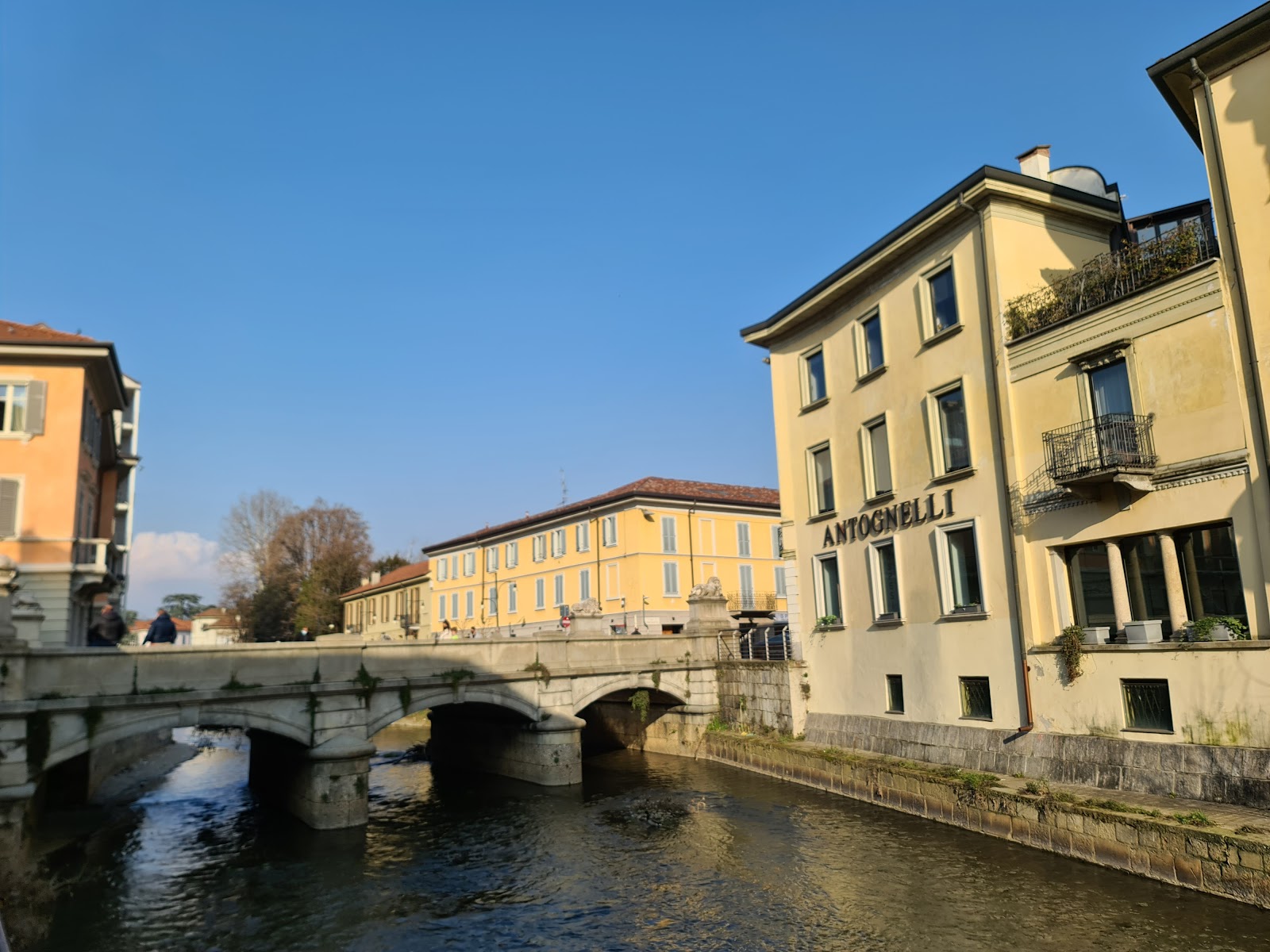
The city earned its place in history long before the racing. Theodelinda, the Bavarian queen who steered the Lombard kingdom toward Catholic Christianity in the late sixth century, chose Monza as her royal seat and founded the chapel complex that eventually became the Duomo. The park, the villa, the medieval tower by the Lambro — Monza rewards a day or two of unhurried walking.
💛 What travellers fall for
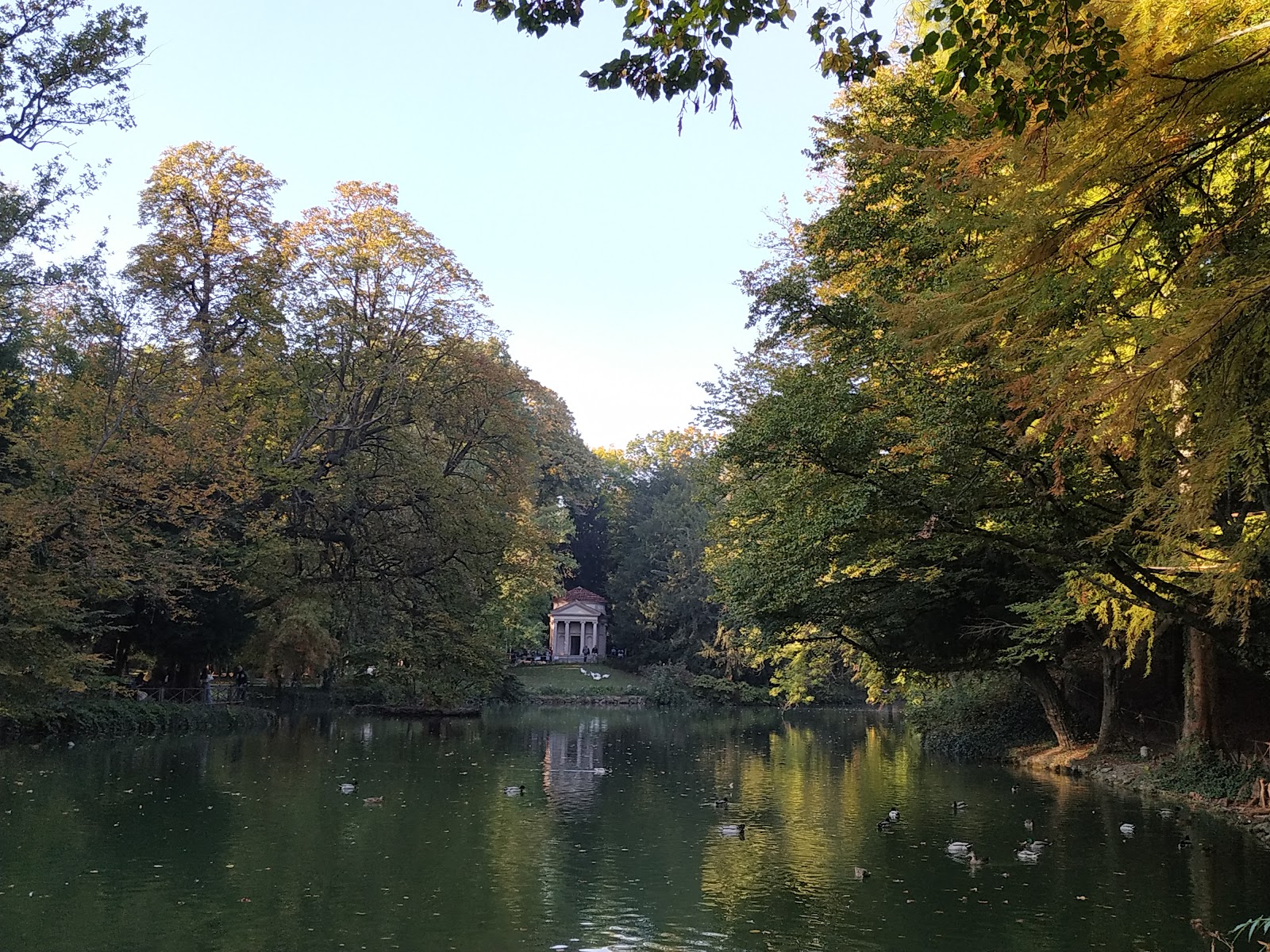
People who come back tend to spend time in the Parco di Monza on a weekday morning, when the nearly 700 hectares are quiet enough to hear the river. The Zavattari fresco cycle inside the Theodelinda Chapel — 45 scenes across five registers, painted in the first half of the 1400s — repays a second visit once you know Theodelinda's story.
Experiences you don't want to miss



Deals in Monza
Book directly at the provider
How Monza came to be
The site was a Roman settlement called Modicia before the Lombards swept into northern Italy in 568. The city's defining moment came in 589, when Theodelinda — a Bavarian princess who married the Lombard king Authari and, after his death, married Agilulf — made Monza a royal residence and founded a palace chapel dedicated to John the Baptist, the nucleus of today's cathedral. She died in 627 and was eventually reinterred within the complex she built.
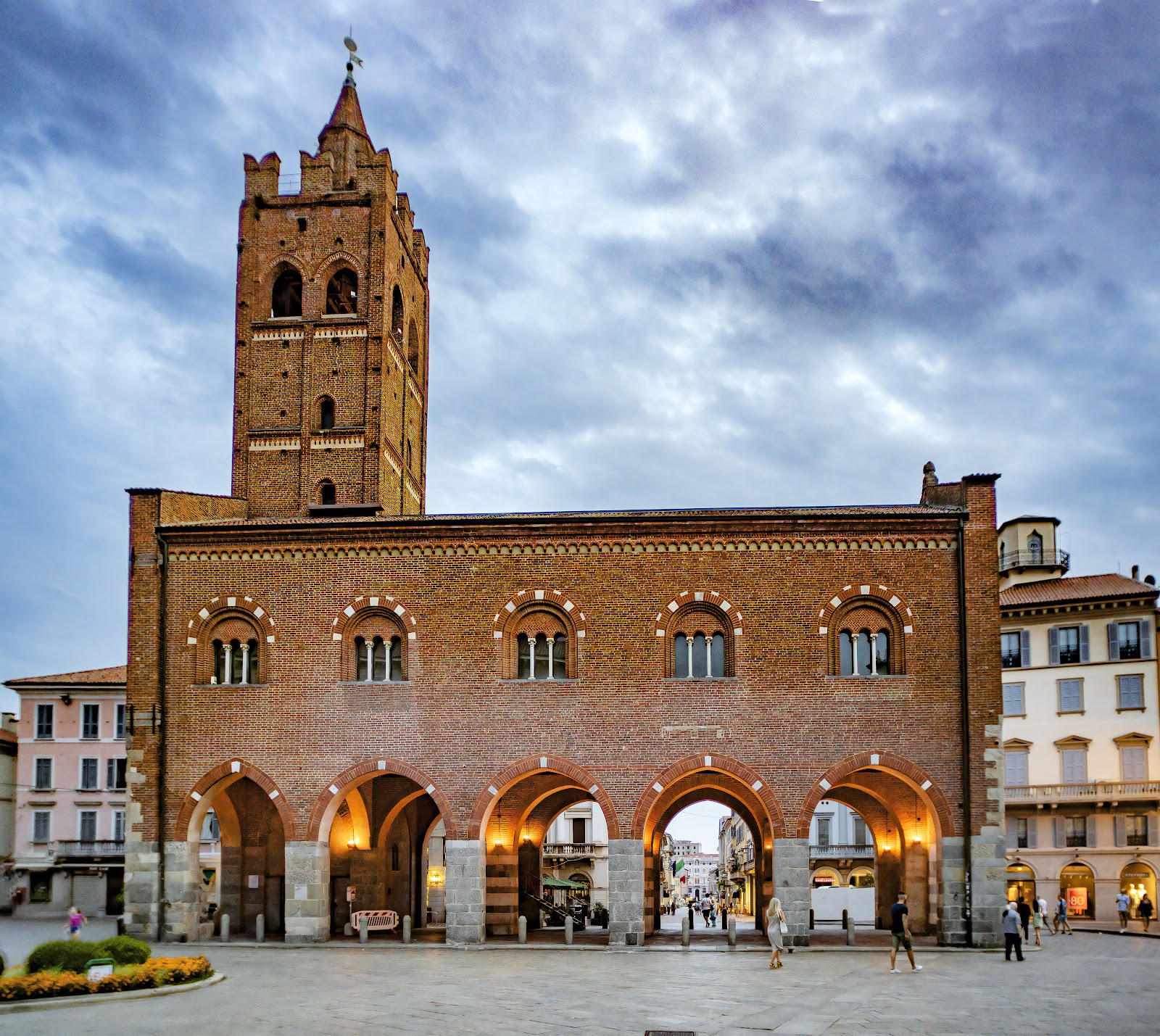
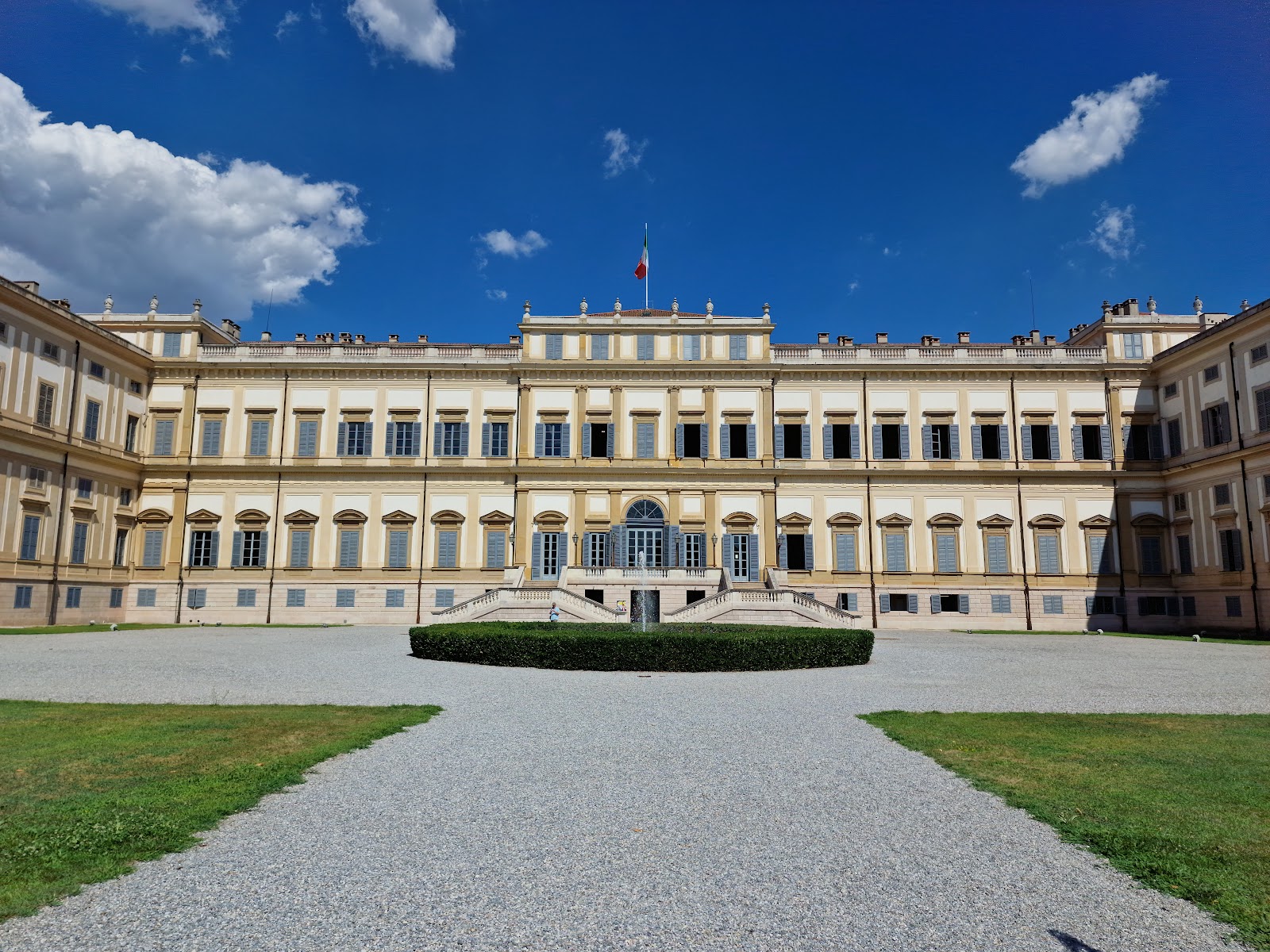
The Visconti raised a castle here in 1325; the Habsburgs commissioned Giovanni Piermarini to design the neoclassical Royal Villa in 1777. In 1900, King Umberto I was assassinated in Monza, an event that left a small expiatory chapel in its wake. Then, in 1922, the Autodromo opened inside the royal park — and Monza acquired the second layer of history it carries today.
Who and what shaped it
People who shaped it
Landmark buildings
See Monza in motion
Plan your visit
On the map
When to go
Monza has a continental climate with cold, sometimes foggy winters and warm, humid summers. Late April through June and September through October offer the most comfortable temperatures for walking; July and August can be oppressively hot and sticky.
Right now
↡ Attractions


Background & history adapted from Wikipedia (CC BY-SA) · specs from Wikidata (CC0) · weather from Open-Meteo · map data © OpenStreetMap contributors · photos from Wikimedia Commons / Unsplash with per-image credit. No third-party reviews or social posts reproduced.