
Como
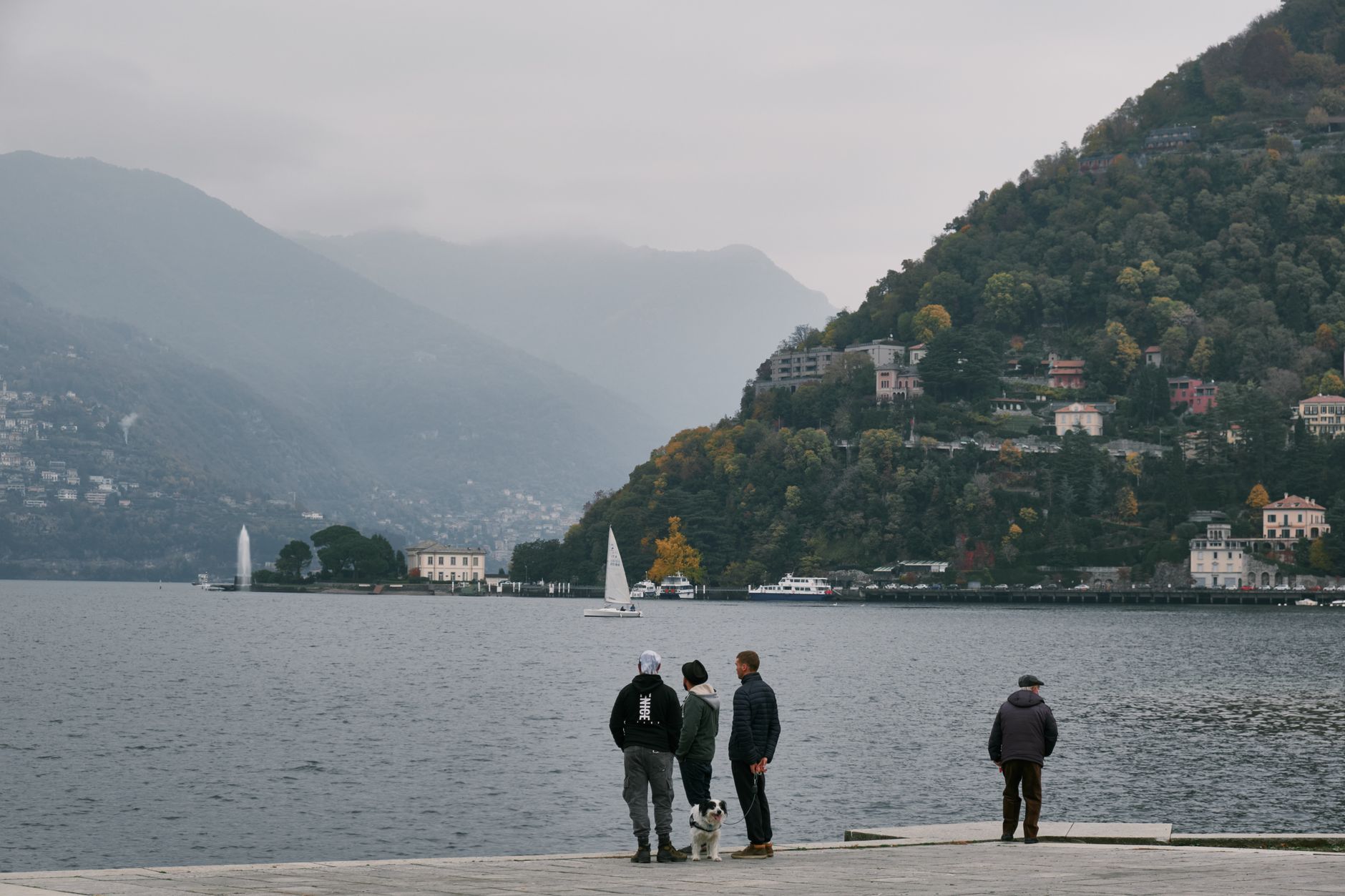
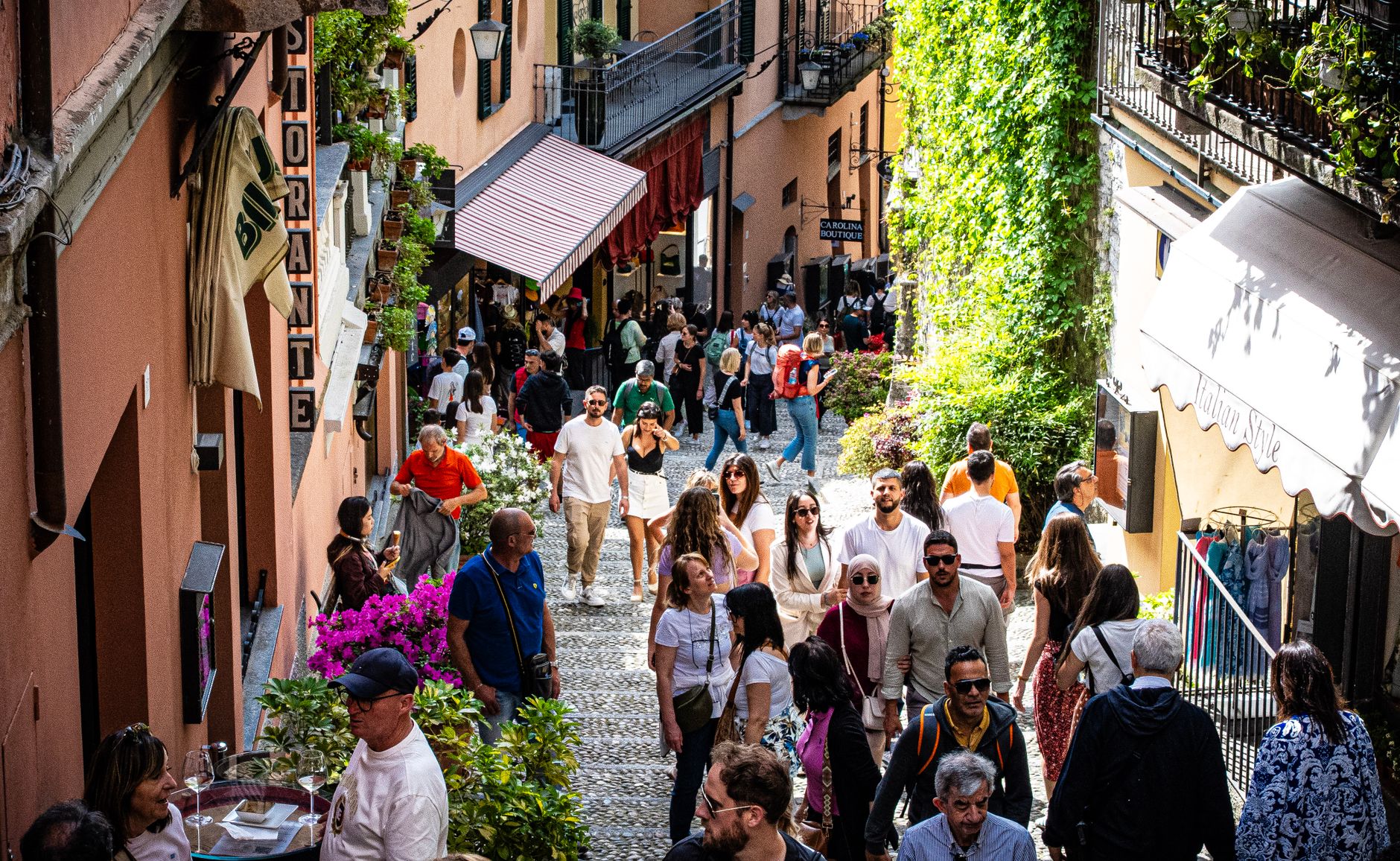
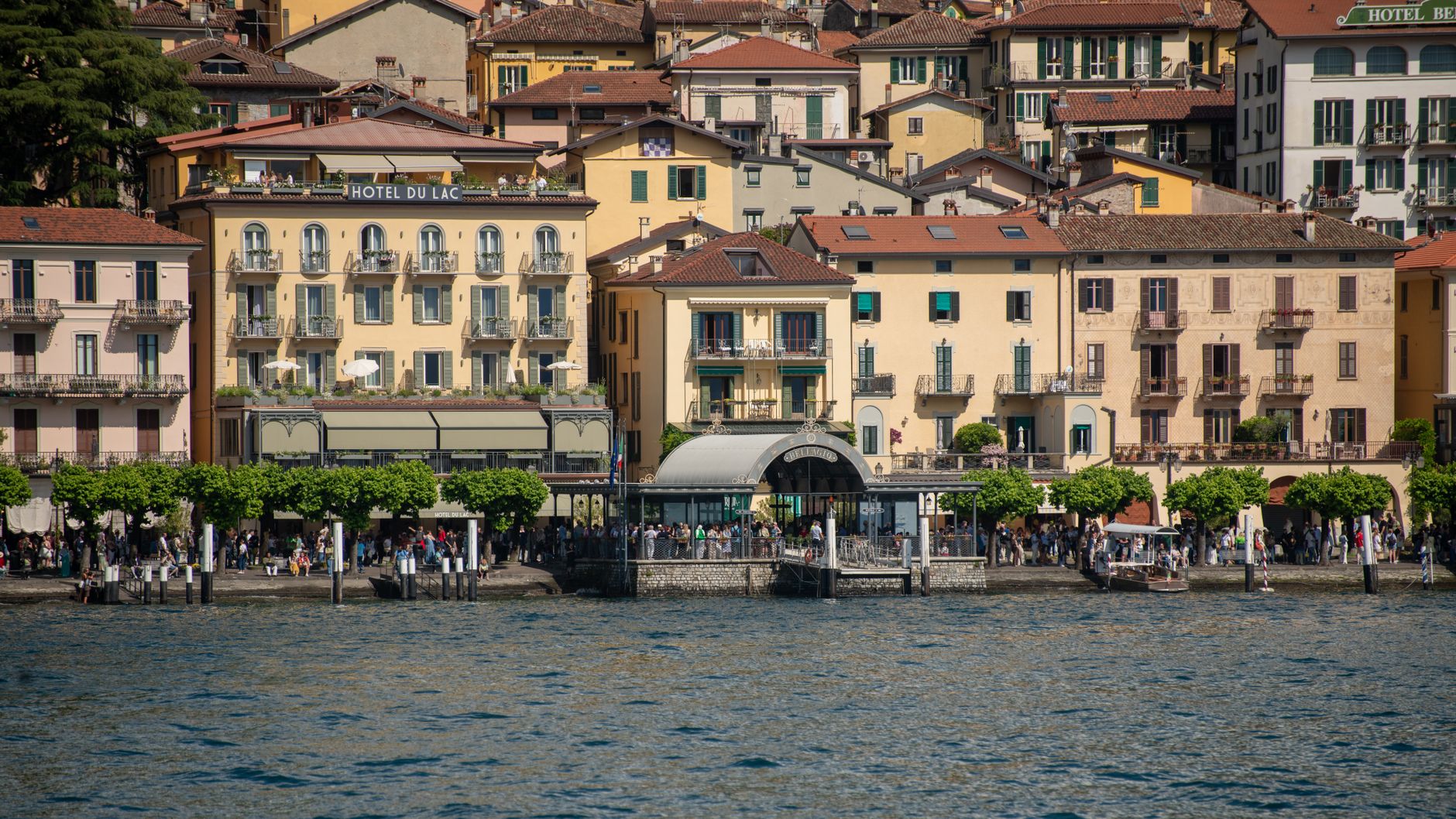
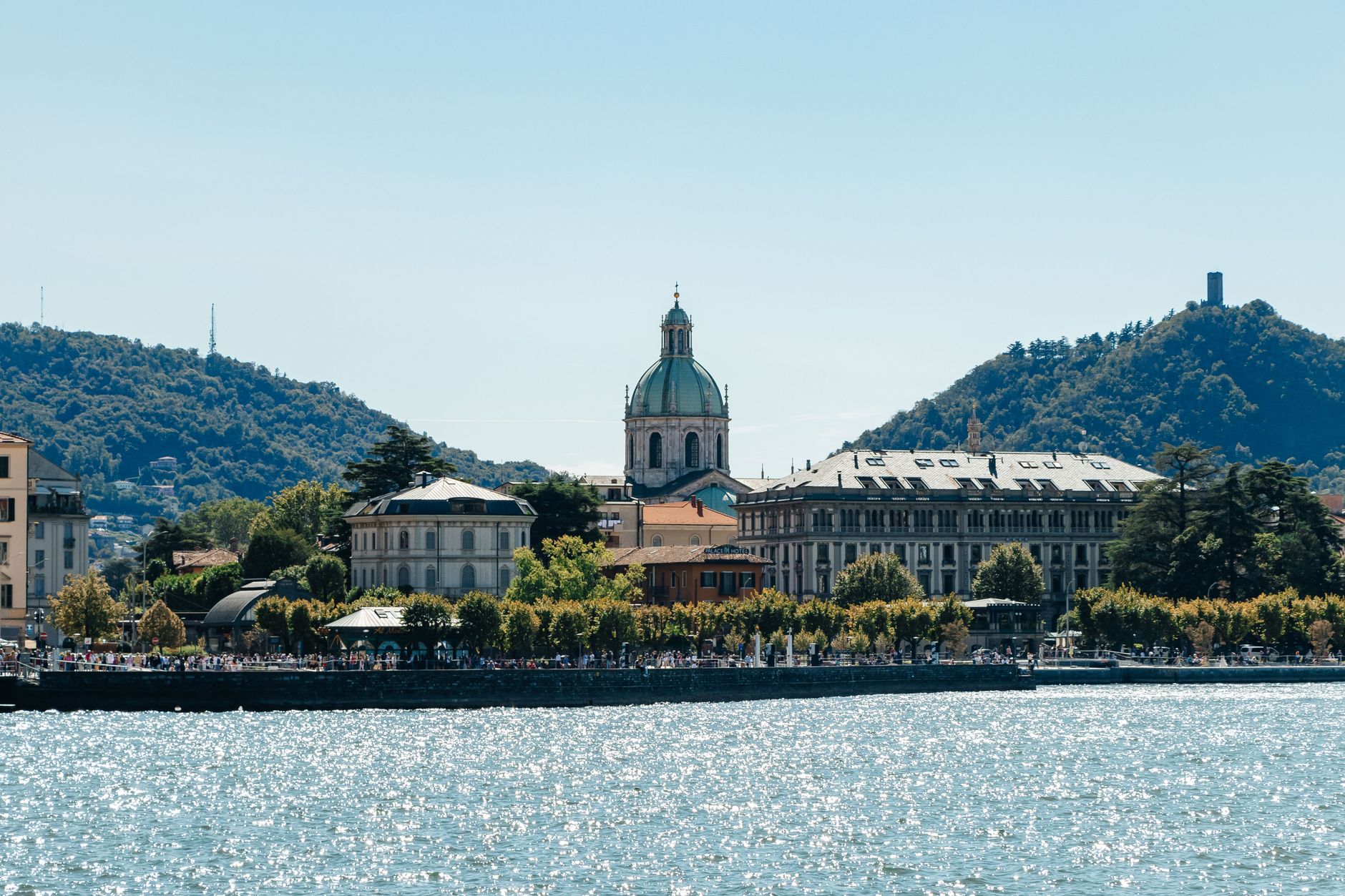
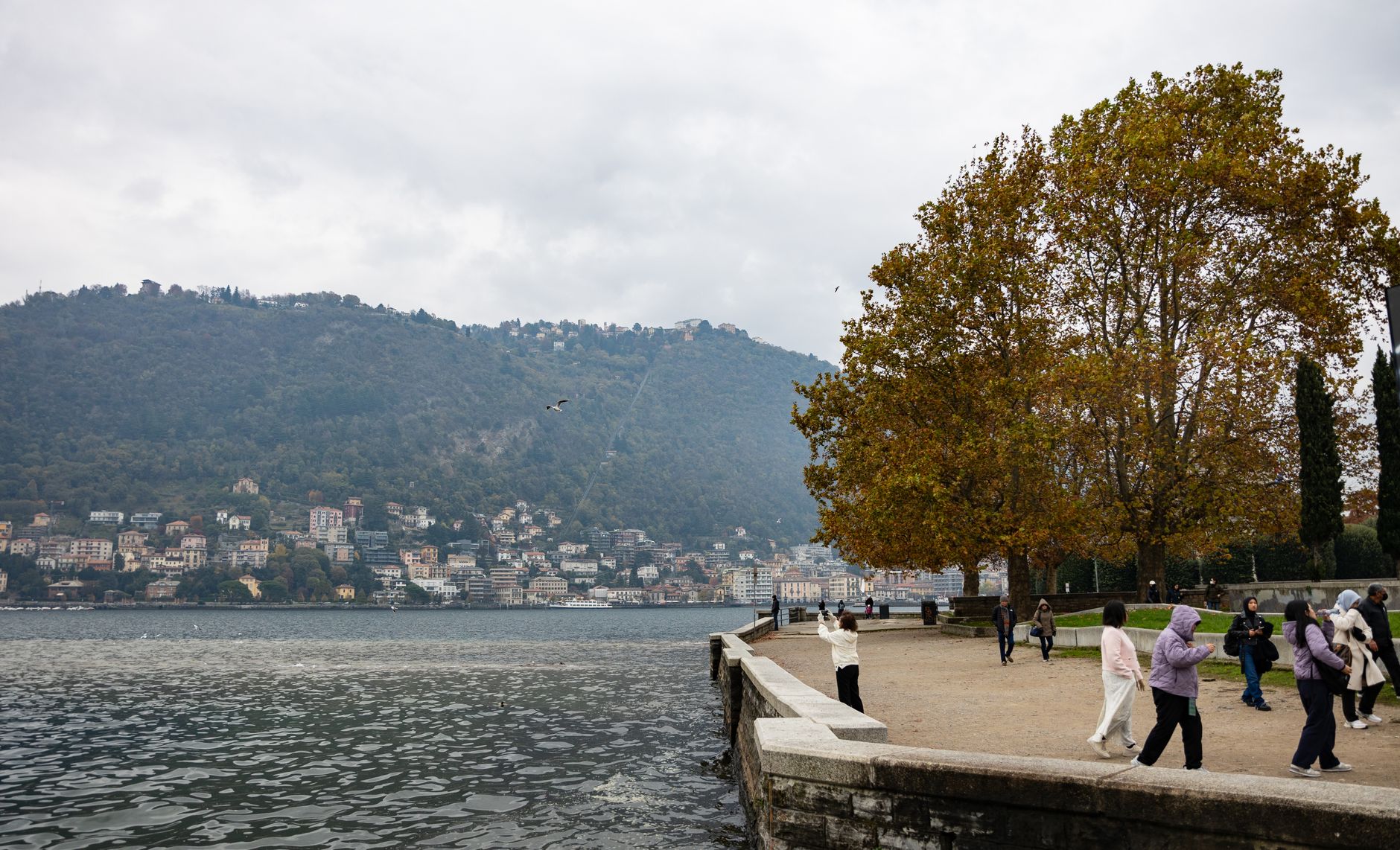
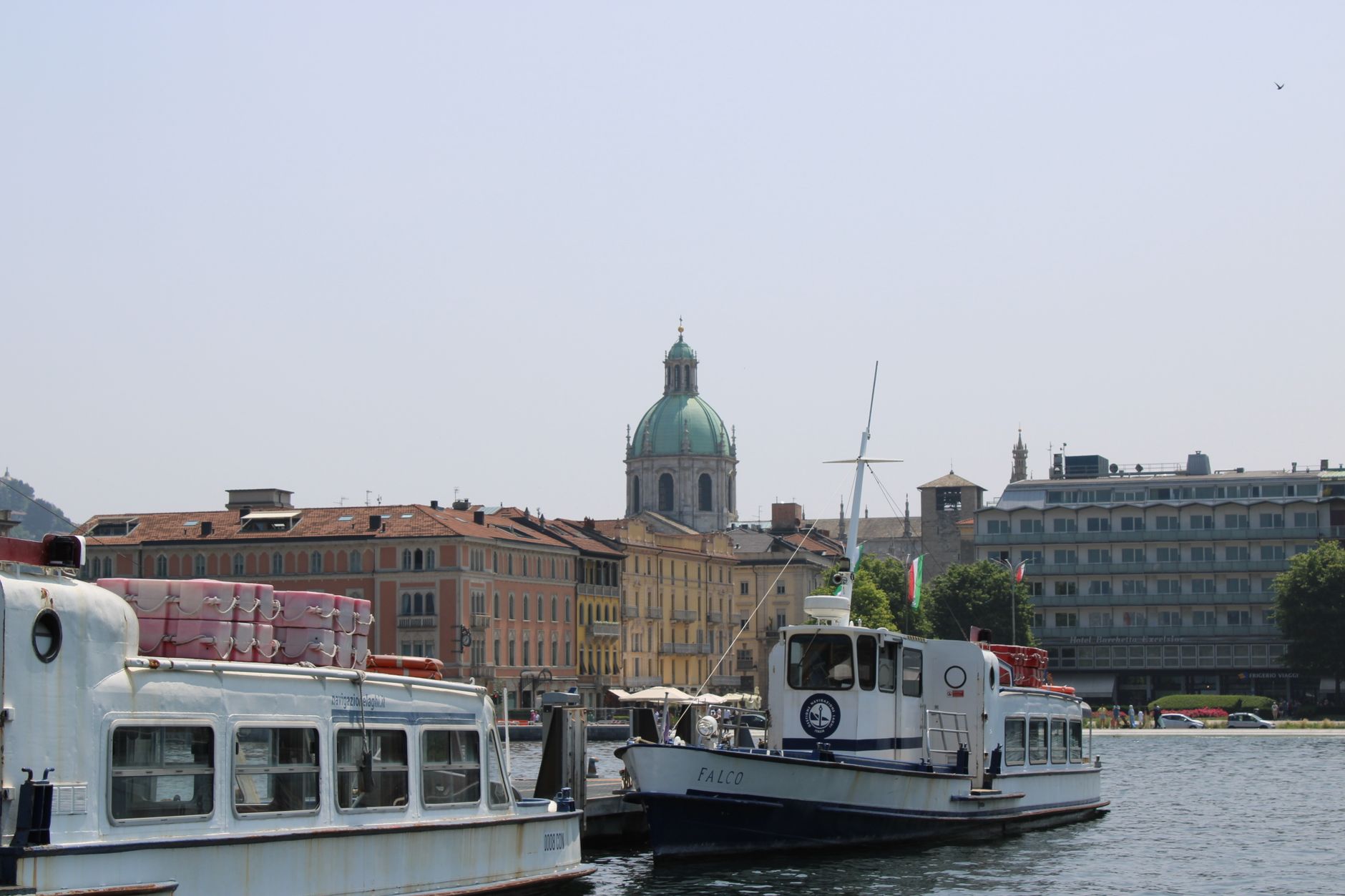
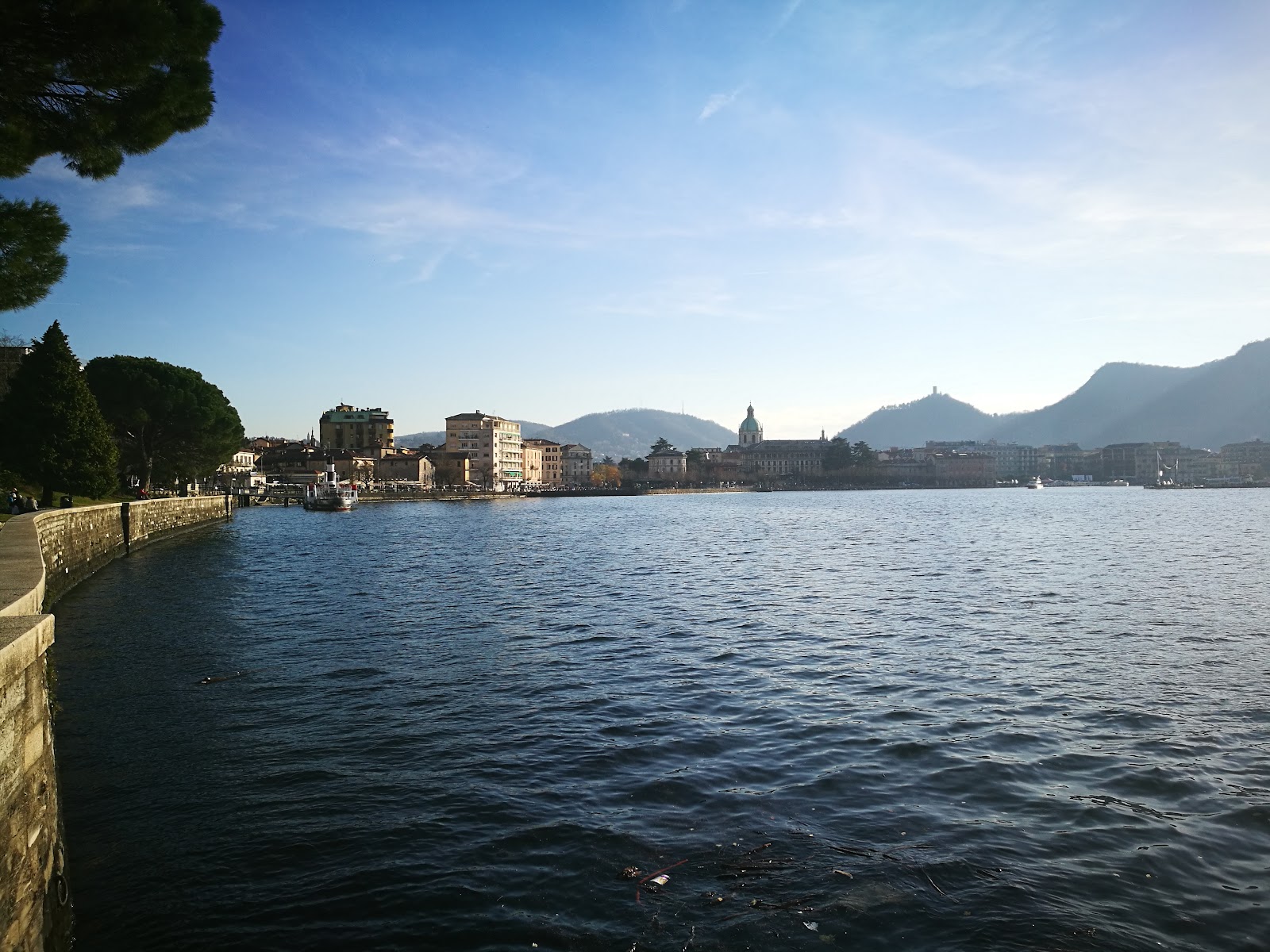
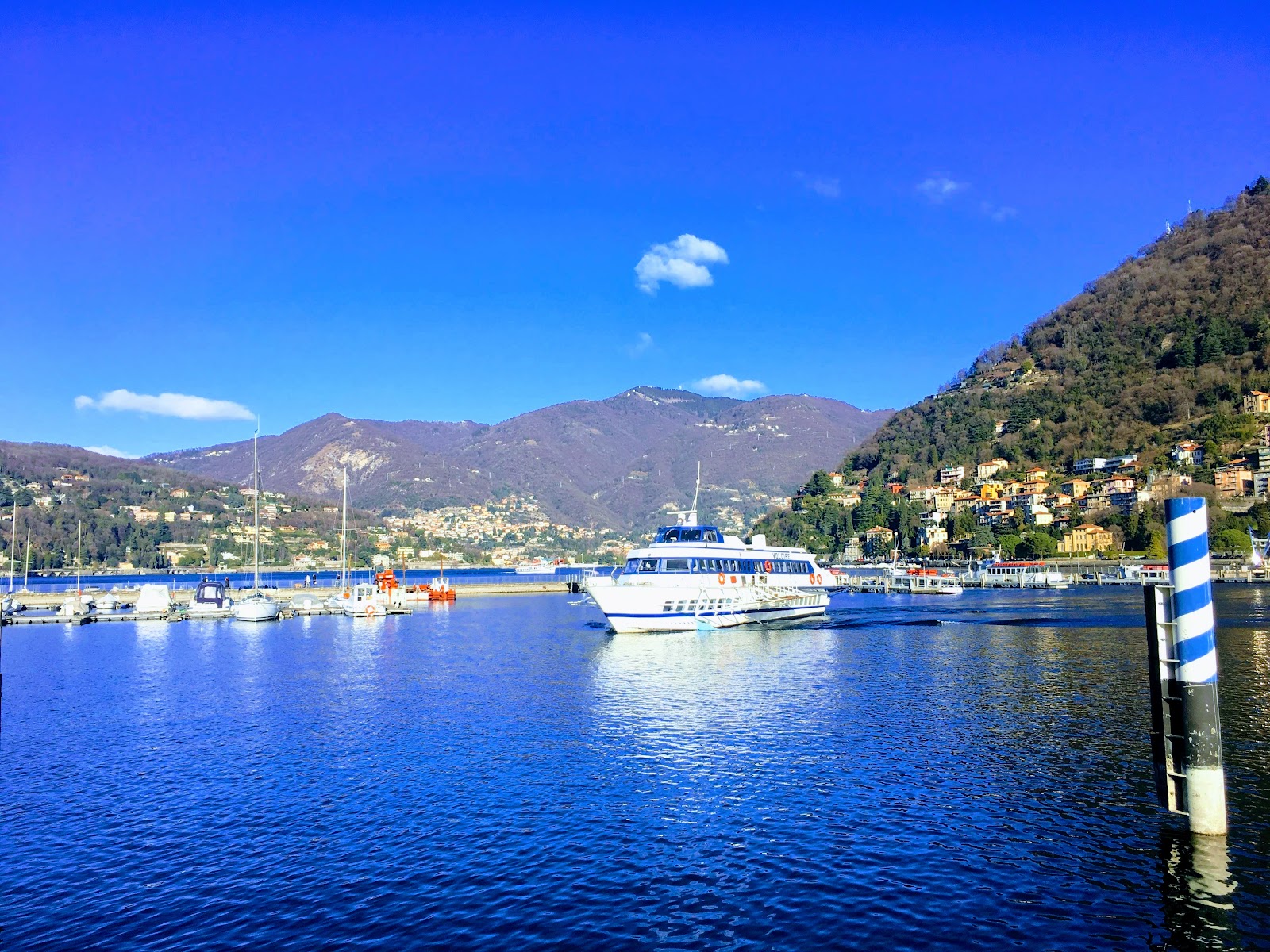
The lake announces itself before the city does. Coming in by train, you catch the first glint of water between apartment blocks and then, suddenly, Como spreads out along the southern tip of its namesake lake, ringed by hills that hold the mist on cool mornings. The stone underfoot in the old center — pale grey Moltrasio limestone quarried from the lakeshore hills — has been the city's building material since Roman times, which gives the streets a coherent, slightly silvery look that no renovation has quite managed to erase.
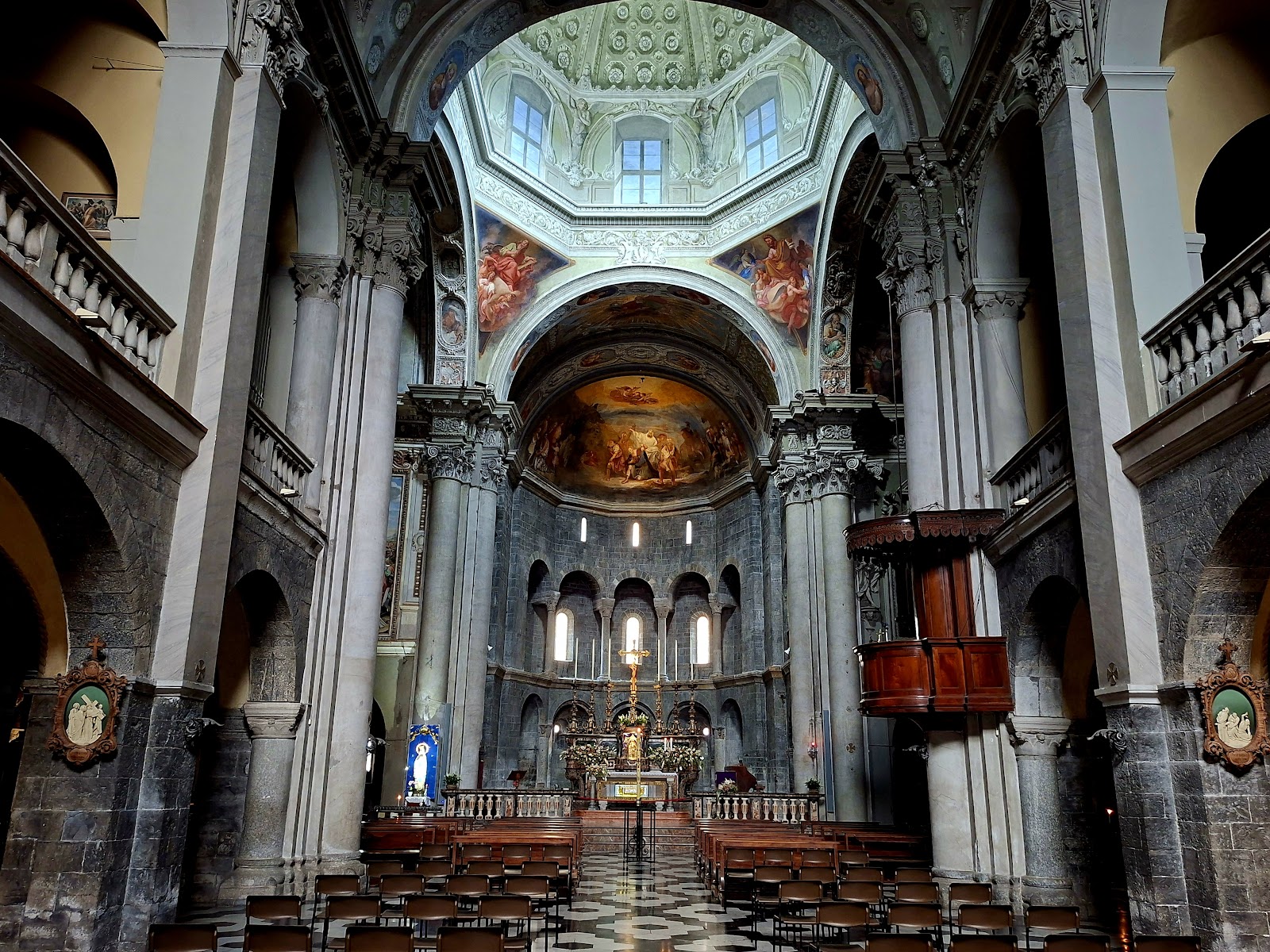
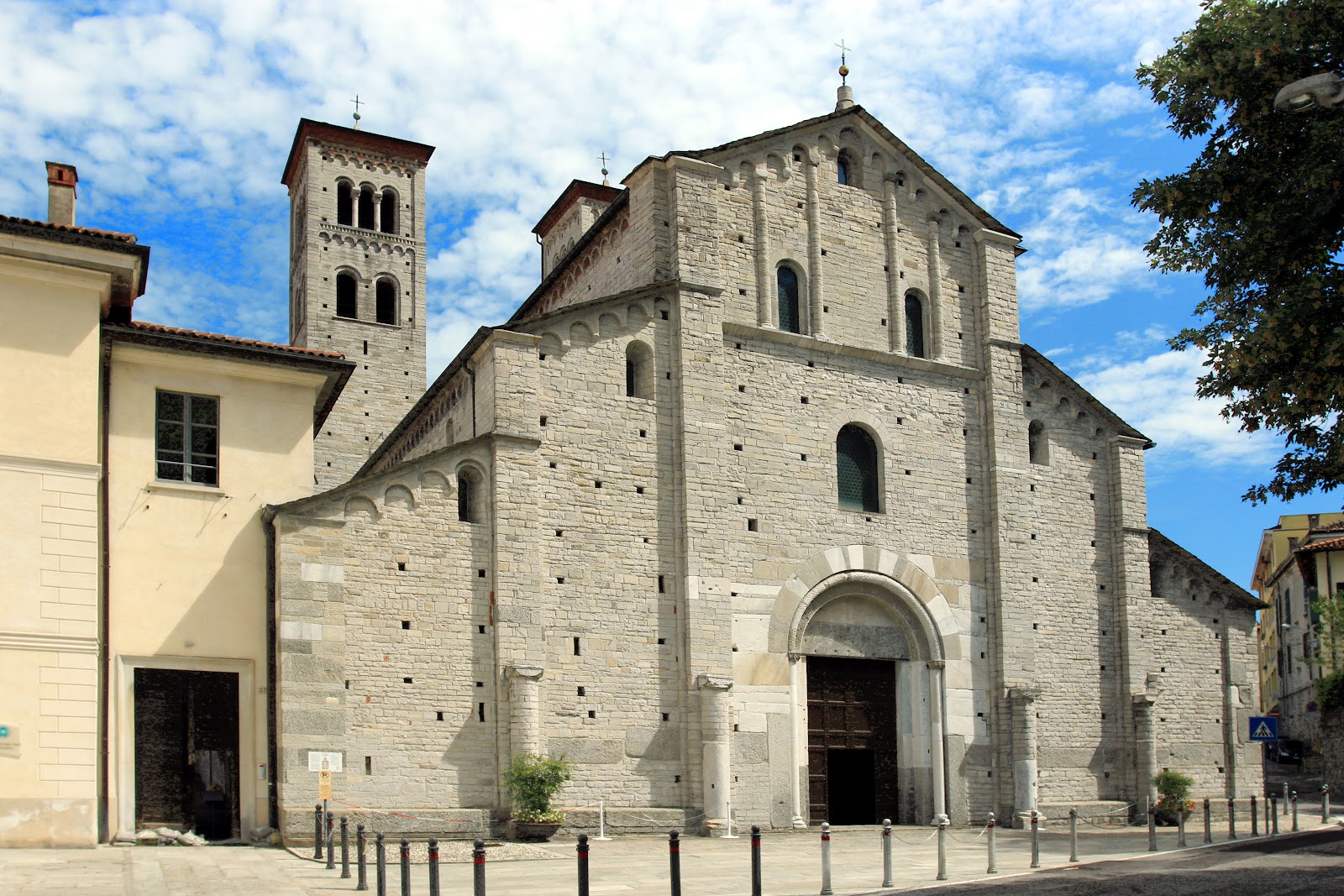
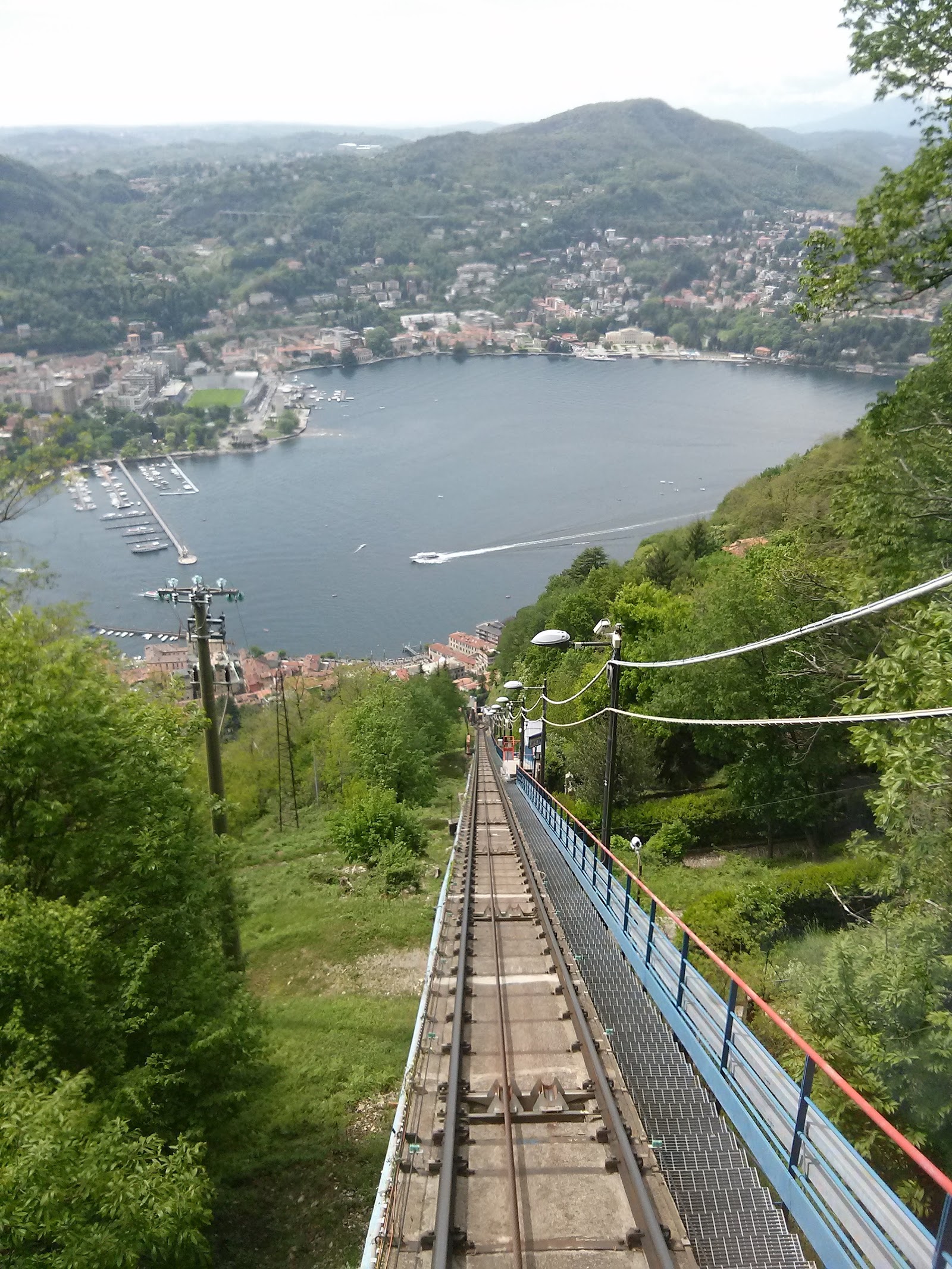
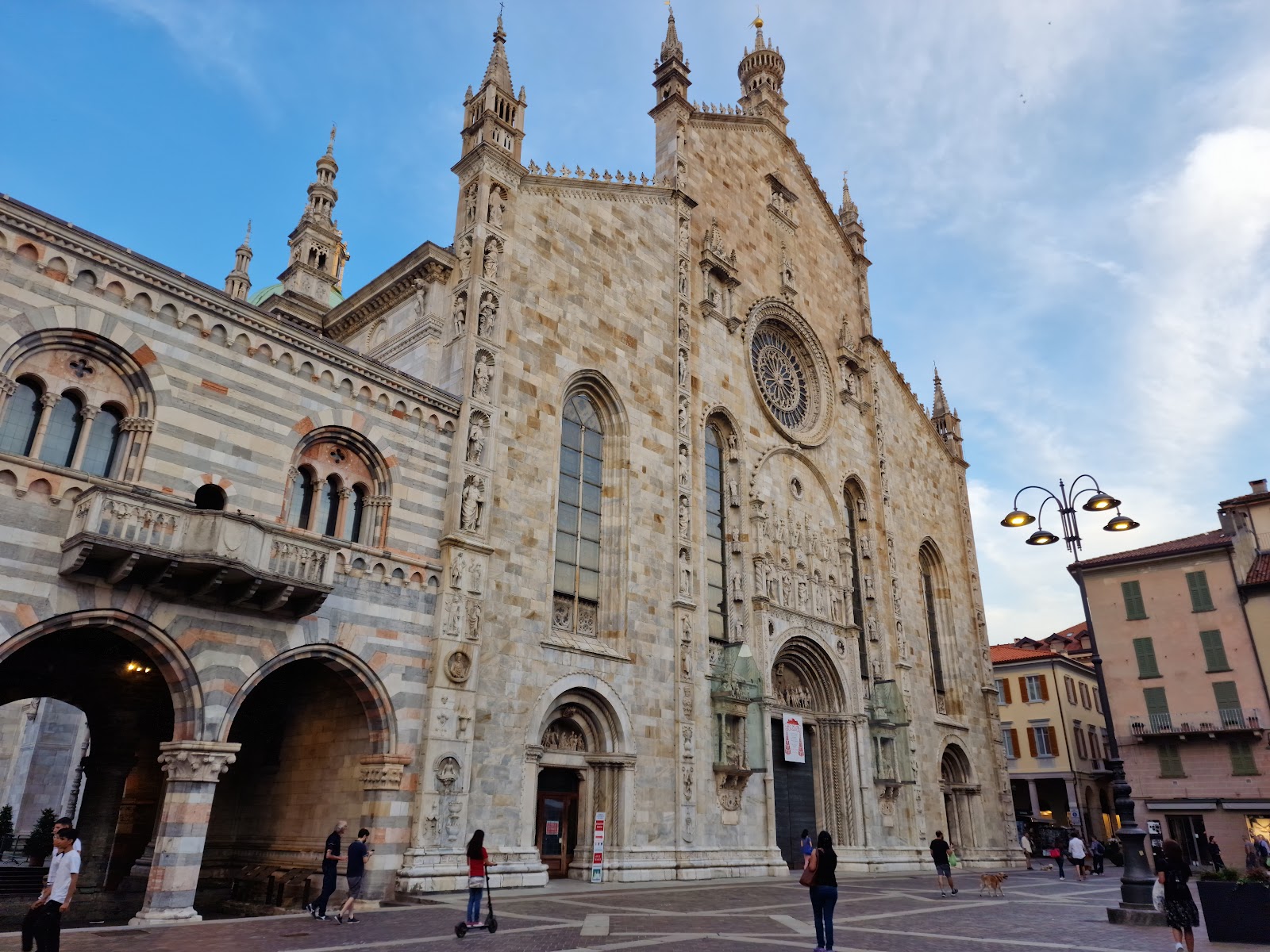
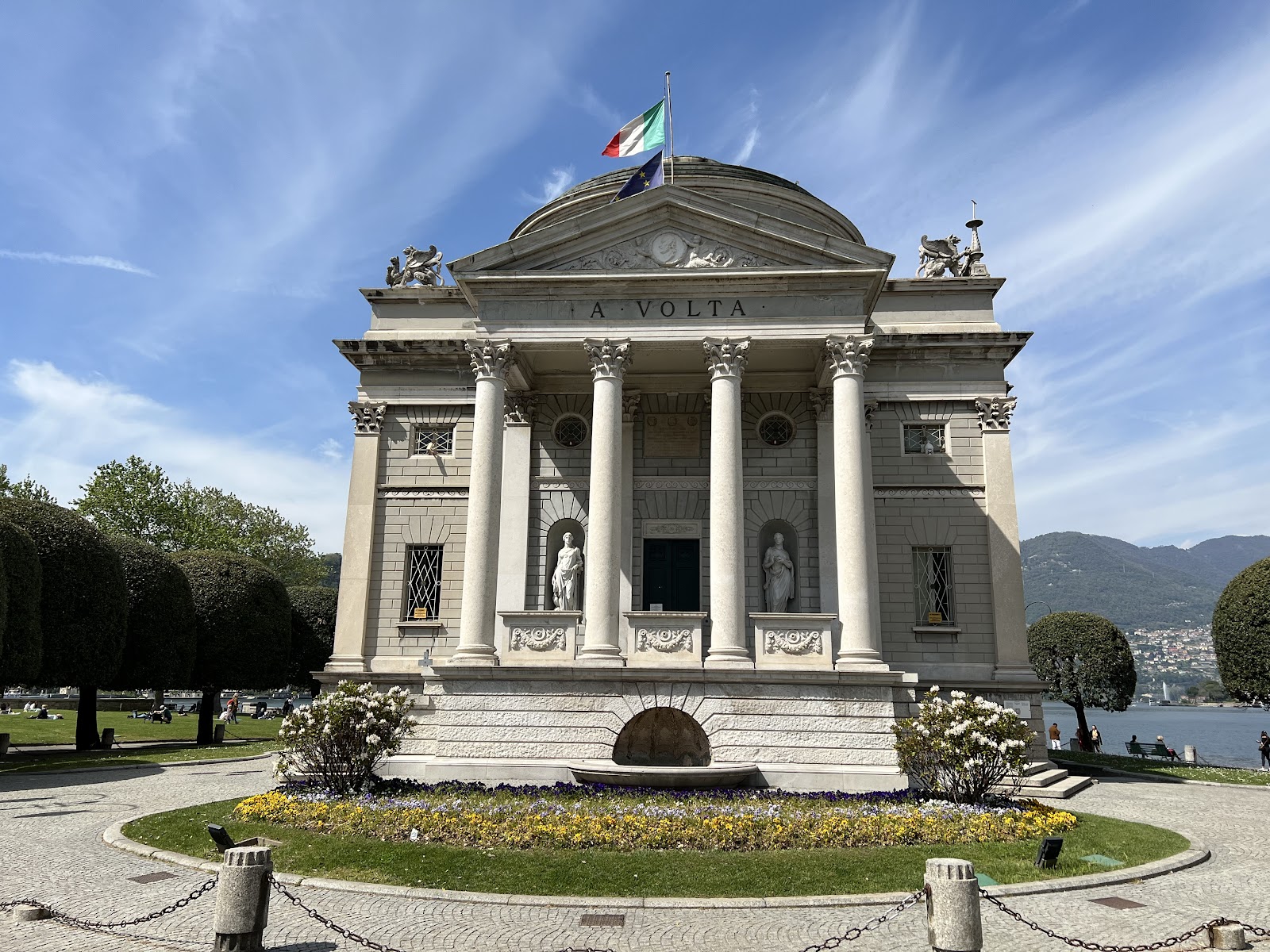
Como is compact enough to cross on foot in twenty minutes, but the layers take longer to unpick: a cathedral that took three hundred and fifty years to finish, a rationalist masterpiece from 1936 sitting two streets away from a basilica consecrated in 1095, and a funicular that has been pulling passengers up to the village of Brunate since 1894.
💛 What travellers fall for
People who come back tend to time the funicular for late afternoon, when the light on the lake shifts from white to copper. They also learn quickly that Como San Giovanni and Como Lago are two different stations — and that the ferry pier is a five-minute walk from the latter, not the former. Getting that wrong once is usually enough to remember it.
Experiences you don't want to miss


Deals in Como
Book directly at the provider


How Como came to be
Julius Caesar had the marshland at the lake's southern tip drained around 59 BCE, founding Novum Comum as a Roman colony. The city became a bishopric in 379 CE, then a free commune in the eleventh century — a status it defended fiercely enough to side with Emperor Frederick I Barbarossa, which cost it dearly: Milan razed Como in 1127. Peace came in 1183, and by 1335 the city had passed into the hands of the Visconti and later the Sforza, folding into the long arc of Milanese dynastic politics.
What followed was a relay of outside rulers — French, Spanish, Austrian — until Napoleon arrived in 1796 and reorganised Lombardy. Austrian control resumed after 1815, and it was Giuseppe Garibaldi's arrival in 1859 that finally brought Como into the Kingdom of Italy. Each of those transitions left something behind in the stone.
Who and what shaped it
People who shaped it
Landmark buildings
See Como in motion
Plan your visit
On the map
When to go
Como is one of the rainiest cities in Italy, averaging around 1,300 mm of precipitation a year, with November the wettest month. Summers are warm and humid with July highs around 26°C; winters are mild by northern Italian standards, though occasional cold snaps still arrive from the east.
Right now
↡ Attractions

Background & history adapted from Wikipedia (CC BY-SA) · specs from Wikidata (CC0) · weather from Open-Meteo · map data © OpenStreetMap contributors · photos from Wikimedia Commons / Unsplash with per-image credit. No third-party reviews or social posts reproduced.