
Stresa
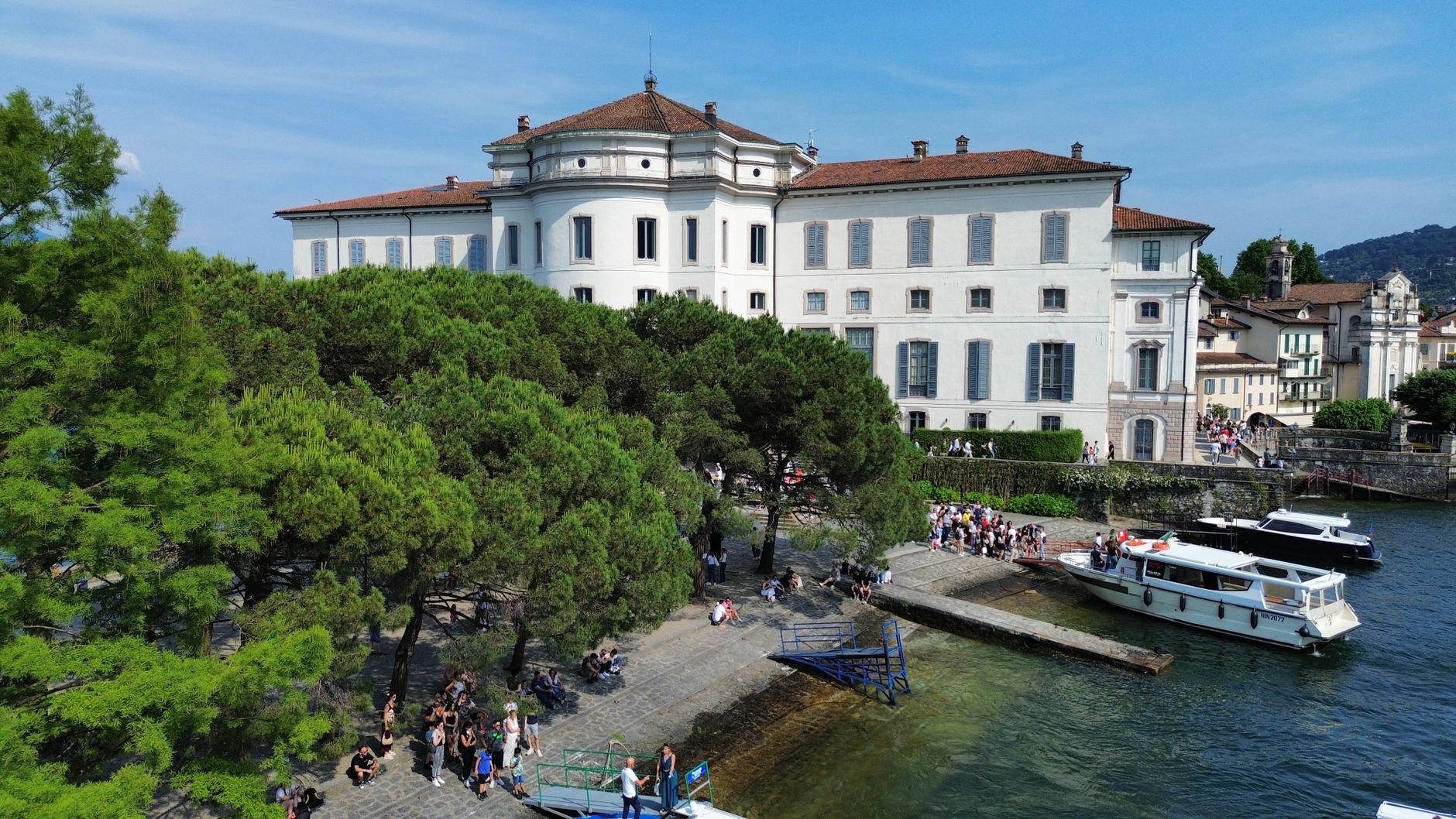
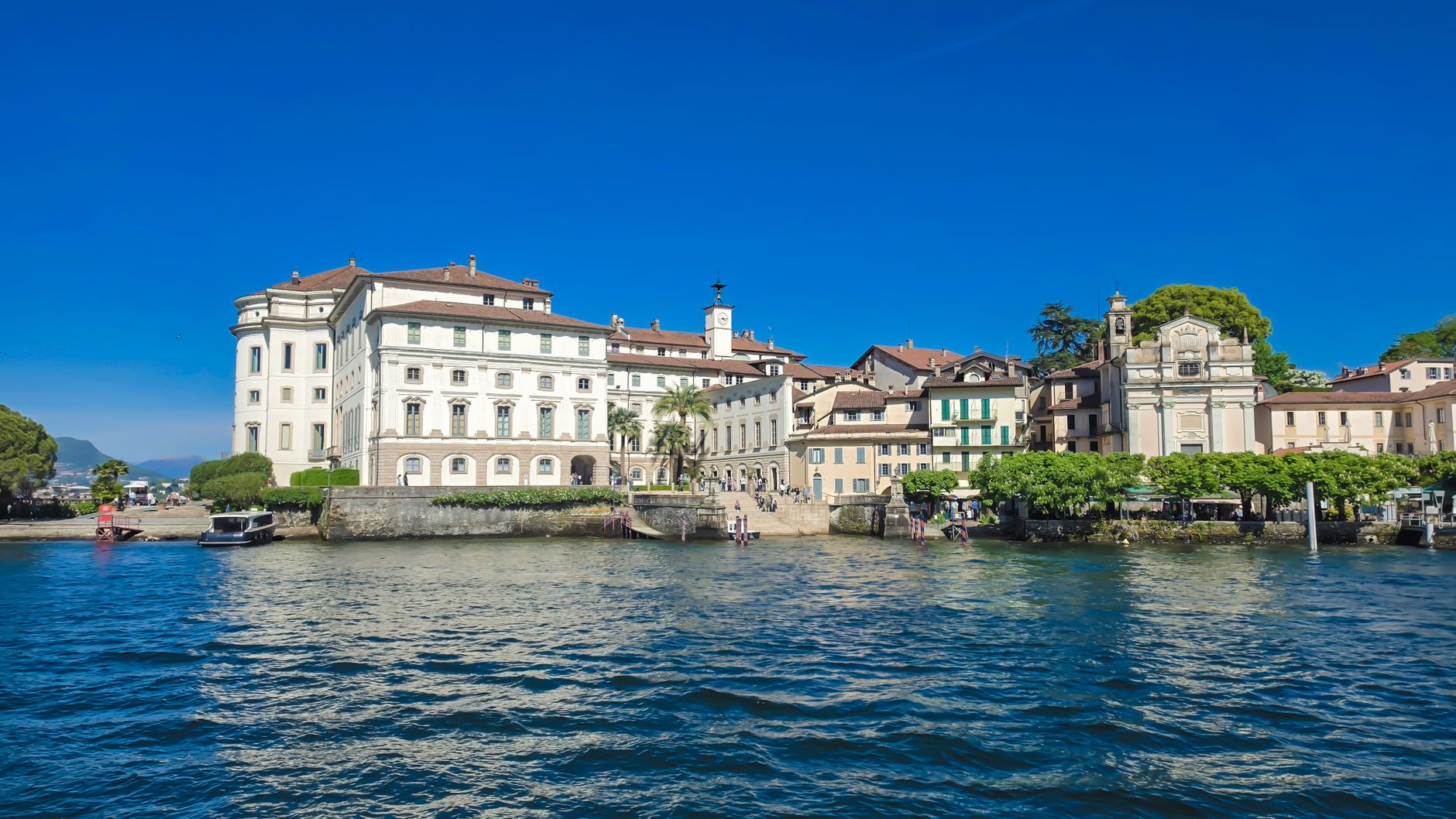
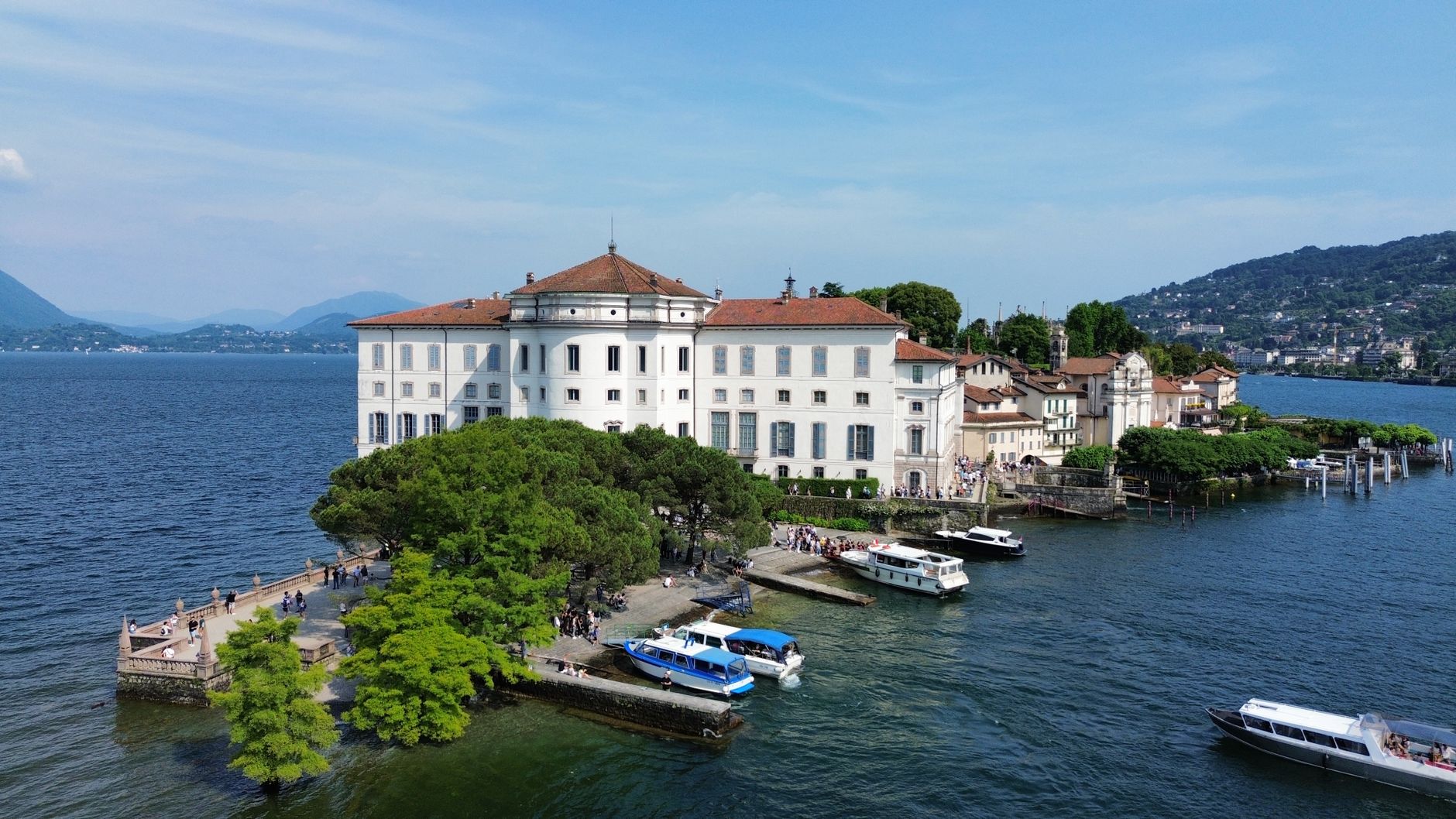
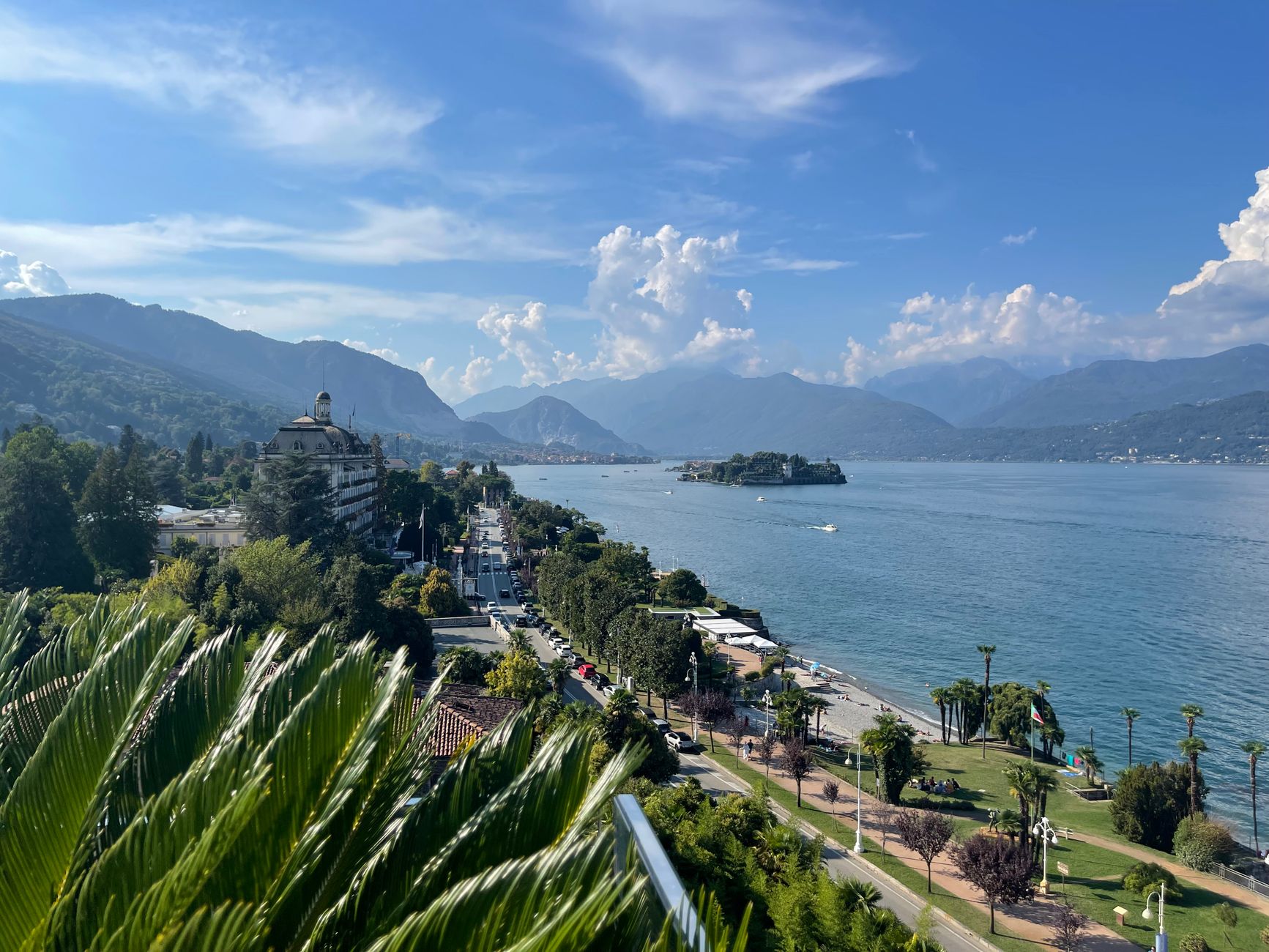
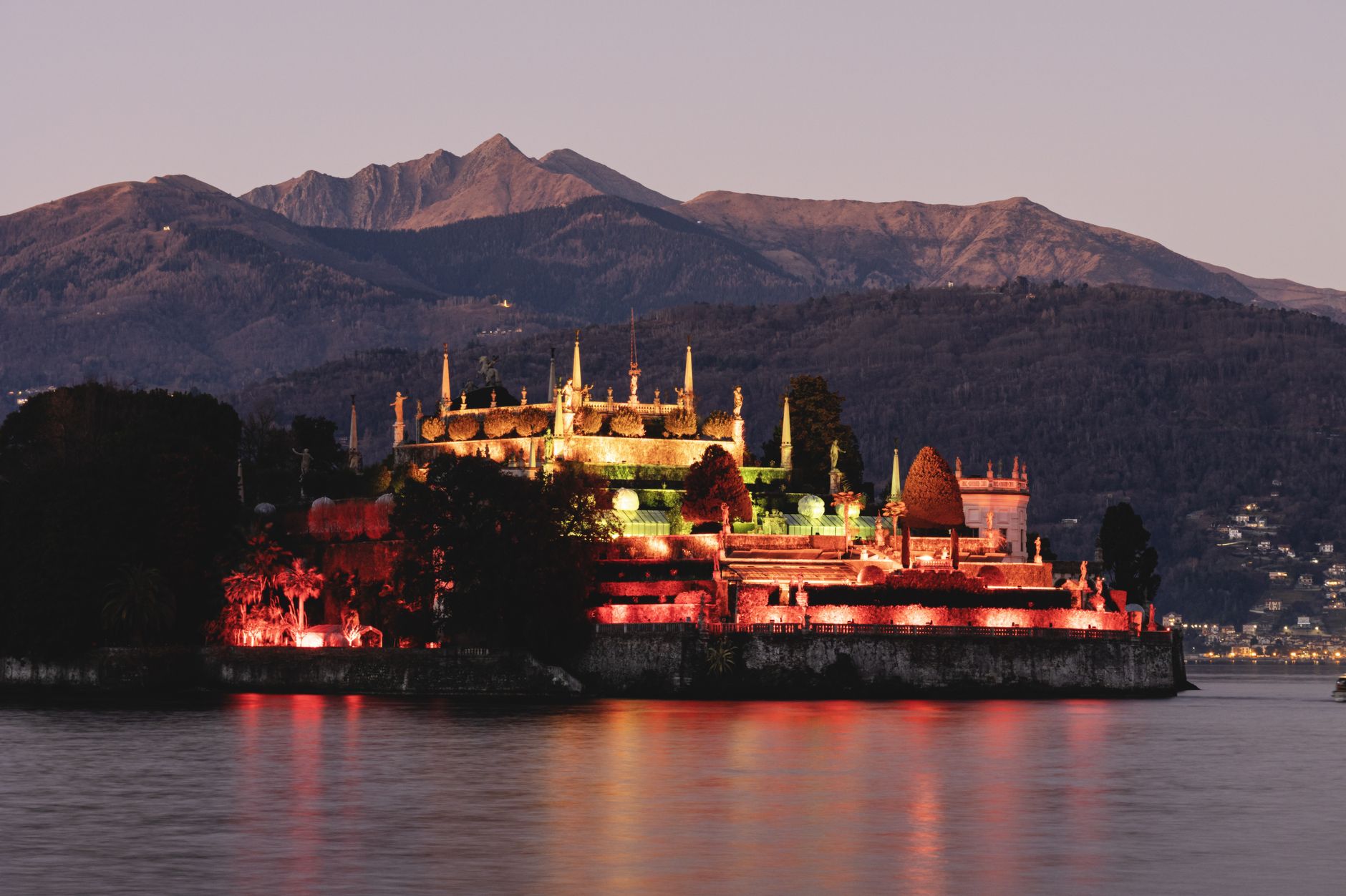
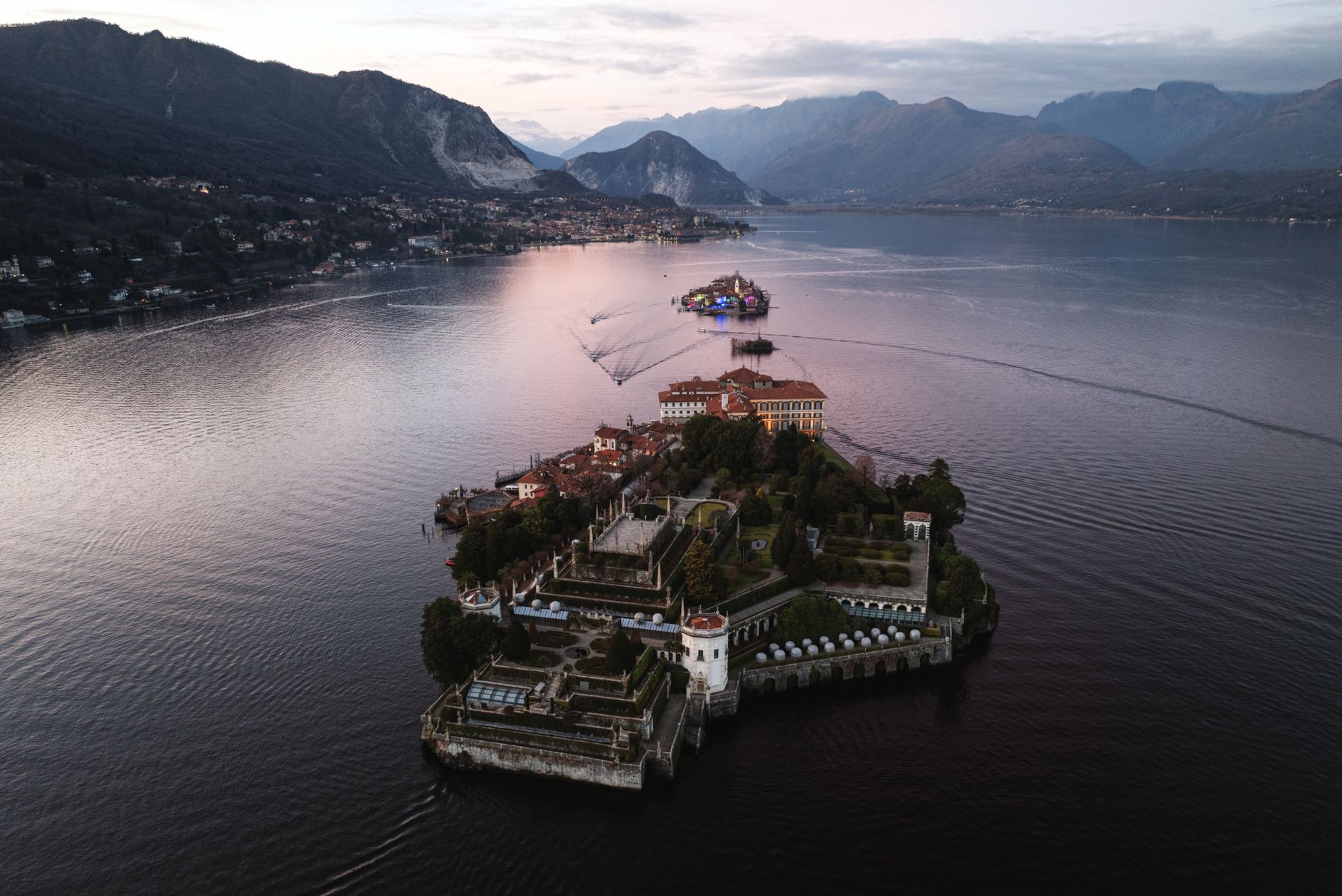
Stresa sits on the western shore of Lake Maggiore with its feet practically in the water and its eyes fixed on three islands that the Borromeo family spent two centuries turning into something between a palace and a dream. The Grand Hotel des Îles Borromées has been here since 1861, its Belle Époque façade so familiar that Hemingway gave it a cameo in a war novel — and then came back in person in 1948 to check it was still standing.
The town is small enough to walk end to end before lunch, yet the lake gives it a sense of scale that no street plan can contain. Ferries leave from two docks in the centre, threading out to Isola Bella, Isola Madre and the fishing village of Isola dei Pescatori in minutes.
💛 What travellers fall for
People who return tend to time their arrival for a weekday in late June, before the July crowds thicken, and take the first morning ferry to Isola dei Pescatori rather than Isola Bella. They also make a point of walking up to Villa Ducale — quiet, a little austere — where the philosopher Rosmini spent his last years, and which most day-trippers walk straight past.
Experiences you don't want to miss


Deals in Stresa
Book directly at the provider


How Stresa came to be
The name appears in documents as early as 998 AD, spelled 'Strixsya', and by 1014 the Emperor Henry II had donated the settlement to a Benedictine monastery in Pavia. The Viscontis of Milan held feudal sway here through the 15th century, until the Borromeo family began acquiring territory in 1441 and had consolidated the whole district under their name by 1653. The town passed to Austrian hands in 1719, then to the House of Savoy in 1748.
The modern Stresa — the one of grand hotels and lakeside promenades — took shape in the early 19th century with the construction of villas for wealthy visitors, and accelerated sharply after 1861 when the Grand Hotel des Îles Borromées opened. The Simplon Tunnel, completed in 1906, put Stresa on the London–Paris–Milan rail line and effectively introduced the town to the whole of Europe.
Who and what shaped it
People who shaped it
Landmark buildings
See Stresa in motion
Plan your visit
On the map
When to go
Winters are mild by northern Italian standards — January days hover around 7°C — while July and August push into the high twenties. May is the wettest month, with rain on roughly half its days, so if you want warm weather without the summer crowds, the second half of June is the practical sweet spot.
Right now
Background & history adapted from Wikipedia (CC BY-SA) · specs from Wikidata (CC0) · weather from Open-Meteo · map data © OpenStreetMap contributors · photos from Wikimedia Commons / Unsplash with per-image credit. No third-party reviews or social posts reproduced.