
Mantua
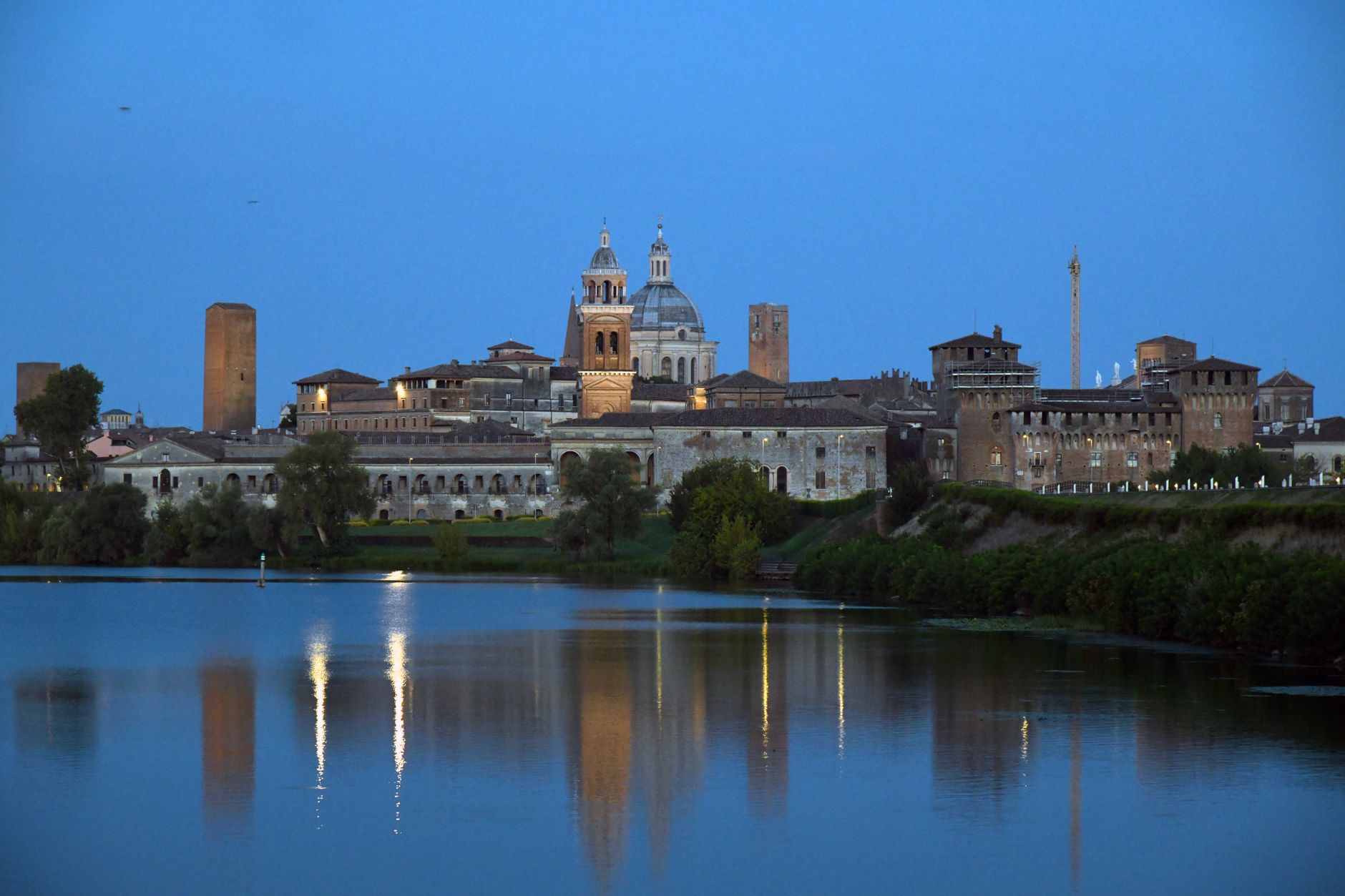
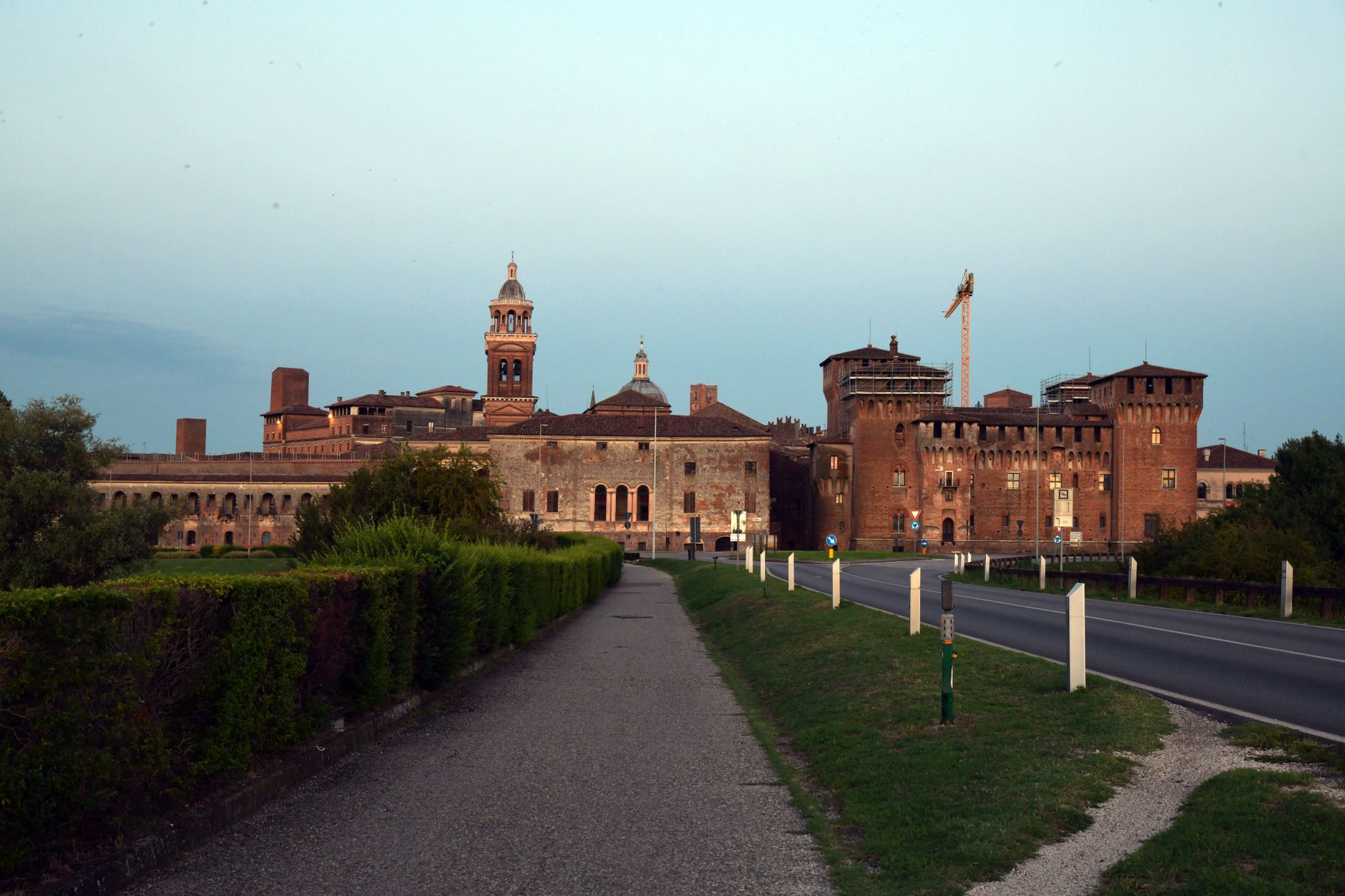
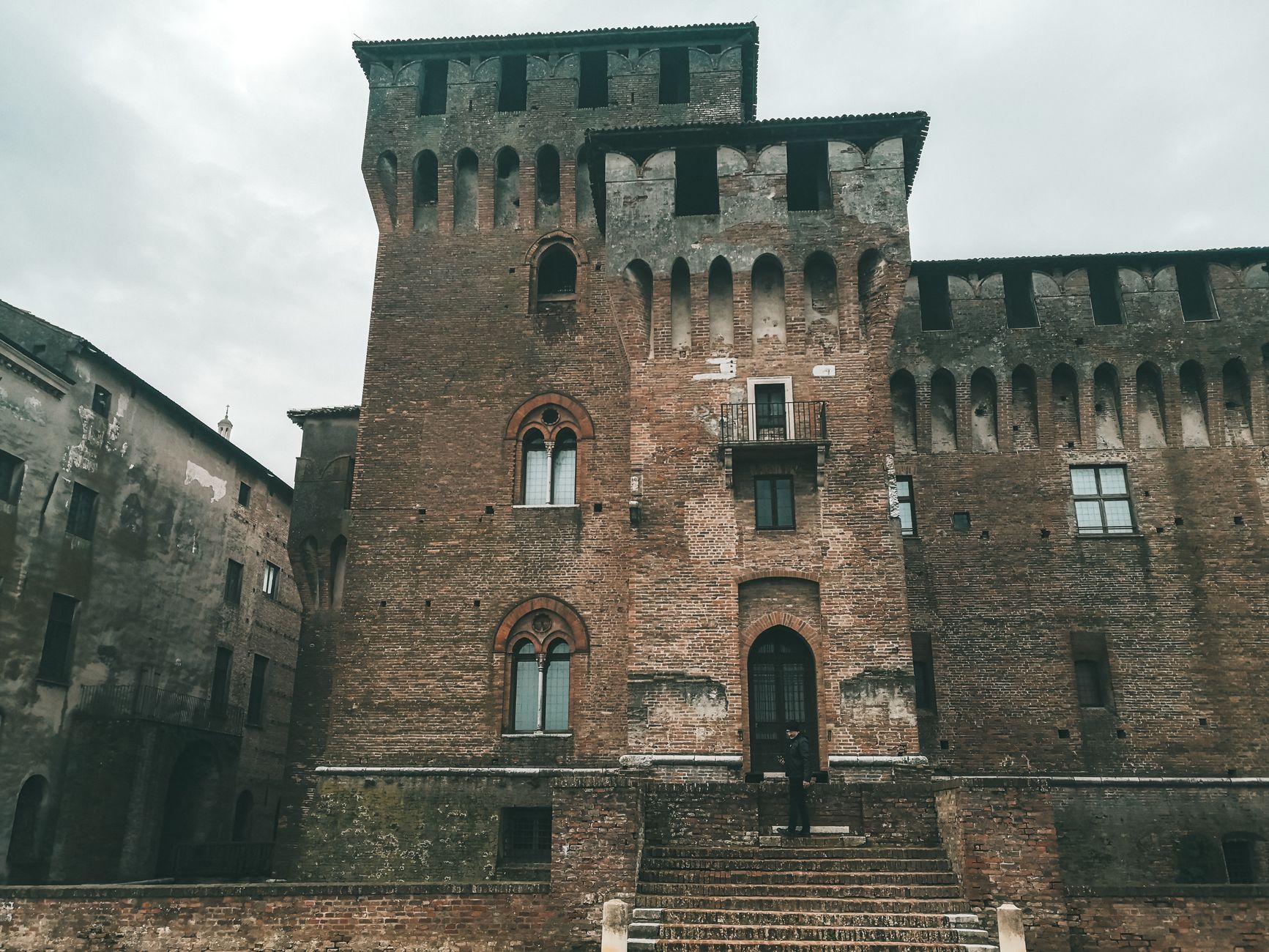
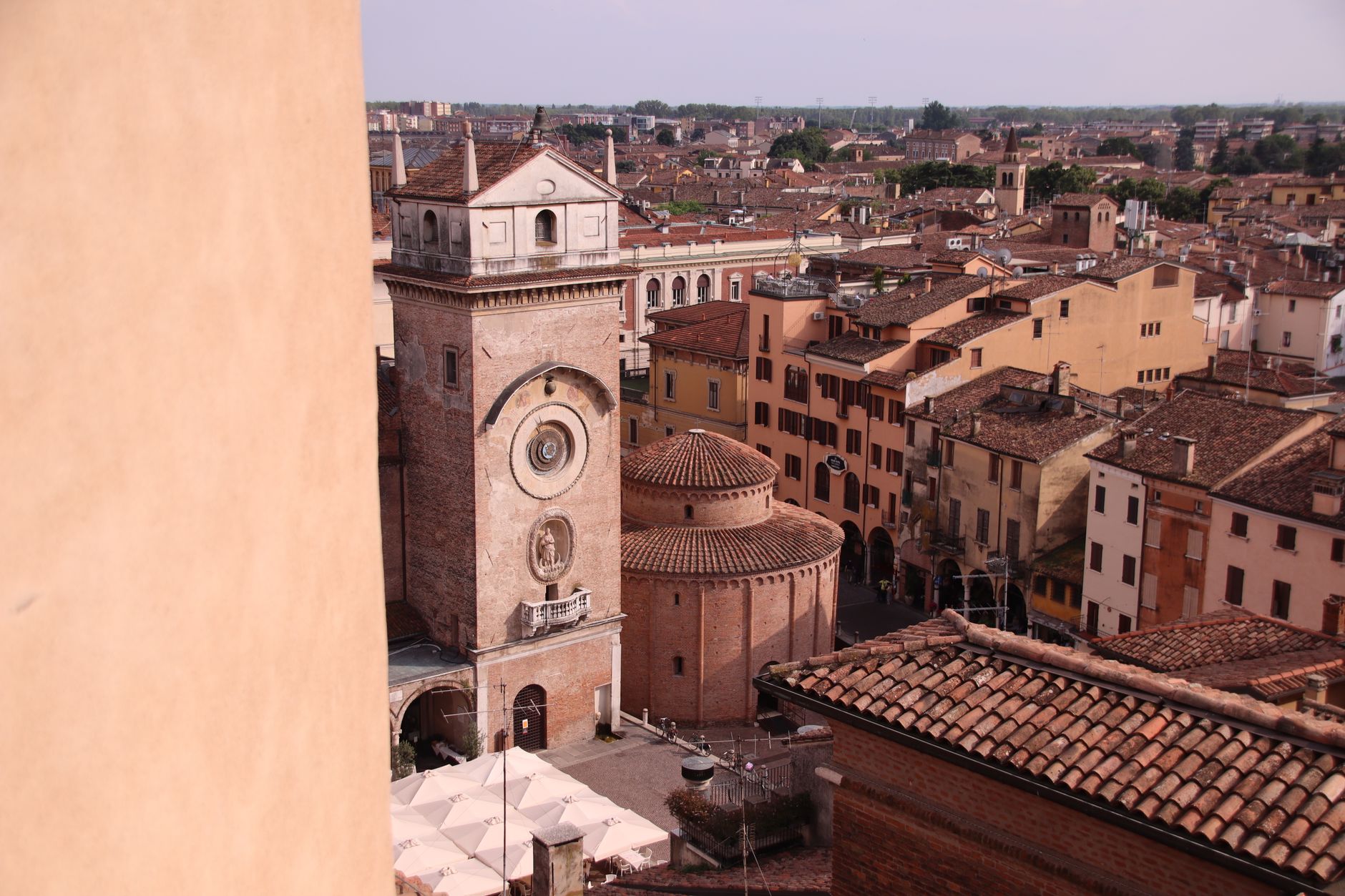
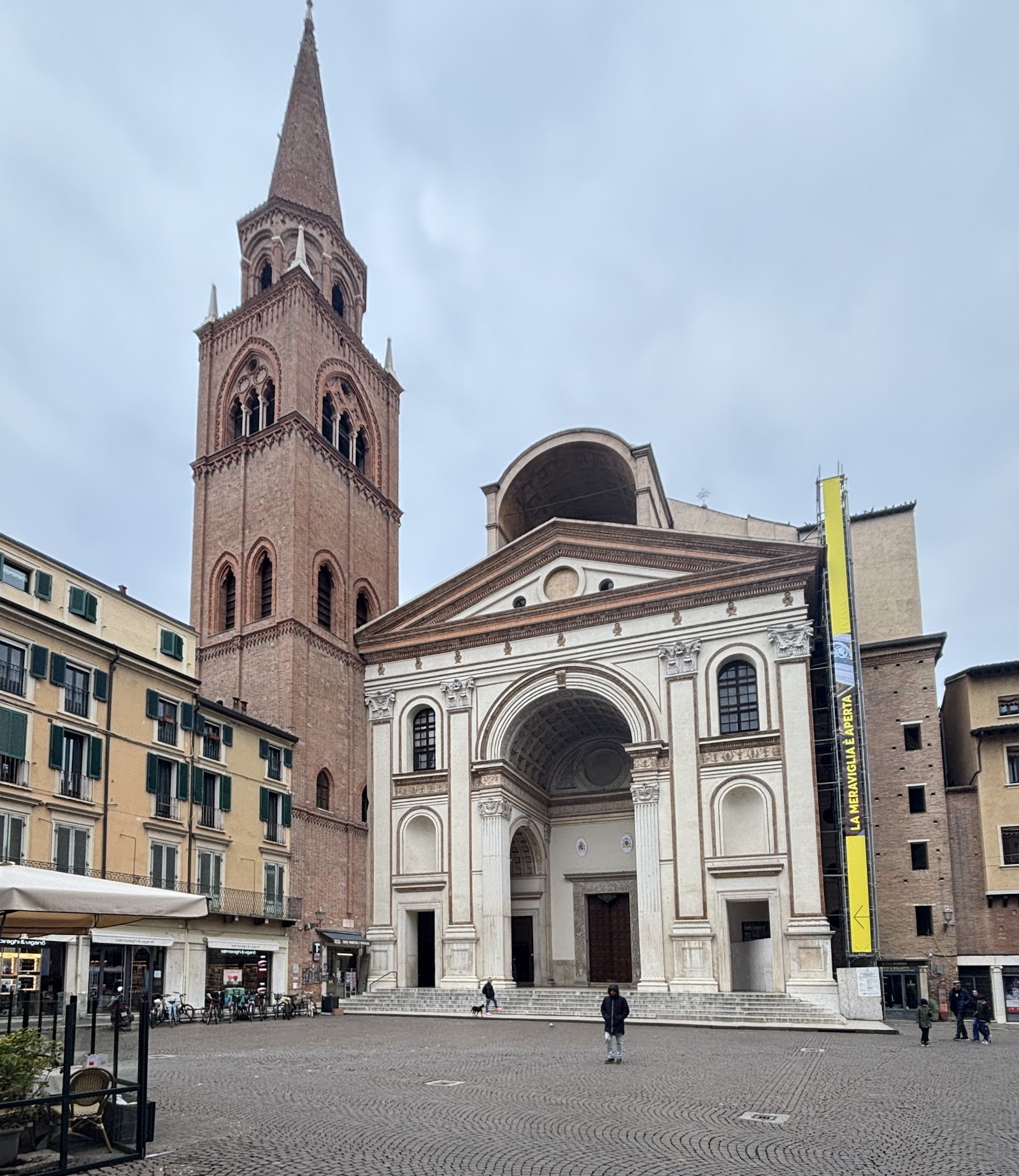
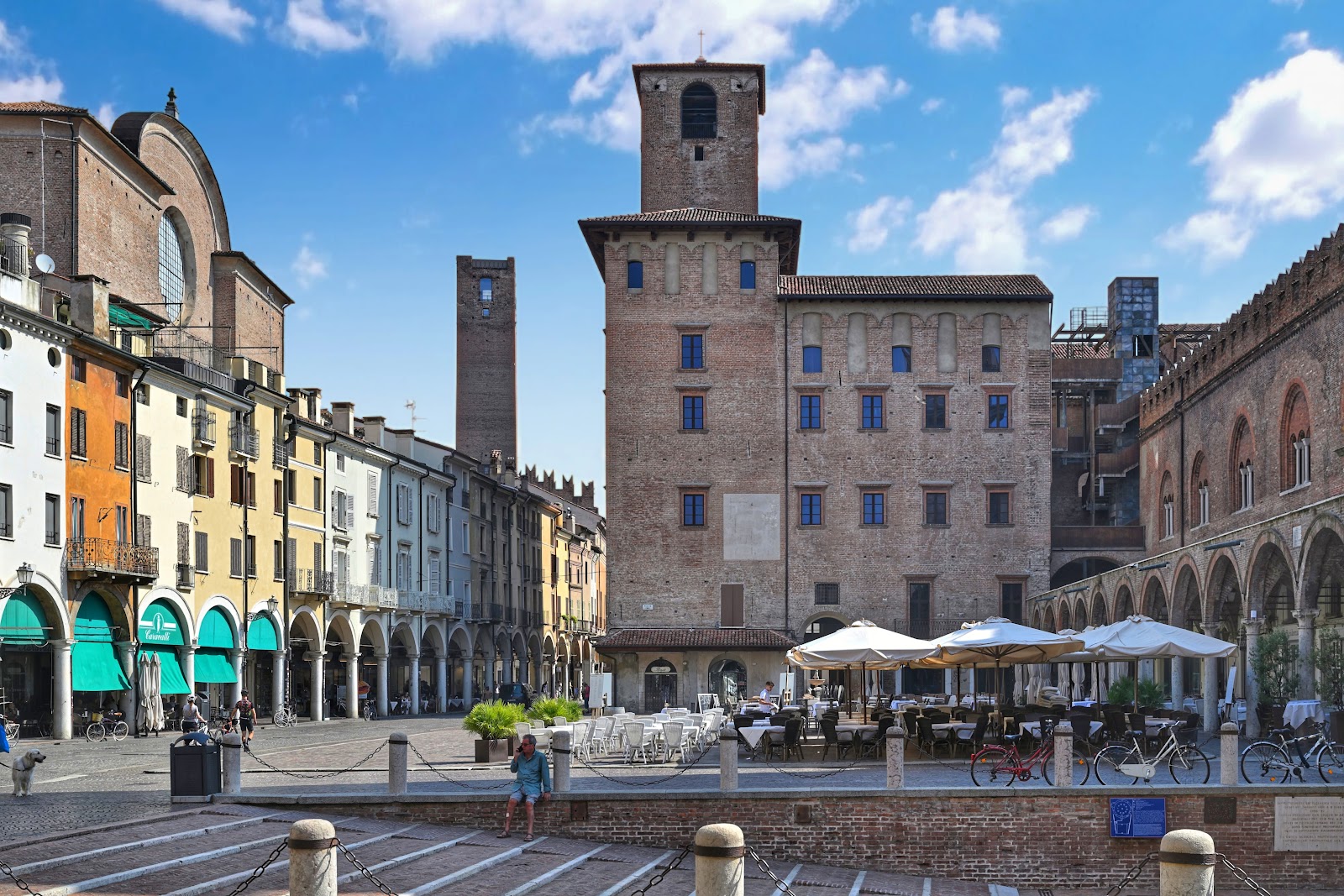
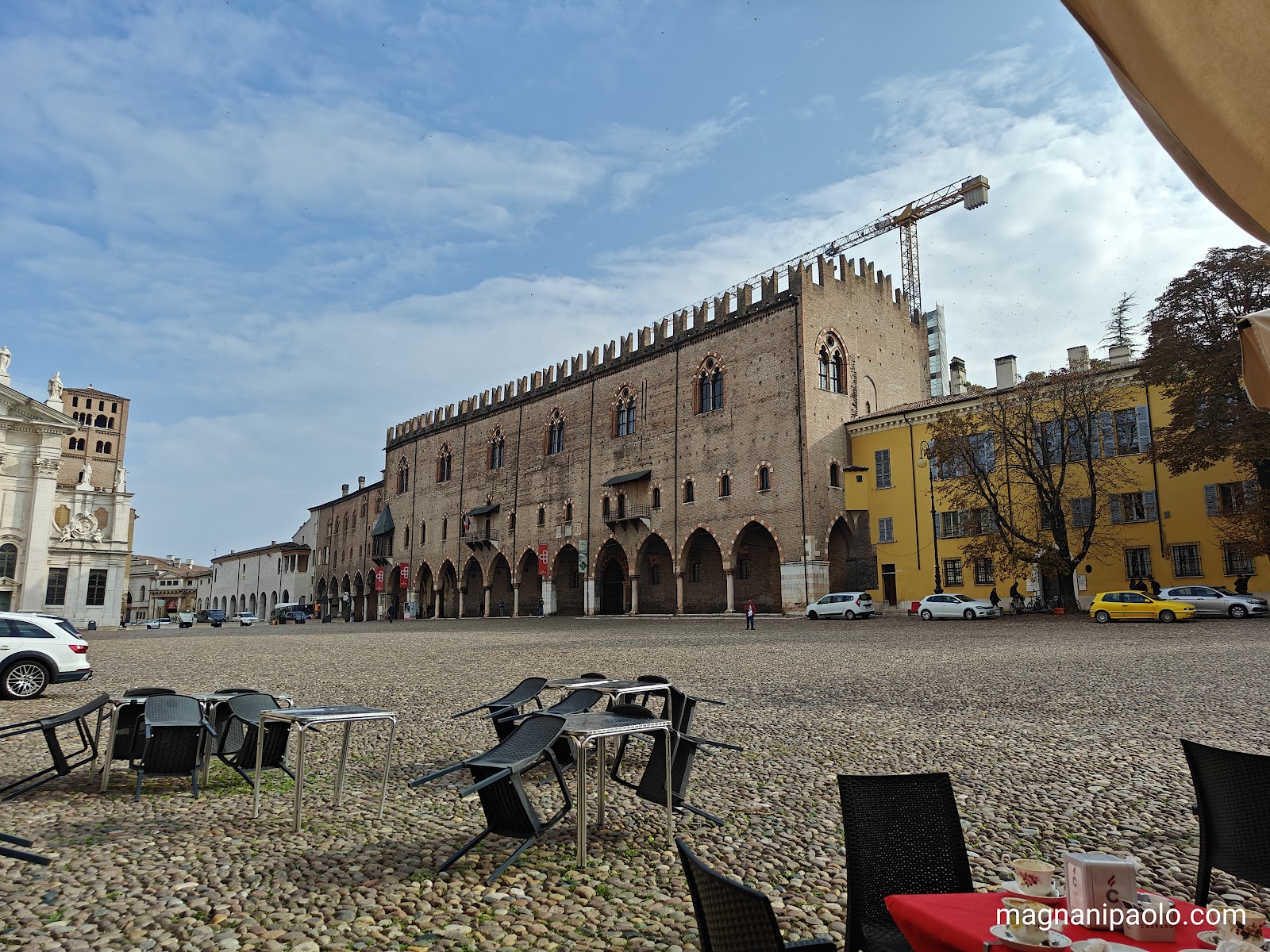
Three artificial lakes wrap around Mantua on three sides, a medieval defence system that now gives the city the quality of a mirage — water on every horizon, Renaissance palaces rising from the reeds. The River Mincio was dammed in the 12th century to make those lakes, and the city they protected went on to become one of the great courts of Europe under the Gonzaga family, who ruled here from 1328 to 1707.
Virgil was born nearby. Monteverdi premiered L'Orfeo here in 1607. Isabella d'Este held court here at the turn of the 16th century, drawing Leonardo da Vinci into her orbit. The UNESCO-listed centro storico carries all of this with a certain quietness — fewer crowds than you'd expect for a place so densely layered.
💛 What travellers fall for
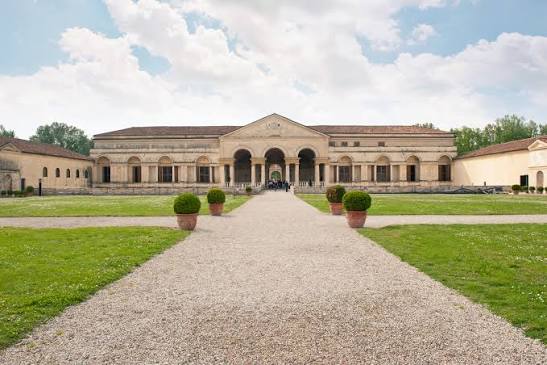
People who come back tend to linger in the Camera degli Sposi inside the Palazzo Ducale longer than they planned — Mantegna's trompe-l'oeil ceiling from 1475 still does something to the room. They also walk out to Palazzo Te rather than taking the bus, because the fifteen minutes through the southern streets is part of it.
Experiences you don't want to miss




Deals in Mantua
Book directly at the provider
How Mantua came to be
Settlement here goes back around four thousand years, and the name itself may derive from Mantus, an Etruscan deity. After centuries of Gallic and then Roman dominion, Mantua emerged in the medieval period as a free commune — it joined the Lombard League in 1167 — before the Bonacolsi family consolidated power in 1276. They were ousted in 1328 by the Gonzagas, who would shape the city for nearly four centuries.
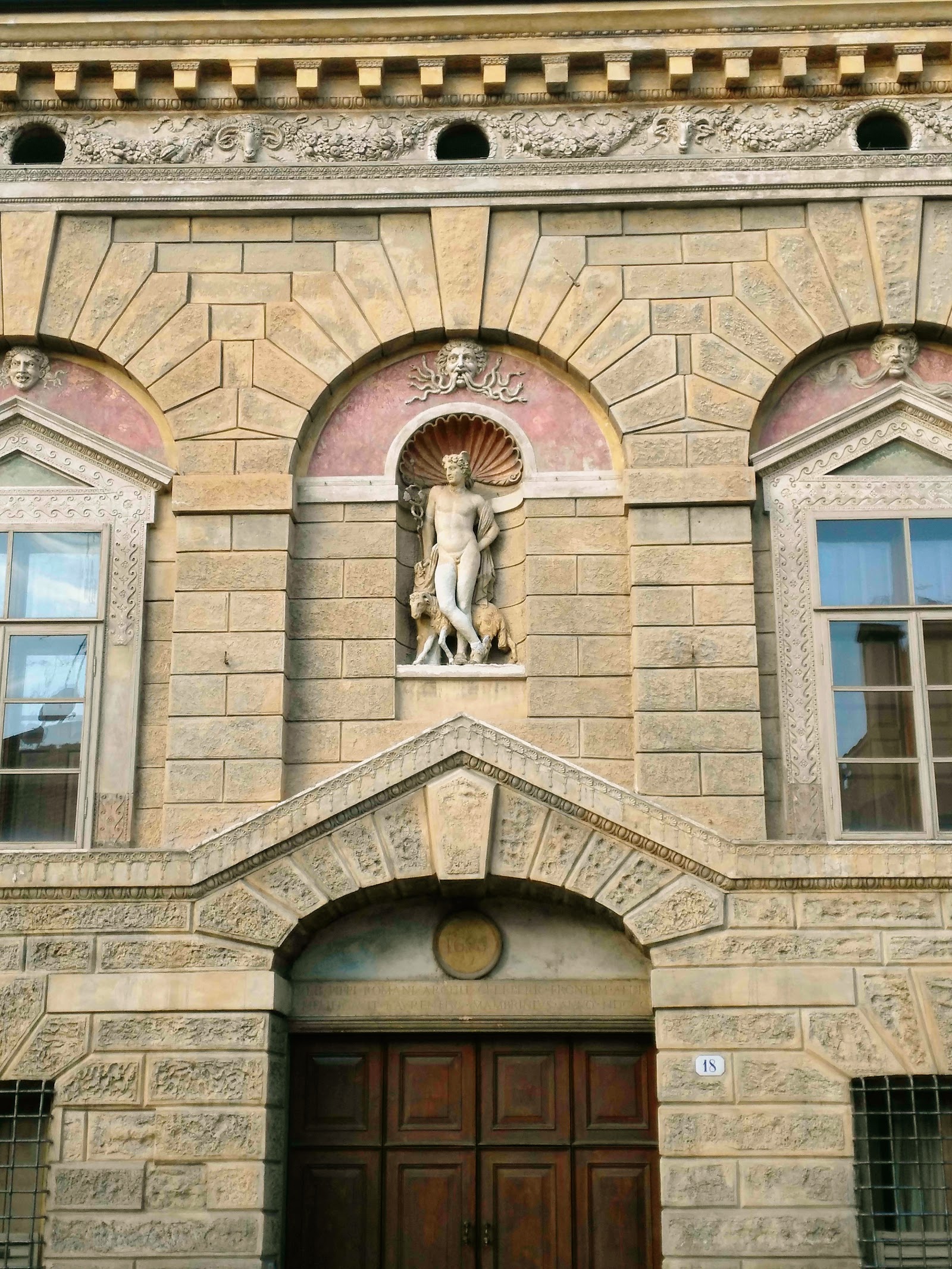
Under the Gonzagas, Mantua became one of the foremost artistic centres of the Italian Renaissance. The family commissioned Mantegna, employed Monteverdi, and produced Isabella d'Este, whose patronage defined the age. Habsburg rule followed in 1707, then Napoleon seized the city in 1797 after a long siege, and Austria held it again until 1866, when Mantua finally joined a unified Italy.
Who and what shaped it
People who shaped it
Landmark buildings
See Mantua in motion
Plan your visit
On the map
When to go
Summers are hot and humid, the Po Valley heat pressing in from July through August. Spring — April and May — and September through October offer mild temperatures and clear light that suits the lakeside walks and open piazzas well. Winters are cold and occasionally foggy.
Right now
↡ Attractions


Background & history adapted from Wikipedia (CC BY-SA) · specs from Wikidata (CC0) · weather from Open-Meteo · map data © OpenStreetMap contributors · photos from Wikimedia Commons / Unsplash with per-image credit. No third-party reviews or social posts reproduced.